Article-At-A-Glance
- Disease-resistant plant varieties are rated as either High Resistance (HR) or Intermediate Resistance (IR) — and understanding the difference can make or break your growing season.
- No plant variety offers complete immunity; resistance simply means the pathogen has a harder time taking hold under normal pressure.
- Resistance to one disease never transfers to another — a Fusarium wilt-resistant tomato is not automatically protected against Verticillium wilt.
- Modern breeding methods, including CRISPR-Cas9 technology, are opening up entirely new possibilities for how resistance is engineered into crops.
- Keep reading to find out exactly how to use resistant varieties strategically — and why using them alone is a costly mistake most gardeners make.
Growing disease-resistant plant varieties is one of the smartest moves you can make in the garden — but only if you know how to use them correctly.
There is a quiet revolution happening in seed catalogues and research labs alike, driven by the urgent need to grow more food with fewer chemical inputs. Resistant varieties sit at the center of that shift. Whether you’re a backyard gardener tired of losing tomatoes to blight or a commercial grower managing hundreds of acres, understanding how plant resistance actually works gives you a genuine edge. Resources like disease-resistant variety guides can help you match the right varietal to the right conditions before you ever put a seed in the ground.
What follows is everything you need to know — from how resistance is built into a plant at the breeding level, to how pathogens eventually fight back.
Disease-Resistant Varietals: What Every Farmer Needs to Know
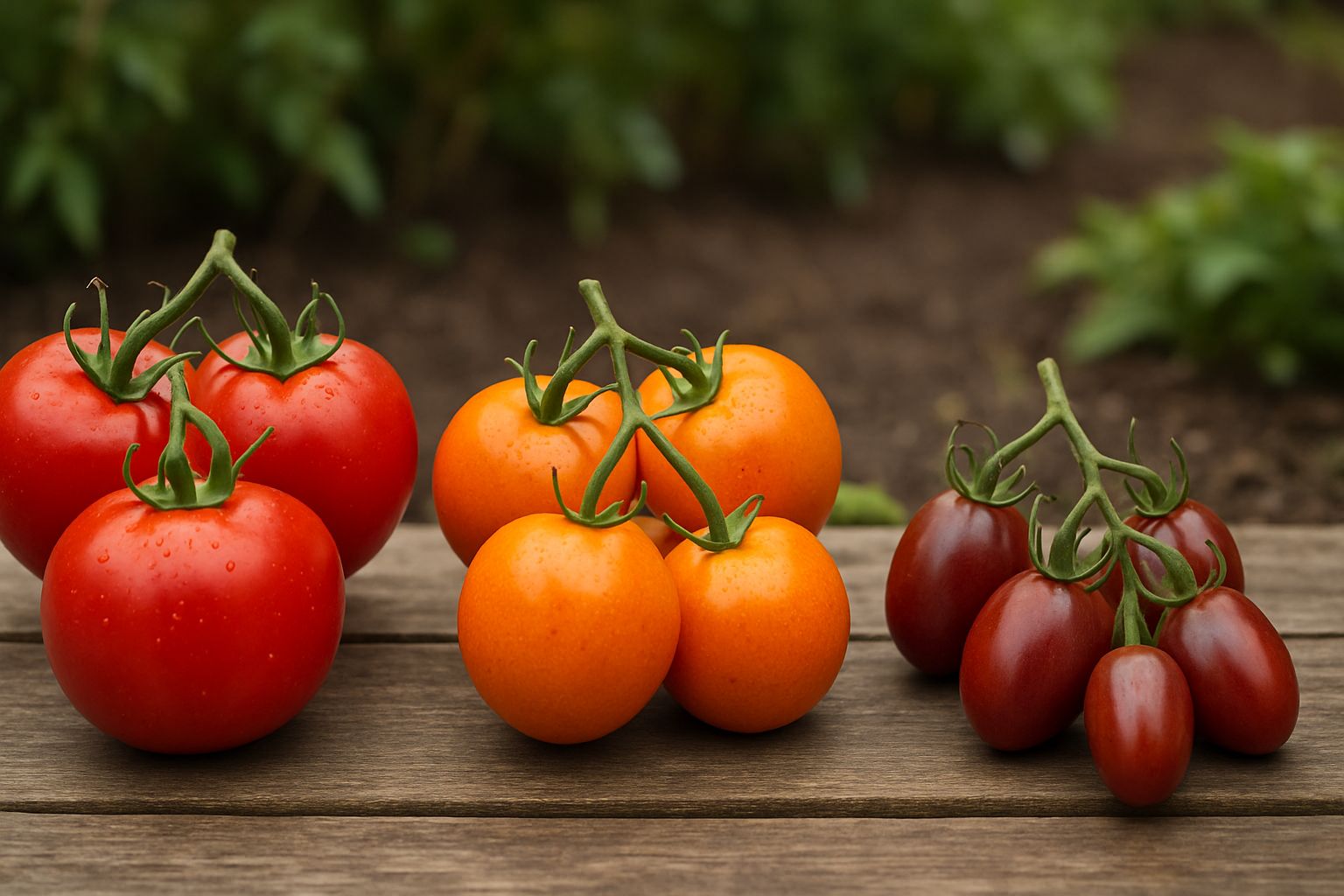
The core promise of a disease-resistant varietal is simple: the plant is bred to slow down, restrict, or tolerate a specific pathogen better than a standard variety would. But the reality is more layered than that. Resistance is not a guarantee of a clean, symptom-free crop. It is a biological advantage — one that shifts the odds in your favor under normal disease pressure, but can still be overwhelmed when conditions become ideal for the pathogen.
This distinction matters enormously when planning a disease management program. Treating a resistant variety as a silver bullet leads to complacency, which is exactly when diseases gain the upper hand. Resistant varieties are most powerful when they are one pillar in a broader strategy that includes crop rotation, sanitation, monitoring, and targeted fungicide use where appropriate. For gardeners interested in sustainable practices, exploring drought-resistant grasses can be an excellent addition to their strategy.
What Makes a Varietal Disease-Resistant
Disease resistance in plants is a genetic trait — one that breeders deliberately select for, layer, and stabilize over multiple generations. A resistant variety carries specific genes that interfere with how a pathogen infects, colonizes, or spreads through plant tissue. The pathogen may still land on the plant, but its ability to establish and cause significant damage is restricted.
How Resistance Is Developed Through Conventional Breeding
Conventional breeding remains the most widely used method for developing resistant varieties. Plant breeders intentionally cross susceptible commercial varieties with resistant parent lines, then select offspring that carry the resistance trait while still delivering acceptable yield, flavor, and vigor. This process typically spans several generations of crossing and back-crossing, sometimes taking a decade or more before a stable, commercially viable variety reaches the market.
When developing disease-resistant varieties, plant breeders take deliberate care to ensure that flavor, yields, and plant vigor are not sacrificed in the process. This is a real challenge — resistance genes sometimes come bundled with traits that reduce fruit size or alter taste, requiring breeders to carefully select against those undesirable characteristics while keeping the protection intact. With modern disease-resistant genetics and high-quality seed, growers can now confidently offer consumers produce that is both protected and high-quality. For more insights, explore drought-resistant grasses and the best varieties for urban gardening.
The Role of Wild Plant Relatives as Resistance Sources
Building resistance into a cultivated variety requires a source of that resistance in the first place — and that source is very often a wild plant relative. Wild relatives of crops have co-evolved alongside pathogens for thousands of years, developing natural defense mechanisms that domesticated varieties frequently lack. Breeders mine these wild gene pools for resistance traits and introduce them into cultivated lines through careful crossing programs.
- Wild tomato relatives like Solanum peruvianum have provided resistance genes used in modern commercial tomato breeding.
- Wild brassica relatives carry resistance traits used in cabbage and broccoli varieties bred against clubroot and downy mildew.
- Wild potato species from South America remain a critical reservoir for late blight resistance genes.
- Not all wild resistance traits transfer cleanly — some are linked to genes that reduce crop performance, requiring extensive breeding work to separate them.
The genetic diversity held in wild plant relatives is one of agriculture’s most valuable and most underappreciated resources. As new pathogen races emerge and climate conditions shift, that diversity becomes increasingly critical to the continued development of effective resistant varieties.
CRISPR-Cas9 and Genetic Engineering in Modern Resistance Development
Beyond conventional breeding, modern biotechnology has introduced powerful new tools. CRISPR-Cas9 gene editing allows scientists to make precise modifications to a plant’s existing DNA — turning off genes that pathogens exploit to gain entry, or amplifying natural defense pathways that were previously too weak to provide adequate protection. Unlike older genetic modification methods, CRISPR edits can be extraordinarily targeted, reducing the risk of unintended changes elsewhere in the plant’s genome.
This precision is opening doors that conventional breeding simply cannot. For diseases where no natural resistance source exists in wild relatives, gene editing offers a pathway to create protection from scratch. Research programs around the world are actively using CRISPR to develop resistance against devastating diseases like citrus greening, wheat blast, and cassava brown streak virus — diseases that currently have no effective resistant variety available through conventional methods.
Degrees of Disease Resistance Explained
Not all resistance is equal, and seed catalogues reflect this by using specific terminology to signal the level of protection a variety provides. Understanding these classifications before selecting a variety is essential — choosing an IR-rated variety when your disease pressure is high may leave you with a significant problem on your hands. For those interested in sustainable practices, our sustainable urban garden maintenance guide offers additional insights.
High Resistance (HR): What It Means in Practice
High Resistance (HR) describes plant varieties that highly restrict the growth and development of a specified pest or pathogen under normal pest or pathogen pressure, compared to susceptible varieties. An HR-rated variety is your strongest available line of defense within a conventional or gene-edited breeding framework. Even so, HR varieties may still exhibit some symptoms under unusually high disease pressure or in environmental conditions that strongly favor the pathogen — complete immunity is not part of the definition.
Intermediate Resistance (IR): Limitations Farmers Should Know
Intermediate Resistance (IR) means the plant variety will restrict the development of the specified pest or pathogen, but may exhibit a greater range of symptoms or damage compared to highly resistant varieties. Critically, IR varieties still show less severe symptoms or damage than fully susceptible varieties when grown under similar environmental conditions and pest or pathogen pressure — but that gap narrows considerably when conditions favor the disease.
The practical implication for gardeners and growers is straightforward: when you select an IR-rated variety, build fungicide applications or other disease management tools more actively into your program. Relying on an IR variety without additional support in a high-pressure disease environment is a gamble that frequently does not pay off. Syngenta, one of the major players in vegetable seed development, labels its varieties as HR, IR, or Tolerant (T) — a distinction that directly informs how much additional management each variety will need in the field.
Why No Variety Offers Complete Immunity
Resistance is rarely complete. Even the strongest HR-rated varieties typically develop some level of symptoms when environmental conditions are highly favorable for disease development — extended wet periods, dense planting, poor airflow, or unusually high pathogen populations in the soil can all push a resistant variety past its threshold. The genetics slow the disease down; they do not build an impenetrable wall.
This is one of the most important mindset shifts for gardeners moving toward resistant varieties for the first time. The goal is not a zero-symptom crop — it is a manageable crop. A resistant variety under moderate disease pressure will outperform a susceptible variety dramatically. But that same resistant variety under extreme pressure may still show significant damage, particularly if it is carrying IR rather than HR ratings for the disease in question.
Critical Rules for Using Resistant Varieties Effectively
Selecting a resistant variety is only the beginning. How you grow it, position it in your garden or field, and combine it with other management practices determines whether you actually get the protection the seed catalogue promises. There are four rules that every grower using resistant varieties needs to understand before the season starts.
1. Resistant Varieties Are Not a Standalone Solution
Resistant varieties are best used as a component of a broader disease management program — not as a replacement for one. Crop rotation, sanitation, proper spacing for airflow, irrigation management, and targeted fungicide use all remain relevant even when growing the most highly resistant variety available. The variety reduces your disease burden; everything else in your program keeps that burden from climbing back up to damaging levels. For those looking to improve their garden’s resilience, exploring drought-resistant grasses can be a valuable addition to your strategy.
2. Grow Resistant Varieties Separate From Susceptible Ones
Planting resistant and susceptible varieties side by side creates a significant disease management problem. Susceptible varieties act as disease reservoirs — they allow pathogen populations to build to levels that can overwhelm even a strongly resistant neighboring variety. High inoculum pressure generated by a susceptible plant directly next to a resistant one puts the resistant variety under far more stress than it was designed to handle.
Spatial separation is a simple, cost-free management tool that dramatically improves the performance of resistant varieties. Where space is limited, prioritize planting resistant varieties in areas with the greatest historical disease pressure, and keep susceptible varieties in lower-risk zones with strong airflow and maximum sunlight exposure to reduce surface moisture that pathogens thrive on.
3. Re-Test Periodically to Confirm Resistance Traits Remain Intact
Breeders and producers of disease-resistant varieties should — and responsible ones do — periodically re-test their varieties to ensure resistance traits still remain stable within the seed lot. For gardeners saving seed from resistant varieties, this is a particularly important caution: open-pollinated resistant varieties can drift genetically over generations of seed saving, gradually losing the very traits that made them worth growing in the first place.
4. Resistance to One Disease Does Not Mean Resistance to Others
This is one of the most common and costly misunderstandings among gardeners new to resistant varieties. While a plant may be resistant to a particular disease, that resistance does not transfer to other diseases. A tomato variety rated HR for fusarium wilt carries no inherent advantage against verticillium wilt, early blight, or septoria leaf spot — those are entirely separate genetic traits requiring separate resistance sources.
When selecting varieties, read the resistance listings carefully and cross-reference them against the specific diseases that have caused problems in your garden historically. Seed catalogues list resistances using standardized abbreviations — for example, F for fusarium wilt, V for verticillium wilt, N for nematodes, T for tobacco mosaic virus, and A for alternaria — so learning to read those codes gives you a precise picture of what protection you are actually purchasing.
How Pathogens Evolve to Overcome Plant Resistance
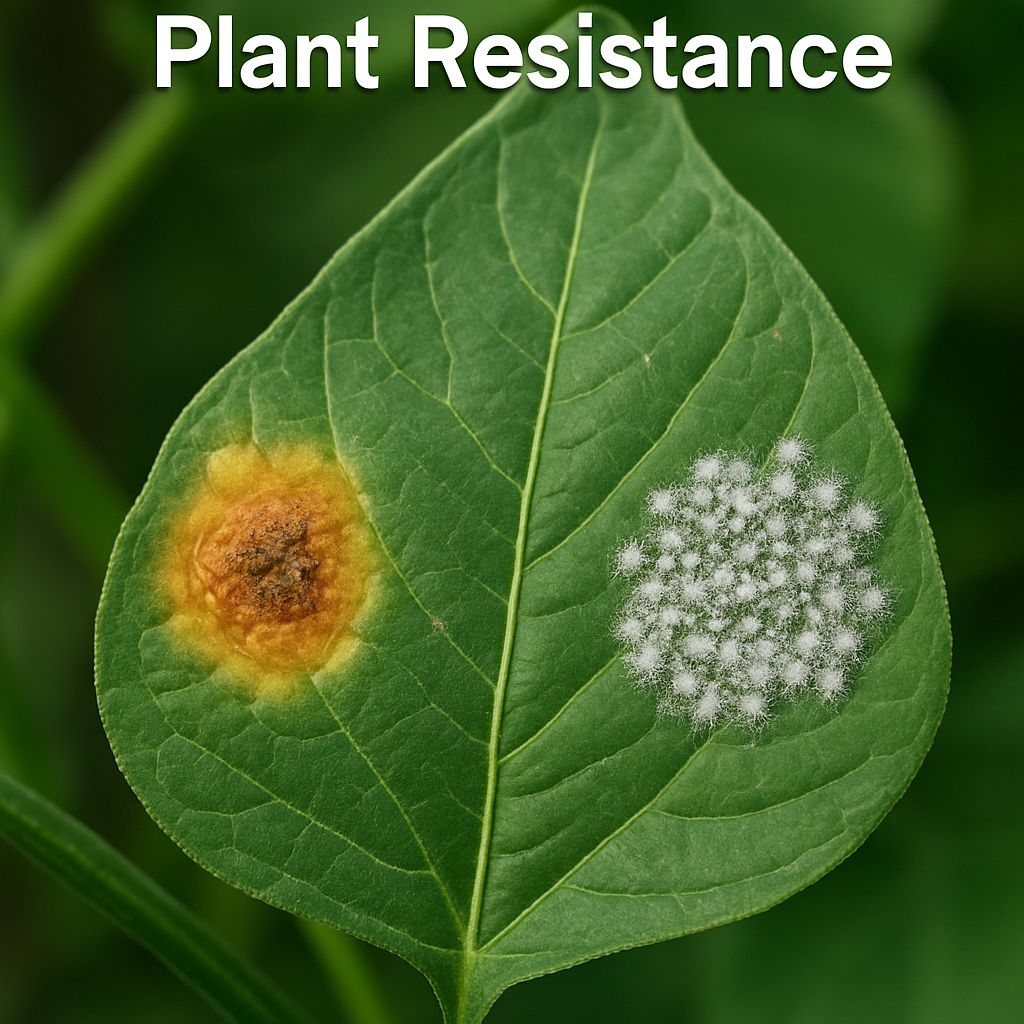
One of the most sobering realities of disease-resistant variety development is that pathogens do not stand still. Many fungal, bacterial, and oomycete pathogens reproduce rapidly and in enormous numbers, creating vast populations within which new genetic variants constantly arise. When a resistant variety is widely deployed, it creates selection pressure — the pathogen variants that can overcome the resistance have a survival advantage and gradually come to dominate the population. This is how new races of a pathogen emerge, and it is why a resistance rating that was reliable a decade ago may perform noticeably worse today against locally adapted pathogen populations. Breeders and gardeners alike must treat resistance as a dynamic, evolving relationship rather than a permanent solution. For those interested in sustainable gardening practices, consider exploring sustainable urban gardening tips.
Fungicide Use With HR vs. IR Varieties
The resistance rating on your seed packet should directly influence how you plan your fungicide program — yet this connection is one most gardeners never make. With HR-rated varieties, fungicide applications may be needed only as a precautionary measure during peak disease pressure periods, or may be reduced significantly compared to what you would apply on a susceptible variety. The plant’s genetics are doing the heavy lifting, and fungicides play a supporting role.
IR-rated varieties change that calculation. Because intermediate resistance allows a wider range of symptom expression and gives the pathogen more room to develop, fungicide applications become a more active and necessary part of the program. Skipping or reducing fungicide use on an IR variety during high disease pressure conditions is where growers frequently lose crops they assumed the variety’s resistance would protect. The two-tier HR/IR system is not just a label — it is a practical guide for how much chemical backup your resistance needs.
Disease-Resistant Varietals Give Farmers a Real Edge
Choosing the right resistant variety, understanding its rating, and building it into a complete disease management strategy is one of the highest-return decisions you can make before a season starts. The genetics in modern resistant varieties represent decades of careful breeding work — tapping wild plant relatives, stabilizing resistance across generations, and increasingly leveraging precision tools like CRISPR to fill gaps that conventional breeding cannot reach. That accumulated knowledge is sitting in your seed catalogue waiting to be used correctly.
The gardeners and growers who get the most out of resistant varieties are the ones who treat resistance as a starting point rather than a finish line. They separate resistant plantings from susceptible ones, rotate crops to keep pathogen pressure manageable, stay current on which disease races are active in their region, and adjust their fungicide programs based on whether they are working with HR or IR genetics. Resistance gives you leverage — strategy determines how far that leverage goes.
Frequently Asked Questions
Resistant varieties generate a lot of questions — and rightfully so, because the details matter enormously when you are making seed selections that will affect an entire growing season. Below are the most common and most important questions gardeners and growers ask about disease-resistant plant varieties.
- What is the difference between HR and IR resistance ratings?
- Can a resistant plant still develop disease symptoms?
- Does resistance stay stable in a variety over time?
- Does resistance to one disease protect against others?
- Are genetically engineered resistant varieties safe to use?
What Is the Difference Between High Resistance and Intermediate Resistance in Plant Varietals?
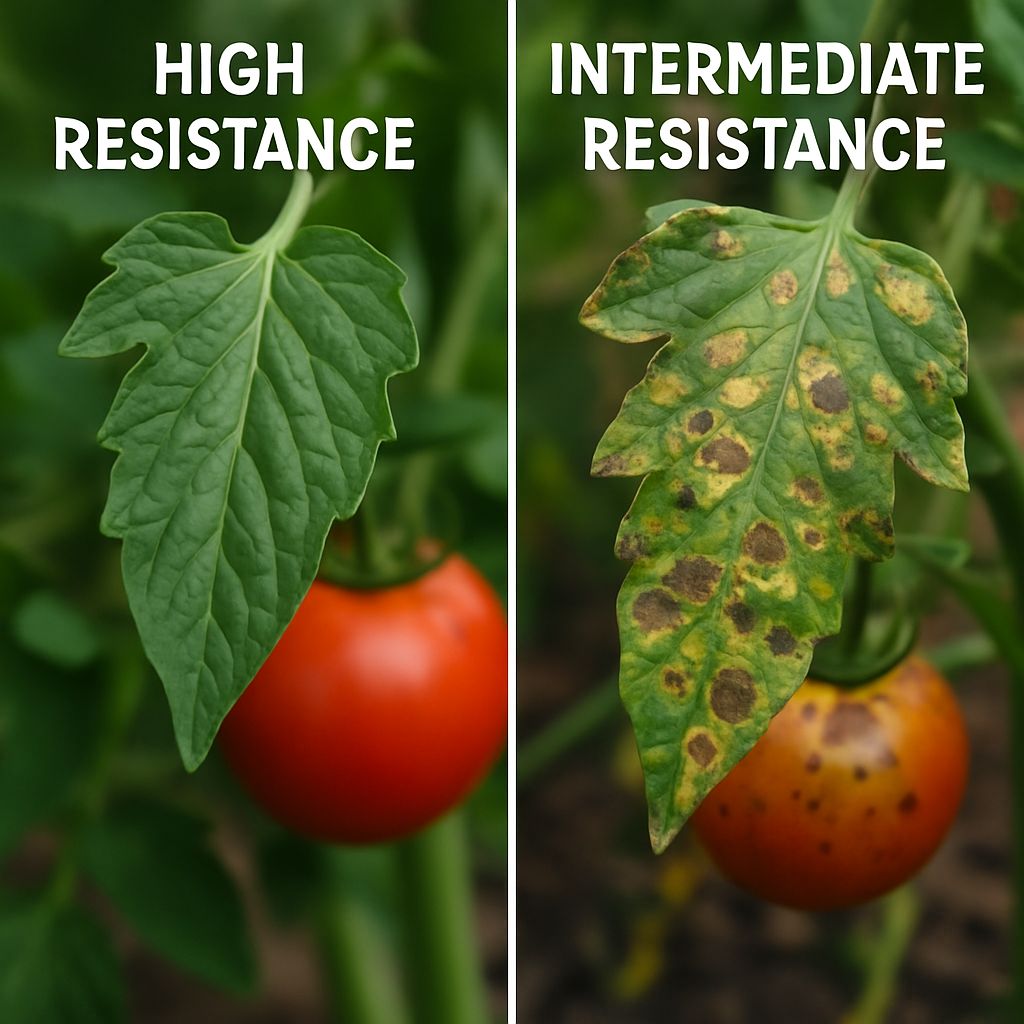
High Resistance (HR) means a variety that highly restricts the growth and development of a specified pathogen under normal disease pressure, compared to susceptible varieties. Intermediate Resistance (IR) means the variety restricts pathogen development but may show a wider range of symptoms and will require more active management support — particularly fungicide applications — to maintain acceptable crop performance under real-world disease pressure conditions. For those interested in understanding how environmental factors like rain impact plant health, further reading is available.
Can a Disease-Resistant Plant Still Get Sick?
Yes — resistance is rarely complete immunity. Even HR-rated varieties can exhibit symptoms when environmental conditions strongly favor the pathogen, such as extended periods of high humidity, dense planting that restricts airflow, or unusually high pathogen populations in the soil from previous seasons.
The key distinction is that a resistant variety will show significantly less severe symptoms and sustain far less damage than a susceptible variety under the same conditions. Resistance shifts the odds — it does not eliminate the risk. Managing the growing environment to reduce disease-favorable conditions remains important even when planting the most resistant variety available.
Does Disease Resistance in a Varietal Stay the Same Over Time?
Not always. Breeders and seed producers should periodically re-test varieties to confirm that resistance traits remain stable within the seed lot — and responsible commercial producers do exactly this. However, two forces can erode the effectiveness of resistance over time.
First, pathogens evolve. Rapid reproduction creates large populations in which new genetic variants constantly arise, and those variants capable of overcoming a resistance trait have a survival advantage. Over time, new pathogen races emerge that can partially or fully defeat previously effective resistance. Second, for gardeners saving seed from open-pollinated resistant varieties, genetic drift across generations of seed saving can gradually reduce the presence of the resistance trait in the seed population — meaning the variety you grow in year five may offer measurably less protection than the original seed lot you started with. For those interested in maintaining a resilient garden, consider this guide to sustainable urban garden maintenance.
If a Plant Is Resistant to One Disease, Is It Resistant to Others Too?
No. Resistance to one disease does not transfer to other diseases. Each resistance trait is genetically distinct, derived from a separate source, and must be independently bred into a variety. A tomato with HR ratings for Fusarium wilt carries no inherent protection against Verticillium wilt, early blight, septoria leaf spot, or any other disease — those require entirely separate resistance genes. For more on maintaining your garden, you might find this sustainable urban garden maintenance guide helpful.
This is why reading seed catalogue resistance codes carefully before purchasing is so important. Codes are standardized across the industry, making it straightforward to identify exactly which diseases a given variety is rated for once you know the system.
Resistance Code Disease Commonly Used In F Fusarium Wilt Tomato, Melon V Verticillium Wilt Tomato, Strawberry N Nematodes Tomato, Pepper T Tobacco Mosaic Virus Tomato, Pepper A Alternaria Tomato PM Powdery Mildew Cucumber, Squash, Melon DM Downy Mildew Lettuce, Basil, Cucumber
Cross-referencing these codes against the specific disease history of your garden or field gives you a precise, practical guide to which variety will deliver the most relevant protection for your specific situation — rather than selecting based on general reputation alone.
Are Genetically Engineered Disease-Resistant Varieties Safe to Use on My Farm?
Genetically engineered varieties, including those developed using CRISPR-Cas9 gene editing, undergo extensive regulatory review before they reach commercial markets. The safety assessment process evaluates both the specific genetic change made and the resulting plant characteristics to ensure no new allergens, toxins, or unintended traits have been introduced.
CRISPR-based edits are often particularly precise — modifying existing genes within the plant’s own genome rather than introducing foreign DNA — which many researchers and regulatory bodies view as a more targeted intervention than earlier genetic modification methods. The distinction between CRISPR editing and traditional GMO techniques is an important one that is increasingly being reflected in how different regulatory frameworks around the world treat these varieties.
For individual growers, the practical consideration is checking the regulatory status of any engineered variety in your specific country or region, as approval pathways and labeling requirements vary significantly. Within approved markets, genetically engineered disease-resistant varieties represent a legitimate, rigorously tested tool — one that is increasingly important as climate pressures and evolving pathogen populations outpace what conventional breeding alone can deliver in time.