
- Rain doesn’t relieve pollen allergies — it can actually make them significantly worse by breaking pollen grains into smaller, more easily inhaled particles.
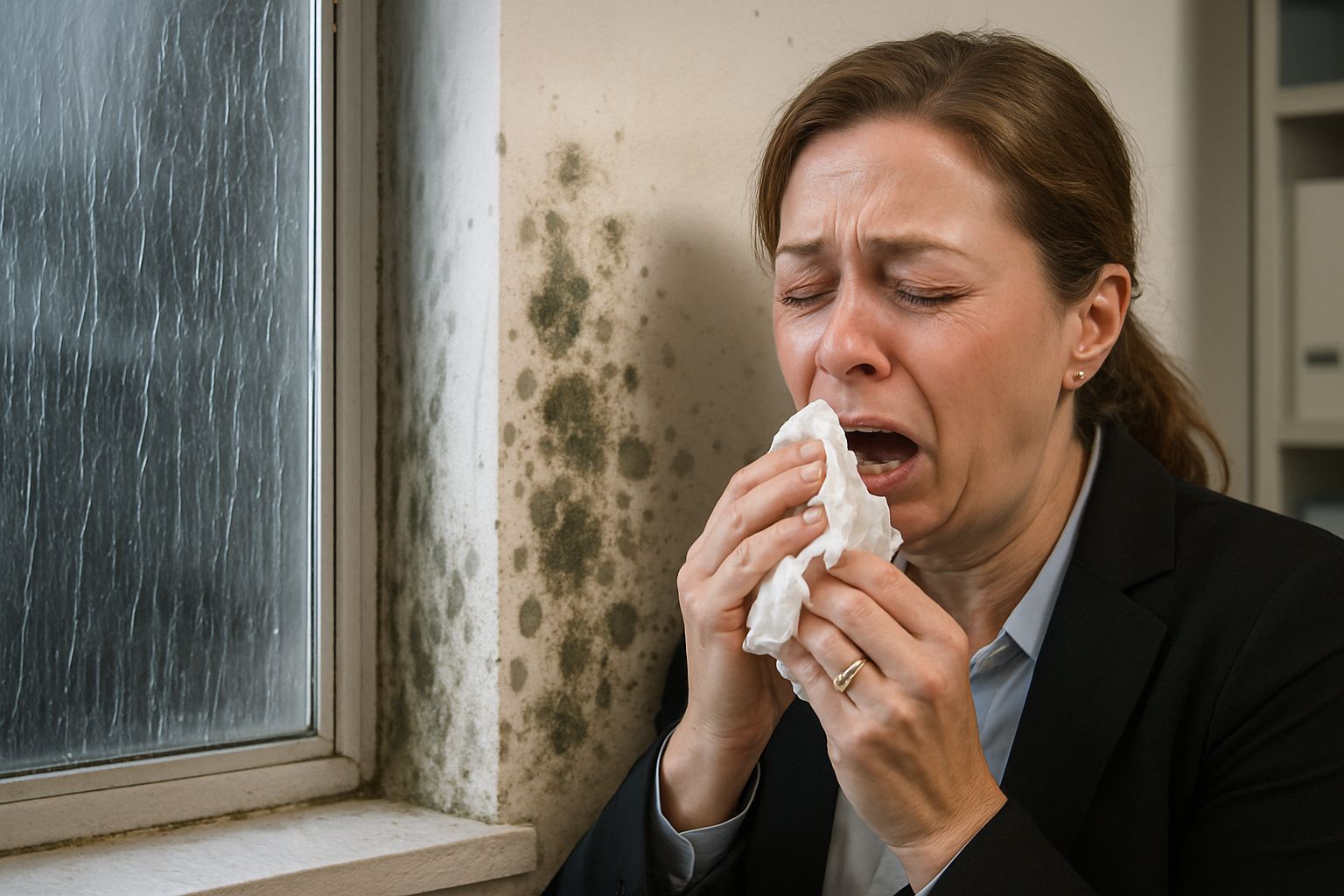
- Mold growth after rainfall is a secondary trigger that compounds allergy symptoms, especially for those already sensitive to pollen.
- Climate change is extending pollen seasons, meaning longer exposure windows and more intense reactions for millions of allergy sufferers.
- Natural strategies like HEPA filtration, masking outdoors, and immunotherapy can dramatically reduce post-rain pollen exposure without relying solely on medication.
- Thunderstorm asthma is a real and serious risk — keep reading to understand why storms can send allergy sufferers to the emergency room.
Most people step outside after a rain shower expecting to breathe easier — but if you have pollen allergies, that fresh post-rain air could be the very thing making you miserable.
It’s a widespread misconception that rainfall clears the air of allergens. While rain does temporarily wash some pollen out of the atmosphere, the relief is short-lived and often followed by a surge in airborne particles that are even harder on your respiratory system. The team at Ear, Nose & Throat Associates, P.C. works directly with allergy patients navigating exactly this kind of seasonal confusion, and understanding the science behind rain and pollen is the first step toward real relief.
Rain Does Not Always Relieve Allergy Symptoms
Here’s the counterintuitive truth: rain often sets off a chain reaction that worsens pollen allergy symptoms rather than easing them. During a rainfall, pollen grains on the ground and vegetation get saturated with water. Instead of being neutralized, those grains rupture and release much smaller allergenic particles into the air — particles small enough to travel deep into your lungs.
The temporary drop in airborne pollen during rainfall gives many people a false sense of relief. But within hours of the rain stopping, pollen counts typically rebound sharply. Warm post-rain temperatures accelerate plant activity, pushing more pollen into the air at a time when people are most likely to go outside, thinking conditions are safe. To understand more about how pollen affects health, you can explore this guide on airborne irritants.
How Rain Actually Makes Pollen Worse
Rain interacts with pollen in ways that aren’t immediately obvious. There are actually multiple mechanisms at work — some happening during rainfall, others in the hours and days after it stops.
Rain Breaks Pollen Grains Into Smaller Particles
When a raindrop strikes a pollen grain, the impact causes it to rupture into microscopic fragments. These fragments are far smaller than whole pollen grains, which means they bypass the natural filtering mechanisms in your nose and upper airways and penetrate deeper into the lungs. This is one of the primary reasons people with asthma are especially vulnerable after a rainstorm. For more information on how to manage allergies, explore our guide on airborne irritants.
Symptoms Can Last Days or Weeks After Rainfall
This is important: exposure to post-rain pollen particles doesn’t just cause a few hours of sneezing. According to allergy specialists, if you’re not properly managing your exposure, symptoms triggered by ruptured pollen grains can persist for days or even weeks. The smaller particle size means a more aggressive immune response, and without treatment, that response keeps firing long after the initial exposure.
Moisture After Rain Triggers Mold Growth
Rain doesn’t just affect pollen — it supercharges mold production. Piles of wet leaves, damp soil, and waterlogged yard debris become breeding grounds for mold spores within 24 to 48 hours of rainfall. For anyone dealing with both pollen and mold sensitivities, the post-rain environment can become a double hit of allergens that’s genuinely difficult to manage without a clear strategy. To combat these challenges, consider exploring airborne irritants and their health impact for more effective management strategies.
Mold spores, like ruptured pollen particles, are small enough to travel deep into the airway. They can cause the same constellation of symptoms — runny nose, congestion, itchy eyes, and in more serious cases, asthma flare-ups. If your allergy symptoms seem unusually severe or prolonged after rain, mold may be a significant contributor alongside pollen.
Thunderstorm Asthma: A Rare But Serious Risk
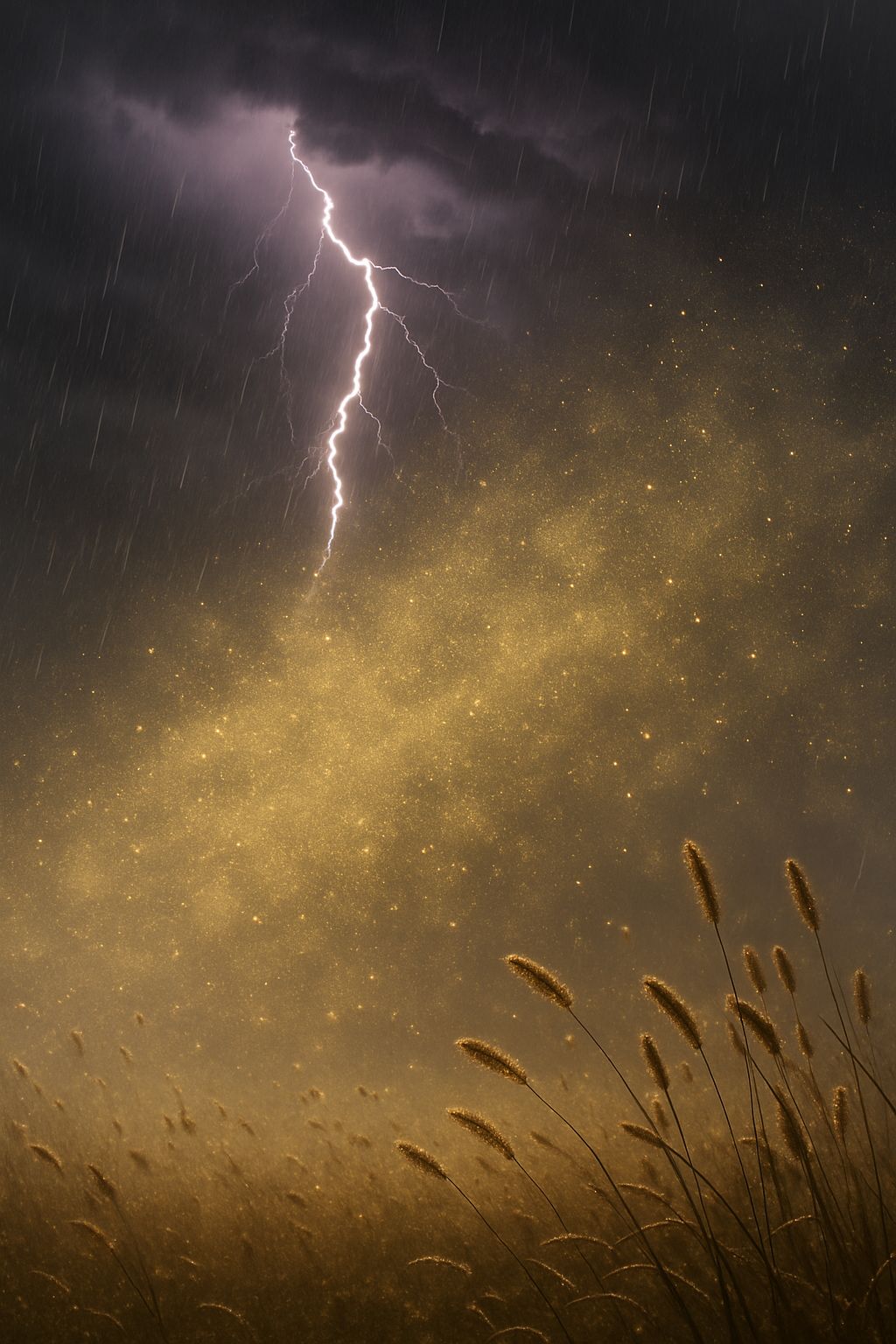
Thunderstorm asthma is one of the lesser-known but most dangerous intersections of weather and allergies. During a thunderstorm, the strong downdrafts carry pollen grains high into the atmosphere, where they absorb moisture and rupture, releasing those ultra-fine allergenic particles. Wind then sweeps those particles back to ground level in concentrated bursts, creating a brief but intense wave of airborne allergens.
What makes thunderstorm asthma different: Unlike a typical high-pollen day, the particle concentration during a thunderstorm event can spike rapidly and without warning. People who have mild or seasonal allergies — and who may not even carry a rescue inhaler — are at significant risk of sudden, severe bronchospasm during these events.
The phenomenon has been documented in serious mass-casualty events. A 2016 thunderstorm asthma event in Melbourne, Australia, resulted in thousands of emergency hospital admissions in a single evening, primarily among people with known grass pollen allergies. While such extreme events are uncommon, they underscore the importance of taking post-storm air quality seriously, especially during peak pollen season.
If you have allergic rhinitis or any history of asthma, treating thunderstorm warnings as high-alert allergy days is a smart precaution. Stay indoors during and immediately after storms, keep windows sealed, and make sure any prescribed medication is accessible.
How Climate Change Is Extending Pollen Season
Pollen season used to be predictable. You knew roughly when spring allergies would hit and when they would wind down. That predictability is gone. Climate change is fundamentally reshaping the pollen calendar in ways that are making life harder for the estimated 60 million Americans living with allergic rhinitis.
Warmer Temperatures and Higher CO2 Increase Pollen Production
Plants produce more pollen when CO2 levels and temperatures rise — both of which are happening simultaneously. Warmer winters mean trees break dormancy earlier, kicking off pollen season weeks ahead of historical norms. Higher atmospheric CO2 acts essentially as a fertilizer, driving plants to produce larger quantities of pollen per season. The result is a longer, more intense allergy window that gives sufferers less recovery time between flares.
Longer Pollen Seasons Mean Longer Suffering
The data from the CDC is clear: higher pollen concentrations and extended pollen seasons are directly linked to increased sensitivity to allergens over time. Repeated and prolonged pollen exposure doesn’t just cause symptoms — it can actually heighten your immune system’s reactivity, making future reactions more severe. People who managed mild seasonal allergies a decade ago may find themselves dealing with significantly worse symptoms today, and climate change is a major driver of that shift.
Geographic region matters too. Warmer climates are seeing pollen seasons that now stretch from late winter through early summer, while areas that previously had short, mild seasons are experiencing pollen activity for the first time or in new months altogether. Knowing your region’s specific pollen calendar has become an essential part of managing exposure.
Pollen-Related Medical Costs Exceed $3 Billion Annually
The economic burden of pollen allergies in the United States runs into the billions each year, accounting for direct medical costs and lost productivity in work and school settings. Higher pollen concentrations are linked directly to increased hospital admissions for respiratory issues, particularly among people with asthma. These aren’t abstract statistics — they reflect real disruption to daily life for tens of millions of people.
The connection between pollen exposure and reduced productivity is well established. When allergy symptoms are poorly controlled, cognitive performance, sleep quality, and physical energy all take a measurable hit. Managing your exposure proactively — especially around rainfall events — isn’t just about comfort. It directly impacts how well you function day to day.
Pollen Allergy Symptoms You Should Know
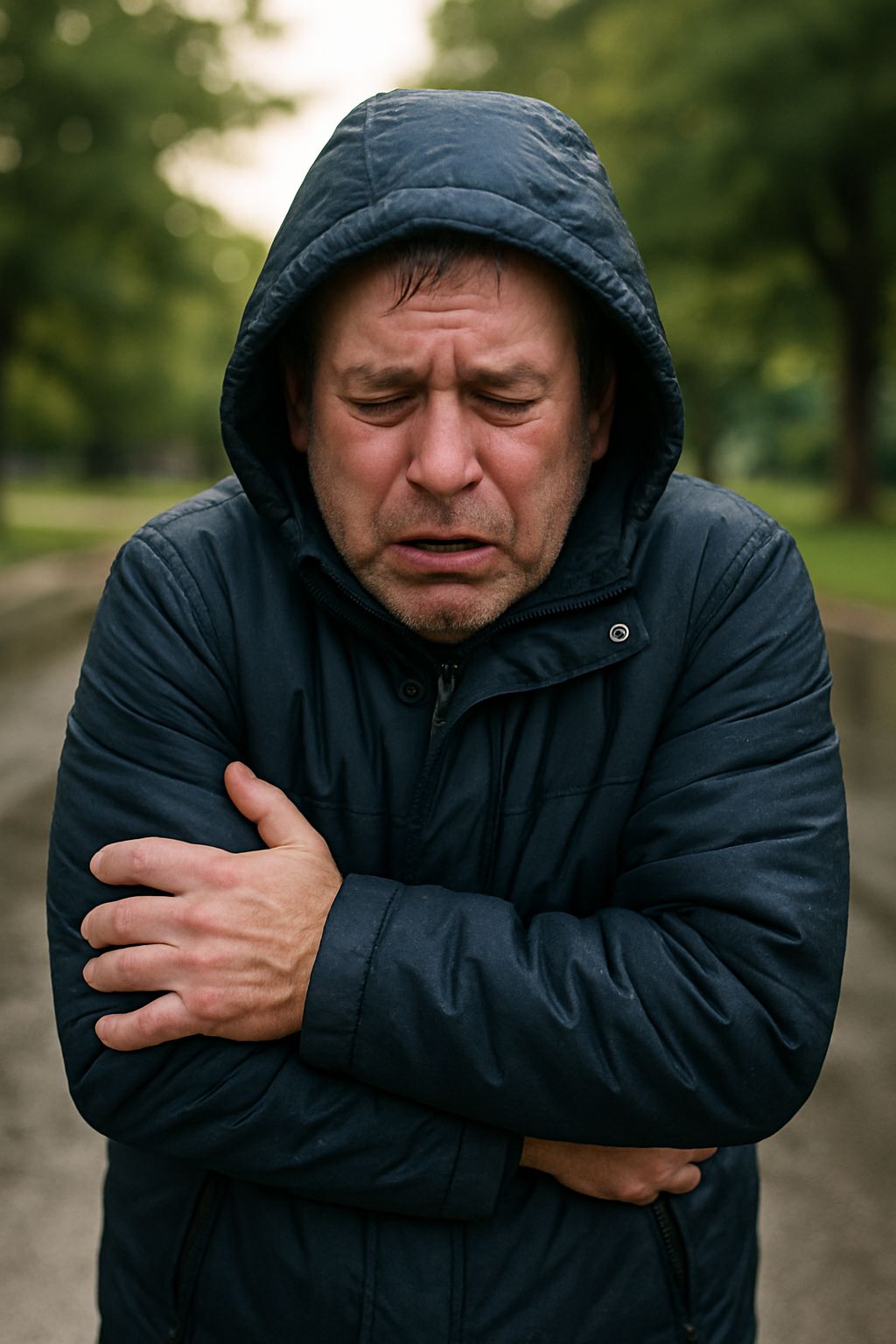
Recognizing the full spectrum of pollen allergy symptoms helps you respond faster and more effectively. Many people attribute post-rain symptoms to a cold or general fatigue, delaying treatment that could make a real difference.
Allergic Rhinitis Affects Up to 60 Million Americans Each Year
Allergic rhinitis is the most common manifestation of pollen allergies, and its symptoms are triggered when pollen enters the body and the immune system incorrectly identifies it as a threat. The resulting chemical release causes the classic cluster of symptoms most allergy sufferers know well.
- Persistent sneezing, often in rapid bursts
- Runny or stuffy nose that doesn’t respond to decongestants the way a cold would
- Nasal congestion that worsens after time spent outdoors
- Postnasal drip leading to throat irritation or cough
- Fatigue from disrupted sleep caused by nighttime congestion
Symptoms can be seasonal, triggered only during specific pollen windows, or perennial if you’re sensitive to multiple allergen types, including mold and dust alongside pollen. Post-rain environments often activate both, which is why symptoms can feel especially overwhelming in the 24 to 48 hours following rainfall.
Allergic Conjunctivitis Affects Up to 70% of Rhinitis Patients
If your eyes are red, watery, or intensely itchy after spending time outdoors following rain, you’re likely experiencing allergic conjunctivitis. Up to 70% of people with allergic rhinitis also develop this eye condition, making it one of the most common companion symptoms of pollen allergies. Exposure to airborne pollen — especially the fine ruptured particles released after rainfall — triggers an inflammatory response in the conjunctiva, the thin membrane covering the eye.
7 Ways to Reduce Pollen Exposure After Rain
Managing your exposure after rainfall requires a layered approach. No single strategy eliminates risk entirely, but combining several of these methods creates a meaningful buffer between you and the post-rain pollen surge.
1. Stay Indoors and Keep Windows Closed
The most direct way to limit post-rain pollen exposure is to stay inside, particularly in the first few hours after a storm when pollen particle counts spike. Keep windows and doors sealed to prevent outdoor air from carrying allergens into your living space. This is especially important on warm, windy days following rain, when pollen dispersal is at its most aggressive.
2. Run the Air Conditioner to Filter the Indoor Air
Air conditioning does more than cool your home — it actively circulates and filters indoor air. Running your AC after rain helps trap pollen particles that may have entered before you closed up the house. Make sure your AC filter is clean and replaced on schedule; a clogged filter recirculates what it should be capturing.
Central air systems with MERV-rated filters are particularly effective at capturing fine pollen fragments. A MERV 11 or higher rating is generally recommended for allergy sufferers, as these filters capture particles down to 1.0–3.0 microns — well within the size range of ruptured pollen fragments released after rain.
3. Install a HEPA Filter if You Have No Air Conditioning
HEPA Filter Quick Reference:
Filter Type Particle Size Captured Best For True HEPA 0.3 microns and larger Pollen, mold spores, fine particles HEPA-Type 2.0 microns and larger General dust, larger pollen grains MERV 11–13 HVAC 1.0–3.0 microns Whole-home filtration via central AC
A portable True HEPA air purifier placed in your bedroom and main living area can dramatically reduce your indoor allergen load. True HEPA filters capture 99.97% of particles 0.3 microns and larger — that includes both whole pollen grains and the smaller ruptured fragments that become airborne after rainfall.
Look for units sized appropriately for your room’s square footage. Running an undersized purifier in a large room won’t give you adequate air changes per hour. Most manufacturers list the recommended room size on the product — aim for a unit rated slightly above your actual room size for better performance during high-pollen periods.
Replace HEPA filters on the manufacturer’s recommended schedule, typically every 6 to 12 months, depending on use and air quality. Running a filter past its service life doesn’t just reduce effectiveness — it can actually allow captured particles to re-enter the air stream. For more information on maintaining efficient air filtration, explore our guide on eco-friendly products and solutions.
4. Wear a Mask Outdoors on High Pollen Days
On days following rain, wearing a well-fitted mask outdoors creates a physical barrier between your airways and airborne pollen particles. An N95 or KN95 mask filters at least 95% of airborne particles, including fine pollen fragments. Standard cloth masks offer significantly less filtration for particles this small, so fit and filter rating both matter. For more information on how airborne particles affect health, check out this guide on airborne irritants.
Time your outdoor activity strategically. Pollen counts are generally highest in the morning and immediately after rain stops. If you need to be outside, late afternoon tends to be a lower-risk window — though this varies by region and plant type.
5. Wear Sunglasses to Protect Your Eyes
Wraparound sunglasses create a physical shield that reduces the amount of airborne pollen reaching your eyes. This is a straightforward and underused strategy for reducing allergic conjunctivitis symptoms after rain events.
Standard fashion frames with open sides offer limited protection. Look for glasses with a close-fitting, wraparound design that minimizes the gap between the frame and your face. On particularly high-pollen days, combining sunglasses with antihistamine eye drops provides layered protection from both airborne contact and internal immune response.
- Wraparound frames provide the most physical barrier against airborne pollen
- Larger lenses reduce the exposed eye area on windy post-rain days
- Anti-fog coating helps maintain visibility when humidity is high after rainfall
- UV protection is a secondary benefit that supports overall eye health during the outdoor allergy season
After coming indoors, rinse your eyes with sterile saline solution to flush any pollen that may have accumulated on the eye surface despite protective eyewear. This simple step can reduce irritation significantly and interrupt the inflammatory cycle before it escalates.
6. Take a Daily Antihistamine

“Counter Allergy Medications …” from blog.ochsner.org and used with no modifications.
- Cetirizine (Zyrtec) — fast-acting, non-drowsy formula effective for sneezing, runny nose, and itchy eyes
- Loratadine (Claritin) — 24-hour relief with minimal sedation, good for daytime use during high-pollen periods
- Fexofenadine (Allegra) — non-drowsy and particularly effective for outdoor allergen exposure
- Diphenhydramine (Benadryl) — fast relief but causes significant drowsiness; best reserved for nighttime or severe acute reactions
Over-the-counter antihistamines work by blocking histamine receptors before your immune system has a chance to trigger a full inflammatory response. The keyword here is before — taking an antihistamine proactively on days when rain is forecast, rather than waiting until symptoms hit, makes a measurable difference in how well they work. For more insights on managing allergies, consider exploring pollen relief effects and solutions.
Second-generation antihistamines like cetirizine, loratadine, and fexofenadine are generally preferred over first-generation options like diphenhydramine because they cause significantly less sedation while still delivering strong relief. Taking them at the same time each day helps maintain a consistent level in your bloodstream, which is especially important during extended pollen season.
For eye symptoms specifically, antihistamine eye drops like ketotifen (Zaditor) can be used alongside an oral antihistamine for targeted relief. These drops work directly at the site of the allergic reaction in the conjunctiva, reducing redness and itching faster than systemic medications alone.
If over-the-counter options aren’t providing adequate control — particularly after rain events when allergen load spikes — it’s worth discussing prescription-strength options with an allergist. Intranasal corticosteroids like fluticasone (Flonase) used consistently throughout pollen season, can provide a meaningful additional layer of relief that antihistamines alone don’t deliver.
7. Ask an Allergist About Immunotherapy
Immunotherapy — either through allergy shots (subcutaneous immunotherapy) or sublingual tablets and drops — is the only treatment approach that actually retrains your immune system’s response to pollen rather than just suppressing symptoms. Through gradual, controlled exposure to increasing amounts of specific allergens, immunotherapy reduces the severity of your reactions over time. It’s a long-term commitment, typically spanning three to five years, but for people with moderate to severe pollen allergies, the reduction in symptoms and medication dependence can be transformative. An allergist can perform specific allergy testing to identify your exact triggers and design a protocol tailored to your sensitivity profile.
Rain Alone Won’t Wash Your Allergy Symptoms Away
Rain and pollen have a complicated relationship — and now you know why stepping outside after a storm for a breath of “fresh air” can backfire badly. The burst pollen particles, the mold surge, the rebounding pollen counts, and the risk of thunderstorm asthma all point to the same conclusion: rainfall is not the relief that allergy sufferers are hoping for. The good news is that with the right combination of protective strategies — indoor air filtration, smart timing of outdoor activity, appropriate medication, and long-term immunotherapy for severe cases — you can take genuine control of your symptoms regardless of what the weather is doing.
Frequently Asked Questions
Below are the most common questions people have about how rain interacts with pollen allergies, answered clearly and directly.
Does Rain Wash Pollen Out of the Air?
Rain does temporarily reduce airborne pollen during the rainfall itself, as water droplets bind to pollen grains and pull them down to the ground. This creates a brief window — sometimes an hour or two — where outdoor air has measurably lower pollen concentrations. To further explore ways to manage pollen exposure, consider these pollen relief effects and solutions.
However, that relief is short-lived. Once the rain stops, warm temperatures and wind quickly push pollen levels back up, often higher than before the rain. Additionally, the impact of raindrops ruptures pollen grains on the ground, releasing finer allergenic particles that become airborne and are harder for your respiratory system to filter out. So while rain technically washes some pollen from the air, the overall effect on allergy sufferers is often neutral at best and worsening at worst.
Why Are My Allergies Worse After It Rains?
Your allergies feel worse after rain for several compounding reasons. Pollen grains rupture on contact with moisture, releasing microscopic fragments that penetrate deeper into the airway than whole pollen grains do. At the same time, post-rain warmth stimulates plant activity, driving a surge in fresh pollen release. Mold spores also multiply rapidly in the damp conditions, adding a second wave of allergens on top of the elevated pollen load.
If you notice that your worst allergy days consistently follow rainfall rather than dry, sunny days, you’re not imagining it. The post-rain environment creates a perfect storm of conditions — warm temperatures, residual moisture, ruptured pollen particles, and active mold growth — that collectively overwhelm the immune system’s tolerance threshold faster than any single factor would on its own.
Can Thunderstorms Trigger Asthma Attacks?
Yes — thunderstorms can trigger sudden and severe asthma attacks through a mechanism known as thunderstorm asthma. During a storm, downdrafts push pollen grains high into the atmosphere where they absorb moisture and rupture into ultra-fine particles. When these particles return to ground level on strong winds, they can reach extreme concentrations very quickly, overwhelming even people who typically manage mild or seasonal symptoms without issue. For more insights into how airborne irritants affect health, you can explore this guide on health impact.
People with grass pollen allergies appear to be most vulnerable to thunderstorm asthma events. If you have any history of allergic rhinitis or asthma, treat incoming thunderstorm warnings — especially during peak pollen season — as a signal to stay indoors, close windows, run your air filtration, and ensure any prescribed rescue inhaler is within reach. The onset of these events can be rapid and severe.
What Is the Best Medication for Pollen Allergies?
There’s no single best medication for everyone, but the most effective approach for most pollen allergy sufferers combines an intranasal corticosteroid like fluticasone propionate (Flonase) with a non-drowsy second-generation antihistamine such as cetirizine (Zyrtec) or fexofenadine (Allegra). Nasal corticosteroids reduce inflammation directly in the nasal passages and are considered first-line treatment by most allergy specialists because they address the underlying inflammatory response rather than just masking symptoms. For those interested in reducing exposure to allergens, consider exploring a pollen-free garden as an additional strategy.
For eye symptoms, adding ketotifen antihistamine eye drops (Zaditor) provides targeted local relief. For long-term reduction in overall allergy severity, allergen immunotherapy — administered through shots or sublingual drops — remains the gold standard. It’s the only treatment that modifies the immune response itself rather than managing symptoms after they appear. An allergist can help identify your specific sensitivities and design the most effective multi-pronged treatment plan.
How Long Does Pollen Stay in the Air After Rain?
Whole pollen grains typically settle out of the air within a few hours after rain stops, particularly on calm days. However, the smaller ruptured pollen fragments released when raindrops impact pollen grains are much lighter and can remain suspended in the air for significantly longer — in some cases, many hours after rainfall has ended.
Wind speed plays a major role in how long particles stay airborne. On breezy post-rain days, fine pollen fragments can travel considerable distances and remain at inhalable levels throughout the day. Warm, humid conditions after rain also keep particles suspended longer than cool, dry air would.
Conditions After Rain Estimated Airborne Duration Risk Level for Allergy Sufferers Calm, cool air 1–3 hours Moderate Warm, humid air 4–8 hours High Windy post-rain conditions 8+ hours Very High Post-thunderstorm with downdrafts Concentrated spike, 1–2 hours Severe
The practical takeaway is to treat the 6 to 8 hours following rainfall as a high-risk allergy window, particularly if conditions are warm and windy. Check your local pollen count through resources like the National Allergy Bureau, which provides real-time pollen monitoring data across the United States.
If you must go outside during this window, layering your protections — N95 mask, wraparound sunglasses, and a pre-taken antihistamine — gives you the best available defense against the elevated particle load. Showering and changing clothes when you come back indoors also removes any pollen that settled on your hair, skin, and clothing during your time outside.
For comprehensive, personalized support navigating pollen allergy season, Ear, Nose & Throat Associates, P.C. offers expert allergy evaluation and treatment options tailored to your specific triggers and lifestyle.