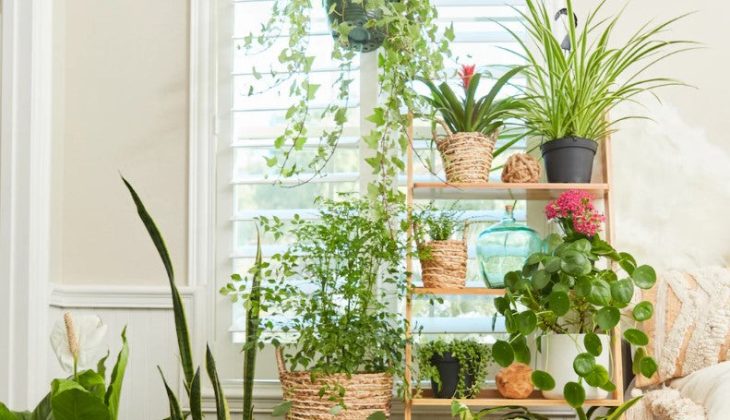
Article At A Glance
- The right indoor flowering plants can thrive in apartments and small urban spaces with minimal effort — even in low-light conditions.
- Overwatering is the number one killer of indoor flowering plants, but there are simple tricks to get watering just right every time.
- Light placement, not just plant choice, determines whether your plants bloom consistently or struggle year-round.
- Sustainable soil and organic fertilizer practices keep your indoor garden healthy without compromising your air quality.
- Later in this guide, we cover a seasonal care calendar that keeps blooms coming no matter what time of year it is.
A single flowering plant on a windowsill can completely change how a room feels — and once you know what you’re doing, growing them indoors is far easier than most people think.
Urban living often means limited outdoor space, but that doesn’t mean you have to give up on gardening. Indoor flowering plants bring color, life, and even cleaner air into apartments, studios, and city homes. Whether you’re working with a south-facing window or a dim corner, there’s a flowering plant built for exactly that spot. Resources like this urban gardening hub are a great starting point if you want curated guidance alongside what you’ll find in this guide.
Indoor Flowering Plants Can Transform Your Urban Space
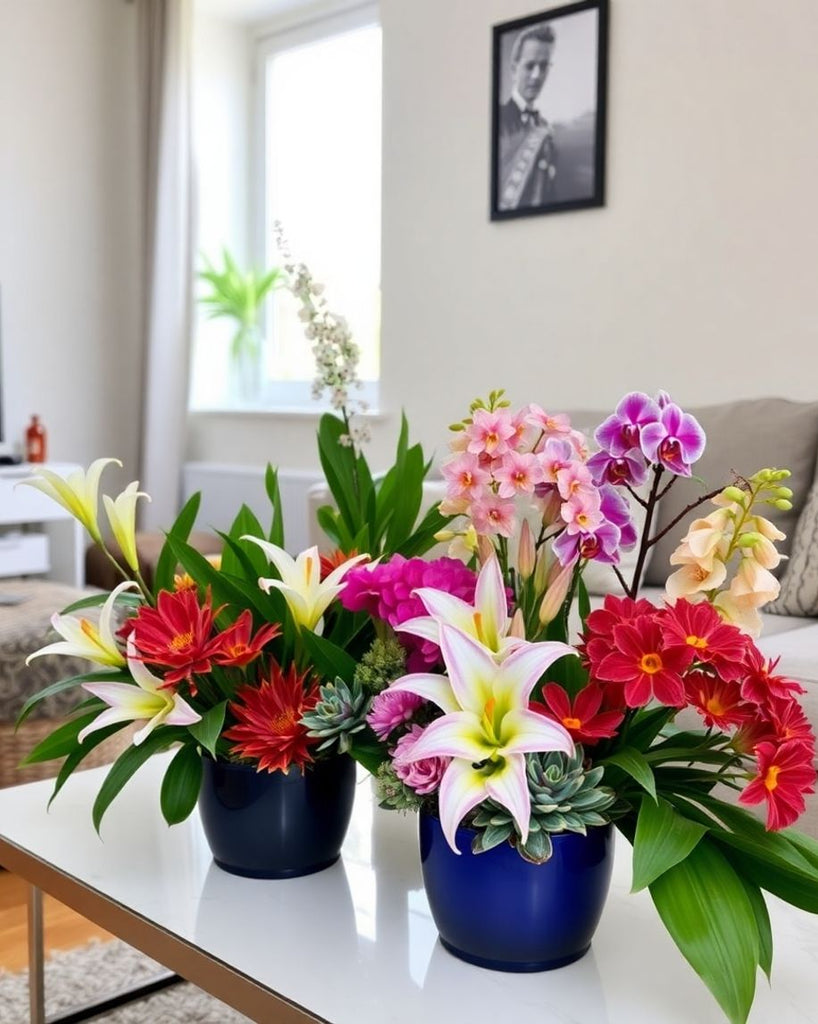
“Indoor blooms: The best flowers for …” from floristicsco.com and used with no modifications.
Most people underestimate what a few well-chosen plants can do to an urban living space. Beyond aesthetics, indoor flowering plants filter airborne toxins, regulate humidity, and have measurable psychological benefits — studies have linked indoor greenery to reduced stress and improved focus. For city dwellers who spend the majority of their time indoors, that matters enormously.
The key shift in mindset is moving away from thinking of plants as decoration and toward thinking of them as a living system you’re building. Once you understand the basics — light, water, soil, and container choice — almost any urban space becomes workable. Even a north-facing apartment window can support a thriving peace lily or African violet.
Urban gardening also opens the door to more sustainable living. Choosing peat-free potting mixes, using organic fertilizers, and grouping plants together to create their own micro-humidity zones are all small habits that add up to a meaningful environmental difference.
- Flowering plants improve indoor air quality by absorbing carbon dioxide and releasing oxygen
- Many species also filter specific toxins like formaldehyde and benzene from indoor air
- Indoor gardening reduces stress and promotes mindfulness in busy urban environments
- Container gardening makes it possible to garden in apartments with zero outdoor space
- Choosing the right plant for your light conditions is more important than any other factor
The plants covered in this guide were specifically chosen for urban environments — meaning they’re compact, adaptable, and forgiving enough for beginners while still being rewarding for experienced growers.
Best Indoor Flowering Plants for Urban Gardens
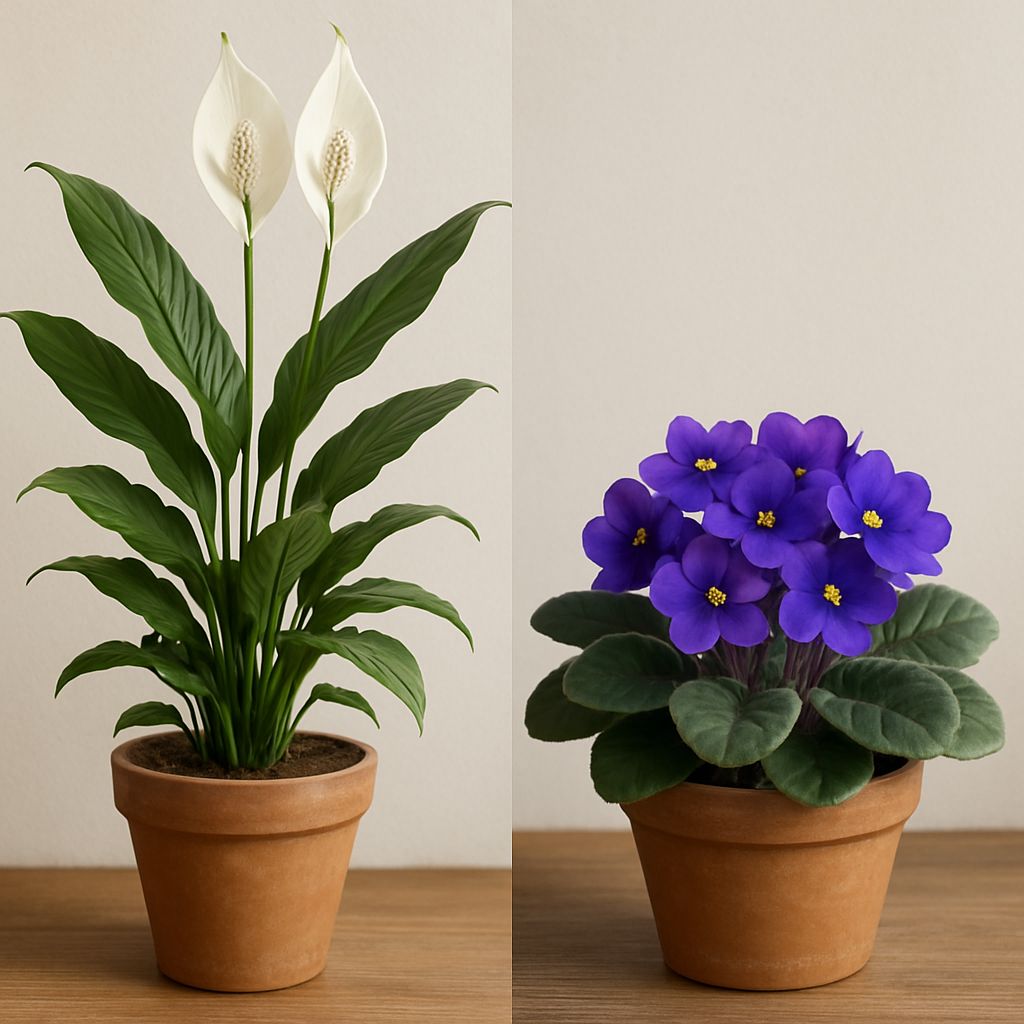
Not every flowering plant belongs indoors. Many popular garden varieties need full sun, deep root space, or outdoor pollination to thrive. The ones below have proven track records as indoor performers, and each one brings something different to the table.
Peace Lily (Spathiphyllum wallisii): Low Light Champion
The peace lily is one of the most reliable indoor flowering plants available. It tolerates low light better than almost any other flowering species, making it ideal for rooms with small or north-facing windows. It produces elegant white spathes — often mistaken for flowers but technically modified leaves — and blooms most prolifically in spring. Water it when the top inch of soil is dry, and it will reward you consistently. NASA’s Clean Air Study identified Spathiphyllum as one of the top plants for removing indoor air pollutants including ammonia, benzene, and formaldehyde.
African Violet (Saintpaulia ionantha): Perfect for Small Spaces
African violets are compact, low-growing plants that max out at around 6 inches in height — perfect for windowsills, shelves, and tight apartment spaces. They bloom in clusters of velvety purple, pink, or white flowers and can bloom nearly year-round under the right conditions. The key with African violets is watering from the bottom rather than the top; water sitting on the leaves causes rot and brown spotting. Use a pot with drainage holes, set it in a shallow tray of water, and let the soil absorb moisture from below. For more tips on maintaining a healthy indoor garden, explore our self-watering window boxes guide.
They prefer bright, indirect light — an east or west-facing windowsill is ideal. Avoid direct afternoon sun, which will scorch the delicate leaves.
Anthurium (Anthurium andraeanum): Long-Lasting Blooms
If you want color that lasts, anthurium delivers. The waxy, heart-shaped spathes — which come in red, pink, white, and coral — can remain on the plant for up to eight weeks at a time. Anthurium thrives in bright, indirect light and needs well-draining soil to prevent root rot. It’s also notably drought-tolerant; allow the top 1-2 inches of soil to dry out completely between watering cycles. One practical tip: wipe the leaves monthly with a damp cloth to remove dust, which blocks light absorption and slows growth.
Orchid (Phalaenopsis spp.): Elegant and Rewarding
Phalaenopsis orchids have a reputation for being difficult, but that reputation is largely undeserved. They’re actually one of the most forgiving orchid varieties available, thriving in the same indoor conditions most people already have. Water once a week by letting water run through the pot completely, then allowing it to drain fully — never let the roots sit in standing water. After the initial bloom spike finishes, cut it back to just above the second node from the base and place the plant in a slightly cooler spot for 4-6 weeks to trigger reblooming.
Kalanchoe (Kalanchoe blossfeldiana): Drought-Tolerant and Colorful
Kalanchoe is the ideal indoor flowering plant for anyone who travels frequently or tends to forget to water. It’s a succulent, which means it stores water in its thick leaves and can handle irregular watering schedules without complaint. Blooms come in vivid shades of red, orange, yellow, and pink and last for several weeks. Place it in a bright, sunny window — a south or west-facing exposure works best — and water only when the soil is completely dry. For more tips on caring for your indoor plants, visit Melinda Myers’ guide on indoor flowering plants.
Light Requirements for Indoor Flowering Plants
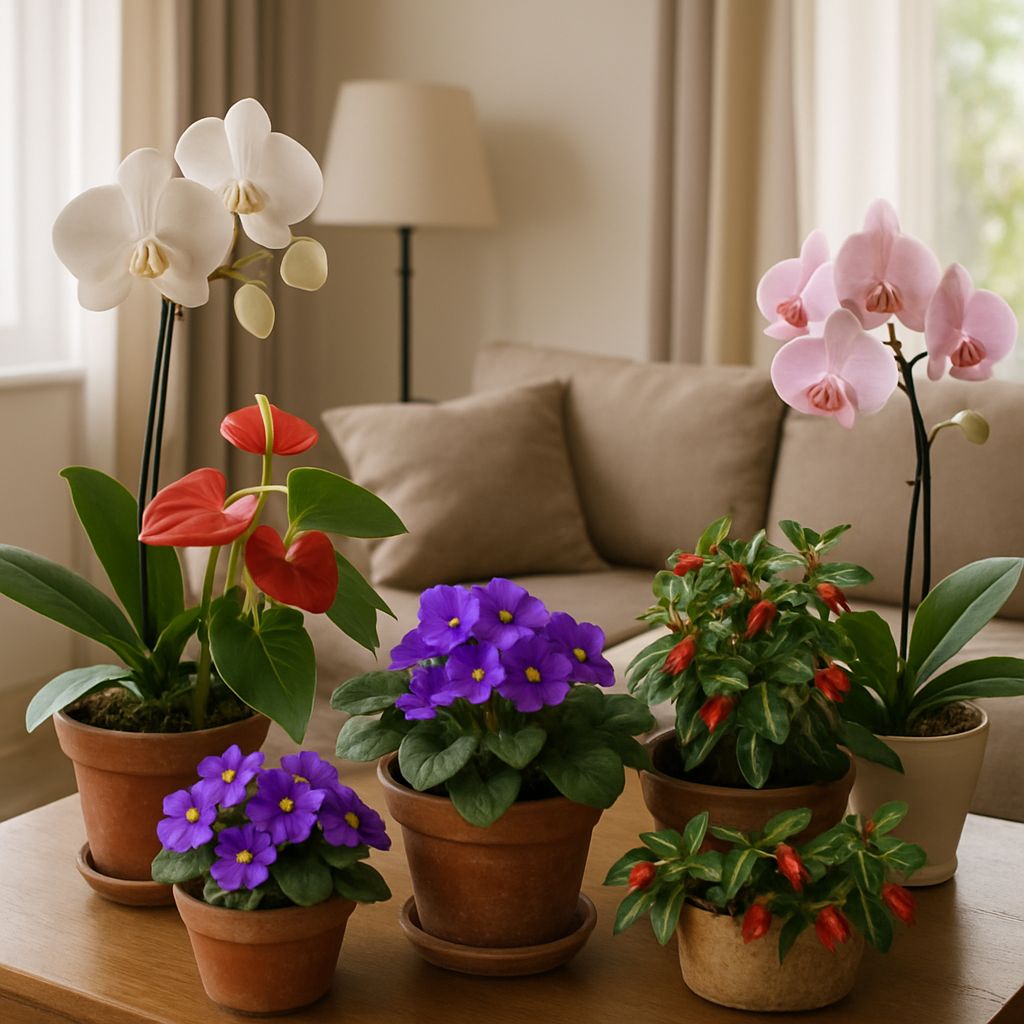
Light is the single most important variable in whether your indoor flowering plants bloom or just survive. Getting this right doesn’t require expensive equipment — it starts with knowing what you’re actually working with. For additional tips on maintaining a healthy indoor garden, check out our terrace garden tips.
How to Identify Low, Medium, and High Light Conditions
A simple shadow test tells you everything. Hold your hand about a foot above a white piece of paper in the spot where you plan to place your plant. A sharp, clearly defined shadow means high light. A soft shadow with slightly blurred edges means medium light. No visible shadow, or a very faint one, means low light. Most flowering plants need at minimum medium light to produce blooms — low-light spaces are better suited to foliage plants unless you’re working with a peace lily or cast iron plant.
Best Window Positions for Maximum Bloom
Window direction has a dramatic effect on light intensity throughout the day. Here’s how each orientation performs for indoor flowering plants:
| Window Direction | Light Level | Best Plants |
|---|---|---|
| South-facing | High (brightest all day) | Kalanchoe, Orchid, Hibiscus |
| East-facing | Medium (gentle morning sun) | African Violet, Begonia, Anthurium |
| West-facing | Medium-High (strong afternoon sun) | Orchid, Kalanchoe, Geranium |
| North-facing | Low (indirect light only) | Peace Lily, Bromeliad |
If your apartment only has north-facing windows and you want to grow higher-light species, a full-spectrum LED grow light like the Soltech Solutions Aspect Grow Light or the GE BR30 Full Spectrum LED Grow Light Bulb can effectively supplement natural light without taking up much space.
Watering and Humidity: The Two Most Common Mistakes
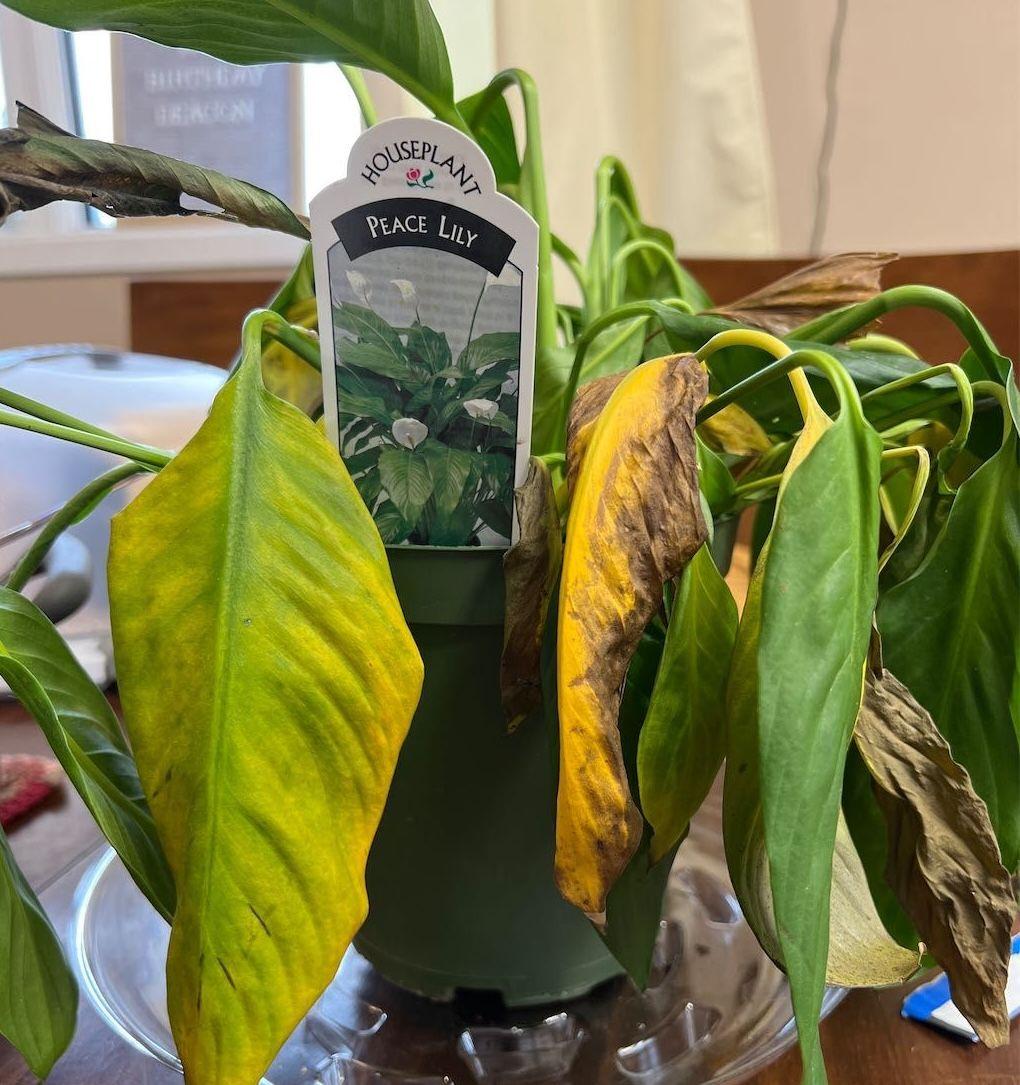
“Overwatered vs Underwatered Plants” from myplantin.com and used with no modifications.
Watering mistakes kill more indoor flowering plants than any pest or disease combined. The frustrating part is that both overwatering and underwatering can look identical in the early stages — wilting leaves, slow growth, and pale blooms don’t always tell you which direction you’ve gone wrong. To help mitigate these issues, consider using self-watering systems that ensure your plants receive the right amount of moisture.
Humidity is the other variable most indoor gardeners ignore entirely. City apartments — especially in winter when heating systems are running constantly — can drop to humidity levels as low as 20%, well below the 40-60% range that most flowering plants need to thrive. Dry air leads to crispy leaf edges, bud drop, and stunted blooms even when your watering and light conditions are perfect. For those looking to improve indoor air quality, consider exploring eco-friendly air filtration products that can help maintain optimal humidity levels.
How Often to Water Indoor Flowering Plants
There is no universal watering schedule that works for every plant, every pot, and every season. The right frequency depends on pot size, soil type, plant species, temperature, and how much light the plant is receiving. A kalanchoe in a terracotta pot in a sunny south-facing window will dry out in 4-5 days. The same plant in a glazed ceramic pot in indirect light might need watering only every 10-12 days. For more tips on maintaining indoor plants, you might find our guide on music’s impact on plant growth interesting.
The most reliable method is the finger test. Push your finger about an inch into the soil. If it feels moist, wait. If it feels dry, water thoroughly until it drains freely from the bottom of the pot. This works across almost every flowering species covered in this guide.
For orchids specifically, the weekly soak-and-drain method works better than the finger test because their roots are typically exposed in clear plastic nursery pots. Healthy orchid roots are green when wet and silver-gray when they need water — that color shift is your most accurate signal.
Seasonal changes matter too. Most indoor flowering plants slow their growth significantly in winter and need far less water during that period. Continuing a summer watering schedule through December and January is one of the fastest ways to cause root rot.
- Water most flowering plants when the top 1-2 inches of soil are dry to the touch
- Always water until it drains from the bottom — shallow watering encourages weak, surface-level roots
- Empty saucers and drip trays within 30 minutes of watering to prevent root rot
- Reduce watering frequency by 30-50% during winter dormancy periods
- Use room-temperature water — cold tap water can shock tropical species like anthuriums and orchids
Signs of Overwatering vs. Underwatering
Overwatered plants typically show yellowing leaves that feel soft and mushy at the base, combined with soggy soil and a faint musty smell coming from the pot. The roots may have already begun to rot, which means even if you correct the watering going forward, recovery can take weeks. If you suspect root rot, unpot the plant, trim any black or brown mushy roots with sterilized scissors, and repot into fresh, dry soil.
Underwatered plants, by contrast, have dry and crispy leaf edges, soil that has pulled away from the sides of the pot, and leaves that feel thin or papery rather than firm. The fix is straightforward — place the pot in a bowl of water for 20-30 minutes and allow the soil to rehydrate fully from the bottom up. This bottom-watering method is particularly effective for plants that have become severely dried out.
How to Increase Humidity Without a Humidifier
The easiest method is grouping plants together — plants naturally release moisture through transpiration, and clustering them creates a localized humidity zone that benefits every plant in the group. Placing a shallow tray filled with pebbles and water beneath your plant pots is another effective technique; as the water evaporates, it raises the immediate humidity around the plants. Misting works as a short-term fix for most species, but avoid misting African violets or plants with fuzzy leaves, as trapped moisture on the foliage encourages fungal issues.
Sustainable Soil and Fertilizer Practices
The foundation of a healthy indoor flowering plant is what’s in the pot — and most commercial potting mixes, while convenient, are not particularly eco-friendly or well-suited for long-term plant health. Switching to more sustainable options benefits your plants and reduces your environmental footprint at the same time.
How to Choose Eco-Friendly Potting Mix
Traditional potting mixes rely heavily on peat moss, which is harvested from ancient peatland bogs that take thousands of years to form and play a critical role in global carbon storage. Peat-free alternatives made from coir fiber (a coconut byproduct), composted bark, and perlite perform comparably for most indoor flowering plants while being significantly more sustainable. Look for mixes labeled peat-free or coir-based — brands like Miracle-Gro Performance Organics and Westland Peat Free Multi-Purpose Compost are widely available and reliably formulated for indoor use.
Organic Fertilizers That Won’t Harm Indoor Air Quality
Synthetic fertilizers work quickly but come with trade-offs — they can build up salt deposits in the soil over time, which damages roots and throws off soil pH. For indoor flowering plants, a balanced organic liquid fertilizer applied every 2-4 weeks during the active growing season (spring through early fall) gives consistent results without the risks. Espoma Organic Bloom! Liquid Fertilizer with an NPK ratio of 1-3-1 is specifically formulated for flowering plants and won’t produce the chemical off-gassing that some synthetic fertilizers do in enclosed spaces.
Worm castings are another excellent option, particularly for people who want a completely natural approach. Mixing a small amount of worm castings into your potting mix at planting time provides a slow-release nutrient source that lasts for months. Unlike liquid fertilizers, there’s virtually no risk of over-application, making it an ideal choice for beginners who are still developing a feel for plant nutrition.
Container Gardening Tips for Apartments and Small Spaces
In an apartment, your container choices are as important as your plant choices. The wrong pot can undermine even the most perfectly placed, well-watered plant — drainage issues alone account for a significant portion of indoor plant failures in urban homes.
Urban Gardener’s Rule of Thumb: Always choose a pot that is 1-2 inches larger in diameter than the plant’s current root ball. Going too large encourages excess soil moisture to sit around the roots, dramatically increasing the risk of rot — especially for flowering species like orchids and anthuriums that are highly sensitive to waterlogged conditions.
Container material also affects how quickly soil dries out between waterings. Terracotta pots are breathable and pull moisture away from the soil, making them ideal for drought-tolerant species like kalanchoe and succulents. Glazed ceramic and plastic pots retain moisture much longer, which suits humidity-loving plants like peace lilies and African violets.
For vertical spaces — a genuine asset in small apartments — wall-mounted planters and tiered plant stands allow you to maximize growing area without sacrificing floor space. The IKEA RÅSKOG utility cart repurposed as a tiered plant stand is a popular, affordable option that holds multiple containers at different heights and can be moved easily to follow the light throughout the day.
Best Containers for Drainage and Plant Health
Drainage holes are non-negotiable for indoor flowering plants. Decorative pots without holes can be used as outer covers — called cachepots —, but your plant should always live in an inner nursery pot with functional drainage. This two-pot system gives you the best of both worlds: aesthetic freedom and proper drainage. For more tips on maintaining your indoor plants, explore music’s impact on indoor plant growth.
Self-watering containers like the Lechuza Classico LS 21 Self-Watering Planter are worth considering for flowering plants with consistent moisture needs, like peace lilies and African violets. They use a sub-irrigation reservoir that delivers water directly to the root zone, virtually eliminating the risk of both overwatering and underwatering once set up correctly.
How to Group Plants for Visual Impact and Humidity
Strategic grouping does double duty — it creates a lush, intentional visual display and naturally raises humidity levels across all the plants in the cluster. The goal is to create what horticulturists call a plant community, where each species benefits from the microclimate created by the others.
When grouping for visual impact, work in odd numbers and vary plant heights deliberately. Place a tall, upright plant like an anthurium or orchid at the back, medium-height plants like African violets or kalanchoe in the middle, and low-growing or trailing plants like a miniature peace lily at the front. This layered approach creates depth and draws the eye naturally through the arrangement. For more ideas on creating beautiful and sustainable arrangements, explore this urban greening guide.
From a humidity standpoint, plants with higher transpiration rates — like peace lilies — benefit neighboring plants the most. Positioning a peace lily centrally within a grouping effectively raises the moisture level for every plant around it, particularly useful during winter months when indoor heating strips moisture from the air.
- Group plants in odd numbers (3, 5, or 7) for a more natural, visually balanced arrangement
- Vary heights using plant stands, stacked books, or tiered shelving to add dimension
- Place high-transpiration plants like peace lilies at the center of groupings to boost humidity
- Keep plants with similar watering needs together to simplify your care routine
- Leave a small gap between pots to allow air circulation and reduce fungal risk
Common Pests on Indoor Flowering Plants and How to Stop Them
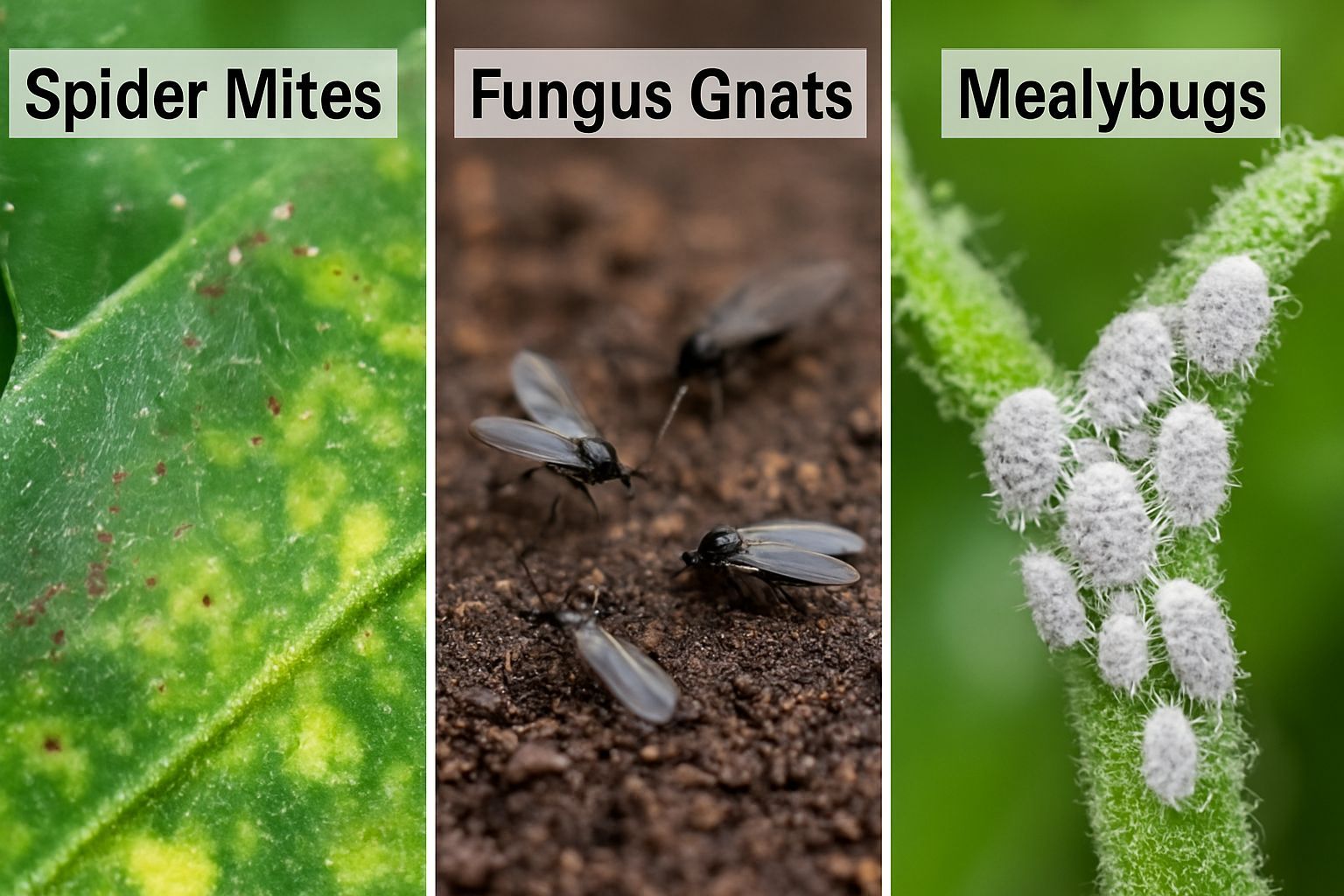
Pests in an indoor garden spread fast because plants are in proximity and there are no natural predators to keep populations in check. The good news is that the three most common culprits — spider mites, fungus gnats, and mealybugs — all have straightforward, non-toxic treatment options that work reliably when applied consistently.
1. Spider Mites
Spider mites are tiny — barely visible to the naked eye — but the damage they cause is unmistakable. Look for fine, silky webbing on the undersides of leaves, combined with a stippled or bronzed appearance on the leaf surface. They thrive in hot, dry indoor conditions, which makes heated apartments in winter a perfect breeding ground. At the first sign of infestation, isolate the affected plant immediately. Spray the entire plant — including leaf undersides — with a solution of neem oil and water (2 teaspoons of neem oil per quart of water with a few drops of dish soap as an emulsifier), and repeat every 5-7 days for three weeks to break the egg cycle.
2. Fungus Gnats
Fungus gnats are more of an annoyance than a mortal threat to mature plants, but their larvae feed on roots and can seriously damage seedlings and young plants. The adults are small, dark flies that hover around soil and are usually the first thing you notice. They breed exclusively in moist, organic-rich soil — which means overwatering is almost always the root cause. Let the top 2 inches of soil dry out completely between waterings to make the environment hostile to larvae. For faster control, yellow sticky traps like Gideal 20-Pack Dual-Sided Yellow Sticky Traps catch adults effectively, while a top dressing of coarse horticultural sand prevents females from laying eggs in the soil. For more tips on managing indoor pests, check out this urban gardening guide.
3. Mealybugs
- Mealybugs appear as white, cottony clusters typically found in leaf axils, along stems, and on the undersides of leaves
- They feed by piercing plant tissue and extracting sap, which causes yellowing, wilting, and stunted growth
- They also excrete a sticky substance called honeydew, which leads to sooty mold if left untreated
- For small infestations, dab individual bugs directly with a cotton swab soaked in 70% isopropyl alcohol
- For widespread infestations, apply insecticidal soap spray every 5-7 days until no new activity appears
The most important pest management habit is regular inspection. Turn leaves over, check stem joints, and look at the soil surface every time you water. Catching a pest problem at five bugs is infinitely easier than dealing with it at five hundred.
Quarantining new plants before introducing them to your existing collection is equally important. Any new plant — regardless of where it came from — should spend at least two weeks in isolation before joining your other plants. This single habit prevents the majority of pest infestations before they start. For more tips on maintaining a healthy garden, check out our urban greening guide.
If a plant is severely infested and hasn’t responded to two full treatment cycles, the most sustainable decision is often to discard it. Keeping a heavily infested plant risks spreading the problem to every other plant in your space, and some pest populations develop resistance to treatments over time. For more tips on maintaining a healthy garden, explore this terrace garden guide.
Seasonal Care Adjustments for Year-Round Blooms
Indoor plants respond to seasonal changes even when they’re inside — shifts in light intensity, day length, and temperature all send biological signals that affect growth and blooming cycles. In spring and summer, most flowering plants enter active growth and benefit from regular fertilizing every two to four weeks, more frequent watering, and repositioning closer to windows to take advantage of stronger light. As fall arrives and light levels drop, ease off fertilizer entirely and reduce watering frequency. Winter is typically a rest period for most species — pushing plants to grow with fertilizer during this time often produces weak, leggy growth rather than blooms. The exception is kalanchoe, which is actually triggered to bloom by the longer nights of late fall and winter, making it one of the best choices for winter color in urban spaces.
Start Small, Grow Consistently
The biggest mistake new indoor gardeners make is buying too many plants at once. Starting with two or three well-chosen species — ideally a peace lily, an African violet, and a kalanchoe — gives you the chance to learn the rhythms of indoor plant care without becoming overwhelmed. Each plant teaches you something different about light, water, and seasonal response, and those lessons compound quickly.
Consistency matters more than perfection. A plant that gets checked on regularly, watered thoughtfully, and placed in appropriate light will outperform a neglected plant in the perfect spot every single time. Build a simple weekly habit — five minutes every Sunday to check soil moisture, inspect for pests, and remove dead leaves — and your indoor garden will reward you consistently throughout the year. Urban gardening isn’t about having the perfect space. It’s about making the most of the space you have.
Frequently Asked Questions
Indoor flowering plants are one of the most searched topics in home gardening, and for good reason — there’s a lot of conflicting information out there about what actually works in real urban living conditions. The questions below address the most common points of confusion with straightforward, practical answers.
One thing worth noting before diving into the FAQs: most indoor plant problems come down to just a handful of variables — light, water, and soil. If a plant is struggling, the answer is almost always rooted in one of those three factors before anything more exotic is considered.
Use the table below as a quick reference for matching common symptoms to their most likely causes before working through the detailed answers:
| Symptom | Most Likely Cause | First Step |
|---|---|---|
| Yellow leaves | Overwatering or poor drainage | Check soil moisture and drainage holes |
| No blooms | Insufficient light or no fertilizer | Move plant closer to a window |
| Crispy leaf edges | Low humidity or underwatering | Group plants together and check soil dryness |
| Leggy, stretched growth | Too little light | Relocate to brighter position or add grow light |
| White crusty soil surface | Mineral buildup from tap water | Flush soil thoroughly or switch to filtered water |
| Wilting despite moist soil | Root rot from overwatering | Unpot, inspect roots, repot in fresh dry soil |
If your plant’s issue matches one of the above, start there before adjusting anything else. Changing multiple variables at once makes it nearly impossible to identify what actually solved the problem.
Which indoor flowering plant is the easiest for beginners?
The easiest indoor flowering plant for beginners is the Kalanchoe blossfeldiana. It tolerates irregular watering, thrives in a sunny windowsill, and produces vibrant blooms that last for weeks with almost no intervention. If you tend to forget to water or if you travel frequently, kalanchoe is the most forgiving flowering plant available for indoor growing. Peace lily is a close second for low-light environments — it will even droop dramatically when it needs water and then recover completely once watered, making it one of the most communicative plants you can grow.
How do I get my indoor plants to bloom again after the flowers die?
Reblooming depends entirely on the species, but the universal first step is removing spent flower stems cleanly at the base using sterilized scissors. Leaving dead flower spikes on the plant wastes energy that could go toward producing new growth and buds. After deadheading, resume a regular fertilizing schedule with a bloom-focused fertilizer — one with a higher middle number in the NPK ratio, like a 5-10-5 or 7-9-5 formulation, which promotes flower production over leaf growth.
For orchids specifically, cut the spent spike back to just above the second node from the base, then move the plant to a spot that’s about 10°F cooler at night than its usual daytime position for four to six weeks. This temperature differential is the most reliable trigger for a new bloom spike in Phalaenopsis orchids. For African violets, reblooming is largely a matter of consistent bright indirect light and regular fertilizing — they bloom almost continuously when those two conditions are consistently met.
Reblooming Quick Reference:
• Kalanchoe: Expose to 14 hours of darkness per day for 6 weeks to trigger new blooms
• Orchid (Phalaenopsis): Cut spike above second node, introduce 10°F cooler nights for 4-6 weeks
• Peace Lily: Move to slightly brighter light and resume fertilizing in early spring
• African Violet: Maintain consistent bright indirect light and fertilize with a high-phosphorus formula
• Anthurium: Reduce watering slightly for 6 weeks, then resume normal care with added fertilizer
Patience is essential during the reblooming process. Most species need several weeks of adjusted conditions before a new bloom spike becomes visible, and attempting to rush the process by over-fertilizing or drastically changing the environment typically produces the opposite result.
Can indoor flowering plants survive in rooms with no natural light?
Surviving and thriving are different things — most flowering plants will decline slowly in a room with absolutely no natural light, even species marketed as low-light tolerant. However, full-spectrum LED grow lights genuinely bridge that gap. The GE BR30 Full Spectrum LED Grow Light Bulb fits a standard light socket and produces the light wavelengths plants need for photosynthesis and bloom production. Running a grow light for 12-14 hours per day in a windowless room can successfully support peace lilies, African violets, and even anthuriums. The investment is minimal, and the results are consistent, similar to using self-watering systems to maintain plant health.
What is the most sustainable way to fertilize indoor flowering plants?
Worm castings are the single most sustainable fertilizer option for indoor flowering plants. They’re a natural byproduct of vermicomposting, require no synthetic production process, release nutrients slowly without risk of burning roots, and improve soil structure at the same time. Mix them into your potting soil at a ratio of roughly 20% worm castings to 80% potting mix, or use them as a top dressing by applying a thin layer to the soil surface and watering it in. For a liquid option, compost tea made from steeping worm castings in water for 24-48 hours provides a gentle, bioavailable nutrient boost that aligns with sustainable indoor gardening practices.
How do I stop pests from spreading between my indoor plants?
Isolation is your first and most powerful tool. The moment you spot any pest activity — even a single mealybug or a few fungus gnat adults — move the affected plant to a separate room immediately. Pests like spider mites can travel between plants that are touching or in proximity within hours, so physical distance is critical. For more tips on maintaining healthy plants, explore our companion planting ideas.
Beyond isolation, the two most effective preventive practices are inspecting every new plant before it enters your collection and maintaining proper airflow between your existing plants. A small oscillating fan, like the Honeywell HT-900 TurboForce Fan, positioned near your plant groupings improves air circulation significantly, which makes the environment less hospitable to pests and fungal issues simultaneously.
Cleaning your tools between plants is another habit that gets overlooked. A pair of pruning scissors used on an infested plant and then immediately used on a healthy one can transfer pests and diseases instantly. Wiping blades with 70% isopropyl alcohol between uses takes about five seconds and eliminates that vector.
If you’re dealing with a full-scale infestation across multiple plants, treat every plant in your collection simultaneously — even ones showing no symptoms — to avoid a cycle of reinfection. Apply your chosen treatment (neem oil solution, insecticidal soap, or isopropyl alcohol for mealybugs) on the same day, repeat on the same schedule for three full treatment cycles, and then monitor weekly for four weeks before considering the problem resolved.
If you’re ready to take your urban garden further, explore more expert indoor gardening resources and learn about companion planting ideas to keep building the thriving, sustainable indoor space your plants — and your wellbeing — deserve.