
Article At A Glance
- The best low-maintenance garden kits use perennials, shrubs, and ornamental grasses — plants that come back year after year without replanting.
- Lavender, ornamental grasses, hardy geraniums, and day lilies are among the easiest plants to grow and are commonly found in starter kits.
- Planting in bold blocks rather than scattered arrangements is one simple strategy that dramatically cuts down on weeding and upkeep.
- Some low-maintenance kits can thrive in pots and small spaces, making them perfect for balcony or courtyard gardens.
- One common beginner mistake when buying garden kits could actually double your workload — keep reading to find out what it is.
You don’t need a green thumb to have a stunning garden — you just need the right plants from the start.
Low-maintenance garden kits take the guesswork out of gardening by bundling together plants that are naturally tough, self-sufficient, and visually impressive. Whether you’ve got a sprawling backyard or a small patio, the right kit can give you a beautiful outdoor space without demanding your weekends. For beginners, especially, starting with a curated plant kit means less trial and error and more time actually enjoying your garden.
If you’re just getting started and want reliable guidance on building a garden that works for your lifestyle, exploring beginner-friendly gardening resources can make the whole process feel far less overwhelming.
The Best Low-Maintenance Garden Plant Kits Worth Buying
“Nails Perennial Garden Plan …” from www.bhg.com and used with no modifications.
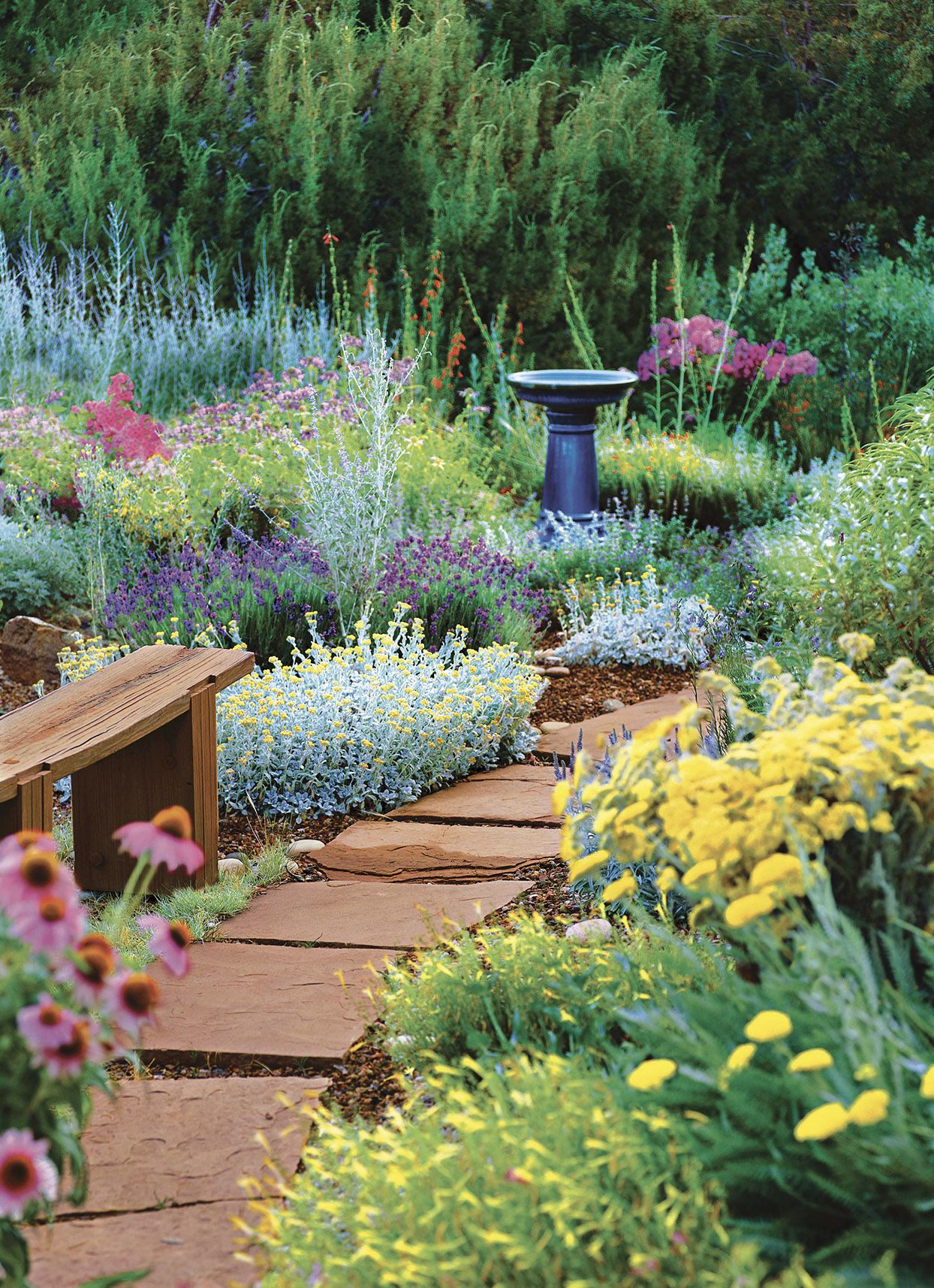
Not all garden kits are created equal. The best ones focus on perennials and hardy shrubs — plants that establish themselves once and then largely take care of themselves season after season. Below are the top kits worth considering, each chosen for their ease of care, visual impact, and resilience across a range of garden conditions.
What Makes a Garden Kit Truly Low Maintenance
A genuinely low-maintenance garden kit should contain plants that don’t require regular replanting, complicated feeding schedules, or constant pest management. Shrubs, ornamental grasses, and perennials all fit this profile. Annuals — the bright bedding plants you see at garden centers — need to be grown from seed or bought fresh each season, planted, protected, dead-headed, and then dug up. That’s a lot of work. A true low-maintenance kit skips all of that entirely and gives you plants that reward a little initial effort with years of growth.
Perennials vs. Annuals: Why It Matters for Lazy Gardeners
Perennials come back every year from the same root system, meaning once they’re in the ground and established, your job is mostly done. Annuals complete their entire life cycle in one season, so you’re starting from scratch every spring. For anyone who wants a beautiful garden without the constant replanting cycle, perennials are the obvious choice. Most of the kits on this list are built around perennials for exactly this reason.
1. Lavender Starter Kit
Lavender is one of those plants that almost thrives on neglect. It’s drought-tolerant, pest-resistant, loved by pollinators, and produces stunning purple blooms that fill a garden with fragrance from early summer right through to autumn. A lavender starter kit typically includes several young plants ready to go straight into the ground or a container, making it an ideal first purchase for beginner gardeners. For those interested in enhancing their gardening space, consider optimizing urban garden spaces with indoor gardening lighting kits.
Why Lavender Is Almost Impossible to Kill
Lavender evolved in the dry, rocky hillsides of the Mediterranean, which means it’s genetically wired to survive with very little water and poor soil. Overwatering is actually one of the few ways to kill it. As long as it has good drainage and plenty of sun, lavender will do the rest on its own. It also naturally repels many common garden pests, which means fewer problems without any intervention from you. If you’re interested in conserving water in your garden, check out these water conservation tips for more ideas.
Best Soil and Sun Conditions for Lavender Kits
Lavender needs at least six hours of direct sunlight per day and well-drained, slightly alkaline soil. If your soil is heavy clay, mix in some horticultural grit before planting to improve drainage. Raised beds and containers work exceptionally well for lavender because you have full control over drainage conditions. Avoid rich, nutrient-heavy compost — lavender actually performs better in leaner soil.
How Often You Actually Need to Prune It
Once a year is all it takes. A light trim after flowering in late summer — cutting back by about one third — keeps lavender compact and encourages strong growth the following season. Avoid cutting into old woody stems, as lavender doesn’t regenerate well from old wood. That’s genuinely the extent of the care required. For those interested in sustainable gardening, consider the benefits of composting plant waste to enhance soil health.
2. Ornamental Grass Collection Kit
“Fall Ornamental Grass DIY Greenery Kits …” from fiftyflowers.com and used with no modifications.
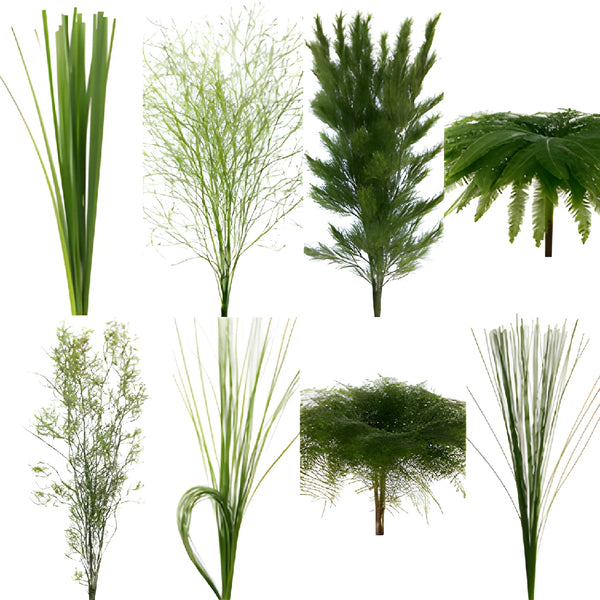
Ornamental grasses are the unsung heroes of low maintenance gardening. They move beautifully in a breeze, provide year-round structure, and require almost no care once established. A collection kit gives you a curated mix of varieties that complement each other in height, texture, and seasonal color, doing the design work for you.
Why Grasses Thrive Without Much Help
Grasses are naturally adapted to tough conditions. They develop deep root systems that access moisture well below the surface, making them highly drought-tolerant once established. Most ornamental varieties don’t need feeding, rarely suffer from pests or diseases, and only require cutting back once a year in late winter before new growth emerges. They also provide excellent ground coverage, which suppresses weeds without any extra effort on your part.
Best Ornamental Grass Varieties for Low Effort Gardens
The best varieties to look for in a collection kit include Miscanthus sinensis (Maiden Grass), which grows tall and feathery with silvery plumes in autumn, Pennisetum alopecuroides (Fountain Grass) for its arching, fountain-like shape and fuzzy seed heads, and Festuca glauca (Blue Fescue) for compact, steel-blue clumps that work brilliantly as edging or ground cover. A well-curated ornamental grass kit will often combine at least two or three of these for visual contrast.
3. Hydrangea Garden Kit
Few plants deliver the dramatic visual payoff of a hydrangea for the amount of work they ask in return. A hydrangea garden kit is an excellent choice for beginners who want big, bold flower heads without a complicated care routine. Most kits include a selection of mophead or lacecap varieties, which are among the hardiest and most forgiving options available.
Hydrangeas are also one of the most forgiving shrubs when it comes to planting position. They tolerate partial shade, which makes them ideal for garden spots that other flowering plants struggle with. They establish quickly, bulk up within two to three seasons, and — crucially — come back stronger each year with minimal intervention.
Soil pH and Why It Changes Hydrangea Color
One of the most fascinating things about hydrangeas is that their flower color is directly influenced by soil pH. In acidic soil (pH below 6), hydrangeas produce blue flowers because aluminum becomes more available to the plant. In alkaline soil (pH above 7), those same plants will bloom pink. This isn’t a problem — it’s actually a feature. You can intentionally shift the color of your hydrangeas by adding garden lime to raise the pH or sulfur to lower it, giving you creative control without any extra planting effort.
Watering Needs Compared to Other Flowering Shrubs
Hydrangeas do prefer consistent moisture, especially in their first season of establishment. However, once their root system is developed — typically by year two — they become significantly more self-sufficient. Compared to roses or rhododendrons, which demand regular feeding and pest management, hydrangeas are genuinely low-maintenance. A thick layer of mulch around the base helps retain soil moisture between watering sessions, cutting down how often you actually need to intervene. For more on water conservation techniques, check out these apartment garden water conservation tips.
4. Hardy Geranium Planting Kit
Hardy geraniums — not to be confused with the tender pelargoniums sold as bedding plants — are one of the most versatile and genuinely tough perennials available. They spread generously, bloom for extended periods, and tolerate a surprisingly wide range of conditions, including partial shade, which garden designer Lee Burkhill specifically highlights as one of their key strengths for filling awkward garden corners. For more ideas, check out these best low-maintenance perennials.
A hardy geranium planting kit typically comes with several plug plants or young specimens ready for the ground. Cut them back hard in midsummer after the first flush of flowers, and you’ll be rewarded with a second wave of blooms later in the season — an unusual trait that makes them exceptional value for effort invested.
Ground Cover Benefits That Suppress Weeds Naturally
- Hardy geraniums spread low and wide, forming a dense mat of foliage that physically blocks light from reaching weed seeds beneath.
- Their spreading habit fills empty soil quickly, leaving nowhere for opportunistic weeds to take hold.
- They thrive in both sun and partial shade, meaning they can cover difficult areas where other ground cover plants struggle.
- Most varieties are fully deciduous, dying back in winter but returning each spring reliably from established root systems.
- Unlike invasive ground covers, hardy geraniums are easy to control — simply lift and divide them every few years to keep them in check.
From a practical standpoint, dense ground cover is one of the most effective weed suppression strategies available, and hardy geraniums deliver it naturally without the need for weed membrane or bark chip top-ups. Once established, they essentially manage that area of the garden for you.
Varieties like Geranium ‘Rozanne’ are particularly impressive performers, flowering from late spring all the way through to the first frosts. It holds the Royal Horticultural Society’s Award of Garden Merit — a reliable indicator that a plant performs consistently well across a range of growing conditions in the UK and beyond.
For beginner gardeners, especially, the hardy geranium kit removes one of the most tedious garden tasks from the to-do list entirely. Less weeding, more enjoying.
5. Shade Garden Shrub Kit
- Aucuba japonica (Spotted Laurel) — glossy, bold foliage that brightens dark corners year-round.
- Viburnum davidii — compact, evergreen, and produces metallic blue berries in autumn.
- Fatsia japonica — dramatic tropical-looking leaves that thrive in deep shade with almost no care.
- Sarcococca confusa (Sweet Box) — tiny white winter flowers with an extraordinary fragrance.
Shade gardens have a reputation for being dull and difficult, but a well-chosen shade shrub kit completely dismantles that idea. The right shrubs not only survive low-light conditions — they actively prefer them, growing more lush and healthy under a canopy than they ever would in direct sun.
Most shade garden kits are built around evergreen shrubs, which means your garden retains structure and color even in the depths of winter. This is a significant advantage over flower-focused kits, which often look bare and uninteresting from November through to March.
For gardens with north-facing aspects or areas permanently overshadowed by fences, walls, or established trees, a shade shrub kit is often the single most practical investment you can make.
Best Shade-Loving Shrubs Included in Most Kits
The varieties listed above represent the core of most quality shade garden kits. Fatsia japonica is particularly worth singling out — it grows quickly, handles deep shade and coastal exposure, and its enormous architectural leaves create an instant sense of established, mature planting. It requires no pruning and very little feeding, making it almost entirely hands-off once planted. For more tips on creating a sustainable garden, check out these urban gardening tricks and tips.
Sarcococca confusa is another standout. It’s slow-growing and compact, which means no trimming required, but its winter fragrance is genuinely remarkable — noticeable from several meters away on a cold, still day. For a plant that asks almost nothing of you, the return is extraordinary.
How Shade Gardens Naturally Reduce Watering Needs
Shaded areas of a garden lose significantly less moisture through evaporation than sun-exposed beds. This means shade-planted shrubs access residual soil moisture far longer between rainfall events, dramatically reducing how often supplemental watering is needed. Combined with the dense canopy of established shade shrubs — which itself acts as a natural mulch layer by dropping leaves — a shade garden kit effectively becomes a self-sustaining system within two to three growing seasons.
6. Topiary Starter Kit

“Garden Topiary Bush Collection 3D Pack …” from www.artstation.com and used with no modifications.
Topiary sounds intimidating — shaped, sculpted plants conjure images of grand estates and professional gardeners with expensive equipment. In reality, the most beginner-friendly topiary plants are among the lowest maintenance shrubs you can grow. A topiary starter kit gives you young, pre-selected specimens of slow-growing evergreens that are naturally suited to shaping, along with basic guidance on how to do it. If you’re interested in urban gardening, check out these recycling tips and tricks to enhance your gardening experience.
The visual impact of even a single well-placed topiary piece is significant. It provides year-round structure, anchors the design of a garden, and — critically — never needs to be replaced. One plant, correctly maintained, can define a garden space for decades.
Why Topiary Is Lower Maintenance Than It Looks
The key is choosing slow-growing species. Buxus sempervirens (Box) and Taxus baccata (Yew) are the classic choices — both grow slowly enough that a single trim once or twice a year keeps them in shape with minimal effort. Lavender, as highlighted by garden designers, also works brilliantly as an informal topiary subject and requires the same once-yearly pruning already described. The misconception that topiary demands constant attention comes from fast-growing species, which serious gardeners generally avoid for exactly this reason.
Best Topiary Shapes for Beginners
Start with geometric forms rather than attempting complex figurative shapes. Balls, cones, and cubes are forgiving — small imperfections disappear quickly as the plant continues to grow, and the shapes are easy to maintain by eye without specialist tools. A simple pair of hand shears is all you need for most beginner topiary work.
A ball of Buxus in a classic terracotta pot, or a pair of cone-shaped yews flanking a front door, creates an immediate sense of intention and structure in any garden. These are the kinds of low-effort, high-reward design choices that professional garden designers use constantly — and a good topiary starter kit puts them within reach from day one.
7. Day Lily Collection Kit
Day lilies — Hemerocallis — are the definition of tough, beautiful, and self-sufficient. Each flower lasts only a single day, but the plants produce such a continuous succession of blooms throughout summer that you’d never notice. A day lily collection kit typically includes a selection of varieties chosen for complementary colors and staggered flowering times, extending the visual display across the entire season.
How Day Lilies Spread and Fill Garden Gaps Automatically
Day lilies spread steadily through their root system, forming expanding clumps that gradually fill empty garden spaces without any intervention. This natural spreading habit is one of their most useful qualities for low-maintenance gardeners — over two to three seasons, a small collection kit can cover a surprisingly large area of border, suppressing weeds as it goes.
Every three to four years, simply dig up the clumps in autumn, divide them with a spade, and replant the sections. This not only keeps the plants vigorous and free-flowering but also multiplies your stock for free. One collection kit can realistically expand to fill an entire border over the course of a few seasons, with zero additional spending required.
Seasonal Care Requirements at a Glance
| Season | Care Task | Time Required |
|---|---|---|
| Spring | Cut back dead foliage, divide overcrowded clumps | 30–60 minutes |
| Summer | Deadhead spent blooms, water during dry spells | 15–20 minutes per week |
| Autumn | Divide and replant clumps, apply mulch | 1–2 hours every 3–4 years |
| Winter | No action required — plants die back and rest | 0 minutes |
The care calendar for day lilies is about as relaxed as it gets. Outside of a light tidy in spring and occasional watering during prolonged dry summers, they largely manage themselves. Winter requires nothing from you at all — the plants die back completely and sit dormant until the warmth of spring triggers new growth automatically.
Smart Planting Strategies That Cut Garden Work in Half
“Grow a Productive Cutting Garden …” from education.teamflower.org and used with no modifications.
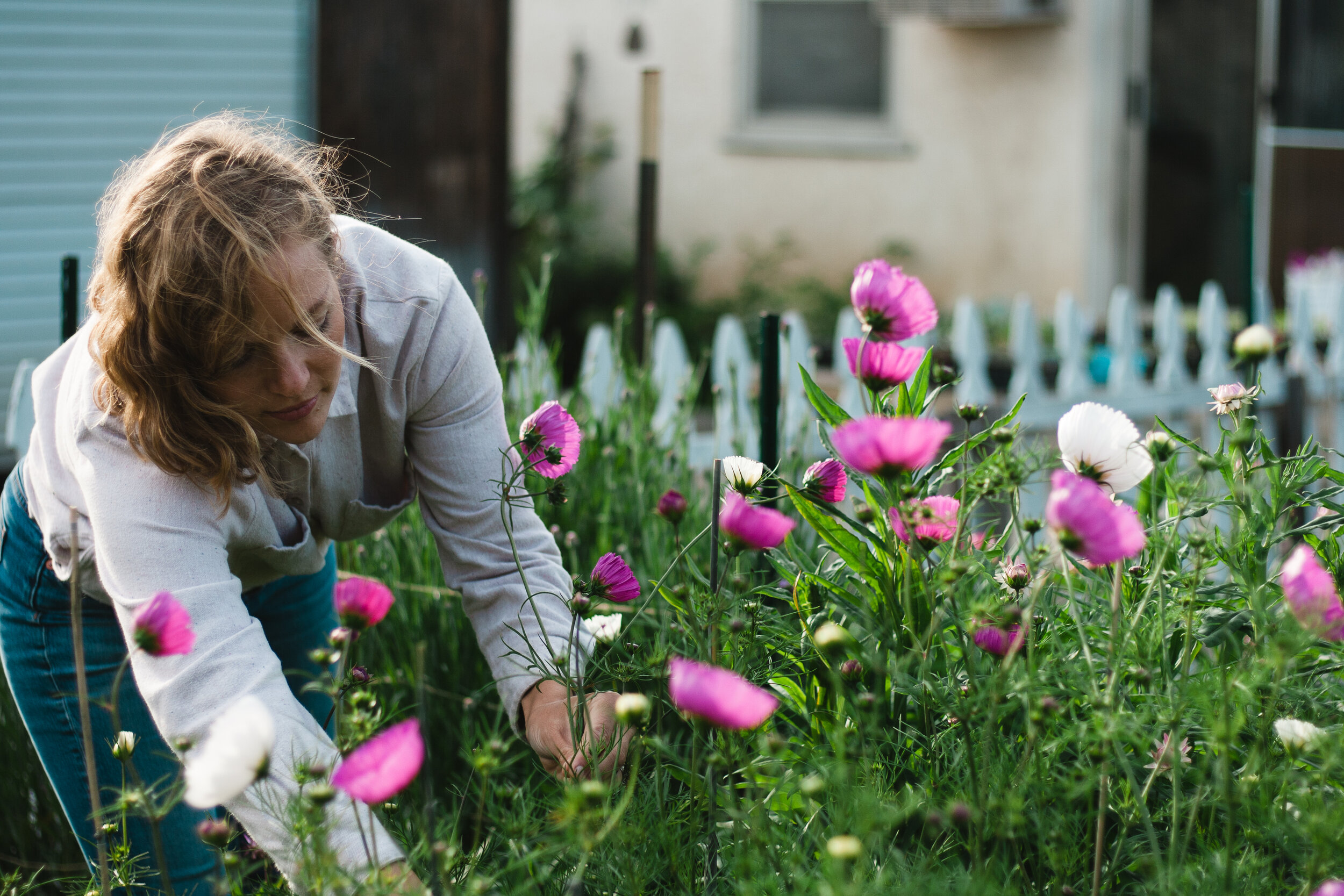
Choosing the right kit is only half the equation. How you plant matters just as much as what you plant. A few simple strategies borrowed from professional garden designers can dramatically reduce the ongoing work a garden demands — without compromising how it looks. For those looking to make the most of their space, consider these customized garden plan consultation services to optimize your garden layout.
These aren’t complicated techniques. They’re the kind of thinking that separates a garden that feels manageable from one that constantly feels like it’s getting away from you. Apply them from the start, and they pay dividends for years.
Plant in Bold Blocks, Not Scattered Arrangements
One of the most common beginner mistakes is planting single specimens of widely different varieties dotted around a border. It looks busy and creates a management nightmare — each plant needs monitoring, and the gaps between them invite weeds. Professional garden designers, including RHS award-winning designer Lee Burkhill, consistently use bold blocks of the same plant repeated across a space instead. Three, five, or seven of the same variety planted together create a strong visual impact while dramatically simplifying care, since you’re managing one type of plant in one area rather than tracking a dozen different species across the whole garden.
This approach also makes seasonal care far more efficient. You cut back one block, move to the next, and you’re done. There’s no constant checking whether this particular plant needs different treatment from the one next to it. Simplified planting equals simplified maintenance — every single time. For those interested in further enhancing their gardening techniques, consider exploring water conservation tips and techniques for a more sustainable garden.
Fill Every Gap to Starve Out Weeds
Bare soil is an open invitation for weeds. Every empty patch of ground in your garden is a germination opportunity for whatever seeds the wind carries in. The single most effective long-term weed suppression strategy isn’t membrane or bark chip — it’s dense, healthy planting that covers the soil surface completely. Hardy geraniums, ornamental grasses, and spreading perennials like day lilies are ideal for this purpose because they fill horizontal space quickly without requiring division or management for several seasons.
Where gaps do appear between new plantings, a generous 5–7cm layer of garden mulch applied in spring will suppress annual weed germination for the entire growing season while simultaneously improving soil structure and retaining moisture. This one annual task — a few hours in spring — eliminates the need for repeated weeding throughout the rest of the year.
Reduce Plant Species by a Third for Easier Management
If you’re starting from scratch or redesigning an existing border, actively reducing the number of different plant species you use makes the garden significantly easier to manage. Each species has its own pruning window, feeding preferences, and seasonal behavior. The more variety you introduce, the more mental bandwidth the garden demands. Choosing five or six reliable workhorses from your kit selection and repeating them throughout the space creates a cohesive, professional-looking garden that’s genuinely simple to maintain season after season.
These Kits Deliver Beautiful Gardens With Minimal Effort
Every kit on this list shares one quality that matters above everything else — they give you a beautiful, thriving garden without demanding more time and energy than you’re willing to give. From the drought-proof resilience of lavender to the architectural permanence of topiary, these plants work with you rather than against you. Start with one kit, get comfortable, and expand from there. A stunning garden really can begin with a single well-chosen box of plants.
Frequently Asked Questions
Beginner gardeners often have the same core questions before committing to a garden kit purchase. The answers are more straightforward than most people expect, which is precisely the point of choosing a low-maintenance approach in the first place.
Here are the most common questions answered honestly, without the overcomplicated advice that puts so many people off gardening before they’ve even started.
What Is the Easiest Garden Plant Kit for Complete Beginners?
The lavender starter kit is consistently the best entry point for complete beginners. Lavender is drought-tolerant, pest-resistant, requires pruning just once a year, and thrives in poor soil conditions that would stress most other plants. It delivers immediate visual impact and fragrance without asking much in return. If you want something with more structural presence, an ornamental grass collection kit is an equally forgiving choice — grasses establish quickly, rarely suffer problems, and need cutting back just once a year in late winter.
Do Low-Maintenance Plant Kits Work in Small Gardens or Pots?
Best Kit Choices for Small Spaces and Containers:
🌱 Lavender — thrives in containers with excellent drainage; ideal for balconies and patios.
🌱 Festuca glauca (Blue Fescue) — compact ornamental grass perfect for pot displays or small border edges.
🌱 Hardy Geraniums — work well in large containers and will spread to fill the pot naturally over time.
🌱 Sarcococca confusa — slow-growing and compact, making it one of the best shade-tolerant shrubs for container planting.
🌱 Buxus Ball Topiary — classic container plant, year-round evergreen structure with minimal trimming required.
Yes — many of the kits on this list are well-suited to small gardens, raised beds, and containers. The key is matching the plant’s growth habit to the available space. Compact varieties like Festuca glauca and Sarcococca confusa are naturally suited to container growing, while lavender performs exceptionally well in terracotta pots on sunny patios or balconies. For more tips, explore our guide on low-pollen plants that can be ideal for urban gardening.
For very small gardens or courtyard spaces, the shade shrub kit is worth particular consideration. Shade-tolerant evergreens like Fatsia japonica and Viburnum davidii thrive in the enclosed, partially shaded conditions that small urban gardens typically create, providing year-round structure in spaces where many other plants would struggle. For more ideas on creating a low-maintenance garden, check out 10 ways to a low-maintenance garden.
The one adjustment to make for container growing is watering frequency. Pots dry out faster than open ground, so even drought-tolerant plants like lavender will need watering more regularly during hot summer months. Self-watering containers or terracotta pots with saucers can help manage this with minimal ongoing effort.
Raised beds sit somewhere between in-ground planting and container growing. They offer better drainage than heavy clay soil, warm up faster in spring, and give you complete control over soil quality — making them an excellent option for beginners working with difficult ground conditions. Most of the kits on this list will perform very well in a well-constructed raised bed.
How Long Do Perennial Plant Kits Take to Establish?
The traditional gardening saying is “sleep, creep, leap” — and it’s a reliable description of how most perennials behave. In year one, newly planted perennials put most of their energy into developing their root systems rather than producing visible top growth. The plant appears to do very little, which can be discouraging for beginners who expect immediate results. For those interested in optimizing their gardening efforts, exploring indoor gardening lighting kits can be beneficial.
By year two, the same plants begin to show real growth above ground — more stems, more foliage, and the first meaningful display of flowers or structural presence. This is the “creep” phase, where the garden starts to look intentional, and the investment begins to pay off visually.
Year three is typically when perennials hit their stride. Root systems are fully established, plants are flowering at full capacity, and the garden begins to look genuinely mature and settled. From this point forward, maintenance requirements drop significantly — which is the whole point of choosing perennials over annuals in the first place. The upfront patience pays off with years of low-effort beauty.
Can Low-Maintenance Garden Kits Handle Different Climate Zones?
Most of the kits featured on this list include plants with broad climate adaptability, but it’s worth checking hardiness ratings before purchasing. In the UK, RHS hardiness ratings provide a reliable guide — look for plants rated H4 or above for reliable outdoor performance through typical UK winters. In the US, USDA Plant Hardiness Zone ratings serve the same purpose. Lavender, ornamental grasses, hardy geraniums, and hydrangeas all perform across a wide range of zones, making them genuinely versatile choices.
In colder climates with harsh winters, adding a layer of mulch around the base of newly planted perennials in late autumn provides insulation for root systems during their first winter in the ground. This simple step significantly improves establishment rates in exposed or frost-prone gardens. Most established perennials — particularly ornamental grasses and day lilies — are highly frost-tolerant once their root systems are developed, and will return each spring reliably without any additional protection required.
Do These Kits Require Special Tools or Fertilizers to Grow Successfully?
No specialist tools are required for any of the kits on this list. A standard border spade for planting, a hand fork for dividing clumps, and a pair of quality hand shears for pruning cover everything you’ll need for the entire growing year. If you’re investing in topiary, a pair of topiary shears with short, precise blades makes shaping easier — but even this is optional for beginner-level geometric forms.
Feeding requirements for low-maintenance perennials and shrubs are minimal. Most of the plants featured here actually perform better in leaner soil — lavender being the clearest example. A single application of general-purpose slow-release fertilizer in spring is more than sufficient for most perennial kits, and many experienced gardeners skip feeding entirely once plants are well-established, relying on annual mulching to maintain soil health instead.
The most impactful thing you can do for any new garden kit is prepare the planting area well before the plants go in. Remove existing weeds thoroughly, loosen compacted soil, and add garden compost if the soil is very poor. That initial preparation — done once — sets up your plants for years of healthy, low-effort growth without the need for ongoing intervention or expensive amendments.
Low-maintenance garden plant kits are perfect for those who want to enjoy the beauty of a garden without the hassle of constant upkeep. These kits often include a selection of hardy plants that require minimal watering and care, making them ideal for busy individuals or those new to gardening. If you’re looking to make your garden more sustainable, consider using recycling filters and other eco-friendly tricks to reduce waste and conserve resources.