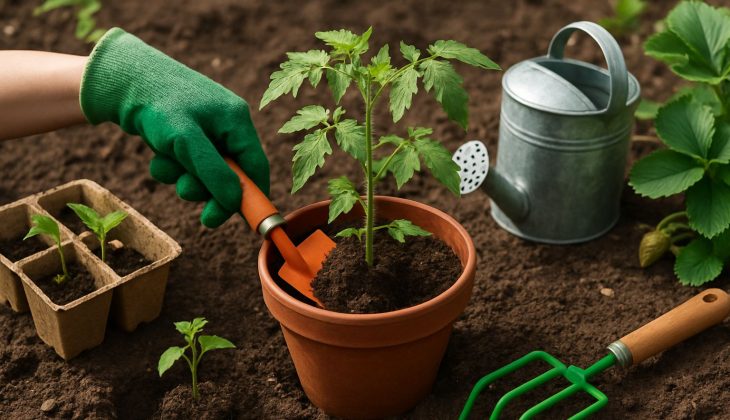
- A customized garden plan consultation gives you a personalized roadmap — not generic advice — built around your specific soil, sunlight, space, and goals.
- Both virtual and in-person consultations deliver real results, but the right format depends on your location, budget, and how hands-on you want the experience to be.
- New gardeners and experienced growers alike benefit from a fresh set of expert eyes — whether you’re starting from scratch or trying to fix a problem area that just won’t cooperate.
- The best consultations go beyond plant lists — keep reading to discover what a truly thorough garden plan session should include, and what red flags to watch for when choosing a service.
- Services like Harmony in the Garden and the Gardenary Consultant Network are raising the bar on what personalized garden planning looks like in 2024.
A Fresh Set of Eyes Can Transform Your Garden

“Garden Personality With Googly Eyes” from www.backyardboss.net and used with no modifications.
Most gardening mistakes aren’t about effort — they’re about missing information that changes everything.
You can spend a full season planting, watering, and troubleshooting, and still end up with a garden that underperforms. Often, one targeted conversation with someone who knows what to look for is all it takes to flip the script. That’s the core promise of a customized garden plan consultation: actionable clarity, built around your specific situation.
Unlike a quick Google search or a one-size-fits-all planting guide, a personalized garden consultation digs into the details that actually matter — your microclimate, your soil drainage, your sun exposure at different times of day, and what you realistically want to harvest or grow. The goal isn’t to overwhelm you with information. It’s to strip away the guesswork and give you a clear, workable plan.
What a Garden Consultation Actually Covers
A solid garden consultation is part assessment, part education, and part strategy session. Depending on the service you choose, it can cover everything from initial site analysis and plant selection to layout design and seasonal planting schedules. Some consultants also provide follow-up support so you’re not left figuring things out alone mid-season.
The most valuable consultations go beyond telling you what to plant. They explain why — why a raised bed works better than in-ground planting in your specific yard, why your tomatoes keep failing in that corner, or why companion planting certain vegetables together will naturally reduce your pest pressure. That deeper understanding is what turns a one-time consult into lasting gardening confidence.
Virtual vs. In-Person: Which Works Better for You
Both formats have genuine strengths, and the right choice comes down to your priorities. Virtual consultations have exploded in popularity because they’re flexible, often more affordable, and give you access to specialists who aren’t local to your area. In-person sessions, on the other hand, allow the consultant to physically walk your space — catching drainage issues, shade patterns, and soil conditions that photos simply can’t capture.
- Virtual consultations work best when you need broad planning guidance, plant recommendations, or help interpreting your own site photos and measurements.
- In-person consultations shine when you have complex problem areas, unclear drainage patterns, or you want hands-on help with layout decisions.
- Hybrid options are becoming more common — starting with a virtual session to establish goals, then following up in-person for implementation.
Whichever format you choose, what matters most is that the consultant treats your garden as unique — not as a template to plug generic solutions into.
Who Gets the Most Out of a Garden Consultation
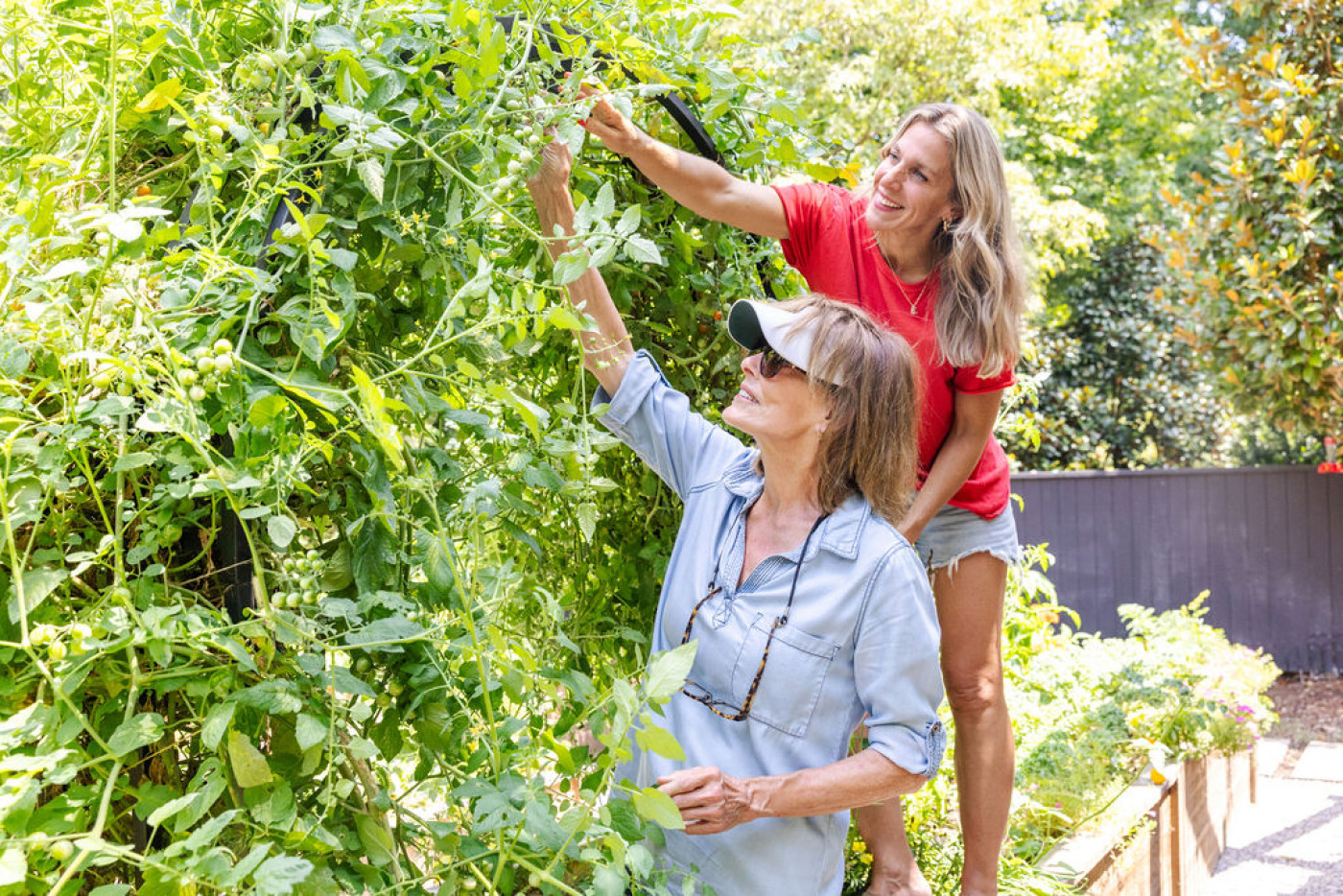
“Garden Consultation 101: Turn Your …” from www.gardenary.com and used with no modifications.
The short answer? Almost any homeowner with a garden space and a goal they haven’t quite been able to reach on their own. For those interested in learning more, Garden Consultation 101 provides valuable insights.
But three distinct groups consistently get the most value from customized garden plan services, and understanding which one you fall into helps you know exactly what to ask for when you book your session.
New Gardeners Who Need a Clear Starting Point
Starting a garden from zero is genuinely overwhelming. Between choosing the right location, understanding your USDA hardiness zone, selecting appropriate plants, and building good soil, the learning curve can stop new gardeners before they even get started. A consultation cuts through that noise immediately. Instead of spending months piecing together information from a dozen different sources, you get a clear starting point built specifically for your yard, your zone, and your goals — whether that’s a kitchen herb garden, a cut flower bed, or a full vegetable plot.
Experienced Gardeners Stuck in a Rut
Seasoned gardeners hit walls too. Maybe your yields have plateaued, a section of your garden never seems to thrive, or you want to transition from annuals to a more self-sustaining perennial setup but aren’t sure where to begin. A consultant brings fresh perspective to problems you’ve been too close to see clearly, and exploring organic soil options can be a great first step.
Real example: A homeowner with five years of vegetable gardening experience couldn’t figure out why her brassicas kept wilting despite regular watering. A garden consultant identified clubroot — a soil-borne disease — during a site visit, recommended a pH adjustment to above 7.2, and suggested a four-year crop rotation plan. The following season, her yields recovered completely.
That kind of targeted diagnosis is almost impossible to get from general gardening content. It requires someone looking at your specific situation with experienced eyes.
What Happens During a Customized Garden Plan Consultation
| Consultation Phase | What It Involves | Typical Duration |
|---|---|---|
| Goal Setting | Discussing what you want to grow, harvest, or achieve | 10–15 minutes |
| Site Assessment | Reviewing sunlight, soil, drainage, and space dimensions | 15–20 minutes |
| Plant Selection | Recommending varieties suited to your zone and conditions | 10–15 minutes |
| Layout & Design | Conceptual placement of beds, paths, and plantings | 10–20 minutes |
| Problem-Solving | Addressing specific issues like pests, poor drainage, or shade | Varies |
A well-structured consultation follows a logical progression, moving from the big picture down to the specific details. Most sessions run between 60 and 90 minutes, though the depth of each phase depends on the complexity of your garden and the service you’ve booked. For those interested in sustainable gardening practices, exploring sustainable flowering vegetables can provide valuable insights.
The most important thing to understand is that a good consultation isn’t a lecture. It’s a two-way conversation where your input shapes everything. The consultant needs to understand your lifestyle — how much time you have to maintain the garden, whether you’re growing for food or aesthetics, and what your experience level is — before any real planning can happen.
Discussing Your Garden Goals and Vision
This is where the consultation begins, and it’s more important than most people expect. Your goals determine every recommendation that follows. A homeowner who wants a low-maintenance pollinator garden needs an entirely different plan than someone aiming for a high-yield vegetable plot or a formal English-style border.
- What do you want to grow — food, flowers, herbs, or a mix?
- How many hours per week can you realistically dedicate to garden maintenance?
- Do you have a specific aesthetic or style in mind?
- Are there existing plants or structures you want to keep or work around?
- What’s your timeline — are you planting this season or planning for next year?
Coming prepared with honest answers to these questions will make your consultation significantly more productive. The more specific you can be, the more targeted and useful your custom garden plan will be.
Plant Recommendations Based on Proven Performance
Generic plant lists are everywhere online. What makes a consultation different is that plant recommendations are filtered through multiple layers of site-specific criteria — your USDA hardiness zone, soil pH, drainage conditions, available sunlight hours, and even the microclimates within your own yard. A south-facing bed against a brick wall, for example, can run 10°F warmer than the rest of your garden, opening up planting options that wouldn’t otherwise survive in your zone.
A knowledgeable consultant will also recommend specific cultivars — not just species. There’s a significant performance difference between growing a generic “cherry tomato” and a disease-resistant variety like Juliet F1 or Sun Gold, both of which are known for consistent yields and crack resistance in variable conditions. That level of specificity is where customized garden planning earns its value.
Problem-Solving for Targeted Garden Areas
Every garden has at least one problem zone — a corner that never drains properly, a bed that gets scorched by afternoon sun, or a patch where nothing seems to establish no matter what you try. This is where a customized consultation delivers some of its most immediate value. Rather than guessing at solutions, a consultant can identify the root cause and give you a fix that actually addresses the problem instead of masking it.
Common problem areas that consultations frequently resolve include compacted soil with poor aeration, pH imbalances that lock out nutrients even when fertilizer is applied regularly, and shade patterns that shift dramatically with the seasons. Knowing that a spot receives only 3 hours of direct sun in July — not the 6 hours you assumed — changes your plant selection entirely and saves you from repeated failure in that bed. For those looking to improve their soil quality, consider exploring organic soil options for native plants.
Conceptual Design Ideas to Reshape Your Space
Beyond plants, a skilled consultant can help you rethink the physical layout of your garden in ways that improve both function and appearance. This might mean repositioning raised beds to maximize sun exposure, introducing a central path to make maintenance easier, or suggesting a vertical growing structure to make use of a fence line you’ve been ignoring. These are the kinds of spatial ideas that feel obvious in hindsight but are hard to see when you’re standing in the middle of your own space every day.
Virtual Garden Consultations: What to Expect
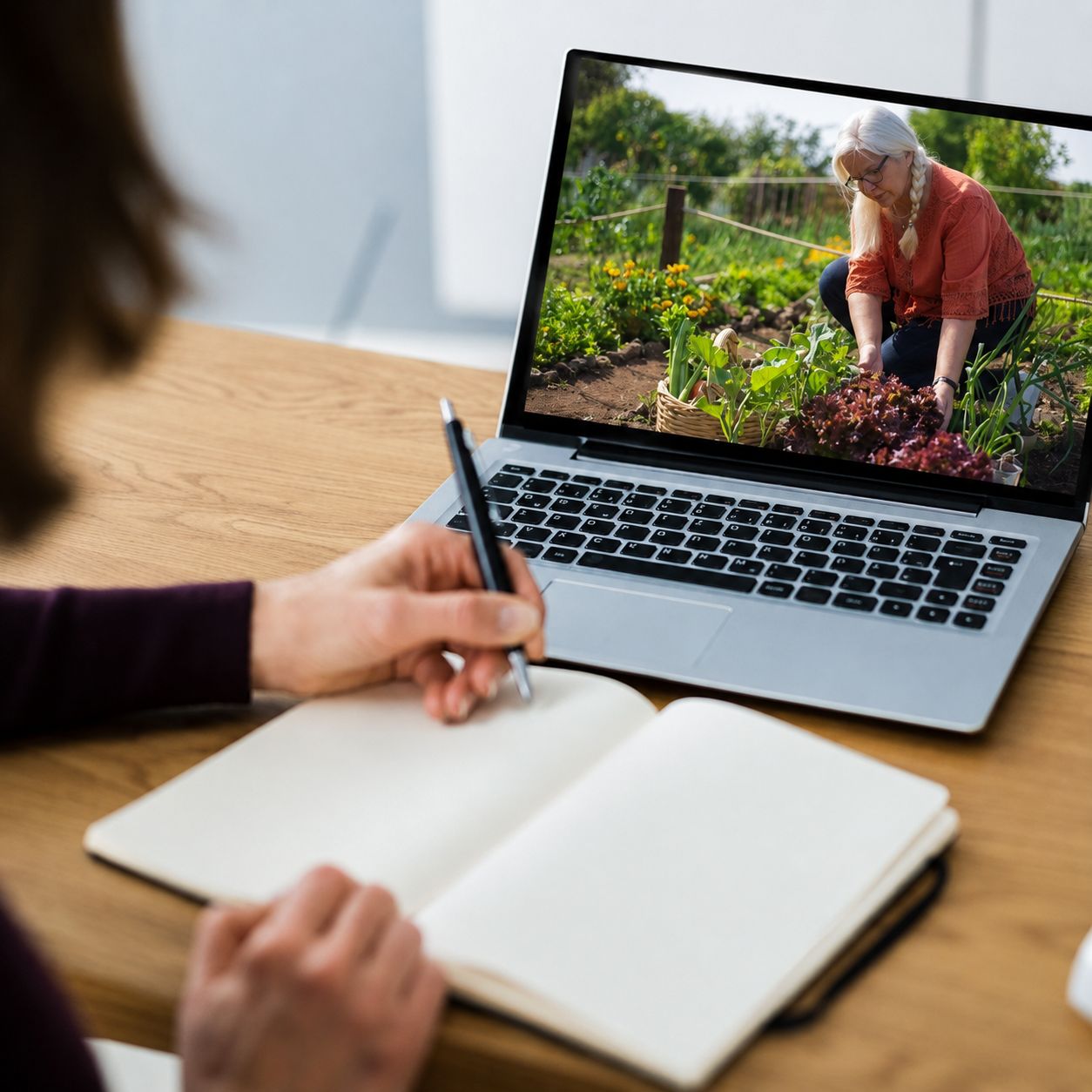
Virtual garden consultations have become a genuinely excellent option — not a compromise. Thanks to video calls, shared screen tools, and the ability to submit detailed photos and measurements beforehand, remote sessions can be surprisingly thorough. Many homeowners actually prefer them because they can book a specialist from anywhere in the country rather than being limited to whoever is local.
The format typically involves a scheduled video call — most commonly via Zoom or Google Meet — where you share photos of your garden space, discuss your goals, and walk through a plan in real time. Some services also use collaborative design tools like Garden Planner by Vegetable Garden Planner or simple annotated diagrams shared on screen to map out bed layouts and planting arrangements visually.
How to Prepare Before Your Session
The more information you bring to a virtual session, the more you’ll get out of it. Good preparation doesn’t take long, but it makes an enormous difference in how targeted and useful your consultation ends up being. A consultant working from vague descriptions has to spend half the session gathering basic information that you could have provided upfront.
- Take clear photos of your garden space from multiple angles — morning and afternoon if possible, to show how light moves through the space.
- Measure your beds or garden area and note the dimensions.
- Know your USDA hardiness zone — you can look it up by zip code at the USDA Plant Hardiness Zone Map.
- Note any existing plants you want to keep, and any specific problems you’ve been experiencing.
- Write down your top three goals for the garden before the session starts.
Coming in prepared with this information lets the consultant skip the basics and spend the bulk of your time on actual planning and problem-solving — which is where the real value of the session lives.
What You Will Walk Away With
After a virtual consultation, most services provide some form of written follow-up — whether that’s a typed summary of recommendations, a simple annotated garden diagram, a plant list with specific cultivar names, or a seasonal planting calendar tailored to your zone. The exact deliverables vary by service and price point, so it’s worth asking upfront what you’ll receive after the session ends.
At minimum, you should leave a quality virtual consultation with a clear action plan: what to plant, where to plant it, when to get started, and what to address first if you have existing problem areas. That clarity alone is worth the investment for most homeowners who have been spinning their wheels on their own.
In-Person Garden Consultations: A Closer Look
An in-person consultation adds a layer of physical observation that virtual sessions simply can’t fully replicate. The consultant walks your actual space, reads the land, checks soil texture by hand, observes drainage behavior, and spots issues that don’t show up clearly in photos — like a subtle slope that directs water toward your foundation, or compaction from foot traffic that’s strangling root development in your beds. For complex gardens or properties with significant challenges, in-person is often the smarter investment, even if it costs more.
Best Customized Garden Plan Consultation Services Available
The market for personalized garden planning has grown considerably, giving homeowners more options than ever before. That’s a good thing — but it also means quality varies. The best services combine horticultural knowledge with real listening skills, delivering recommendations that are actually executable for a homeowner rather than designed to impress on paper.
When evaluating any garden consultation service, the key questions to ask are: Does the consultant specialize in the type of garden you’re building? Do they provide written follow-up documentation? What is included in the session fee, and are follow-up questions supported? Price alone is a poor indicator of quality — some of the most valuable consultations come from master gardener programs and cooperative extension services at a fraction of the cost of private designers.
Below is a comparison of three of the most accessible and well-regarded customized garden plan consultation services currently available to homeowners in the United States.
Quick Comparison: Top Garden Consultation Services
Service Format Best For Price Range Follow-Up Provided Harmony in the Garden Virtual & In-Person Homeowners wanting before/after transformation guidance Varies by package Yes — visual plan included Gardenary Consultant Network Virtual & In-Person Kitchen & food gardens, new gardeners Varies by consultant Yes — session notes & resources Cooperative Extension Services In-Person (local) Budget-conscious homeowners, soil & plant diagnosis Free – low cost Varies by county office
Harmony in the Garden Consultations
Harmony in the Garden offers both virtual and in-person garden consultations with a strong emphasis on visual transformation — their before-and-after approach makes it easy to see how your space can realistically evolve. Sessions are structured around your specific goals, whether that’s creating a more cohesive aesthetic, improving plant health, or reconfiguring a garden that has grown disorganized over the years. Their visual plan deliverable is particularly useful for homeowners who are more spatially oriented and need to see the plan mapped out rather than just described.
What sets this service apart is its focus on the whole picture — not just plants in isolation. Consultants consider how your garden space connects to your home, your lifestyle, and how you actually use your outdoor areas day to day. That holistic approach tends to produce plans that homeowners actually follow through on, rather than ambitious designs that sit on paper and never get implemented. For those looking to optimize their space, exploring indoor gardening lighting kits can be a valuable addition to the consultation.
Local Cooperative Extension Services
Run through land-grant universities across all 50 states, Cooperative Extension Services are one of the most underutilized resources in American home gardening. They offer research-backed, region-specific guidance delivered by Master Gardeners and horticulture specialists who understand the local climate, soil types, and pest pressures in your exact area. The fact that many of these services are free or very low cost makes them especially valuable for homeowners working with a tight budget. For more information on how to utilize these services, you can visit Gardenary’s blog.
Extension offices can help with soil testing — often for as little as $15 to $20 per sample — plant disease diagnosis, pest identification, and site-specific planting recommendations. Many counties also offer in-person plant clinics, online question submissions, and even home garden visits through their Master Gardener volunteer programs.
Pro Tip: To find your local Cooperative Extension office, visit the USDA’s Extension office locator at nifa.usda.gov and search by state. Most offices have dedicated Master Gardener hotlines during the growing season with turnaround times of 24 to 48 hours for basic questions.
Using your local extension service alongside a private consultation is actually a smart strategy — extension programs give you region-specific technical data like soil pH benchmarks and pest calendars, while a private consultant helps you apply that data to your specific garden layout and goals.
How to Choose the Right Garden Consultation Service for You
With more options available than ever before, choosing the right garden consultation service comes down to three things: the consultant’s specific expertise, the format that fits your lifestyle, and what you’ll actually receive at the end of the session. Getting this match right is the difference between a consultation that changes how you garden and one that leaves you with a generic plant list you could have found online.
Start by being honest about what your garden actually needs. A homeowner building a vegetable garden for the first time has fundamentally different needs than someone trying to restore a mature perennial border or redesign a front yard for curb appeal. The clearer you are about your specific situation before you start comparing services, the easier it is to identify which consultant or platform is genuinely equipped to help you.
Don’t overlook credentials and specialization. A consultant trained specifically in edible garden design — like those in the Gardenary network — will give you far more targeted guidance on food production than a general landscape designer who occasionally handles residential gardens. Look for consultants who can demonstrate experience with your specific garden type, not just gardening in general.
Match the Consultant’s Expertise to Your Garden Type
The single most important filter when choosing a garden consultation service is alignment between the consultant’s specialty and your garden goals. If you’re building a kitchen garden, look for a consultant with a documented track record in edible gardening and raised bed systems. If you’re working on a native plant restoration or pollinator habitat, seek out someone with specific knowledge of your regional flora and local ecosystem — not just general horticulture. Mismatched expertise is the most common reason homeowners walk away from a consultation feeling like they didn’t get their money’s worth. For those interested in pollinator habitats, consider exploring a guide on pollinator ecosystems to enhance your understanding.
Consider Format: Virtual Gives You More Options
Virtual consultations have genuinely leveled the playing field for homeowners outside major metropolitan areas. Rather than being limited to whoever is available and affordable within driving distance, you can access highly specialized consultants anywhere in the country. If your priority is deep expertise in a specific garden type — say, small-space urban food gardening or dry-climate native planting — virtual is almost always the better path to finding the right match. In-person remains the stronger choice when your garden has physical complexities that require eyes-on assessment, but for the majority of planning and goal-setting consultations, virtual delivers equal or better value at a lower cost.
One Conversation Can Change How Your Garden Grows
A customized garden plan consultation isn’t a luxury for serious gardeners — it’s a practical shortcut that saves you seasons of trial and error. Whether you book a virtual session through the Gardenary network, work with a local specialist like Harmony in the Garden, or tap into your county’s free Cooperative Extension resources, the return on a single focused conversation with the right person is almost always higher than another season of guessing. Your garden is specific to your space, your soil, and your goals — and it deserves a plan built exactly that way.
Frequently Asked Questions
Here are the most common questions homeowners have before booking their first customized garden plan consultation, answered directly so you can move forward with confidence.
How Long Does a Garden Plan Consultation Typically Last?
Most garden plan consultations run between 60 and 90 minutes for a standard session. That timeframe is generally enough to cover site assessment, goal setting, plant recommendations, and a basic layout discussion without rushing through any one phase. Some services offer abbreviated 30-minute “quick question” sessions for simpler or more focused topics, and extended 2-hour sessions for large or complex properties.
The actual productive time within a session depends heavily on how prepared you are going in. A homeowner who arrives with clear measurements, good photos, and defined goals will accomplish significantly more in 60 minutes than one who hasn’t prepared. Think of the scheduled time as a ceiling, not a guarantee — preparation is what determines how much of it gets used on actual planning versus gathering basic information. For those looking to make the most of their gardening space, consider these tips on optimizing urban garden spaces.
Do Garden Consultations Include a Written Plan or Typed Summary?
This varies by service and price point, so it’s one of the most important questions to ask before you book. Higher-tier consultations typically include a written summary of recommendations, a plant list with specific cultivar names, and sometimes an annotated diagram of your garden layout. More affordable or entry-level sessions may only include verbal guidance during the call itself, with no formal follow-up documentation.
If a written plan is important to you — and for most homeowners it should be, since memory alone is unreliable — confirm what’s included in writing before you pay. Some consultants offer written summaries as an add-on for an additional fee. At minimum, take your own notes during the session or ask if you can record the call for personal reference. Having something to refer back to during implementation is what turns a good consultation into a plan you actually execute successfully.
Can a Garden Consultation Help if I Have a Very Small Space?
- Small urban balconies and container gardens benefit enormously from consultations focused on vertical growing, container selection, and variety choices suited to confined root space.
- Tiny in-ground beds — even those under 50 square feet — can be significantly optimized through succession planting strategies and intensive spacing techniques.
- Courtyard gardens and narrow side yards often have complex light and drainage issues that are much easier to solve with professional guidance than to troubleshoot independently.
- Consultants who specialize in small-space gardening can recommend compact or dwarf cultivars — like Patio Pride peas or Tumbling Tom tomatoes — that are genuinely productive in limited footprints.
Small spaces are not a limitation when it comes to getting value from a consultation — they’re actually one of the situations where expert guidance pays off fastest. The margin for error in a tiny garden is slim, so every decision about what to plant and where carries more weight. For more insights, consider optimizing urban garden spaces with the right tools and techniques.
Many homeowners with small gardens assume their space isn’t complicated enough to warrant a consultation. The opposite is often true. Fitting maximum production or beauty into a minimal footprint requires more strategic thinking, not less — and a consultant who specializes in intensive or small-space gardening will immediately have ideas you haven’t considered.
If budget is a concern, small-space consultations are also frequently the shortest and most affordable sessions available, since the scope is naturally limited. A 30 to 45-minute focused session on a balcony or courtyard garden is a common offering that delivers a high return for a modest investment of time and money.
What Is the Difference Between a Garden Consultant and a Landscape Designer?
A garden consultant focuses primarily on plant knowledge, garden ecology, soil health, and growing strategy. Their role is to educate and advise — helping you understand what to grow, how to grow it, and why certain approaches work better in your specific conditions. Consultants are often Master Gardeners, horticulturists, or experienced specialty growers who translate deep plant knowledge into practical guidance for homeowners. They typically do not produce formal design drawings or manage installation.
A landscape designer, by contrast, works more broadly across the built and planted environment — hardscaping, grading, irrigation systems, structural elements like retaining walls, and aesthetic design. Many landscape designers have limited depth in plant-specific knowledge and growing strategy compared to a dedicated garden consultant. For a homeowner who needs help growing better vegetables, troubleshooting plant health, or building a productive kitchen garden, a garden consultant is almost always the more useful and cost-effective choice. If you’re redesigning your entire outdoor space with significant construction involved, a landscape designer — ideally one who collaborates with a garden consultant — is the more appropriate starting point. For those interested in sustainable practices, exploring the best sustainable flowering vegetables can be a valuable resource.
How Often Should You Schedule a Garden Consultation?
For most homeowners, one well-structured consultation per growing season is a practical and productive cadence — particularly during the planning phase in late winter or early spring, before purchasing plants or committing to a layout. This timing gives you a plan in hand before you spend money on seeds, transplants, or soil amendments, which prevents the most common and costly gardening mistakes.
Beyond the initial planning session, a mid-season check-in consultation can be valuable if you’re dealing with an active problem — pest pressure, disease spread, or plants that aren’t performing as expected. These shorter, more focused sessions are typically quicker and less expensive than a full planning consultation, and they can save an entire season’s harvest or planting investment by catching problems early and correcting course before irreversible damage is done.
Over time, as your gardening knowledge and confidence grow through applying what you learn in each session, the frequency of consultations you need naturally decreases. The goal of any good garden consultation service is ultimately to make you a more capable, self-sufficient gardener — not to create ongoing dependency. You should expect to need fewer sessions each year as your skills build, with consultations becoming more targeted and specialized rather than foundational as you progress. For those interested in optimizing their gardening efforts, exploring indoor gardening lighting kits can be an excellent way to enhance your urban garden spaces.