- The right container and soil combo can cut your apartment garden’s water use by a significant margin — most plant deaths in container gardens come from watering mistakes, not neglect.
- Self-watering containers and coco coir soil mixes are two of the highest-impact changes you can make for water efficiency in a small space.
- You don’t need a yard or a rain barrel to conserve water — even reusing vegetable rinse water and adding a drip tray can make a real difference.
- Drought-tolerant edibles like cherry tomatoes, herbs, and Swiss chard produce abundantly with far less water than most apartment gardeners expect.
- Keep reading to find out which common watering habit is silently wasting the most water in your container garden — and how to fix it today.
Your Apartment Garden Doesn’t Have to Drain Your Water Bill
“Watering a Veggie Garden in the heat …” from www.reddit.com and used with no modifications.
Growing food and flowers in an apartment is one of the most rewarding things you can do with a small space — but without a few smart strategies, it can also become a daily chore that wastes more water than it should.
The good news is that apartment gardens are actually easier to optimize for water conservation than traditional in-ground gardens. You control the containers, the soil, the placement, and the schedule. That level of control means every adjustment you make has an immediate and measurable impact. EConserve specializes in sustainable resource management and highlights that small-space gardeners are uniquely positioned to adopt efficient water habits quickly because the scale is manageable and the results are visible fast.
Whether you’re working with a sunny balcony, a single windowsill, or a shared rooftop space, the techniques in this guide will help you grow more with less water — starting today.
Choose the Right Containers to Reduce Water Loss
Your container choice is the foundation of water conservation in an apartment garden. Before you even think about how often to water, the material, size, and design of your pots determine how much moisture your plants can actually hold onto between sessions.
1. Self-Watering Containers Lock in Moisture Longer
Self-watering containers — like the Lechuza Balconera 50 or the Bloem Living Aqua Self-Watering Planter — use a reservoir system at the base that feeds moisture upward to roots on demand. This sub-irrigation approach keeps soil consistently moist without saturation, which means you water far less frequently and plants rarely experience the stress of boom-and-bust moisture cycles. For apartment gardeners who travel or work long hours, these containers are a genuine game-changer.
2. Unglazed Terra Cotta Pots Lose Water Fast
Terra cotta is beautiful and breathable — but that breathability comes at a cost. The porous clay walls allow moisture to evaporate through the sides of the pot, not just the surface of the soil. In a hot apartment or on a sun-exposed balcony, an unglazed terra cotta pot can lose a significant amount of its moisture within hours of watering. Seeking tips on managing your garden space, review our urban garden lease tips.
If you love the look of terra cotta, opt for glazed terra cotta or line the inside of unglazed pots with a plastic liner, leaving the drainage hole unblocked. This simple fix dramatically reduces sidewall evaporation while preserving the aesthetic you want.
3. Container Size Directly Affects Watering Frequency
Smaller pots dry out faster — it’s that simple. A 4-inch pot sitting in afternoon sun may need water twice a day in summer, while a 12-inch pot with the same plant might only need water every two to three days. Whenever your space allows, size up your containers. More soil volume means more water-holding capacity, more root space, and more resilience between waterings.
The Best Soil Mixes for Water Retention
Even the best container is only as effective as the soil inside it. Soil mix is one of the most overlooked factors in apartment garden water conservation, and getting it right can dramatically reduce how often you need to water.
Why Standard Potting Mix Dries Out Too Quickly
Most off-the-shelf potting mixes are designed to be lightweight and well-draining — which is great for preventing root rot, but not ideal for water retention in a container environment. Standard mixes often contain a high ratio of perlite or bark, materials that shed water quickly rather than holding it in the root zone where plants actually need it.
Over time, standard potting mix also tends to compact and pull away from the edges of the pot, creating channels where water runs straight through without being absorbed. When you see water pouring rapidly out of the drainage hole seconds after you pour it in, that’s often what’s happening. For tips on optimizing your garden space, you can explore indoor gardening lighting kits to enhance your plant care routine.
- Signs your potting mix isn’t retaining water properly:
- Water exits the drainage hole within seconds of watering
- Soil surface feels bone dry just hours after watering
- Visible gaps between the soil and the pot edges
- Plants wilt despite being watered regularly
- Soil feels hydrophobic — water beads on the surface instead of soaking in
The fix isn’t to water more — it’s to amend your mix so it actually holds what you give it.
How to Add Perlite and Coco Coir for Better Moisture Balance
The ideal apartment garden soil mix balances drainage with moisture retention. Coco coir — a byproduct of coconut husks — is one of the best amendments you can add for this purpose. It holds up to 10 times its weight in water, releases moisture slowly into the root zone, and resists compaction over time. A blend of roughly 60% quality potting mix, 30% coco coir, and 10% perlite gives most container plants an excellent balance of drainage and moisture retention without waterlogging roots. Soil options information can be found at organic soil for native plants to enhance your gardening experience.
Smarter Watering Habits That Save More Than You Think
“Water-Saving Habits That Actually Save …” from aquasureusa.com and used with no modifications.
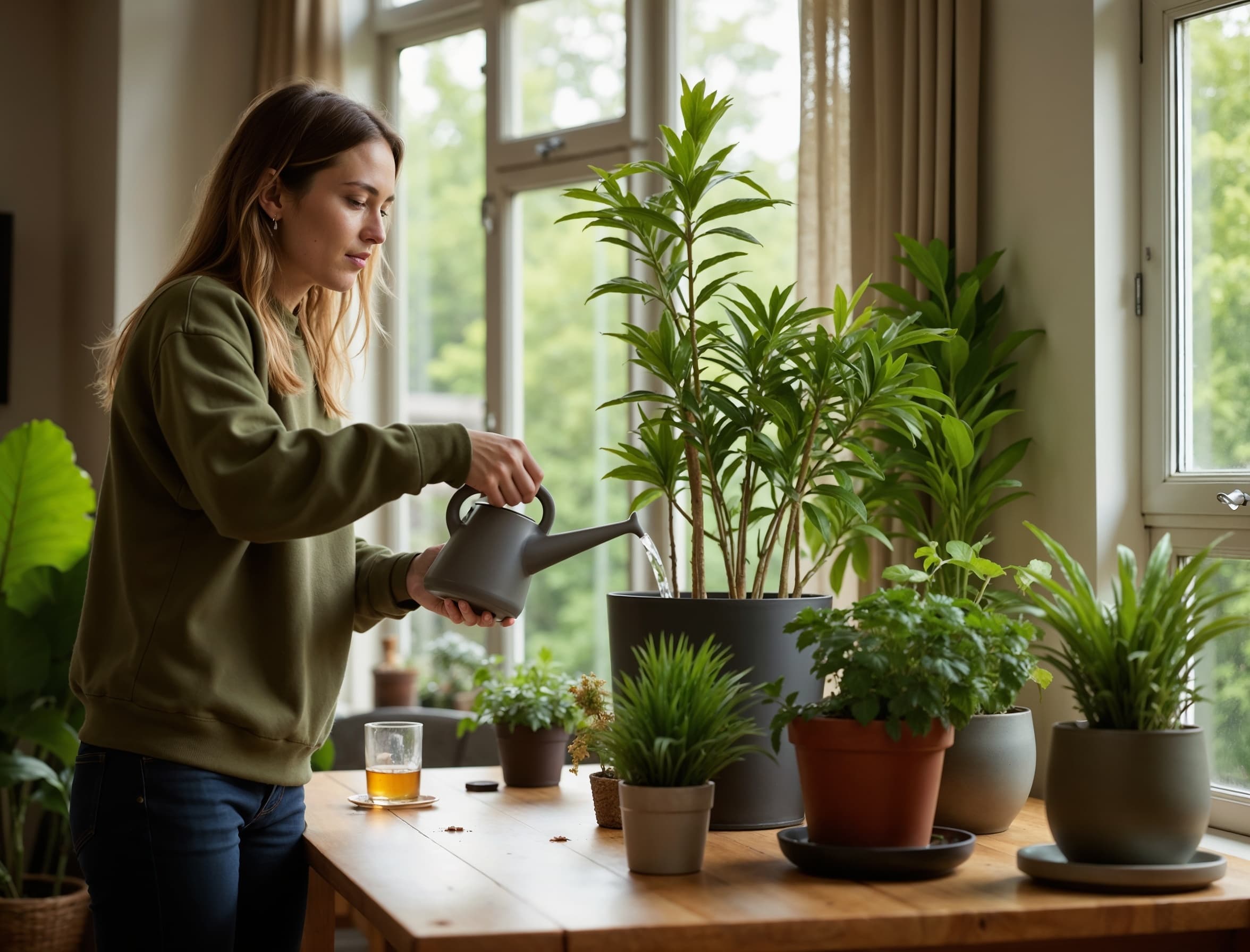
The container and soil set the stage, but your daily watering habits are where real water savings happen. A few small changes to when and how you water can make your apartment garden significantly more efficient.
1. Water at the Base, Not the Leaves
Directing water to the base of your plants rather than overhead is one of the simplest and most impactful changes you can make. When water sits on leaves, it evaporates before it ever reaches the roots — and in humid apartment environments, it can also encourage fungal issues like powdery mildew on edibles like squash and basil. Glimpse over the water conservation tips.
Use a narrow-spout watering can like the Haws Slimcan Indoor Watering Can to direct water precisely at the soil surface. This keeps foliage dry, delivers moisture exactly where roots can access it, and reduces total water used per session.
2. Morning Watering Cuts Evaporation Significantly
Timing matters more than most apartment gardeners realize. Watering in the morning — ideally before 9 a.m. — means the soil absorbs moisture before the heat of the day increases evaporation rates. Evening watering, while convenient, leaves moisture sitting on soil and foliage overnight, which invites disease and can attract pests.
On a sun-facing balcony or near a south-facing window, the difference between morning and midday watering can be significant in terms of how much moisture actually reaches your plant’s root zone versus evaporating into the air.
Midday watering in direct sun is the least efficient approach — the combination of heat and sunlight accelerates surface evaporation so fast that a portion of the water you apply never penetrates more than the top layer of soil.
- Best times to water your apartment garden:
- Early morning (before 9 a.m.) — highest absorption, lowest evaporation
- Late afternoon (after 4 p.m.) — acceptable if mornings aren’t possible
- Avoid: Midday watering in direct sun or late evening watering near foliage
If your schedule makes morning watering impossible, a simple programmable drip timer like the Orbit 56082 Single-Outlet Hose Watering Timer can automate early morning watering even on a balcony setup.
3. Use the Finger Test Before Every Watering
Before you reach for your watering can, push your index finger about one inch into the soil. If it feels moist at that depth, your plant does not need water yet. This single habit eliminates overwatering — which is not only the most common cause of container plant death but also the single biggest source of water waste in apartment gardens.
4. Drip Trays Recycle Overflow Water Back to Roots
Placing drip trays or saucers beneath your containers catches overflow water that would otherwise be lost entirely. As the topsoil dries and roots continue drawing moisture from below, the plant naturally wicks that collected water back up through the drainage holes — giving you a passive recycling system that costs nothing and wastes nothing. Just empty trays that have been sitting for one day to prevent mosquito breeding and root rot.
Mulching in Containers Actually Works
“Garden Mulch …” from www.gardengatemagazine.com and used with no modifications.
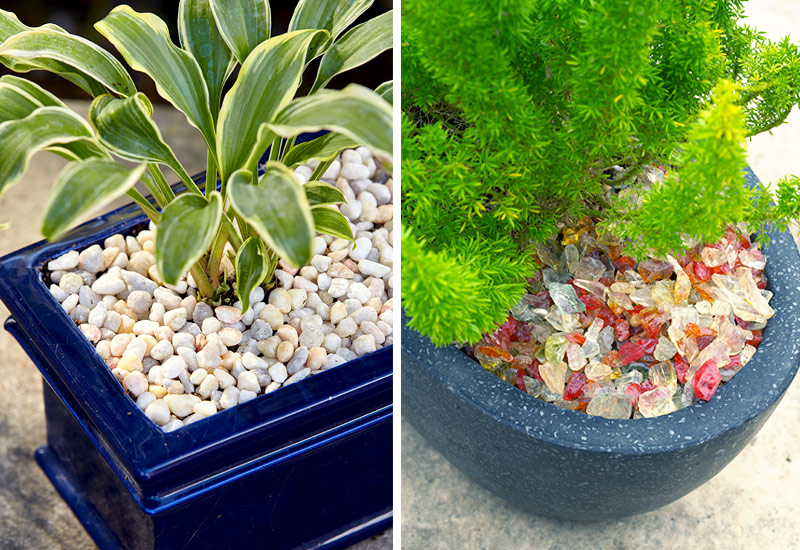
Mulching isn’t just for garden beds. Adding a thin layer — about one inch — of organic mulch on top of your container soil creates a physical barrier that slows surface evaporation dramatically. Good options for container mulching include fine bark chips, coco coir mulch, or dried moss, all of which are lightweight, widely available, and won’t compact down onto your plants’ root crowns if applied correctly. Water conservation tips are found at water conservation tips.
Beyond moisture retention, mulching in containers also moderates soil temperature — a real benefit for balcony gardens where dark-colored pots sitting in direct sun can heat up enough to stress roots. Keeping the soil surface covered keeps the entire root environment more stable, which means plants need less water to recover from temperature stress throughout the day.
Collect and Reuse Water Around Your Apartment
You’re probably already generating reusable water every day without realizing it. Apartment living doesn’t have to mean every drop goes down the drain — small collection habits can meaningfully supplement how much tap water your garden actually needs.
Reuse Vegetable Rinse Water on Your Plants
The water you use to rinse fruits, vegetables, and leafy greens is perfectly safe for most container plants. Keep a small bucket or bowl in your kitchen sink to collect this water throughout the day and use it on your non-edible plants or the soil surface of edibles — avoiding direct contact with leaves or fruit to keep things hygienic. For sustainable gardening practices, go to the sustainable flowering vegetables guide.
Similarly, the water drained from a pasta pot — once it has cooled completely — contains trace starches that some gardeners report as mildly beneficial for soil microbes. Unsalted pasta water is fine; always avoid using salted cooking water on plants, as sodium buildup in container soil is difficult to reverse and toxic to most species.
Set Up a Small Rain Barrel on Your Balcony
If your balcony is exposed to rain, a compact collapsible rain barrel like the RainReserve 50-Gallon Collapsible Rain Barrel can collect a substantial amount of water during a single rainfall event. Rainwater is also naturally soft and free of the chlorine and fluoride found in municipal tap water, which many plants — especially herbs and leafy greens — respond to noticeably well. Check your local regulations first, as some municipalities have restrictions on rainwater collection, though most urban areas permit small-scale residential collection. Grow your sustainable gardening knowledge at the guide on sustainable flowering vegetables.
Pick Drought-Tolerant Plants for Low-Maintenance Gardens
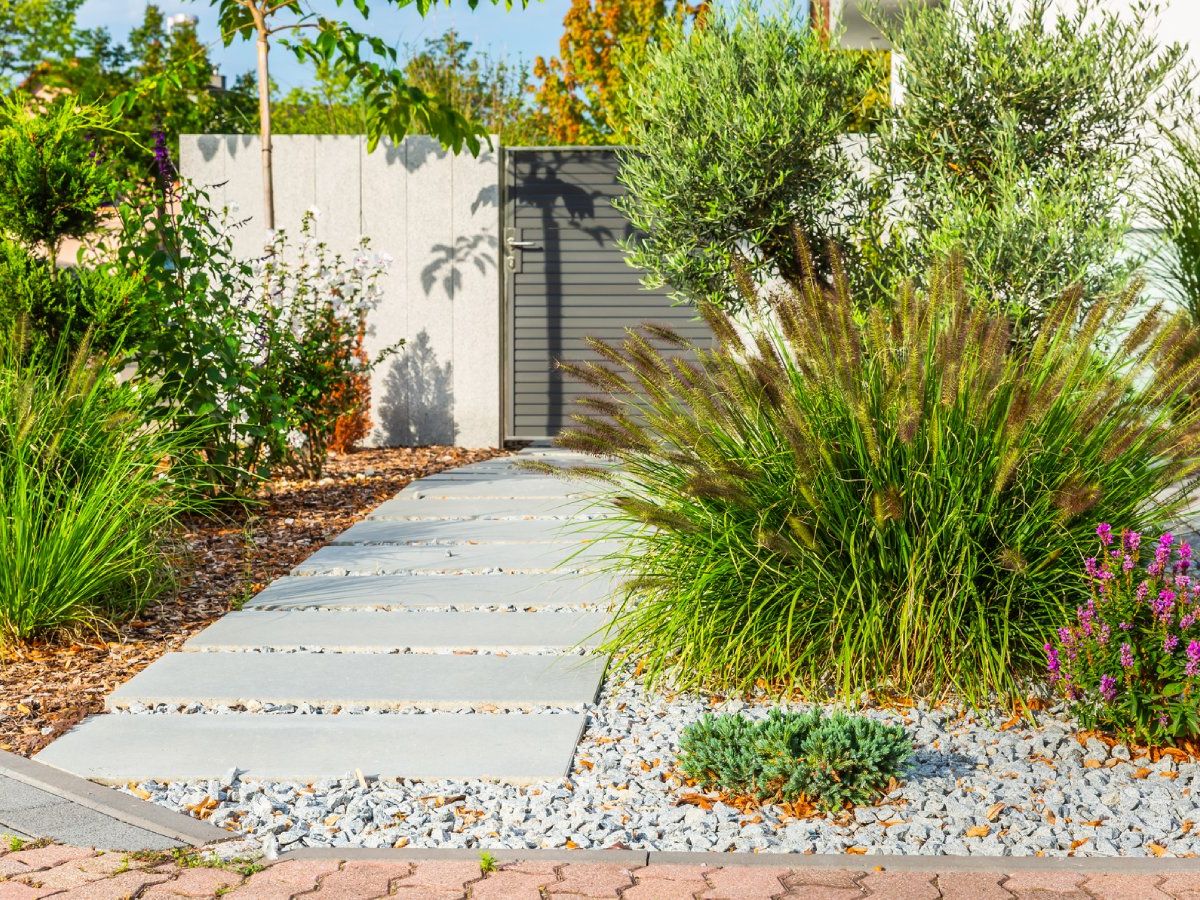
“8 Ideas For Inexpensive Drought …” from www.gardeningknowhow.com and used with no modifications.
Plant selection is one of the most powerful water conservation decisions you can make, and it happens before you ever pick up a watering can. Choosing plants that are naturally adapted to drier conditions means your garden is resilient by design — not by constant intervention.
The idea that drought-tolerant plants are boring or sparse is completely outdated. Today’s urban gardeners have access to a wide range of edible and ornamental species that thrive with minimal water, produce generously, and look stunning in container arrangements on balconies and windowsills.
Best Edible Plants That Thrive With Minimal Water
Some of the most productive edibles you can grow in containers happen to be among the most water-efficient. Cherry tomatoes like the Tumbling Tom variety are bred specifically for container growing and handle dry spells far better than beefsteak types. Swiss chard, thyme, oregano, rosemary, and bush beans all perform exceptionally well with infrequent watering once established. Even dwarf pepper varieties like Lunchbox Sweet Peppers produce prolifically in containers with moderate water — far less than most gardeners expect. Updates on conserving water are available at water conservation tips.
- Top drought-tolerant edibles for apartment containers:
- Rosemary — thrives on neglect, prefers dry conditions between waterings
- Cherry tomatoes (Tumbling Tom, Tiny Tim) — productive with moderate water
- Swiss chard — heat-tolerant and slow to wilt under dry conditions
- Thyme and oregano — Mediterranean herbs that actively prefer drier soil
- Bush beans — compact, productive, and drought-resilient once established
- Dwarf peppers (Lunchbox varieties) — low water demand, high yield per pot
Ornamental Plants That Look Great Without Daily Watering
For balcony gardeners who want color and texture without a demanding watering schedule, succulents, lavender, portulaca, and sedums are the workhorses of low-water container design. Lavender in particular does double duty — it looks stunning, smells incredible, and actively struggles when overwatered, making it one of the most forgiving ornamentals for apartment gardeners who miss a watering day or two.
Portulaca (also called moss rose) is one of the best-kept secrets in drought-tolerant balcony gardening. It produces bright, jewel-toned flowers all summer, loves full sun, and closes its blooms at night to conserve moisture — a built-in adaptation that makes it remarkably resilient on hot, exposed balconies. Pair it with trailing sedums like Sedum rupestre ‘Angelina’ for a water-wise container display that looks anything but low-maintenance.
Small Changes, Big Water Savings — Start With One Habit Today
You don’t need to overhaul your entire setup overnight. The most sustainable gardens are built habit by habit — one good decision compounding into the next. Start with the finger test before your next watering session. Then swap one standard pot for a self-watering container. Add coco coir to your next soil mix. Collect your vegetable rinse water this week. Each change is small on its own, but together they create an apartment garden that uses water intelligently, grows more resiliently, and demands less from you every single day.
Frequently Asked Questions
These are the questions apartment gardeners ask most often about water conservation — answered directly so you can apply the information immediately.
How Often Should I Water My Apartment Garden?
There is no universal answer — watering frequency depends on your container size, soil mix, plant type, sunlight exposure, and season. That said, most container plants in average indoor or balcony conditions need watering every two to four days in warm months and as infrequently as once a week or less in cooler months. The finger test — inserting your index finger one inch into the soil — is always more reliable than any fixed schedule.
Plant Type Summer Watering Frequency Winter Watering Frequency Herbs (rosemary, thyme, oregano) Every 3–4 days Every 7–10 days Leafy greens (chard, lettuce) Every 1–2 days Every 3–4 days Tomatoes and peppers Every 1–2 days Every 3–5 days Succulents and cacti Every 7–10 days Every 2–4 weeks Lavender and portulaca Every 4–5 days Every 10–14 days
These ranges are starting points, not rules. A leafy green on a shaded north-facing windowsill will need far less water than the same plant sitting in direct afternoon sun on a balcony. Always adjust based on what your specific environment and plant are telling you.
If you notice your plants wilting in the morning — before the heat of the day — that’s a reliable sign they needed water yesterday. Midday wilting in full sun is often temporary heat stress and may not require immediate watering. Learning to read the difference saves water and prevents the overwatering that comes from reacting to every droop. For a read, visit sustainable gardening guide.
Investing in a simple soil moisture meter like the XLUX T10 Soil Moisture Sensor Meter removes all the guesswork entirely. Insert the probe, read the dial, and water only when the reading falls into the dry zone. For gardeners managing multiple containers, it’s one of the most practical tools available and costs very little.
Can I Use Grey Water From My Sink on Edible Plants?
Grey water — the used water from your bathroom sink, kitchen sink, or washing machine — can be used on plants in some situations, but it requires caution when edibles are involved. Water from rinsing produce or cooking plain vegetables is generally safe for soil application on most edibles, as long as it doesn’t contain soap, cleaning products, or food residue that could introduce pathogens. Never use grey water that contains detergent, bleach, or antibacterial soap on edible plants — the chemical residues can accumulate in soil and potentially transfer to food. For those interested in sustainable gardening practices, consider exploring sustainable flowering vegetables for your garden.
For ornamental container plants, lightly soapy water from handwashing is usually safe in small amounts, as most modern soaps dilute to harmless concentrations in potting soil. The practical rule is simple: the cleaner the grey water source, the broader its application. Rinse water is always safer than wash water.
Do Self-Watering Pots Work for Vegetables?
Yes — and for many vegetables, they work exceptionally well. Self-watering containers maintain consistent soil moisture, which is exactly what heavy-feeding vegetables like tomatoes, peppers, lettuce, and kale need to produce reliably. Inconsistent moisture is one of the leading causes of common vegetable problems like blossom end rot in tomatoes and tip burn in lettuce, both of which self-watering containers significantly reduce by eliminating the wet-dry cycles that trigger them.
The EarthBox Original Garden Kit and the City Pickers Patio Raised Garden Bed are two widely used self-watering systems that have strong track records with apartment vegetable gardeners. Both use sub-irrigation reservoirs that feed moisture upward, and both allow you to go several days without manually watering — a significant advantage for busy urban growers. Root vegetables like carrots are the exception; they need more precise soil moisture control and generally perform better in traditional containers where you have more direct influence over watering depth.
What Is the Best Mulch for Container Gardens?
For container gardens, the best mulch options are those that are lightweight, organic, and won’t compact heavily over time. Coco coir mulch, fine pine bark, dried sphagnum moss, and compost are all excellent choices. Apply roughly one inch of mulch to the surface of your container soil, keeping it pulled slightly away from plant stems to prevent rot. Coco coir is particularly well-suited to apartment gardening because it’s sold in compressed bricks that expand with water — easy to store, lightweight to carry, and effective at reducing surface evaporation by a meaningful amount compared to bare soil. Interested in tips on optimizing your gardening space? Visit our guide on optimizing urban garden spaces.
How Do I Know If I Am Overwatering My Apartment Plants?
Overwatering is the most common mistake in container gardening, and the symptoms are often misread as underwatering — which leads gardeners to water even more and deepen the problem. The key distinction is this: underwatered plants wilt with dry, light soil; overwatered plants wilt with wet, heavy soil. If your plant looks droopy but the soil feels damp, stop watering and investigate the roots. Looking to maintain healthy soil, this guide highlights on organic soil for native plants.
The earliest signs of overwatering show up before wilting ever occurs. Yellowing lower leaves, a sour or musty smell from the soil, and fungus gnats hovering around the base of your containers are all reliable early indicators that your soil is staying too wet for too long between waterings. Fungus gnats in particular breed exclusively in consistently moist topsoil, so their presence is one of the most telling signs you’re watering too frequently.
If you suspect root rot has already set in — where roots appear brown, mushy, and smell unpleasant rather than appearing white and firm — the recovery process involves removing the plant from its container, trimming away all affected roots with clean scissors, allowing the root ball to air dry slightly, and repotting into fresh, dry soil mix. Catching overwatering early, before root rot develops, is always easier than rescuing a plant after the damage is done.
The long-term fix for chronic overwatering isn’t willpower — it’s systems. Use a soil moisture meter, choose containers with proper drainage holes, amend your soil mix for balance, and commit to the finger test before every single watering. Build those habits and overwatering becomes nearly impossible. If you’re looking to take your apartment garden’s sustainability further, EConserve offers practical resources and solutions for resource-conscious urban living that go well beyond the garden.
Water conservation is crucial for maintaining a sustainable urban garden. By implementing efficient watering techniques, you can significantly reduce water usage while still keeping your plants healthy. One effective method is to use a drip irrigation system, which delivers water directly to the roots and minimizes evaporation. Additionally, choosing drought-tolerant plants can further aid in water conservation. For those interested in maximizing their urban garden space, consider exploring indoor gardening lighting kits to supplement natural light and reduce water needs.