
- Airborne irritants like pollen, mold spores, dust mites, pet dander, and traffic pollution trigger inflammatory responses that affect your respiratory system, immune function, and even mental health.
- Short-term exposure causes familiar symptoms like sneezing and congestion, but chronic exposure to airborne pollutants can lead to permanent lung damage and systemic inflammation.
- Children, people with asthma, and outdoor workers face the highest risk from airborne irritant exposure — and the effects go far beyond what most people expect.
- There is growing research linking long-term air pollutant exposure to depression, anxiety, and cognitive decline — a connection that is still being studied.
- Practical steps like using HEPA air purifiers, monitoring the Air Quality Index, and controlling indoor humidity can meaningfully reduce your daily exposure.
Airborne irritants are silently affecting your health every single day — whether you notice it or not.
Most people associate irritants in the air with seasonal sneezing or watery eyes in spring. But the full picture is far more serious. From microscopic dust mite waste particles to combustion byproducts from vehicle exhaust, the air you breathe indoors and outdoors carries a wide range of substances capable of triggering everything from mild allergic reactions to chronic respiratory disease. Understanding what these irritants are and how they work inside your body is the first step toward protecting yourself.
IQAir, a global authority on air quality, provides some of the most detailed public-facing breakdowns of how indoor and outdoor airborne pollutants affect human health — and their data makes one thing clear: exposure is not static. Concentrations of pollutants in the indoor environment can vary by an order of magnitude or more over a very short period of time, meaning your risk fluctuates constantly throughout the day.
Airborne Irritants Are Everywhere — Here’s What You Need to Know
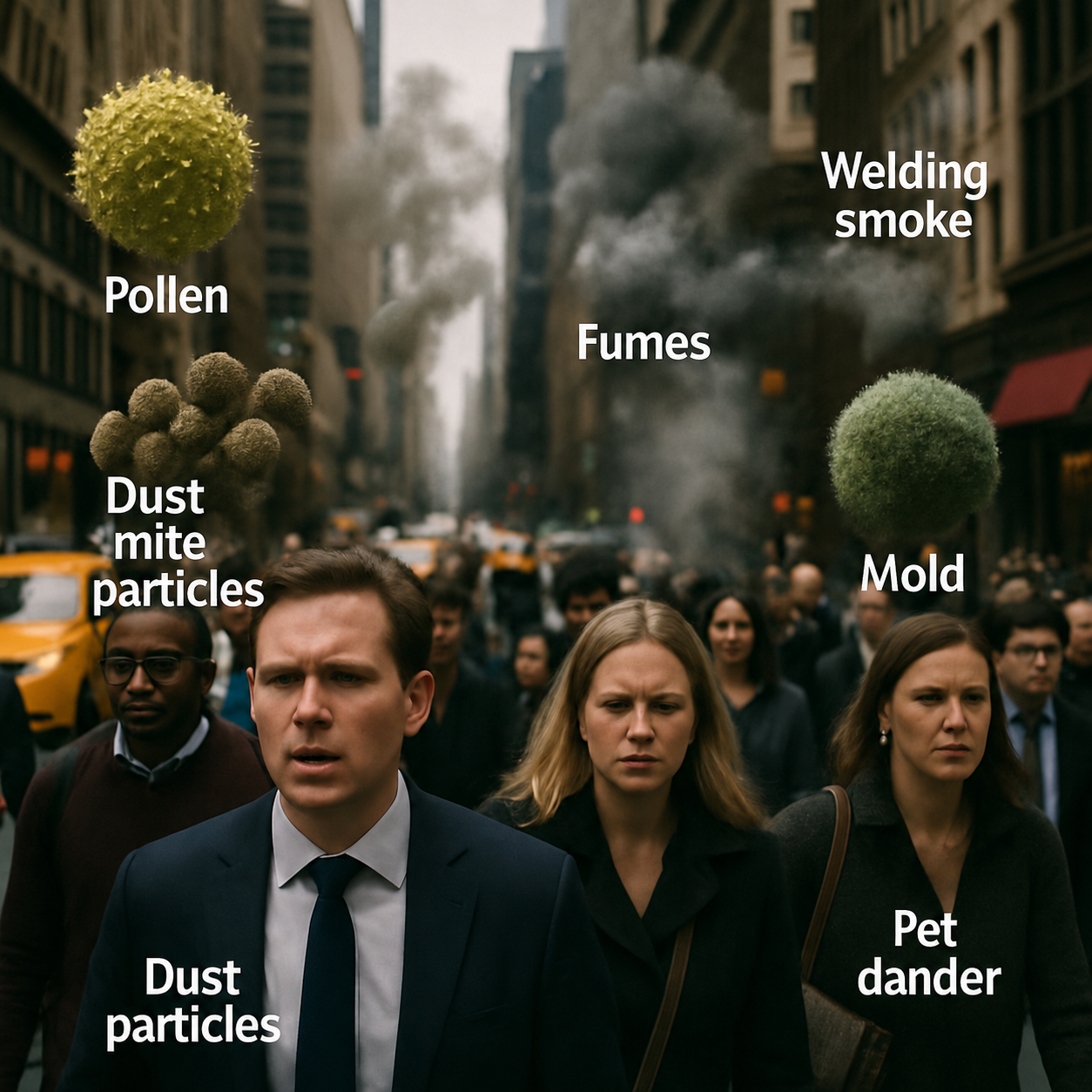
The term “airborne irritant” covers a surprisingly broad category of substances. Some are biological — living organisms or byproducts of living organisms. Others are chemical or particulate, generated by combustion, industrial activity, or even everyday household products. What they share is the ability to enter your respiratory system and provoke a physiological response. To learn more about managing these invisible threats, check out this guide on airborne allergens.
What makes this topic especially important is that indoor air is often more polluted than outdoor air. The U.S. Environmental Protection Agency has noted that people spend approximately 90% of their time indoors, where concentrations of some pollutants can be two to five times higher than typical outdoor levels. Your home, office, or school is not automatically a safe zone.
The Most Common Airborne Irritants
Not all airborne irritants are created equal. Some are seasonal and predictable. Others are present year-round at concentrations that quietly erode your respiratory health over months and years. Here is a breakdown of the most common and impactful categories:
- Pollen — released by trees, grasses, and weeds; highly seasonal and capable of traveling miles in the wind
- Dust mite particles — microscopic waste products from dust mites living in mattresses, carpets, and upholstered furniture
- Mold spores — released by mold colonies indoors and outdoors, especially in humid environments
- Pet dander — tiny skin flakes and protein-containing saliva particles shed by cats, dogs, and other animals
- Particulate matter (PM2.5 and PM10) — fine and coarse particles from traffic, wildfires, and industrial sources
- Volatile organic compounds (VOCs) — chemical gases released from paints, cleaning products, and building materials
Pollen From Trees, Grasses, and Weeds
Pollen is one of the most well-documented airborne allergens in the world. It is produced by trees, grasses, and weeds — including notoriously aggressive producers like ragweed — and once airborne, these grains infiltrate your respiratory system, where your immune system can misidentify them as threats. The result is a cascade of antibody production and histamine release that causes sneezing, nasal congestion, and itchy, watery eyes. Pollen seasons are getting longer and more intense as climate patterns shift, making this a growing public health concern rather than just a seasonal inconvenience.
Dust Mites and Their Waste Particles
Dust mites themselves do not become airborne — but their fecal particles and body fragments do. These particles are small enough to be inhaled deep into the lungs and are a major trigger for both asthma and allergic rhinitis. They thrive in warm, humid environments, making bedding, carpets, and upholstered furniture prime habitats. A typical used mattress can harbor thousands of dust mites, continuously releasing allergenic particles into the air you breathe at night.
Mold Spores in Indoor and Outdoor Air
Mold reproduces by releasing spores into the air, and those spores are light enough to stay suspended for extended periods. Indoors, mold growth is most common in bathrooms, basements, and anywhere with water damage or poor ventilation. Outdoors, mold spores peak in warm, damp weather. When inhaled, mold spores can trigger allergic reactions, worsen asthma, and, in immunocompromised individuals, cause serious respiratory infections.
Common symptoms of mold spore exposure include watery eyes, which can be alleviated with various treatment solutions for clean indoor air.
- Coughing and wheezing
- Nasal and sinus congestion
- Eye, nose, and throat irritation
- Skin rashes in sensitive individuals
- Worsened asthma symptoms
The key risk factor for indoor mold is humidity. Keeping indoor relative humidity below 50% is one of the most effective ways to prevent mold growth and limit spore release.
Pet Dander and Animal Proteins
Pet dander is not just loose fur — it consists of microscopic skin flakes and, critically, proteins found in animal saliva, urine, and sebaceous glands. These proteins are what actually trigger allergic reactions. Cat allergens, particularly Fel d 1, are especially potent and can remain airborne for hours and persist on surfaces for months. Even homes without pets can contain measurable levels of cat allergen carried in on clothing from pet-owning visitors.
Traffic-Related Pollutants and Particulate Matter
Vehicle exhaust produces a complex mixture of pollutants, including nitrogen dioxide, carbon monoxide, and — most dangerously — fine particulate matter known as PM2.5. These particles are 2.5 micrometers or smaller, small enough to bypass your airway’s natural filtration system and penetrate deep into the lungs and even enter the bloodstream. The health effects of PM2.5 are particularly serious, increasing your risk for heart attacks and strokes while reducing overall life expectancy. For those looking to reduce exposure to airborne irritants, consider exploring solutions for clean indoor air.
PM10 particles, which are slightly larger (up to 10 micrometers), affect the upper respiratory tract, throat, eyes, and nose. These are the particles you can sometimes see — dust clouds, wildfire smoke, and similar visible airborne matter. Both categories present significant risks with sustained exposure.
- PM2.5 — penetrates deep lung tissue; linked to cardiovascular disease and premature death
- PM10 — affects upper airways; linked to throat, nasal, and eye irritation
- Nitrogen dioxide (NO₂) — damages airways and worsens asthma and COPD
- Carbon monoxide (CO) — reduces oxygen delivery in the bloodstream at high concentrations
How Airborne Irritants Enter and Affect the Body
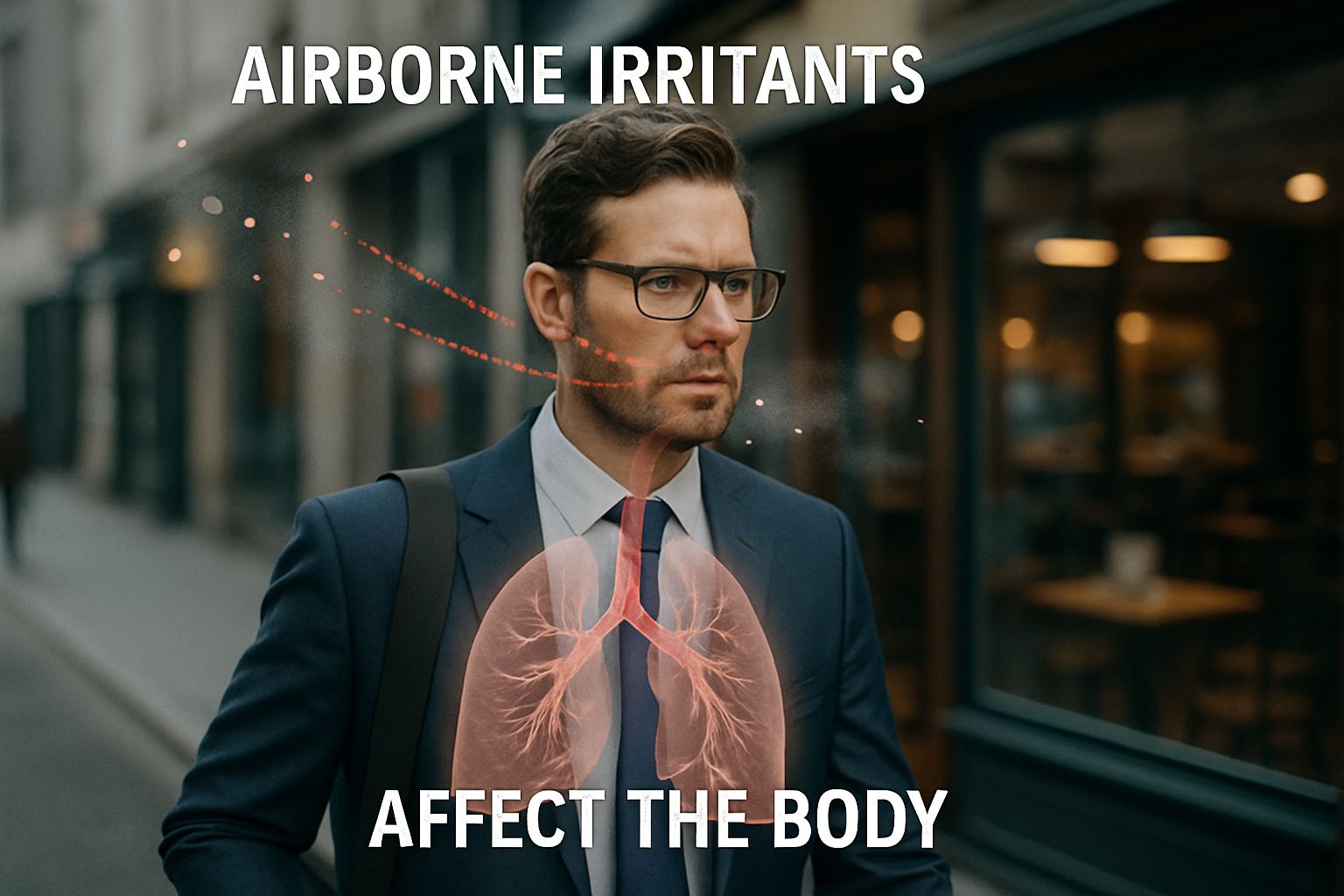
Every breath you take pulls air through your nose or mouth and down into your lungs. Your respiratory system has several built-in defense mechanisms — nasal hairs, mucus, and cilia — designed to trap and clear particles before they go deeper. But many airborne irritants are small enough to slip through these defenses entirely, landing in your bronchial tubes or alveoli where gas exchange happens.
The Inflammatory Response Explained Simply
When an irritant reaches the airways or lung tissue, your immune system responds by triggering inflammation. White blood cells rush to the area, histamines are released, and blood vessels dilate — all designed to contain what your body perceives as a threat. For most airborne allergens, this response is the actual cause of your symptoms, not the irritant itself. The sneezing, swelling, and mucus production are your immune system fighting back.
In people with asthma, this inflammatory response is exaggerated. The airways narrow, muscles around them tighten, and mucus production increases — making it genuinely difficult to breathe. Chronic or high-dose acute exposures can contribute to an overexaggerated immune response that results in systemic inflammation, which extends beyond the lungs and can affect cardiovascular and neurological health.
Short-Term vs. Long-Term Exposure Effects
Short-term exposure to airborne irritants typically produces acute symptoms: sneezing, runny nose, coughing, itchy eyes, and skin irritation. These symptoms resolve once the exposure ends. Long-term or repeated exposure is a fundamentally different story. Sustained contact with irritants like PM2.5, mold spores, or occupational chemical vapors can cause structural changes in lung tissue, permanently reduce lung function, and create a baseline of chronic inflammation that affects multiple organ systems.
The distinction between acute and chronic effects matters because many people dismiss ongoing low-level symptoms as normal. A persistent cough, frequent headaches, or recurring fatigue after spending time indoors can all be signs of chronic airborne irritant exposure that deserves attention.
Respiratory Health Impacts
The lungs are the primary target of airborne irritants, and the range of respiratory conditions they trigger or worsen is extensive. From the relatively common — allergic rhinitis affecting hundreds of millions globally — to the more severe, like occupational asthma and chronic obstructive pulmonary disease (COPD), the respiratory consequences of sustained irritant exposure are among the most well-documented in medical literature.
Asthma Triggers and Airway Inflammation
Asthma is one of the most direct and well-established consequences of airborne irritant exposure. When a person with asthma inhales a trigger — whether pollen, dust mite particles, mold spores, or PM2.5 — their airways react with rapid inflammation, muscle constriction, and increased mucus production. The airway literally narrows, and breathing becomes labored. For the roughly 262 million people worldwide affected by asthma, according to the World Health Organization, identifying and avoiding personal triggers is a daily management task that significantly impacts quality of life.
What makes asthma particularly complex is that the triggers are not always obvious. Cold air, strong odors, VOCs from household cleaning products, and even stress can compound the effects of biological irritants. A low-level background exposure to dust mites at home combined with a high-pollen day and a freshly cleaned office can push someone past their threshold into a full asthma episode — even if none of those individual exposures would have caused a reaction alone.
Allergic Rhinitis and Chronic Nasal Congestion
Allergic rhinitis — commonly called hay fever — is the most prevalent allergic condition linked to airborne irritants. It occurs when inhaled allergens like pollen, pet dander, or dust mite particles trigger an immune response in the nasal passages. Symptoms include sneezing, a runny or blocked nose, itchy eyes, and post-nasal drip. While often dismissed as a minor inconvenience, chronic allergic rhinitis significantly disrupts sleep, reduces concentration, and is strongly associated with the development of asthma over time. It is not just a seasonal annoyance — for many people, it is a year-round condition that measurably reduces daily functioning.
Reduced Lung Function Over Time
Perhaps the most concerning long-term effect of repeated airborne irritant exposure is the gradual, often silent decline in lung function. Research has consistently linked long-term exposure to PM2.5 and other fine pollutants with reduced forced expiratory volume — a key measure of how much air you can exhale and how quickly. This decline can progress for years before it becomes symptomatic, meaning by the time someone notices breathing difficulty during routine activity, meaningful lung capacity has already been lost. For children, whose lungs are still developing, early and sustained exposure to airborne pollutants can permanently cap maximum lung capacity — a deficit they carry for life.
Airborne Irritants and Mental Health
The conversation about airborne irritants has traditionally focused on the lungs, the immune system, and the cardiovascular system. But a growing body of research is now pointing to something more unexpected: the effects of air pollution and biological irritants on mental health. This is an emerging field, and existing research is still nascent — but the early signals are significant enough to take seriously.
The Link Between Air Pollution and Depression and Anxiety
Several studies have begun to draw connections between long-term exposure to air pollutants, particularly PM2.5 and nitrogen dioxide, and elevated rates of depression and anxiety. The proposed mechanisms include neuroinflammation triggered by fine particles entering the bloodstream, disruption of neurotransmitter systems, and the psychological burden of chronic physical illness caused by pollutant exposure. While research in this area is still developing, the patterns emerging from population-level data are consistent enough that major health researchers have called for urgent expansion of studies in this area.
Interestingly, research on the mental health impacts of aeroallergens like plant pollens has provided some of the most useful early insights. Intranasal administration of inflammatory agents in controlled studies has demonstrated mood changes and anxiety-related responses, giving researchers a biological framework for understanding how airborne substances might affect brain function. This line of investigation is expected to be a major focus of environmental health research in the coming decade.
Cognitive Function and Long-Term Pollutant Exposure
Beyond mood disorders, long-term exposure to traffic-related air pollution has been associated with accelerated cognitive decline in older adults. The proposed pathway involves ultrafine particles — those smaller than 0.1 micrometers — crossing the blood-brain barrier and triggering neuroinflammatory processes. While direct causation in humans has not been conclusively established, the consistency of findings across multiple population studies makes this a serious area of concern for aging populations living in high-traffic urban environments.
Who Is Most at Risk
Airborne irritants affect everyone to some degree, but the burden is not equally distributed. Certain groups face disproportionately higher risks due to biological vulnerability, higher exposure levels, or both. Identifying whether you or someone in your household falls into a high-risk category is important for knowing how aggressively to pursue protective measures.
The core risk factors that amplify the effects of airborne irritant exposure include age, pre-existing health conditions, and the nature of daily environment. Someone young and healthy spending time in a clean suburban environment faces a fundamentally different risk profile than an elderly person with COPD living near a major highway.
- Young children — developing lungs are more vulnerable to structural damage from pollutants
- Older adults — reduced immune and respiratory resilience amplifies both acute and chronic effects
- People with asthma or COPD — already compromised airways react more severely to any irritant exposure
- People with cardiovascular disease — PM2.5 in the bloodstream poses direct additional strain on the heart
- Outdoor and manual workers — higher daily exposure volume increases cumulative risk
- People in low-income urban areas are more likely to live near industrial zones and high-traffic corridors
It is also worth noting that mental health conditions like depression and anxiety may increase biological sensitivity to air pollutant effects, creating a feedback loop where pollutant exposure worsens mental health, and compromised mental health in turn amplifies physical responses to further exposure. Additionally, urban environments can benefit from recycling filters and gardening tips to mitigate some of these effects.
Genetic factors also play a role. People with variants in immune-regulating genes may mount more aggressive inflammatory responses to the same level of irritant exposure compared to someone without those variants, which partly explains why two people in the same environment can have dramatically different symptom profiles.
Children and Developing Lungs
Children are not simply small adults when it comes to airborne irritant exposure — they are biologically more vulnerable in specific and measurable ways. Their lungs are still developing through adolescence, and exposure to fine particulate matter, mold spores, or allergens during this window can permanently reduce maximum lung capacity. Children also breathe more air relative to their body weight than adults do, meaning they inhale a proportionally higher dose of whatever is in the surrounding environment. Early-life exposure to traffic-related pollutants has been associated with increased asthma incidence, reduced lung development, and greater susceptibility to respiratory infections throughout childhood.
People With Pre-Existing Respiratory Conditions
Key Risk Amplifiers for People With Asthma, COPD, or Allergic Rhinitis: For those dealing with respiratory issues, maintaining clean indoor air is crucial. Discover solutions for clean indoor air to help alleviate symptoms.
Condition Primary Irritant Risk Key Concern Asthma Pollen, dust mites, mold, PM2.5 Acute airway narrowing and exacerbation risk COPD PM2.5, NO₂, VOCs, smoke Accelerated lung function decline Allergic Rhinitis Pollen, pet dander, dust mites Chronic inflammation and sleep disruption Bronchiectasis Mold spores, bacterial aerosols Increased infection risk and flare-ups
For people already managing a respiratory condition, airborne irritants are not just uncomfortable — they are genuinely dangerous. A single high-exposure event, like a wildfire smoke day or entering a heavily moldy environment, can trigger an acute exacerbation that requires emergency medical care. Managing these conditions requires a proactive environmental strategy, not just medication.
People with COPD are particularly vulnerable to fine particulate matter because their damaged airways have a reduced capacity to clear inhaled particles. This means a greater proportion of each inhaled irritant remains in contact with airway tissue longer, producing a more pronounced inflammatory response compared to a healthy individual exposed to the same concentration.
The practical takeaway is that anyone with a pre-existing respiratory condition should treat air quality awareness as part of their daily health management, as routine as taking prescribed medication. Checking the Air Quality Index before outdoor activity is not an overreaction; for these individuals, it is a medically relevant precaution.
Outdoor Workers and High-Exposure Occupations
Farmers, construction workers, landscapers, traffic police, and outdoor athletes are among those who face sustained, high-volume exposure to airborne irritants as a direct result of their daily work. Agricultural workers, in particular, face a complex mix of biological irritants — pollens, mold spores, animal dander, and grain dust — alongside chemical exposures from pesticides and fertilizers. Studies consistently show elevated rates of occupational asthma, chronic bronchitis, and reduced lung function in these populations compared to indoor workers.
Construction workers face their own specific hazards, including silica dust from cutting concrete and brick, wood dust, and asbestos in older structures. These are not allergens in the traditional sense — they are direct tissue-damaging irritants that cause scarring and fibrotic changes in lung tissue over time. Proper respiratory protection in these occupations is not optional; it is a fundamental health safeguard. For more information on airborne threats, check out this guide on airborne allergens.
How to Reduce Your Exposure to Airborne Irritants
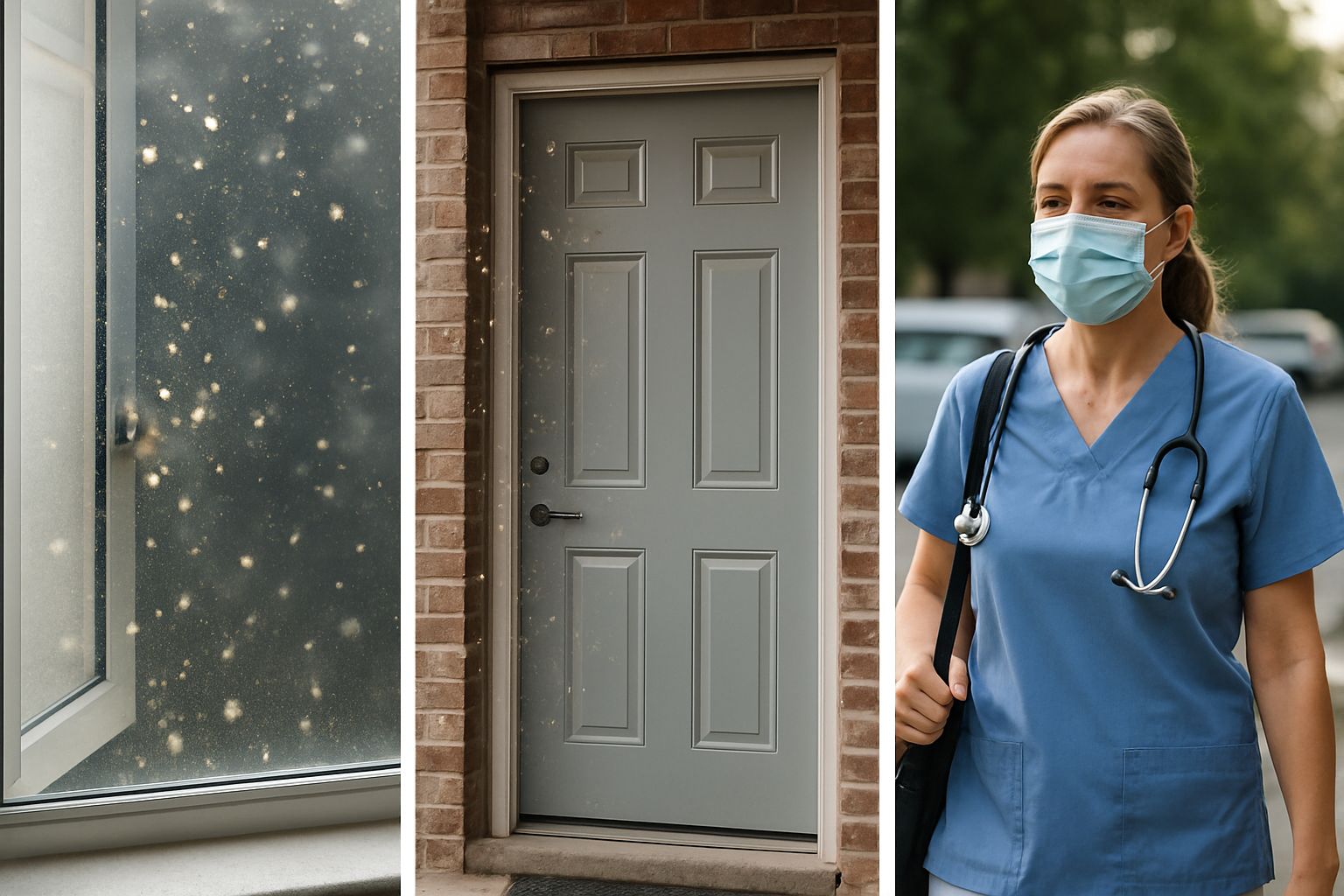
You cannot eliminate airborne irritants from your environment entirely, but you can substantially reduce your exposure through a combination of environmental controls, behavioral habits, and targeted interventions. The strategies below are ranked by impact and practicality, covering both indoor and outdoor exposure scenarios.
1. Monitor Daily Air Quality Index Reports
The Air Quality Index (AQI) is a publicly available daily measure of outdoor air pollution levels, with scores ranging from 0 (excellent) to 500 (hazardous). It accounts for five major pollutants: ground-level ozone, particle pollution (PM2.5 and PM10), carbon monoxide, sulfur dioxide, and nitrogen dioxide. Checking the AQI before outdoor exercise, yard work, or extended time outside is one of the simplest and most immediately actionable steps you can take. On days when the AQI exceeds 100 — particularly for sensitive groups — limiting outdoor exposure and keeping windows closed can meaningfully reduce your daily irritant intake. Free AQI data is available through platforms like AirNow.gov and the IQAir app, both of which provide real-time local readings.
2. Use HEPA Air Purifiers Indoors
A High-Efficiency Particulate Air (HEPA) filter is capable of capturing 99.97% of airborne particles that are 0.3 microns or larger — which includes dust mite particles, mold spores, pet dander, pollen, and a significant portion of fine particulate matter. Placing a HEPA air purifier in the rooms where you spend the most time, particularly the bedroom, delivers the most meaningful reduction in your daily irritant exposure. Running it continuously rather than intermittently is key, since airborne particle concentrations rebuild quickly once the unit is turned off.
Not all air purifiers are equally effective, and the market is flooded with products making inflated claims. When choosing a unit, look for True HEPA certification (not “HEPA-type” or “HEPA-like,” which are marketing terms without standardized filtration performance), an appropriate CADR (Clean Air Delivery Rate) for the room size, and an activated carbon layer for VOC and odor reduction. The IQAir HealthPro Plus, for example, is one of the most rigorously tested units available for residential use, with a HyperHEPA filter rated to capture particles down to 0.003 microns — ten times smaller than what standard HEPA filters address.
Air Purifier Selection Guide: What to Look For
Feature What to Look For Why It Matters Filter Type True HEPA (not HEPA-type) Captures 99.97% of particles ≥0.3 microns CADR Rating At least ⅜ of room square footage Ensures adequate air changes per hour Carbon Layer Activated carbon filter included Addresses VOCs, gases, and odors Noise Level Below 50dB on sleep setting Allows continuous overnight operation Filter Replacement Clear indicator and accessible filters Maintains performance over time
One practical detail many people overlook: a HEPA purifier only cleans the air that passes through it. Particles settled on surfaces, carpets, and furniture are not addressed until they become airborne again — which is why regular vacuuming with a HEPA-filtered vacuum cleaner should accompany purifier use, not replace it.
3. Keep Windows Closed During High Pollen Seasons
During peak pollen season — typically spring for tree pollen, early summer for grass pollen, and late summer through fall for weed pollen, including ragweed — keeping windows and doors closed between 5 a.m. and 10 a.m. is particularly important. Pollen counts peak in the early morning hours and on warm, dry, and windy days. Running air conditioning with a clean filter instead of opening windows for ventilation is a more effective approach during these periods. Showering after outdoor time and changing clothes before entering the bedroom are additional measures that prevent bringing pollen deposits indoors on your body and clothing.
4. Control Indoor Humidity to Limit Mold and Dust Mites
Both mold and dust mites thrive in humid conditions, making indoor humidity control one of the most leveraged single interventions for reducing biological airborne irritants. Keeping relative indoor humidity between 30% and 50% creates an environment that is inhospitable to both. A digital hygrometer — available for under $15 — lets you monitor humidity in real time so you can respond before mold growth or dust mite populations have time to establish. In naturally humid climates or seasons, a dehumidifier running in bedrooms and basements is often necessary to maintain this range consistently.
Bathroom ventilation is a commonly neglected factor. Running the exhaust fan during and for at least 20 minutes after showering, fixing leaks promptly, and ensuring crawl spaces and attics have adequate ventilation all contribute to keeping moisture levels below the threshold where mold colonization begins. Even small, slow leaks behind walls can generate significant mold growth over weeks, so musty odors should never be dismissed as cosmetic issues.
5. Wear a Mask in High-Pollution Environments
In high-pollution situations — wildfire smoke events, high-pollen days, dusty construction zones, or high-traffic urban corridors — a well-fitted N95 respirator provides meaningful protection against fine particulate matter, including PM2.5. Standard surgical masks and cloth masks do not filter fine particles effectively and should not be relied upon for particulate protection. An N95-rated respirator, when properly fitted with a seal against the face, filters at least 95% of airborne particles, including those in the 0.3-micron range. For people with asthma or other respiratory conditions, having N95 masks available for high-exposure scenarios is a simple and inexpensive precautionary measure.
It is worth noting that masks do not address gaseous pollutants like nitrogen dioxide or VOCs — only particles. For chemical vapor exposure in occupational settings, a respirator with appropriate chemical cartridges is required. Knowing the specific irritant you are trying to filter against determines which type of respiratory protection is actually useful in your situation.
When to See a Doctor About Airborne Irritant Symptoms

Many people tolerate airborne irritant symptoms for months or years before seeking medical evaluation, often because the symptoms seem manageable or are attributed to recurring seasonal allergies. But there are specific signs that indicate your symptoms have moved beyond typical mild allergic responses and warrant professional assessment. If you’re considering ways to manage your symptoms, you might explore options such as clean indoor air solutions to alleviate discomfort.
A doctor can conduct allergy skin prick testing or specific IgE blood tests to identify exactly which irritants are triggering your immune response. This information is the foundation of an effective management plan, because avoiding a specific trigger you have been confirmed allergic to is far more effective than generic avoidance strategies. For respiratory symptoms, pulmonary function testing (spirometry) can detect lung function decline before it becomes severe, making early evaluation genuinely important for long-term outcomes.
Do not wait to see a doctor if you experience any of the following. Early intervention consistently produces better outcomes than managing escalated symptoms after prolonged delay.
- Wheezing, chest tightness, or shortness of breath that occurs regularly or is getting worse
- Symptoms that are present year-round and not just during identifiable seasonal windows
- Nasal congestion or respiratory symptoms that are disrupting sleep regularly
- Allergy medications that previously worked but are no longer providing adequate relief
- Frequent respiratory infections — more than two or three per year — that may indicate compromised airway defenses
- Any episode of severe breathing difficulty, facial swelling, or throat tightening that requires emergency evaluation
Frequently Asked Questions
Below are direct answers to the most common questions people have about airborne irritants, their effects on health, and practical strategies for managing exposure.
What Are the Most Harmful Airborne Irritants in the Home?
The most harmful airborne irritants commonly found in homes include a combination of biological allergens and chemical pollutants. The relative danger of each depends on individual sensitivity, exposure concentration, and duration. For those looking to reduce allergens, consider exploring low-pollen plants as a solution.
- PM2.5 from indoor combustion — candles, gas stoves, fireplaces, and incense all generate fine particulate matter indoors
- Mold spores — particularly dangerous in water-damaged homes; linked to respiratory infections and chronic inflammation
- Dust mite allergens — pervasive in soft furnishings; a leading cause of year-round allergic rhinitis and asthma
- VOCs from building materials and products — formaldehyde from furniture, benzene from paints, and cleaning product vapors
- Pet allergens — Fel d 1 from cats and Can f 1 from dogs persist in home environments for months, even after pet removal
The challenge with indoor airborne irritants is that many are invisible and odorless at levels that still cause significant biological responses. You cannot rely on sensory detection — you need environmental controls and, where warranted, air quality monitoring devices to understand what is actually in your indoor air.
Gas stoves deserve particular mention. Research published in the International Journal of Environmental Research and Public Health found that gas stoves can raise indoor NO₂ levels above WHO guideline thresholds during normal cooking, particularly in poorly ventilated kitchens. Using range hood ventilation consistently when cooking with gas is a simple but genuinely impactful protective measure.
Can Airborne Irritants Cause Permanent Lung Damage?
Yes — certain airborne irritants absolutely can cause permanent, irreversible lung damage with sustained exposure. Fine particulate matter (PM2.5), silica dust, asbestos fibers, and certain mold species are documented causes of permanent structural changes in lung tissue. Conditions like pulmonary fibrosis, silicosis, and asbestosis are all direct results of long-term inhalation of specific airborne particles. Even for less dramatic irritants like allergens and moderate-level pollutants, chronic airway inflammation over the years can lead to airway remodeling — a structural change in bronchial tissue that permanently reduces lung capacity and increases airway reactivity. The key variable is time: the longer high-level exposure continues without intervention, the greater the risk of irreversible damage.
How Do I Know If My Symptoms Are From Airborne Irritants?
The most telling clues are patterns in when and where your symptoms occur. Symptoms that worsen in specific environments — at home, at work, outdoors on high-pollen days, or in older buildings — strongly suggest environmental irritant exposure. If your symptoms improve significantly when you spend time away from a specific location (such as feeling better during a vacation), that location likely contains a trigger. Keeping a symptom diary that notes timing, location, and environmental conditions can provide the pattern recognition needed to identify the source before formal allergy testing. A formal evaluation by an allergist or pulmonologist, including skin prick tests and spirometry, provides the most definitive answers.
Do Air Purifiers Actually Help With Airborne Irritants?
True HEPA air purifiers provide genuine, measurable reductions in airborne allergen concentrations when used correctly. Studies have shown that HEPA filtration in bedrooms significantly reduces exposure to dust mite allergens, pet dander, pollen, and mold spores — and for people with asthma or allergic rhinitis, this translates to measurable improvements in symptom scores and sleep quality. The critical qualifiers are: the unit must use a True HEPA filter (not a lesser standard), it must be appropriately sized for the room, and it must run continuously. An air purifier that is too small for the room, uses a substandard filter, or is only switched on occasionally will deliver far less benefit than its marketing suggests.
Can Airborne Pollutants Affect Mental Health?
Emerging research strongly suggests that yes, airborne pollutants — particularly fine particulate matter and nitrogen dioxide — are associated with increased rates of depression, anxiety, and cognitive decline. The proposed biological mechanisms include neuroinflammation from particles entering the bloodstream, disruption of neurotransmitter pathways, and the psychological burden of chronic physical illness caused by pollutant exposure.
Research on aeroallergen exposure has also provided early but compelling evidence that biological airborne irritants can influence mood and stress responses, with findings suggesting that inflammatory signals triggered by inhaled allergens may communicate with the central nervous system and alter neurological function. This is an area where research is actively expanding, and the findings so far point toward air quality being a meaningful — and currently underappreciated — factor in mental health outcomes.
Summary: Airborne Irritants and Their Health Effects at a Glance
Irritant Type Primary Health Effects Risk Level PM2.5 (fine particles) Cardiovascular disease, lung damage, cognitive decline Very High Mold Spores Allergic rhinitis, asthma, respiratory infections High Pollen Allergic rhinitis, asthma triggers, eye irritation Moderate–High Dust Mite Particles Year-round allergic rhinitis, asthma Moderate–High Pet Dander Allergic reactions, asthma exacerbation Moderate VOCs Eye/throat irritation, headaches, long-term organ effects Moderate NO₂ (nitrogen dioxide) Airway irritation, increased asthma risk Moderate–High
The most important takeaway is that airborne irritant exposure is a cumulative health issue, not a binary one. Each exposure may seem minor, but the combined daily dose — across years of living in the same home, working in the same environment, and breathing the same outdoor air — adds up to a meaningful health burden that is both real and largely preventable with the right awareness and actions.
Managing your exposure starts with knowing what you are dealing with. Monitoring indoor air quality, understanding local outdoor pollution patterns, and taking targeted steps to reduce the most significant sources in your personal environment will deliver real, measurable health benefits over time. The science is clear: the air you breathe every day is one of the most influential and actionable variables in your long-term health outcomes.
For expert guidance on air quality solutions and health-focused environmental resources, IQAir provides industry-leading tools, real-time air quality data, and filtration technology designed to help individuals and families breathe cleaner air every day.