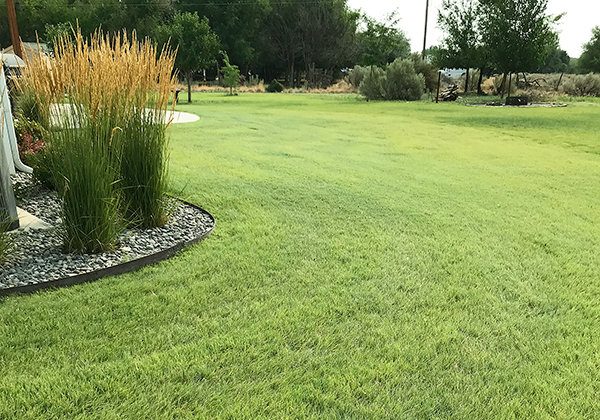
Buffalo Grass Allergy: At A Glance
- Buffalo grass releases pollen primarily in late spring through early summer, triggering classic hay fever symptoms like sneezing, runny nose, and itchy, watery eyes.
- Not all buffalo grass is created equal — Sir Walter Buffalo is a certified low-allergy turf variety that produces significantly less pollen than standard buffalo grass types.
- Antihistamines like Zyrtec and Claritin offer short-term relief, but sublingual immunotherapy is the most effective long-term solution for desensitizing your immune system to grass pollen.
- Daily habits matter more than most people realize — small changes like monitoring pollen counts, showering after being outdoors, and using HEPA air filters can dramatically reduce your symptom load.
- Buffalo grass allergy can cross-react with other grass pollens, which means your symptoms may be more complex than a single grass trigger — keep reading to understand why.
Buffalo Grass Pollen Is Real — And It’s Likely Affecting You
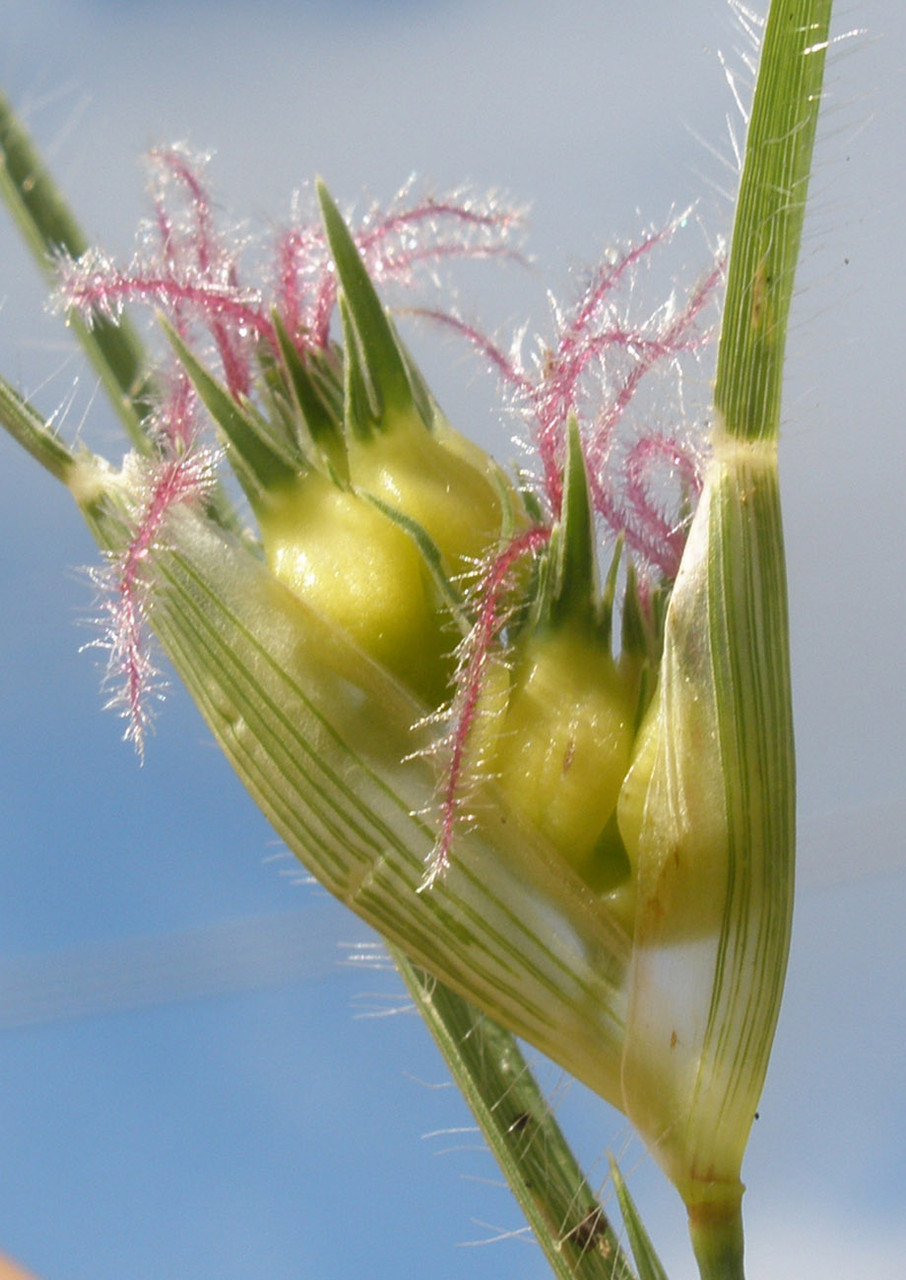
“Buffalograss | Native American Seed” from seedsource.com and used with no modifications.
If your hay fever flares up every spring and summer, buffalo grass pollen could be a key culprit you haven’t identified yet.
Grass allergies are among the most common seasonal allergies, triggered when your immune system misidentifies grass pollen as a dangerous invader. Buffalo grass is a warm-season grass widely used in lawns across Australia, the US, and other regions, and during its peak season, it releases pollen that can cause significant allergic reactions in sensitive individuals. For those looking for expert guidance on managing grass-related allergies naturally, resources like those focused on natural allergy relief can be a valuable starting point.
Understanding exactly what’s triggering your symptoms is the first step toward real, lasting relief. Whether you’re sneezing through your morning coffee or waking up with swollen eyes, this guide covers everything — from what buffalo grass pollen does inside your body to the most effective solutions available today.
What Buffalo Grass Pollen Actually Does to Your Body
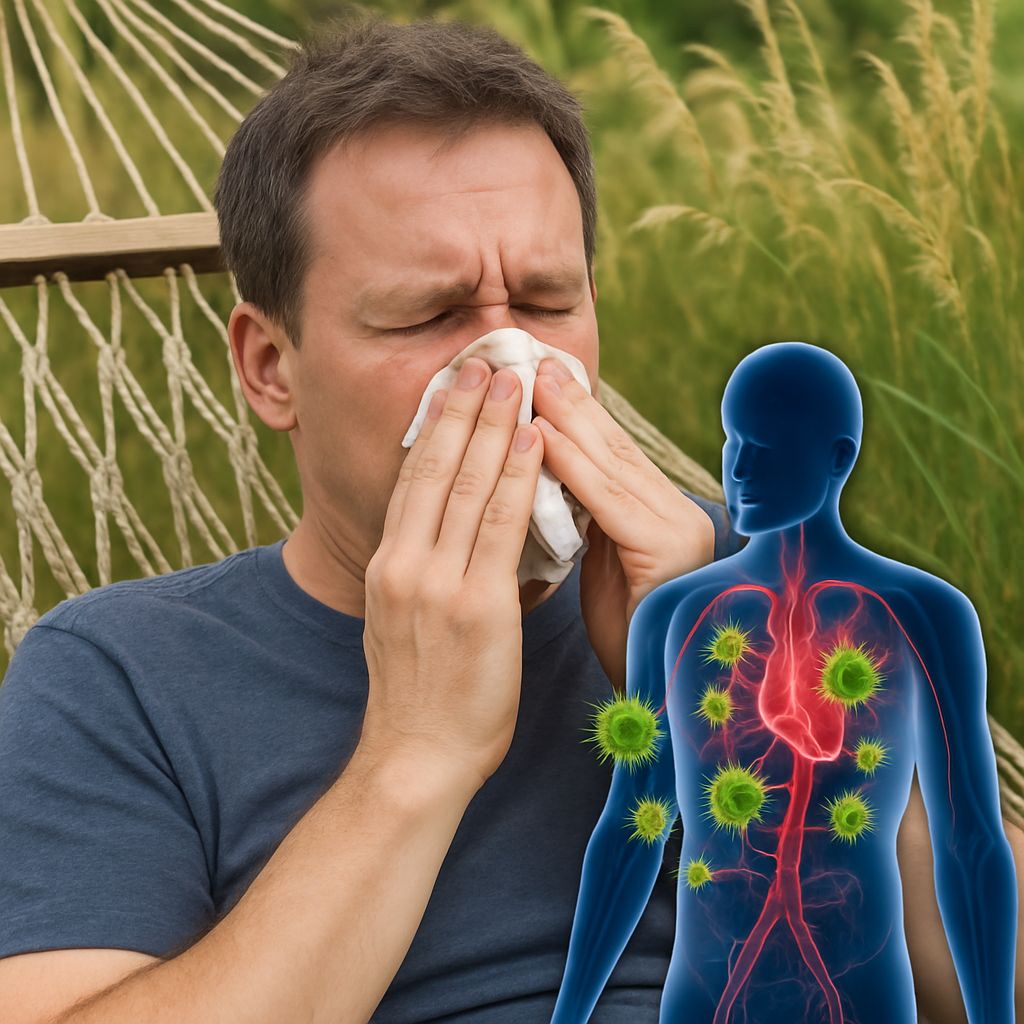
When buffalo grass pollen enters your airways, your immune system flags it as a threat and launches a defense response — even though pollen is completely harmless to most people. This overreaction is what produces every miserable symptom you experience during grass season.
Why Your Immune System Overreacts to Buffalo Grass Pollen
Your immune system produces antibodies called Immunoglobulin E (IgE) specifically targeting the proteins found in grass pollen. The next time pollen exposure occurs, those IgE antibodies trigger mast cells to release histamine and other inflammatory chemicals into your bloodstream. Histamine is the primary chemical responsible for the swelling, itching, and excess mucus production that define grass allergy symptoms. The more frequently you’re exposed, the more sensitized your immune system can become over time. If you’re looking for ways to manage these symptoms, consider exploring low-pollen plants for your garden.
Common Symptoms of Buffalo Grass Allergy
Buffalo grass allergy symptoms typically mirror classic seasonal allergic rhinitis — also known as hay fever. Symptoms generally begin within minutes of pollen exposure and can persist for several hours.
- Persistent sneezing, especially in the morning
- Runny or stuffy nose (nasal congestion)
- Itchy nose, eyes, ears, and mouth
- Red, watery, or swollen eyes
- Swelling around the eyes
- Skin rash or hives in some cases (grass rash)
- Fatigue from chronic inflammation and poor sleep
How Buffalo Grass Allergy Differs From Other Grass Allergies
Buffalo grass tends to have a shorter, more intense pollen season compared to perennial grasses like ryegrass or Bermuda grass. However, because many grass pollens share similar protein structures, people allergic to buffalo grass frequently react to other grasses as well — a phenomenon known as cross-reactivity. This is why some allergy sufferers experience symptoms across a broader window of the year than they expect.
When Is Buffalo Grass Pollen Season?
Buffalo grass is a warm-season grass, meaning its pollen season peaks when temperatures rise. In most regions, this falls between late spring and early summer, though exact timing shifts depending on your local climate and geographic location. For those experiencing grass allergy symptoms, understanding this timing can help in managing allergies effectively.
Peak Pollen Months by Region
| Region | Peak Buffalo Grass Pollen Season |
|---|---|
| Australia (Southeast) | October – January |
| Southern United States | May – August |
| Central United States | May – July |
| Northern United States | June – August |
Weather Conditions That Make Pollen Worse
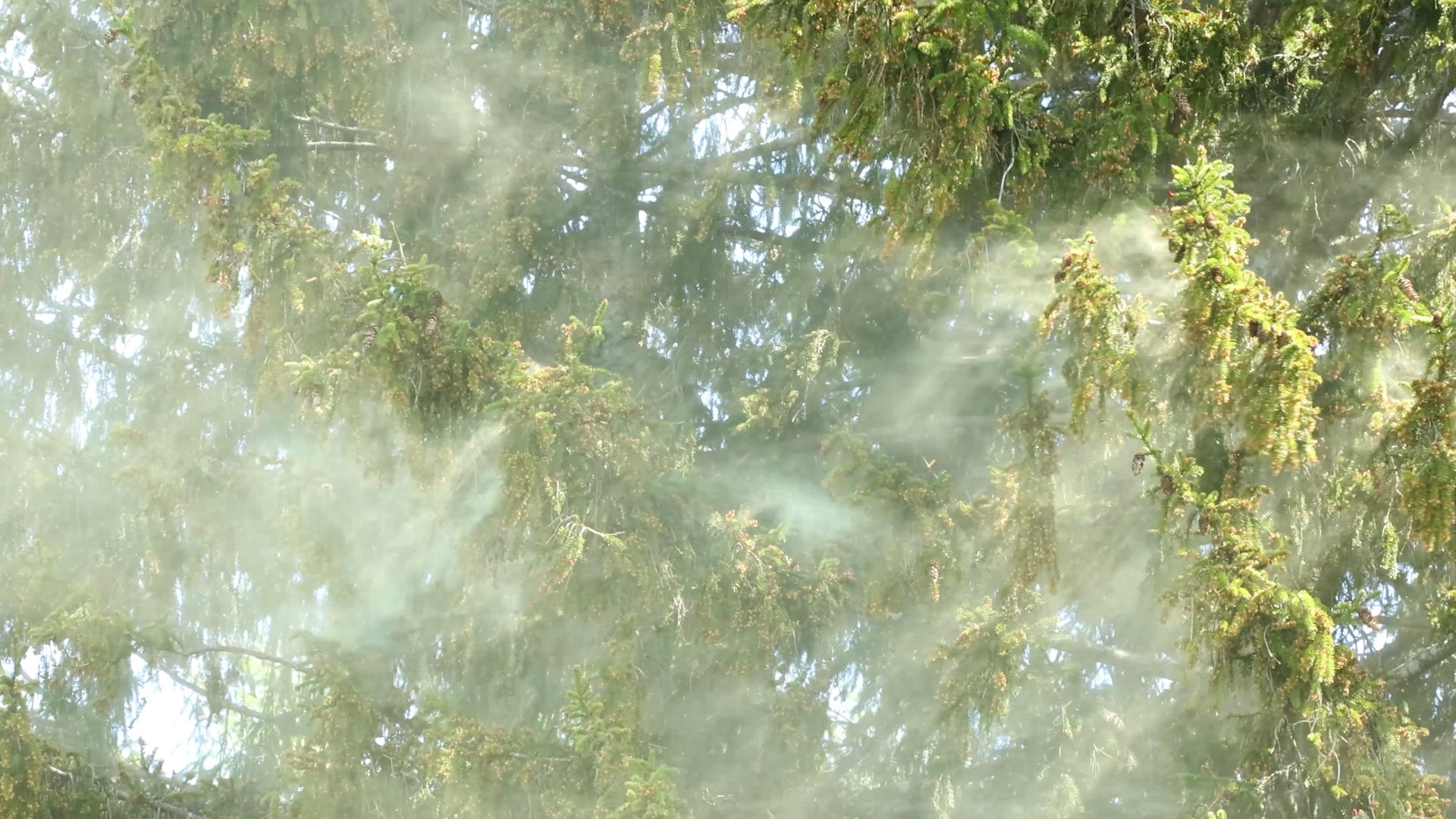
“Pollen Is Making Your Allergies Worse …” from weather.com and used with no modifications.
Hot, dry, and windy days are the worst days for buffalo grass pollen sufferers. Wind carries pollen grains over long distances, dramatically increasing airborne concentrations. Rain temporarily washes pollen from the air, offering brief relief — but pollen counts often spike sharply after rainfall as plants release fresh pollen. Humid mornings can also elevate pollen levels in the early hours of the day, which is why symptoms are often worst between 5 am and 10 am.
How Buffalo Grass Allergy Is Diagnosed
Getting an accurate diagnosis is critical before committing to any treatment plan. Many people self-diagnose grass allergies without confirming the exact trigger, which leads to poorly targeted treatments and ongoing frustration. For those interested in innovative solutions, exploring allergy-resistant soil covers might offer additional relief options.
A doctor or allergist can use two primary methods to confirm a buffalo grass allergy:
- Skin prick test: A small amount of grass allergen extract is placed on your forearm, and the skin is lightly pricked. A raised bump (wheal) at the test site within 15 to 20 minutes confirms a positive reaction.
- Specific IgE blood test: A blood sample is analyzed for IgE antibodies specific to grass pollen proteins, including those found in buffalo grass and related species like Bahia grass, Bermuda grass, and Redtop grass.
An accurate diagnosis not only confirms which grasses you’re reacting to but also reveals whether cross-reactive species are compounding your symptoms. This information is essential for building an effective, targeted allergy management plan.
The Best Relief Options for Buffalo Grass Allergy
Managing buffalo grass allergy effectively means combining the right treatments rather than relying on a single solution. The good news is that there are proven options at every level — from fast-acting over-the-counter medications to long-term immunotherapy that can fundamentally change how your immune system responds to pollen.
Over-the-Counter Antihistamines and Nasal Sprays
For most people, the first line of defense against buffalo grass allergy symptoms is a second-generation antihistamine. Unlike older antihistamines, second-generation options like cetirizine (Zyrtec) and loratadine (Claritin) are non-drowsy and provide relief for up to 24 hours with a single daily dose. They work by blocking histamine receptors before the inflammatory cascade can take hold, reducing sneezing, itching, and runny nose symptoms significantly.
Nasal corticosteroid sprays are equally important — and for many allergy sufferers, even more effective than antihistamines alone. Products like Flonase (fluticasone) and Nasonex (mometasone) reduce inflammation directly in the nasal passages. They require consistent daily use to build up full effectiveness, so starting treatment one to two weeks before your local pollen season begins gives you a meaningful head start.
For eye symptoms — redness, itching, and watering — antihistamine eye drops like Zaditor (ketotifen) offer targeted relief that oral medications alone often can’t fully address. Decongestants like Sudafed (pseudoephedrine) can clear severe nasal congestion quickly, though they’re best used short-term due to the risk of rebound congestion with prolonged use. For additional insights on managing watery eyes, explore treatment solutions for clean indoor air.
Quick Comparison: Common OTC Buffalo Grass Allergy Medications
Medication Type Best For Duration Zyrtec (cetirizine) Antihistamine Sneezing, itching, runny nose 24 hours Claritin (loratadine) Antihistamine Mild to moderate symptoms 24 hours Flonase (fluticasone) Nasal corticosteroid Nasal congestion, inflammation 24 hours Zaditor (ketotifen) Eye drops Itchy, red, watery eyes 8–12 hours Sudafed (pseudoephedrine) Decongestant Severe nasal congestion 4–6 hours
Natural Remedies That Actually Help
Several natural approaches have meaningful evidence behind them for grass allergy relief. Quercetin, a plant-based flavonoid found in apples, onions, and green tea, acts as a natural antihistamine by stabilizing mast cells and reducing histamine release. Butterbur extract (Petasites hybridus) has been studied and shown to be comparable in effectiveness to cetirizine for nasal allergy symptoms without drowsiness. Local raw honey is a popular folk remedy — the theory being gradual pollen desensitization — though scientific evidence remains limited. Saline nasal rinses using a Neti pot or squeeze bottle are highly practical: they physically flush pollen from nasal passages, reduce mucosal inflammation, and cost almost nothing. These approaches work best as complements to medical treatment, not replacements.
Sublingual Immunotherapy for Long-Term Relief
If you’re tired of managing symptoms season after season, sublingual immunotherapy (SLIT) is the closest thing to a genuine long-term solution. SLIT involves placing small doses of grass allergen extract under your tongue daily, gradually retraining your immune system to tolerate pollen rather than attack it. Over time — typically 3 to 5 years of consistent treatment — many patients experience a dramatic and lasting reduction in allergy severity. Unlike allergy shots (subcutaneous immunotherapy), SLIT can be administered at home, making it a practical option for those with busy schedules. Consult an allergist to determine whether a grass pollen SLIT protocol is appropriate for your specific allergy profile.
Sir Walter Buffalo Grass: A Low-Allergy Lawn Alternative
If you love having a lush green lawn but hate what grass pollen does to your sinuses, the variety of grass you plant makes a real difference. Not all buffalo grass is equal when it comes to pollen production — and one variety stands out significantly above the rest.
Sir Walter Buffalo is an Australian-developed turf variety that has earned a reputation as a low-allergy lawn option. It produces substantially less pollen than standard buffalo grass varieties and many other common lawn grasses, making it a genuinely smarter choice for allergy-prone households. Asthma and allergy councils have pointed to Sir Walter as one of the better options for people who want a beautiful lawn without the seasonal pollen burden.
- Produces significantly less pollen than common buffalo grass varieties
- Dense, soft leaf texture that resists weed invasion (meaning fewer allergy-triggering weeds)
- Excellent shade tolerance — thrives under trees where other grasses struggle
- Drought-resistant once established, requiring less maintenance overall
- Widely available through certified turf suppliers across Australia
Switching your lawn to Sir Walter won’t eliminate pollen exposure entirely — airborne pollen from neighboring properties and parks will still be present during peak season. But reducing the pollen source closest to your home — your own backyard — is a practical and meaningful step toward lowering your total daily pollen load. For more information on how Sir Walter can help with allergies, visit this allergy relief guide.
The key factor that makes Sir Walter effective as a low-allergy option is its growth habit. It spreads via stolons rather than producing large quantities of airborne seed pollen, which is the primary trigger for allergic rhinitis in grass-sensitive individuals. For more information on allergy relief with Sir Walter, you can visit this Buffalo Turf blog.
Why Sir Walter Produces Less Pollen Than Other Grass Varieties
Most allergenic grasses produce enormous quantities of lightweight, airborne pollen grains specifically designed to travel long distances on the wind. Sir Walter Buffalo, by contrast, has been selectively bred and propagated in ways that result in a significantly reduced pollen output compared to high-allergen grasses like ryegrass, Bermuda grass, and Bahia grass. Its pollen grains are also heavier and less likely to become suspended in the air for extended periods.
It’s worth noting that “low-allergy” doesn’t mean “allergy-free.” People with severe grass pollen sensitivities may still react to Sir Walter during its limited flowering periods. However, for most moderate allergy sufferers, the reduction in pollen exposure is meaningful enough to produce noticeable symptom improvement when Sir Walter replaces a high-pollen lawn variety.
Other Low-Allergy Lawn Options Worth Considering
Beyond Sir Walter, there are several other low-pollen lawn alternatives worth discussing with your local turf supplier. Female or sterile cultivars of lawn grasses produce little to no pollen by design. Dichondra, a broadleaf ground cover, produces negligible pollen and works well in low-traffic lawn areas. Artificial turf is the most extreme but most effective option for eliminating lawn-based pollen exposure entirely — an increasingly popular choice for severe allergy sufferers with young children.
Daily Habits That Reduce Your Buffalo Grass Pollen Exposure
Medications and lawn choices are only part of the equation. The daily habits you build around pollen season determine how much allergen actually reaches your airways — and small, consistent changes add up to a dramatically more comfortable season. For more information on how to manage your symptoms, check out this guide on natural grass allergy remedies.
1. Monitor Daily Pollen Counts Before Going Outside
- Check your local pollen forecast each morning using apps like BOM Weather (Australia) or Pollen.com (US)
- Schedule outdoor activities for afternoons when pollen levels are typically lower
- On high-pollen days, limit time outdoors to essential activities only
- Pay attention to wind forecasts — windy days with low humidity dramatically increase airborne pollen concentration
Most pollen forecasting services now provide grass-specific pollen data, which is far more useful for buffalo grass allergy sufferers than a general pollen count. Grass pollen typically peaks between 5am and 10am, so shifting your morning run or outdoor exercise to late afternoon can noticeably reduce your daily symptom burden.
High pollen days aren’t just uncomfortable — repeated heavy pollen exposure during peak season can amplify your immune system’s sensitization over time. Consistently protecting yourself during high-count days isn’t just about feeling better now; it’s about preventing your allergy from worsening in future seasons.
2. Keep Windows Closed During Peak Pollen Hours
It seems simple, but keeping windows and doors closed between 5am and 10am on high-pollen days is one of the most effective passive strategies available. Run air conditioning instead of relying on cross-ventilation during this window. In the car, keep windows up and switch your air system to recirculate mode rather than drawing in outside air — this single habit can significantly cut your pollen exposure during morning commutes. For those interested in creating a more allergy-friendly environment, consider exploring low-pollen plants to further reduce pollen exposure at home.
If you need fresh air in your home, open windows in the late afternoon or after rainfall, when pollen concentrations in the air are at their lowest. Installing pollen-filtering screens on windows provides an additional layer of protection if you live in an area with an extended grass pollen season.
3. Shower After Outdoor Exposure
Every time you come inside after spending time outdoors during pollen season, you’re carrying pollen with you — on your hair, skin, and clothing. Without a shower, that pollen transfers to your pillow, couch, and bedding, turning your home into a pollen trap that keeps triggering symptoms long after you’ve come inside. For more tips on reducing indoor allergens, explore solutions for clean indoor air.
Make showering after outdoor exposure a non-negotiable habit during buffalo grass pollen season. Washing your hair is especially important — hair is one of the most effective pollen collectors on your body, and leaving it unwashed until bedtime means spending eight hours with your face pressed against a pollen-coated pillow. That single habit change alone can dramatically improve your overnight symptom experience and sleep quality.
Leave outdoor shoes at the door and change your clothes immediately after coming inside on high-pollen days. Putting those clothes directly into the laundry hamper rather than leaving them on a chair or bed prevents pollen from spreading through your living space. These steps take less than five minutes and meaningfully reduce your total indoor pollen load throughout the season.
- Shower as soon as possible after outdoor activity on high-pollen days
- Always wash hair — don’t rely on a body-only rinse
- Change clothes immediately upon entering the home
- Wash bedding at least once per week during peak pollen season
- Avoid hanging washing outdoors to dry when pollen counts are high
One often-overlooked detail: rinse your face and eyes with cool water after coming indoors, even if you shower later. This removes surface pollen from the skin around your eyes and nasal area immediately, interrupting the allergic response before it fully takes hold.
4. Use HEPA Air Filters Indoors
- Place a HEPA air purifier in your bedroom as the highest priority — you spend roughly a third of your life there
- Look for units with a CADR (Clean Air Delivery Rate) appropriate for your room size
- Run the purifier continuously during pollen season, not just when symptoms are active
- Replace HEPA filters on the manufacturer’s recommended schedule — a clogged filter provides minimal protection
- Check that your home’s HVAC system uses filters rated MERV 11 or higher to capture fine pollen particles
HEPA filters capture particles as small as 0.3 microns with 99.97% efficiency. Grass pollen grains range from approximately 10 to 100 microns in diameter, making them well within the capture range of a genuine HEPA filter. What many people don’t realize is that pollen fragments — broken pieces of pollen grains created by humidity and environmental stress — can be even smaller and equally allergenic, making HEPA filtration relevant even when whole pollen counts appear low.
The bedroom is your most critical zone to protect. Running a HEPA air purifier in your bedroom overnight creates a cleaner breathing environment during the hours when your body is doing its most important restorative work. Consistent clean air during sleep has a measurable impact on how recovered and functional you feel the next morning, even on high-pollen days.
In addition to standalone air purifiers, consider the air quality in your car. Many modern vehicles have cabin air filters that can be upgraded to particulate-filtering versions — a simple replacement that significantly reduces pollen exposure during your daily commute. Check your vehicle’s manual for cabin filter specifications and replace it at the start of each pollen season. For more information on managing allergies, you can explore allergy relief tips related to grass pollen.
Air purifiers work best as part of a layered approach — they’re most effective when combined with keeping windows closed during peak pollen hours, regular vacuuming with a HEPA-equipped vacuum cleaner, and minimizing the amount of outdoor pollen you bring inside in the first place.
5. Wear Wraparound Sunglasses Outdoors
Wraparound-style sunglasses create a physical barrier between airborne pollen and your eyes — one of the most direct exposure points during outdoor activity. Standard sunglasses leave significant gaps at the sides where wind-carried pollen can reach the ocular surface directly. On high-pollen days, pairing wraparound sunglasses with a wide-brimmed hat provides meaningful protection for your eyes and reduces the amount of pollen landing in your hair, cutting your total exposure on multiple fronts simultaneously. For more tips on reducing pollen exposure, explore these solutions for clean indoor air.
Buffalo Grass Allergy Won’t Control Your Life Forever
Between low-allergy lawn alternatives like Sir Walter Buffalo, proven medications, natural remedies, immunotherapy options, and smart daily habits, you have more tools available to manage buffalo grass allergy effectively than at any point in history. The key is combining strategies that address both immediate symptom relief and long-term immune retraining. Start with the simplest, highest-impact changes — monitoring pollen counts, adjusting your morning routine, and getting an accurate diagnosis — then build from there. Consistent effort across a full season produces compounding benefits, and for many people pursuing sublingual immunotherapy, the end goal is getting to a point where buffalo grass pollen simply stops being a problem at all.
Frequently Asked Questions
Here are answers to the most common questions about buffalo grass allergy, its symptoms, and how to find effective relief.
Is Buffalo Grass Low-Allergy for Everyone?
Not universally. While Sir Walter Buffalo is classified as a low-allergy turf variety due to its significantly reduced pollen output compared to standard buffalo grass and high-allergen species like ryegrass and Bermuda grass, individuals with severe grass pollen sensitivities may still experience reactions during its limited flowering periods. “Low-allergy” means meaningfully less pollen — not zero pollen. For most moderate allergy sufferers, however, switching to Sir Walter represents a genuine and practical reduction in lawn-based pollen exposure.
Can You Develop a Buffalo Grass Allergy Later in Life?
Yes — and it’s more common than most people expect. Allergies are not exclusively a childhood condition. Adults can develop new allergic sensitivities at any point in life, often triggered by a change in environment such as moving to a new region, increased outdoor exposure through lifestyle changes, or a cumulative buildup of sensitization over years of lower-level exposure that eventually crosses an immune system threshold.
If you’ve recently developed seasonal hay fever symptoms as an adult, grass pollen — including buffalo grass — is one of the most likely culprits. An allergy test with a qualified allergist will confirm whether buffalo grass or a related grass species is responsible and rule out other environmental triggers like dust mites, mold, or tree pollen that share a similar symptom profile.
Does Buffalo Grass Cross-React With Other Grass Pollens?
Yes. Many grass species share structurally similar pollen proteins, which means your immune system’s IgE antibodies developed against buffalo grass pollen can also recognize and react to pollen from related grasses like Bahia grass, Redtop grass, Bermuda grass, and Orchard grass. This cross-reactivity explains why some buffalo grass allergy sufferers experience symptoms across a broader seasonal window than buffalo grass alone would account for. An allergist can identify your full cross-reactive grass profile through targeted allergy testing, which is essential for building a truly effective long-term treatment plan.
How Long Does Buffalo Grass Pollen Season Last?
Buffalo grass pollen season typically spans six to ten weeks, though the exact duration varies by region, local climate conditions, and annual weather patterns. In southeastern Australia, the season generally runs from October through January. In the southern United States, it typically falls between May and August, with some overlap into September in warmer regions. For those interested in gardening during this time, consider exploring low-maintenance garden plant kits to minimize pollen exposure.
Unusually warm springs can trigger an earlier-than-normal pollen season onset, while a wet spring followed by a dry early summer often produces a particularly heavy and prolonged pollen release as plants compensate for the delayed growing conditions. Tracking your local pollen forecast through tools like BOM Weather (Australia) or Pollen.com (US) is the most reliable way to know exactly when your season starts and ends each year.
It’s worth noting that because buffalo grass can cross-react with other grass species, your effective symptom season may extend beyond buffalo grass’s own pollen window if overlapping grass varieties are present in your local environment. This is one of the most important reasons to pursue formal allergy testing rather than relying on self-diagnosis alone.
What Is the Fastest Way to Relieve Buffalo Grass Allergy Symptoms?
For immediate relief, a fast-acting second-generation antihistamine like cetirizine (Zyrtec) typically begins working within one hour of ingestion and provides up to 24 hours of symptom control. Pairing it with a saline nasal rinse to physically flush pollen from your nasal passages delivers faster symptom relief than medication alone by directly removing the trigger rather than just managing your body’s response to it.
For acute eye symptoms, antihistamine eye drops like Zaditor (ketotifen) provide targeted relief within minutes and are far more effective for ocular symptoms than oral antihistamines taken alone. Rinsing your eyes with clean, cool water before applying eye drops removes surface pollen and enhances the effectiveness of the medication. For more solutions on managing eye symptoms, explore watery eyes treatment solutions for clean indoor air.
If you’re experiencing severe nasal congestion that isn’t responding to antihistamines, a short course of a decongestant like Sudafed (pseudoephedrine) can provide faster symptomatic relief, though it should be limited to no more than three to five consecutive days to avoid rebound congestion. For longer-term nasal inflammation, starting a nasal corticosteroid spray like Flonase consistently is more effective than any on-demand option.
For natural and sustainable allergy solutions tailored to pollen season, exploring expert-backed guidance on natural allergy management can help you build a complete, season-ready strategy that goes beyond just reaching for a pill every morning.
Buffalo grass is a popular choice for lawns due to its drought resistance and low maintenance requirements. However, some individuals may experience allergies related to its pollen. If you’re seeking relief from these symptoms, consider exploring treatment solutions for clean indoor air to help manage your allergy symptoms more effectively.