Article-At-A-Glance: What Native Plants Actually Need From Soil
- Native plants don’t need rich, heavily amended soil — they need well-draining, balanced soil that mimics their natural environment.
- The single most important soil factor for native plants is drainage and percolation, not fertility.
- Over-fertilizing native plants with high-nitrogen products can actually harm them, causing excessive leafy growth and weakened root systems.
- A simple 1:2 ratio of compost to native soil is often all you need — but choosing the right organic amendments makes a significant difference in long-term plant health.
- Later in this article, we break down the best organic soil mixes on the market specifically suited for native plant gardening.
Most gardeners get native plants completely wrong — not because of the plants they choose, but because of the soil they plant them in.
Native plants evolved over thousands of years in specific soil conditions, often lean, well-drained, and far less fertile than the average garden bed. When we try to give them the same rich, heavily amended soil we use for vegetables or exotic ornamentals, we’re essentially working against their biology. Understanding what organic soil actually does for native plants — and what it doesn’t need to do — is what separates a thriving native garden from one that limps along season after season. For gardeners looking to dig deeper into organic growing practices, Grow Organic offers a wealth of resources and products built around natural, sustainable soil health.
Native Plants Don’t Need Rich Soil — They Need the Right Soil
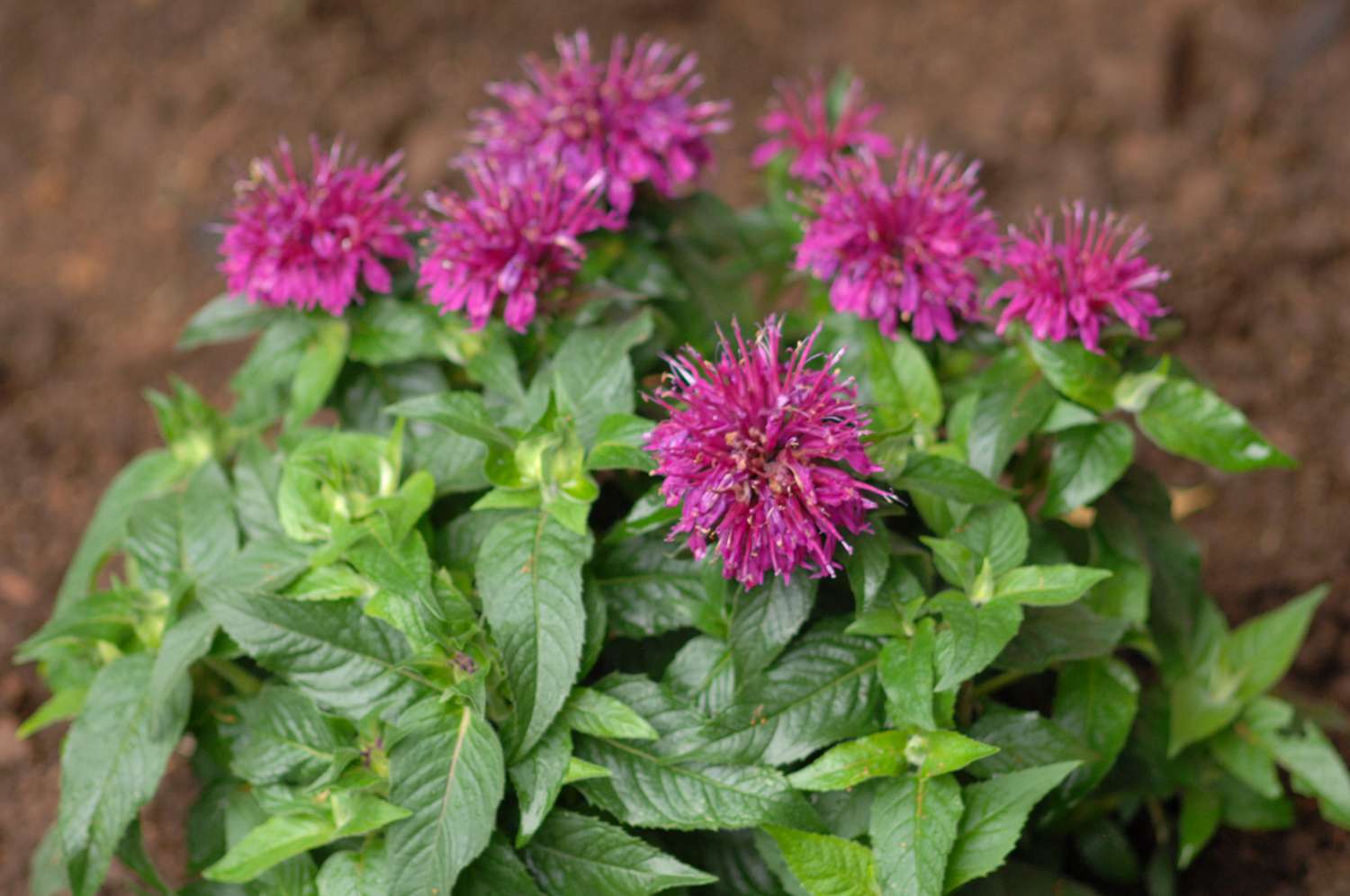
“15 Native Plants That Thrive in Clay Soil” from www.treehugger.com and used with no modifications.
There’s a common misconception that more nutrients always mean healthier plants. For native species, the opposite is often true. These plants spent millennia adapting to regional soils — rocky hillsides, sandy coastal plains, dense clay valleys — and their root systems, growth habits, and water needs all reflect that. Drop them into an over-amended raised bed loaded with compost and synthetic fertilizers, and they can struggle to thrive, or worse, become susceptible to disease and root rot.
Why Native Plants Struggle in Amended, Over-Fertilized Beds
High nitrogen levels push native plants into rapid, lush vegetative growth that looks impressive at first but creates weak, shallow root systems. Many native species have evolved to grow slowly and deeply, sending roots far down to access water during dry seasons. When excess nutrients short-circuit this process, the plant never develops the drought resilience it’s capable of. This is why half-strength — or even quarter-strength — fertilizer application is the general recommendation for established native plant beds. For those interested in sustainable gardening practices, you might find this guide on sustainable flowering vegetables helpful. Less really is more.
Avoiding manure-heavy or straw-based compost products is also important here. These tend to be too hot in nitrogen and can throw off the subtle balance native plants prefer. Instead, look for composted forest humus, aged leaf mulch, or green waste compost, which provide slower, more moderate nutrient release that native plants can actually use.
The One Soil Factor That Matters Most: Drainage and Percolation
If there’s one thing to get right with native plant soil, it’s drainage. Waterlogged soil is the fastest way to kill plants that evolved in well-drained environments. Good percolation means water moves into the soil and through it efficiently, allowing air to follow into those same pore spaces. That air-to-moisture balance is what native roots are looking for. Without it, even the most drought-tolerant native will develop root rot within a single wet season. For tips on sustainable gardening practices, explore our guide to sustainable flowering vegetables.
What Happens to Natural Topsoil in Most Residential Landscapes
Here’s a reality most gardeners don’t think about: the soil in your yard after a home is built is almost never the original topsoil. Large-scale grading during construction buries, blends, or removes the native topsoil entirely, leaving behind compacted subsoil that drains poorly, holds little organic matter, and supports minimal microbial life. This is one of the most overlooked challenges in native plant gardening. You’re not working with natural ground — you’re working with what’s left after the bulldozers moved through.
The good news is that this is fixable. It takes intentional soil building, smart amendment choices, and plant selection that’s realistic about what your soil can currently support. Native plants are resilient — they just need a fair start.
The 3 Factors Every Native Plant Garden Needs
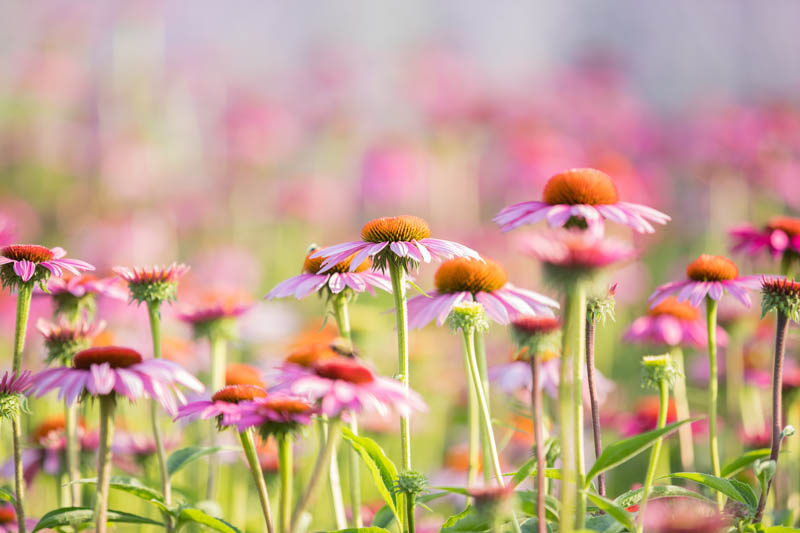
“Native Gardens: Design Rules, Plant …” from www.gardenia.net and used with no modifications.
Before reaching for a bag of potting soil or a box of fertilizer, it helps to think about native gardening through three lenses: soil structure, site conditions, and plant-to-place matching. Get these three right, and everything else becomes much easier. For more insights, explore our guide on sustainable gardening practices.
Factor 1: Soil Structure Over Fertility
Soil structure refers to how soil particles are arranged and how well water, air, and roots can move through them. A soil with good structure — whether it’s sandy loam, well-amended clay, or decomposed granite — will outperform a nutrient-dense but compacted soil every single time for native plants. Structure is what allows roots to penetrate, drainage to occur, and beneficial organisms to thrive underground. For more information, check out this guide on soils for natives.
Organic matter is the best tool for improving structure. Composted forest humus and leaf mulch add texture without spiking nutrient levels. For tight clay soils, gypsum is particularly useful — it helps break apart clay particles and improve percolation without altering soil pH. A practical starting blend for most native planting situations is one part quality compost mixed thoroughly with two parts native or existing soil. This ratio improves structure and introduces some organic biology without overwhelming plants with nutrients they’re not adapted to handle.
Factor 2: Site Conditions You Can and Cannot Change
| Site Condition | Can You Change It? | Best Approach |
|---|---|---|
| Soil drainage / percolation | Yes | Add gypsum, compost, or raised beds |
| Sun exposure | Limited | Match plant to existing light levels |
| Soil pH | Yes (gradually) | Organic amendments stabilize naturally over time |
| Soil compaction | Yes | Aerate, add organic matter, avoid heavy foot traffic |
| Slope / erosion | Partially | Select deep-rooted native ground covers |
| Existing subsoil composition | Partially | Amend planting holes and surrounding area |
Understanding which conditions are fixed helps you stop fighting the landscape and start working with it. A north-facing slope with heavy clay isn’t a failed garden — it’s just a different plant list.
Factor 3: Matching the Right Plant to the Right Place
This is where native gardening becomes both an art and a science. Once you’ve assessed your soil structure and accepted your site conditions, the most powerful move you can make is matching your plant selection to what already exists rather than trying to transform everything. A healthy native plant placed in the right conditions will establish quickly, require minimal intervention, and thrive for years. The same plant placed in the wrong soil type or drainage situation will struggle no matter how much you amend and fertilize.
A good rule of thumb: look at what’s already growing nearby — even weeds. A vacant lot with healthy weed growth has workable soil biology. A completely barren site with nothing growing signals a deeper soil problem that needs addressing before any planting begins.
How Organic Soil Amendments Improve Native Plant Gardens
Organic amendments work differently than synthetic fertilizers. Rather than delivering an immediate nutrient hit, they feed the soil ecosystem — the fungi, bacteria, earthworms, and microorganisms that break down organic matter and make nutrients available to plants gradually and naturally. For native plants, this slow-release approach is ideal because it mirrors how nutrients become available in wild, undisturbed ecosystems. If you’re interested in sustainable gardening practices, explore our guide to sustainable flowering vegetables.
The biological activity that organic matter supports also improves soil structure over time, increases water retention in sandy soils, and opens up drainage in clay soils. It’s a self-reinforcing cycle: healthier soil biology leads to healthier plant roots, which contribute more organic material as they grow and die back, which feeds more soil organisms. Starting this cycle with quality organic amendments is one of the best long-term investments you can make in a native garden.
Building Soil Biology With Organic Matter
When choosing organic amendments specifically for native plant gardens, the goal isn’t maximum nutrient content — it’s maximum biological activity. The best amendments for this purpose are those that feed microbial communities and improve physical soil properties simultaneously.
Composted forest humus is particularly well-suited to native plant gardens because it closely resembles the type of organic matter that accumulates naturally on forest floors — decomposed leaves, bark, and plant material that native species evolved alongside. It introduces fungal networks, diverse microbial communities, and slow-release nutrients without the nitrogen spike of manure-based composts.
- Composted forest humus — Best for woodland and shade-tolerant natives; mimics natural leaf litter decomposition
- Aged leaf mulch — Excellent for improving soil texture and feeding surface-dwelling soil organisms
- Green waste compost — Balanced amendment for general native plant beds; moderate nutrient release
- Kelp meal — Adds trace minerals and natural growth hormones without excess nitrogen
- Alfalfa meal — Provides a gentle, slow-release nitrogen source appropriate for native plant feeding schedules
- Gypsum — Specifically targets clay soil percolation; breaks up compaction without affecting pH
What you want to avoid is as important as what you add. Skip manure-heavy blends, straw-based composts, and any amendment with high soluble nitrogen. These push native plants toward fast, weak growth rather than the deep, resilient root systems that make them so valuable in the first place.
When to Use Gypsum for Clay Soil Percolation
Clay soil is one of the most common challenges in native plant gardening, particularly in suburban landscapes where topsoil has been stripped and compacted subsoil is all that remains. Gypsum — calcium sulfate — is one of the most practical tools for improving clay soil percolation without the risks that come with other amendments. It works by encouraging clay particles to clump together into larger aggregates, which creates more pore space for water and air movement. Importantly, it does this without significantly altering soil pH, making it safe to use around pH-sensitive native species.
Application is straightforward. Broadcast gypsum at roughly 20 to 40 pounds per 1,000 square feet across the planting area and work it into the top 6 to 8 inches of soil before planting. For existing established beds with drainage problems, surface applications of 10 to 15 pounds per 1,000 square feet applied annually will gradually improve percolation over time. Results aren’t instant — clay soil improvement with gypsum is a season-by-season process — but the long-term payoff in root health and drainage is well worth the patience.
How Organic Amendments Stabilize Soil pH Naturally
Most native plants perform best in a slightly acidic to neutral soil pH range, roughly 6.0 to 7.0, depending on the species and region. The good news is that quality organic amendments tend to buffer soil pH naturally over time, nudging extreme readings toward a more moderate range without the dramatic swings that synthetic pH adjusters can cause. Composted organic matter contains humic acids that gently acidify alkaline soils, while also providing buffering capacity that prevents overly acidic soils from dropping further.
This stabilization process happens gradually as soil organisms break down organic matter and integrate it into the soil structure. It’s one of the reasons that consistent, long-term organic soil management outperforms quick chemical fixes when it comes to native plant health. Rather than chasing pH with lime or sulfur applications, building a strong organic foundation gives you a self-regulating system that maintains a favorable range season after season.
Half-Strength Fertilizer: The Rule for Native Plant Beds
When fertilizer is needed at all in a native plant garden — and often it isn’t once the soil biology is established — the standard guidance is to apply at half the rate recommended on the product label. Native plants have not evolved to handle the nutrient loads that annuals, vegetables, or exotic ornamentals are bred to utilize. Applying full-strength fertilizer to native species often results in rapid but structurally weak growth, reduced drought tolerance, and increased susceptibility to pest pressure.
If you do choose to fertilize, opt for an all-purpose organic fertilizer rather than a synthetic, high-soluble product. Organic fertilizers release nutrients slowly as soil microbes break them down, which aligns much more naturally with how native plants access nutrition in undisturbed ecosystems. Apply once in early spring at half-strength, and let the soil biology do the rest through the growing season. In most established native gardens, a top-dress of compost in spring is sufficient fertilization for the entire year.
Best Organic Soil Mixes for Native Plants
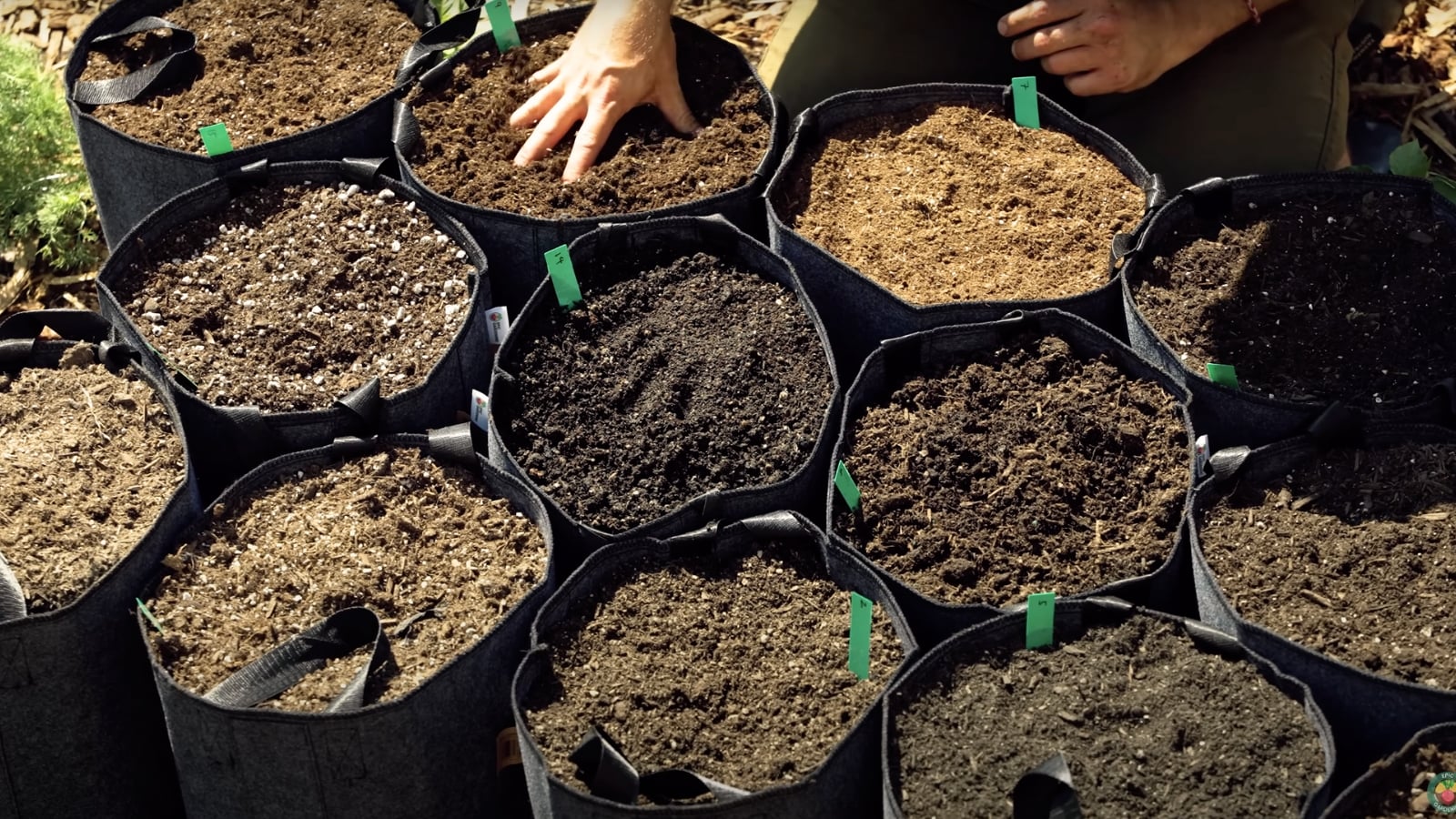
“Testing Popular Potting Mixes: Our …” from www.epicgardening.com and used with no modifications.
Not all bagged potting soils and organic soil mixes are created equal, and choosing the wrong one for native plants can create the same problems as over-amending in-ground soil. The best options are those that prioritize drainage, moderate fertility, and biological activity over maximum nutrient content. Here are four organic soil products worth knowing about for native plant gardening.
Fox Farm Ocean Forest Potting Soil
Fox Farm Ocean Forest is one of the most widely recognized organic potting mixes on the market, and for good reason. It combines composted forest humus, sphagnum peat moss, Pacific Northwest sea-going fish and crab meal, earthworm castings, and sandy loam into a well-balanced, pH-adjusted blend that reads at 6.3 to 6.8 — right in the target range for most native species. The texture is light and aerated enough to support strong root development without compacting around root balls.
For native plants in containers or raised beds, Fox Farm Ocean Forest provides a strong biological foundation without the excessive nitrogen load found in some competitor products. The fish and crab meal components introduce trace minerals and amino acids that support microbial diversity, which in turn benefits native root systems. It’s not a soil you’ll need to heavily supplement, which makes it a practical, low-intervention choice for native gardeners who want results without constant feeding schedules.
- pH range: 6.3 to 6.8 — ideal for most native species
- Key ingredients: Composted forest humus, sphagnum peat moss, earthworm castings, fish meal, crab meal, sandy loam
- Best for: Container natives, raised beds, transplanting established native specimens
- Drainage quality: Excellent — light, aerated texture prevents waterlogging
- Fertility level: Moderate — suitable for natives without additional amendment in most cases
One consideration: Fox Farm Ocean Forest is richer than what some extremely lean-soil natives prefer. For species adapted to very poor, well-drained soils — such as certain California native buckwheats or desert-adapted penstemons — consider blending it 50/50 with coarse perlite or decomposed granite to reduce fertility and increase drainage further. If you’re interested in exploring sustainable gardening practices, this could be a great starting point.
Kellogg Organic All Natural Soil Mix
Kellogg Organic All Natural Soil Mix is a regionally respected product, particularly popular in Western states where many native plant species originate. It’s built around composted wood products, aged fir bark, and perlite, giving it excellent drainage characteristics with a coarser texture than many competitors. This coarse structure is genuinely useful for native plants — it discourages root compaction, promotes strong lateral root development, and dries out at a pace that mimics the natural wet-dry cycles many natives depend on. For in-ground use, it blends well with existing native soil at the recommended 1:2 compost-to-native-soil ratio without overloading the planting zone with nutrients.
Peaceful Valley Organic Potting Soil
Peaceful Valley’s organic potting soil, available through Grow Organic, is formulated with a focus on living soil biology — meaning it’s designed to support the microbial communities that make long-term organic gardening successful. The blend includes composted organic matter, perlite for drainage, and mycorrhizal inoculants that help plant roots form the fungal partnerships that are particularly important for native species establishment.
Many native plants, especially woody shrubs and trees, evolved in close partnership with mycorrhizal fungi networks that extend their root systems far beyond what the plant could achieve alone. Planting into a soil that already contains these fungal communities gives native transplants a significant establishment advantage, especially in disturbed urban soils where these networks have been destroyed by grading and construction.
This makes Peaceful Valley Organic Potting Soil an especially strong choice for native gardeners who are working with sites that have been heavily disturbed and need to rebuild soil biology from the ground up rather than just improving structure or fertility.
Grow Organic Natural & Organic Potting Soil
Grow Organic’s natural and organic potting soil collection offers both USDA-certified organic options and natural blends without synthetic additives — giving native gardeners the flexibility to choose based on their specific certification needs or growing philosophy. The collection is particularly useful for gardeners who are managing a mix of container natives, raised beds, and in-ground plantings, since different formats benefit from different soil densities and fertility levels.
What distinguishes the Grow Organic selection is the emphasis on nutrient-dense, living soil rather than sterile, peat-heavy mixes. For native plants that rely on a healthy underground ecosystem as much as above-ground conditions, this distinction matters considerably. The range supports robust root development and long-term plant vitality — exactly the outcome native gardeners are working toward.
Key Ingredients to Look for in Organic Potting Soil
When you’re standing in a garden center or browsing online soil products, the ingredient list tells you everything you need to know about whether a mix is genuinely suitable for native plants. Certain ingredients signal a well-balanced, biologically active soil — while others are red flags for products that will push your natives in the wrong direction.
The most important thing to look for is a balance between biological ingredients that feed soil life and structural ingredients that manage drainage and aeration. A bag that lists only bark fines and peat moss may drain well but offer little biological activity. One that leads with chicken manure or blood meal will likely be too nitrogen-rich for most natives. The ideal mix sits in the middle — moderate fertility, strong structure, and clear evidence of microbial-feeding ingredients.
Kelp Meal and Alfalfa Meal for Soil Fertility
Kelp meal and alfalfa meal are two of the most native-plant-friendly organic fertility inputs available. Kelp meal is particularly valued for its trace mineral content — it provides over 60 micronutrients including iodine, iron, and zinc — along with natural plant growth hormones called cytokinins that support root development and stress tolerance. Alfalfa meal offers a slow-release nitrogen source along with triacontanol, a natural fatty alcohol that stimulates plant growth at the cellular level. Neither ingredient delivers the sharp nitrogen spike that harms native plants; instead, both release nutrients gradually as soil organisms break them down, perfectly mimicking the pace of natural soil fertility cycles.
Coconut Coir vs. Peat Moss for Moisture Retention
Both coconut coir and peat moss are used in organic potting mixes as moisture-retention ingredients, but they perform differently and come with different environmental trade-offs. Peat moss is harvested from ancient sphagnum peat bogs — a process that destroys carbon-storing ecosystems that took thousands of years to develop. It’s acidic (pH around 3.5 to 4.5), which can be useful for acid-loving natives but problematic for species that prefer neutral soil. It also tends to become hydrophobic when it dries out completely, repelling water rather than absorbing it.
Coconut coir, made from the fibrous husks of coconuts, is a renewable byproduct of the coconut industry with a near-neutral pH of 5.8 to 6.8 — much better suited to the pH range most native plants prefer. It retains moisture effectively while still maintaining good aeration, and it rewets easily after drying out, unlike peat moss. For organic native plant soil mixes, coconut coir is the more sustainable and functionally superior choice in most situations.
For gardeners trying to decide between the two, the native plant preference is fairly clear-cut. Coconut coir offers better pH compatibility, more sustainable sourcing, and more reliable rewetting behavior across the wet-dry cycles that native plants are adapted to experience. The only scenario where peat moss has an advantage is when you’re growing acid-loving native species — such as native blueberries, azaleas, or certain ferns — where the lower pH of peat moss can actually be a benefit.
- Coconut coir pH: 5.8 to 6.8 — suits most native species
- Peat moss pH: 3.5 to 4.5 — best reserved for acid-loving natives only
- Renewability: Coconut coir is a sustainable byproduct; peat moss is harvested from slow-forming bog ecosystems
- Rewetting behavior: Coir rewets easily; dried peat moss becomes hydrophobic and difficult to rehydrate
- Best use case for natives: Coconut coir for most species; peat moss selectively for acid-loving woodland or bog natives
Companion Planting to Maximize Native Garden Health
Companion planting in a native garden isn’t about following rigid charts — it’s about recreating the plant communities that naturally occur together in the wild. Native plants evolved alongside specific neighbors, and those relationships often translate directly into healthier soil, better pest balance, and more resilient growth. Deep-rooted natives like native wild bergamot (Monarda fistulosa) break up compacted soil layers while their flowers attract the predatory insects that keep pest populations in check. Meanwhile, nitrogen-fixing natives like wild lupine (Lupinus perennis) quietly enrich the soil for neighboring species, reducing the need for any outside fertility inputs. For more tips on sustainable planting, check out our sustainable flowering vegetables guide.
Ground cover natives play a particularly important role in companion planting strategy. Low-growing species like creeping thyme alternatives such as blue-eyed grass (Sisyrinchium angustifolium) or native sedges shade the soil surface, reducing moisture loss, suppressing weeds, and maintaining the cooler, more stable soil temperatures that native root systems prefer. Layering tall native grasses, mid-height flowering perennials, and low ground covers creates a self-sustaining plant community that mirrors natural ecosystems and dramatically reduces the amount of soil amendment and maintenance the garden needs over time.
Raised Beds vs. Native Soil: Which Works Better for Native Plants
The honest answer is that it depends entirely on what your existing native soil looks like. In an ideal world, native plants go directly into the ground where their roots can travel freely, access deep moisture reserves, and connect with the existing soil ecosystem. In the real world — particularly in post-construction suburban landscapes — that ideal soil often doesn’t exist anymore, and raised beds become a practical solution for getting native plants established in otherwise hostile conditions.
When Raised Beds Make Sense for Native Gardening
Raised beds make the most sense when your existing soil has significant structural problems that can’t be addressed quickly through in-ground amendment alone. Heavily compacted subsoil, extremely poor drainage, or severely depleted soil biology are all situations where a raised bed gives you full control over the growing environment from day one. For container-grown native plants transitioning to permanent landscape positions, raised beds also provide a useful intermediate step — a controlled environment where roots can develop strength before encountering the challenges of the existing native ground.
The key to a native-friendly raised bed is resisting the urge to fill it with the richest possible soil mix. A blend of roughly 60% quality in-ground native soil, 30% composted forest humus or green waste compost, and 10% coarse perlite or decomposed granite gives you the structure, drainage, and moderate fertility that native plants genuinely need. Avoid filling raised beds entirely with commercial potting mix — it’s typically too light, too fertile, and dries out too quickly for woody or deep-rooted native species to establish well.
How to Improve Existing Native Soil Without Starting Over
For gardeners working with degraded but salvageable in-ground soil, improvement is entirely possible without tearing everything out and starting fresh. The process starts with honest soil assessment. Dig a test hole about 12 inches deep and observe the layers — color, texture, compaction, and how quickly water drains from the hole after you fill it. If water drains within an hour, your percolation is workable. If it’s still sitting there after several hours, you have a drainage problem that needs addressing before planting begins. To learn more about soil for native plants, check out this guide on soils for natives.
From there, targeted amendment at the planting hole level is more effective than broadcasting large amounts of compost across an entire area. Dig each planting hole two to three times the width of the root ball, blend a one-to-two ratio of compost to existing soil, and use this amended mix both in the hole and in the surrounding backfill area. Top-dress the surface with two to three inches of leaf mulch or aged wood chip mulch — not piled against plant stems — and let the soil biology do the rest. Over two to three growing seasons, organic matter incorporation, root activity, and microbial life will steadily transform even compacted subsoil into a functional, healthy growing environment.
Building a Sustainable Native Garden Starts Below Ground
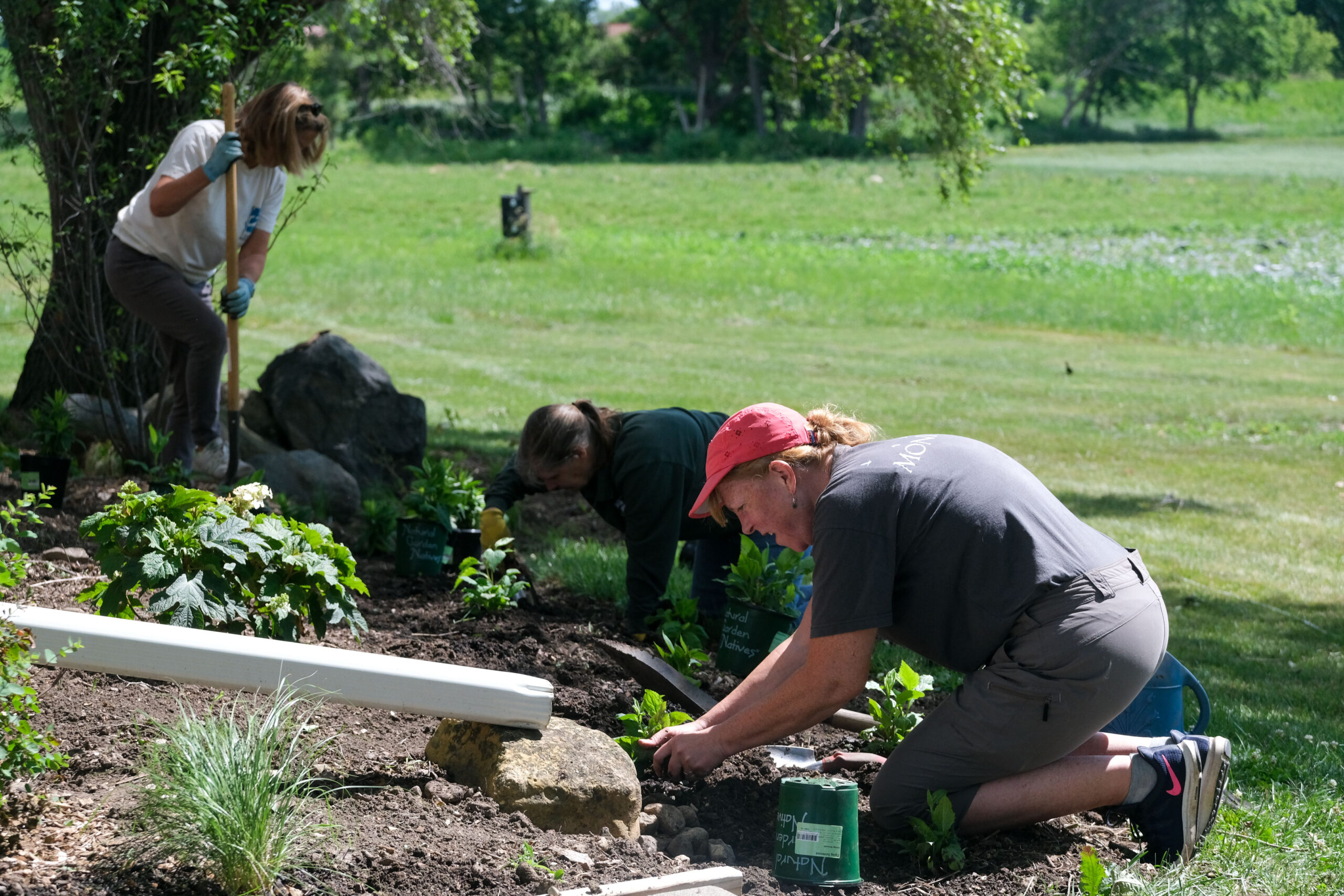
“Native Plant Garden …” from theconservationfoundation.org and used with no modifications.
- Prioritize soil drainage above all else — percolation is more important than fertility for native plant success
- Use a 1:2 ratio of quality compost to existing native soil when amending planting holes
- Choose amendments that feed soil biology — composted forest humus, leaf mulch, kelp meal — rather than targeting high nutrient numbers
- Apply fertilizer at half the recommended strength, if at all, and lean toward an annual compost top-dress as the primary feeding strategy
- Avoid manure-heavy or straw-based composts that deliver excess nitrogen incompatible with native plant biology
- Use gypsum to address clay soil compaction without altering pH
- Select organic soil mixes with coconut coir over peat moss for better pH compatibility and sustainable sourcing
- Match plants to your actual site conditions rather than trying to transform everything to suit a plant you want to grow
Native gardening rewards patience more than any other gardening style. The first season is about establishment — roots pushing into new soil, soil biology awakening around the root zone, and plant energy going underground rather than into visible above-ground growth. It can look like nothing is happening. Something very important is happening.
By the second season, most well-sited native plants begin showing the growth and resilience they’re known for. By the third, a properly prepared native garden largely takes care of itself — requiring far less water, fertilizer, and intervention than any conventional planting. The investment in getting the soil right at the beginning pays dividends for years, sometimes decades, without requiring significant additional input. To further enhance your gardening experience, consider using biodegradable planter bags which are environmentally friendly and sustainable.
The plants are ready to do their part. The soil just needs to be ready to meet them.
Frequently Asked Questions
Native plant gardening raises a lot of soil-related questions, especially for gardeners transitioning from conventional growing methods. The shift in thinking — from maximizing fertility to optimizing structure and drainage — can feel counterintuitive at first. These answers address the most common points of confusion.
Keep in mind that native plant soil needs vary somewhat by species and region. A Pacific Northwest native fern has different soil preferences than a Southwest desert sage. The principles here apply broadly, but always cross-reference with the specific requirements of the species you’re growing.
What is the best organic soil mix for native plants?
The best organic soil mix for native plants is one that prioritizes drainage and moderate, slow-release fertility over maximum nutrient content. Fox Farm Ocean Forest Potting Soil (pH 6.3 to 6.8) is an excellent ready-to-use option for containers and raised beds. For in-ground planting, a homemade blend of one part composted forest humus or green waste compost to two parts existing native soil, with optional coarse perlite added for drainage in heavier soils, closely mirrors the conditions native plants evolved in. Avoid mixes that lead with manure, blood meal, or high-soluble nitrogen sources.
Do native plants need fertilizer if planted in organic soil?
The short answer: Usually not, especially once established. Native plants evolved in soils that receive nutrients slowly through natural decomposition cycles — not through the concentrated, fast-release fertilizer applications that vegetables and exotic ornamentals are bred to utilize. For more information on soil types, you can check out soils for natives.
When planted into quality organic soil with active biological life, most native plants access everything they need through the natural nutrient cycling that healthy soil organisms provide. The mycorrhizal fungi, bacteria, and other soil microbes in a biologically active organic soil are constantly breaking down organic matter and delivering nutrients directly to plant roots — a system that has worked for millions of years without any outside intervention.
The exception is when you’re establishing plants in severely depleted or recently disturbed soil where very little organic matter or soil biology exists. In those situations, a single application of all-purpose organic fertilizer at half the recommended rate in the first spring after planting can support establishment. After that, an annual top-dress of two to three inches of quality compost in spring is typically sufficient for the life of the garden.
If you do notice signs of nutrient deficiency — yellowing leaves, stunted growth, or unusually slow establishment — address the soil biology first before reaching for fertilizer. In most cases, deficiency symptoms in native plants point to drainage problems, compaction, or a lack of microbial life rather than an actual shortage of nutrients in the soil.
The key figure to remember: half-strength is the maximum fertilizer rate for established native plant beds, and zero is often the right answer once a healthy soil ecosystem is in place.
Can I use regular potting soil for native plants?
Standard commercial potting mixes can work for native plants in containers, but they’re rarely ideal without some modification. Most conventional potting soils are formulated for heavy-feeding annuals and vegetables — they’re loaded with peat moss, synthetic slow-release fertilizer pellets, and wetting agents that aren’t compatible with the lean, well-drained growing conditions most natives prefer. The high fertility levels can push native plants into the rapid, shallow growth that undermines their long-term drought resilience and structural strength.
If standard potting soil is what you have available, blend it with coarse perlite or decomposed granite at a 50/50 ratio to reduce fertility and dramatically improve drainage. This brings most commercial potting mixes much closer to the conditions native plants actually need. Alternatively, choose organic potting mixes specifically formulated with biological inputs rather than synthetic fertilizer — products like Fox Farm Ocean Forest or Peaceful Valley Organic Potting Soil are engineered in a way that’s far more compatible with native plant biology right out of the bag.
How do I improve drainage in clay soil for native plants?
Clay soil drainage improvement for native plants comes down to two proven approaches used together. First, apply gypsum (calcium sulfate) at 20 to 40 pounds per 1,000 square feet and work it into the top 6 to 8 inches of soil — this breaks clay particles into larger aggregates that allow water and air to move through more freely, without altering soil pH. Second, incorporate coarse organic matter — composted forest humus, aged bark fines, or leaf mulch — at a one-to-two ratio with existing soil in all planting holes. What you should never do is add sand to clay soil in an attempt to improve drainage. Without adding enormous volumes, the result is a concrete-like mixture that drains worse than the clay you started with. Stick with gypsum and organic matter, and give the improvement process at least one to two full seasons to take effect.
Is coconut coir or peat moss better for native plant soil mixes?
Coconut coir is the better choice for most native plant soil mixes. It has a near-neutral pH of 5.8 to 6.8, which aligns well with the soil pH range most native species prefer. It retains moisture effectively while maintaining good aeration, rewets easily after drying out, and is produced as a renewable byproduct of the coconut industry rather than harvested from irreplaceable bog ecosystems.
Peat moss, by contrast, has a pH of 3.5 to 4.5 — significantly more acidic than what most native plants prefer — and becomes hydrophobic when it dries completely, making rehydration difficult and inconsistent. Its harvesting process also destroys ancient sphagnum peat bogs that serve as critical long-term carbon stores. From both a performance and sustainability standpoint, peat moss is harder to justify in native plant soil mixes.
The one scenario where peat moss has a legitimate role in native gardening is when growing acid-loving native species — native blueberries (Vaccinium spp.), native azaleas (Rhododendron spp.), pitcher plants (Sarracenia spp.), or other bog and woodland natives that evolved in naturally acidic environments. For these species, peat moss’s low pH is actually an advantage rather than a drawback. For everything else, coconut coir delivers better results with a lower environmental footprint.
For gardeners ready to build a truly thriving native garden from the soil up, Grow Organic offers a curated selection of organic and natural potting soils, amendments, and fertilizers designed to support healthy, sustainable growing practices at every stage.