Article At A Glance
| 🌿 | Insect-pollinated plants are your best friends — their heavy pollen grains don’t become airborne, which means far fewer allergy triggers in your garden. |
| 🔍 | The OPALS scale (1–10) rates plants by allergy risk — knowing this number before you buy can completely change how your garden affects you. |
| 🍒 | Roses, orchids, begonias, and hydrangeas are among the best low-pollen choices that still give you a stunning, colorful garden. |
| 💔 | Some fan-favorite garden plants — including sunflowers and marigolds — are surprisingly high-pollen offenders worth avoiding. |
| 🏠 | Designing an allergy-friendly garden goes beyond plant selection — garden layout, maintenance habits, and even the gear you wear all play a role. |
Low-Pollen Plants Let You Garden Without the Sneezing
You don’t have to choose between loving your garden and managing your allergies — the right plant selection changes everything.
Millions of people avoid gardening entirely because they assume all plants trigger sneezing, watery eyes, and congestion. That’s simply not true. The key difference isn’t how many plants you have — it’s which plants you choose. Some release clouds of fine pollen into the air. Others keep their pollen locked up tight, relying on bees and butterflies to move it around instead of the wind.
Once you understand that distinction, building a gorgeous, allergy-friendly garden becomes straightforward.
Why Some Plants Trigger Allergies and Others Don’t
The short answer: it comes down to how a plant reproduces. Plants that depend on wind to carry their pollen release enormous quantities of lightweight, microscopic grains designed to travel. Those are the ones ending up in your nose. Plants that rely on insects keep their pollen sticky and heavy — it clings to a bee’s legs, not your airways.
How Airborne Pollen Causes Allergic Reactions
When airborne pollen enters your nasal passage, your immune system can mistakenly identify it as a threat. The result is a classic allergic response — histamine release, nasal inflammation, itchy eyes, and sneezing. The smaller and lighter the pollen grain, the deeper it can travel into your respiratory system. Wind-dispersed pollen grains from plants like ragweed can measure as small as 10 microns, making them nearly impossible to avoid outdoors without some thoughtful planning.
Wind-Pollinated vs. Insect-Pollinated Plants
This is the most important distinction in allergy-friendly gardening. Wind-pollinated plants (called anemophilous) produce huge volumes of dry, lightweight pollen with no need to attract insects — no bright petals, no fragrance, no nectar. Grasses, birch trees, and ragweed are classic examples. Insect-pollinated plants (entomophilous) produce heavier, stickier pollen designed to attach to pollinators. Roses, begonias, and orchids fall into this category. If you’re building a low-pollen garden, leaning heavily toward insect-pollinated species is the single most effective strategy you can apply. For more insights, explore the best gardening options for native plants.
The OPALS Scale: How Plants Are Rated for Allergy Risk
The Ogren Plant Allergy Scale (OPALS) was developed by horticulturist Thomas Leo Ogren and rates plants from 1 to 10 based on their allergy potential. A rating of 1 means virtually no allergy risk, while a 10 represents the highest risk. The scale considers pollen quantity, pollen dispersal method, fragrance, and several other factors. When shopping for plants — especially trees and shrubs — looking up the OPALS rating first is one of the fastest ways to make smarter, allergy-conscious choices.
Quick OPALS Reference:
🟢 1–3: Low allergy risk — safe choices for most allergy sufferers
🟡 4–6: Moderate risk — use with caution, monitor symptoms
🔴 7–10: High risk — avoid if you suffer from pollen allergies
The Best Low-Pollen Flowering Plants for Allergy Sufferers

“Red Roses with Purple Rose …” from www.gabrielawakeham.com and used with no modifications.
These flowering plants deliver visual impact without the pollen penalty. Each one relies on insect pollination, produces minimal airborne pollen, or both — making them ideal anchors for an allergy-friendly garden.
1. Roses (Double-Petal Hybrid Varieties)
Roses are one of the most allergy-friendly flowers you can grow, but with one important caveat: variety matters enormously. Double-petal hybrid roses have tightly packed petals that physically restrict pollen release, making them far safer than single-petal wild rose varieties. Their pollen is also heavy and sticky, not designed for wind travel. On the OPALS scale, most double-petal roses score between 1 and 3.
| Rose Type | Pollen Risk | OPALS Rating |
|---|---|---|
| Double-Petal Hybrid Roses | Very Low | 1–3 |
| Single-Petal Wild Roses | Moderate | 4–6 |
| Rosa rugosa | Low | 2–3 |
For best results, choose named hybrid tea or floribunda varieties. Keep blooms deadheaded regularly — removing spent flowers before they mature reduces the chances of any pollen dispersal and encourages repeat blooming through the season.
2. Orchids
Orchids are one of the best choices for allergy sufferers, both indoors and out in warmer climates. Their pollen is bound together in sticky masses called pollinia, which are specifically designed to attach to visiting insects — not float through the air. This means orchid pollen poses virtually zero airborne allergy risk.
They also thrive in bright, indirect light with minimal watering, typically needing water only once every one to two weeks when potted. Phalaenopsis (moth orchids) are the most widely available and among the easiest to maintain, making them a practical first choice for allergy-conscious indoor gardeners.
3. Begonias
Begonias are a standout option for shaded garden beds and containers. They produce minimal pollen, and their insect-pollinated flowers keep airborne dispersal extremely low. Tuberous begonias in particular offer large, showy blooms in red, orange, pink, and white — all with very low allergy risk. They prefer partial shade and consistently moist (but well-drained) soil, making them versatile for both garden borders and patio containers.
4. Hydrangeas
Hydrangeas score low on the OPALS scale and are a favorite for allergy-friendly landscaping. Their large, clustered flower heads are pollinated by insects, and the pollen itself is too heavy and sticky to become airborne in significant amounts. Hydrangea macrophylla (bigleaf hydrangea) and Hydrangea paniculata (panicle hydrangea) are two of the most commonly planted low-allergy varieties. They thrive in well-drained, organically rich soil with regular watering during dry spells.
5. Petunias
Petunias are a low-maintenance, high-color option that allergy sufferers can enjoy with confidence. They’re insect-pollinated, produce very little airborne pollen, and are available in nearly every color imaginable. Wave petunias, a trailing variety, work especially well in hanging baskets and window boxes where they provide maximum visual payoff without triggering symptoms. Full sun and regular deadheading keep them blooming prolifically from spring through frost.
6. Snapdragons
Snapdragons are a classic cottage garden flower that doubles as an excellent allergy-friendly choice. Their unique tubular flower structure means pollen is physically enclosed inside the bloom, only accessible to heavy bumblebees strong enough to pry the petals open. This design virtually eliminates airborne pollen dispersal. They thrive in cool weather, making them ideal for spring and fall planting, and perform best in full sun with well-drained soil.
Best Low-Pollen Plants for Indoors
Indoor plants come with their own set of allergy considerations. While no plant is completely allergen-free, the following options produce negligible airborne pollen and are widely recommended for allergy-sensitive households. The bigger indoor risks are usually mold in overwatered soil and dust accumulation on leaves — both of which are manageable with the right care habits.
- ZZ Plant (Zamioculcas zamiifolia) — extremely low-maintenance, rarely flowers indoors, virtually zero pollen risk
- Peace Lily (Spathiphyllum) — low pollen, though the spathe can release some particles; keep away from bedrooms if highly sensitive
- Snake Plant (Sansevieria trifasciata) — rarely flowers indoors, excellent air tolerance, very low allergen profile
- Pothos (Epipremnum aureum) — a trailing vine that rarely blooms indoors, making pollen a non-issue
- Dracaena — seldom flowers indoors and thrives in low-light conditions with minimal watering
- Rubber Plant (Ficus elastica) — note that those with latex allergies should avoid this one, but pollen output is essentially zero indoors
The pattern you’ll notice with the best indoor low-pollen plants is that many of them rarely — or never — flower indoors at all. No flowers means no pollen, which is a straightforward win for allergy sufferers who still want lush, green living spaces. For those interested in creating a more sustainable environment, consider exploring organic soil options for native plants to complement your low-pollen choices.
That said, even non-flowering plants can contribute to indoor allergens if they’re not properly maintained. Overwatering is the biggest culprit, creating damp soil conditions where mold spores thrive. Mold is actually a more common indoor plant allergen than pollen itself, so proper drainage and watering discipline matter just as much as plant selection.
ZZ Plant
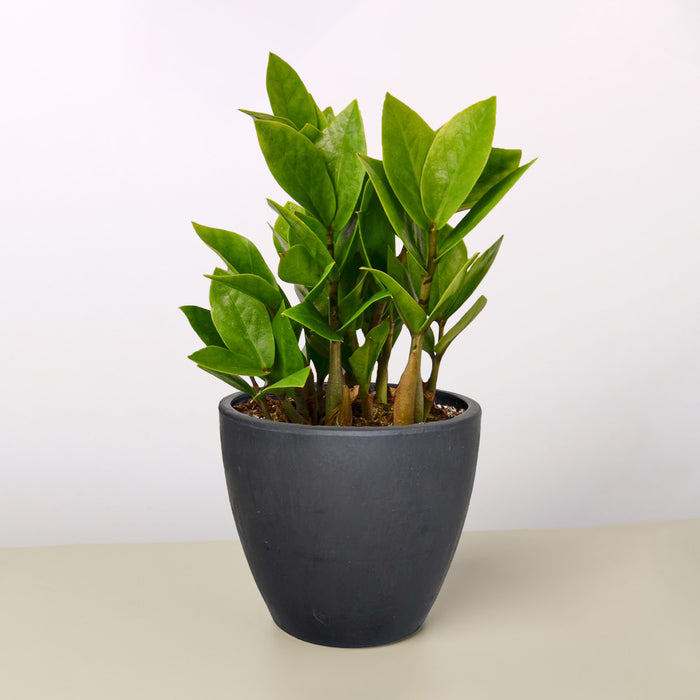
The ZZ Plant is arguably the most allergy-friendly houseplant available. It thrives on neglect, tolerates low light, and almost never produces flowers when grown indoors — meaning zero pollen output in your living space. Its waxy, dark green leaves don’t trap dust as readily as fuzzy-leafed plants, and a monthly wipe-down with a damp cloth keeps the leaf surface clean. Water it only when the soil is completely dry, typically every two to three weeks, to prevent mold growth in the pot.
Peace Lily
The Peace Lily is frequently recommended for allergy-sensitive homes and has been studied by NASA for its air-purifying properties, showing the ability to reduce indoor concentrations of pollutants like benzene and formaldehyde. Its pollen is contained within a specialized flower structure that limits airborne dispersal significantly compared to open-faced blooms.
However, if you are extremely sensitive, keep Peace Lilies out of bedrooms. The spathe — the white hood-shaped modified leaf — can release small amounts of particles during peak bloom. Placing it in a living room or kitchen instead is a practical compromise that lets you enjoy the plant without sleeping in proximity to it during flowering periods. For more information, check out this guide on the best and worst plants for allergies.
How to Care for Indoor Low-Pollen Plants
Good care habits are what keep indoor plants from becoming allergy triggers. Water at the base rather than overhead to prevent moisture from sitting on leaves, use pots with drainage holes to avoid waterlogged soil, and wipe leaves down monthly to remove dust buildup. If you notice a musty smell from any pot, that’s a mold warning sign — repot immediately with fresh, well-draining potting mix.
Plants That Are Worst for Allergies
“Common Ragweed (Ambrosia artemisiifolia)” from www.illinoiswildflowers.info and used with no modifications.
Knowing what to avoid is just as important as knowing what to plant. Several garden favorites are genuinely problematic for allergy sufferers, either because they produce massive quantities of airborne pollen, carry a high OPALS rating, or both.
Wind-pollinated plants are the most consistent offenders. They don’t need to attract insects, so they produce no showy petals and no fragrance — which means people often don’t realize they’re standing next to a pollen-heavy plant until symptoms hit. But some insect-pollinated plants also cause problems due to sheer pollen volume or highly irritating pollen proteins.
Here are the five most common high-pollen garden plants worth avoiding or replacing with safer alternatives.
1. Ragweed
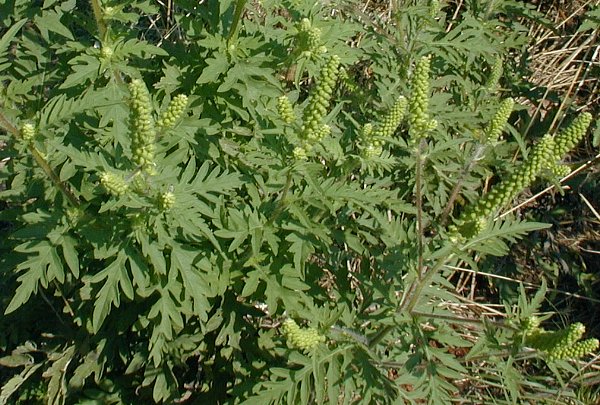
Ragweed (Ambrosia artemisiifolia) is the single most significant source of late-summer and fall pollen allergies in North America. A single ragweed plant can produce up to one billion pollen grains in a season, and those grains are lightweight enough to travel hundreds of miles on the wind. It scores a 10 on the OPALS scale. If ragweed is growing in or near your garden, remove it before it flowers — wearing a mask and gloves during removal is essential.
2. Sunflowers
Standard sunflowers (Helianthus annuus) are wind-assisted pollinators that produce significant quantities of pollen, earning them a high OPALS rating. The classic tall varieties commonly found in gardens and cut flower arrangements can trigger significant reactions in sensitive individuals. For those interested in reducing pollen impact, exploring the benefits of composting plant waste might be beneficial.
The good news is that pollen-free hybrid sunflower varieties do exist. Sunrich Orange and Infrared Mix are two cultivars specifically bred for reduced pollen production, making them a viable alternative if you love the look of sunflowers but can’t tolerate the allergy burden of standard varieties. For those interested in exploring more options, consider checking out allergy-resistant innovations that can further help in creating a pollen-free garden environment.
3. Marigolds
Marigolds are a surprise entry on the high-pollen list for many gardeners. Despite their cheerful appearance and popularity as companion plants, they produce allergenic pollen and are also highly fragrant — a combination that can irritate both the immune system and the respiratory tract simultaneously. Their OPALS rating typically falls between 6 and 9, depending on the variety. Tagetes varieties in particular are considered more problematic than Calendula types.
4. Lilies
True lilies (Lilium species) like Asiatic and Oriental lilies produce large, visible, rust-colored pollen on prominent stamens. While this pollen is technically insect-dispersed and not highly airborne, the sheer quantity exposed on open stamens means it can easily be disturbed by wind, touch, or simply walking past. People with lily allergies often react to pollen that falls onto surfaces and then gets redistributed. To manage this, consider using allergy-resistant soil covers to minimize pollen disturbance.
A practical workaround: remove the stamens with tweezers or small scissors as soon as the flower opens. This eliminates the pollen source while preserving the bloom. Alternatively, swap standard lilies for Agapanthus (African lily) or hydrangeas, which offer a similar visual effect with a far lower allergy risk. For more information on suitable plant choices, check out this guide to low-allergy plants.
5. Daisies
Daisies and daisy-family plants (Asteraceae) are among the most allergy-triggering flowering plants available. The family includes chrysanthemums, zinnias, and chamomile — all of which produce allergenic pollen. The composite flower head that makes daisies so visually appealing is actually made up of hundreds of tiny individual flowers, each producing its own pollen.
If you want a similar aesthetic in your garden, consider swapping daisies for Scabiosa (pincushion flower) or Astilbe, both of which deliver a similar light, airy garden feel with significantly lower allergy impact. For more information, you can check out this guide on allergy-friendly plants.
How to Design an Allergy-Friendly Garden
Plant selection is the foundation, but smart garden design takes your allergy management to the next level. How you arrange plants, what structural features you incorporate, and how you maintain the space throughout the season all influence how much pollen you actually encounter during time outdoors.
Think of it as layered protection — each decision you make reduces overall pollen exposure a little more, and the cumulative effect is a garden you can genuinely enjoy without dreading the aftermath. For additional guidance, consider a customized garden plan consultation to optimize your space effectively.
Choose Insect-Pollinated Plants Over Wind-Pollinated Ones
The single most effective design decision you can make is filling your garden with insect-pollinated species. These plants produce heavy, sticky pollen that stays put unless a bee or butterfly physically moves it. When you replace even a few wind-pollinated plants with insect-pollinated alternatives, the airborne pollen load in your immediate garden environment drops significantly. Prioritize flowering plants with showy, colorful blooms — that visual signal exists specifically to attract insects, which is exactly what you want.
Use Windbreaks and Water Features to Reduce Airborne Pollen
A strategic garden layout can physically reduce how much pollen reaches you. Dense hedges of low-allergy shrubs like boxwood or viburnum placed on the windward side of your garden act as natural pollen filters, intercepting airborne particles before they reach your main planting areas. Water features like fountains and small ponds also help — moisture in the air causes pollen grains to swell, become heavier, and fall to the ground faster rather than remaining suspended at breathing height. Position seating areas on the leeward side of windbreaks for maximum protection.
Garden Maintenance Habits That Keep Pollen Levels Low
How you maintain your garden matters as much as what you plant. Regular deadheading — removing spent blooms before seed heads form — cuts off the pollen production cycle early. Mow lawns in the evening when pollen counts are generally lower, and avoid mowing on dry, windy days when pollen spreads most aggressively. Rake up fallen leaves and plant debris promptly, since decomposing organic matter can harbor mold spores, which are a separate but equally problematic allergen for many people.
Protective Gear Worth Wearing During Gardening
Even in a well-designed low-pollen garden, physical protection during active gardening sessions makes a meaningful difference. An N95 mask filters out particles as small as 0.3 microns, which covers the size range of most allergenic pollen grains. Wraparound sunglasses protect your eyes from airborne particles, and disposable nitrile gloves prevent pollen from transferring from your hands to your face while you work.
After any gardening session, shower and change clothes before settling indoors. Pollen clings to hair, skin, and fabric, and bringing it inside defeats much of the work you’ve put into building an allergy-friendly outdoor space. Keeping a dedicated set of “garden clothes” that stay in the laundry room rather than traveling through the house is a simple habit that pays dividends during peak pollen season.
Low-Pollen Plants Are the Easiest Way to Enjoy Gardening Allergy-Free
Building an allergy-friendly garden is not about sacrifice — it’s about making smarter choices. The plants covered in this guide prove you can have vibrant color, lush greenery, and seasonal interest without filling the air with allergenic pollen.
Start with the foundational swap: replace wind-pollinated plants with insect-pollinated alternatives. Use the OPALS scale when you’re unsure about a new plant. Design with windbreaks and maintain with deadheading. Layer those decisions and the results compound quickly.
The garden you actually spend time in — without sneezing through every visit — is always better than a technically impressive one you avoid from April through September. Your low-pollen garden can be both beautiful and genuinely comfortable to be in.
- Best low-pollen flowering plants: Double-petal hybrid roses, orchids, begonias, hydrangeas, petunias, and snapdragons
- Best indoor low-pollen plants: ZZ plant, snake plant, pothos, peace lily, and dracaena
- High-pollen plants to avoid: Ragweed, standard sunflowers, marigolds, true lilies, and daisies
- Design strategies that help: Windbreaks, water features, leeward seating placement
- Maintenance habits that matter: Deadheading, evening mowing, post-garden showers, dedicated outdoor clothing
- Tool to use when plant shopping: The OPALS scale — aim for ratings of 3 or below for low-risk choices
Frequently Asked Questions
Here are answers to the most common questions allergy sufferers ask when building a low-pollen garden or selecting allergy-safe plants for indoors.
What plants produce the least pollen?
“Zamioculcas Zamiifolia ‘ZZ’ | Indoor …” from houseplantshop.com and used with no modifications.
Plants that produce the least airborne pollen include double-petal hybrid roses, orchids, begonias, hydrangeas, snapdragons, and petunias. For indoor spaces, the ZZ plant, snake plant, and pothos are among the safest choices since they rarely flower indoors at all. On the OPALS scale, any plant rated 1 to 3 is considered low risk and suitable for allergy-sensitive gardens.
Are there any completely pollen-free flowering plants?
No flowering plant is technically 100% pollen-free — pollen is essential for plant reproduction. However, some plants produce such minimal quantities of heavy, non-airborne pollen that they pose virtually no allergy risk in practice. Double-petal rose hybrids and orchids come closest to being allergy-neutral among flowering plants, because their pollen is either physically enclosed or bound in sticky masses that don’t disperse into the air. For more information on plants for people with allergies, you can explore further resources.
Can indoor plants make allergies worse?
Yes, indoor plants can worsen allergies, but usually not because of pollen. The more common culprits are mold spores from overwatered soil, dust accumulation on broad leaves, and occasionally the fragrance from heavily scented flowering plants. Choosing non-flowering species, watering correctly, ensuring good drainage, and wiping leaves monthly are the most effective ways to keep indoor plants from becoming an allergy trigger.
What is the OPALS scale and how does it help allergy sufferers?
The OPALS scale — Ogren Plant Allergy Scale — is a 1 to 10 rating system developed by horticulturist Thomas Leo Ogren that scores plants based on their potential to cause allergic reactions. It considers factors like pollen quantity, dispersal method, airborne potential, and fragrance intensity. A rating of 1 represents the lowest allergy risk, and a rating of 10 represents the highest.
For practical garden planning, the OPALS scale gives you an objective reference point when choosing between plant varieties — especially for trees and shrubs, where allergy differences between species are often dramatic and not obvious to the naked eye. A silver maple, for example, scores an 8, while a comparable ornamental pear scores a 4.
One important nuance in the OPALS system is the concept of “botanical sexism.” Ogren identified that urban landscaping has historically favored male trees — which produce pollen but no messy fruit or seeds — over female trees, which capture and remove pollen from the air. The result is cities with disproportionately high pollen loads. Choosing female or non-flowering tree varieties where possible is an OPALS-informed strategy that goes beyond just reading a number.
Using the OPALS scale when you shop for plants — even just doing a quick search before purchasing a new shrub or tree — is one of the highest-impact habits you can develop as an allergy-conscious gardener. Most plants rated 1 to 3 can be used freely. Those rated 4 to 6 warrant some caution and strategic placement. Anything rated 7 and above is best avoided entirely for anyone with significant pollen sensitivities.
- OPALS 1–3: Safest choices — roses, orchids, begonias, female willow, female red maple
- OPALS 4–6: Use with caution — single-petal roses, some ornamental pears, certain ornamental grasses
- OPALS 7–9: Avoid if allergy-sensitive — marigolds, many lawn grasses, male ash trees
- OPALS 10: Highest risk — ragweed, male mulberry trees, male olive trees
When is pollen count highest, and how can gardeners plan around it?
Pollen counts follow predictable daily and seasonal patterns. Daily, pollen concentrations peak in the mid-morning hours, typically between 5 a.m. and 10 a.m., when many plants release their pollen as temperatures rise after sunrise. Counts drop in the afternoon and evening, especially after rain, which washes pollen out of the air. Planning outdoor gardening sessions for late afternoon or early evening on calm, non-windy days significantly reduces pollen exposure.
Seasonally, different plant categories dominate at different times. Tree pollen is typically highest in spring (February through May in most of North America). Grass pollen peaks in late spring to early summer (May through July). Weed pollen — including the notorious ragweed — dominates late summer through fall (August through October). Knowing your personal allergy triggers helps you schedule heavier gardening work during your lowest-risk windows.
Checking a local pollen forecast before heading outside is a practical daily habit during high season. Resources like the American Academy of Allergy, Asthma & Immunology (AAAAI) provide real-time regional pollen tracking. On days when counts are rated “high” or “very high,” even a well-designed low-pollen garden will have elevated ambient pollen from neighboring properties and natural areas beyond your control. For those dealing with allergies, consider exploring homemade sneezing remedies and air purification tips to alleviate symptoms.
On high-count days, keep gardening sessions short, wear your N95 mask and wraparound glasses, and prioritize tasks that don’t disturb soil or plant material heavily — like watering or light inspection. Save pruning, deadheading, and digging for lower-count days when conditions won’t amplify whatever residual pollen your garden does contain. For additional tips on managing your garden’s ecosystem, check out this guide on pollen ecosystem impact.
Creating an urban garden that is both beautiful and allergy-friendly can be a challenge. However, by selecting low-pollen plants and using allergy-resistant soil covers, you can significantly reduce the pollen count in your garden space. This not only makes your garden more enjoyable for allergy sufferers but also contributes to a healthier environment overall.