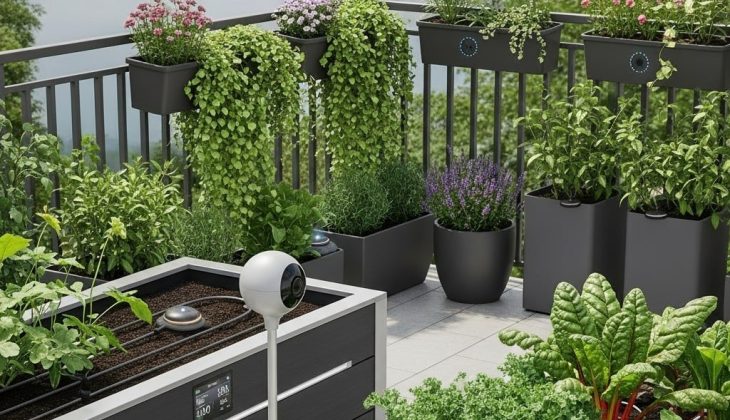
- You don’t have to give up gardening to escape pollen — the right plant choices and daily habits can dramatically reduce your exposure without sacrificing beauty.
- Wind-pollinated plants are the biggest allergy triggers, including oak trees, ryegrass, and ragweed — knowing which plants to avoid is half the battle.
- Low-pollen alternatives like roses, snapdragons, and thyme can replace high-pollen plants while keeping your garden lush and vibrant year-round.
- Smart plant sensors and irrigation systems can help you time watering to suppress airborne pollen and monitor garden conditions in real time.
- Even small changes — like gardening after 10 am or wearing a close-fitting mask — can make a significant difference in how much pollen you actually breathe in. Read on to find out which smart tools are worth it.
You can have a stunning garden and breathe easy at the same time — it just takes knowing where pollen actually comes from.
Millions of people avoid their gardens entirely during allergy season, and that’s a real shame. The truth is, most garden pollen problems come from a small group of plants — and swapping them out, or working around them, opens the door to a genuinely tranquil outdoor space. Whether you’re redesigning from scratch or making small adjustments, a pollen-conscious garden is absolutely within reach. For gardeners looking to explore plant-specific care tools and low-allergen gardening strategies, PlantParenthood is a solid resource that helps people grow smarter, not harder.
Cut Pollen Without Cutting Your Garden
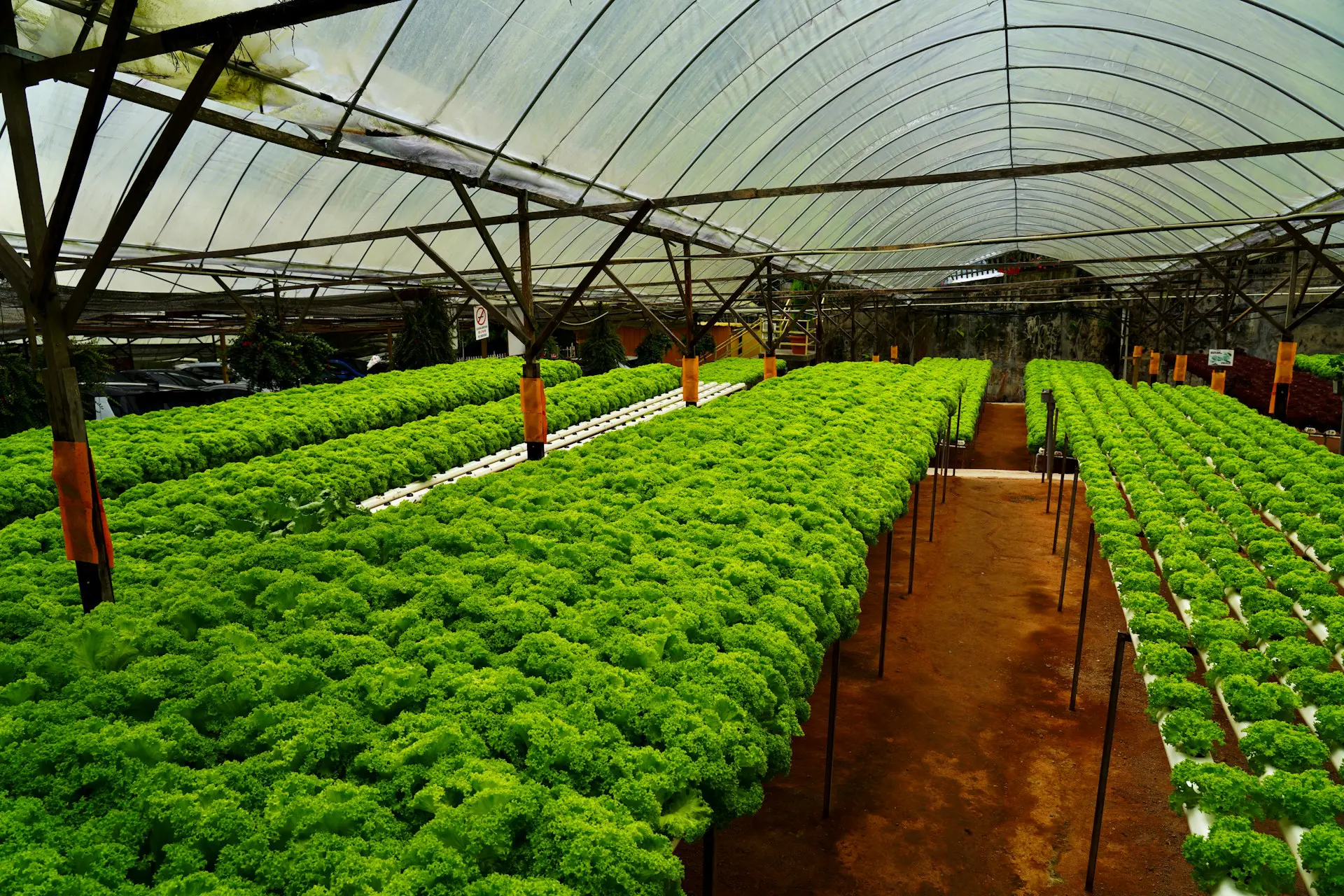
“Top Smart Sensors Revolutionizing …” from sensorex.com and used with no modifications.
The goal here isn’t a sterile, plantless yard. It’s understanding that not all plants are pollen offenders — in fact, many of the most gorgeous garden plants produce little to no airborne pollen at all. The key distinction is between wind-pollinated plants, which release massive amounts of lightweight pollen into the air, and insect-pollinated plants, whose pollen is heavier, stickier, and far less likely to end up in your lungs.
Once you start seeing your garden through that lens, the whole project becomes much more manageable.
Which Plants Produce the Most Pollen
Not every sneeze in the garden is caused by flowers. In fact, the most visually dramatic blooms — think roses, peonies, and tulips — are typically some of the lowest pollen producers around. The real culprits are the plants most people overlook: trees, grasses, and weeds that rely on wind to spread their pollen across vast distances.
Wind-Pollinated Plants Are the Worst Offenders
Wind-pollinated plants produce extraordinarily fine, dry pollen specifically designed to travel. A single ragweed plant can release one billion pollen grains in a single season, and those grains are small enough to travel over 400 miles on the right wind current. Oak trees are just as aggressive — they release clouds of yellow-green pollen every spring that coat cars, patios, and anything else left outside. These plants don’t need to attract bees or butterflies, so they skip the heavy, sticky pollen and go straight for airborne saturation. For those interested in creating a more allergy-friendly garden, consider exploring low-pollen plants for a wider selection.
High-Pollen Trees to Remove or Avoid
If you’re designing or redesigning your garden, tree selection matters enormously. The worst offenders include:
- Oak (Quercus spp.) — one of the highest pollen producers in temperate climates, peaking in spring
- Birch (Betula spp.) — releases fine pollen from long catkins, a major trigger for tree pollen allergies
- Cedar and Juniper (Juniperus spp.) — notorious for “cedar fever,” particularly in southern US states
- Ash (Fraxinus spp.) — wind-pollinated and a significant springtime allergen
- Mulberry (Morus spp.) — male mulberry trees are extreme pollen producers; some cities have banned new plantings
If you already have these trees on your property, strategic placement of garden beds away from their canopy drip line can help reduce surface pollen accumulation.
Grasses and Weeds That Spike Pollen Counts
Lawn grasses are among the most underappreciated allergy triggers in residential gardens. Kentucky bluegrass, Bermuda grass, Timothy grass, and ryegrass all release pollen freely when they flower — which happens when grass is left to grow beyond a standard mowing height. Letting your lawn go even slightly long during warm months can spike local pollen counts noticeably. Ragweed, plantain, and lamb’s quarters are common garden weeds that behave similarly, thriving in disturbed soil and producing enormous quantities of allergenic pollen from late summer through fall.
Low-Pollen Plants That Still Look Beautiful
Plant Name Type Pollen Level Notes Roses (Rosa spp.) Flowering shrub Very Low Double-flowered varieties produce almost no airborne pollen Snapdragon (Antirrhinum majus) Annual flower Very Low Insect-pollinated; pollen stays inside the flower Begonia (Begonia spp.) Annual/perennial Negligible Female plants produce no pollen at all Impatiens (Impatiens walleriana) Annual flower Very Low Popular for shaded garden beds; excellent for allergy sufferers Thyme (Thymus spp.) Herb/ground cover Low Insect-pollinated; doubles as a fragrant ground cover Hydrangea (Hydrangea spp.) Flowering shrub Very Low Showy blooms with heavy pollen that doesn’t go airborne Geranium (Pelargonium spp.) Annual/perennial Low Widely available; reliable color with minimal allergen risk St. Augustine Grass Lawn grass Low Spreads by stolons, not seed; produces very little pollen
Switching to low-pollen plants doesn’t mean sacrificing color, texture, or fragrance. The table above covers a solid starting lineup — but the world of allergy-friendly plants is much broader than most people realize.
Best Flowering Plants for Allergy Sufferers
The best flowering choices for a pollen-free garden are those pollinated by insects rather than wind. Roses, particularly double-flowered hybrid varieties, are one of the most reliable options — their dense petal structure physically traps pollen inside the bloom. Snapdragons work the same way; bees have to force their way into the flower to access pollen, which means almost none escapes into the air. Hydrangeas are another excellent pick, producing large, visually dramatic flower heads with pollen that’s far too heavy to become airborne. For a fragrant herb border that also acts as ground cover, creeping thyme is hard to beat — it flowers in soft purples and pinks and keeps pollen firmly within reach of bees, not your sinuses. For more tips on selecting low-pollen plants, check out this guide.
Impatiens and begonias fill shaded spots beautifully and are genuinely among the safest plants for allergy-prone gardeners. If you want vertical interest, foxglove (Digitalis purpurea) and salvia are insect-pollinated standouts that add height without adding airborne allergens.
Ground Covers That Replace High-Pollen Grass
One of the biggest pollen-reduction wins available to any gardener is reducing the amount of traditional lawn grass on the property. Replacing sections of ryegrass or Kentucky bluegrass lawn with low-pollen ground covers immediately cuts one of the most persistent allergen sources in most gardens.
Creeping thyme is a top choice — it tolerates light foot traffic, stays low, and produces a soft carpet of tiny flowers in summer. Dichondra is another excellent option, forming a dense, grass-like mat without producing significant pollen. For shadier areas, sweet woodruff (Galium odoratum) spreads reliably and produces small white flowers that are pollinated by insects. Even replacing a border strip of lawn with a gravel path edged by low-pollen perennials like salvia or geraniums can make a meaningful difference in overall pollen load. For more low-maintenance garden plant kits, explore our recommended options.
Practical Habits That Reduce Pollen Exposure
Choosing the right plants is the foundation of a pollen-friendly garden, but how you actually work in that garden matters just as much. Small, consistent habits can cut your pollen exposure significantly — even in a garden that still has some high-pollen plants nearby.
The Best Time of Day to Garden
Pollen counts follow a predictable daily pattern. Most wind-pollinated plants release their pollen in the early morning hours, typically between 5 am and 10 am, when temperatures are rising, and air movement picks up. Counts tend to peak mid-morning and drop off through the afternoon, particularly after rain or on still, humid days. The best window for allergy sufferers to garden is after 10 am on calm days, or even better, the day after rainfall when pollen has been washed out of the air. Dry, windy mornings are the worst time to be outdoors doing garden work.
How to Dress to Limit Pollen Contact
What you wear in the garden creates a physical barrier between you and airborne pollen. A few practical clothing choices make a real difference, as discussed in our airborne irritants guide.
- Wraparound sunglasses — shield your eyes from floating pollen grains, which are a direct trigger for eye allergies
- Close-fitting N95 or KN95 mask — significantly reduces the fine particles you inhale during digging, raking, or pruning
- Long sleeves and gloves — prevent pollen from settling on skin and transferring to your face
- A wide-brimmed hat — keeps pollen from landing on your hair, which acts as a pollen trap that follows you indoors
- Dedicated garden clothes — leave them at the door and shower immediately after gardening to avoid tracking pollen into the house
It sounds like a lot, but once it becomes a routine, you barely notice it. The payoff — being able to spend real time in your garden without paying for it later — is absolutely worth the habit.
Watering Techniques That Keep Pollen Down
Water is one of the most underrated pollen management tools available. Watering your garden — including paths, patios, and surrounding lawn — physically knocks pollen out of the air and off surfaces, binding it to the ground where it can’t be inhaled. This is why pollen counts drop so sharply after rain.
- Water garden beds in the early afternoon, after morning pollen release has peaked, to wash settled pollen off foliage and soil surfaces
- Use drip irrigation or soaker hoses rather than overhead sprinklers to avoid disturbing pollen already settled on plants
- Lightly mist hard surfaces like patios and paths before you start gardening to suppress pollen that’s settled overnight
- Avoid overhead watering in the evening — wet foliage overnight encourages mold, which is a separate but equally serious allergen trigger
Overhead sprinkler systems can actually work in your favor here when timed correctly — a midday run before a gardening session effectively clears the immediate air around your beds. The key is timing it right, which is where smart irrigation systems, covered below, really earn their place.
Consistent watering also keeps your low-pollen plants healthier and more vigorous, which means less stressed growth and fewer pest problems — reducing the temptation to reach for chemical sprays that can cause their own respiratory irritation.
How Smart Plant Sensors Help Manage Your Garden
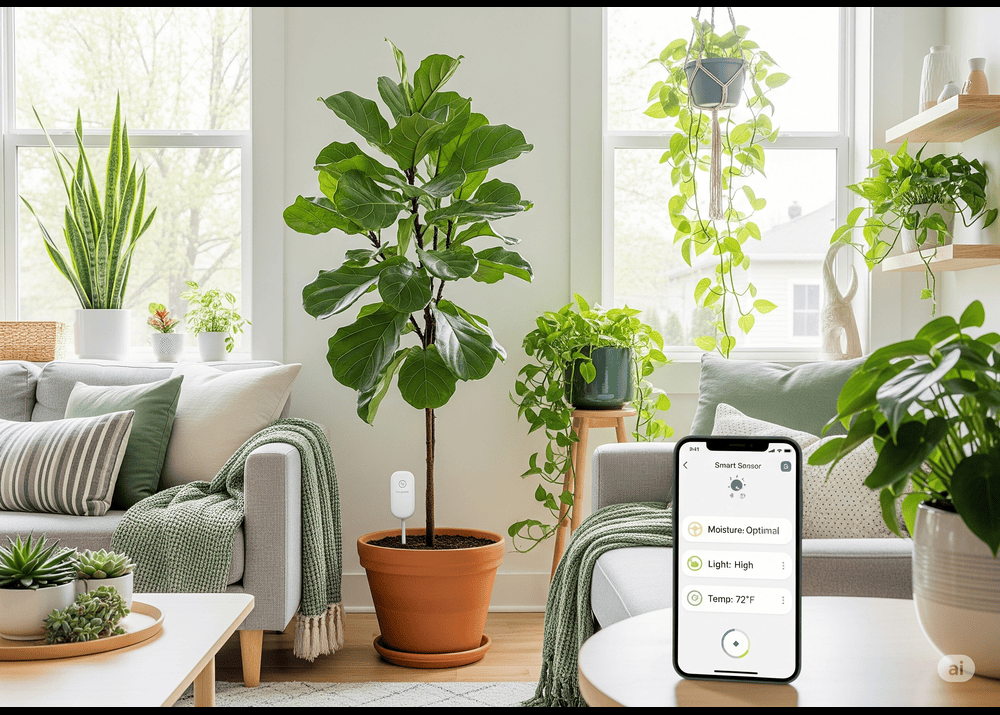
“Smart Plant Sensors: Smarter Plant Care …” from impaakt.co and used with no modifications.
Smart plant sensors have moved well beyond novelty gadgets. For allergy-conscious gardeners, they offer something genuinely useful: real-time data on the exact conditions in your garden, delivered to your smartphone, so you can make better decisions about when and how to intervene — without having to spend unnecessary time outdoors on high-pollen days.
Sensor What It Measures Best For Approximate Price Ecowitt WH51 Soil moisture, temperature Outdoor garden beds, lawns ~$15–$25 per unit Gardena Smart Sensor Soil moisture, light levels Integration with Gardena irrigation system ~$50–$70 FYTA Beam Soil moisture, light, nutrients, temperature Individual plant monitoring, indoor/outdoor ~$50–$60 Greensens Soil NPK, pH, moisture, temperature Precision nutrient tracking in garden beds ~$80–$120 Xiaomi Mi Flora Soil moisture, light, temperature, fertility Budget-friendly individual plant monitoring ~$15–$25
Each of these sensors connects to a smartphone app, giving you a continuous picture of what’s happening in your garden without stepping outside. On high pollen days, that kind of remote visibility is genuinely valuable.
The data these tools provide also removes the guesswork that causes most common gardening mistakes — overwatering, underfeeding, and missing early signs of plant stress. Healthier plants need fewer interventions overall, which means less time disturbing soil and vegetation on days when pollen counts are high.
What Smart Sensors Actually Measure
Modern smart garden sensors are surprisingly capable for their size. Depending on the model, a single sensor pushed into your garden soil can simultaneously track various factors. For those interested in optimizing their garden with minimal effort, exploring low-maintenance garden plant kits could be beneficial.
- Soil moisture levels — the most universally measured metric, showing you exactly when plants need water
- Soil temperature — critical for knowing when to plant, transplant, or expect germination
- Light intensity — measured in lux, showing whether your plant placement matches the plant’s actual needs
- Soil nutrients (NPK) — nitrogen, phosphorus, and potassium levels in models like the Greensens
- Soil pH — affects nutrient availability and plant health at a fundamental level
- Ambient air temperature and humidity — in more advanced outdoor weather stations like the Ecowitt range
Most sensors sync via Bluetooth to a dedicated app, with some models offering Wi-Fi connectivity for longer range and continuous logging. The FYTA Beam, for example, cross-references its live soil readings against a database of over 10,000 plant species to give you tailored care recommendations specific to what you’re actually growing. For more insights on using technology in your garden, check out this smart tech for gardens article.
That level of specificity changes how you interact with your garden. Instead of watering on a schedule, you water when the data says your plants actually need it — which turns out to be far less often than most people assume.
How Real-Time Data Prevents Overwatering and Chemical Overuse
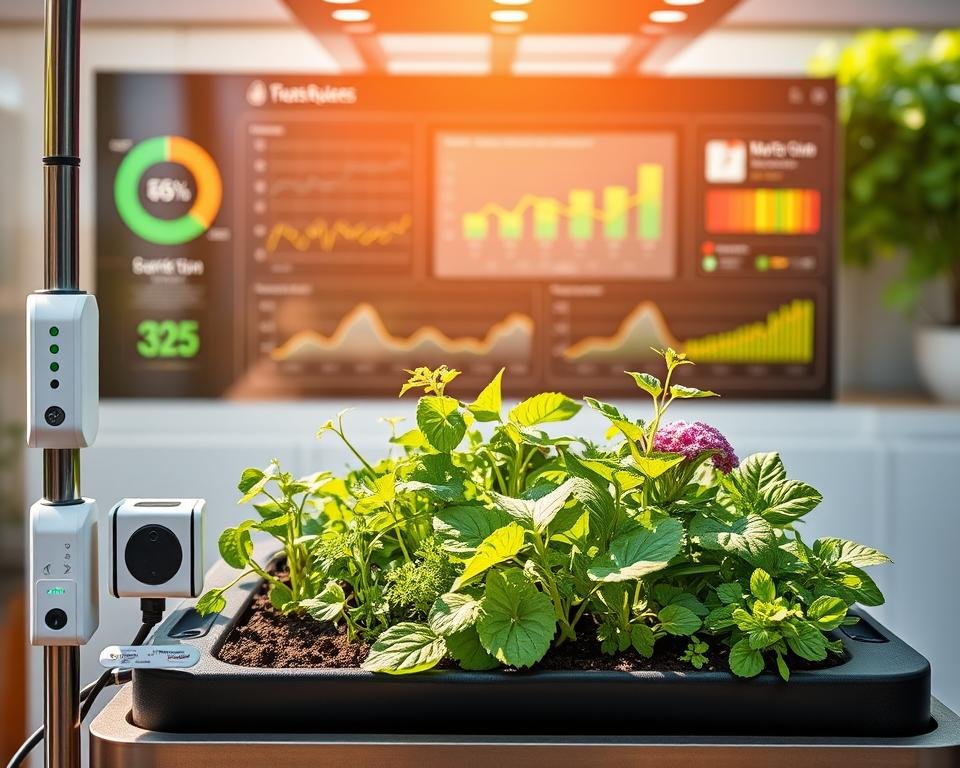
“Data-Driven Gardening: Optimizing …” from www.farminghydroponics.com and used with no modifications.
Overwatering is the single most common mistake home gardeners make, and it creates a cascade of problems — root rot, mold growth, pest attraction, and nutrient leaching. Smart sensors short-circuit that cycle entirely by showing you actual soil moisture rather than having you guess based on surface appearance or a watering schedule pinned to the calendar. For those interested in sustainable practices, exploring urban gardening tips can further enhance your gardening experience.
The same logic applies to fertilizers and chemical treatments. When you can see live nutrient data from a sensor like the Greensens, you stop applying fertilizer out of habit and start applying it only when soil readings indicate a genuine deficiency. That precision doesn’t just save money — it reduces chemical runoff and keeps the garden ecosystem healthier overall, which directly supports the insect-pollinated plants that form the backbone of a low-allergen garden design.
From a pollen management perspective, a well-fed, appropriately watered garden is a stable garden. Plants under stress — from drought, waterlogging, or nutrient deficiency — are more likely to behave erratically, and in some cases produce more pollen as a stress response. Keeping conditions consistent through sensor-guided care helps maintain the calm, predictable garden environment that allergy sufferers need.
- Prevents overwatering — real moisture data replaces guesswork, reducing root disease and mold
- Reduces chemical applications — nutrient sensors show exactly when and what to feed
- Minimizes soil disturbance — fewer interventions mean less pollen and spore disruption
- Supports plant health — consistent care produces stronger plants that need less reactive treatment
Top Smart Sensors Worth Using: Greensens, Ecowitt, and Gardena
Three sensors stand out for practical home garden use. The Greensens soil sensor is one of the most comprehensive options for gardeners who want deep nutrient data — it measures NPK, pH, moisture, and temperature simultaneously, making it particularly useful when managing multiple bed types with different soil compositions. It’s a more professional-grade tool than most consumer sensors, but the data depth justifies the higher price point for serious gardeners. For more tips on creating a low-maintenance garden, visit our guide on the best low-maintenance garden plant kits.
The Ecowitt WH51 is a different kind of tool — affordable, reliable, and excellent for covering multiple zones across a larger garden. At around $15–$25 per unit, you can deploy several sensors across different beds and monitor them all from a single Ecowitt console or app. The Ecowitt system also integrates with personal weather stations, giving you a complete picture of both soil and atmospheric conditions.
- Greensens — best for nutrient-focused gardeners managing complex, mixed planting schemes
- Ecowitt WH51 — best for budget-conscious gardeners covering multiple outdoor zones
- Gardena Smart Sensor — best for gardeners already using the Gardena irrigation ecosystem, with seamless app integration
The Gardena Smart Sensor pairs directly with the Gardena Smart Water Control system, which means soil moisture readings can automatically trigger or delay irrigation cycles without any manual input. For allergy sufferers who want to minimize time spent outside adjusting garden systems, that level of automation is genuinely useful.
All three sensors are widely available through major garden retailers and online marketplaces, and each comes with a dedicated smartphone app for data visualization and care alerts. For more tips on maintaining a successful garden, check out these urban garden success tips.
Smart Irrigation Systems That Reduce Pollen Spread
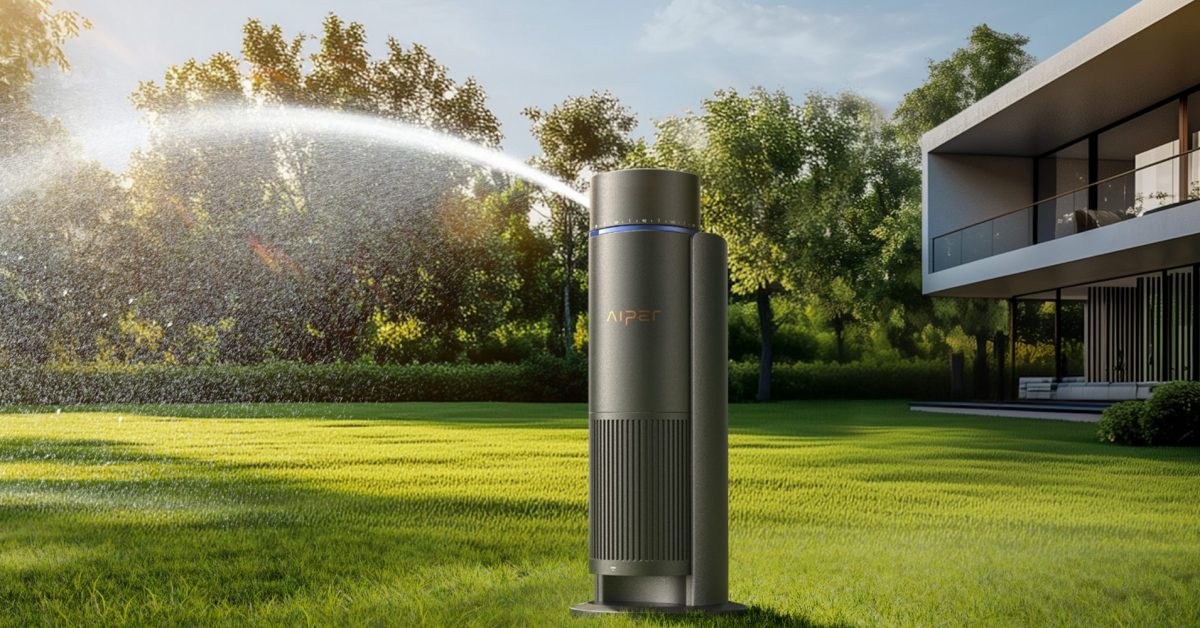
“IrriSense smart irrigation system …” from 9to5toys.com and used with no modifications.
Smart irrigation systems do something standard timers simply can’t: they make watering decisions based on real conditions rather than a fixed schedule. For pollen management, this matters because strategic, well-timed watering is one of the most effective ways to suppress airborne pollen in and around your garden space.
Standard irrigation timers water on a clock regardless of whether it rained last night, whether the soil is already saturated, or whether it’s 6 am on a high-pollen morning when watering would do more harm than good. Smart systems, by contrast, integrate weather forecast data, local rainfall records, and live soil sensor readings to deliver water precisely when and where it’s needed — and hold back when it isn’t.
How Smart Sprinklers Differ From Standard Timers
A standard irrigation timer runs on a schedule you set and never deviates from it — water goes on at 7 am Tuesday, whether the soil is bone dry or already flooded from yesterday’s storm. Smart sprinkler systems like the Rachio 3 and Orbit B-hyve work completely differently. They connect to local weather data and, when paired with soil moisture sensors, they can skip, delay, or adjust watering cycles automatically based on real conditions. The Rachio 3, for example, uses hyperlocal weather intelligence and a feature called Weather Intelligence Plus to factor in wind speed, humidity, solar radiation, and forecast rain before running any cycle. That precision eliminates the wasteful, disruptive watering that spikes pollen movement and mold growth in home gardens.
The practical difference is significant. Where a timer treats your garden as a fixed, unchanging system, a smart controller treats it as a living environment that needs different things on different days. For allergy-conscious gardeners, that distinction translates directly into fewer high-risk garden interventions, less overwatering-related mold, and the ability to time pollen suppression watering precisely without stepping outside to manually adjust anything.
Weather-Based Watering to Avoid High-Pollen Dry Days
Dry, hot, windy days are the worst possible combination for airborne pollen — conditions that also happen to be when standard irrigation timers will water your garden on schedule, stirring up surface pollen and spreading it further. Smart irrigation systems with weather integration can identify these high-risk days and adjust accordingly. The Gardena Smart Water Control system, for instance, syncs with weather forecast services and local climate data to delay watering on days when conditions would make it counterproductive. On days following rainfall, it recognizes the naturally suppressed pollen environment and skips unnecessary additional cycles entirely.
This weather-responsive behavior also protects your low-pollen plant selections. Hydrangeas, roses, and ground cover thyme all have specific moisture preferences — too much or too little water quickly degrades their health, which leads to die-back, bare soil patches, and the weeds that fill them. Smart weather-based watering keeps these plants in their optimal range automatically, maintaining the dense, healthy coverage that naturally suppresses weed-based pollen sources at ground level.
A Pollen-Free Garden Is Closer Than You Think
Creating a garden that’s genuinely comfortable for allergy sufferers isn’t about starting over — it’s about making deliberate choices that compound over time. Replace one high-pollen tree with a low-allergen alternative. Swap a strip of ryegrass for creeping thyme. Add a smart soil sensor to one bed. Each change builds on the last, and within a season or two, you have an outdoor space that works with your body instead of against it.
- Choose insect-pollinated plants — roses, hydrangeas, snapdragons, impatiens — over wind-pollinated grasses and trees
- Replace high-pollen lawn sections with low-allergen ground covers like creeping thyme or dichondra
- Garden after 10am on calm days, and always after rainfall when airborne pollen has been washed down
- Wear wraparound glasses, an N95 mask, and a wide-brimmed hat during any active garden work
- Use drip irrigation or smart sprinklers timed for midday pollen suppression rather than early morning disturbance
- Deploy smart soil sensors like the Ecowitt WH51 or FYTA Beam to monitor conditions remotely and minimize unnecessary outdoor time on high-pollen days
The tranquil garden you’re building isn’t just a visual goal — it’s a sensory one. The smell of creeping thyme underfoot, the quiet hum of bees working through hydrangea blooms, the cooling effect of well-timed irrigation on a warm afternoon. These are the details that make a garden worth being in, and they’re all entirely compatible with an allergy-conscious design.
Smart technology fills in the gaps that good plant selection alone can’t cover. Sensors and smart irrigation systems give you granular control over your garden’s environment without requiring constant physical presence — which means you spend more of your garden time actually enjoying it, and less of it managing it reactively on days when being outside comes at a respiratory cost.
Start with what you can change this season. Even one or two meaningful substitutions — a low-pollen ground cover replacing a strip of allergenic grass, or a smart sensor in your most-used garden bed — will shift the experience noticeably. A genuinely tranquil, pollen-conscious garden is not a distant or complicated goal. It’s a series of small, satisfying steps that you can start taking today.
Frequently Asked Questions
Here are answers to the most common questions allergy sufferers ask when building a pollen-friendly garden.
What garden plants cause the most pollen allergies?
The plants that cause the most pollen allergies are wind-pollinated species — particularly oak trees, birch trees, cedar and juniper, ragweed, Kentucky bluegrass, ryegrass, and Timothy grass. These plants produce lightweight, fine pollen specifically designed to travel long distances through the air, making them far more likely to trigger allergic reactions than insect-pollinated flowers. Ragweed alone can release up to one billion pollen grains per plant per season, and its pollen has been detected over 400 miles from its source. Mulberry trees, particularly male specimens, are also extreme producers and have been banned from new planting in several US cities for exactly that reason.
Can smart sensors detect pollen levels in my garden?
Standard smart garden sensors like the FYTA Beam, Ecowitt WH51, Greensens, and Gardena Smart Sensor are not designed to directly measure pollen concentration in the air. Their core function is tracking soil moisture, soil temperature, light levels, and in some models, nutrient content and pH. These measurements indirectly support pollen management by helping you keep plants healthy, time watering for pollen suppression, and monitor conditions remotely so you can avoid unnecessary outdoor exposure on high-risk days. For more information on how these devices can help, check out this guide on smart tech for gardens.
For actual pollen count data, the most reliable approach is to check regional air quality and pollen monitoring services — such as the National Allergy Bureau (NAB) in the US or local environmental health agency reports — alongside your garden sensor data. Some advanced personal weather stations, including select models in the Ecowitt GW series, can integrate with air quality sensors that detect fine particulate matter, which correlates broadly with high-pollen conditions even if it doesn’t isolate pollen specifically. For those interested in minimizing pollen exposure, exploring low-pollen plants can be beneficial.
What is the best time of day to garden to avoid pollen?
The best time of day to garden for allergy sufferers is after 10am on calm, low-wind days, and ideally on the day following rainfall. Most wind-pollinated plants release their heaviest pollen loads in the early morning hours between 5am and 10am, as rising temperatures trigger pollen dispersal and morning air movement carries it outward. By mid-morning to early afternoon, the initial release has settled and counts begin to drop. For more tips on managing pollen in your garden, check out these urban garden success tips.
The absolute worst time to garden is dry, windy mornings in spring or late summer — peak pollen seasons for trees and ragweed respectively. Evening gardening is generally better than morning, but it comes with the trade-off of increased mold risk if plants are watered late in the day. Overcast, humid days also tend to suppress airborne pollen, as moisture weighs pollen grains down and reduces their ability to stay suspended in the air. For those interested in maintaining a low-pollen environment, consider exploring low-pollen plants as part of your gardening strategy.
Do smart irrigation systems actually reduce pollen spread?
Yes — when used correctly, smart irrigation systems can meaningfully reduce airborne pollen levels in and around your garden. Water physically binds to pollen grains and pulls them out of the air, which is exactly why pollen counts drop sharply after rain. A midday irrigation cycle timed before you plan to work in the garden mimics that effect, clearing recently released pollen from the air above your beds and off plant surfaces before you step outside.
The key is timing. Smart systems like the Rachio 3 and Orbit B-hyve can be programmed to run suppression cycles at optimal times rather than defaulting to early morning schedules that coincide with peak pollen release. Weather-integrated controllers can also automatically skip watering on days following rainfall — when pollen is already naturally suppressed — avoiding unnecessary disturbance of settled pollen on soil and hard surfaces. For more tips on maintaining a pollen-free environment, explore our urban garden success tips.
Standard timers lack this flexibility entirely. They water on a fixed schedule regardless of pollen conditions, wind speed, or whether it rained the night before — which can actively worsen airborne pollen levels by disturbing surface deposits at exactly the wrong time of day. Upgrading to a smart controller is one of the higher-impact changes an allergy-conscious gardener can make, particularly when combined with drip irrigation or soaker hoses that minimize aerial disturbance during watering.
Which smart plant sensor is best for a home garden?
The best smart sensor for a home garden depends on what you’re trying to monitor. For most home gardeners who want reliable, multi-zone soil moisture tracking at a low cost, the Ecowitt WH51 is the standout choice — it’s accurate, affordable at around $15–$25 per unit, and integrates seamlessly with the broader Ecowitt weather station ecosystem for a complete picture of garden conditions.
If you want deeper per-plant intelligence — including light levels, soil nutrients, and species-specific care recommendations — the FYTA Beam is worth the higher price point. Its database of over 10,000 plant species means care suggestions are tailored to what you’re actually growing, not generic advice. For gardeners already invested in the Gardena irrigation ecosystem, the Gardena Smart Sensor is the natural choice, offering direct integration with the Gardena Smart Water Control system for fully automated, moisture-responsive irrigation.
For the most technically detailed soil analysis — including NPK values and pH tracking — the Greensens sensor is the most capable option in the consumer-to-prosumer range, and particularly useful for gardeners managing multiple bed types with different soil compositions and fertilizer needs. Any of these sensors, used consistently, will reduce the guesswork that leads to overwatering, nutrient imbalances, and the unnecessary garden interventions that allergy sufferers are better off minimizing. For more tips, check out our guide on low-maintenance garden plant kits.
Creating a pollen-free garden can be a rewarding endeavor for allergy sufferers and plant enthusiasts alike. By choosing the right plants and incorporating innovative technology, you can enjoy a beautiful garden without the discomfort of allergies. Consider using smart sensors to monitor your garden’s environment and ensure optimal growing conditions. These sensors can help you track soil moisture, temperature, and sunlight, allowing you to make informed decisions about plant care. With the right approach, a pollen-free garden is within reach.