- Sound waves physically interact with plants through a process called cytoplasmic streaming — vibrations may speed up nutrient and protein transport inside plant cells.
- Classical and jazz music consistently show the most positive results in plant growth studies, with plants physically leaning toward speakers playing these genres.
- Dr. T.C. Singh’s 1962 experiment found that balsam plants exposed to classical music showed a measurable increase in growth rate — one of the earliest documented studies on the topic.
- The science is still contested — many botanists argue that early studies had poor controls, and some suggest the real beneficiary of music may be the plant’s caretaker, not the plant itself.
- Keep reading to find out which music genres helped plants grow toward the speaker — and which one caused symptoms similar to overwatering.
Plants and music have a more interesting relationship than most people realize — and the research behind it might surprise you.
Whether you’re a casual plant parent or a dedicated indoor gardener, you’ve probably heard the claim that talking or playing music to your plants helps them grow. It sounds like something out of a wellness blog, but there’s real science worth digging into. Resources like Bloomscape have helped bring plant care education into everyday conversations, making it easier for enthusiasts to separate fact from folklore.
Plants Actually Respond to Sound — Here’s What the Science Shows
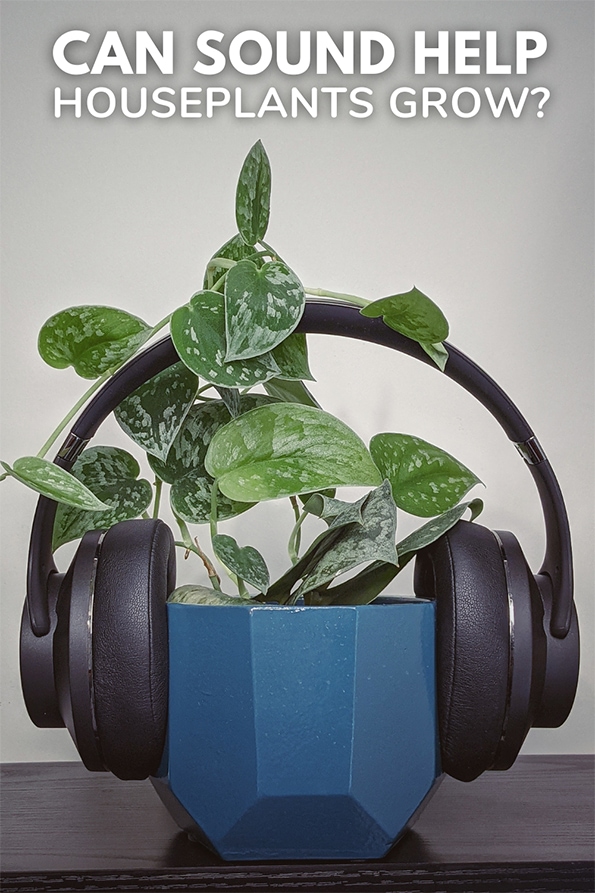
“Does Music Help Plants Grow? Exploring …” from www.ourhouseplants.com and used with no modifications.
Plants don’t have ears, but that doesn’t mean they’re deaf to their environment. Sound is fundamentally a physical force — it travels as pressure waves through air, water, and solid materials. When those waves reach a plant, the plant’s cells, tissues, and fluids physically respond to the vibration. This is the foundation of every credible argument for music affecting plant growth.
The Vibration Theory: How Sound Waves Reach Plants
The core idea is straightforward: sound waves are mechanical vibrations, and plants are physical objects that can be disturbed by them. Just like a tuning fork held near water creates ripples, sound waves passing through air can cause micro-vibrations in plant stems, leaves, and root systems. In nature, plants are constantly exposed to sound — wind moving through branches, rainfall, and animal activity all create acoustic environments that plants have evolved alongside for millions of years.
Some researchers theorize that specific sound frequencies may act as a kind of stimulant, triggering biological responses inside plant tissue. This isn’t magic — it’s basic physics applied to biology. The question researchers are still working to answer is exactly which frequencies cause measurable, repeatable responses, and under what conditions.
Cytoplasmic Streaming: The Biological Mechanism Behind It
The most compelling biological explanation involves a process called cytoplasmic streaming — the internal circulation of cytoplasm within plant cells. This flow moves nutrients, proteins, and organelles through a cell, and it’s essential to healthy plant function. The current scientific hypothesis is that sound wave vibrations may accelerate this process, effectively giving the plant’s internal delivery system a boost. Faster cytoplasmic streaming could mean more efficient nutrient transport, which directly supports growth and overall plant health.
The Studies That Started It All
The idea that music benefits plants didn’t come from social media trends — it has roots in mid-20th century scientific inquiry, some of which produced genuinely compelling data. For those interested in enhancing their green spaces, exploring urban greening techniques can be a great complement to understanding the impact of music on plant health.
Dr. T.C. Singh’s 1962 Classical Music Experiment
One of the earliest and most cited experiments was conducted in 1962 by Dr. T.C. Singh, Head of Botany at Annamalai University in India. He exposed balsam plants to classical music and documented a notable increase in their growth rate. His work was among the first to treat sound as a legitimate variable in plant biology, and it opened the door to a wave of follow-up studies throughout the 1960s and 70s.
Singh’s methodology wasn’t without its limitations — controlled variables like soil consistency, light exposure, and humidity weren’t standardized to modern scientific benchmarks. Still, his findings were significant enough to inspire decades of follow-up research and remain a foundational reference point in the conversation about sound and plant biology.
Eugene Canby’s Wheat Fields and a 66% Yield Boost From Bach
Canadian engineer Eugene Canby conducted his own experiments exposing wheat crops to violin sonatas by J.S. Bach. His results were striking — he reported a 66% increase in wheat yield compared to untreated crops. While Canby was an engineer and not a botanist, his experiment drew significant attention and added weight to the idea that harmonic, structured music might have a measurable agricultural impact.
The Bach sonatas used were rich in harmonic complexity, which some researchers believe may be especially effective at generating the kind of sustained, varied vibrations that stimulate cytoplasmic streaming. Whether or not that specific mechanism was responsible, the yield difference was hard to ignore.
Dorothy Retallack’s Music Genre Experiments in the 1970s
Perhaps the most well-known researcher in this field is Dorothy Retallack of Colorado Women’s College, who published her findings in the book The Sound of Music and Plants. Retallack took a more systematic approach by exposing different plant groups to different genres of music — classical, jazz, rock, and even extended single musical notes — and comparing their growth responses.
Her results were dramatic. Plants exposed to classical and jazz music grew toward the speakers and, in some cases, physically wrapped around them. Plants exposed to rock music behaved very differently — they grew away from the speakers and began showing stress symptoms that resembled overwatering. Her extended F-note experiment also found that plants exposed to that single sustained tone were measurably healthier than a control group receiving no sound at all.
Classical, Jazz, Rock, and Silence: What Each Does to Plants
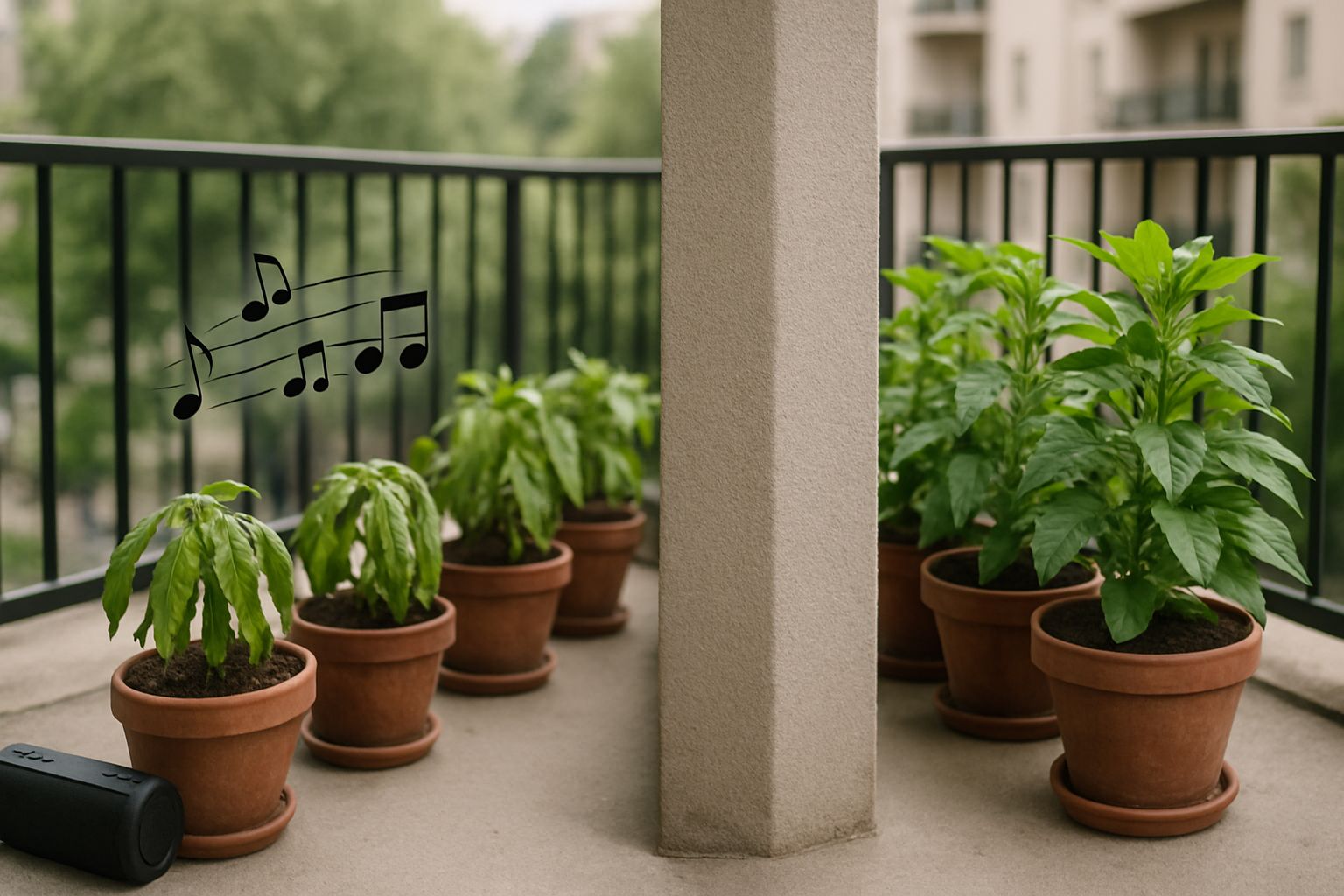
Not all music appears to affect plants equally. The genre, frequency, and even volume seem to matter. Based on the available research, here’s how different sonic environments appear to influence plant behavior.
Music Type Observed Plant Response Study Reference Classical Leaned toward the speaker, increased growth rate Dr. T.C. Singh (1962), Retallack (1970s) Jazz Grew toward the speaker, entwined around it Dorothy Retallack Rock Grew away from the speaker, stress symptoms similar to overwatering Dorothy Retallack Death Metal Outperformed all other groups in one experiment MythBusters-style experiment Silence (control) Lowest growth rate in comparative studies Multiple studies Extended F Note Healthier than the control group Dorothy Retallack
Classical and Jazz: Plants That Lean Toward the Speaker
The physical response of plants to classical and jazz music is one of the most consistent findings across multiple independent experiments. In Retallack’s studies, plants didn’t just grow — they oriented themselves toward the sound source, bending their stems and leaves in the direction of the speaker. This tropism-like behavior, usually associated with light, was being triggered by sound instead.
Classical music’s structured harmonics and relatively stable frequency range seem to produce vibrations that plants respond to positively. Jazz, with its complex but melodic patterns, produced similar results. Both genres share a quality that researchers believe matters most — rhythmic consistency and mid-range frequencies that may most effectively stimulate cytoplasmic movement within plant cells.
Rock Music: Signs of Stress and Overwatering-Like Symptoms
Retallack’s rock music experiments produced some of the most visually striking results in plant-music research. Plants exposed to rock music didn’t just fail to thrive — they actively moved away from the speaker. Their leaves began showing symptoms that, to any experienced plant parent, would signal a serious problem: drooping, discoloration, and tissue changes that closely resembled the damage caused by overwatering.
The prevailing theory is that rock music’s erratic, high-amplitude vibrations may disrupt rather than stimulate cytoplasmic streaming. Instead of gently encouraging cellular movement, the chaotic sound waves may interfere with it. Think of it like the difference between a gentle massage and a jackhammer — both involve physical contact, but the outcomes are very different.
Death Metal vs. Silence: The Surprising Result
In a more recent experimental setup designed along the lines of the popular MythBusters methodology, six greenhouse environments were created with different sound conditions. One had no music, one played classical music, one played death metal, two played recordings of speech (both negative and positive), and one played positive speech exclusively. The results flipped expectations completely.
The death metal plant outperformed every other group. Classical music came in second, followed by the speech greenhouses, which performed similarly to each other regardless of whether the speech was positive or negative. The plant kept in complete silence finished last. It’s a result that challenges the simple “calming music = better growth” narrative and suggests that sound stimulation of almost any kind may be more beneficial than none at all.
- Death metal greenhouse: Best overall growth — highest performing group
- Classical music greenhouse: Second place, consistent with earlier studies
- Positive speech greenhouse: Third, similar results to negative speech
- Negative speech greenhouse: Performed comparably to positive speech
- Silent greenhouse (control): Dead last — lowest growth of all six groups
What this tells us is that the story is more complicated than genre preference. The complete absence of sound may actually be the worst condition for plant growth — more damaging than any type of music, regardless of how “harsh” it sounds to human ears. For additional insights, consider exploring best plants tips for maintaining a healthy garden environment.
Why the Science Is Still Contested
Despite the compelling results from Singh, Canby, and Retallack, the mainstream botanical community has not reached a consensus on whether music genuinely promotes plant growth. The skepticism isn’t unfounded — it’s rooted in legitimate concerns about how the research was conducted.
Uncontrolled Variables in Early Plant-Music Studies
The biggest scientific criticism of early plant-music studies is the lack of rigorous experimental controls. Variables like soil composition, watering schedules, light intensity, air circulation, and ambient temperature can all dramatically affect plant growth — and in many of the foundational studies, these factors weren’t standardized across test and control groups. When you introduce a speaker into a room, you’re also introducing heat from the equipment, minor changes in air pressure, and potential vibrations through surfaces that have nothing to do with the music itself.
Additionally, researchers like Retallack and Singh, while genuinely enthusiastic scientists, held broader beliefs about plant consciousness that many in the botanical community found difficult to separate from their methodology. Retallack, for instance, also believed plants were capable of extrasensory perception — a position that made peer review of her plant-music findings more difficult to take seriously in academic circles.
The Real Beneficiary Might Be the Plant’s Caretaker
There’s a genuinely interesting alternative explanation for why “music helps plants grow” persists as a popular belief: the music may be helping the gardener, not the plant. People who play music while tending to their plants tend to spend more time with them. More time means more attentive watering, better observation of early stress signs, more consistent fertilization, and quicker responses to problems.
This caretaker effect could easily account for the anecdotal reports of thriving plants in music-filled homes. It’s not that Celine Dion is photosynthesis fuel — it’s that her music keeps the plant parent in the room longer. That said, this explanation doesn’t fully account for the controlled greenhouse studies where human interaction was removed from the equation.
How to Use Music With Your Indoor Plants
Even without a definitive scientific verdict, the available evidence is strong enough to make experimenting with music in your plant space worthwhile. The key is doing it in a way that’s actually beneficial — not just turning on a speaker and hoping for the best.
The most consistent finding across all the research is that some sound is better than no sound, and that gentler, more structured music tends to produce the best results. Here’s how to approach it practically.
1. Choose Classical or Jazz as Your Safest Starting Point
- Opt for instrumental pieces without heavy percussion or distortion
- Bach, Mozart, and Vivaldi are frequently cited in positive plant-growth experiments
- Smooth jazz or acoustic jazz works well — avoid high-energy, brass-heavy arrangements
- Aim for pieces with a steady tempo and mid-range frequencies
- Avoid music with sudden loud bursts or dramatic dynamic shifts
Starting with classical music gives you the best chance of replicating the conditions from the most well-documented positive experiments. It’s not that plants have musical taste — it’s that the acoustic properties of classical music appear to generate the type of vibrations that research most consistently associates with positive plant responses.
If you want to experiment beyond classical, jazz is your next best bet. Retallack’s jazz results were nearly as strong as her classical findings, and the genre’s harmonic structure shares many of the same acoustic qualities that may drive cytoplasmic stimulation.
Once you’ve established a baseline with classical or jazz, you can experiment with other genres and observe your plants directly. Look for changes in leaf orientation, new growth rate, and overall vitality over a 4 to 6 week period before drawing any conclusions. For more tips on maintaining a healthy plant environment, explore our pollen-free terrace garden guide.
2. Keep Speaker Volume and Distance in Check
Volume matters more than most plant music guides acknowledge. Placing a plant directly next to a speaker blasting at high volume introduces excessive vibration that can physically stress plant tissue — the same way that Retallack’s rock music plants showed overwatering-like symptoms, extreme volume at close range can produce similar damage regardless of the genre playing. A moderate volume at a distance of at least two to three feet from the plant is a reasonable starting point.
3. Pair Music With Consistent Watering and Light Routines
Music should be treated as a supplement to good plant care, not a replacement for it. The most effective approach is to build music into your existing routine — play it during your regular watering sessions, or set a timer that runs music during your plant’s peak light hours. This way, the acoustic stimulation happens alongside the other inputs your plant needs most, rather than in isolation.
Music Alone Won’t Save a Struggling Plant

“poor crooked song of India plant …” from www.reddit.com and used with no modifications.
If your plant is already stressed — yellowing leaves, root rot, poor drainage, or inadequate light — no playlist is going to fix it. The research on sound and plant growth applies to plants that are already in healthy, stable conditions. Think of music as a potential performance enhancer, not a cure. Address the fundamentals first: the right soil, consistent watering, appropriate light, and proper drainage. Once those are dialed in, adding a consistent sonic environment may give your plants an additional edge. At that point, even a modest improvement in cytoplasmic activity could translate into visibly stronger, faster growth over time. For more insights, check out this article on how music affects plant growth.
Frequently Asked Questions
Here are answers to the most common questions plant enthusiasts ask about using music to support indoor plant growth.
Does playing music actually make plants grow faster?
The short answer is: possibly, yes — but not conclusively. Studies by researchers like Dr. T.C. Singh and Dorothy Retallack found measurable differences in growth rates between plants exposed to music and control groups kept in silence. Singh’s balsam plants showed an increased growth rate when exposed to classical music, and Eugene Canby reported a 66% increase in wheat yield when crops were exposed to Bach violin sonatas.
However, many of these studies had methodological weaknesses that the mainstream botanical community hasn’t fully accepted. The most honest answer is that the evidence is compelling enough to experiment with, but not yet strong enough to call settled science. What’s consistently clear across multiple experiments is that silence appears to be the worst condition — plants kept in completely quiet environments performed worse than those exposed to almost any type of sound.
What type of music is best for indoor plant growth?
Based on the available research, classical music and jazz produce the most consistently positive results. Both genres share acoustic properties — structured harmonics, mid-range frequencies, and rhythmic consistency — that appear to stimulate cytoplasmic streaming more effectively than chaotic or high-amplitude sound. Retallack’s experiments showed plants physically orienting themselves toward speakers playing these genres.
That said, the surprising result from the death metal greenhouse experiment suggests that genre may matter less than the simple presence of sound. Even high-energy music produced better growth than silence. If you’re choosing where to start, classical is your safest and most research-supported option — but don’t stress too much about genre. Consistent exposure to any music is likely better than none at all.
How loud should music be when playing it for plants?
Keep it at a comfortable conversational volume — roughly 70 to 85 decibels is a reasonable range, similar to background music in a café. Placing speakers too close to plants or cranking the volume too high introduces excessive vibration that can physically stress plant tissue rather than gently stimulate it. A distance of two to three feet between the speaker and the plant, at moderate volume, gives you the best chance of replicating the conditions from positive research outcomes.
Is there any harm in playing music near plants?
At reasonable volumes and distances, there’s no documented evidence that music harms plants. The risk comes from extremes — a speaker pressed against a pot blasting at maximum volume could theoretically cause physical stress to plant tissue through excessive vibration. Retallack’s rock music experiments did show stress symptoms in plants, but those were conducted under specific controlled conditions and may have involved volume levels not representative of normal home listening. For the average plant parent playing music at normal room volume, the risk of harm is negligible.
Do plants respond differently to live music versus recorded music?
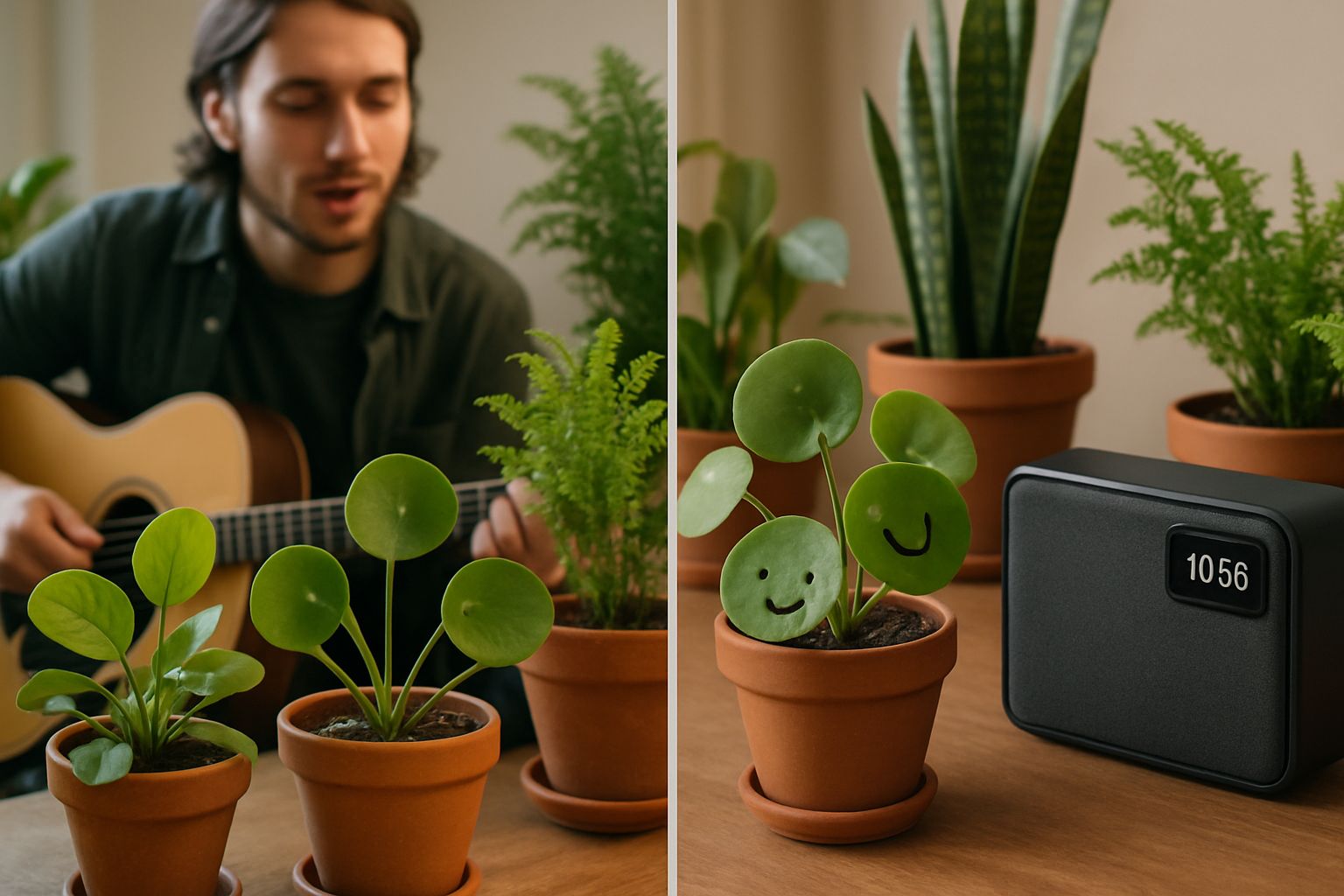
- Live music produces a broader, more complex range of acoustic frequencies that radiate naturally through the surrounding space
- Recorded music played through speakers compresses some of that acoustic range, depending on the quality of the audio equipment
- Higher-quality speakers reproduce a wider frequency range, potentially delivering a richer acoustic environment to nearby plants
- Low-quality or tinny speakers may cut off lower frequencies that could be most relevant to plant stimulation
There is some anecdotal evidence, and early observations from researchers like Singh, suggesting that live music — particularly live classical performances — may produce stronger plant responses than recorded equivalents. The theory is that live instruments generate a fuller spectrum of harmonic overtones that can’t be perfectly captured in a recording. For those interested in enhancing their indoor environment, exploring self-watering window boxes could be a complementary approach to nurturing plant growth.
That said, no rigorous head-to-head comparison between live and recorded music has been conducted under controlled conditions with modern scientific standards. Most of the practical research, including Retallack’s and Singh’s work, used recorded music — and still found significant effects. So while live music may carry a theoretical edge, recorded music is more than sufficient for practical plant care experimentation at home.
The bottom line is simple: if you have access to live music in your space — whether you play an instrument yourself or host live sessions — your plants may be getting an acoustic bonus on top of everything else. But don’t let the absence of live music stop you from experimenting. A good quality Bluetooth speaker playing a Bach concerto is a perfectly reasonable place to start.
Plants respond to their environment in ways that science is still working to fully understand. Sound is just one more variable in a complex system — and the evidence suggests it’s one worth paying attention to. Start with what the research supports, observe your plants honestly over time, and let their growth tell you what’s working.
For expert guidance on indoor plant care and everything that supports healthy growth, Bloomscape offers a comprehensive resource for plant enthusiasts looking to get the most out of their indoor garden.