
Article At A Glance
- Companion planting is a proven, science-backed method of growing plants together so they mutually support each other’s growth, health, and pest resistance.
- Urban greening goes far beyond aesthetics — it actively improves air quality, reduces heat, supports biodiversity, and boosts mental well-being in city environments.
- Some plant combinations can actually harm each other — knowing what not to plant together is just as important as knowing the best pairings.
- You don’t need a large yard to get started — companion planting works beautifully in containers, window boxes, vertical walls, and rooftop beds.
- The right companion planting strategy can dramatically reduce your need for chemical pesticides while increasing your overall yield.
Two of the most powerful tools in modern urban gardening are companion planting and urban greening — and when you combine them, something remarkable happens.
Whether you’re working with a tiny balcony, a shared community plot, or a rooftop garden, these two approaches together can transform even the most cramped city space into a thriving, self-supporting ecosystem. The Urban Garden Companion has long championed this kind of thoughtful, nature-led gardening approach, and the results speak for themselves. The idea isn’t complicated: grow the right plants together, in the right spaces, and let nature do most of the heavy lifting.
Urban Greening and Companion Planting: Why Your City Garden Needs Both
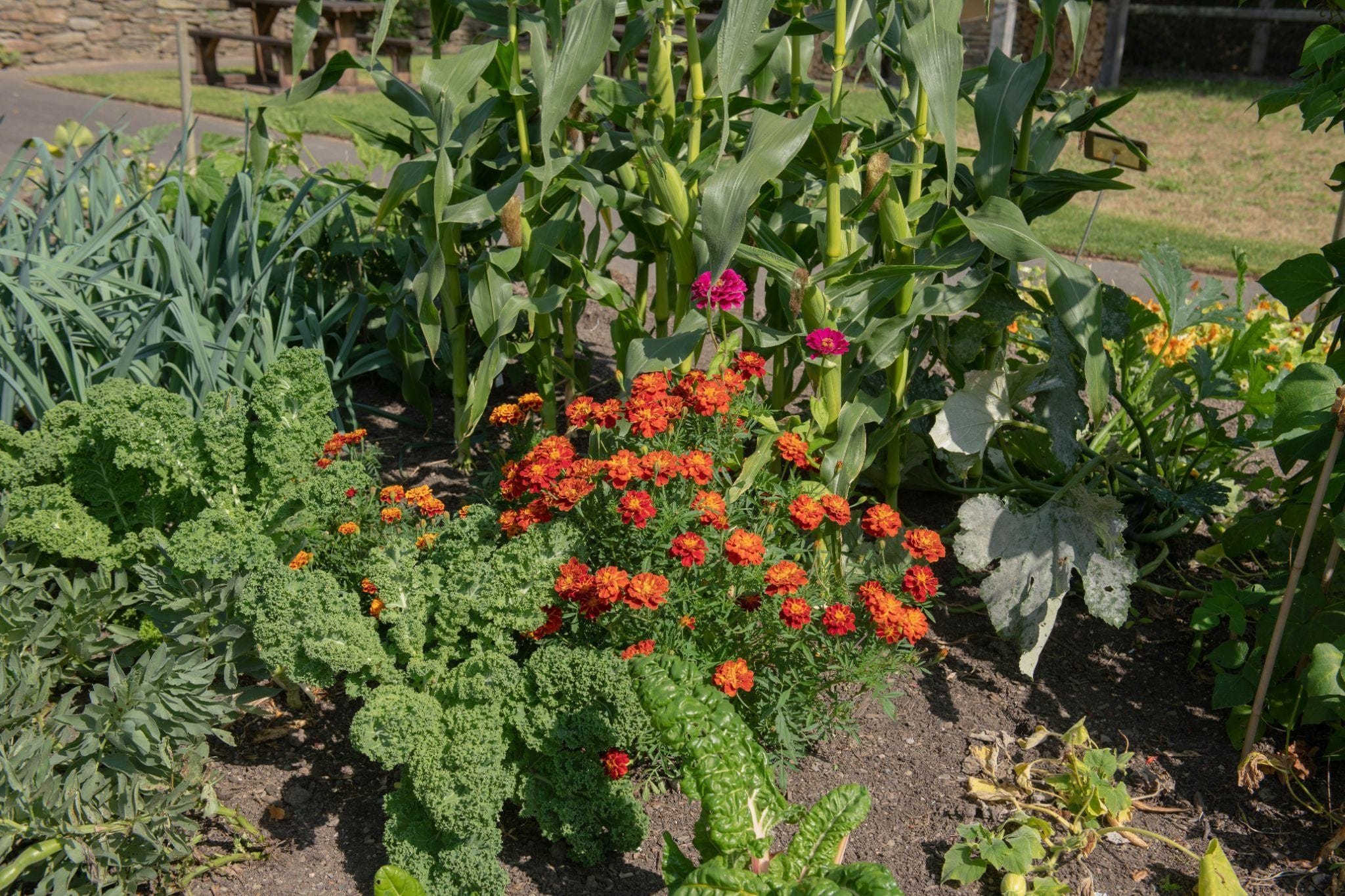
“What Is Companion Planting? Boost …” from atami.com and used with no modifications.
Cities are hard on plants. Concrete absorbs heat, pollution stresses foliage, and urban soil is often compacted, nutrient-poor, or chemically contaminated. On top of that, urban gardeners typically work with far less space than their rural counterparts. That’s exactly why companion planting matters so much in a city context — it’s a strategy built around maximizing limited resources.
Urban greening refers to the deliberate introduction of vegetation into city environments — on walls, rooftops, balconies, and streetscapes. When you apply companion planting principles to these urban green spaces, you’re not just adding plants. You’re building a miniature ecosystem where every plant has a role, a neighbor, and a purpose.
What Is Companion Planting and How Does It Work?
Companion planting is the practice of growing different plant species in close proximity so they benefit one another. Some plants repel pests that trouble their neighbors. Others fix nitrogen in the soil, improving conditions for nearby crops. Some simply provide physical support — like corn stalks acting as natural trellises for climbing beans. For more urban gardening tips, explore our recycling filter tricks and tips.
The Science Behind Plant Relationships
Plants communicate through their root systems and through volatile chemical compounds released into the air. Certain plants emit natural chemicals — called allelochemicals — that can suppress weed growth, deter insects, or even attract predatory bugs that feed on common pests. Marigolds (Tagetes spp.), for example, release a compound called alpha-terthienyl from their roots, which is toxic to soil nematodes — one reason they’re one of the most universally recommended companion plants in organic gardening.
Nitrogen fixation is another key mechanism. Legumes like beans and peas form a relationship with Rhizobium bacteria in the soil, which convert atmospheric nitrogen into a form plants can absorb. Plant nitrogen-hungry crops like corn or leafy greens nearby, and they benefit directly from this natural fertilization process.
How Companion Planting Differs From Conventional Gardening
Conventional gardening tends to favor monocultures — rows of a single plant species, side by side. This makes harvesting easier but creates a perfect buffet for pests and disease. A single aphid infestation in a monoculture bed can spread rapidly with nothing to slow it down. Companion planting breaks this cycle by introducing diversity, which is exactly how plants grow in nature.
Key Difference: In conventional gardening, pest management is reactive — you wait for a problem and then treat it. In companion planting, pest management is built into the design from day one.
The Real Benefits of Urban Greening
Urban greening does something that no amount of interior design or city planning can fully replicate — it brings living systems into environments that have been largely stripped of them. The benefits are measurable, well-documented, and wide-ranging. For more information on enhancing urban spaces, check out these urban gardening tips.
Air Quality and Temperature Regulation
Plants absorb CO₂ and release oxygen, but their impact on urban air quality goes deeper than basic photosynthesis. Vegetation captures airborne particulate matter — tiny pollutant particles — on leaf surfaces, effectively filtering the air around them. Studies referenced by BBC Gardeners’ World Magazine highlight that green walls and rooftop gardens can reduce local surface temperatures significantly, combating the urban heat island effect that makes cities measurably hotter than surrounding rural areas.
Biodiversity in Small Spaces
Urban environments are notoriously tough on pollinators. Bees, butterflies, and beneficial insects struggle to find food and habitat in concrete-heavy cityscapes. A well-designed companion planting setup — even in a series of container pots on a balcony — can provide critical forage for pollinators and support a surprising range of insect life. Companion plants like borage, lavender, and phacelia are particularly effective at attracting bees to urban spaces.
Mental Health and Community Benefits
Gardening’s positive effect on mental health is well-established. Access to green spaces in cities is consistently linked to reduced stress, lower rates of anxiety and depression, and stronger community bonds. Community companion gardens — shared plots where neighbors grow food together using companion planting methods — have an additional social dimension that goes beyond horticulture.
| Urban Greening Method | Key Benefit | Best Companion Plants |
|---|---|---|
| Rooftop Garden | Temperature regulation, food production | Tomatoes, basil, marigolds |
| Vertical Green Wall | Air filtration, space efficiency | Ferns, nasturtiums, herbs |
| Balcony Container Garden | Biodiversity, pollinator support | Lavender, borage, chives |
| Window Box | Aesthetic, small-scale pest control | Marigolds, thyme, lettuce |
| Community Plot | Social cohesion, food security | Three Sisters, carrots, onions |
Best Companion Planting Combinations for Urban Gardens
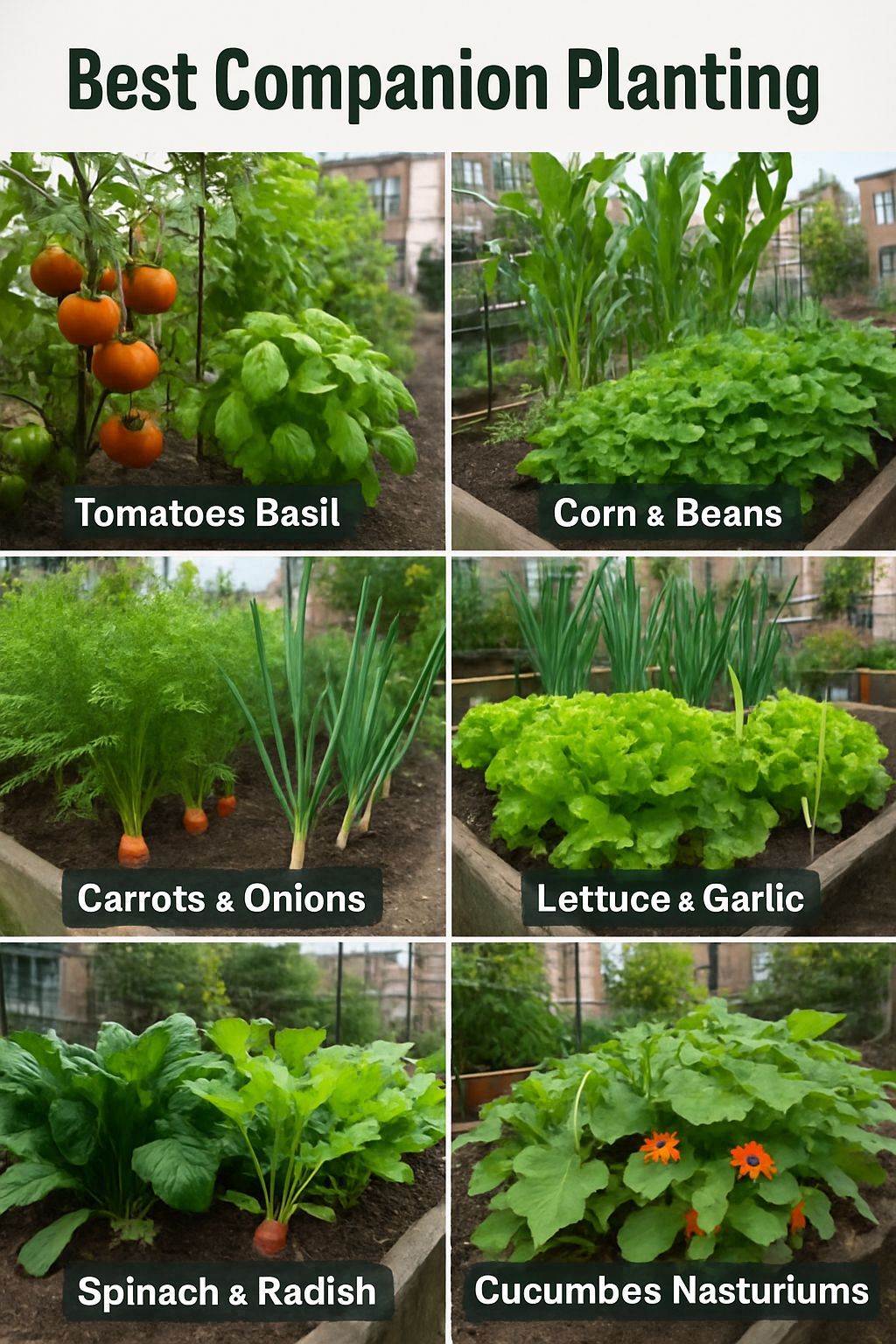
Not all plant pairings are created equal. Some combinations have centuries of agricultural tradition behind them, backed up by modern horticultural research. Here are the combinations that consistently deliver results in urban settings. For more insights, explore this guide on companion plants that thrive in various environments.
1. Tomatoes and Basil
This is arguably the most famous companion pairing in the gardening world — and it earns that reputation. Basil is believed to repel aphids, whiteflies, and tomato hornworms, all common threats to urban tomato plants. Some gardeners report that basil also improves the flavor of tomatoes grown nearby, though the scientific evidence on flavor enhancement is still debated. What’s not debated is the practical benefit: basil fills the space efficiently beneath tomato plants, suppresses weeds, and attracts pollinators.
2. The Three Sisters: Corn, Beans, and Squash
Developed by Indigenous North American agricultural communities, the Three Sisters system is one of the most elegant examples of companion planting ever devised. Corn provides a vertical trellis for beans to climb. Beans fix nitrogen in the soil, feeding the corn and squash. Squash spreads across the ground, shading out weeds and retaining soil moisture with its large leaves. In an urban raised bed, you can adapt this system using dwarf corn varieties and compact squash cultivars to make it work in tighter spaces.
3. Carrots and Onions
These two have a mutually protective relationship that urban gardeners often overlook. The strong scent of onions confuses and deters carrot fly, while carrots repel onion fly in return. It’s a straightforward, two-way pest deterrent that requires nothing more than planting them in alternating rows or clusters. For more tips on creating a successful urban garden, consider using pollinator exclusion nets to enhance your garden’s productivity.
- Plant onion sets and carrot seeds in alternating rows, roughly 15–20 cm apart
- Use spring onions if space is limited — they’re equally effective and harvest faster
- Avoid planting either near fennel, which inhibits both crops
- Works well in deep containers (at least 30 cm deep) for balcony or rooftop setups
4. Roses and Garlic
Garlic planted at the base of rose bushes is one of the oldest pest-control tricks in the gardening book — and it genuinely works. Garlic’s sulfur compounds repel aphids, Japanese beetles, and fungal diseases like black spot, which is one of the most frustrating and persistent problems for urban rose growers. Plant garlic cloves roughly 5–8 cm from the base of each rose, and you’ll have a low-maintenance, space-efficient pairing that protects your blooms without a single drop of chemical spray.
5. Lettuce and Tall Sunflowers
Lettuce is a cool-season crop that bolts quickly in the heat — a particularly common problem on sun-exposed urban balconies and rooftops in summer. Tall sunflowers planted on the sun-facing side of your lettuce provide natural afternoon shade, keeping soil temperatures lower and extending your lettuce harvest by several weeks.
This pairing is especially practical for urban gardeners because both plants can be grown in containers. A large pot with a sunflower at the back and two or three lettuce varieties at the front creates a compact, layered planting that maximizes vertical space while giving each plant exactly what it needs. For more ideas on how to make the most of your urban space, check out this urban gardening guide.
- Choose tall sunflower varieties like Helianthus annuus ‘Skyscraper’ for maximum shade coverage
- Plant lettuce varieties such as ‘Little Gem’ or ‘Lollo Rosso’ — both stay compact and handle partial shade well
- Position your container so the sunflower faces south or west, intercepting the harshest afternoon sun
- Water lettuce consistently — even with shade, containers dry out faster than ground beds
As a bonus, sunflowers are exceptional at attracting pollinators and beneficial insects, which supports every other plant in your urban garden setup.
6. Marigolds and Almost Everything
Universal Companion: French Marigolds (Tagetes patula) are consistently ranked as one of the top five most valuable companion plants in organic gardening. Their root secretions actively deter soil nematodes, while their scent confuses and repels whiteflies, aphids, and even rabbits. They’re one of the few plants that benefit nearly every garden neighbor they’re placed alongside.
The reason marigolds work so broadly comes down to chemistry. Tagetes patula releases alpha-terthienyl — a naturally occurring compound that is genuinely toxic to root-knot nematodes, which destroy vegetable crops from the soil up. This isn’t folk wisdom; it’s well-supported by horticultural research and is the reason organic farmers plant marigolds as a full-season cover crop before planting tomatoes or peppers.
In urban container gardens, tuck French marigolds around the edges of vegetable pots or window boxes. They’ll fill in gaps, suppress weeds, provide a bright visual contrast, and quietly protect everything growing beside them. They’re also drought-tolerant once established, which makes them ideal for busy city gardeners who can’t always water on schedule.
African Marigolds (Tagetes erecta) grow taller — up to 90 cm — and work well as a border plant in raised beds. French Marigolds stay compact at 20–30 cm and are the better choice for containers and window boxes where space is at a premium. Both are equally effective at pest deterrence.
One practical note: deadhead your marigolds regularly. Removing spent flowers encourages continuous blooming right through to the first frost, meaning your pest protection stays active for the entire growing season.
Plants That Should Never Share Space
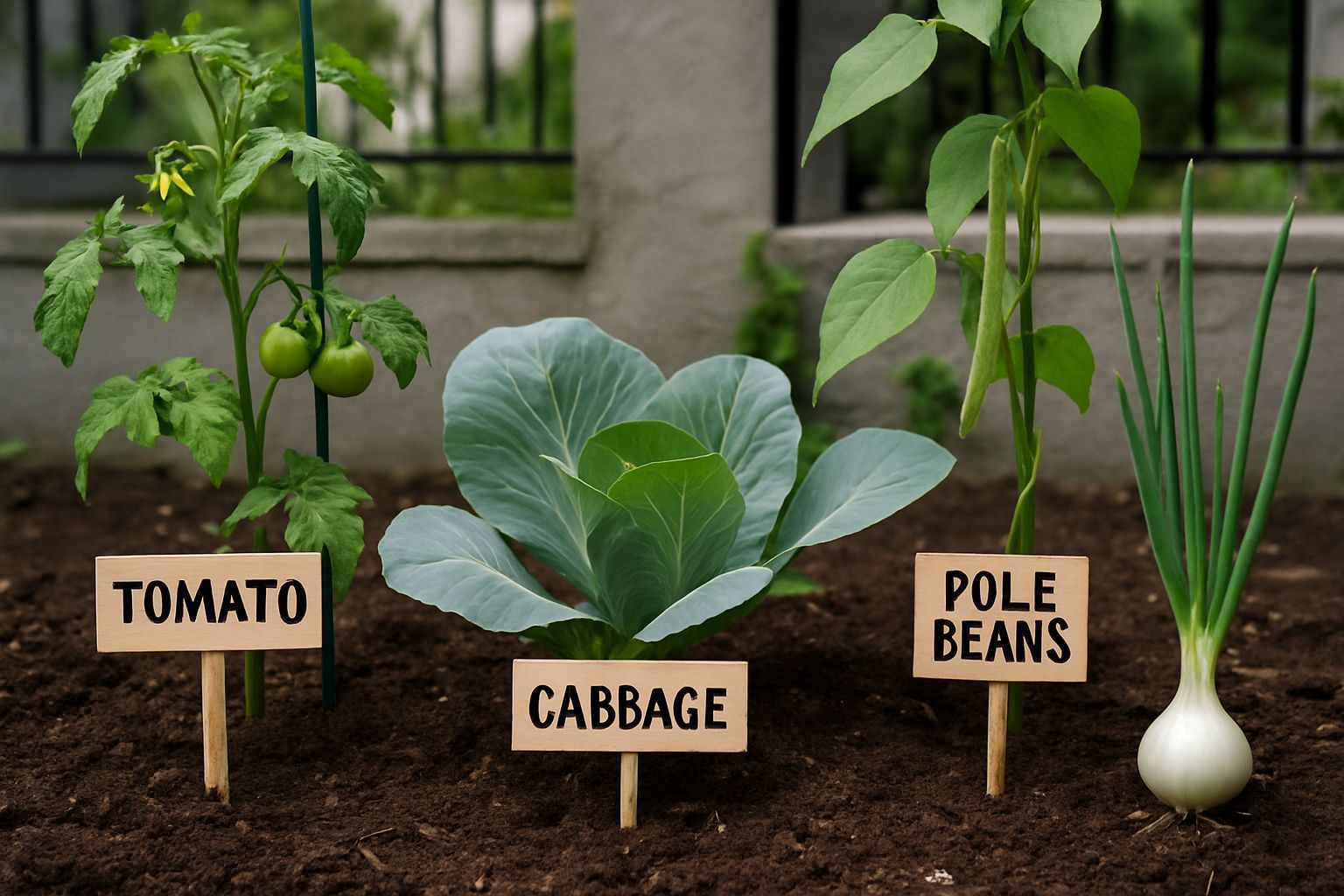
Companion planting is just as much about knowing what not to grow together as it is about choosing the right pairings. Some plants produce chemical compounds that actively suppress the growth of their neighbors — a phenomenon called allelopathy. Others simply compete too aggressively for the same resources, or attract pests that devastate nearby crops. Getting this wrong can wipe out an entire container or raised bed.
Fennel: The Loner of the Garden
Fennel (Foeniculum vulgare) is one of the most allelopathically aggressive plants you can grow. It releases chemical compounds from its roots and foliage that inhibit the germination and growth of a wide range of neighboring plants — including tomatoes, peppers, beans, kohlrabi, and most herbs. Even plants that aren’t immediately killed by fennel’s proximity often show stunted, weak growth when planted too close.
The practical rule is simple: grow fennel in its own dedicated container, completely isolated from your other plantings. It’s a valuable culinary and medicinal herb worth growing, but it needs to be treated as a standalone plant. The one exception is dill — fennel and dill can tolerate each other, though they should still be kept separate if you want to avoid cross-pollination, which affects the flavor of both.
Onions and Beans: A Bad Match
Onions — along with the rest of the allium family, including leeks, chives, and garlic — produce sulfur compounds that can inhibit the growth of beans and peas. This is particularly important to remember because garlic is recommended as a companion for so many other plants. The rule is specifically about legumes: keep all alliums away from beans, peas, and lentils.
The underlying issue is that allium root secretions appear to interfere with the nitrogen-fixing Rhizobium bacteria that legumes depend on. When that bacterial relationship is disrupted, beans and peas lose their key competitive advantage — and yields drop noticeably as a result.
Incompatible Pairings to Avoid:
⚠ Fennel + Tomatoes, Peppers, or Beans
⚠ Onions/Garlic + Beans or Peas
⚠ Brassicas + Strawberries (stunt each other’s growth)
⚠ Mint + Chamomile (mint’s aggressive spread overwhelms chamomile)
⚠ Potatoes + Tomatoes (share blight disease — never plant together)
In a small urban garden, these incompatibilities matter more than they would in a large plot. When you’re working with two raised beds or a cluster of containers, a bad pairing can affect everything in a confined area very quickly. Map out your pairings before you plant, not after.
Understanding plant incompatibilities is especially critical on rooftop or balcony gardens, where containers are often clustered close together. Even if two incompatible plants are in separate pots, root secretions can leach through drainage holes into shared trays. Keep known antagonists physically separated — not just in different containers, but with genuine distance between them.
How to Plan Your Urban Companion Garden
A successful urban companion garden doesn’t happen by accident. The plant combinations covered so far are powerful, but they only deliver results if the underlying conditions — space, light, soil, and timing — are set up correctly. Planning before planting saves a significant amount of frustration.
The good news is that urban companion garden planning doesn’t require complex tools or extensive horticultural knowledge. A simple sketch of your available space, a list of what you want to grow, and an understanding of the basic pairings covered in this guide is genuinely enough to get started with confidence. For additional tips, consider exploring urban garden success tips that can further enhance your gardening journey.
1. Assess Your Space, Light, and Soil
Before choosing a single plant, spend a few days observing how light moves across your available space. Urban environments create unpredictable light conditions — a south-facing balcony might seem ideal, but a neighboring building could block direct sunlight for half the day. Knowing your actual light hours versus your assumed light hours changes every planting decision you’ll make. For more tips on urban gardening, check out our urban garden success tips.
Soil quality in urban environments is frequently poor. Raised beds and containers give you direct control over your growing medium, which is one of the strongest arguments for container-based urban gardening. For in-ground urban plots, test your soil pH before planting — most vegetables and companion herbs prefer a pH between 6.0 and 7.0.
- Full sun: 6+ hours of direct sunlight — suitable for tomatoes, peppers, beans, marigolds, sunflowers
- Partial shade: 3–6 hours — suitable for lettuce, spinach, herbs like parsley and chives
- Full shade: Under 3 hours — limited options; focus on ferns, mint, and some leafy greens
- Container depth: Shallow-rooted crops (lettuce, herbs) need 15–20 cm; deep-rooted crops (carrots, tomatoes) need 30–45 cm minimum
- Drainage: All urban containers must have adequate drainage — waterlogged roots are the single most common cause of container plant failure
Once you’ve mapped your light conditions and assessed your soil or container setup, you can match your companion planting combinations to the specific conditions of each zone in your space — rather than forcing plants into conditions they’ll struggle in.
2. Choose the Right Plant Combinations for Your Climate
Urban microclimates vary dramatically — a rooftop in a northern city is a fundamentally different growing environment than a sheltered courtyard in a warmer region. Match your companion planting combinations to your local climate and season. The Three Sisters system, for example, requires a long warm season and won’t perform well in cooler northern cities unless you start seeds indoors 4–6 weeks before the last frost date. In contrast, the carrot-and-onion pairing is well-suited to temperate climates and can even be started in late winter under a simple cold frame.
3. Design Your Layout Around Plant Heights and Needs
Height and spread matter enormously in compact urban gardens. Taller plants should always be positioned on the north side of your growing space (in the northern hemisphere) so they cast shade away from, rather than onto, shorter companions — unless shade provision is intentional, as with the sunflower-lettuce pairing. Map out your layout using a simple grid on paper, assigning each plant its expected mature height and spread before committing to a final arrangement.
In container gardens, use the “thriller, filler, spiller” principle adapted for edibles: one tall structural plant (the thriller — like a tomato or sunflower), surrounded by medium-height companions (the fillers — like basil or marigolds), with trailing or compact edge plants (the spillers — like nasturtiums or thyme) around the rim. This approach maximizes every centimeter of container space while keeping companion relationships intact.
4. Monitor, Adjust, and Document as You Grow
No garden plan survives first contact with the season unchanged — and that’s perfectly normal. Keep a simple gardening journal (even a notes app on your phone works well) and record what’s thriving, what’s struggling, and what pest pressure you’re seeing. The most experienced urban gardeners treat each season as a data-gathering exercise, refining their companion planting combinations year on year based on what actually works in their specific space.
Urban Greening Ideas Beyond the Ground
One of the most liberating shifts in urban gardening thinking is the move away from ground-level planting as the default. In a city, the ground is often the scarcest and most contested resource. Walls, fences, railings, rooftops, and window ledges are all viable growing surfaces — and in many cases, they’re more accessible and easier to manage than in-ground beds.
Urban greening beyond ground level also tends to have a disproportionately large visual and environmental impact relative to the space used. A single 2-meter living wall panel can support dozens of plants, improve local air quality, reduce building surface temperatures, and create valuable pollinator habitat — all without using a single square meter of floor space.
Vertical Gardens and Living Walls
Vertical gardens — also called living walls or green walls — are modular planting systems mounted directly onto walls or freestanding frames. They’re particularly effective for urban companion planting because they allow you to arrange companion species in deliberate, layered configurations. Trailing nasturtiums work brilliantly in vertical systems, cascading downward while simultaneously deterring aphids and blackflies from neighboring herbs like basil and parsley planted in adjacent pockets. Ferns, mint, and compact strawberry varieties also perform well in vertical setups, especially on partially shaded walls.
Rooftop Gardens and Container Planting
Rooftop gardens are one of the most impactful forms of urban greening available — and they’re far more achievable than most city dwellers assume. A rooftop setup doesn’t require structural engineering expertise for a basic container arrangement; lightweight growing bags, raised planter boxes, and large containers filled with a peat-free, high-quality compost mix are enough to establish a productive companion planting system several stories above street level.
Wind is the primary challenge on rooftops. At height, wind exposure desiccates soil rapidly and can physically damage taller plants. Companion pairings that include low-growing, spreading plants — like squash or nasturtiums — provide natural ground cover that reduces moisture loss from containers, while denser plantings create mutual windbreaks. Position taller plants like tomatoes or sunflowers near any existing parapet walls or railings that already offer some wind protection.
Weight is the second key consideration. Wet compost is heavy, and structural load limits on rooftops vary enormously by building type. Lightweight perlite-enriched compost mixes significantly reduce the weight per container without compromising drainage or nutrient availability. Many urban rooftop gardeners also use fabric grow bags specifically because they’re lighter than ceramic or terracotta pots and air-prune roots, which encourages healthier, more compact root systems.
- Use lightweight perlite-blend compost to reduce structural load on rooftop surfaces
- Choose dwarf or compact plant varieties — look for labels marked “patio,” “bush,” or “dwarf” for tomatoes, peppers, and beans
- Group containers together to create a natural windbreak effect between plants
- Install a simple drip irrigation system — rooftop containers dry out 30–50% faster than ground-level beds in windy conditions
- Place pollinator-friendly companions like borage, lavender, and French marigolds at rooftop edges to intercept visiting bees before they leave your space
Window Boxes and Balcony Beds
Window boxes and balcony planters are the entry point for most urban companion gardeners, and they’re more capable than their modest size suggests. A standard 80 cm window box can comfortably support a companion trio of lettuce, trailing nasturtiums, and French marigolds — giving you edible greens, a natural pest deterrent, and continuous color throughout the season in a single container.
Window Box Companion Planting Starter Combinations:
Box 1 — Edible & Protective: Lettuce + French Marigolds + Chives
Box 2 — Herb & Pest Control: Basil + Thyme + Nasturtium (trailing)
Box 3 — Pollinator Focus: Lavender + Borage + Compact Strawberry
Box 4 — Shade-Tolerant: Mint (contained) + Parsley + FernNote: Keep mint in its own inner pot within the box — it spreads aggressively and will overwhelm neighbors if planted directly into shared compost.
Balcony beds offer slightly more volume and therefore more flexibility. Long, deep rectangular planters — at least 35 cm deep — can support companion combinations that include root vegetables alongside herbs and pest-deterring flowers. A balcony planter running the length of a railing becomes a genuinely productive micro-garden when planted with alternating clusters of carrots, spring onions, and dwarf marigolds.
The single most important factor in window box and balcony bed success is watering consistency. Small volumes of compost heat up and dry out quickly, especially on sun-facing balconies. Self-watering window boxes with built-in reservoirs are worth the additional upfront cost — they maintain consistent moisture levels that allow companion plants to establish strong root systems rather than going through repeated cycles of stress and recovery.
Natural Pest Control Through Smart Plant Pairing
One of the most immediately practical benefits of companion planting in an urban garden is its impact on pest pressure. Rather than reaching for chemical controls when pests appear, a well-designed companion planting scheme works as a continuous, passive defense system — repelling certain insects, masking crop scents, and simultaneously attracting the predatory insects that keep pest populations in check naturally.
Plants That Repel Common Urban Pests
Several companion plants have strong, well-documented pest-repelling properties that make them essential inclusions in any urban garden setup. French marigolds (Tagetes patula) repel whiteflies and root-knot nematodes. Lavender deters moths, fleas, and aphids with its volatile oil compounds. Rosemary confuses cabbage moths and carrot flies with its strong aromatic signature. Nasturtiums act as trap crops — aphids preferentially colonize nasturtiums over neighboring vegetables, effectively drawing pests away from your crops and concentrating them where you can deal with them. Chives and garlic planted near roses and brassicas deter aphids and Japanese beetles through their sulfur-based volatile compounds. Together, these plants form a chemical defense network that requires zero maintenance beyond regular deadheading and occasional watering.
Plants That Attract Beneficial Insects
Pest repellence is only half the equation. Drawing in beneficial insects — the ones that prey on common garden pests — completes the cycle and creates a genuinely self-regulating garden ecosystem. Borage (Borago officinalis) is one of the most effective pollinator magnets available to urban gardeners, attracting bumblebees in large numbers while simultaneously deterring tomato hornworms. Fennel — grown in isolation, given its allelopathic tendencies — attracts hoverflies, whose larvae are voracious aphid predators. Dill and sweet alyssum are similarly powerful at drawing in parasitic wasps and hoverflies that target caterpillars, aphids, and whiteflies. For more tips, check out our urban garden success tips.
The key to making beneficial insect attraction work in an urban garden is continuity — you need flowering plants that bloom across the full growing season, so beneficial insects have a consistent reason to stay in your garden rather than moving on. Plan your companion planting scheme so that something is always in bloom from early spring through to the first frost. A combination of borage (early summer), marigolds (mid-summer through autumn), and sweet alyssum (long season) covers this requirement effectively in most temperate urban climates.
Start Small, Think Big: Your First Urban Companion Garden
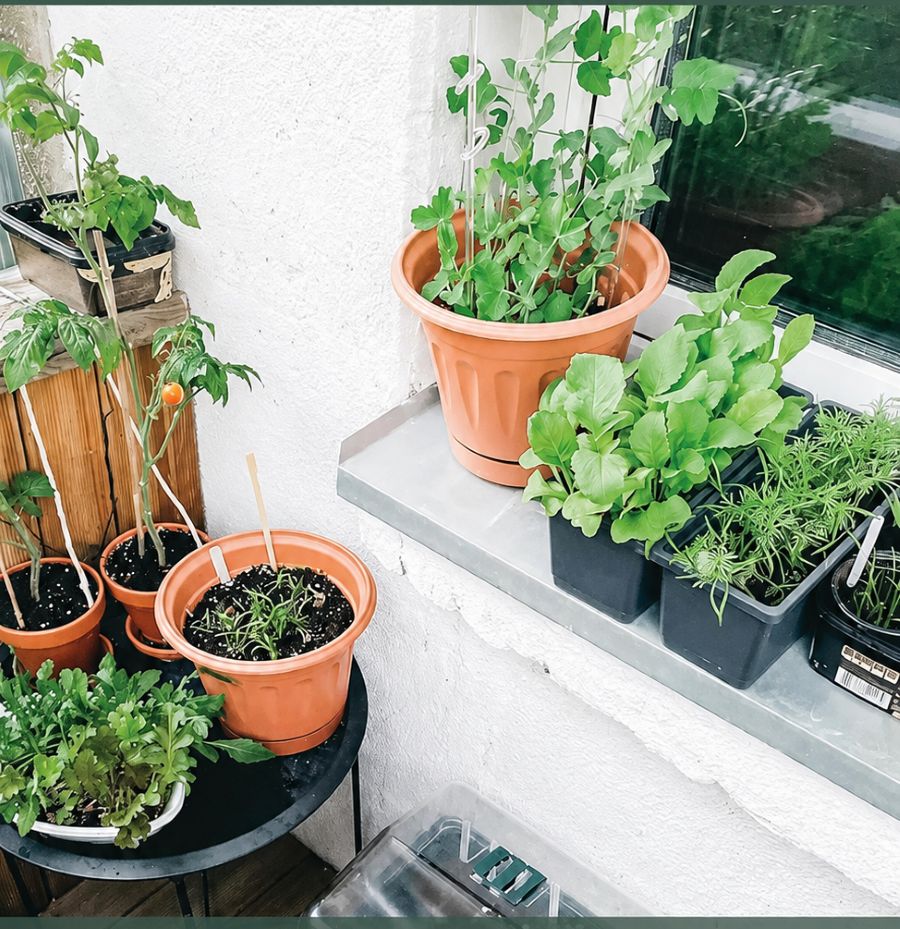
The most important step is the first one — and it doesn’t need to be ambitious. Start with a single large container, a bag of quality peat-free compost, and one proven companion trio: a tomato plant, two or three basil plants, and a border of French marigolds. Maintain it through the season, watch how the plants interact, note the pest pressure you see (and don’t see), and harvest both the tomatoes and the basil. That single container will teach you more about companion planting than any amount of reading — and it will almost certainly inspire you to scale up the following year. Urban greening through companion planting isn’t a complex system to master; it’s a practice you grow into, season by season, one successful pairing at a time. For more ideas on creating a thriving urban garden, check out our urban garden success tips.
Frequently Asked Questions
Companion planting raises a lot of practical questions, especially for gardeners new to the concept. The combinations and principles covered in this guide are well-established, but specific spacing, timing, and scale decisions often depend on your individual setup.
The answers below address the most common questions urban gardeners have when starting out with companion planting — covering everything from beginner-friendly pairings to the real-world impact on pesticide use.
What Is the Easiest Companion Planting Combination for Beginners?
The easiest companion planting combination for beginners is tomatoes, basil, and French marigolds. All three are widely available, straightforward to grow, and work together immediately without requiring any special conditions. Plant one tomato in a large container (minimum 40 cm deep), surround it with two or three basil plants, and edge the container with French marigolds. The basil deters common tomato pests, the marigolds handle soil-level threats and whiteflies, and both are fully edible — making this trio as practical as it is effective.
Can Companion Planting Work in Containers and Small Spaces?
Companion planting works exceptionally well in containers and small spaces — in many ways, it’s better suited to container gardening than in-ground planting because you have direct control over every variable. Choose compact or dwarf plant varieties, use deep containers for root vegetables (at least 30 cm), and select companion combinations that balance canopy height so taller plants don’t overwhelm their neighbors. Window boxes, balcony planters, and even indoor pots on a sunny windowsill can all support productive companion planting arrangements.
How Far Apart Should Companion Plants Be Planted?
Spacing for companion plants depends on the specific species involved, but the general principle is to plant close enough for the companion relationship to be active — root secretions and volatile chemical deterrents only work within a relatively limited range — without crowding plants so tightly that they compete for light, water, and nutrients. For more detailed information, you can explore this sustainable garden guide.
As a practical rule, companion herbs and flowers planted alongside vegetables should be spaced 15–30 cm from the main crop. Marigolds can be planted as close as 10–15 cm from container edges and neighboring plants. Garlic planted beside roses should sit 5–8 cm from the base. For larger companions like sunflowers alongside lettuce, 30–45 cm of separation is appropriate to allow for mature stem width while still providing effective shade.
Does Companion Planting Actually Reduce the Need for Pesticides?
Yes — companion planting genuinely reduces pesticide dependence, and this is one of the most well-supported claims in organic horticulture. By incorporating pest-repelling plants, trap crops, and beneficial insect attractors into your garden design, you create a passive, continuous defense system that addresses pest pressure before it escalates to the point where chemical intervention feels necessary. Marigolds reducing nematode populations, nasturtiums acting as aphid trap crops, and garlic deterring fungal disease on roses are all examples of companion planting delivering measurable, practical pest control.
It’s important to be realistic: companion planting won’t eliminate pest pressure, especially in urban environments where new pests arrive continuously from surrounding areas. What it does is reduce the frequency and severity of infestations to a level that most gardeners can manage through physical removal and organic interventions alone — without reaching for broad-spectrum chemical pesticides that also kill the beneficial insects your garden depends on.
Which Plants Are Best for Urban Greening in Shaded Areas?
Shaded urban areas — north-facing balconies, courtyard gardens, spaces between buildings — are some of the most challenging environments for greening, but they’re far from impossible. The key is matching plants to the actual light levels you have, rather than trying to force sun-loving species into shade.
For deep shade (under 3 hours of direct light), focus on ferns, hostas, and ivy for structure and coverage, with mint (kept contained) and wild garlic as edible companions. These plants are genuinely shade-adapted and will thrive where most vegetables would fail.
Partial shade (3–6 hours of light) opens up significantly more options. Lettuce, spinach, arugula, and most culinary herbs, including parsley, chervil, and chives, all perform well in partial shade and are excellent candidates for container-based companion planting in lower-light urban spaces. Pair them with nasturtiums — which tolerate partial shade better than most companion flowers — for both pest control and continuous color. For more ideas on creating a thriving urban garden, check out these best plant tips.
The companion planting principles in this guide apply equally in shaded urban settings; the main adjustment is plant selection. Shade-tolerant companions can still deter pests, attract beneficial insects, and support each other’s growth just as effectively as their sun-loving counterparts — the ecosystem logic is the same, only the species list changes. For deeper guidance on building a productive shaded urban garden, urban gardening tips offer extensive resources tailored to exactly these kinds of challenging city growing conditions.