Article-At-A-Glance
- Chicago’s USDA hardiness zones 5b and 6a support a surprisingly wide range of shade-loving perennials that return stronger every year.
- Hostas, ferns, and native wildflowers like Virginia Bluebells are among the most reliable performers in Chicago shade gardens.
- Soil preparation and planting timing are the two factors most Chicago gardeners overlook — and they make or break a shade garden.
- Native shade plants adapted to Illinois landscapes require less maintenance and support local pollinators better than non-natives.
- There’s a layering technique for shade gardens that makes even the darkest corner look intentional and lush — and it’s easier than you think.
That dark, bare patch under your oak tree isn’t a problem — it’s an untapped canvas waiting for the right plants.
Shade gardens are one of the most rewarding projects a Chicago gardener can take on. Rather than wrestling with patchy grass that refuses to grow under a dense tree canopy, you can fill those spots with lush, layered plantings that look incredible from spring through fall. The key is knowing which plants are built for Chicago’s specific climate, soil, and light conditions. The Chicago Botanic Garden is one of the best local resources for digging deeper into plant selection for this region, and their guidance on native plants is especially worth exploring.
Whether you’re working with a narrow shaded side yard, a woodland-style backyard, or just a tough spot under a mature tree, this guide will walk you through everything — from the best plants to use, to how to design and plant a shade garden that actually thrives in Chicago.
Chicago’s Shady Spots Are a Hidden Gardening Opportunity
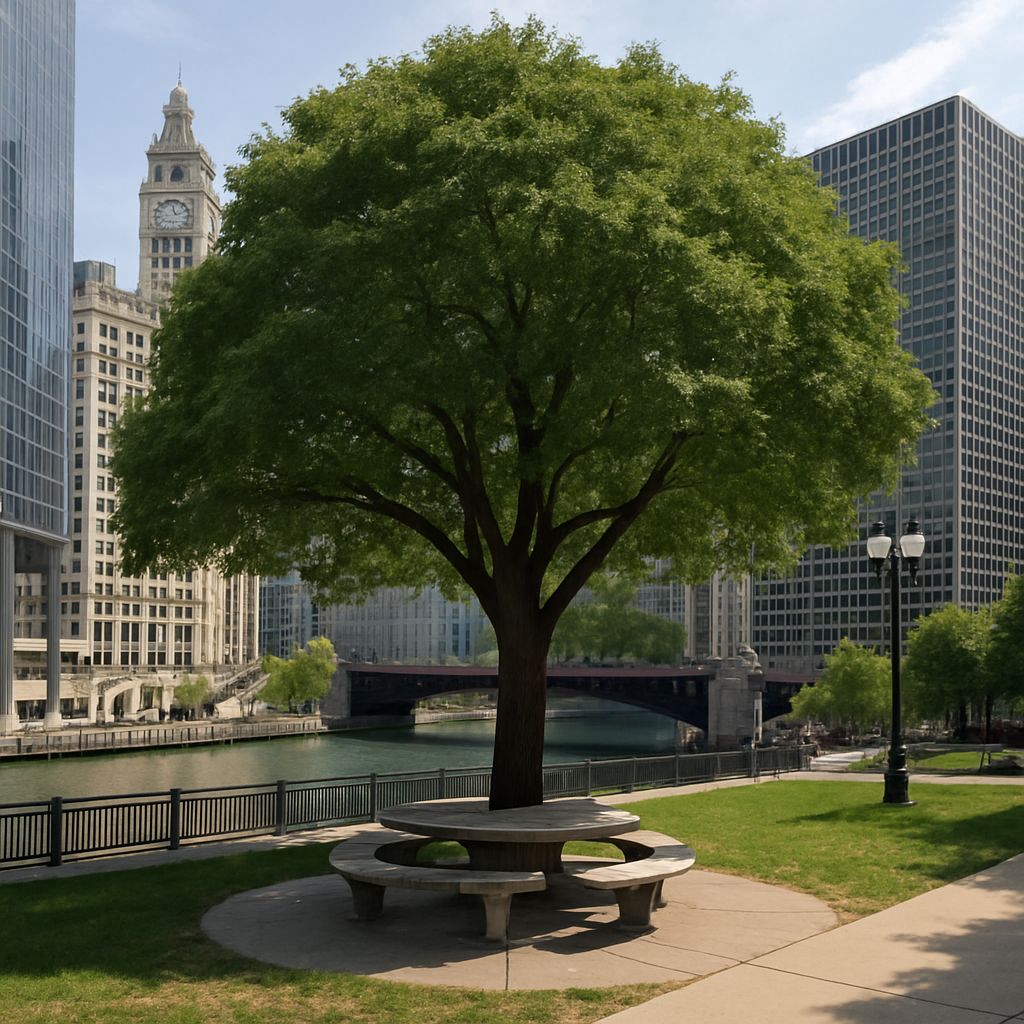
Most gardeners see shade as a limitation. In reality, it’s one of the best conditions you can work with in Chicago, especially during the brutal heat of a Midwest summer. Shade plants tend to be lower maintenance, more consistent in their performance, and far more interesting texturally than a flat lawn of sun-loving grass.
The real trick is shifting your mindset. Once you stop trying to force sun-loving plants into shaded spots and start working with your conditions, the results are dramatic. A well-planted shade garden can go from bare dirt to a layered, cottage-style planting in just a couple of seasons.
Chicago’s Climate and What It Means for Shade Gardens
Chicago’s climate is genuinely tough. Winters regularly drop below 0°F, summers push into the 90s, and everything in between can be unpredictable. Choosing plants that are rated for the right hardiness zone isn’t optional — it’s the foundation of any successful garden here.
USDA Hardiness Zones 5b and 6a Explained
Chicago sits primarily in USDA hardiness zones 5b and 6a, which means average annual minimum temperatures range from -15°F to 0°F, depending on your exact location. The city’s urban heat island effect pushes many neighborhoods into zone 6a, while suburban and northern areas tend to fall in zone 5b. When you’re selecting shade plants, always check that the hardiness zone rating matches your specific zip code — a plant rated for zone 7 won’t survive a Chicago winter, no matter how well you care for it.
How Chicago Winters Affect Plant Selection
Hard freezes, frost heaving, and late spring cold snaps are all realities Chicago gardeners deal with every year. Perennials that die back to the ground in winter — like hostas, ferns, and bleeding heart — are actually well-suited to this cycle. Their dormancy period protects them through the coldest months, and they reemerge reliably in spring. Avoid shade plants labeled as “tender perennials” unless you’re willing to treat them as annuals or bring them inside.
Soil Conditions in Chicago Urban Gardens
Urban Chicago soils are often compacted, low in organic matter, and occasionally contaminated with construction debris or old fill. Before planting any shade garden, it’s worth doing a simple soil test — the University of Illinois Extension offers affordable testing kits. Most shade-loving perennials prefer moist, rich, well-drained soil with a slightly acidic to neutral pH. Amending your soil with compost before planting isn’t just helpful — it’s often the difference between a garden that thrives and one that merely survives.
| Soil Issue | Common Cause in Chicago | Fix |
|---|---|---|
| Compaction | Urban foot traffic, construction | Aerate and add 2-3 inches of compost |
| Poor drainage | Clay-heavy soil | Raised beds or amended planting holes |
| Low organic matter | Stripped topsoil | Top-dress with compost annually |
| High pH (alkaline) | Concrete leaching, old fill | Sulfur amendments or acidifying fertilizer |
Best Shade Plants for Chicago Gardens
These aren’t just plants that survive Chicago shade — they’re plants that genuinely perform year after year with minimal fuss. Each one has been selected for cold hardiness, adaptability to low light, and visual impact across multiple seasons. For more information on selecting the right plants, check out this guide to native plants in Chicago.
1. Hostas: The Backbone of Any Chicago Shade Garden
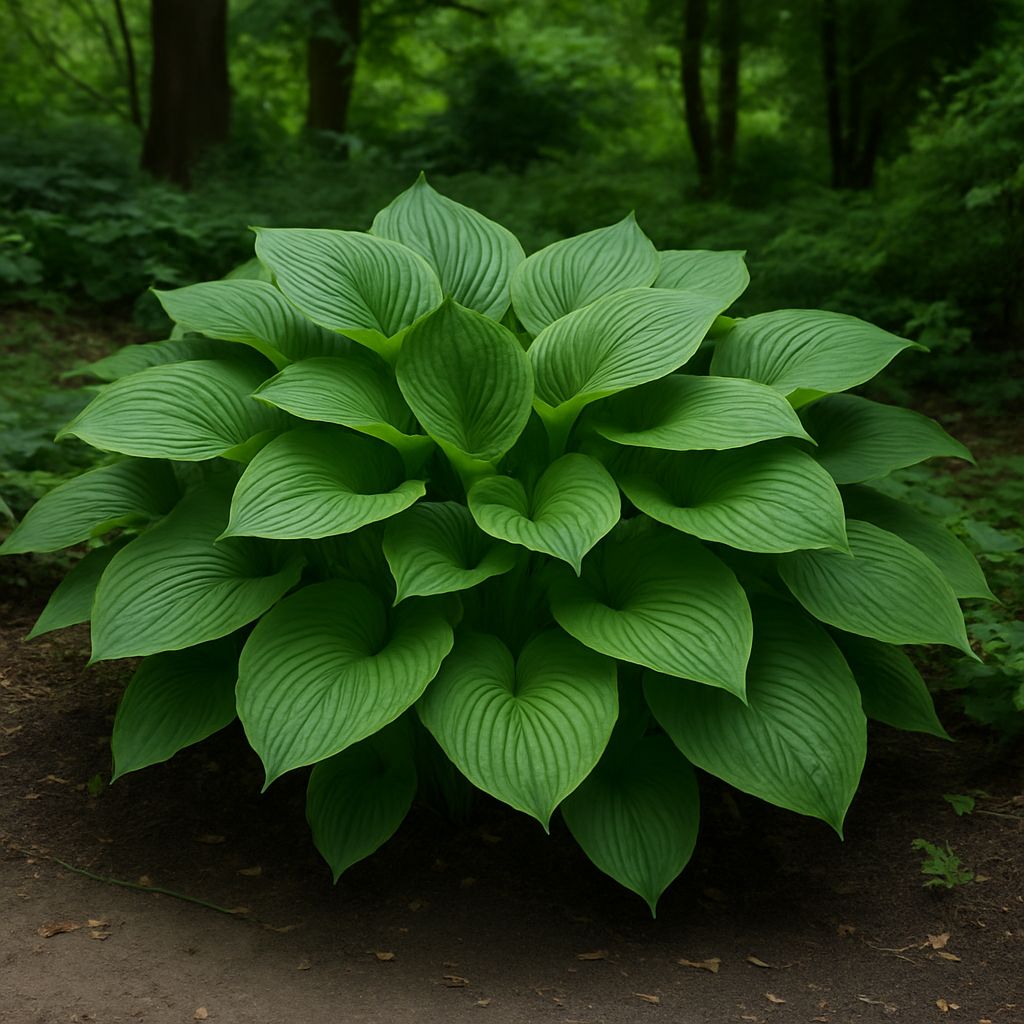
Hostas are the undisputed workhorses of Chicago shade gardens, and for good reason. They’re hardy in zones 3-9, come in an enormous range of sizes — from 8-inch miniatures to 48-inch giants — and offer a spectrum of foliage colors from chartreuse yellow to deep blue-green to creamy white variegated. Varieties like Hosta ‘Sum and Substance’ can reach 4 feet wide and anchor a large shaded bed with bold, textured leaves. They’re also remarkably forgiving of neglect once established.
2. Astilbe: Feathery Color From June Through August
Astilbe brings the kind of airy, plume-like flower color that most people assume is impossible in deep shade. Blooming from June through August, depending on variety, astilbe produces feathery spikes in white, pink, red, and lavender that rise above ferny foliage. It’s rated hardy to zone 4, handles Chicago winters with ease, and prefers consistently moist soil — making it ideal for low spots or areas near downspouts where moisture collects. For more tips on maintaining your garden sustainably, check out this sustainable urban garden maintenance guide.
3. Heuchera: Year-Round Color in Deep Shade
Heuchera, commonly called coral bells, is one of the few shade plants that delivers visual interest across all four seasons in Chicago. Foliage colors range from deep burgundy and chocolate brown to lime green and silver — and because the leaves are semi-evergreen, you’ll often see color in the garden even in late fall. Heuchera ‘Palace Purple’ and ‘Caramel’ are both proven performers in zone 5b. Tiny bell-shaped flowers on slender stems appear in late spring, attracting hummingbirds and native bees.
4. Bleeding Heart: Spring’s Most Dramatic Display
Few plants stop people in their tracks quite like a blooming bleeding heart. Dicentra spectabilis produces long, arching stems loaded with pendulous, heart-shaped flowers in deep pink or white, typically peaking in May in Chicago. It’s rated hardy to zone 3, so Chicago winters pose absolutely no threat. The one caveat: bleeding heart goes fully dormant by midsummer, so plant it alongside hostas or ferns that will fill the gap when it disappears.
5. Ferns: Texture and Movement for Shady Borders
Ferns are the texture layer every shade garden needs. Their delicate, feathery fronds create a softness that contrasts beautifully with the bold leaves of hostas or the upright spikes of astilbe. For Chicago gardens specifically, several species perform exceptionally well across zones 5b and 6a.
The Ostrich Fern (Matteuccia struthiopteris) is a native species that can reach 4-5 feet tall and spreads steadily to fill large shaded areas. For smaller spaces, Japanese Painted Fern (Athyrium niponicum ‘Pictum’) offers silvery, wine-colored fronds that almost glow in low light. The Christmas Fern (Polystichum acrostichoides) is semi-evergreen, holding its fronds well into winter and providing rare off-season structure. Maidenhair, lady, hay-scented, cinnamon, and beech ferns all round out the options for Chicago shade beds.
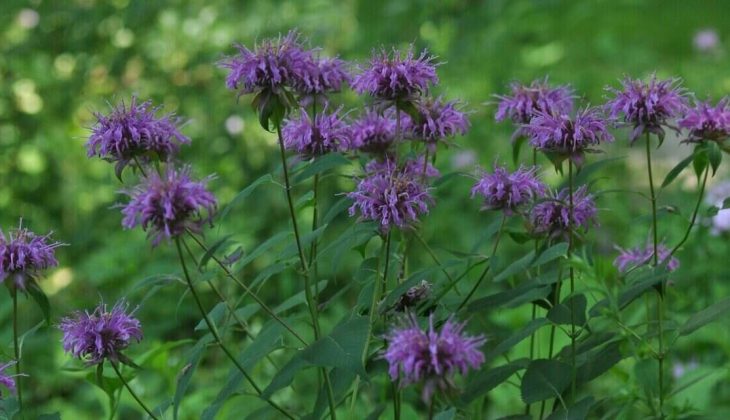
6. Wild Bergamot: A Native That Thrives in Light Shade
Wild Bergamot (Monarda fistulosa) is an Illinois native that handles light to partial shade better than most people expect. It produces lavender-pink, shaggy blooms from July through September that are absolute magnets for native bees, hummingbirds, and butterflies. In a Chicago garden, it bridges the gap between a shade planting and a pollinator garden beautifully.
It thrives in average to dry soil — actually preferring not to be pampered — and is rated hardy in zones 3-9. Its deep roots make it an excellent choice for slopes or areas where erosion is a concern. Here’s what makes it stand out as a native plant choice:
- Tolerates both light shade and full sun, giving it unusual flexibility
- Drought-tolerant once established — ideal for Chicago’s unpredictable dry spells
- Spreads naturally over time, filling in bare spots without becoming invasive
- Supports native bee populations, which are under pressure across Illinois
- Deer-resistant — a meaningful advantage for Chicago-area gardens near parks or green spaces
Cut it back by one-third in late June to delay blooming slightly and keep the plant compact if your space is limited.
7. Virginia Bluebells: Early Spring Color Before Trees Leaf Out
Virginia Bluebells (Mertensia virginica) are one of the most magical early spring plants you can grow in a Chicago shade garden. They emerge in March and April — often before the tree canopy closes in — and produce clusters of trumpet-shaped flowers that open pink and mature to a vivid sky blue. The combination of pink buds and blue open flowers on the same stem is genuinely unlike anything else in the spring garden.
Like bleeding heart, Virginia Bluebells are ephemeral, going fully dormant by early summer. Plant them where later-emerging perennials like hostas or ferns will naturally cover the gap. They’re native to Illinois, rated hardy to zone 3, and will self-seed gently over time to naturalize across a shaded bed — which means more of them every year with zero extra effort.
8. Solomon’s Seal: Elegant Arching Stems for Deeper Shade
Solomon’s Seal (Polygonatum biflorum) is one of the most underused shade plants in Chicago gardens, and that’s a mistake. It produces graceful, arching stems lined with oval leaves, with small white bell-shaped flowers hanging underneath in late spring. The foliage turns a warm golden yellow in fall, giving it genuine multi-season interest that most shade plants can’t match.
It’s a native Illinois woodland plant, thrives in zones 3-9, and handles even dense, dry shade — one of the most challenging conditions in a Chicago garden under a large established tree. Polygonatum odoratum ‘Variegatum’, the variegated form, adds creamy white leaf edges that brighten dark corners noticeably. Once established, it spreads slowly via rhizomes to create a refined, flowing ground cover.
How to Design a Shade Garden That Actually Looks Good
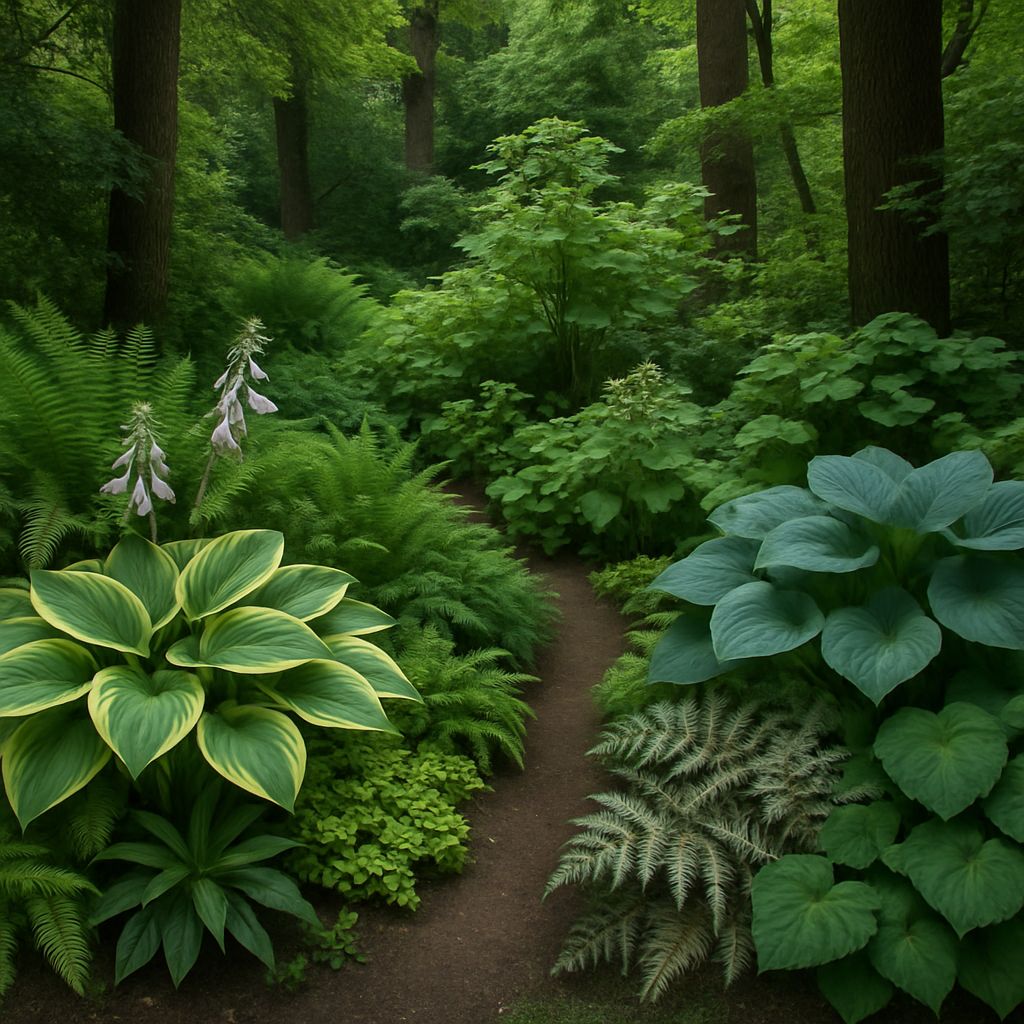
A shade garden without a design plan tends to look like a random collection of plants. The difference between a garden that impresses and one that just exists comes down to three things: layering height, combining color thoughtfully, and mixing textures with intention.
Play With Height: Tall, Mid, and Low Layers
Think of your shade garden in three horizontal bands. Tall background plants — ostrich ferns, large hostas like Hosta ‘Empress Wu’, or Solomon’s seal — create structure and privacy at 3-5 feet. Mid-layer plants at 1-2 feet, like astilbe, heuchera, and bleeding heart, carry the visual weight of the garden through the growing season. Low ground-level plants — small hosta varieties, wild ginger, or creeping Jenny — tie everything together and suppress weeds at the same time. For more insights into gardening, explore the benefits of connecting with nature.
The goal is to never have a gap in visual interest. Pair spring ephemerals like Virginia Bluebells with summer performers like astilbe so that as one fades, the next takes over. Staggering bloom times across the layers ensures the garden looks intentional and full from April through October.
Color Combinations That Work in Low Light
In shade, color behaves differently than in full sun. Light colors — white, cream, pale yellow, and soft pink — reflect available light and visually brighten dark spaces. Hosta ‘Gold Standard’ paired with white astilbe and silver-leaved Japanese Painted Fern is a classic Chicago shade combination that genuinely pops in low light. Deep purples and burgundies like Heuchera ‘Palace Purple’ add depth and contrast without making a dark area feel heavier.
Mixing Textures to Add Visual Interest
Texture does in shade what color does in the sun — it’s the primary tool for creating visual excitement. Combine the bold, smooth leaves of hostas with the fine, feathery fronds of ferns and the upright, strappy foliage of Solomon’s seal. Add the rounded, scalloped leaves of heuchera at the border edge. When every plant in a shade bed has a different leaf shape and surface quality, the garden holds interest even when nothing is in bloom.
Shade Garden Planting Tips for Chicago Gardeners
Getting the right plants is only half the equation. How and when you plant them in Chicago’s specific climate determines whether those plants hit the ground running or spend their first season just trying to survive. A few targeted practices make a significant difference in establishment speed and long-term performance. For inspiration, consider exploring pollinator-friendly shade garden ideas tailored for Chicago.
One often-overlooked tip: group plants with similar moisture needs together. Astilbe and Virginia Bluebells both prefer consistently moist soil, while Wild Bergamot and Solomon’s Seal tolerate drier conditions once established. Mixing high and low moisture needs in the same bed forces you into either overwatering some plants or underwatering others — neither outcome is good.
Best Time to Plant Shade Perennials in Chicago
Spring is the prime planting window for shade perennials in Chicago, specifically from mid-April through the end of May. At this point, soil temperatures have risen enough to encourage root development, frost risk has dropped significantly, and plants have the entire growing season ahead of them to establish before winter arrives. Planting in this window gives perennials like hostas, ferns, and astilbe the best possible start.
Fall planting — from mid-September through mid-October — is a strong second option that many Chicago gardeners overlook. The cooler air temperatures reduce transplant stress, the soil is still warm enough for root growth, and consistent fall rainfall in the Chicago area means less supplemental watering. Perennials planted in fall have a head start the following spring, often performing noticeably better in their second season than spring-planted neighbors.
Avoid planting during Chicago’s summer heat, particularly July and August. Even shade plants experience significant transplant stress when air temperatures are pushing into the upper 80s and 90s. If you must plant in summer, do it on a cool, overcast day and water deeply every two to three days for the first three weeks.
Soil Prep That Makes a Real Difference
Most shade planting failures in Chicago trace back to inadequate soil preparation, not poor plant selection. Shade-loving perennials want soil that is rich, loose, and consistently moist without being waterlogged. Chicago’s native clay-heavy soil is often the opposite of that right out of the ground. For inspiration on creating a thriving shade garden, check out these pollinator-friendly shade garden ideas in Chicago.
Before planting, dig your bed to a depth of at least 12 inches and mix in a generous amount of compost — aim for a ratio of roughly 30% compost to 70% existing soil. This improves drainage in clay-heavy areas while also increasing moisture retention in sandier spots. It’s one of those rare soil amendments that fixes two opposite problems at the same time.
If your shade garden is under a large established tree, you’ll encounter dense, fibrous root competition near the surface. In these spots, avoid deep digging that can damage tree roots. Instead, layer 3-4 inches of compost directly on top of the existing soil and plant into that amended layer. Use shade plants like Solomon’s Seal or Wild Ginger that are specifically adapted to competing with tree roots for moisture and nutrients.
Pro Tip for Chicago Gardeners: Top-dress your shade garden with 1-2 inches of shredded leaf mulch every fall. It mimics the natural forest floor condition that most shade perennials evolved in, moderates soil temperature through freeze-thaw cycles, and breaks down slowly to feed your soil over winter. It’s free if you have deciduous trees on your property — and it’s one of the single best things you can do for a shade garden in a cold climate.
Watering Needs in Shaded Areas
Shaded areas need less frequent watering than full-sun gardens, but that doesn’t mean they can be ignored. During Chicago’s dry summer stretches, even shade beds need a deep soak once or twice a week. The goal is to water slowly and deeply — encouraging roots to grow downward — rather than frequent shallow watering that keeps roots near the surface and increases vulnerability to heat and drought. A 2-3 inch layer of mulch over the root zone significantly reduces moisture loss and cuts down on how often you need to water.
Start Small and Build Your Shade Garden Over Time
The most common mistake new shade gardeners make is trying to plant everything at once. A large, underpopulated shade bed looks sparse and discouraging in year one, which leads people to give up before the garden has had time to fill in. Starting with a small, well-planted area and expanding gradually produces far better results and keeps the project manageable. For more ideas, check out these pollinator-friendly shade garden ideas.
Pick a 6-by-8-foot section to start. Choose five to seven plant varieties that cover different heights, bloom times, and textures — say, two hosta varieties, one astilbe, one heuchera, one fern, and a few Virginia Bluebells at the front edge. Plant them at proper spacing, mulch well, and let them grow for a full season before expanding. By year two, most perennials will have doubled in size, and you’ll have a much clearer picture of what the space needs next.
Shade gardens genuinely improve with age. Unlike annual beds that need replanting every year, a well-planted shade perennial garden gets denser, more layered, and more impressive every single season. Give it three years and you’ll have something that looks like it was professionally designed — because the plants themselves do the design work over time.
Frequently Asked Questions
Here are the most common questions Chicago gardeners ask about planting and maintaining a shade garden, with straightforward answers based on what actually works in this climate.
What Are the Easiest Shade Plants to Grow in Chicago?
Hostas are the easiest shade plants to grow in Chicago by a wide margin. They require almost no maintenance once established, tolerate a wide range of shade conditions from dappled to deep, and come back reliably every spring in zones 5b and 6a. Heuchera and Christmas ferns are close runners-up — both are low-maintenance, cold-hardy, and forgiving of imperfect soil conditions. For a beginner’s first shade garden, a combination of hostas, heuchera, and one fern variety covers all the bases with minimal risk.
Can I Grow a Shade Garden Under a Large Oak Tree?
Yes, but it requires choosing plants that can handle two specific challenges: dense shade and root competition for moisture. Solomon’s Seal, Wild Ginger (Asarum canadense), and native ferns like the Christmas Fern are all well-adapted to exactly these conditions. Avoid trying to dig deep into the soil under an established oak, as this damages the shallow feeder roots that the tree depends on. Instead, build up with a layer of compost and plant into that, letting the roots find their way down gradually. Avoid hostas directly under very dense canopies — they can handle shade, but they do need at least some filtered light to perform their best.
How Much Sun Does a Shade Garden Actually Need?
Most shade-loving perennials perform best with 2-4 hours of indirect or dappled sunlight per day. This is classified as partial shade, and it’s the sweet spot where plants like astilbe, heuchera, and bleeding heart genuinely thrive rather than just survive.
Full shade — less than 2 hours of direct sun — is more limiting but still workable. In true deep shade, your best options narrow to Solomon’s Seal, Wild Ginger, certain fern varieties, and shade-tolerant hostas like Hosta ‘Halcyon’ or ‘Blue Angel’. Even in these conditions, you can create a beautiful garden — it just requires more deliberate plant selection and a greater focus on foliage texture and color contrast rather than flowers. For inspiration, check out these pollinator-friendly shade garden ideas in Chicago.
Are Native Shade Plants Better for Chicago Gardens?
- Native plants are already adapted to Illinois soil conditions, temperature swings, and seasonal rainfall patterns — meaning less intervention from you
- They support local pollinators, including native bee species that are in decline across the Chicago region
- Once established, most Illinois native shade plants are significantly more drought-tolerant than non-native alternatives
- They tend to spread naturally over time, filling in bare spots without becoming invasive
- Many are deer-resistant — a growing concern in Chicago’s suburban fringe neighborhoods
That said, “native” isn’t automatically better in every situation. Non-native shade plants like hostas and astilbe have decades of proven performance in Chicago gardens and offer a wider range of foliage colors and forms than most native options. The smartest approach is to build a foundation with reliable native species — Virginia Bluebells, Wild Bergamot, Solomon’s Seal, Christmas Fern — and layer in non-natives for additional color and texture.
The Chicago Botanic Garden hosts native plant sales throughout the season and is one of the most reliable local sources for regionally appropriate plants. Buying locally grown native plants, rather than those shipped from other climate zones, gives you significantly better establishment rates.
Whichever direction you go, prioritize plants rated for zones 5b or 6a, sourced from reputable local nurseries, and matched to your specific light and moisture conditions. Zone-appropriate placement will always outperform any native versus non-native debate.
When Should I Plant Shade Perennials in Chicago?
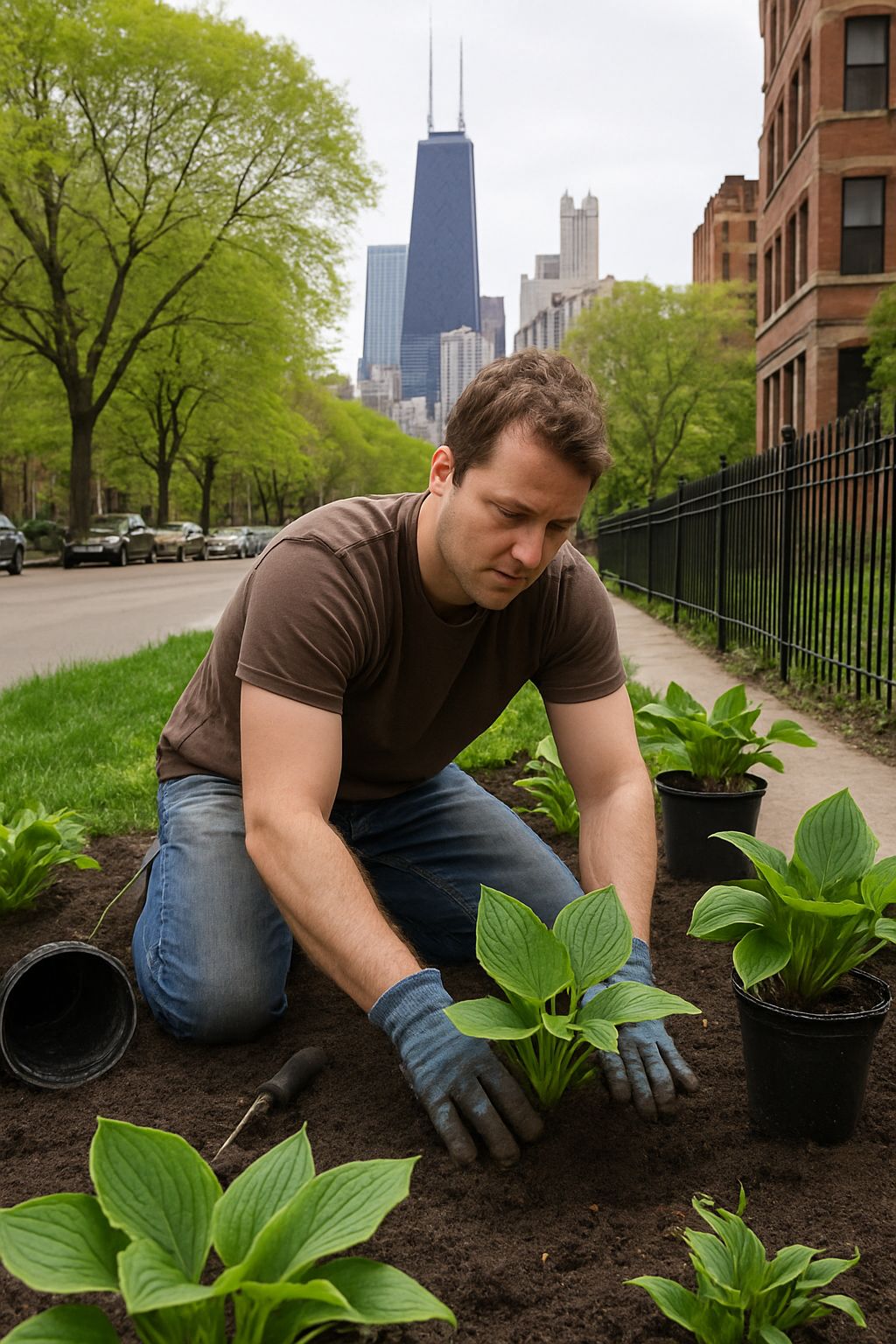
The ideal planting window for shade perennials in Chicago is mid-April through late May for spring planting, or mid-September through mid-October for fall planting. Both windows give plants time to establish roots before facing either the heat of summer or the freeze of winter. For those interested in sustainable urban gardening, check out our guide to indoor flowering plants.
Spring planting gives you the advantage of watching your plants grow through their first full season, which helps you make better decisions about spacing and companion planting. Fall planting tends to produce stronger plants in year two, since the roots have all winter to settle in before being asked to support above-ground growth in spring.
If you’re planting bare-root perennials — which are often sold in early spring — get them in the ground as soon as the soil is workable, even if temperatures are still cool. Bare-root hostas and ferns in particular benefit from early planting and will establish faster than container-grown plants set out later in the season.
Whatever your planting window, water deeply immediately after planting, apply 2-3 inches of mulch around — but not touching — the crown of each plant, and plan to water every two to three days for the first three to four weeks until roots have had a chance to anchor into the surrounding soil. That establishment period is when most perennials are lost, and consistent moisture during those first weeks is the single most important thing you can do to ensure long-term success in your Chicago shade garden. For ongoing inspiration and expert plant guidance, the Chicago Botanic Garden remains one of the finest resources available to Chicago-area gardeners at any experience level.