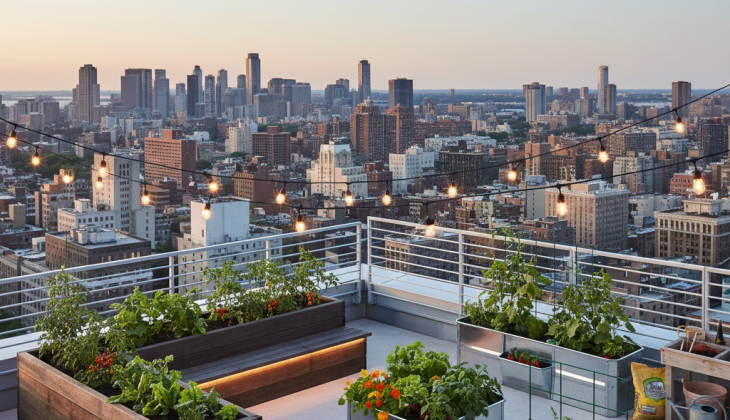
- Always read your lease before setting up any garden — even container plants on a balcony can violate hidden clauses around weight limits, drainage, or structural modifications.
- Urban garden leases and community plot rentals are governed by specific agreements that cover water rights, plot maintenance, and seasonal access — knowing what’s in yours prevents costly surprises.
- Container gardening is a renter’s most powerful tool — it lets you grow food and herbs legally, protect your deposit, and take your garden with you when you move.
- Some landlords are open to negotiating garden use — but only if you approach the conversation with a clear plan, and the right timing matters more than most renters realize.
- Choosing the wrong plants for your light conditions is the number one mistake new urban gardeners make — keep reading to find out which crops actually thrive in small rental spaces.
Article At A Glance
Growing food in a city rental is absolutely possible — but only if you know the rules before you start digging.
Whether you’re eyeing a patch of balcony space, considering a community garden plot, or trying to figure out what your lease actually allows, the information here will save you from losing your deposit, your plants, or both. Urban gardeners at MoveZen360 know firsthand how often renters get caught off guard by lease language they didn’t read closely enough — and how a little preparation changes everything.
Read Your Lease Before You Plant Anything
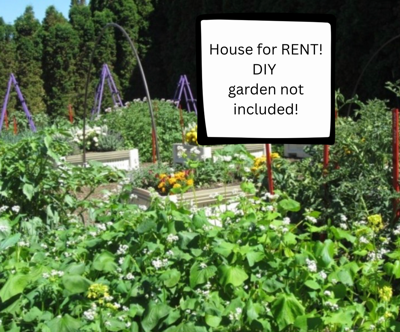
“Creative gardening ideas for renters …” from www.yakimaherald.com and used with no modifications.
Your lease is the single most important document in your gardening life as a renter. Before you buy a single pot or packet of seeds, read every line that references outdoor space, balconies, patios, or alterations to the property. Most renters skip this step and end up either destroying plants they’ve invested in or facing deductions from their security deposit.
The specific language to look for includes terms like “structural modifications,” “balcony use,” “weight-bearing limits,” and “tenant alterations.” These phrases often carry more gardening restrictions than renters expect. A clause about structural modifications, for example, can technically apply to heavy raised garden beds or permanently anchored trellises.
What Lease Clauses Actually Restrict in Outdoor Spaces
Lease restrictions on outdoor gardening tend to fall into a few predictable categories. Weight limits on balconies are especially common in apartment buildings — most residential balconies are engineered to hold between 40 and 60 pounds per square foot, and large containers filled with wet soil can exceed this quickly. A single 15-gallon container with moist potting mix can weigh over 80 pounds.
Other common restrictions include:
- Prohibitions on drilling or anchoring anything into walls, railings, or flooring
- Rules against blocking drainage paths or gutters
- Restrictions on growing certain plant types, including fruit trees or invasive species
- HOA-linked rules that override standard lease terms in condos or managed communities
- Clauses requiring landlord approval for any “permanent” outdoor installations
What counts as “permanent” is often vague, which is exactly why getting written clarification from your landlord matters before you set anything up.
How to Talk to Your Landlord About Garden Use
Most landlords respond well when renters come prepared. Instead of asking a vague question like “can I have a garden?”, come with specifics: the type of containers you plan to use, where you’ll place them, how you’ll manage drainage, and confirmation that you understand the weight limits. This approach signals responsibility and dramatically increases your chances of getting a yes.
Timing matters too. Bringing up garden plans at lease renewal — when your landlord is already thinking about the value of keeping you as a tenant — puts you in a stronger position than asking mid-lease. Always follow up any verbal agreement with a written confirmation by email so there’s a clear record.
What Happens to Your Garden When the Lease Ends
This is where many renters make expensive mistakes. Plants left behind, soil spilled on flooring, water stains on walls from poorly drained containers — all of these can lead to security deposit deductions. The safest approach is to treat every element of your garden as temporary and portable from day one. People renting small growing spaces often see better results when they plan around seasonal demand and maintenance requirements. The use of biodegradable planter bags makes it easy to transport plants and reduce potential damage.
How Urban Garden Space Rental Works
Beyond your rental property, there’s a whole system of leased garden spaces in cities that most people don’t know about. Urban garden space rental — through community plots, city-run allotments, or private garden-sharing platforms — gives renters access to proper growing ground without needing their landlord’s permission at all.
Community Garden Plots vs. Private Garden Leases
Community garden plots are typically managed by local governments, nonprofits, or neighborhood associations. They operate on a waitlist system in many cities, with plot sizes ranging from 100 to 400 square feet and annual fees that vary widely by location. In cities like New York, waitlists for community plots through GreenThumb — the largest urban gardening program in the U.S. — can stretch to several years.
Private garden leases work differently. Platforms like Shared Earth or Yard Yonder connect landowners with gardeners who want to use underutilized private land. These arrangements are governed by individual agreements rather than municipal rules, which means more flexibility — but also more responsibility to review the terms carefully before committing.
What a Typical Garden Rental Agreement Covers
Whether you’re signing up for a community plot or a private space, expect a garden rental agreement to address the following:
- Plot boundaries — exact dimensions and what’s included in your space
- Permitted activities — what you can and can’t grow, build, or install
- Water access — whether it’s included, metered, or self-managed
- Maintenance obligations — how often you must tend the plot and consequences for neglect
- Seasonal access windows — many agreements restrict access by month
- Subletting restrictions — whether you can share the space with others
- End-of-term conditions — what the plot must look like when you leave
Average Costs and What Affects Them
Community garden plot fees in U.S. cities typically range from $25 to $200 per year for a standard 10×10 foot space, though premium plots with better sunlight, water access, or tool storage can run higher. Private lease arrangements vary more widely depending on the landowner and location. Urban areas with high demand and limited outdoor space — think San Francisco, Boston, or Chicago — command higher rates than smaller cities or suburban areas. For the person interested in maximizing their space, consider exploring indoor gardening solutions that can complement outdoor plots.
Container Gardening: The Renter’s Best Tool
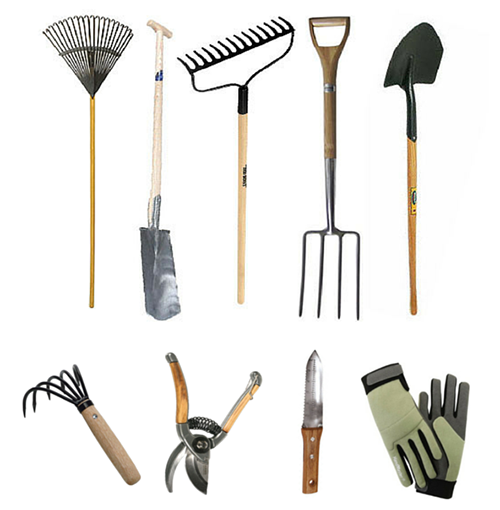
“10 Tools Every Gardener Should Own | ST …” from stlouishomesmag.com and used with no modifications.
If your lease is restrictive or you’re still waiting on a community plot, container gardening is your answer. It’s flexible, scalable, fully portable, and when done right, surprisingly productive. A well-set-up balcony container garden can yield fresh herbs, salad greens, and even tomatoes across an entire growing season.
The key is choosing the right containers for your specific space — not just what looks good at the garden center. Balconies need lightweight materials like fabric grow bags or high-density polyethylene planters to stay under weight limits. Windowsills require narrow, shallow trays that don’t obstruct airflow or drainage. Indoor setups need containers with integrated saucers to protect floors from water damage.
- Fabric grow bags (5 to 25 gallon) — lightweight, air-pruning roots, collapsible for moving
- Self-watering planters like the Lechuza Balconera — reduce overwatering and protect surfaces
- Window boxes with drainage inserts — keeps water contained and landlord-friendly
- Stackable vertical planters like the Woolly Pocket Wally — maximize small wall space without drilling
- Terracotta pots — excellent breathability but heavy when wet, so check balcony weight limits first
Best Containers for Balconies, Patios, and Windowsills
Matching your container to your specific rental space is what separates a thriving urban garden from a frustrating one. Balconies need lightweight options above everything else — a 25-gallon fabric grow bag filled with moist potting mix weighs significantly less than an equivalent terracotta or ceramic pot, while still giving deep-rooted plants like tomatoes the space they need. For patios, you have more flexibility with size and material, but always place containers on pot feet or risers to allow drainage and prevent staining the surface below.
Windowsills are the most constrained space of all, and the right container here is a narrow rectangular planter no deeper than 8 inches with a built-in drainage tray. The Lechuza Balconera Color 50 is a strong choice — it has a sub-irrigation reservoir that reduces how often you need to water while keeping excess moisture contained and away from windowsill surfaces. For vertical space on walls or fences, the Woolly Pocket Wally Five planter mounts without permanent hardware and works well for herbs and trailing plants.
How to Avoid Water Damage and Protect Your Deposit
Water damage is the most common reason gardening renters lose part of their security deposit. The fix is simple but needs to be consistent: every container needs a saucer or tray underneath it, and that tray needs to be emptied within 30 minutes of watering to prevent overflow onto flooring, decking, or concrete that can stain or warp over time. For balconies, use waterproof rubber mats or composite decking tiles under your containers as an additional barrier between wet pots and the surface below.
Self-watering containers with sealed reservoirs essentially eliminate this problem for indoor setups. For outdoor spaces, drip trays with high sides — at least 2 inches deep — give you a buffer on heavy rain days when you can’t immediately empty them. Before you move out, photograph every surface under and around your containers to document their condition as evidence that no damage occurred during your tenancy. If you are interested in optimizing your indoor garden, consider exploring indoor gardening lighting kits for better results.
What to Grow in a Small Urban Garden
The best plants for a small urban rental garden are the ones that give you the most return for the least space. That means focusing on crops with a high harvest-to-footprint ratio — herbs, leafy greens, and compact fruiting plants that produce continuously rather than as a single harvest. Here’s what actually works in containers and small plots.
1. Herbs: Basil, Mint, and Chives
Herbs are the undisputed champions of container gardening for renters. Basil, mint, chives, parsley, and thyme all thrive in 6 to 8 inch containers and produce continuously when harvested regularly. One critical rule: never let basil flower if you want leaves — pinch off any flower buds the moment they appear to keep the plant producing. Mint is the one herb that must always be grown in its own separate container, as its roots spread aggressively and will take over any shared pot within a single season.
2. Leafy Greens: Lettuce, Spinach, and Kale
Leafy greens are fast, shallow-rooted, and perfectly suited to window boxes and small trays. Loose-leaf lettuce varieties like ‘Black Seeded Simpson’ or ‘Oak Leaf’ can be harvested with a cut-and-come-again method — snip leaves from the outside and the plant regrows from the center — giving you multiple harvests from a single planting. Spinach prefers cooler temperatures and does well in early spring and fall. Baby kale varieties like ‘Dwarf Blue Curled’ stay compact enough for a 10-inch container and are significantly more productive per square inch than full-size kale.
3. Compact Vegetables: Cherry Tomatoes and Peppers
Cherry tomatoes are among the most rewarding crops for urban container gardeners, but variety selection is everything. Determinate dwarf varieties like ‘Tumbling Tom’, ‘Tiny Tim’, and ‘Balcony Red’ stay under 18 inches tall and produce well in 5 to 10 gallon containers without requiring staking. Peppers — both sweet and hot — are exceptional container plants because they are naturally compact, drought-tolerant once established, and productive across a long season. A single jalapeño or cayenne plant in a 3-gallon pot can produce more peppers than most households use in a year.
4. Edible Flowers: Nasturtiums and Calendula
Nasturtiums and calendula do double duty in an urban garden — they look beautiful and they’re entirely edible. Nasturtium flowers and leaves have a peppery flavor that works well in salads, and the plant thrives in poor soil with minimal watering, making it one of the most forgiving choices for beginner container gardeners. Calendula petals are mild and slightly sweet, commonly used as a saffron substitute in cooking. Both plants also attract pollinators and act as companion plants that can deter aphids from nearby vegetables. For more urban gardening tips, check out this landlord garden guide.
Light, Soil, and Water: Getting the Basics Right
Every plant failure in an urban garden traces back to one of three things: wrong light, wrong soil, or wrong watering. Get these three fundamentals right and almost everything else is manageable. Get them wrong and no amount of expensive fertilizer or premium containers will save your harvest.
The most common mistake is overestimating how much light a space actually receives. A balcony that feels sunny when you’re sitting on it may only deliver 3 to 4 hours of direct sun per day once you account for building shadows, overhangs, and seasonal sun angle changes. Most fruiting vegetables like tomatoes and peppers need 6 to 8 hours of direct sun. Herbs and leafy greens are more forgiving, managing well in 4 to 6 hours.
How to Assess Light Levels in Your Rental Space
The most accurate way to assess your space is to observe it hourly on a clear day from 8am to 6pm and note exactly when direct sunlight hits each area. Do this in the season you plan to garden, because sun angles change significantly between spring and summer. A simpler but effective tool is the Luster Leaf 1840 Rapitest Digital Soil and Light Meter — it gives you a real-time reading of light intensity without any guesswork and costs under $30.
Once you know your light levels, you can match plants precisely to the right spots on your balcony or windowsill rather than hoping for the best. South-facing spaces in the Northern Hemisphere get the most direct sun and can support the widest range of crops. East-facing spaces get gentle morning sun and suit herbs and greens well. North-facing spaces are the most challenging — more on that in the FAQ section below.
The Right Soil Mix for Container Growing
Standard garden soil is one of the worst things you can put in a container. It compacts under repeated watering, suffocates roots, and drains poorly — leading to the soggy conditions that kill most container plants. What you need instead is a purpose-built potting mix that stays loose, drains well, and holds just enough moisture between waterings. A high-quality all-purpose potting mix like Espoma AP8 Organic Potting Mix works well for most herbs and vegetables straight out of the bag.
For fruiting crops like tomatoes and peppers, mix in roughly 20% perlite by volume to improve drainage and aeration. Adding a slow-release granular fertilizer like Osmocote Smart-Release Plant Food at planting time means you won’t need to remember to feed your plants every week — it releases nutrients gradually over four months as you water. For leafy greens and herbs, a lighter hand with fertilizer is better, as too much nitrogen pushes leafy growth at the expense of flavor.
Watering Without Creating Mess or Damage
The golden rule for container watering is simple: water deeply and less frequently rather than lightly and often. Most container plants should be watered when the top inch of soil feels dry to the touch. Push your finger into the soil — if it comes out clean and dry, water thoroughly until it drains from the bottom of the pot. If it comes out with moist soil clinging to it, wait another day. For more tips on maintaining your urban garden, check out our guide on avoiding common gardening mistakes.
For renters specifically, how you water matters as much as how often. A long-neck watering can like the Haws Deluxe Plastic Indoor Watering Can gives you precise control over where water goes, reducing spills on floors or railings. For balcony setups, a battery-powered drip irrigation system like the Orbit 69525 Micro Bubbler Kit can be programmed to water at dawn, before you’re awake, catching any drips before they become a problem for downstairs neighbors or your lease agreement.
How to Move Your Garden When You Move Out
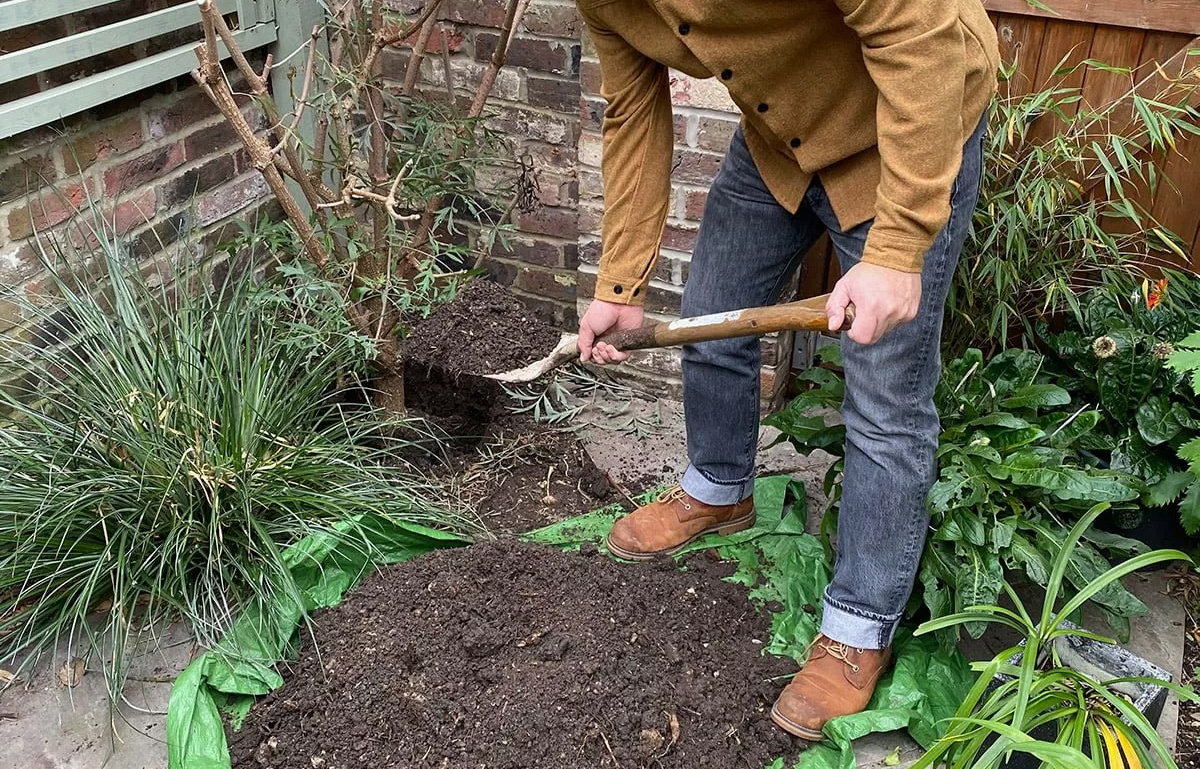
“How to move garden plants – Richard …” from www.richardjacksonsgarden.co.uk and used with no modifications.
Moving a container garden is entirely manageable if you’ve planned for it from the start. In the two weeks before your move date, stop fertilizing and reduce watering slightly to harden off your plants and reduce the weight of containers. For large fabric grow bags, simply fold the sides down, secure with bungee cords, and move them as a unit — no repotting needed. Terracotta pots should be wrapped individually in bubble wrap since they crack easily in transit. Herbs and leafy greens can be harvested heavily right before the move to reduce plant mass without losing the root system, then they’ll bounce back in their new location within a week or two. Once you’ve cleared your garden space, sweep up any soil debris, remove all pot feet and risers, and photograph every surface to document that the area is clean and undamaged. That photo record is your protection if any deposit dispute arises later.
Frequently Asked Questions
Urban garden leases and renter gardening come with a lot of specific questions that don’t have one-size-fits-all answers. The right answer usually depends on your lease, your building, and your local tenancy laws — but the guidance below covers the most common situations renters encounter.
Always treat the answers here as a starting point rather than legal advice. When in doubt, get written confirmation from your landlord before installing anything, no matter how small it seems.
Can My Landlord Stop Me From Having a Container Garden on My Balcony?
In most cases, yes — a landlord can restrict container gardening on a balcony if the lease includes language about balcony use, alterations, or weight limits. However, if your lease is silent on the subject, you generally have the right to use your balcony for reasonable personal enjoyment, which courts in many jurisdictions have interpreted to include potted plants. The safest path is always to ask first, get approval in writing, and keep containers clearly within any specified weight limits. A landlord who says no verbally but has nothing in the lease to support that restriction may be overreaching — worth a polite follow-up conversation referencing your specific lease terms. Making the most of rented garden space often comes down to choosing layouts that fit both your budget and growing goals. Seeking what to look for go to urban balcony garden guide.
What Should I Look for in an Urban Garden Rental Agreement?
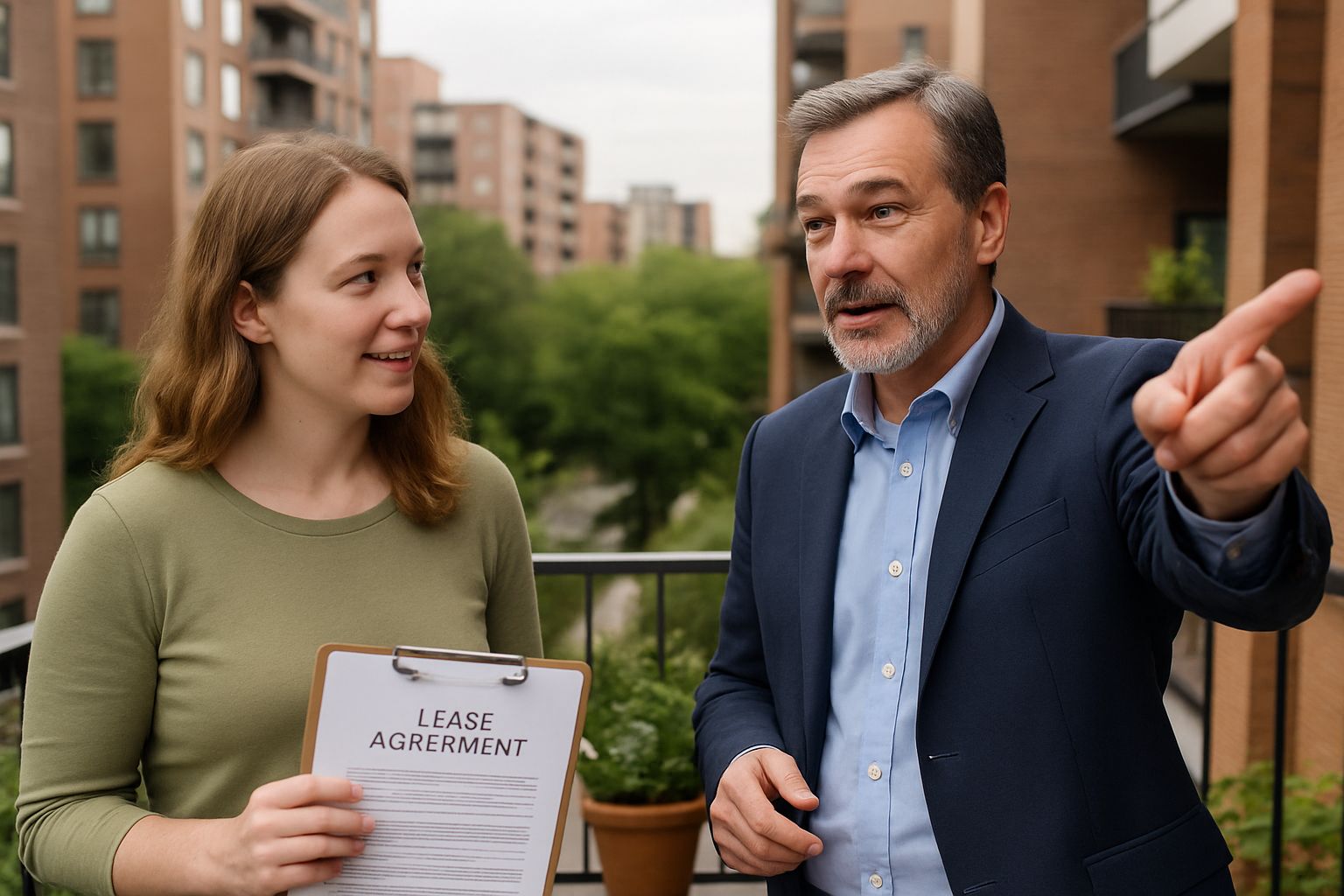
A solid urban garden rental agreement should leave no ambiguity about what you’re responsible for and what you’re entitled to use. Before signing, read every clause carefully and ask for clarification on anything that feels vague. Space maximizing conscious renters should consider exploring small urban portable greenhouses as part of your garden setup.
The most important elements to confirm in writing before signing any garden rental agreement are:
- Exact plot dimensions and whether they’re marked on-site or just described in the document
- Water access details — is it included in the rental fee, metered separately, or your responsibility to arrange?
- Permitted and prohibited plants — some agreements ban certain species, fruiting trees, or anything over a specific height
- Maintenance expectations — how often you must tend the plot and what “neglect” looks like according to the agreement
- Seasonal access — whether you have year-round access or only during defined growing months
- Subletting or sharing rules — whether you can invite others to use the plot with you
- End-of-term restoration requirements — what condition the plot must be in when you leave, and who is responsible for removing perennial plantings
- Dispute resolution process — how conflicts between plot holders or with management are handled
How Much Space Do I Need to Grow My Own Vegetables?
You need far less space than most people think. A dedicated 4×4 foot area — whether that’s a raised bed, a cluster of containers, or a community garden plot — is enough to grow a meaningful supply of salad greens, herbs, and compact vegetables for one person throughout the growing season. In pure container terms, four to six 5-gallon grow bags on a balcony can produce continuous lettuce, herbs, cherry tomatoes, and peppers from late spring through early fall. The key is maximizing vertical space with stackable planters and choosing cut-and-come-again crops that produce continuously rather than all at once.
What Are the Best Plants for a North-Facing Balcony?
A north-facing balcony in the Northern Hemisphere receives the least direct sunlight of any orientation, but it’s far from useless as a growing space. The plants that perform best in these conditions are shade-tolerant leafy crops and herbs that don’t need intense sun to thrive. Mint, chives, parsley, and cilantro all grow well in 3 to 4 hours of indirect or dappled light. Loose-leaf lettuce varieties like ‘Tom Thumb’ and ‘Little Gem’, baby spinach, arugula, and Swiss chard are reliable producers in north-facing conditions. Avoid fruiting crops like tomatoes, peppers, cucumbers, or squash entirely in these spaces — they will struggle, produce poorly, and frustrate you. Stick to what genuinely works and you’ll still have a productive, rewarding garden despite the light limitations.
Can I Grow Vegetables Indoors Without Natural Sunlight?
Yes — and this is one of the most exciting developments in urban gardening over the last decade. Full-spectrum LED grow lights have made it genuinely possible to grow productive vegetable gardens in rooms with little to no natural light, at a fraction of the energy cost of older HID or fluorescent systems.
For herbs and leafy greens, a compact unit like the Spider Farmer SF-1000 LED Grow Light delivers the full spectrum coverage needed for strong, flavorful growth. Position it 12 to 18 inches above your plants and run it for 14 to 16 hours per day using a simple outlet timer. Lettuce, basil, cilantro, mint, and spinach all perform exceptionally well under LED lighting indoors.
Fruiting crops like cherry tomatoes and peppers are harder to grow indoors without natural light because they require higher light intensity during flowering and fruit set. It’s possible with a more powerful LED setup, but for most renters, sticking to herbs and greens under grow lights gives the best return for the effort and cost involved.
Whatever you grow indoors under lights, make sure your containers have proper drainage trays and that you’re not overwatering — indoor plants under artificial light transpire differently than outdoor plants, and soggy soil is the fastest way to lose an otherwise healthy indoor garden. MoveZen360 helps renters navigate everything from lease terms to lifestyle upgrades like urban gardening — explore their resources to make the most of your rental space.