Article-At-A-Glance: Pet-Safe Plants That Actually Look Good
- Many of the most popular houseplants — including pothos, philodendrons, and peace lilies — are toxic to cats and dogs and can cause serious health issues if ingested.
- There are dozens of beautiful, low-maintenance indoor plants that are completely non-toxic to pets, so you never have to choose between a lush home and a safe one.
- The ASPCA maintains an updated list of toxic and non-toxic plants that every pet owner should bookmark — more on that later in this article.
- How you display your plants matters just as much as which plants you choose — the right setup can stop curious pets from ever reaching them.
- Some pet-safe plants actually thrive in low light, humid bathrooms, and high-traffic living rooms, making them incredibly versatile for any home layout.
You don’t have to sacrifice your love of plants just because you share your home with a curious cat or a plant-chewing dog.
Your Home Can Be Full of Plants and Still Be Safe for Pets
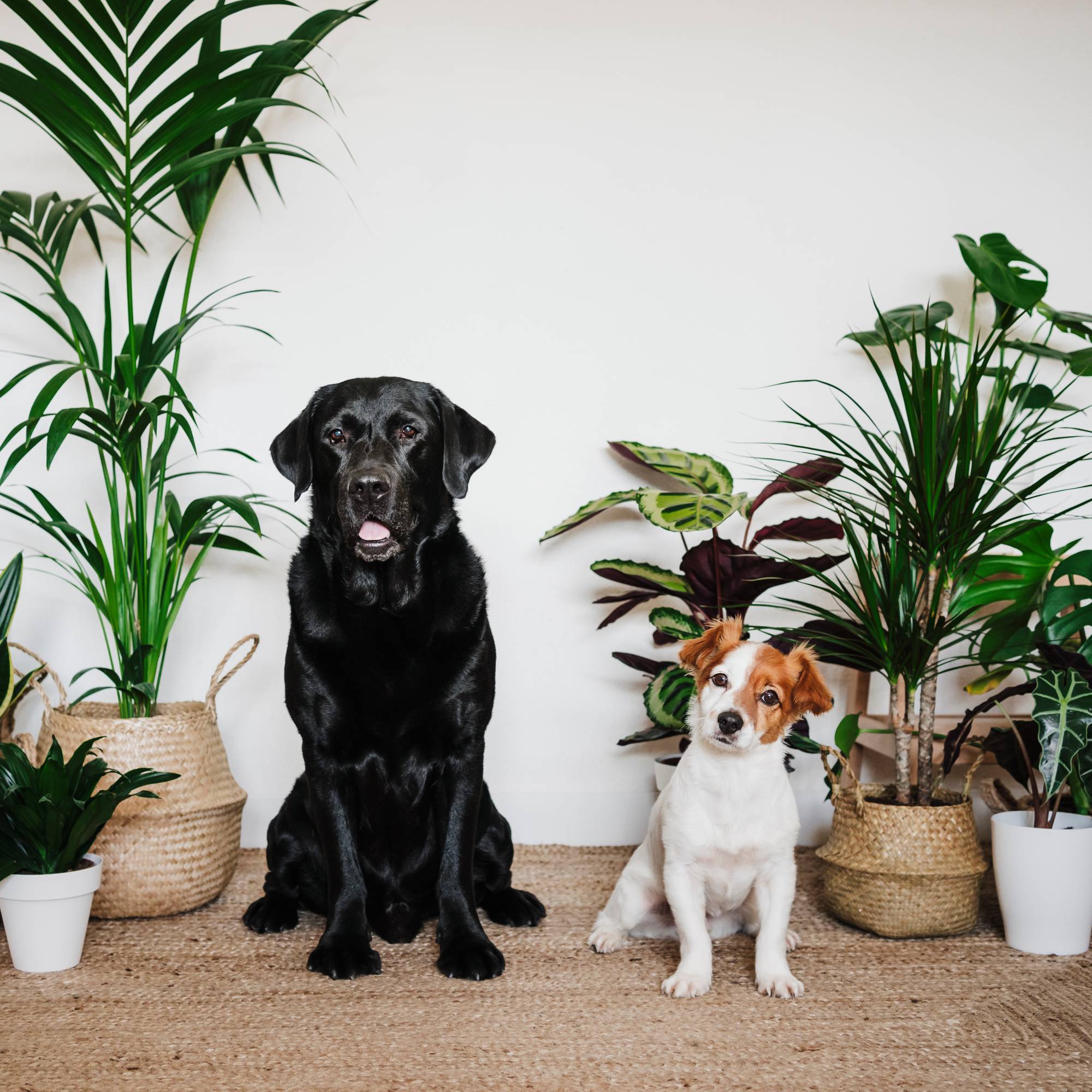
“7 Dog-Safe Houseplants to Grow Without …” from www.gardeningknowhow.com and used with no modifications.
The idea that pet owners have to choose between a beautiful indoor garden and a safe home for their animals is one of the most common misconceptions in the plant world. The reality is that there are dozens of stunning, vibrant houseplants that pose zero threat to cats, dogs, and other household pets. Once you know which ones to look for, building a lush, pet-safe indoor garden becomes surprisingly straightforward.
Whether you’re redesigning your living room with statement tropical plants or just want a small herb garden on your windowsill, pet-friendly options exist for every space, light level, and skill level. The Sill, a well-known online plant retailer, curates an entire collection of non-toxic, pet-friendly plants specifically for households with animals — a sign of just how much demand there is for safer greenery. The key is knowing what to look for before you buy.
Why So Many Popular Houseplants Are Actually Dangerous
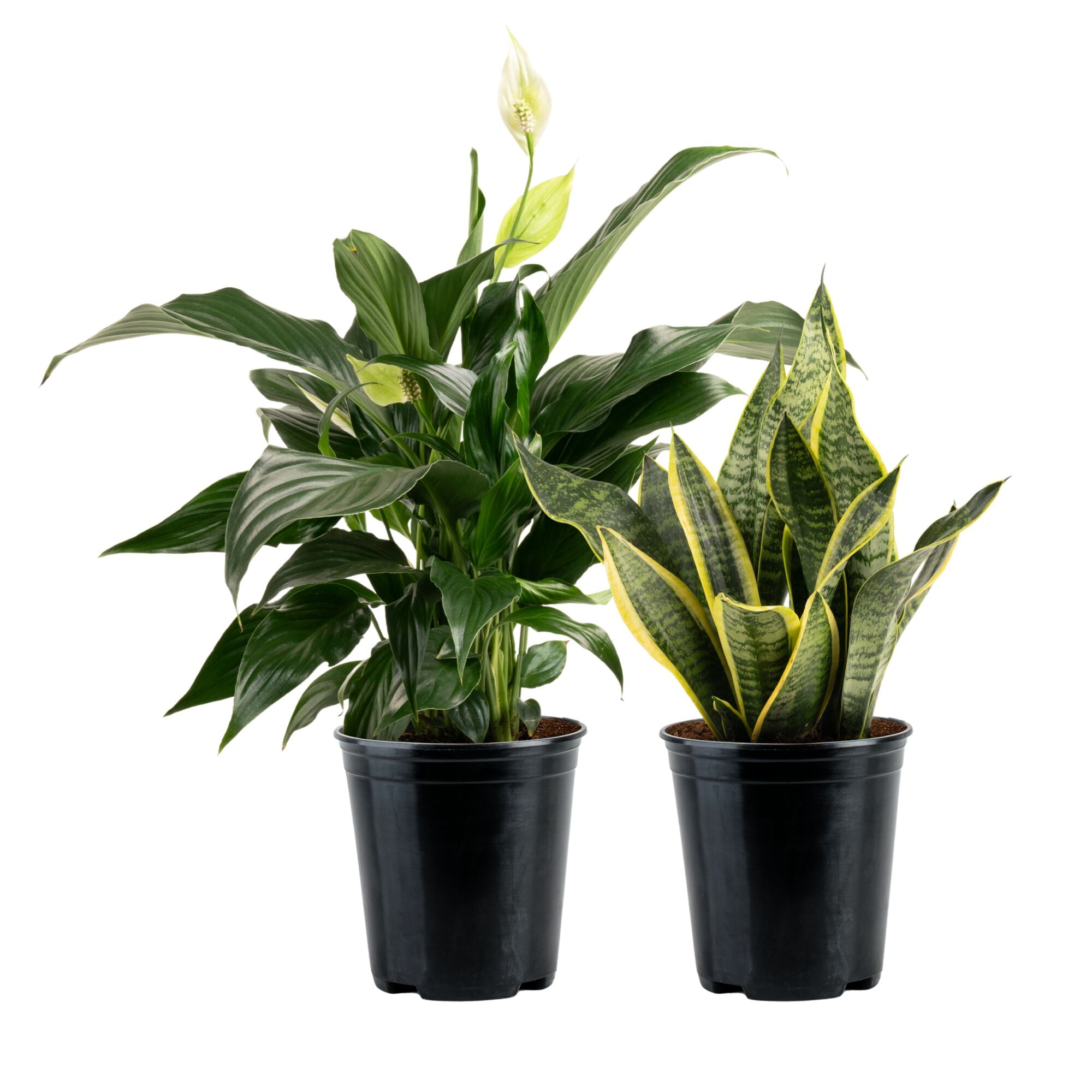
“Golden Pothos Live Plants …” from www.walmart.com and used with no modifications.
Walk into any garden center or scroll through a home décor account on social media, and you’ll likely spot pothos cascading from shelves, peace lilies on coffee tables, and philodendrons climbing up walls. These plants are everywhere — and unfortunately, they’re also some of the most toxic plants a pet could encounter indoors. The problem is that their popularity has outpaced the awareness of their risks.
Toxic houseplants contain compounds like calcium oxalate crystals, alkaloids, and glycosides that can cause real harm when chewed or ingested. Symptoms can range from mild drooling and vomiting to more serious outcomes like difficulty breathing, seizures, and organ damage depending on the plant and the amount consumed. Cats are particularly vulnerable because they’re agile enough to reach plants on high shelves — and because their livers process certain toxins very differently than dogs or humans do. For more information on safe options, explore this pet-friendly houseplant guide.
Common Toxic Plants You Might Already Own
Some of the most commonly sold houseplants are the ones most likely to land your pet at the emergency vet. Here’s a quick look at plants to avoid or relocate out of reach entirely:
- Pothos (Epipremnum aureum) — Contains calcium oxalate crystals; causes oral irritation, vomiting, and drooling in cats and dogs.
- Peace Lily (Spathiphyllum spp.) — Toxic to both cats and dogs; symptoms include vomiting, drooling, and difficulty swallowing.
- Philodendron (Philodendron spp.) — Also contains calcium oxalate; causes intense oral burning and gastrointestinal upset.
- Aloe Vera — Surprisingly toxic to pets despite its medicinal value for humans; causes vomiting, diarrhea, and lethargy.
- Jade Plant (Crassula ovata) — Can cause vomiting, depression, and incoordination in dogs and cats.
- ZZ Plant (Zamioculcas zamiifolia) — Contains calcium oxalate compounds and is considered toxic to pets.
- Lilies (Lilium spp.) — Extremely dangerous for cats specifically; even small amounts can cause acute kidney failure.
What Happens When a Pet Ingests a Toxic Plant
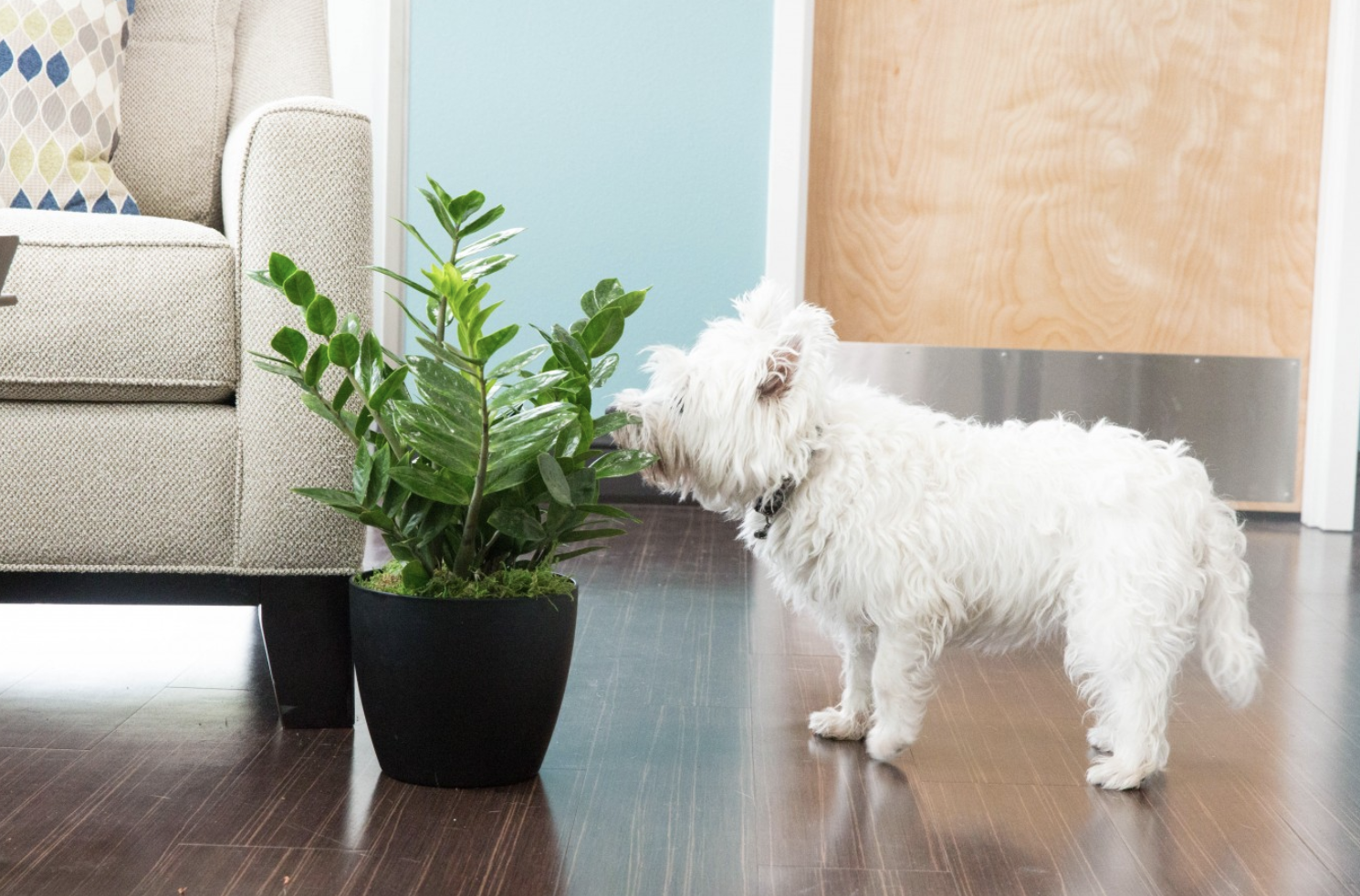
“10 Common Toxic Houseplants to Dogs” from dogsinc.org and used with no modifications.
When a pet chews on or swallows a toxic plant, the reaction depends on the specific toxin, the size of the animal, and how much was consumed. Mild reactions typically include drooling, pawing at the mouth, vomiting, and diarrhea — signs that the body is trying to expel the irritant. More serious ingestions can lead to lethargy, tremors, difficulty breathing, and in the worst cases, liver or kidney failure. For those interested in safer alternatives, you might explore options like sustainable indoor flowering plants that are pet-friendly.
If you ever suspect your pet has eaten a toxic plant, the ASPCA Animal Poison Control Center (APCC) is available 24/7 at (888) 426-4435. Time matters in these situations, and contacting a vet or the APCC immediately can make a significant difference in outcomes. The safest move, of course, is prevention — and that starts with choosing the right plants from the beginning.
The Top Pet-Friendly Indoor Houseplants
All of the plants below have been verified as non-toxic to cats and dogs by the ASPCA. They’re not just safe — they’re genuinely beautiful, varied in form and texture, and adaptable to different indoor conditions. This is the list you want on your phone the next time you’re standing in a nursery. For more options, check out this collection of pet-friendly plants.
1. Spider Plant (Chlorophytum comosum)
The Spider Plant is one of the most forgiving and widely available houseplants you can own, and it’s completely safe for pets. Its long, arching green-and-white striped leaves and dangling “spiderettes” make it a visual standout in any hanging planter or on a high shelf. It thrives in indirect sunlight, tolerates irregular watering, and is known to help purify indoor air. For new plant parents with pets, this is often the perfect starting point.
2. Boston Fern (Nephrolepis exaltata)
Lush, feathery, and full of texture, the Boston Fern brings a classic softness to indoor spaces that few plants can match. It’s non-toxic to both cats and dogs, making it one of the more popular choices for pet-friendly homes. Boston Ferns prefer humidity and indirect light, which makes them ideal for bathrooms or kitchens with natural light. Keep the soil consistently moist and mist the fronds regularly to keep them looking their best. For more on maintaining your indoor plants, check out this sustainable urban garden maintenance guide.
3. Areca Palm (Dypsis lutescens)
Also known as the Butterfly Palm, the Areca Palm is a tall, tropical showpiece that’s entirely safe for pets. It can grow several feet indoors, making it one of the best large pet-friendly houseplants available. It does well in bright, indirect light and prefers to dry out slightly between waterings. If you want to make a dramatic statement in a living room or entryway without putting your animals at risk, the Areca Palm delivers.
4. Calathea (Calathea spp.)
Calatheas are some of the most visually striking plants you can keep indoors — their patterned leaves in deep greens, purples, and silvers look almost painted. Fortunately, they’re also non-toxic to pets, which makes them a double win for animal-loving plant enthusiasts. They prefer low to medium indirect light and consistently moist (but not waterlogged) soil. The Calathea Vittata, with its elegant white-striped leaves, is one of the most sought-after varieties for pet-safe indoor gardens.
| Plant Name | Pet Safe? | Light Needs | Watering Frequency | Best Room |
|---|---|---|---|---|
| Spider Plant | ✓ Yes | Indirect light | Once a week | Any room |
| Boston Fern | ✓ Yes | Indirect light | Keep moist | Bathroom / Kitchen |
| Areca Palm | ✓ Yes | Bright indirect | Every 1–2 weeks | Living room / Entryway |
| Calathea | ✓ Yes | Low to medium indirect | Keep moist | Bedroom / Office |
| Parlor Palm | ✓ Yes | Low to bright indirect | Every 1–2 weeks | Any room |
5. Parlor Palm (Chamaedorea elegans)
The Parlor Palm is one of the most adaptable pet-safe houseplants you’ll find — it tolerates low light better than almost any other palm variety, which makes it ideal for darker apartments or offices. It’s non-toxic to both cats and dogs and grows at a slow, manageable pace indoors. Its delicate, feathery fronds add a tropical feel without overwhelming a smaller space. Water it every one to two weeks and let the top inch of soil dry out between sessions.
6. Bird’s Nest Fern (Asplenium nidus)
With wide, wavy, bright-green fronds that emerge from a central rosette, the Bird’s Nest Fern is a bold and elegant plant that’s completely safe around pets. It thrives in humid, low-to-medium light conditions, making it one of the best bathroom plants you can choose. Unlike many ferns, it’s relatively low-maintenance — just keep it away from direct sun and make sure it stays evenly moist. It’s a great option if you want something visually different from the typical leafy houseplant.
7. Peperomia (Peperomia spp.)
Peperomias are a massive and wonderfully diverse family of plants, with over 1,000 species ranging from tiny rosette forms to trailing varieties with thick, waxy leaves. What makes them especially appealing for pet households is that they’re non-toxic to cats and dogs across the board — and their compact size makes them easy to place on windowsills, desks, or bookshelves. They prefer bright to medium indirect light and are drought-tolerant enough that skipping a watering or two won’t cause any drama. If you want variety without the risk, a collection of mixed Peperomias is one of the smartest moves you can make.
8. Baby Rubber Plant (Peperomia obtusifolia)
Despite sharing a common name with the toxic Rubber Plant (Ficus elastica), the Baby Rubber Plant is an entirely different species and is completely safe for pets. Its thick, glossy, dark-green leaves give it a bold, sculptural look that punches well above its small size. It’s one of the most low-maintenance pet-safe houseplants available — it tolerates low light, infrequent watering, and general neglect better than most.
One important distinction worth repeating: the Baby Rubber Plant (Peperomia obtusifolia) is non-toxic, while the regular Rubber Plant (Ficus elastica) is toxic to both cats and dogs. Always double-check the full botanical name when purchasing, especially when common names overlap like this. The ASPCA’s toxic plant database is the most reliable place to verify before you buy.
9. Majesty Palm (Ravenea rivularis)
The Majesty Palm is the kind of statement plant that transforms a corner of a room into something that feels genuinely tropical — and it’s completely safe for cats and dogs. It can grow up to ten feet indoors under the right conditions, making it one of the largest pet-friendly houseplants on this list. It prefers bright indirect light, consistent moisture, and benefits from occasional misting to keep its long, graceful fronds looking lush. Feed it with a balanced liquid fertilizer during the growing season to keep it thriving.
10. Air Plants (Tillandsia spp.)
Air Plants are unlike almost anything else in the houseplant world — they require no soil, absorb moisture and nutrients through their leaves, and come in a fascinating range of shapes and textures. They’re also non-toxic to pets, which makes them an excellent choice for animal-friendly homes. Because they don’t need pots or soil, they can be displayed in glass terrariums, mounted on driftwood, or arranged in hanging geometric frames completely out of a pet’s reach.
Care is minimal but specific: soak Tillandsias in water for 20 to 30 minutes once a week, shake off excess water, and allow them to dry fully before placing them back in their display. They prefer bright, indirect light and good air circulation — a bathroom windowsill or a bright kitchen shelf works well. Their unique, soil-free nature also means there’s no dirt for curious dogs to dig through.
With so many pet-safe options available across different sizes, textures, and light requirements, there’s genuinely no reason to default to toxic plants. The ten plants above cover everything from tabletop miniatures to floor-standing palms — enough variety to fill an entire home with confidence.
Best Pet-Safe Plants for Different Rooms
- Bedroom: Calathea, Parlor Palm, Spider Plant — all tolerate lower light and won’t harm a pet that wanders in at night.
- Bathroom: Boston Fern, Bird’s Nest Fern — both love humidity and thrive in the warm, moist environment a bathroom naturally provides.
- Living Room: Areca Palm, Majesty Palm, Baby Rubber Plant — bold statement plants that hold their own in high-traffic spaces.
- Kitchen / Windowsill: Air Plants, Peperomia, pet-safe herbs like basil and cilantro — compact, functional, and easy to manage.
- Home Office: Peperomia, Calathea Vittata, Spider Plant — smaller varieties that brighten a desk without needing constant attention.
Matching the right plant to the right room isn’t just about aesthetics — it’s about giving each plant the conditions it actually needs to survive. A Boston Fern placed in a dry living room will struggle, while the same fern in a steamy bathroom will flourish. Getting this right means healthier plants, fewer replacements, and a home that actually looks as good as you planned.
It’s also worth thinking about pet behavior room by room. A cat that spends most of its time on the bedroom windowsill needs pet-safe plants in that specific space — not just in the living room where you think the plants are out of reach. Observe where your pets actually spend their time before deciding where to place new plants.
Low-Light Rooms and Bedrooms
The Parlor Palm and Calathea are two of the strongest performers in low-light conditions, making them natural fits for bedrooms, hallways, and north-facing rooms. Both are non-toxic, visually striking, and won’t stretch or yellow dramatically when the light isn’t perfect. The Spider Plant is another reliable option here — it adapts well to lower light levels and is virtually indestructible, which is ideal for spaces you don’t check on every day.
For bedrooms specifically, plants with calming, muted tones — like the deep greens of a Parlor Palm or the patterned leaves of a Calathea — tend to complement restful environments better than bold, bright-leaved varieties. Keep pots on dressers or floating shelves to keep them away from pets that sleep on the floor or in pet beds nearby.
Bathrooms and Humid Spaces
Bathrooms are an underutilized space for houseplants, and fern varieties absolutely love them. The Boston Fern and Bird’s Nest Fern both thrive in the warm humidity that showers and baths generate naturally, reducing how often you need to manually mist or water them. Place them on a shelf near a frosted window or under a skylight for best results — they need some light, but direct sun will scorch their fronds.
If your bathroom has limited light, the Bird’s Nest Fern is the more forgiving of the two. Its broad, flat fronds adapt to lower light better than the feathery fronds of the Boston Fern, which prefer a little more brightness. Either way, both are completely safe if your cat decides the bathroom shelf is the perfect napping spot.
Living Rooms and High-Traffic Areas
Living rooms call for plants with presence — and pet-safe options like the Areca Palm, Majesty Palm, and even a well-sized Boston Fern can absolutely deliver that. The key in high-traffic areas is stability: choose heavy ceramic pots with wide bases that won’t tip over easily, and position taller palms in corners where they’re less likely to be bumped by pets or people moving through the space. A well-placed Areca Palm in a large terracotta pot can anchor an entire room while remaining completely safe for every animal in the house. For more tips on maintaining a sustainable urban garden, check out our guide on indoor flowering plants.
How to Display Plants So Pets Leave Them Alone
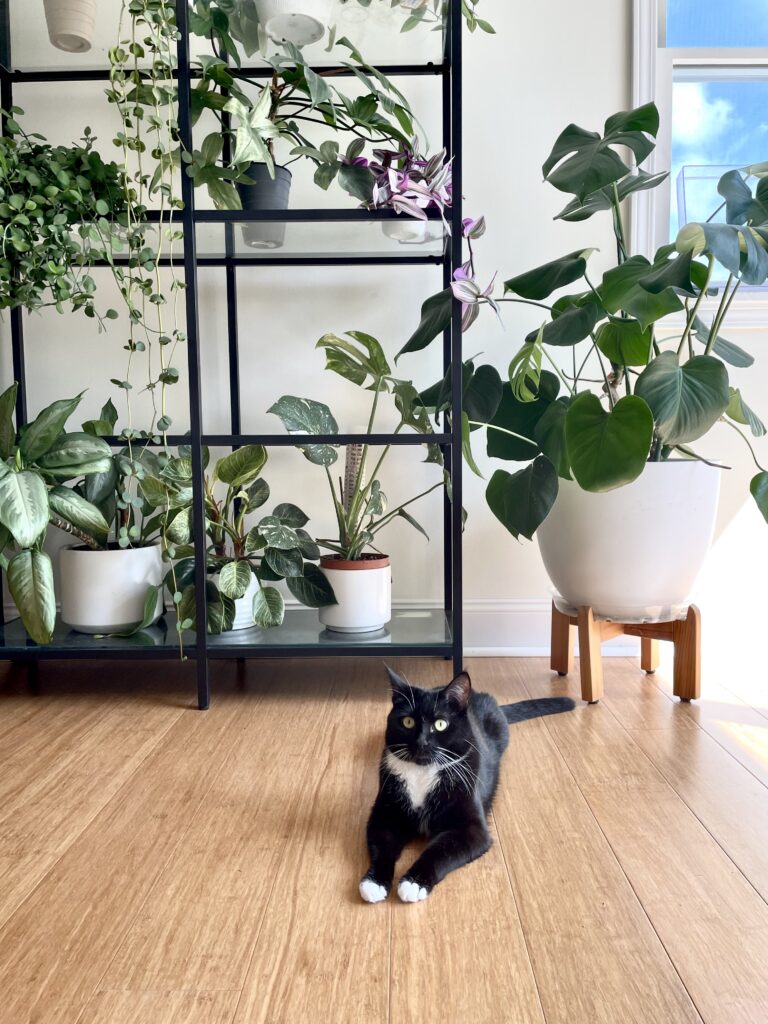
“How to Style Houseplants with Pets …” from leafandpaw.com and used with no modifications.
Even with a fully pet-safe plant collection, there’s still the very real problem of your cat knocking over your Calathea at 3am or your dog deciding that the Parlor Palm’s soil looks like a great place to dig. Choosing non-toxic plants removes the health risk, but it doesn’t automatically stop pets from interacting with — and occasionally destroying — your plants.
The good news is that strategic display goes a long way. Elevation, weight, and placement are your three main tools for keeping plants intact and pets uninterested. A Spider Plant hanging in a macramé planter near the ceiling is far less tempting to a cat than the same plant sitting on a low coffee table. Height alone changes the dynamic entirely.
It’s also worth noting that some pets are simply more plant-curious than others. If you have a cat that actively seeks out and chews on plants regardless of what you do, pairing pet-safe choices with elevated or enclosed displays gives you the best of both worlds — no toxic risk and no destroyed foliage.
Hanging Planters and Wall-Mounted Options
Hanging planters are one of the most effective ways to keep plants out of reach of both cats and dogs. Spider Plants, Boston Ferns, and trailing Peperomia varieties all look stunning in hanging baskets and actually prefer the elevated airflow that comes with being suspended. Macramé hangers, ceiling hooks, and tension rod systems are all solid options, depending on your ceiling type and rental restrictions.
Wall-mounted planters and modular wall systems — like the popular IKEA SKADIS pegboard adapted for planters, or purpose-built systems like the Umbra Trigg Wall Shelf — let you create a vertical garden that pets simply can’t access. Air Plants work particularly well in wall-mounted geometric terrariums, adding texture and visual interest at eye level without a single pot on the floor. For more ideas on safe greenery, check out this pet-friendly houseplant guide.
Pro Tip: When hanging planters from ceiling hooks, make sure the hook is anchored into a stud or ceiling joist — not just drywall. A falling planter is a hazard for both pets and plants. Use a stud finder and a hook rated for at least double the weight of your fully-watered plant and pot combined.
The higher you can go, the better — especially for cats. Most cats won’t bother with a plant they can’t easily jump to, particularly if no nearby shelf or furniture is acting as a launching pad. Clear the area around any hanging planter, and you remove most of the temptation entirely. For more ideas, check out this collection of pet-friendly plants.
Shelving and Elevated Displays
Floating shelves installed at 5 to 6 feet high are one of the cleanest and most visually appealing ways to display houseplants in a pet-friendly home. Compact varieties like Peperomia, Air Plants, and small Calatheas sit beautifully on narrow shelves and are completely out of reach for dogs and most cats. For households with particularly athletic cats, adding a second tier of shelving above the first — with no adjacent furniture to jump from — makes access even more difficult. The visual effect of a staggered plant shelf display is one of the most popular interior trends right now, and it happens to be incredibly practical for pet owners.
Heavy Pots and Stable Bases
For floor-standing plants like the Areca Palm or Majesty Palm, the pot itself becomes a key safety feature. Heavy ceramic or concrete planters are significantly harder for a dog to knock over than lightweight plastic nursery pots, and their weight keeps larger palms anchored even when bumped. Avoid tall, narrow pots for floor plants — wide, low-profile bases distribute weight better and are far more stable. If you have a dog that likes to dig, a layer of decorative river stones placed on top of the soil acts as both a visual finish and a physical deterrent that’s much harder to paw through than bare potting mix. For more tips on maintaining your indoor plants, check out our sustainable urban garden maintenance guide.
Pet-Safe Herbs You Can Actually Grow Indoors
| Herb | Pet Safe? | Light Needs | Best Use |
|---|---|---|---|
| Basil | ✓ Yes | Bright direct light | Cooking, windowsill gardens |
| Cilantro | ✓ Yes | Bright indirect light | Cooking, compact containers |
| Dill | ✓ Yes | Full sun | Cooking, tall windowsill pots |
| Rosemary | ✓ Yes | Bright direct light | Cooking, aromatic displays |
| Thyme | ✓ Yes | Full sun | Cooking, ground-cover style pots |
| Catnip (Nepeta cataria) | ✓ Yes | Bright indirect light | Cat enrichment, indoor herb gardens |
Growing herbs indoors is one of the most practical things a plant lover can do — and the good news for pet owners is that many of the most useful culinary herbs are completely non-toxic to cats and dogs. Basil, cilantro, dill, rosemary, and thyme are all ASPCA-verified safe, and all of them do well in a sunny kitchen windowsill or under a grow light. You get fresh ingredients for cooking and a living, fragrant display that’s safe for any animal that gets curious about what’s on the counter.
Catnip (Nepeta cataria) deserves a special mention here — it’s not just safe for cats, it’s genuinely enriching for them. Growing a small pot of catnip indoors gives your cat a sanctioned plant to interact with, which can actually reduce the likelihood of them going after your other houseplants out of boredom. It grows easily in bright indirect light and benefits from regular trimming to stay bushy rather than leggy. Just be prepared for your cat to be extremely interested in wherever you decide to put it.
One herb to approach carefully is mint. While most mint varieties are considered non-toxic to pets, some cats and dogs experience mild gastrointestinal upset if they consume large quantities. The essential oils in mint can also be an irritant in concentrated form, so it’s best kept on a higher shelf rather than left at floor level, where a pet could chew on it freely. Pennyroyal mint (Mentha pulegium) specifically is toxic to both cats and dogs and should never be grown in a pet household — always verify the exact species before adding any mint variety to your indoor garden. For more tips on maintaining a safe indoor garden, check out this urban garden guide.
How to Keep Both Your Plants and Pets Thriving
The overlap between good plant care and good pet safety is bigger than most people realize. Healthy plants are less likely to drop leaves or berries that a pet might find on the floor, and a well-maintained indoor garden means you’re paying close enough attention to notice if something has been chewed or disturbed. Staying on top of basic plant care — watering schedules, trimming dead growth, repotting when needed — directly contributes to a safer environment for your animals.
Fertilizers and Soil Products Safe Around Animals
Many standard fertilizers and soil additives contain ingredients that are harmful to pets if ingested, particularly bone meal, blood meal, or iron sulfate, which are attractive to dogs because of their smell and can cause serious gastrointestinal problems or iron toxicity. Opt for pet-safe fertilizers like Espoma Organic Plant-tone or diluted liquid seaweed fertilizers, which are far gentler in composition. Avoid leaving slow-release fertilizer granules on the soil surface, as they are easy for pets to lick or eat directly. If you use any soil amendment, store it completely sealed and out of reach — the smell alone is enough to attract a curious dog.
What to Do If Your Pet Eats a Plant
If you catch your pet chewing on a plant — even one you believe to be non-toxic — the first step is to stay calm and identify the plant as specifically as possible. Take a photo of the plant and note the full name if you have it. Then contact your veterinarian or the ASPCA Animal Poison Control Center at (888) 426-4435, which operates 24 hours a day, seven days a week. Do not wait for symptoms to appear before making the call — early intervention is always more effective than reactive treatment.
Even with a fully pet-safe plant collection, some plants can cause mild stomach upset simply because they’re not part of a pet’s natural diet. A cat that eats a large amount of Spider Plant, for example, may vomit not because the plant is toxic but because the plant matter itself is irritating to their digestive system. For more information on how plants can affect health, you might find this guide on plant communication and effects insightful. Keep an eye on your pet for 24 hours after any plant-chewing incident and report any concerning symptoms to your vet immediately. When in doubt, call — no vet will ever fault you for being too cautious.
The ASPCA Is Your Best Resource for Plant Safety
The ASPCA Animal Poison Control Center maintains one of the most comprehensive and regularly updated databases of toxic and non-toxic plants in the world, and it’s completely free to access. Their online toxic plant database allows you to search by plant name or browse by category, and it covers plants verified against both cats and dogs specifically — not just a generic “pet” classification that lumps all animals together.
Before you buy any new plant — whether from a nursery, a grocery store, or an online retailer — it takes less than two minutes to search the plant’s name on the ASPCA database and confirm its safety status. This single habit, done consistently, is the most effective thing you can do to protect your pets from plant-related poisoning. Bookmark the page on your phone so you can check it on the spot while you’re still standing in the nursery.
It’s also worth knowing that the ASPCA database uses both common names and botanical names in its search function, which is important because common names can refer to multiple different plants. The name “Rubber Plant” returns both the toxic Ficus elastica and the non-toxic Peperomia obtusifolia — two completely different plants. Searching by the full Latin botanical name gives you the most accurate, unambiguous result every time.
The ASPCA also operates the Animal Poison Control Center app, which provides quick access to their database along with guidance on what to do in a poisoning emergency. It’s a useful tool to have installed if you share your home with both pets and plants — and it’s far faster to use in a stressful moment than navigating a browser on a small screen.
- Bookmark the ASPCA Toxic and Non-Toxic Plant Database on your phone before your next plant shopping trip.
- Always search by the full botanical Latin name for the most accurate safety result.
- Save the ASPCA Animal Poison Control Center number — (888) 426-4435 — in your phone contacts right now.
- Download the ASPCA Animal Poison Control app for fast, offline access to plant safety information.
- When purchasing plants online, cross-check the retailer’s pet-safe labeling against the ASPCA database independently — not all labeling is equally rigorous.
Frequently Asked Questions
These are the questions pet-owning plant lovers ask most often — answered directly so you can make confident decisions for your home and your animals.
What is the most pet-friendly houseplant for beginners?
The Spider Plant (Chlorophytum comosum) is the most recommended pet-friendly houseplant for beginners. It’s non-toxic to both cats and dogs, tolerates a wide range of light conditions, recovers quickly from missed waterings, and propagates easily from its trailing “spiderette” offshoots. If you’re new to houseplants and have animals at home, start here — it’s genuinely hard to get wrong.
Are succulents safe for cats and dogs?
Not all succulents are safe, and this is one of the most important distinctions in pet-friendly plant care. Haworthia is a great example of a safe succulent — it’s non-toxic and widely available. However, several of the most popular succulent varieties are toxic to pets, including Jade Plant (Crassula ovata), Aloe Vera, and certain types of Euphorbia. The category “succulent” is too broad to assume safety — always verify the specific species before bringing one home.
Can I have a pet-friendly indoor garden in a small apartment?
Absolutely. In fact, small apartments are ideal for a curated pet-safe plant collection because you’re working with limited space and every plant you choose matters. Compact varieties like Peperomia, Air Plants, and small Calatheas fit perfectly on windowsills, floating shelves, and desktops. Vertical displays and hanging planters maximize space while keeping plants elevated and out of reach of curious pets. The Sill and other online plant retailers offer specifically curated pet-friendly collections that are well-suited to smaller living spaces.
How do I stop my cat from eating my houseplants?
The most effective long-term strategy is a combination of elevation and redirection. Place plants on high shelves or in hanging planters where your cat cannot easily access them, and remove any nearby furniture that could serve as a jumping-off point. Cats that are persistent climbers may need wall-mounted planters or enclosed terrariums as the only truly cat-proof display options.
Redirection works alongside physical barriers. Growing a dedicated pot of catnip or cat grass (Dactylis glomerata) gives your cat a sanctioned plant to chew on, which significantly reduces the motivation to go after your other houseplants. Cat grass is non-toxic, inexpensive to grow from seed, and many cats prefer it over decorative foliage once it’s available to them.
Some cat owners also have success with citrus-scented deterrent sprays applied to the soil and pot exterior — cats tend to dislike citrus strongly. Products like Bodhi Dog Bitter Lemon Spray are designed to be non-toxic and can be applied directly to plant surfaces as a deterrent. For more information on pet-friendly houseplants, you can explore various resources that offer guidance. Results vary by cat, but it’s a low-effort addition to your overall strategy that’s worth trying before resorting to more intensive display solutions.
Is the ZZ plant safe for pets?
No. The ZZ Plant (Zamioculcas zamiifolia) is toxic to both cats and dogs. It contains calcium oxalate crystals throughout its leaves, stems, and rhizomes, which can cause oral irritation, excessive drooling, vomiting, and difficulty swallowing if ingested. Despite being one of the most popular low-maintenance houseplants on the market, it should not be kept in homes with pets that have access to it.
The ZZ Plant’s toxicity is frequently underreported because it’s so widely sold and its symptoms, while unpleasant, are rarely fatal. However, “rarely fatal” is not the same as “safe,” and the discomfort a pet experiences after ingesting calcium oxalate crystals is significant enough to warrant avoiding the plant entirely if you have cats or dogs at home.
If you love the look of the ZZ Plant — its glossy, architectural leaves are genuinely stunning — consider the Parlor Palm or a large Peperomia as a visual alternative that delivers a similar bold, structured aesthetic without any toxicity risk. Both are ASPCA-verified non-toxic and can be styled in similar ways to the ZZ Plant in modern interior spaces.
When it comes to choosing houseplants that are safe for your pets, it’s important to consider options that are non-toxic and pet-friendly. There are several beautiful plants that not only enhance the aesthetics of your home but also ensure the safety of your furry friends. For a comprehensive guide on selecting the best greenery, you can refer to this pet-friendly houseplant guide.