Article-At-A-Glance: Pollen-Free Living Starts With Smarter Design
- You can create a thriving, pollinator-friendly shed garden that keeps airborne pollen levels low — without sacrificing beauty or biodiversity.
- Strategic plant selection, shed placement, and garden layout are the three most powerful tools for reducing pollen exposure at home.
- Female-only plants and low-pollen flowering species let you enjoy a garden without triggering seasonal allergies.
- One design trick — using your shed as a windbreak — can dramatically cut how much pollen drifts into your living spaces.
- Rent-to-own urban shed options are making pollen-free garden setups more accessible than ever for city dwellers on a budget.
If you suffer through allergy season every year, your garden might be working against you — but it doesn’t have to.
Most people don’t realize that the layout of your outdoor space, the plants you choose, and even the position of a garden shed can make a measurable difference in how much pollen you’re exposed to daily. Sustainable living isn’t just about composting and solar panels — it’s about designing your entire environment to support your health and well-being. For allergy sufferers especially, a thoughtfully designed urban shed garden can become a genuine sanctuary. Companies like ones specializing in customizable urban shed solutions are helping homeowners take back their outdoor spaces with structures built for real-life, modern living.
The good news? You don’t have to choose between a beautiful, pollinator-supporting garden and a space that won’t send you reaching for antihistamines. It comes down to knowing which plants, layouts, and structures actually work.
Your Shed Garden Can Be a Pollen-Free Haven
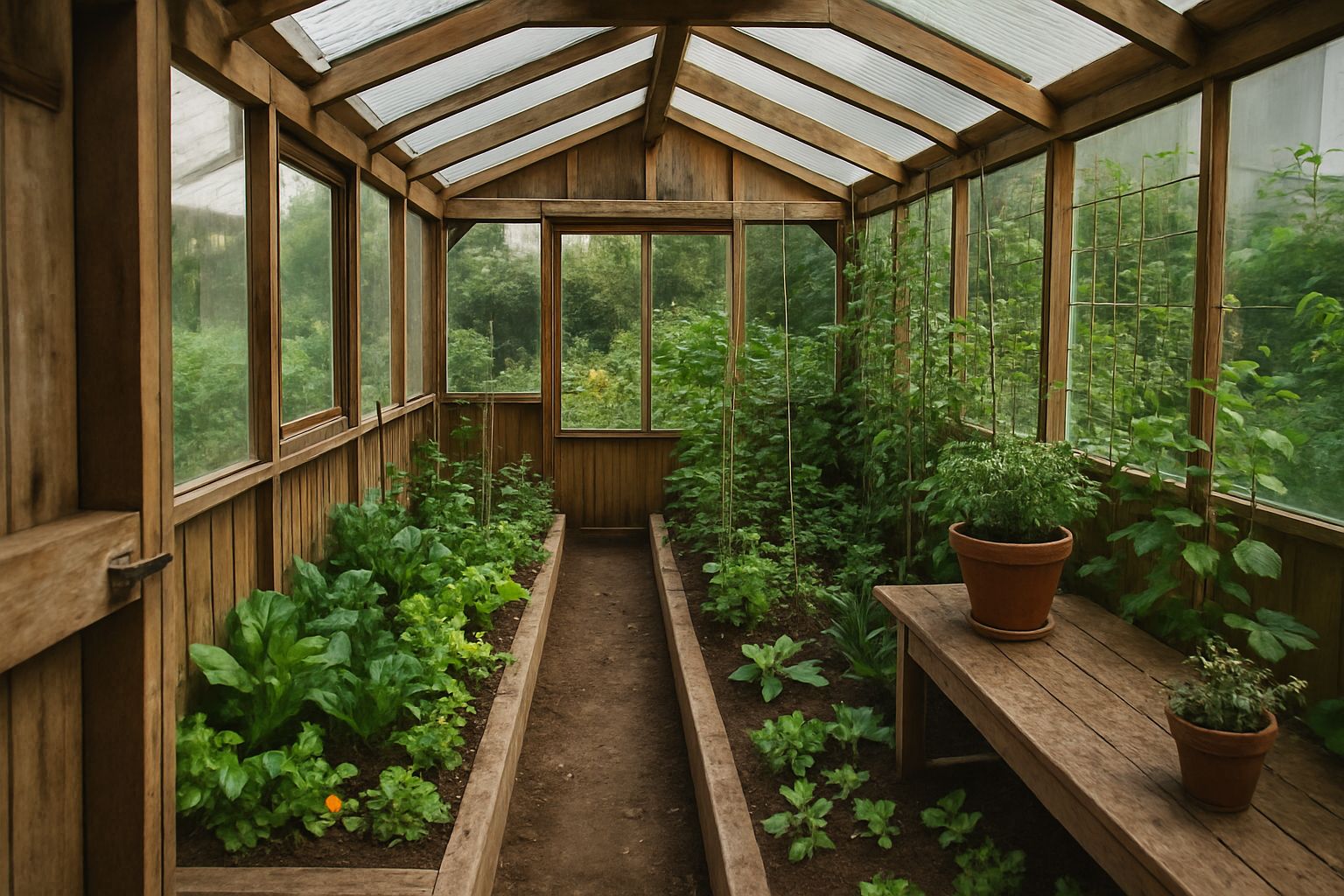
Urban sheds have quietly evolved from simple storage boxes into fully functional lifestyle structures. A well-placed shed in your backyard isn’t just extra square footage for your lawnmower — it’s a structural anchor for your entire garden design. When you plan around it intentionally, it becomes a windbreak, a backdrop for climbing plants, and a foundation for a pollen-controlled outdoor zone.
The key is treating your shed and your garden as one integrated system rather than two separate elements. When the shed placement, plant selection, and garden layout all work together, you get a space that actively filters and reduces airborne pollen rather than concentrating it.
Design Principle: Think of your shed as the spine of your garden. Everything — plant clusters, pathways, seating areas — should radiate outward from it with pollen management in mind. Position high-pollen plants on the far perimeter, low-pollen plants near living zones, and use the shed walls themselves as a buffer between the two.
This approach works especially well in smaller urban yards where every square foot has to pull double duty. A shed that faces south or southeast with windows on multiple sides gives you natural light inside while the solid walls deflect prevailing winds — and the pollen those winds carry — away from your primary outdoor living space. For more insights, explore our sustainable urban garden maintenance guide.
Why Urban Sheds Are the Perfect Pollen-Free Solution
Cities and suburbs are actually surprisingly good environments for pollinators, according to research adapted from Michigan State University Extension. The patchwork of small, individually managed plots creates diverse micro-habitats that support a wide range of pollinating insects. The challenge for allergy sufferers is that this same diversity means a wide variety of pollen sources in close proximity. A shed garden gives you a defined, controllable zone where you set the rules on what grows and what doesn’t.
Unlike an open lawn or a traditional garden bed, a shed garden has physical boundaries you can work with. The shed structure itself blocks wind from one direction, and you can use fencing, trellises, or dense low-pollen shrubs on the remaining sides to create a sheltered microclimate. Less wind movement means less pollen drift — it’s that straightforward.
How Shed Placement Near Existing Structures Reduces Pollen Exposure
Placing your shed adjacent to an existing fence, wall, or tree line isn’t just a space-saving move — it’s a smart pollen management strategy. These existing structures act as a first-line windbreak, and your shed becomes a second layer of defense. Together, they create a sheltered pocket in your garden where air movement is reduced significantly, and with it, the concentration of airborne pollen.
When positioning your shed, pay attention to the direction of prevailing winds in your area. In most of North America, winds typically come from the west or southwest. Placing your shed on the western edge of your garden means the structure intercepts wind-carried pollen before it reaches your seating area, vegetable beds, or entryways. It’s a passive solution that costs nothing extra once the shed is in place — and it works around the clock.
Choose the Right Plants for a Pollen-Free Shed Garden
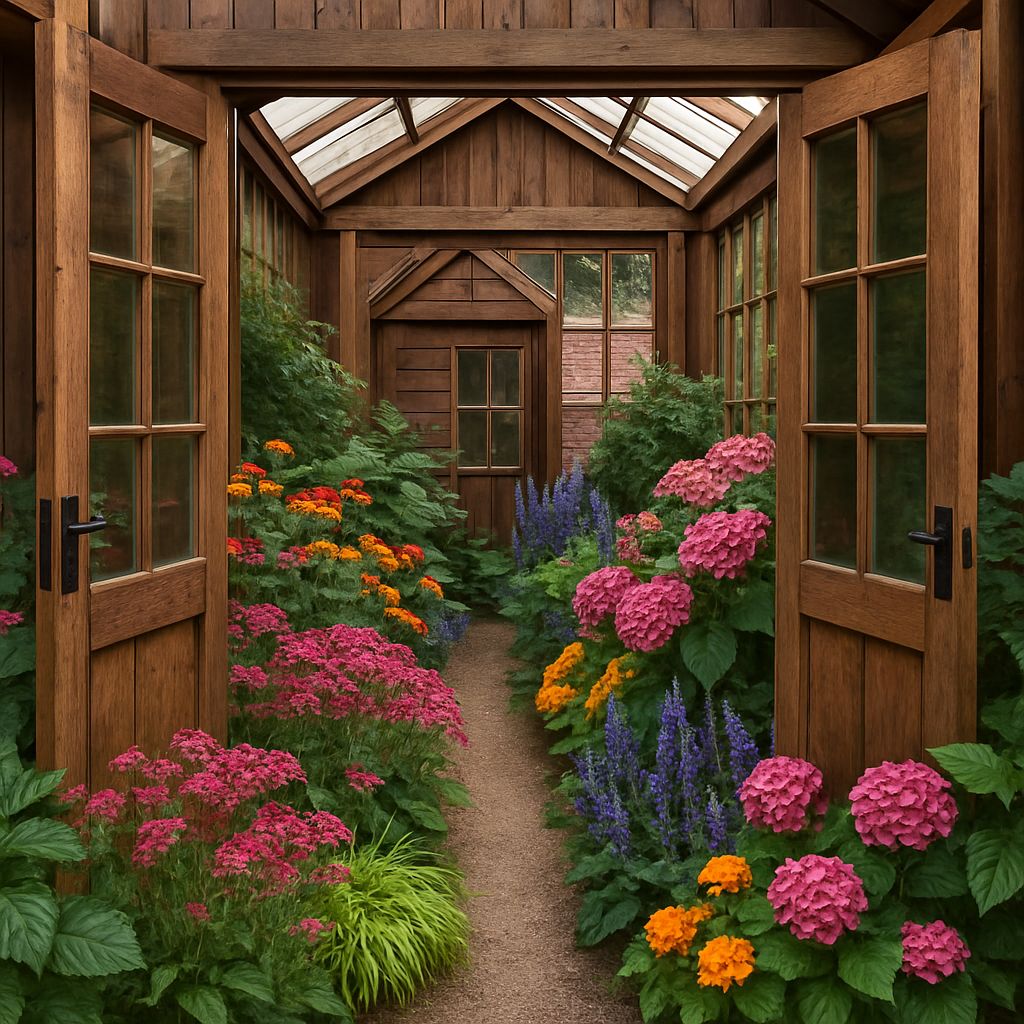
Plant selection is where most allergy sufferers either win or lose the battle against pollen. The conventional wisdom of “plant what looks pretty” completely ignores the fact that many popular ornamental plants are among the worst pollen offenders. Switching to a low-pollen or pollen-free plant palette doesn’t mean a dull garden — it means being deliberate about what you invite into your space. For more insights, consider exploring modern garden shed ideas.
The guiding principle here is the OPALS scale (Ogren Plant Allergy Scale), developed by horticulturist Thomas Ogren, which rates plants from 1 (least allergenic) to 10 (most allergenic). Building your shed garden around plants rated 1 through 4 gives you a genuinely low-allergen space without sacrificing color, texture, or biodiversity.
Female Plants Produce No Pollen
This is one of the most underused strategies in allergy-conscious gardening. Dioecious plants — species that have separate male and female individuals — only produce pollen on the male plant. Female plants produce no pollen whatsoever. Choosing female cultivars of trees and shrubs like willows, hollies, and certain maples means you get the visual benefit of the plant with zero pollen output. Look for cultivar names that include “female” or check with your local nursery specifically for female-only stock.
Low-Pollen Flowers That Still Attract Pollinators
Here’s something that surprises most people: the flowers that are most attractive to bees and butterflies are often the lowest pollen risk for allergy sufferers. Insect-pollinated flowers — think lavender, salvia, and echinacea — hold their pollen inside the flower where insects can access it. Their pollen is heavy and sticky, designed to cling to a bee’s body rather than float through the air. It’s wind-pollinated plants like grasses, ragweed, and many trees that produce the light, airborne pollen that triggers allergies.
For your shed garden, prioritize insect-pollinated species. Not only do they keep pollen out of the air, but they also actively support the pollinator populations that keep your food garden productive. Lavender along the shed’s south-facing wall, salvia in clustered mid-border plantings, and echinacea as a bold centerpiece are all excellent starting points.
Bulbs, Shrubs, and Trees That Minimize Airborne Pollen
Michigan State University Extension’s pollinator research highlights that some of the most valuable pollinator plants in urban settings are bulbs, shrubs, and trees — and many of these overlap neatly with low-allergen choices. Fruit trees like cherries and apples are insect-pollinated, meaning their pollen is heavy and non-airborne, yet they provide abundant nectar and pollen resources for bees. In a small urban yard, a single dwarf cherry or apple tree near the shed can anchor the whole garden while supporting pollinators and keeping your allergy risk low.
Design Your Urban Shed Garden Layout for Pollen Control
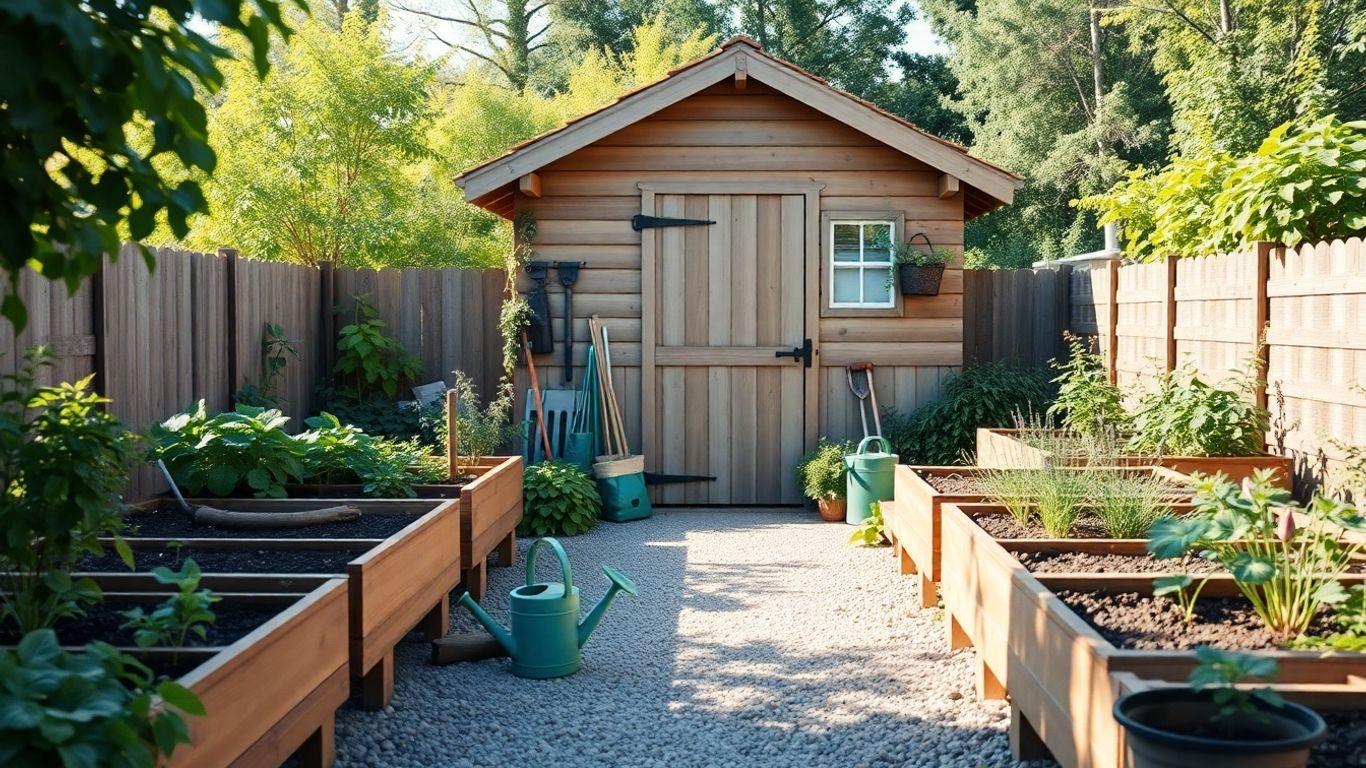
“Community Garden Shed for Shared Spaces …” from www.tmocoatacpo.com and used with no modifications.
Layout is the invisible architecture of your garden — most people never think about it deliberately, but it determines everything from how air moves through the space to which plants end up near your back door. A pollen-conscious layout puts distance and physical barriers between high-pollen plants and the areas where you spend time. It’s not complicated, but it does require some upfront planning.
Group Pollinator Plants in Clusters of 30 Square Feet or More
Michigan State University Extension’s guidance is clear on this: grouping pollinator-friendly plants in blocks of 30 square feet or larger is significantly more effective at attracting and supporting pollinators than scattering individual plants throughout the garden. For pollen management, this principle works in your favor, too. Concentrating your flowering plants in defined zones — away from seating areas and entry points — means you control where pollen activity happens in your garden.
Place these flowering clusters on the far side of your shed from your primary outdoor living area. The shed itself then acts as a physical separator between the pollinator zone and the space where you relax, eat, or let children play. It’s elegant in its simplicity: one structure doing two jobs simultaneously. For more ideas on modern shed designs, check out this article on modern garden sheds.
Position Your Shed as a Windbreak Against Pollen Drift
Wind is the primary mechanism by which airborne pollen travels, so reducing wind movement through your garden is the single most effective passive strategy you have. A solid-walled shed positioned on the upwind side of your garden can reduce wind speed in the sheltered zone by up to 50% — and with it, the concentration of pollen carried on that air. Combined with dense low-growing shrubs on the shed’s flanks, you create a calm, pollen-reduced pocket that feels noticeably different from the rest of the yard.
Container Gardening Options for Maximum Pollen Control
Container gardening is one of the most underrated tools in the pollen-free garden toolkit. When plants grow in containers, you control exactly where they live — and more importantly, where they don’t. High-pollen plants can be positioned far from doorways and seating areas, while your low-pollen favorites stay close. Containers also let you move plants indoors or to sheltered spots during peak pollen season, giving you a level of flexibility that in-ground planting simply can’t match.
For shed gardens specifically, containers work beautifully along the shed’s exterior walls. A row of lavender or salvia in terracotta pots along the south-facing wall creates a striking visual while keeping pollen activity concentrated in one defined zone. Use wheeled pot bases for heavier containers so repositioning them as seasons change takes seconds rather than a workout.
Customize Your Urban Shed for Sustainable Living
A modern urban shed isn’t just a storage solution — it’s a statement about how you choose to live. The best shed designs today are built with sustainability baked in: durable materials that last decades, thoughtful window placement that maximizes natural light, and structural details that make the shed genuinely comfortable to spend time in. When you customize your shed with pollen control in mind alongside these sustainable features, you get a structure that actively supports your health and your values simultaneously.
Urethane Finishes and Paint Options for Weather Resistance
The exterior finish on your shed does more than protect the wood — it determines how much maintenance you’ll be doing over the coming years, and how well the structure holds up to the damp conditions that a garden environment creates. Urethane-based finishes form a hard, flexible barrier that resists moisture, UV degradation, and the freeze-thaw cycles that cause untreated wood to crack and split. For a shed that’s surrounded by plants and exposed to regular watering, irrigation mist, and seasonal rain, this level of protection isn’t optional — it’s essential.
When choosing paint colors, lighter exterior shades reflect heat rather than absorbing it, which keeps the shed cooler in summer and reduces the expansion and contraction stress on the structure. From a pollen perspective, smooth painted or sealed surfaces are also much easier to wipe down than rough-sawn timber. During high pollen season, a quick wipe of the exterior windowsills and door frames removes pollen accumulation before it gets tracked inside. To further minimize pollen intrusion, consider using eco-friendly air filtration products that efficiently capture airborne particles.
Window and Door Placement to Minimize Pollen Entry
Every opening in your shed is a potential pollen entry point, so placement and design matter. Windows on the leeward side of the shed — the side sheltered from prevailing winds — allow ventilation without drawing pollen-laden air directly through the space. If you’re using your shed as a potting station, hobby room, or workspace, consider installing fine mesh insect screens rated at 20 mesh or finer, which block not just insects but a significant portion of larger pollen particles as well. Door placement on the sheltered side of the shed, facing away from your main garden beds, keeps daily foot traffic from constantly disturbing pollen that settles near the entrance. For more tips, check out our sustainable urban garden maintenance guide.
Porch Upgrades That Create Pollen-Free Outdoor Living Zones
Adding a covered porch or pergola structure to the front of your shed transforms it from a purely functional building into an outdoor living extension — and done right, it creates a partially sheltered zone where pollen exposure is meaningfully reduced. A roof overhang of at least 18 to 24 inches keeps rain from splashing pollen-covered soil onto the porch surface, while also providing shade that discourages pollen-heavy wind-pollinated plants from thriving directly underneath. Pair this with a fine outdoor privacy screen or lattice panel on the windward sides, and you’ve created a genuinely comfortable, lower-pollen outdoor room right in your garden.
Reduce Pesticide Exposure in Your Shed Garden
One of the core principles of sustainable gardening is reducing chemical inputs — and in a pollen-conscious garden, this principle takes on even greater urgency. Many common pesticides are toxic to the very pollinators that make your low-pollen, insect-pollinated garden function. Without bees visiting your lavender, salvia, and fruit trees, those plants become less productive and less healthy over time. Healthy, thriving plants are also far more resistant to pest pressure in the first place, which means the whole system becomes self-reinforcing when you manage it well. For more tips on sustainable urban gardening, check out this guide to indoor flowering plants.
The relationship between plant health and pesticide reduction is more direct than most gardeners realize. Stressed plants — those growing in the wrong light conditions, in poor soil, or without adequate water — emit chemical signals that actively attract pest insects. A plant growing in conditions it’s genuinely suited to is chemically and physically more resistant to attack. This is why the Michigan State University Extension guidance on pollinator gardens emphasizes selecting plants that are not prone to pests and diseases as the foundational step, rather than reaching for pesticides after problems arise.
Healthy Plants Need Fewer Pesticides
| Plant Type | Pest Resistance Level | Pesticide Need | Pollinator Value |
|---|---|---|---|
| Native Perennials (e.g., Echinacea, Salvia) | High | Very Low | High |
| Lavender | High | Very Low | High |
| Dwarf Fruit Trees (Cherry, Apple) | Medium | Low to Moderate | Very High |
| Exotic Ornamentals | Low | High | Low |
| Hybrid Tea Roses | Low | High | Very Low |
The pattern in this table tells a clear story: the plants with the highest pollinator value consistently need the fewest pesticide interventions. Native perennials like echinacea and salvia evolved alongside local pest populations and developed their own chemical defenses over thousands of years. They don’t need your help fighting off aphids — they handle it themselves.
Soil health is the other half of this equation. Plants growing in biologically active soil — rich in mycorrhizal fungi, beneficial bacteria, and organic matter — have access to nutrients and moisture more efficiently than plants in depleted soil. That efficiency translates directly into stronger cell walls, more robust immune responses, and less vulnerability to both pest insects and fungal disease. Building your shed garden beds with quality compost and avoiding synthetic fertilizers that kill soil biology is one of the highest-return investments you can make in long-term pest resistance.
Group your most vulnerable plants — if you choose to include any — in a dedicated bed where you can monitor them closely without exposing your entire pollinator garden to any treatment that becomes necessary. Isolation isn’t defeat; it’s smart garden management that protects the broader ecosystem you’re building around your shed.
Safe Pest Management Around Pollinator-Friendly Plants
When pest pressure does appear despite your best prevention efforts, timing and product selection are everything. Applying any treatment — even organic options like neem oil or insecticidal soap — during early morning or late evening avoids the peak foraging hours of most bee species, dramatically reducing exposure risk. Never apply anything to a plant in active bloom, and check surrounding plants for foraging insects before treating any target plant. Physical removal, sticky traps, and targeted water sprays handle the majority of common pest situations in a well-designed garden without any chemical exposure at all.
Create Pollinator Habitat Without Triggering Allergies
Supporting pollinators and managing your pollen exposure are goals that complement each other far more than they conflict. The pollinators you most want in your garden — native bees, butterflies, and hoverflies — are almost exclusively attracted to insect-pollinated flowers. And insect-pollinated flowers, as established earlier, keep their pollen inside the bloom where it belongs. By designing your garden to attract these beneficial insects, you’re automatically steering yourself toward a low-airborne-pollen plant palette.
The habitat requirements for pollinating insects are also surprisingly compatible with a tidy, well-managed garden. Contrary to the idea that pollinator gardens have to look wild and unkempt, most of what pollinators need can be provided in a structured, intentional way that looks as good as any conventional landscape design.
Provide Shelter for Pollinators Using Woody Debris and Leaf Litter
Many ground-nesting and cavity-nesting native bees require specific shelter conditions to complete their life cycles. According to Michigan State University Extension research on urban pollinator habitat, bees frequently establish nests in woody debris, leaf litter, tall grass, and even small cracks beneath garden structures — including garden sheds. Your shed, by its very presence, is already providing nest sites for beneficial insects in the gap between its base and the soil.
You can deliberately enhance this by leaving a small designated zone of undisturbed leaf litter and woody debris on the shaded side of your shed. A pile no larger than 2 to 3 square feet is enough to support a meaningful population of ground-nesting bees and overwintering beneficial insects. Keep it contained with a simple timber border to maintain the tidy appearance of the rest of the garden while still providing the habitat these insects need.
Cavity-nesting bees — including mason bees and leafcutter bees — are among the most efficient pollinators of fruit trees and garden vegetables. A simple mason bee house mounted on the east-facing wall of your shed, at a height of 5 to 7 feet, provides ideal nesting conditions: morning sun to warm the nest early, shelter from rain under the shed’s eave, and proximity to the flowering plants in your garden. Mason bees have a foraging range of only about 300 feet, so placing their nesting site within your shed garden means they’ll work your plants almost exclusively.
- Leave a small patch of bare, undisturbed soil near the shed’s base for ground-nesting bee species
- Stack a few sections of untreated hardwood logs in a shaded corner to support beetle and solitary bee species
- Mount a mason bee house on the east-facing shed wall at a height of 5 to 7 feet
- Allow a small section of ornamental grass or native sedge to remain uncut through winter for overwintering insects
- Avoid using weed barrier fabric in beds near the shed, as it blocks ground-nesting bee access to soil
Each of these habitat elements is small in scale but significant in impact. Together, they transform the area around your shed from dead space into a functioning micro-ecosystem — one that supports the pollinators your garden depends on while keeping allergy-triggering airborne pollen firmly under control.
Bee Nesting Solutions That Keep Hives Away From Living Areas
Managed honey bee hives and mason bee houses serve very different purposes in a shed garden, and knowing the distinction helps you make smarter decisions about what kind of pollinator support actually fits your space. Full honey bee hives require a dedicated apiary setup, significant ongoing management, and careful placement well away from foot traffic areas — typically at least 25 feet from any regularly used outdoor living zone. For most urban shed gardens, mason bee and leafcutter bee houses are a far more practical and neighbor-friendly alternative that delivers exceptional pollination results with virtually no management burden.
- Place managed honey bee hives no closer than 25 feet from seating areas, play spaces, or garden entry points
- Orient hive entrances away from pathways and toward a solid fence or hedge that forces bees to fly up and over rather than through your living space
- Install mason bee houses on the east-facing shed wall at 5 to 7 feet high for optimal morning warmth
- Keep bee nesting structures at least 6 feet from any door or window opening
- Avoid placing nesting structures directly above garden seating or dining areas
If you do choose to keep honey bees, the shed itself can serve as a strategic buffer. Position the hive on the far side of the shed from your main living area, using the shed wall as a physical barrier that redirects flight paths away from the space where you spend time. Bees establish consistent flight routes — called flight corridors — very quickly after a hive is established, so setting this up correctly from day one is far easier than trying to redirect established flight patterns later.
For gardeners who want pollination benefits without any hive management at all, simply planting the right flowering species in your shed garden will attract more than enough wild native bee species to handle pollination effectively. Michigan State University Extension research confirms that urban landscapes with diverse, bloom-staggered plantings naturally support robust populations of wild pollinators without any deliberate hive installation. Your garden does the work — you just have to plant it right.
Convert Lawn Areas Into Low-Pollen Pollinator Corridors
Conventional lawn grass is one of the most significant pollen sources in urban environments, yet it’s one that rarely gets discussed in the context of allergy management. Grass pollen is extremely fine, extremely light, and produced in enormous quantities during spring and early summer. Converting even a portion of your lawn — particularly the sections surrounding your shed garden — into planted pollinator corridors eliminates that pollen source while creating connected habitat that supports far more biodiversity than turf ever could.
The conversion process doesn’t have to be dramatic or expensive. Start by removing a strip of turf along the shed’s perimeter — even 18 inches wide makes a meaningful difference — and replacing it with a continuous planting of low-growing, insect-pollinated groundcovers like creeping thyme, ajuga, or native sedge. These plants produce little to no airborne pollen, outcompete weeds once established, require minimal watering after their first season, and provide a continuous bloom succession that supports pollinators from early spring through late autumn.
Expanding this approach to create a connected corridor from your shed garden to any other planted areas in your yard — even across a property line to a neighbor’s garden — dramatically increases the ecological value of the space. Pollinators thrive in connected landscapes where they can move easily between food sources and shelter. Michigan State University Extension research on urban pollinator habitats specifically highlights that the patchwork nature of urban gardens is one of their greatest ecological strengths, and deliberately connecting those patches amplifies the benefit for every gardener involved.
Lawn-to-Corridor Conversion Guide:
Step 1: Mark out the conversion area with spray paint or a garden hose — start with the perimeter of your shed garden.
Step 2: Smother existing turf with cardboard layered 3 to 4 sheets deep, topped with 4 inches of quality compost. No digging required.
Step 3: Plant low-pollen groundcovers through the compost layer in staggered groups of 3 to 5 plants per species.
Step 4: Water consistently for the first 6 to 8 weeks until plants are established. After that, rainfall handles most of the irrigation needs.
Step 5: Add stepping stones or a simple gravel path through the corridor to maintain access without compacting the planting beds.
Rent-to-Own Urban Sheds Make Pollen-Free Gardens Accessible
The upfront cost of a quality urban shed has historically been the biggest barrier between a great idea and an actual garden transformation — but rent-to-own programs have fundamentally changed that equation. Instead of paying the full purchase price before a single plant goes in the ground, rent-to-own arrangements let you start with a fully installed shed immediately and spread the cost over manageable monthly payments, typically with no credit check required. For sustainable living enthusiasts working within a real budget, this means the pollen-free shed garden you’ve been planning doesn’t have to wait until you’ve saved up the full amount. The shed goes up, the garden gets designed around it, and the whole system starts working for your health and your outdoor space right away.
A Pollen-Free Shed Garden Is the Smartest Sustainable Investment You Can Make

Every decision covered in this guide — from choosing female-only plant cultivars to positioning your shed as a windbreak, from converting lawn strips to pollinator corridors to mounting a mason bee house on your east-facing wall — compounds over time into a garden that genuinely works with your biology instead of against it. You’re not sacrificing beauty, biodiversity, or ecological value to manage your pollen exposure. You’re just being smarter about how you design the space. A pollen-conscious shed garden supports more pollinators, requires fewer pesticides, produces healthier plants, and gives you an outdoor space you can actually enjoy through allergy season. That’s not a compromise — that’s an upgrade in every direction that matters.
Frequently Asked Questions
These are the questions that come up most often when people start planning a pollen-conscious shed garden — answered with the same directness the topic deserves.
What makes an urban shed garden pollen-free?
A pollen-free urban shed garden is one designed to minimize airborne pollen through three coordinated strategies: selecting low-pollen or no-pollen plant species, using the shed structure and surrounding plantings as physical windbreaks that reduce pollen drift, and positioning high-pollen plants — if included at all — at the maximum possible distance from living and entertaining areas. No garden in an urban environment can achieve absolute zero airborne pollen, since pollen travels from neighboring properties and public green spaces on the wind. But a well-designed shed garden can reduce your personal pollen exposure significantly compared to a conventionally planted yard, often enough to make a meaningful difference in day-to-day allergy symptoms during peak season.
Which plants are best for a pollen-free shed garden?
The best plants for a pollen-free shed garden are insect-pollinated species with heavy, sticky pollen that stays inside the flower rather than becoming airborne. These plants tend to have brightly colored, highly visible blooms specifically designed to attract insect visitors — the visual cues that signal “pollen and nectar available here” to bees and butterflies. Wind-pollinated plants, by contrast, often have inconspicuous flowers because they don’t need to attract insects — they just release clouds of fine pollen and let the wind do the work. Avoiding wind-pollinated species is the single most impactful plant selection decision you can make. For more ideas, check out enhancing urban and suburban landscapes to protect pollinators.
Female plants of dioecious species are your absolute best allies. A female holly, female willow, or female ginkgo produces no pollen at all — ever — while still providing structure, seasonal interest, and habitat value. Ask your nursery specifically for female cultivars of any tree or shrub you’re considering, and check the OPALS allergen scale rating for any plant you’re unsure about before it goes into the ground.
For flowering perennials and annuals, prioritize species with a long track record of attracting pollinators. These are almost always insect-pollinated and therefore low-airborne-pollen options. Build your plant palette from these proven performers and fill gaps with additional low-OPALS-rated species as your garden matures.
- Lavender (Lavandula angustifolia) — OPALS rating 1, exceptional bee attractor, virtually no airborne pollen risk
- Salvia (Salvia nemorosa or S. officinalis) — OPALS rating 2, long bloom period, drought-tolerant once established
- Echinacea (Echinacea purpurea) — Native perennial, insect-pollinated, supports native bee species through late summer
- Creeping Thyme (Thymus serpyllum) — Ground-level lawn replacement, minimal pollen release, continuous bloom
- Dwarf Cherry or Apple (insect-pollinated varieties) — Heavy pollen, but all held within the bloom for insect collection — none becomes airborne
- Female Holly (Ilex species) — Zero pollen production, excellent structure, and winter berry interest
- Ajuga reptans — Low-growing groundcover, insect-pollinated, spreads quickly to suppress lawn grasses
How do I position my urban shed to reduce pollen exposure?
Shed positioning for pollen control is primarily about wind management. Identify the direction of prevailing winds in your area — in most of North America, this is from the west or southwest — and position your shed on the upwind side of your primary outdoor living space. This places the solid shed wall between the wind source and the area where you spend time, intercepting pollen-laden air before it reaches you.
The shed’s door and window placement matter almost as much as its overall position. Doors and operable windows on the leeward side — the side sheltered from prevailing winds — let you ventilate the interior without drawing wind-carried pollen through the space. If your shed will be used as a workspace, potting station, or hobby room during allergy season, this detail will make a noticeable difference in how comfortable the interior environment feels.
Secondary positioning considerations include proximity to existing windbreaks like fences and tree lines. Placing your shed adjacent to one of these existing structures creates a layered wind reduction effect: the fence or tree line catches the first wave of wind and pollen, and your shed catches whatever gets through. The sheltered zone created between these two layers is where you want your seating areas, vegetable beds, and most-used garden spaces to be located.
- Position the shed on the western or southwestern perimeter of your garden to intercept prevailing winds
- Place doors and operable windows on the eastern or northern faces, away from the wind direction
- Use the gap between the shed and an existing fence or wall as a sheltered corridor for seating or kitchen garden beds
- Avoid positioning the shed where it would funnel or accelerate wind through a narrow gap between structures
- Install fine mesh screens (20 mesh or finer) on any windows used for ventilation during peak pollen season
Can I still attract pollinators in a pollen-free garden?
Pollinator vs. Pollen Risk: How They Relate
The plants most attractive to pollinators are insect-pollinated — meaning their pollen is designed to be collected by insects, not dispersed by wind. This makes them simultaneously the best plants for attracting bees and butterflies AND the lowest risk for airborne pollen allergies. The two goals are not in conflict — they are naturally aligned.
Yes — and in fact, a thoughtfully designed low-pollen garden often supports a wider diversity of pollinator species than a conventional garden dominated by showy hybrid cultivars. Many popular ornamental hybrids have been bred for visual impact in ways that actually reduce their value to pollinators: doubled petals that block access to nectar, reduced pollen production that makes them less nutritious for bees, or fragrance compounds that have been removed along with other characteristics during the breeding process. The plants that support pollinators best are typically the straight species or simple cultivars — and these are consistently the low-airborne-pollen options.
According to Michigan State University Extension research on urban pollinator habitats, towns, cities, and suburbs can be highly successful environments for insect pollinators precisely because of their diversity of small, individually managed plots. Your shed garden doesn’t have to be large to be ecologically meaningful. A well-planted 30-square-foot pollinator cluster near your shed, stocked with lavender, echinacea, and native salvia, will attract and support a remarkable diversity of native bee species, butterflies, and hoverflies through the growing season.
Staggering your plant selection so something is always in bloom from early spring through autumn is the key to keeping pollinators present and active in your garden. Start with early bulbs like alliums and scilla, transition into spring-blooming fruit trees, move through summer with lavender and echinacea, and finish the season with late-blooming native asters and sedums. Each of these is insect-pollinated, low-airborne-pollen risk, and sequentially hands pollinators off from one bloom period to the next without a gap in food availability.
The presence of nesting habitat is what converts your shed garden from a place pollinators visit into a place they actually live. Mason bee houses, undisturbed soil patches, leaf litter zones, and sections of ornamental grass left standing through winter give the insects you’re attracting somewhere to complete their full life cycle. A garden that feeds and houses pollinators will have measurably higher pollination rates for any fruit or vegetable plants you grow — making the pollen-conscious design choices pay off in productivity as well as health.
Is a rent-to-own urban shed a good option for small urban yards?
Rent-to-own is an excellent option for small urban yards, particularly for gardeners who want to start building their pollen-free garden system now rather than waiting until they’ve saved the full purchase cost of a quality structure. The program works by spreading the shed’s cost across monthly payments with no credit check, meaning the barrier to getting started is dramatically lower than a traditional purchase. The shed is fully installed upfront, so your garden design can begin immediately around the actual structure rather than having to plan around a future footprint.
For small yards, the selection of shed sizes available through rent-to-own programs is also a practical advantage. Rather than defaulting to whatever size fits your immediate budget at purchase, you can choose the size that genuinely fits your yard and your garden plan, then manage the cost through the payment structure. A shed that’s properly sized for your space — not too large to crowd your garden beds, not too small to provide meaningful wind protection — performs better as a pollen management tool and looks better in the landscape long term. For more tips on maintaining your garden, check out this sustainable urban garden maintenance guide.
The customization options available through quality shed suppliers are also relevant to pollen management. Window placement, door orientation, exterior finish type, and add-on features like covered porches or extended eaves can all be specified when you order — meaning your shed arrives already optimized for your specific site conditions and pollen management goals, rather than requiring retrofitting after installation.
- No credit check means the program is accessible regardless of financial history
- Full installation upfront lets you begin garden design immediately around the actual structure
- Size and customization options let you optimize for your specific yard and pollen management needs
- Monthly payment structure spreads the monthly cost without delaying the project start
- The shed begins functioning as a windbreak and garden anchor from day one of installation
One practical consideration for small yards: before committing to a shed size, map out your full garden plan, including the pollinator cluster zones, windbreak plantings, and any seating or vegetable bed areas you want to include. This gives you a clear picture of the minimum shed footprint that still delivers the wind protection and structural anchoring your design requires, without consuming more of your limited yard space than necessary.
The combination of immediate installation, flexible sizing, and accessible payment terms makes rent-to-own a genuinely smart starting point for urban gardeners who are serious about building a functional, pollen-conscious outdoor space. You’re not just renting storage — you’re investing in the structural foundation that makes the entire garden design work.