Article-At-A-Glance: Pollen-Free Gardening Mistakes
- Wind-pollinated trees like oak, birch, and ash are the biggest pollen offenders in any garden — and most people plant them without realizing it.
- The time of day you garden matters more than you think; pollen peaks between 5 a.m. and 10 a.m., especially in spring.
- Choosing male or “seedless” plant varieties is one of the sneakiest pollen mistakes gardeners make at the nursery.
- Ignoring mold in compost piles and dense hedges can trigger allergy symptoms just as severe as pollen exposure.
- There are proven plant swaps, timing strategies, and garden design changes that can dramatically reduce your pollen exposure — without giving up the garden you love.
You can love gardening and still refuse to spend the entire season sneezing through it.
Pollen allergies affect millions of gardeners every year, and the frustrating truth is that most of the suffering is self-inflicted through common, avoidable mistakes. The good news? Once you know what those mistakes are, fixing them is straightforward. Whether you’re building a new garden from scratch or reworking an existing one, these are the ten pollen-free gardening mistakes you need to stop making — and exactly what to do instead.
For gardeners serious about reducing allergen exposure without sacrificing beauty, resources like health-focused gardening guides can offer a strong foundation for making smarter plant choices from the start.
Most Gardeners Make These Pollen Mistakes Without Knowing It
Here’s the thing about pollen allergies in the garden: the culprit is almost never the plant you suspect. That thick yellow dust coating your car every spring? It comes from insect-pollinated plants and is actually too heavy to be inhaled deeply. The real troublemakers are microscopic, nearly invisible pollen grains released by wind-pollinated plants — the ones you can’t see, can’t smell, and didn’t even know were a problem when you planted them.
Mistake 1: Planting Wind-Pollinated Trees and Shrubs Near Living Spaces
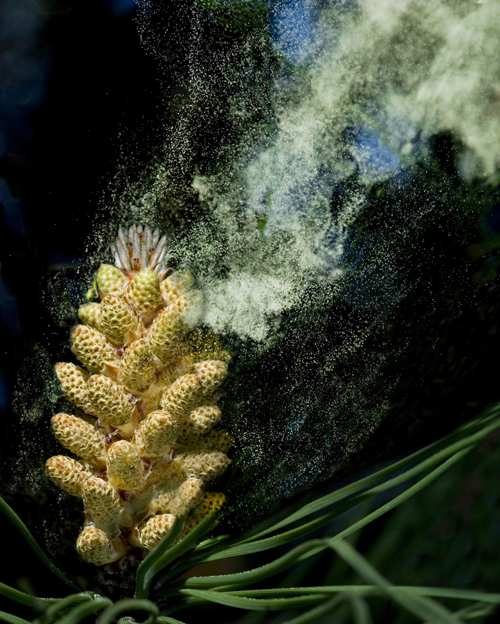
“Wind Pollination” from seeds.ca and used with no modifications.
This is the single biggest pollen mistake in residential gardens. Wind-pollinated trees release enormous quantities of ultra-fine pollen directly into the air, and because the wind carries it, proximity to your home matters enormously. Plant one of these trees near a bedroom window or patio, and you’ve essentially installed a pollen machine next to where you live and breathe.
What makes this worse is that these trees typically bloom before they grow leaves — meaning the pollen is released with zero natural filtration. By the time you notice your symptoms flaring in late winter or early spring, the tree has already been releasing pollen for weeks.
The Worst Offenders: Oak, Elm, Birch, Maple, Ash, and Pine
According to the University of Vermont Extension, the heaviest wind-borne pollen producers include oak, birch, most maples, ash, alder, elm, and certain pines. Secondary offenders with meaningful allergen loads include acacia, hickory, mesquite, and sycamore. These trees all share one key trait: they bloom and release pollen before their leaves emerge, which is a reliable field sign that you’re dealing with a wind-pollinator.
How to Spot Wind-Pollinated Plants Before You Buy
At the nursery, most plant tags won’t tell you directly whether a plant is wind- or insect-pollinated. Instead, look for these clues:
- Small, inconspicuous flowers with no fragrance — wind-pollinated plants don’t need to attract insects
- Flowers that appear before the leaves in early spring
- Plants described as “seedless” or tagged as male varieties
- Catkin-type flower clusters, which are a hallmark of high-pollen trees like birch and oak
- No visible nectar or petal structures designed to attract bees or butterflies
A simple field trick: watch which plants bees visit. If bees are drawn to a plant consistently, it’s insect-pollinated — and insect-pollinated plants are almost always safe for allergy sufferers. Bees are, in effect, doing your allergy screening for you.
What to Plant Instead
Swap high-pollen wind-pollinated trees for insect-pollinated alternatives like dogwood (Cornus florida), magnolia, cherry, or crabapple. These trees produce pollen that is heavier, stickier, and designed to be carried by insects — not inhaled by you. They’re also stunning in bloom, which makes this an easy trade-off. For more ideas on maintaining a pollen-free garden, check out this household guide to prevent cross-contamination.
Mistake 2: Choosing “Male” or “Seedless” Plant Varieties
This one surprises a lot of gardeners. “Seedless” and “male” varieties of trees and shrubs are heavily marketed as low-maintenance because they don’t drop fruit or seeds. What the label doesn’t tell you is that these plants compensate by producing significantly more airborne pollen than their female counterparts. In terms of allergen load, a male or seedless tree can be one of the worst things you plant in your yard.
Why Male Plants Produce More Airborne Pollen
In dioecious plant species — those with separate male and female plants — only the males produce pollen. Female plants produce fruit or seeds but release no pollen at all. When you choose a “seedless” variety specifically to avoid the mess of fallen fruit, you’re often selecting a male plant that does nothing but pump pollen into the air all season.
North Carolina State University Cooperative Extension explains the biology clearly: dioecious plants have distinct sexes, and if you have allergies, female dioecious plants are always the better choice. The challenge is that most retail plant tags don’t specify the plant’s sex, so you need to ask directly or research the specific cultivar before purchasing.
Here’s a quick breakdown of how plant type affects your pollen exposure:
Plant Type Pollen Output Allergy Risk Female Dioecious None Very Low Male Dioecious / “Seedless” Very High Very High Monoecious (both sexes on same plant) Moderate Moderate Insect-Pollinated Low airborne Low Wind-Pollinated Very High airborne Very High
How to Identify Plant Sex on a Label
Most tags won’t say “male” outright. Instead, look for cultivar names that hint at the plant’s background, and when in doubt, ask a nursery specialist specifically whether a variety is a male or female selection. Some cultivars like Ginkgo biloba ‘Autumn Gold’ are known male selections — beautiful trees, but significant pollen producers. Female ginkgo cultivars are the better choice for allergy-conscious gardeners despite the (admittedly unpleasant) smell of their fruit.
Mistake 3: Gardening at the Wrong Time of Day
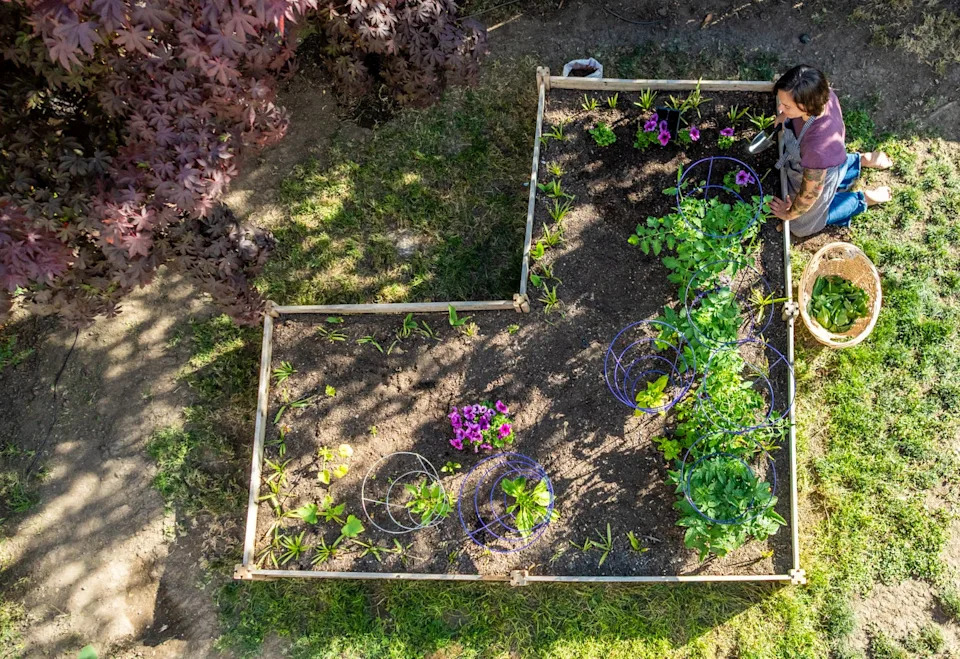
“Gardening Mistakes …” from www.yahoo.com and used with no modifications.
Even a perfectly planted, low-allergen garden can cause serious symptoms if you’re out there working at the wrong hour. Timing your garden sessions around daily pollen patterns is one of the easiest and most overlooked strategies for staying comfortable outdoors.
Pollen isn’t released at a constant rate throughout the day — it follows predictable peaks tied to temperature, humidity, and wind conditions. Working with those patterns instead of against them can make a dramatic difference in how you feel after a gardening session.
Why Pollen Peaks Between 5 a.m. and 10 a.m.
Pollen levels in the air are consistently highest between 5 a.m. and 10 a.m., particularly during hot, calm mornings or on windy days. This is when plants actively release pollen, and without afternoon wind disruption or moisture to weigh particles down, the concentrations in the air are at their most intense. Gardening during this window — especially in spring — is essentially volunteering to inhale the day’s maximum pollen load.
- Spring pollen peak: Early morning, between 5 a.m. and 10 a.m.
- Fall pollen peak: Also early morning for many weed pollens like ragweed
- Lowest pollen window: After rain, or during late afternoon on calm days
- Wind effect: Windy days disperse pollen widely — avoid prolonged outdoor activity on gusty days regardless of the time
Rain is genuinely your best friend here. A good rainfall knocks pollen out of the air more effectively than any other factor, making the hours immediately following rain the ideal time to get garden work done. For more tips on managing your garden, check out this guide on natural urban balcony garden pest management.
The Best Times to Garden in Spring vs. Fall
In spring, shift your gardening sessions to late morning after 10 a.m. or to the evening hours. Tree pollen — the dominant allergen of spring — is largely released and dispersed by midday, and evening sessions allow you to work in significantly cleaner air.
In fall, the dynamic shifts slightly. Ragweed and late-season weed pollens also peak in the early morning, so the same logic applies — avoid that early window. Fall afternoons are generally your safest bet, as pollen counts tend to drop through the midday hours as temperatures rise.
Mistake 4: Ignoring Weeds Until They Spread
Weeds are one of the most significant and most ignored pollen sources in home gardens. The ragweed family alone is responsible for a massive share of late-summer and fall allergy suffering, and it’s not just ragweed itself — chrysanthemums, daisies, and marigolds are all members of the same botanical family and can contribute to symptoms in sensitive individuals. Letting weeds go to seed in your garden is essentially broadcasting allergens across your entire outdoor space.
Why Weeds Are One of the Biggest Pollen Sources in Any Garden
The problem with weeds isn’t just aesthetic — it’s biological. Weeds like ragweed are wind-pollinated by design, which means they produce staggering quantities of microscopic pollen specifically engineered to travel through the air. A single ragweed plant can release up to one billion pollen grains in a single season, and because these particles are so fine and light, they can travel hundreds of miles from the source. Your neighbor’s untended lawn can affect your sinuses just as much as your own garden.
The other issue is timing. Most gardeners notice weeds only after they’ve already flowered and seeded — which means the damage is done. Effective weed management for pollen control is about intervention before flowering, not after. Here’s how to stay ahead of it.
1. Mow Regularly Before Weeds Seed
- Mow your lawn at the correct height for your grass species — most common turfgrasses don’t produce pollen if kept properly mowed
- Aim to mow before any broadleaf weeds reach the flowering stage
- Increase mowing frequency in late spring and late summer when weed growth accelerates
- Bag your clippings when weeds are present to avoid spreading seeds back across the lawn
Keeping grass at its proper mowing height does double duty — it discourages weed germination by shading the soil surface while simultaneously preventing the grass itself from bolting to seed. This is one of the simplest and most effective pollen-reduction strategies available to any home gardener.
Consistency is everything here. A single missed mow during peak growing season can allow fast-maturing weeds like hairy bittercress or annual bluegrass to complete their entire reproductive cycle — flowering, pollinating, and seeding — before you’ve even noticed them.
2. Pull Weeds at the Root Early
Hand-pulling is most effective when weeds are young, the soil is moist, and the roots haven’t yet established deep taproots. For tap-rooted weeds like dandelions, a long-handled weeding tool such as the Fiskars 4-Claw Weeder drives straight down alongside the root and levers it out cleanly, reducing the chance of regrowth from a broken root fragment.
The critical rule: pull before they flower. Once a weed has flowered, it may already be releasing pollen even before visible seed heads form. With ragweed specifically, pollen release begins at the flower stage — not the seed stage — so waiting until you see seeds means you’ve already been exposed. For more on managing your garden environment, check out this natural urban balcony garden pest management guide.
Weed Control Timing Guide:
Weed Type Peak Pollen Season Pull Before Ragweed Late summer / Fall Mid-July Plantain Spring / Early Summer Late April Lamb’s Quarters Summer Early June Dock (Rumex spp.) Spring Early May Annual Bluegrass Early Spring March
When hand-pulling during active pollen season, wear gloves and a close-fitting N95 mask. The act of pulling and disturbing a flowering weed can release a concentrated burst of pollen directly at face level — exactly where you don’t want it.
3. Use Mulch to Block New Growth
A 2 to 3 inch layer of organic mulch — shredded bark, wood chips, or straw — applied over bare soil blocks sunlight from reaching weed seeds, dramatically reducing germination rates. This is especially effective in garden beds where you’ve already cleared existing weeds, giving you a clean reset before new growth can establish.
Avoid using hay as mulch if you have pollen allergies. Hay frequently contains grass and weed seeds that will germinate in your beds and create the exact problem you’re trying to prevent. Stick to wood-based or rubber mulch options, which are seed-free and longer-lasting.
4. Plant Ground Cover to Crowd Weeds Out
Dense, low-growing ground covers are one of the best long-term weed suppression strategies available. By filling bare soil with desirable plants, you eliminate the open growing conditions that allow wind-dispersed weed seeds to germinate and establish. Ground covers like creeping thyme (Thymus serpyllum), sweet woodruff (Galium odoratum), and blue star creeper (Isotoma fluviatilis) spread quickly and create a living mulch that starves weeds of light and space. For a detailed comparison of thyme varieties, check out our lavender vs thyme guide.
The key is choosing ground covers appropriate for your light conditions. Creeping thyme thrives in full sun and handles foot traffic well, making it excellent for pathways and open beds. Sweet woodruff prefers shade and is ideal for filling the bare soil under dense tree canopies — which, if those trees are pollen producers, is exactly where you want maximum ground coverage to prevent additional weed allergen sources.
Once established, a well-chosen ground cover requires minimal intervention and delivers years of passive weed suppression. It’s one of the best investments you can make in a lower-maintenance, lower-allergen garden.
Mistake 5: Planting Strongly Scented Flowers Near Entryways
Fragrance and pollen are different biological mechanisms, but they often travel together — and for sensitive individuals, strong floral scents near doors and windows can trigger respiratory symptoms that feel identical to a pollen reaction even when the pollen count is low. Plants like jasmine, lilac, hyacinth, and heavily fragrant roses planted directly beside entryways push concentrated volatile compounds into the air directly in the path you walk through multiple times a day. Keep intensely scented plants at least 10 to 15 feet from doorways, windows, and outdoor seating areas. If you love fragrant plants, grow them at the garden’s edge where their scent can be appreciated from a distance rather than inhaled at close range. For more tips on managing scents in your garden, consider exploring pollen-free gardening alternatives.
Mistake 6: Skipping Protective Gear While Gardening

“Wearable Gardening Gear …” from www.farmersdefense.com and used with no modifications.
No matter how low-allergen your plant selection is, gardening always involves some pollen exposure — from neighboring properties, airborne drift, and unavoidable contact with soil and plant material. Skipping protective gear during garden work, especially during peak pollen season, dramatically increases the total allergen load your body has to process.
The good news is that effective protection doesn’t require anything elaborate. A small set of consistent gear habits can cut your pollen exposure significantly and make the difference between a productive afternoon in the garden and two days of miserable symptoms. For more tips, check out our pollen-free gardening guide.
Essential Pollen Protection Gear Checklist:
Gear Item What It Protects Against Key Tip N95 or KN95 Mask Inhaled airborne pollen particles Fit-test before use; replace when damp Wraparound Sunglasses Pollen contact with eyes Full-coverage frames block side entry Wide-Brim Hat Pollen settling on hair and scalp Wash or brush off before going indoors Long-Sleeve Shirt Skin contact and pollen transfer indoors Change immediately after gardening Nitrile Gloves Hand contamination from soil and plants Remove by turning inside out to avoid contact
One often-missed detail: pollen sticks to hair more effectively than almost any other surface. Even a short session in the garden on a high-pollen day can leave enough pollen in your hair to trigger symptoms for hours afterward — including while you’re sleeping if you don’t shower before bed. This is a significant and commonly overlooked indoor allergen pathway.
What to Wear to Keep Pollen Off Your Skin and Out of Your Lungs
Opt for tightly woven, smooth-fabric clothing in long sleeves and full-length pants when pollen counts are elevated. Pollen adheres more easily to textured, open-weave fabrics like fleece, wool, or terry cloth than it does to smooth cotton or synthetic blends. A change of clothes kept specifically for garden work — left in the garage or laundry room and never brought through the main living area — is one of the simplest and most effective household allergen-control strategies you can implement today.
How to Stop Pollen From Following You Indoors
Pollen hitchhikes indoors on everything: clothes, shoes, skin, hair, and even pets. Establishing a decontamination routine at the door isn’t overcautious — it’s practical. Remove shoes before entering, leave garden clothes outside or in a closed laundry hamper immediately, and wash your hands and face as soon as you come in. Shower before bed on high-pollen days rather than in the morning, as this removes the pollen accumulated during the day before it transfers to your pillow and bedding.
If you have pets that go outdoors, wipe them down with a damp cloth before they re-enter the house. Dogs and cats are highly effective pollen transport systems, and their fur can carry significant allergen loads from garden to couch in seconds.
Mistake 7: Neglecting to Prune Pollen-Producing Trees and Shrubs
If you have wind-pollinated trees or shrubs in your garden that you’re not ready to remove, regular pruning is the next best strategy for reducing their allergen output. Many gardeners prune purely for aesthetics or structure, not realizing that thoughtful pruning directly reduces the volume of pollen-producing material on the plant — and therefore the total pollen released into your garden space.
How Pruning Directly Reduces Pollen Output
Pollen is produced in flowers, and flowers grow on new growth. By pruning back actively growing branches on wind-pollinated shrubs — particularly before the bloom cycle — you physically reduce the number of flower sites available for pollen production. For hedges and shrubs, regular shearing during the growing season keeps new flowering growth in check and can meaningfully reduce the total pollen load from plants you haven’t yet replaced. The reduction isn’t total, but on a heavily flowering shrub like a privet hedge, consistent pruning can cut pollen output substantially compared to an unpruned specimen.
When and How Often to Prune for Best Results
For most pollen-producing trees and shrubs, the optimal pruning window is late winter — just before new growth begins but before flower buds open. Pruning at this stage removes potential flowering sites before pollen is released. For shrubs that bloom in spring, a second light shearing after the bloom period ends helps redirect the plant’s energy away from seed and pollen production and back into vegetative growth. Avoid heavy pruning in late summer, which can stimulate a flush of new growth that may produce a secondary bloom — and a secondary pollen release — heading into fall.
Mistake 8: Using Hedges Instead of Fences or Walls
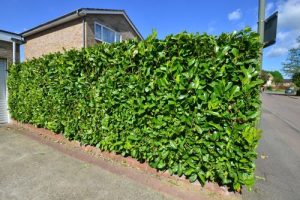
Hedges are one of the most popular garden boundary solutions, but for allergy sufferers they represent a significant hidden risk. Most traditional hedging plants — privet, Leyland cypress, and many boxwood relatives — are either wind-pollinated themselves or create dense, poorly ventilated microclimates where pollen concentrates and mold thrives. A solid fence or masonry wall, by contrast, creates a genuine windbreak that can actually reduce the amount of airborne pollen drifting into your garden from neighboring properties, with zero allergen output of its own. If removing an established hedge isn’t practical, consider replacing sections gradually with fencing and underplanting remaining hedge sections with female dioecious ground covers to suppress weed germination at the base.
Mistake 9: Ignoring Mold in Compost and Dense Hedges
Pollen gets all the attention, but mold spores are an equally serious allergen source in the garden — and they’re hiding in two places most gardeners never think to check: the compost pile and the interior of dense hedges. If your allergy symptoms persist well past peak pollen season or flare up on damp days when the pollen count is actually low, mold is almost certainly a contributing factor. For more tips on maintaining a healthy garden environment, explore our pollen-free gardening guide.
Why Mold Triggers Allergy Symptoms Just Like Pollen
Mold spores are microscopic, airborne, and inhaled in exactly the same way as wind-borne pollen. For people with respiratory sensitivities, mold can provoke sneezing, congestion, watery eyes, and asthma flare-ups that are clinically indistinguishable from pollen allergy symptoms. Unlike pollen, which follows seasonal patterns, mold spores can be present year-round — spiking after rain, during high humidity, and whenever decomposing organic material is disturbed.
Dense hedges create the perfect mold environment: low airflow, constant shade, accumulated leaf litter, and persistent moisture at the base. When you trim or brush against a neglected hedge, you’re potentially releasing a concentrated cloud of mold spores at face level. The same thing happens when you turn a neglected compost heap — especially one that’s been sitting damp and undisturbed for several weeks. For tips on managing pests and maintaining a healthy garden environment, check out this natural urban balcony garden pest management guide.
How to Manage Compost to Minimize Mold Spores
The key to low-mold composting is airflow and moisture balance. A compost pile that’s too wet and too densely packed becomes anaerobic — meaning it breaks down without oxygen — and this is precisely the condition that favors heavy mold growth over healthy decomposition. Turn your compost pile every one to two weeks to introduce oxygen, and maintain a balanced ratio of green (nitrogen-rich) to brown (carbon-rich) material. If your pile smells sour or feels slimy, it’s running too wet: add dry brown material like shredded cardboard or dried leaves and increase turning frequency. Always wear an N95 mask when turning compost, particularly on warm, damp days when spore counts are highest. If managing a traditional compost pile feels too high-risk for your allergy profile, a sealed tumbler composter like the FCMP Outdoor IM4000 Tumbling Composter dramatically reduces open-air spore exposure while still producing excellent finished compost.
Mistake 10: Never Checking the Daily Pollen Count
Most allergy-conscious gardeners know to watch the weather before heading outside — but far fewer consistently check the daily pollen count, which is a separate and arguably more useful data point for planning garden activity. The weather can be perfect, sunny, and calm while the pollen count is simultaneously at its seasonal peak. Without checking, you have no way to make an informed decision about whether that afternoon garden session is worth the next 48 hours of symptoms. For those seeking additional relief, consider using top air purifiers for allergies to improve your indoor air quality.
Pollen counts are measured and reported as grains per cubic meter of air, and they’re updated daily by monitoring stations across the country. Building a quick pollen-check habit into your morning routine — the same way you’d check the weather — takes about 30 seconds and can save you from preventable exposure on the highest-risk days of the season.
How to Read a Pollen Count and What the Numbers Mean
Pollen count readings are typically categorized into four levels, and understanding them tells you exactly how much caution to apply on a given day:
- Low (0–2.4 grains/m³): Minimal risk for most allergy sufferers; standard precautions are sufficient
- Moderate (2.5–4.8 grains/m³): Sensitive individuals may notice symptoms; wear protective gear and limit prolonged outdoor exposure
- High (4.9–7.2 grains/m³): Most allergy sufferers will experience symptoms; consider rescheduling non-essential garden tasks
- Very High (7.3+ grains/m³): Maximum exposure risk; even people without known allergies may experience irritation — postpone garden work if possible
Note that pollen counts are specific to pollen type — tree, grass, and weed pollens are reported separately. If you’re primarily sensitive to tree pollen, a high grass pollen count on a day when tree pollen is low may not affect you significantly. Learning which pollen types trigger your specific symptoms helps you interpret these reports much more precisely.
Free Tools to Track Pollen Levels in Your Area
Several reliable, free resources provide daily localized pollen data. The American Academy of Allergy, Asthma & Immunology (AAAAI) National Allergy Bureau at pollen.aaaai.org maintains a network of certified pollen-counting stations across North America and publishes current counts by region — this is the most scientifically rigorous source available to the public. For a quicker daily check, the Weather Channel’s Allergy Tracker and the Pollen.com platform both provide zip-code-specific forecasts broken down by pollen type, with five-day outlooks that make it easy to plan your garden schedule around lower-risk windows.
Set a recurring reminder on your phone each morning during peak pollen season — late winter through spring for tree pollen, late spring through summer for grass pollen, and late summer through first frost for weed pollens. Cross-reference the count with your planned outdoor activities and adjust accordingly. On very high days, use the time indoors to plan, research new plant selections, or tend to indoor seedlings — so the garden still moves forward without the allergen cost.
Build a Garden You Can Actually Enjoy Without Sneezing Through It
Every one of these ten mistakes is fixable — some with a single afternoon’s work, others with a few seasonal adjustments over time. You don’t have to choose between a beautiful, productive garden and feeling well enough to enjoy it. Start with the highest-impact changes first: swap out wind-pollinated trees near your living spaces, adjust your gardening hours away from peak pollen windows, and get into the habit of checking the daily pollen count. Layer in protective gear, smarter plant choices, and better compost management as you go. The garden you’ve always wanted — one that genuinely supports your health rather than undermining it — is entirely within reach. For more ideas, explore our pollen-free gardening guide.
Frequently Asked Questions
Below are answers to the most common questions gardeners ask when building a lower-allergen outdoor space.
What plants produce the least pollen for allergy sufferers?
The lowest-allergen plants are female dioecious species and insect-pollinated flowering plants. Specific low-risk options recommended by WebMD and the University of Vermont Extension include begonias, cacti, clematis, columbine, crocus, daffodils, geraniums, impatiens, irises, lilies, pansies, petunias, roses (low-pollen cultivars), snapdragons, tulips, and verbena. Fruit trees like apple, cherry, and pear are also insect-pollinated and generally well-tolerated. The common thread: if a plant produces showy flowers designed to attract bees and butterflies, its pollen is almost certainly too heavy and sticky to become a significant airborne allergen.
Is there a pollen-free garden design that still looks beautiful?
Absolutely — and in many cases, a low-allergen garden is more visually interesting than a conventional one because it pushes you toward a wider variety of flowering insect-pollinated plants. Design around female dioecious trees for canopy structure, fill mid-layer beds with colorful insect-pollinated perennials like salvia, echinacea, and catmint, and use water features in place of high-pollen hedging to create boundary definition. Replacing traditional turf areas with gravel, pavers, or ground covers like creeping thyme reduces both grass pollen risk and overall maintenance. For more ideas, check out this guide on custom raised garden beds to enhance your urban gardening.
A well-designed low-allergen garden also tends to be more wildlife-friendly, since insect-pollinated plants by definition support bees, butterflies, and other pollinators far more effectively than wind-pollinated species. You end up with a garden that’s not only easier to breathe in, but also more ecologically productive — which, for most gardeners, is a genuinely exciting outcome rather than a compromise. For tips on creating a more sustainable garden, check out our natural pest management guide.
Does rain help reduce pollen levels in the garden?
Yes — rain is one of the most effective natural pollen suppressants available. Rainfall physically washes airborne pollen particles out of the air and onto the ground, where they are no longer inhalable. The hours immediately following a significant rainfall are typically the lowest-pollen window of the day, making post-rain sessions some of the best gardening opportunities during peak season. The one caveat: the same moisture that clears pollen can stimulate new blooms on some plants and dramatically increase mold spore counts — so if mold is also a trigger for you, post-rain gardening still warrants an N95 mask and close attention to disturbing decomposing material.
Can insect-pollinated plants still trigger allergies?
In rare cases, yes. Insect-pollinated plants produce pollen that is heavier, stickier, and designed to adhere to insects rather than float through the air — which is why they rarely cause airborne allergy symptoms. However, direct contact with the flowers or handling plant material can cause localized skin reactions (contact dermatitis) in sensitive individuals, and strongly scented insect-pollinated plants can trigger non-allergic rhinitis through fragrance compounds rather than pollen particles. Additionally, wind-borne pollen from neighboring plants can settle on the flowers of insect-pollinated plants, making them appear to be the source of symptoms when they’re actually just carriers. If a plant you believe to be safe is still causing reactions, check what’s flowering in your immediate vicinity before blaming the plant itself.
What is the difference between dioecious and monoecious plants, and which is better for allergy sufferers?
Dioecious plants have separate male and female individuals — think of hollies, ginkgos, and willows. Only the male plants produce pollen. Female plants of dioecious species produce no pollen at all, making them the gold-standard choice for allergy-conscious gardens. The challenge is identifying female specimens at the nursery, where sex is rarely labeled — requiring either direct inquiry or cultivar research before purchase.
Monoecious plants carry both male and female flowers on the same individual plant — corn, oaks, and hazelnuts are classic examples. Because these plants do produce pollen, they present more allergen risk than female dioecious plants, though typically less than a pure male dioecious specimen or a highly efficient wind-pollinator like ragweed. For allergy sufferers, monoecious plants sit in the moderate-risk category: not ideal, but far less problematic than wind-pollinated male selections.
The practical takeaway: whenever you’re choosing a tree, shrub, or perennial for an allergy-sensitive garden, first determine whether the species is dioecious or monoecious. If it’s dioecious, seek out confirmed female cultivars specifically. If it’s monoecious, weigh the pollen risk against the plant’s value in your design and consider whether an insect-pollinated alternative might serve the same aesthetic purpose with lower allergen output. This single line of inquiry — dioecious or monoecious, male or female — will sharpen every plant purchase decision you make from this point forward.
For gardeners ready to take a deeper, more personalized approach to building a healthier outdoor space, health-focused gardening resources can help you make plant and design choices that support both your garden goals and your wellbeing year-round. To further enhance your gardening experience, consider exploring self-watering planter tools that offer pollen control options.