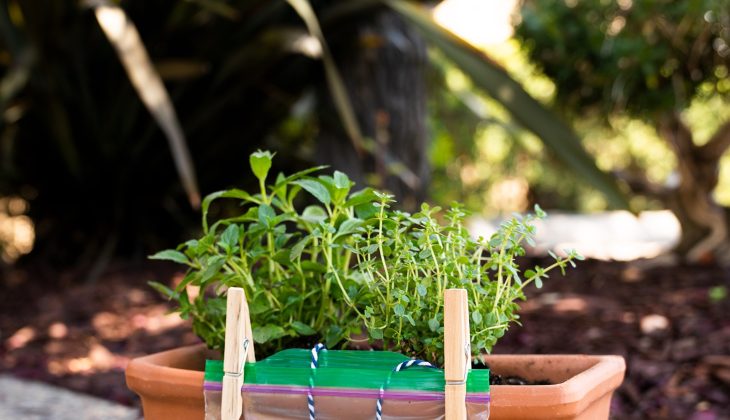
Self-Watering Planter Quick Facts
- Self-watering planters use sub-irrigation to deliver water directly to roots, eliminating the guesswork of daily watering schedules.
- Reservoir size is everything — larger reservoirs can go up to six weeks without a refill, while smaller ones may need attention every few days.
- Root and Vessel offers a range of self-watering planter styles, from round planters to wall-mounted options, designed for both indoor and outdoor use.
- Choosing the wrong soil or planter depth (anything over 12 inches) can break the wicking system entirely — keep reading to avoid that mistake.
- Pollen control in balcony and enclosed gardens is an underrated challenge that the right planter setup and plant selection can solve.
If you’ve ever come home to wilted plants after a long week, a self-watering planter is the fix you didn’t know you needed.
These planters have quietly revolutionized how both beginners and seasoned gardeners manage plant care. Instead of relying on daily watering habits that are easy to forget, self-watering planters use a built-in reservoir system to feed plants on their own schedule. Root and Vessel specializes in exactly this kind of smart planting solution, offering a curated line of self-watering designs built for real-life gardening demands. Whether you’re managing a sun-drenched balcony or a low-light office corner, the right planter changes everything.
Stop Watering Your Plants Twice a Day
“Stop Watering My Garden Plants …” from www.thepinnaclelist.com and used with no modifications.
Most gardeners overwater or underwater their plants — rarely hitting that perfect balance. Traditional planters give you no feedback. You water, hope for the best, and react when something goes wrong. Self-watering planters flip that dynamic entirely by putting the plant in control of how much water it takes in.
How Self-Watering Planters Actually Work
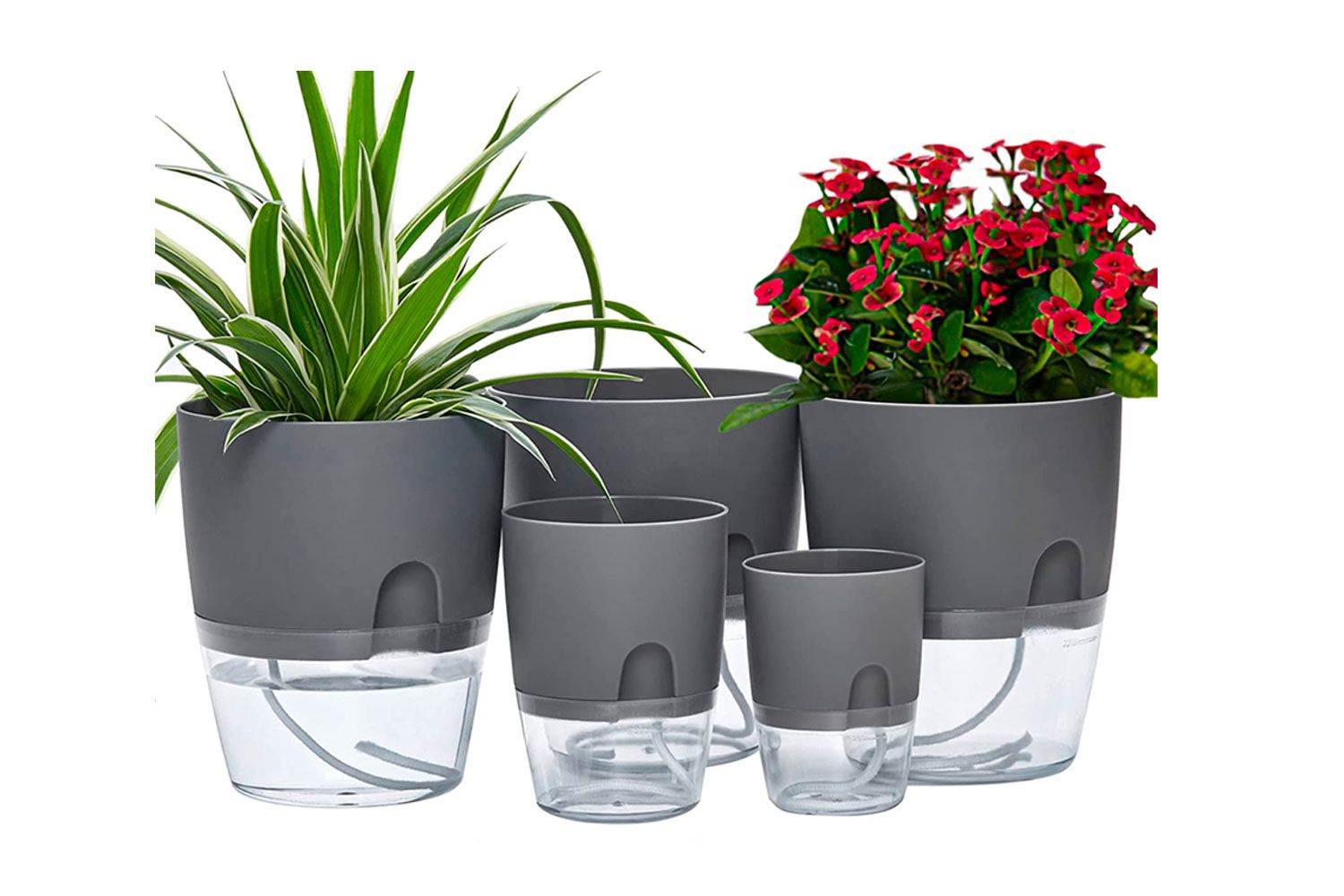
At the core of every self-watering planter is a water reservoir separated from the soil by a platform or divider. The plant draws moisture upward from the reservoir through a process called sub-irrigation. You’re not pouring water onto soil and hoping it reaches the roots — the roots reach down toward the water source themselves. This approach mimics how plants access moisture in nature, leading to stronger, deeper root systems over time. For urban gardeners, custom raised garden beds can complement self-watering planters by providing a structured environment for growth.
Wicking vs. Reservoir: Two Methods Explained
There are two primary delivery systems you’ll encounter. The wicking method uses an absorbent cord or fabric strip that pulls water from the reservoir up into the soil continuously. The direct sub-irrigation method uses a perforated platform that allows roots to grow downward and access the reservoir directly. Wicking works well for smaller planters and herbs. Sub-irrigation platforms are better suited to larger containers with deeper root systems like tomatoes or ornamental shrubs.
Why Consistent Moisture Produces Healthier Plants
Inconsistent watering creates stress cycles — plants expand their cells during wet periods and contract during dry ones. Over time, this weakens cell walls and makes plants more vulnerable to disease and pests. Self-watering planters maintain steady moisture at the root level, which means no stress spikes. The result is visibly faster growth, richer color, and significantly longer bloom times compared to traditionally watered plants.
There’s also the issue of surface evaporation. When you water from the top, a significant portion never reaches the roots — it evaporates from the soil surface, especially in hot or windy outdoor conditions. Sub-irrigation eliminates that loss entirely, making self-watering planters considerably more water-efficient in summer months.
The Best Self-Watering Planters Right Now
After reviewing testing data across dozens of options, five planters consistently outperform the rest across effectiveness, design, ease of use, and durability. Here’s what makes each one worth considering.
Tierra Verde Self-Watering Planter: Best Overall
The Tierra Verde Self-Watering Planter earns its top spot by delivering on every front. Its double-wall construction provides insulation that slows evaporation in heat and protects roots in mild frost. The built-in water-level indicator takes out all the guesswork, and the overflow drainage hole prevents waterlogging during heavy rain. It’s virtually indestructible — specifically engineered to resist cracking and crumbling even in freezing temperatures, which most plastic competitors can’t claim.
Uouz Large Self-Watering Pots: Best Set
For gardeners who want to outfit an entire balcony or patio at once, the Uouz Large Self-Watering Pots set is the most cost-effective route. Each pot in the set includes a deep reservoir and a clear water indicator window on the side. The pots are sized generously enough for vegetables and perennial flowers, and their uniform aesthetic makes arranging them together easy. The drainage plug is removable, which means you can switch between indoor and outdoor use without buying separate planters. For more options, check out this guide on maximizing plant health with self-watering planters.
Gardenised 10-Inch Self-Watering Hanging Basket: Best Hanging
Hanging planters are notoriously difficult to keep watered — they dry out faster than ground-level containers because of increased airflow on all sides. The Gardenised 10-Inch Self-Watering Hanging Basket solves this with a bottom-mounted reservoir that feeds moisture upward through a central wick column. The 10-inch diameter is ideal for trailing plants like pothos, string of pearls, or cascading petunias. The basket’s saucer reservoir holds enough water to sustain plants for up to a week even during warm weather.
The hanging chain is fully adjustable and rated for planters up to 15 pounds when filled, which covers most planting combinations without stress on the hardware. One underrated feature is the detachable drip tray — it catches any overflow during refilling so your porch or ceiling bracket stays clean.
Amazing Creation Window Herb Planter Boxes: Best for Herbs
Fresh herbs are one of the highest-return investments in any home garden, and the Amazing Creation Window Herb Planter Boxes make growing them almost foolproof. The rectangular box design fits standard windowsills and includes three individual compartments, each with its own sub-reservoir. This matters because herbs like basil, mint, and thyme have genuinely different watering needs — separating their reservoirs prevents the fast-drinking mint from starving the drought-tolerant thyme.
The bamboo-style exterior finish blends with modern kitchen décor better than standard plastic herb pots. Each compartment also includes drainage holes you can plug for indoor use or leave open for outdoor window box setups.
- Three individual sub-reservoirs for customized watering per herb variety
- Fits standard windowsill depths without overhang
- Bamboo-finish exterior suits indoor kitchen aesthetics
- Drainage holes work for both indoor and outdoor configurations
- Transparent water level indicators on each compartment
If you’ve been growing herbs in a single trough and wondering why some thrive while others rot, separate reservoir compartments are almost certainly the answer.
Winston Porter Carmeron Self-Watering Pot: Best Colors
Quick Specs: Available in 12+ color variants • UV-resistant resin construction • Built-in overflow drainage • Compatible with standard potting mix • Indoor/outdoor rated
Color matters more in container gardening than most people admit. The Winston Porter Carmeron Self-Watering Pot is the only planter on this list that treats aesthetics as a core feature rather than an afterthought. With over 12 color variants ranging from matte charcoal to terracotta orange, it’s the easiest way to create a cohesive balcony or interior plant display without repainting or DIY work.
Beyond looks, the Carmeron delivers real performance. Its UV-resistant resin construction means colors stay vibrant through full sun exposure without fading or chalking, a common failure point in cheaper colored planters. The built-in overflow drainage port prevents reservoir flooding during heavy rain, and the planter is fully compatible with custom raised garden beds with standard potting mix without needing any amendments or liners.
The reservoir access point is conveniently located on the side rather than requiring you to move the planter or disturb the soil surface to refill. For large collections or office installations where visual consistency matters, buying multiple Carmeron pots in complementary colors is one of the most effective ways to create a designed, intentional space rather than a random assortment of containers.
What to Look For When Buying a Self-Watering Planter
“Self-Watering Planters …” from www.marlygarden.com and used with no modifications.
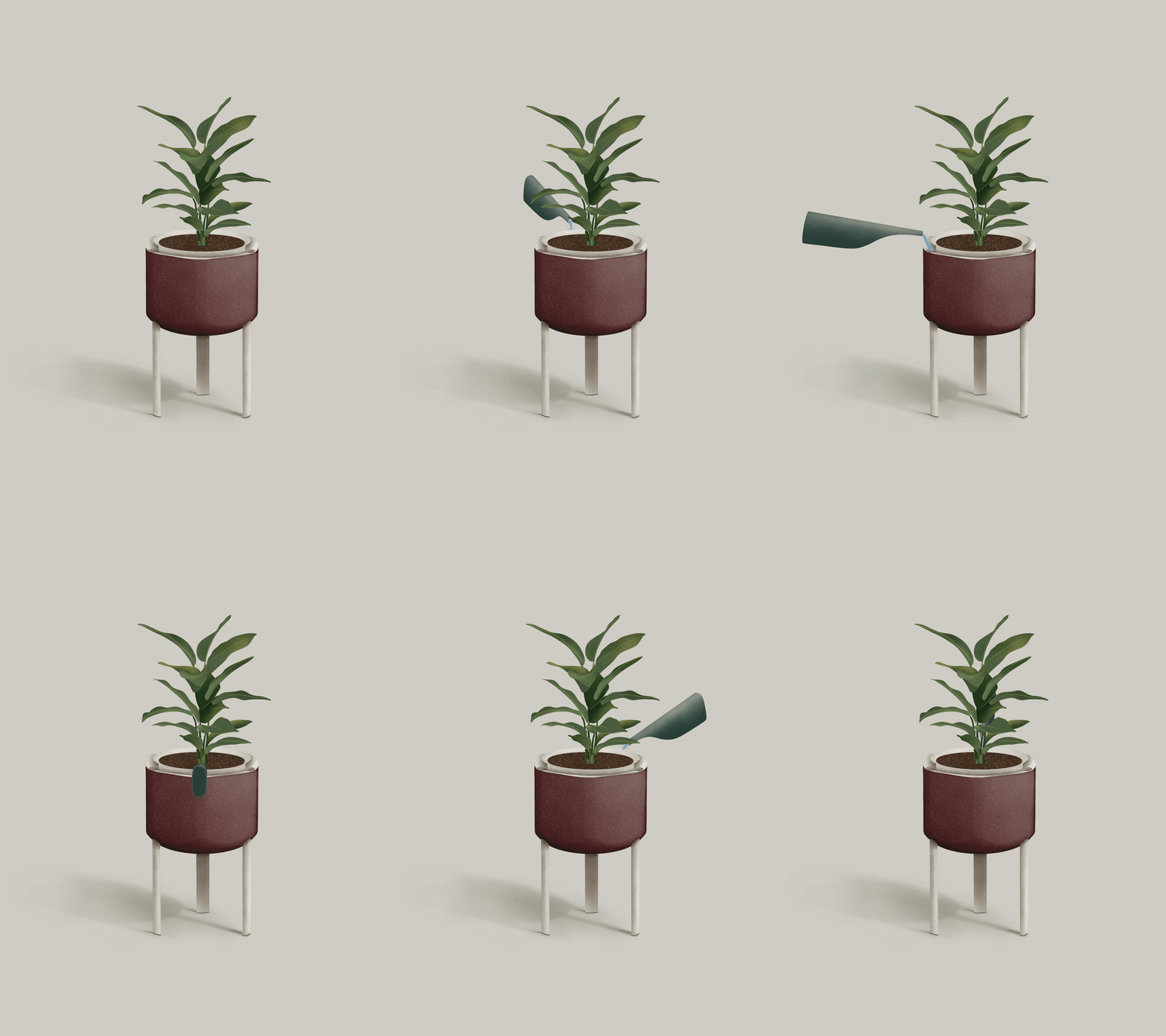
Not every self-watering planter is built equally, and the differences between a good one and a frustrating one often come down to a few specific features. Reservoir capacity, indicator systems, drainage design, and material durability are the four pillars worth scrutinizing before any purchase. Getting one of these wrong can undermine the entire point of going self-watering in the first place.
Size also plays a role that’s easy to underestimate. A planter that’s too small for its reservoir will dry out in days during summer, while an oversized reservoir in a low-evaporation indoor setting can cause waterlogging if there’s no overflow system. Match the reservoir volume to both the plant’s water needs and the environment it’s living in. For more tips, check out this guide on maximizing plant health with self-watering planters.
Water-Level Indicators Save You From Guessing
A visible water-level indicator is one of the most underrated features in self-watering planter design. Without one, you’re back to guessing — which defeats the entire purpose of the system. The best indicators use a float mechanism connected to a side window or marked gauge that shows minimum, optimal, and maximum water levels at a glance. Look for indicators with clearly marked minimum fill lines, because letting the reservoir run completely dry stresses roots just as much as overwatering does.
Drainage and Ventilation Prevent Root Rot
A common misconception is that self-watering planters eliminate root rot risk. They reduce it significantly when designed correctly, but a planter without proper overflow drainage can still drown roots if the reservoir overfills during rain or over-enthusiastic refilling. The best outdoor self-watering planters include an overflow hole positioned just above the maximum water level. Indoors, a removable drainage plug gives you the flexibility to seal the base when moisture loss would be too high or open it when excess water needs somewhere to go.
Material Matters: Plastic vs. Rubber vs. Composite
Standard plastic planters are lightweight and affordable but crack under UV exposure and freeze-thaw cycles within a few seasons. Rubber planters are more flexible and frost-resistant but can leach compounds into soil over time, which matters for edible plants. Composite resin — used in planters like the Tierra Verde and Carmeron lines — combines the lightness of plastic with significantly better UV and temperature resistance. For long-term outdoor use, composite resin is the clear winner. For indoor planters where temperature swings are minimal, high-quality plastic performs just as well at a lower price point.
Indoor vs. Outdoor Self-Watering Planters
The same planter can perform very differently indoors versus outdoors, and the gap usually comes down to evaporation rate and temperature exposure. Outdoors, higher temperatures and wind accelerate moisture loss from both the soil surface and through the planter walls themselves. Indoors, the controlled environment means reservoirs last much longer — sometimes two to three times longer than the same planter used outside in summer.
This difference has real implications for how you manage your watering schedule. An outdoor planter that needs refilling every five days in July might only need attention every two to three weeks when moved inside for winter. Adjusting your refill routine seasonally, rather than sticking to a fixed schedule, is one of the most important habits to develop with sub-irrigation systems.
Best Practices for Office and Indoor Use
Office environments present a specific set of challenges: low light, controlled temperature, and inconsistent attention from whoever happens to be in the building on any given week. Self-watering planters are uniquely well-suited to these conditions. For offices, prioritize planters with large reservoirs relative to the plant size — this extends the refill interval and accommodates irregular attention. Pair them with low-maintenance plants like pothos, ZZ plants, or peace lilies that actively thrive in indirect light and consistent moisture, and you have a nearly maintenance-free green installation that improves air quality without demanding daily care.
Managing Heat and Evaporation on Balconies and Patios
Evaporation Management by Surface Type:
• Dark-colored planters in full sun: Reservoir depletion up to 40% faster than light-colored equivalents
• Terracotta-style composites: Higher wall porosity increases evaporation — choose glazed or sealed finishes for hot climates
• Double-wall planters: Air gap insulation slows reservoir evaporation by creating a thermal buffer
• Elevated planters on hot pavers: Bottom heat accelerates moisture loss — use insulating feet or rubber pads
Balcony gardening in summer is essentially a constant battle against evaporation. Direct sun, reflected heat from walls and railings, and elevated wind exposure can drain a reservoir in days during peak heat. Understanding how your specific setup amplifies these factors helps you choose the right planter and manage refill timing intelligently.
Double-wall planters like the Tierra Verde are the most effective solution for hot balcony environments. The air gap between the inner and outer walls acts as insulation, keeping the reservoir cooler and significantly slowing moisture loss. On very hot patios, positioning planters where they receive morning sun but afternoon shade extends reservoir life substantially without compromising plant health for most flowering species.
Grouping planters together also creates a microclimate effect. Clustered plants generate localized humidity through transpiration, which reduces the moisture gradient between the soil and surrounding air. This means each individual planter in a tight cluster evaporates more slowly than it would standing alone — a simple trick that can meaningfully extend the time between refills without changing anything about the planters themselves.
For edible plants on hot balconies — tomatoes, peppers, and herbs especially — maintaining consistent reservoir levels is even more critical than for ornamentals. Inconsistent moisture in fruiting plants causes blossom end rot in tomatoes and bolting in herbs. A reliable self-watering system with a visible indicator isn’t just convenient in these cases; it directly impacts yield and harvest quality.
Feeding Your Plants Through the Reservoir

“Tricks for keeping the garden watered …” from www.reddit.com and used with no modifications.
One of the most powerful and underused features of self-watering planters is the ability to deliver liquid fertilizer directly through the reservoir. Water-soluble fertilizers like Miracle-Gro Water Soluble All Purpose Plant Food can be added to the reservoir at quarter-strength concentration, allowing nutrients to reach roots continuously through the same sub-irrigation process that delivers water. This method is more efficient than top-feeding because nutrients are absorbed directly at the root zone rather than being partially lost to surface runoff. The key limitation to know: never use undiluted fertilizer in the reservoir, as concentrated nutrients will damage roots. Always dilute to at least 25% of the recommended dose and flush the reservoir with clean water every third refill to prevent salt buildup.
Pollen Control Options for Gardeners
Pollen management is one of those gardening challenges that rarely gets discussed until it becomes a real problem. For balcony gardeners, allergy sufferers, or anyone growing in an enclosed space, uncontrolled pollen spread can make the entire experience miserable. The good news is that there are practical, low-effort strategies that work alongside your existing planter setup without sacrificing plant variety or aesthetic appeal. For instance, consider exploring vertical garden systems that help minimize pollen exposure.
The challenge with pollen in contained garden spaces is that the same features that make balconies and enclosed patios great for plants — protection from wind, warmth retention, and concentrated sunlight — also trap airborne pollen in the breathing zone. Unlike an open garden where pollen disperses into the wider environment, a balcony garden concentrates it. This makes intentional pollen control not just a comfort consideration but a genuine health management strategy for sensitive gardeners.
Why Pollen Control Matters in Enclosed and Balcony Gardens
Balcony and enclosed garden spaces concentrate pollen in ways that open gardens simply don’t. When you’re growing flowering plants in a confined area, the natural dispersal that would normally carry pollen away from you just doesn’t happen — instead, it settles on surfaces, recirculates in the air, and accumulates directly in your living and breathing space. For the roughly 25% of adults who experience seasonal allergic rhinitis according to the American College of Allergy, Asthma & Immunology, this isn’t a minor inconvenience. It’s a barrier to enjoying the garden space you’ve built.
The problem compounds when self-watering planters encourage denser, healthier plant growth — which is exactly what they’re designed to do. More vigorous plants produce more pollen. More blooms mean more airborne particles. Getting ahead of pollen management before it becomes a problem is far easier than reacting to it after your balcony has become an allergy trigger zone.
High vs. Low Pollen Producers: A Quick Reference
High Pollen (Avoid or Contain):
• Sunflowers (Helianthus annuus) — heavy wind-dispersed pollen
• Chrysanthemums — high airborne particle count
• Common daisies — fine pollen, easily inhaled
• Chamomile — frequent trigger for ragweed-sensitive individualsLow Pollen or Pollen-Free Options:
• Begonias — female plants produce no viable pollen
• Impatiens — low pollen output, long blooming season
• Hydrangeas — sterile florets produce minimal airborne pollen
• Ferns — non-flowering, spore-based reproduction, no pollen at all
• Succulents — minimal pollen, infrequent flowering indoors
Knowing which plants to prioritize and which to avoid gives you a starting framework. But plant selection alone isn’t always enough — especially if you’re growing edible plants, pollinators, or varieties chosen specifically for their blooms. That’s where physical barriers come in as the next layer of defense.
Physical Barriers: Mesh Covers and Planter Lids
Fine mesh covers are the most direct physical solution for containing pollen at the source. Applied over individual planters or across a section of your balcony garden, a 40-mesh or finer netting captures pollen before it becomes airborne in your immediate environment. Products like the Agfabric Fine Garden Mesh Netting (available in custom cut lengths) work well draped over taller plants during peak bloom periods without restricting airflow or significantly reducing light transmission. The key is using it during the specific window when pollen is actively released — typically mid-morning on dry, warm days — rather than leaving it in place permanently, which can trap humidity and encourage fungal issues.
Planter lids and semi-enclosed planter systems take a different approach by limiting pollen dispersal at the container level. Some newer self-watering planter designs now incorporate vented lids that allow air exchange while reducing the upward dispersal of soil particles and low-lying pollen. For balcony setups where wind is a factor, placing taller pollen-heavy plants against the wall on the windward side — with low-pollen plants between them and your seating area — creates a natural buffer that reduces how much pollen actually reaches you during outdoor time. For more strategies, check out this ultimate guide to eco-friendly garden barriers.
Plant Selection to Naturally Reduce Pollen Spread
- Double-flowered cultivars like double begonias and double impatiens have extra petals that physically trap and reduce the release of airborne pollen
- Female-only plants produce no pollen at all — female holly, female willow, and certain cultivated begonia varieties fall into this category
- Ferns, mosses, and bromeliads reproduce through spores rather than pollen, making them completely allergy-safe for enclosed spaces
- Herbs like basil, mint, and rosemary are low pollen producers and offer the bonus of aromatic compounds that many gardeners find the opposite of irritating
- Hydrangea macrophylla varieties feature large sterile florets that produce visually dramatic blooms with negligible airborne pollen output
- Succulent collections — including echeveria, haworthia, and aloe — rarely flower indoors and produce minimal pollen even when they do
The most effective pollen-managed balcony gardens use a layered strategy: low-pollen foundation plants as the majority, selective high-interest bloomers with mesh management during peak bloom, and thoughtful placement that keeps pollen-producing plants physically separated from sitting and dining areas.
It’s also worth noting that watering method plays a small but real role in pollen dispersal. Overhead watering — from a hose or watering can — physically disturbs pollen on plant surfaces and launches it into the air. Self-watering planters eliminate overhead watering entirely by design, which means less physical pollen disturbance during your routine garden maintenance. It’s a secondary benefit that most guides overlook entirely.
For gardeners with more serious allergy concerns, replacing high-pollen annuals with a curated succulent or bromeliad collection in matching self-watering planters creates a garden that’s both architecturally striking and functionally allergy-safe. Bromeliads in particular are exceptional balcony plants — they’re adapted to low soil moisture, they thrive in the warm reflected heat of balcony environments, and the cup at the center of each rosette essentially functions as its own miniature self-watering reservoir.
Self-Watering Planters Are Worth It If You Pick the Right One
“Self-Watering Planters Your Plants …” from www.thespruce.com and used with no modifications.
The difference between a frustrating planter experience and a genuinely transformative one comes down almost entirely to choosing the right system for your specific environment, plant selection, and maintenance style. A well-matched self-watering planter with a visible indicator, proper drainage, and an appropriately sized reservoir removes the single biggest cause of plant failure — inconsistent watering — and replaces it with a system that works even when you don’t. Pair that with intentional pollen management and smart plant selection, and your garden becomes something you enjoy rather than something you manage.
Frequently Asked Questions
These are the questions that come up most often when gardeners start exploring self-watering systems — answered directly, without the fluff.
How Often Do You Need to Refill a Self-Watering Planter Reservoir?
Refill Frequency by Reservoir Size & Environment
• Small reservoir (<1 liter), indoors: Every 3–5 days
• Small reservoir (<1 liter), hot outdoor balcony: Every 1–3 days in summer
• Medium reservoir (1–3 liters), indoors: Every 1–2 weeks
• Medium reservoir (1–3 liters), outdoors: Every 5–10 days
• Large reservoir (>3 liters), indoors: Every 2–6 weeks
• Large reservoir (>3 liters), outdoors in summer: Every 7–14 days
Refill frequency depends primarily on three variables: reservoir size, ambient temperature, and the specific water demands of the plants you’re growing. A large 5-liter reservoir in a cool, shaded indoor environment can sustain a plant for up to six weeks without intervention. The same reservoir on a sun-exposed balcony during a summer heatwave might need refilling every week. For more tips on creating a sustainable garden space, check out this DIY vertical garden wall tutorial.
The most reliable approach is to check the water level indicator every few days during the first two to three weeks with any new planter. This observation period lets you establish a real baseline for your specific setup rather than following a generic schedule that may not apply to your conditions. Once you know your planter’s rhythm, refilling becomes a quick, predictable task rather than a source of anxiety.
One important exception: allow the reservoir to empty completely and the soil to dry slightly between refills approximately once a month. This dry period encourages roots to grow downward in search of water, which strengthens the root system and prevents the shallow root dependency that can develop in plants that never experience any moisture fluctuation.
Can You Use Self-Watering Planters for All Plant Types?
Most plants thrive in self-watering planters, but there are exceptions worth knowing. Drought-adapted plants — cacti, succulents, lavender, and rosemary — prefer dry-out periods between watering cycles that a constantly supplied reservoir doesn’t naturally provide. For these plants, either drain the reservoir periodically or stick with conventional containers. Conversely, moisture-loving plants like ferns, peace lilies, begonias, and most vegetables are ideal candidates. Tomatoes, peppers, and leafy greens show some of the most dramatic performance improvements when moved from conventional to self-watering systems, with more consistent fruit set and significantly reduced blossom end rot in tomatoes.
Do Self-Watering Planters Work in Cold Climates?
Yes, but with one critical caveat: the reservoir must be emptied before temperatures drop below freezing. Water expands when it freezes, and a full reservoir in a rigid planter will crack the container from the inside out — regardless of how durable the material is. This is a straightforward seasonal maintenance step, but it’s one that catches first-time cold-climate users off guard when they discover cracked planters in spring. For those interested in additional protection, consider exploring eco-friendly garden natural barriers to enhance your garden’s resilience.
For planters that stay outdoors through winter in mild climates (above freezing but cold), composite resin materials like those used in the Tierra Verde planter are purpose-built for this. Their construction resists the micro-cracking that standard plastic develops through repeated temperature cycling, making them a genuinely long-term investment compared to budget plastic alternatives that may not survive two or three winters intact.
Can You Add Liquid Fertilizer to a Self-Watering Planter Reservoir?
Yes — and it’s one of the most effective ways to feed container plants consistently. The sub-irrigation delivery system that carries water to roots works just as efficiently with diluted liquid fertilizer. Water-soluble fertilizers are the correct choice here; granular or slow-release formulas don’t dissolve properly and can clog the wicking system or create localized nutrient burn at the base of the soil column. For more tips on maintaining a healthy garden, explore our vertical garden systems guide.
The concentration is the critical variable. Full-strength fertilizer in the reservoir is too concentrated and will cause root burn — always dilute to 25% of the label recommendation or less when adding to a reservoir. The continuous delivery means plants receive nutrients at every drink rather than in the intermittent spikes that come with standard top-feeding, which produces steadier, more balanced growth. For more tips on maximizing plant health, check out self-watering planters.
Reservoir Fertilizing: Quick Guidelines
• Fertilizer type: Water-soluble only (e.g., Miracle-Gro Water Soluble All Purpose Plant Food)
• Dilution rate: 25% of label recommendation or less
• Frequency: Every second or third reservoir refill
• Flush schedule: Plain water every third refill to prevent salt buildup
• What to avoid: Granular fertilizers, undiluted concentrates, organic compost teas with particulate matter
After every third or fourth fertilized refill, flush the reservoir with plain water and allow it to drain completely. This prevents mineral salt accumulation at the base of the soil column, which over time raises soil salinity to levels that damage roots and reduce nutrient uptake — the exact opposite of what you’re trying to achieve. For more eco-friendly gardening tips, check out our DIY eco-friendly garden guide.
What Is the Best Way to Control Pollen in a Small Balcony Garden?
The most effective approach combines plant selection, physical placement, and timed barrier use rather than relying on any single strategy. Start by replacing the highest pollen producers in your current setup with low-pollen or pollen-free alternatives — double-flowered cultivars, ferns, bromeliads, or female-only plants. This alone dramatically reduces your baseline pollen load without requiring any ongoing management.
For plants you want to keep that do produce significant pollen — certain vegetables, pollinator-friendly flowers, or varieties chosen specifically for their bloom — use fine mesh netting like Agfabric Fine Garden Mesh Netting during peak bloom periods, particularly on warm, dry, breezy mornings when pollen release is highest. Removing the mesh during cooler, calmer periods allows normal airflow without continuous pollen exposure. For additional tips on minimizing pollen, consider exploring HEPA air filtration systems to prevent indoor pollen exposure.
Placement strategy matters more than most gardeners realize. Positioning pollen-producing plants on the windward edge of your balcony means pollen is carried away from your space rather than into it. Creating a buffer of low-pollen foliage plants — large-leafed hostas, ferns, or ornamental grasses — between flowering plants and your seating area physically intercepts airborne particles before they reach your breathing zone.
Finally, switching entirely to self-watering planters eliminates the pollen disturbance that overhead watering causes. Every time you water from above, you’re physically launching pollen that has settled on leaves and soil surfaces back into the air. Sub-irrigation removes that trigger from your routine entirely, which means the pollen that does exist in your garden stays put rather than getting redistributed every time you tend to your plants.
Gardening in urban areas can be challenging due to limited space and the presence of allergens. However, there are innovative solutions like vertical garden systems that can help maximize your space while minimizing pollen exposure. For more tips on creating a pollen-free balcony, check out our guide on vertical garden systems.