Article-At-A-Glance
- Springfield, IL has a growing network of community gardens, urban farms, and garden-sharing programs that most residents don’t know exist.
- Grow Springfield is the city’s central hub for connecting residents to garden plots, co-op opportunities, and local food resources.
- The Lincoln Library Seed Library offers free seeds to Springfield residents — a hidden gem for beginner and experienced gardeners alike.
- Urban garden co-ops in Springfield go beyond just growing food — some offer real opportunities for growers to generate income.
- Whether you have a backyard, a balcony, or nothing at all, there is a garden-sharing path in Springfield designed specifically for you.
Springfield, Illinois is quietly becoming one of the most garden-friendly mid-sized cities in the Midwest — and most residents have no idea.
From shared community plots to seed libraries and urban co-ops, the city has built a real infrastructure around growing local food together. Grow Springfield, located at 230 Broadway, Suite 200, has been at the center of this movement since 2014, working to connect everyday residents with the land, their food, and each other. Whether you are an experienced grower or someone who has never planted a seed, these programs were built with you in mind.
Springfield, IL Has More Urban Garden Access Than Most Residents Realize

Most people assume community gardening is a niche hobby for a small group of dedicated enthusiasts. In Springfield, that assumption is flat-out wrong. The city has developed a layered system of garden access points — from maintained community plots and shared growing spaces to a searchable garden directory and a publicly available resource guide that walks beginners through every step of getting started.
The gap is not in resources. It is in awareness. Once residents discover what is available, participation tends to grow quickly.
Grow Springfield: The Organization Behind the Movement
Grow Springfield is the engine running Springfield’s urban agriculture scene. Founded to increase access to fresh, locally grown food across Springfield and surrounding areas, the organization does the connective work that makes community gardening possible at scale — linking people to plots, providing educational resources, and actively supporting new garden projects from the ground up.
Mission to Increase Community Gardening and Urban Agriculture
The mission is straightforward: increase community gardening and urban agriculture in Springfield, Illinois. But the execution goes much deeper than that. Grow Springfield operates a Garden Directory that maps available community gardens across the city, a Resource Guide with practical growing information, and a Seed Library in partnership with Lincoln Library that gives residents free access to seeds each growing season.
They also provide guidance on sourcing materials and supplies, accessing local funding and grants, and building planting schedules suited to central Illinois’s specific growing climate — details that make the difference between a struggling first-year garden and a productive one.
Vision for a Food-Secure Springfield
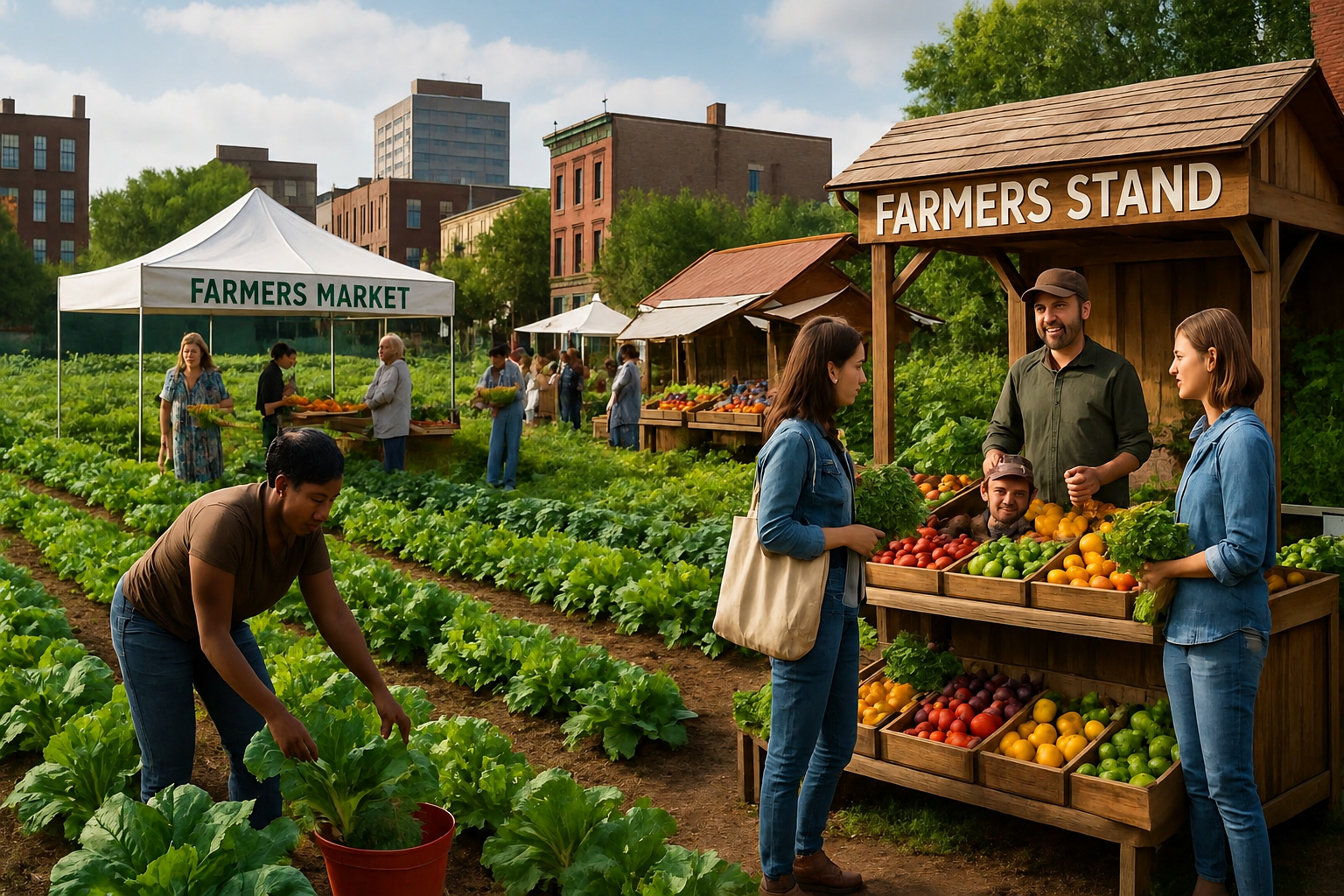
Grow Springfield’s vision describes a city where community gardens are abundant, where farm stands and farmers’ markets are part of daily life, and where urban growers have real opportunities to earn a living from their work. That is not a distant dream — it is an active framework the organization is building toward right now, one garden plot and one partnership at a time.
How Grow Springfield Connects Residents to Gardens
The most practical tool Grow Springfield offers is its online Garden Directory, which allows Springfield residents to search for community gardens near them by location and type. This removes the biggest barrier most people face: not knowing where to start. Beyond the directory, Grow Springfield provides a step-by-step getting-started guide for anyone looking to either join an existing garden or launch a new one in their neighborhood.
They also maintain an active blog — called Get the Dirt — that keeps the Springfield gardening community informed on local projects, seasonal tips, and upcoming opportunities to get involved, such as the Springfield IL Native Plants Workshop.
How Community Garden Sharing Programs Work in Springfield
Community garden sharing in Springfield operates on a simple but powerful idea: land that would otherwise sit unused becomes a productive, shared growing space for multiple households or community members. These gardens vary in structure, but most follow one of two models — allotment-style plots where individuals manage their own designated space, or fully shared gardens where members collectively tend and harvest from a common area.
Understanding how these models differ helps you choose the right fit before you commit your time and energy to a program.
- Allotment plots give individual gardeners or families a dedicated section of the garden to manage independently.
- Shared growing spaces involve the whole group working together on one unified garden bed or series of beds.
- Children’s learning gardens are structured around education, giving younger residents hands-on experience with food growing.
- Pantry gardens are specifically designed to donate produce directly to local food pantries and community members in need.
Allotment Plots vs. Shared Growing Spaces
Allotment plots work best for gardeners who want autonomy — you decide what to plant, how to manage your soil, and when to harvest. Shared spaces, on the other hand, are ideal for people who want community engagement alongside their gardening. Both options exist within Springfield’s current garden network, and some sites even offer a combination of both structures within a single location.
What You Are Responsible for as a Garden Member
Garden membership in community plots typically comes with a set of responsibilities that keep the space productive and fair for everyone involved. Most Springfield community gardens expect members to maintain their designated areas, follow the garden’s planting and composting guidelines, contribute volunteer hours to shared maintenance tasks, and respect neighboring plots. These expectations are generally outlined when you join, and Grow Springfield’s resource guide covers the basics of what new members should prepare for.
Ornamental Gardens vs. Edible Gardens: What Is the Difference
Not every community garden in Springfield is focused on food production. Ornamental gardens prioritize visual beauty — perennial flower beds, decorative landscaping, and pollinator-friendly plantings. Edible gardens are centered on vegetables, herbs, and fruits intended for consumption. Grow Springfield’s Garden Directory distinguishes between these two types, allowing residents to filter their search based on what kind of gardening experience they are looking for.
Co-op Opportunities for Urban Growers in Springfield, IL
Community garden plots are a great starting point, but Springfield’s urban agriculture scene goes further than shared growing space. Co-op gardening structures give residents the chance to participate in food production at a larger scale — pooling resources, labor, and knowledge to create something more productive than any single gardener could manage alone.
For residents who are serious about urban growing, co-ops represent the next level of involvement. They are collaborative by design, community-driven in their decision-making, and in some cases, financially rewarding for the people involved.
How Co-op Gardening Differs From a Standard Community Plot
In a standard community plot, you are essentially gardening independently within a shared space. A co-op flips that dynamic entirely. Members make decisions together about what to grow, how to manage the land, and how to distribute or sell what is harvested. Labor and costs are shared proportionally, and so are the benefits. This model demands more commitment upfront, but the payoff — in food yield, skill development, and community connection — is significantly higher.
Co-op gardens also tend to have access to more resources than individual plots. Shared tools, bulk soil amendments, and collective grant applications all become possible when a group is organized and working toward common goals. Grow Springfield’s grants page and materials and supplies resources are particularly useful for co-op groups looking to get established or expand.
Opportunities for Urban Growers to Earn a Living
One of Grow Springfield’s explicit goals is creating opportunities for urban growers in Springfield to make a living from their work. This is not just aspirational language — it reflects a real and growing trend in urban agriculture where growers supply local restaurants, farmers markets, and community-supported agriculture (CSA) programs with fresh, locally produced food. For more information on sustainable practices, check out Springfield’s eco rooftop habitats and native plant selections.
Springfield’s vision of abundant farm stands and farmers markets as part of daily city life creates a natural marketplace for co-op growers to sell directly to consumers. For residents willing to invest the time and effort into co-op participation, there is a genuine pathway from hobby gardener to small-scale urban food producer.
Lincoln Library Seed Library: A Free Resource for Springfield Gardeners
Tucked inside the Lincoln Library system is one of Springfield’s most underused gardening resources — a fully operational Seed Library that allows residents to borrow seeds at no cost. Rather than purchasing new seed packets each season, Springfield gardeners can visit the library, select seeds suited to their growing conditions, and return saved seeds at the end of the season to keep the library stocked for future growers. It is a circular, community-driven system that dramatically lowers the financial barrier to starting a garden, and it is available to anyone with a library card.
Key Community Partners Supporting Springfield Urban Agriculture
Grow Springfield does not operate in isolation. The organization is part of a broader network of community partners, local institutions, and advocacy groups that collectively support urban agriculture across Springfield and central Illinois. These partnerships strengthen the entire ecosystem — from policy and funding to education and hands-on growing support.
Understanding who these partners are helps residents find additional entry points into Springfield’s gardening community beyond Grow Springfield’s own programs.
Illinois Stewardship Alliance and Its Role in Local Food Policy
The Illinois Stewardship Alliance is a statewide organization focused on sustainable agriculture and local food systems. While it operates at a broader level than a single city, its advocacy work directly impacts the policy environment that shapes urban agriculture in Springfield — from land use regulations that affect where community gardens can be established, to funding streams that support local food infrastructure.
For Springfield’s urban gardening community, organizations like the Illinois Stewardship Alliance create the policy conditions that make programs like Grow Springfield viable in the long run. Local food advocates benefit from understanding this broader context because policy change at the state level often unlocks new resources at the community level.
Lincoln Library as a Community Gardening Hub
Beyond the Seed Library, Lincoln Library functions as an informal hub for Springfield’s gardening community. Libraries have increasingly become centers for community programming, and Lincoln Library fits that model well — providing not just seed access but a physical space where gardening knowledge, community connections, and public resources intersect. Additionally, the library supports initiatives like eco rooftop habitats and native plant selections, further enriching the community’s gardening efforts.
For new gardeners especially, starting at Lincoln Library is one of the lowest-barrier entry points into Springfield’s urban agriculture network. From there, connecting with Grow Springfield and finding a community garden becomes a natural next step.
How to Get Involved With Springfield IL Garden Sharing Programs
Getting started is easier than most people think. Springfield has multiple entry points designed for residents at every experience level — from complete beginners who have never grown anything to experienced gardeners looking to scale up their involvement or connect with others in the community.
1. Connect With Grow Springfield Directly
The most direct path into Springfield’s urban garden sharing network is through Grow Springfield itself. Located at 230 Broadway, Suite 200, Springfield, IL 62701, the organization serves as the central coordination point for community gardens, resources, and co-op opportunities across the city.
Their website offers immediate access to the Garden Directory, Resource Guide, and getting started materials — all of which are designed to move residents from curious to actively gardening as quickly as possible. If you have a specific question about starting a new garden in your neighborhood or accessing grant funding for a group project, Grow Springfield is the right first call.
Grow Springfield Quick Reference
📍 Address: 230 Broadway, Suite 200, Springfield, IL 62701
🌿 Garden Directory: growspringfield.org/gardendirectory
📚 Resource Guide: growspringfield.org/resource-guide
🌿 Seed Library: growspringfield.org/single-project
💰 Grants Info: growspringfield.org/local-funding-and-grants
2. Visit the Lincoln Library Seed Library
If you are not ready to commit to a full garden plot yet, the Lincoln Library Seed Library is the perfect starting point. Walk in, browse the available seeds, and take home varieties suited to your space — whether that is a backyard bed, a raised container on a patio, or a windowsill herb garden. For inspiration, check out these DIY garden ideas to enhance your gardening experience.
The Seed Library can be found through the Lincoln Library system at lincolnlibrary.info/seed-library. It costs nothing to participate, and returning seeds at the end of the season means you are actively contributing to the community resource for the next round of Springfield gardeners. For those interested in expanding their gardening knowledge, consider attending a native plants workshop in Springfield to learn about local flora and eco-gardens.
3. Find a Community Garden Near You
Grow Springfield’s Garden Directory is the fastest way to locate a community garden close to where you live. The directory is searchable and includes both edible and ornamental gardens, giving you a clear picture of what is available and where. Once you find a garden that fits your location and interests, the next step is simply showing up and introducing yourself to the garden coordinator or existing members.
4. Attend Local Farmers Markets and Farm Stands
Farmers markets and farm stands are not just places to buy fresh produce — they are gathering points for Springfield’s entire local food community. Growers, organizers, advocates, and curious residents all pass through these spaces, making them one of the best places to build relationships and learn about garden-sharing opportunities you might not find online.
Grow Springfield’s vision specifically includes farm stands and farmers’ markets becoming a regular part of Springfield’s daily life. Attending these markets regularly puts you directly inside that vision and connects you with the people working hardest to make it a reality.
Springfield’s Urban Garden Future Looks Promising
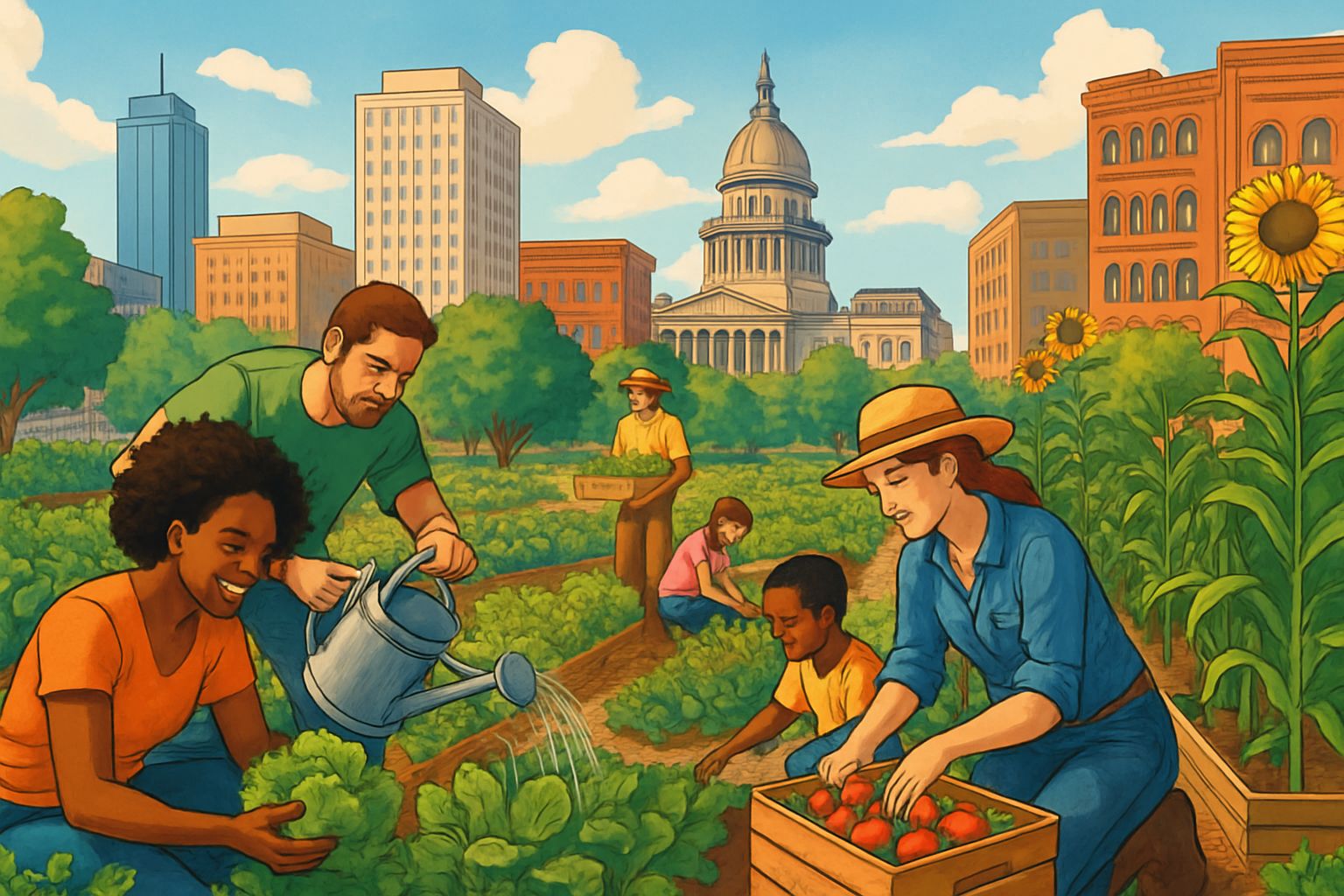
The infrastructure is already in place. Grow Springfield has spent over a decade building the directory, the resources, the partnerships, and the community networks that make urban garden sharing in Springfield not just possible but genuinely accessible. The seed library exists. The community plots exist. The co-op pathway exists. What the movement needs now is more residents willing to step into it.
Springfield is on track to become exactly what Grow Springfield envisioned — a city where community gardens are abundant, where local food is part of everyday life, and where urban growers have real economic opportunities. The only question is whether you will be part of building it.
Frequently Asked Questions
Here are answers to the most common questions Springfield residents ask about urban garden sharing, community plots, and co-op opportunities in the city. For those interested in enhancing their gardens with local flora, consider attending the Springfield IL Native Plants Workshop.
What Is Grow Springfield and What Does It Do?
Grow Springfield is a Springfield, Illinois-based organization dedicated to increasing community gardening and urban agriculture across the city and surrounding areas. It connects residents to community garden plots through its searchable Garden Directory, provides a comprehensive Resource Guide for growers at every level, operates a Seed Library in partnership with Lincoln Library, and supports new garden projects through grant information and materials resources. The organization has been operating since 2014 and is located at 230 Broadway, Suite 200, Springfield, IL 62701. For more information, visit the Grow Springfield website.
Can I Get My Own Plot in a Springfield Community Garden?
Yes. Many community gardens in Springfield’s network offer individual allotment plots where you manage your own designated growing space independently. These plots are ideal for residents who want the benefits of a community garden — shared infrastructure, water access, and community connection — while still having full control over what they plant and how they manage their space.
| Garden Type | Who It Is Best For | Level of Autonomy | Harvest Sharing |
|---|---|---|---|
| Allotment Plot | Individual growers or families | High — manage your own space | No — keep what you grow |
| Shared Growing Space | Group participants and beginners | Low — collective decision-making | Yes — distributed among members |
| Co-op Garden | Serious growers and producers | Medium — shared governance | Yes — proportional to contribution |
| Pantry Garden | Community-focused volunteers | Low — group-managed | Donated to local food pantries |
| Children’s Learning Garden | Families and educators | Guided — education-focused | Varies by program |
To find a community garden offering individual plots near your neighborhood, use the Grow Springfield Garden Directory at growspringfield.org/gardendirectory. Availability varies by location and season, so reaching out early in the year gives you the best chance of securing a plot before the growing season begins.
Are Springfield Community Gardens Open to Beginners?
Absolutely. Springfield’s community garden network — and Grow Springfield specifically — actively welcomes people with no prior gardening experience. The organization’s Resource Guide, planting schedules tailored to central Illinois’s growing climate, and getting started guide are all designed with first-time growers in mind. The Lincoln Library Seed Library is also a beginner-friendly starting point that requires zero financial investment to use.
Many existing garden communities in Springfield are made up of members with a wide range of experience levels, which means beginners benefit from informal knowledge sharing just by showing up and participating. The learning curve in community gardening is significantly shorter when you are surrounded by people who have already figured out what works in Springfield’s specific soil and climate conditions.
What Is the Lincoln Library Seed Library in Springfield, IL?
The Lincoln Library Seed Library is a free community resource that allows Springfield residents to borrow seeds from the library’s collection at no cost. Participants select seeds appropriate for their growing space, grow them through the season, and ideally save and return seeds at harvest time to keep the collection replenished for future gardeners. It is one of the most accessible entry points into Springfield’s urban growing community and is available to anyone with a Lincoln Library card. More information is available at lincolnlibrary.info/seed-library.
How Do Springfield Urban Garden Co-ops Work?
Urban garden co-ops in Springfield operate on a shared labor and shared benefit model. Members collectively decide what to grow, contribute time and effort to maintaining the garden, and divide the harvest — or revenue from selling it — proportionally based on their level of participation. This is a step up from a standard community plot in terms of commitment, but it is also significantly more productive and more financially viable for serious growers. For those interested in enhancing their gardening skills, consider attending a native plants workshop to learn more about local flora and eco-gardens.
Co-ops also tend to have better access to resources because they can apply for grants collectively, share tools and supplies, and purchase soil amendments in bulk. Grow Springfield’s grants page at growspringfield.org/local-funding-and-grants is a strong starting point for co-op groups looking for funding to get established or expand their current operation. For those interested in sustainable gardening practices, exploring eco rooftop habitats and native plant selections in Springfield, IL can provide valuable insights.
The decision-making structure in a co-op is collaborative by design. Members vote or reach consensus on major decisions about the garden — from crop selection and bed layout to how surplus produce is sold or donated. This shared governance model creates accountability and keeps the co-op aligned with the needs of all its members rather than the preferences of any single person.