- Rockford’s USDA Hardiness Zone 5b climate and heavy clay soil require specific plant choices and garden builds that most generic DIY guides ignore.
- Cedar raised beds and concrete paver edging outlast every other material in Illinois’s freeze-thaw cycles.
- Native Illinois plants like purple coneflower and black-eyed Susan thrive in Rockford’s soil with almost zero maintenance once established.
- Container gardening and vertical designs are the smartest solutions for small Rockford yards dealing with limited space and poor soil.
- One common mistake Rockford gardeners make can wipe out an entire season’s work before it even starts — and it has nothing to do with watering.
Rockford Gardens Thrive With the Right DIY Approach
Rockford gardeners face a unique set of challenges that make generic DIY garden advice fall flat fast. Situated in northern Illinois, Rockford sits in USDA Hardiness Zone 5b, meaning winter temperatures can plunge to -15°F and the growing season runs roughly from mid-May to mid-October. Every design decision — from the materials you build with to the plants you choose — needs to account for that reality. The good news is that with the right approach, Rockford yards can produce stunning, productive gardens that last for decades.
Whether you’re working with a compact backyard near the Rock River or a sprawling suburban lot on the city’s outskirts, DIY garden projects are one of the most rewarding ways to transform your outdoor space on a budget. Successful Garden Design emphasizes that understanding your local conditions before picking up a shovel is the single most important step any DIY gardener can take. Starting with that knowledge puts you ahead of most first-time builders.
Why Rockford’s Climate Shapes Every Garden Decision
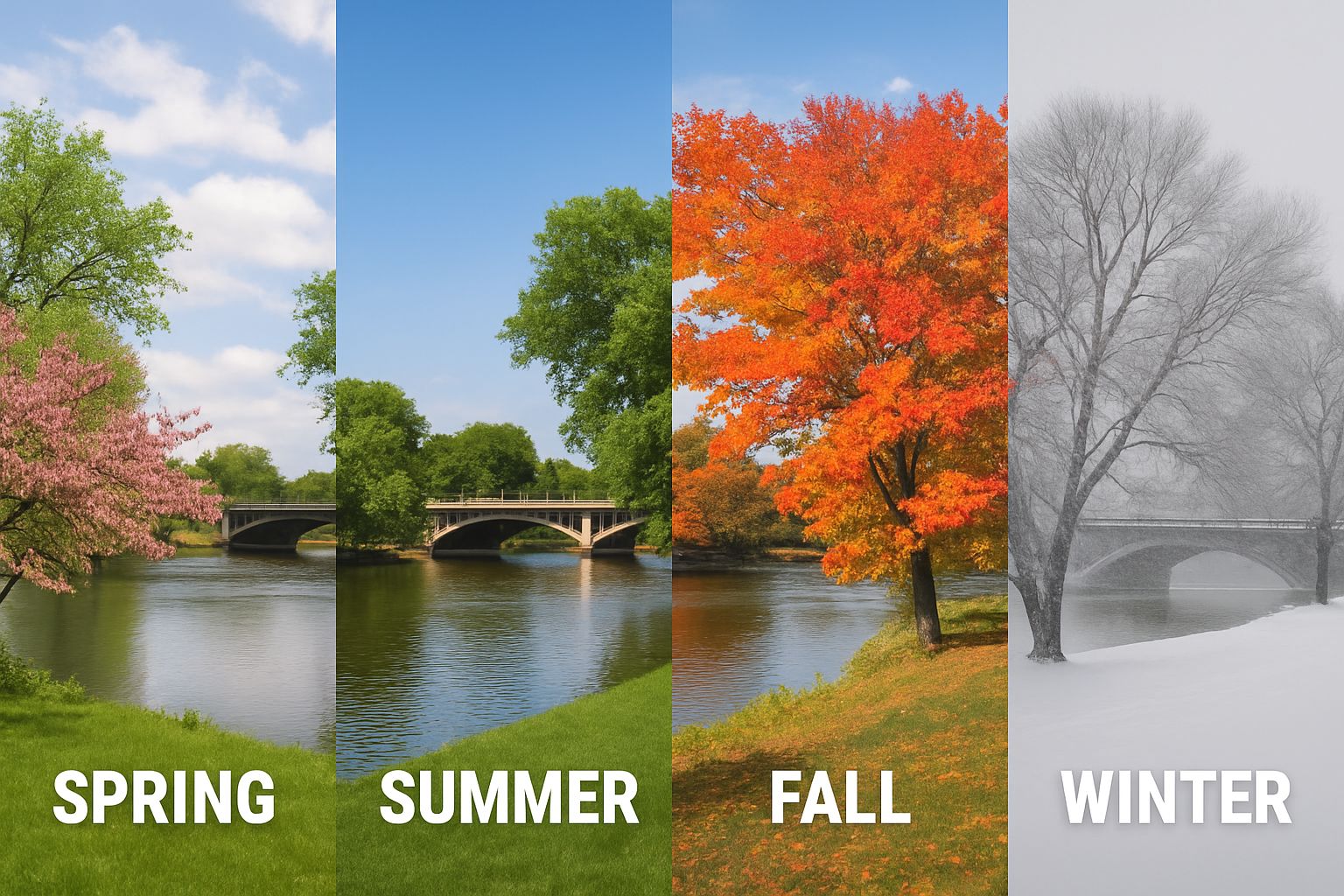
Rockford averages around 37 inches of annual precipitation, with a significant portion falling as heavy spring rain. Combined with the region’s notoriously dense clay soil, drainage becomes a critical factor in every garden layout. Poorly draining soil suffocates plant roots, causes wood structures to rot faster, and turns flat garden beds into muddy pools after a storm. This is why raised beds, paver edging, and gravel paths aren’t just aesthetic choices for Rockford gardeners — they’re functional necessities.
The freeze-thaw cycle is equally punishing on materials. Concrete, untreated pine, and thin plastic containers crack and warp after just a few Illinois winters. Choosing cedar, composite lumber, or stacked stone for your raised beds and borders isn’t an upgrade — it’s the baseline. Plan for the worst of Rockford’s winters from day one and your garden structures will still be standing five, ten, even fifteen years later. For more insights, check out the seasonal trends in Rockford.
The Biggest Mistakes Rockford Gardeners Make
The most costly mistake Rockford gardeners make is planting too early. The average last frost date in Rockford falls around May 1st to May 10th, but late cold snaps in mid-May are common. Enthusiastic gardeners who put warm-season vegetables like tomatoes and peppers in the ground in late April regularly lose entire transplants to a surprise frost. Always wait until after Mother’s Day as a general rule, and keep row cover fabric on hand just in case.
The second mistake is ignoring soil prep. Rockford’s clay-heavy soil compacts easily and drains poorly, which stunts root development even in otherwise healthy plants. Amending directly in the ground with compost and perlite helps, but many experienced local gardeners skip the fight altogether and build raised beds with imported, well-draining soil mixes instead. It costs a little more upfront but eliminates the single biggest variable that kills Rockford gardens.
Best DIY Raised Bed Designs for Rockford Yards
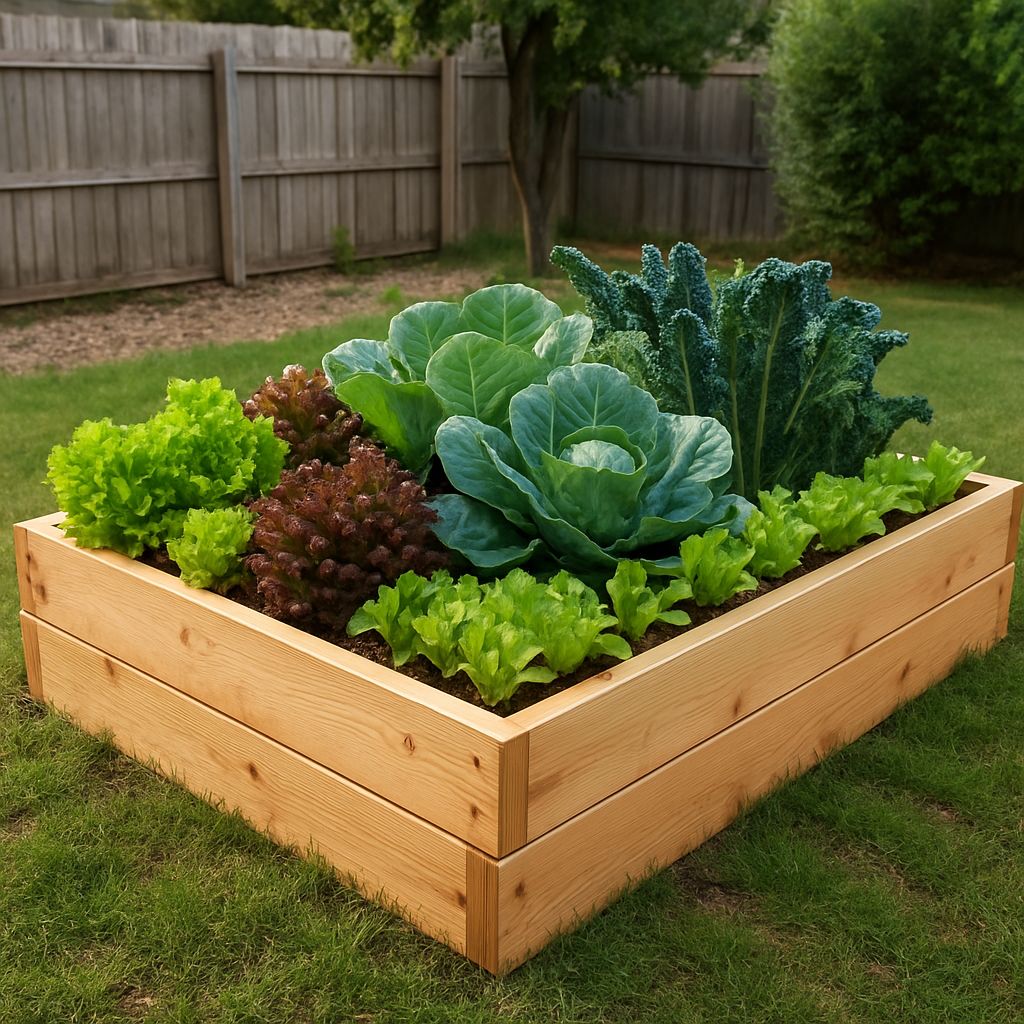
Raised beds are the most popular and practical DIY garden project for Rockford homeowners, and for good reason. They sidestep the clay soil problem entirely, warm up faster in spring for an earlier start, and give you complete control over your growing medium. Whether you’re growing vegetables, herbs, or ornamentals, a well-built raised bed is almost always the smartest investment you can make in your Rockford garden.
Cedar Raised Beds: The Best Wood for Illinois Winters
When it comes to wood raised beds in Rockford, western red cedar is the clear winner. Cedar contains natural oils that resist moisture, insects, and rot — without any chemical treatment needed. A cedar raised bed built with 2×6 or 2×8 planks will comfortably last 10 to 20 years through Illinois freeze-thaw cycles, far outlasting pine (which typically begins deteriorating within 3 to 5 years in wet soil conditions).
Wood Type Expected Lifespan in Illinois Rot Resistance Cost Level Western Red Cedar 10–20 years High (natural oils) Medium Douglas Fir 5–10 years Moderate Low–Medium Untreated Pine 3–5 years Low Low Composite Lumber 20+ years Very High High Stacked Stone/Paver Indefinite N/A Medium–High
For a standard 4×8-foot cedar raised bed, you’ll need four 2x8x8 cedar boards, two 2x8x4 boards, and four 4×4 corner posts cut to your desired height. Screw everything together with exterior-grade deck screws (not nails, which work loose over freeze-thaw cycles) and you’ll have a bed that anchors beautifully into a Rockford yard without any special tools required.
If you want to go the extra mile, line the interior bottom of your cedar bed with hardware cloth before filling with soil. This keeps burrowing critters — a real issue in Rockford’s suburban and semi-rural neighborhoods — from tunneling up into your vegetable beds from below. For more DIY garden ideas, check out this guide.
Paver and Concrete Raised Beds for Long-Term Durability
For gardeners who want a truly permanent structure, stacked concrete pavers or cinder blocks make incredibly durable raised beds that need zero maintenance over time. These work especially well for low-profile beds kept two to three courses high, which adds a clean, architectural look to a Rockford yard. Stack them without mortar for flexibility — you can reconfigure the layout as your garden evolves — or mortar them in place for a locked-in, finished look.
Concrete also absorbs and retains heat during the day, then radiates it back toward your plants in the evening. In Rockford’s short growing season, that extra warmth at the soil level can translate to measurably faster germination and stronger early-season growth — especially valuable for heat-loving crops like peppers and eggplant.
How Deep Your Raised Beds Should Be for Vegetables
Depth is one of the most overlooked specs when Rockford gardeners plan raised beds. A bed that’s too shallow forces roots to hit the poor native clay soil below, which limits yields and causes waterlogging. Here’s a quick guide based on what you’re growing:
- Lettuce, herbs, and radishes: 6 inches minimum
- Tomatoes, peppers, and cucumbers: 12 inches minimum
- Carrots and parsnips: 18 inches for full-size roots
- Perennial plants and shrubs: 18 to 24 inches for root establishment
- General vegetable garden: 10 to 12 inches is the sweet spot for most crops
DIY Container Gardening for Small Rockford Spaces
Not every Rockford home comes with a sprawling backyard. Townhomes, older bungalows near downtown, and properties with heavily shaded lots all present space constraints that make traditional in-ground or raised bed gardening difficult. Container gardening solves this problem completely, letting you grow vegetables, herbs, and flowers on patios, decks, balconies, and even driveways with nothing more than a good pot and the right soil mix.
Best Containers for Illinois Temperature Swings
Rockford’s dramatic temperature swings — from 90°F summer heat to sub-zero winter lows — are brutal on containers. Thin plastic pots crack in the cold. Terracotta absorbs water and then shatters as that moisture freezes and expands. Choosing the right container material from the start saves you from replacing your entire collection every spring.
The most durable options for Rockford conditions are:
- Fabric grow bags — air-prune roots, prevent overwatering, and fold flat for easy storage in winter
- Thick-walled polyethylene planters — UV-stabilized versions hold up for years without cracking
- Fiberglass containers — lightweight, frost-resistant, and available in sizes large enough for tomatoes and dwarf fruit trees
- Glazed ceramic pots — beautiful and frost-resistant if rated for outdoor use, but must be moved indoors or emptied before hard freezes
Container Type Freeze Resistance Best Use Winter Storage Needed? Fabric Grow Bags Excellent Vegetables, herbs No (fold and store) Thick Polyethylene Good Perennials, shrubs No Fiberglass Excellent Large specimens No Glazed Ceramic Moderate Annual flowers Yes (indoors) Terracotta Poor Indoor overflow only Yes (always)
Whatever container you choose, make sure it has adequate drainage holes in the bottom. In Rockford’s wet spring and fall seasons, containers without drainage will waterlog soil within days. If you fall in love with a pot that has no drainage, drill your own holes using a standard masonry or spade bit — it takes less than two minutes and saves your plants. For more DIY garden ideas, explore creative ways to enhance your outdoor space.
Vertical Garden Designs That Save Space
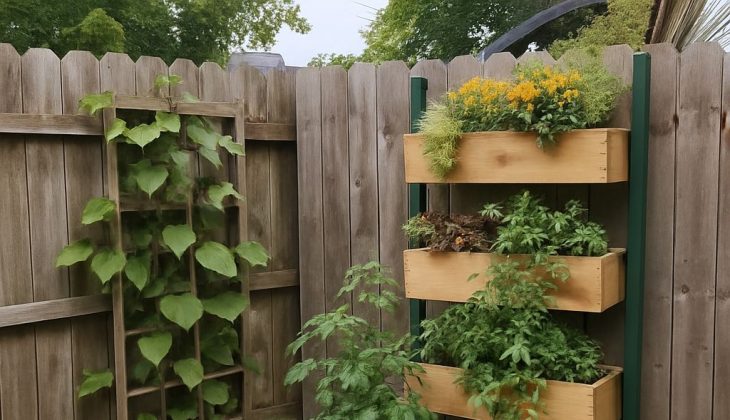
Vertical gardening is one of the most underused strategies in Rockford backyards, and it’s a game-changer for small spaces. A simple DIY trellis made from cedar posts and galvanized wire can support climbing crops like pole beans, cucumbers, and indeterminate tomatoes, effectively tripling your growing area without adding a single square foot of ground space. Mount a trellis along a south-facing fence and you’ve turned a blank wall into a productive growing surface that also adds serious visual interest to your yard.
Pocket planters and pallet wall gardens are another option for patios and deck railings. A single repurposed wooden pallet mounted vertically can hold 12 to 15 small herb or strawberry plants in the gaps between slats. Fill the pockets with a lightweight potting mix — not garden soil, which compacts too heavily in vertical setups — and you’ll have a functional herb wall that looks intentional and costs almost nothing to build.
Native Plants That Make DIY Rockford Gardens Low-Maintenance
The smartest thing a Rockford gardener can do is work with the local ecosystem instead of against it. Native Illinois plants evolved alongside Rockford’s clay soil, erratic rainfall, and punishing winters — which means once they’re established, they largely take care of themselves. You get color, texture, and wildlife habitat without constant watering, fertilizing, or replanting year after year.
Top Illinois Native Plants for Backyard Gardens
These natives perform exceptionally well in Rockford yards and are widely available at local nurseries and Illinois native plant sales throughout spring and early summer. Purple coneflower (Echinacea purpurea) blooms from June through August and attracts goldfinches and monarch butterflies in droves. Black-eyed Susan (Rudbeckia hirta) is nearly indestructible, thriving in both clay and sandy soils while producing bold yellow blooms all summer. Wild bergamot (Monarda fistulosa) handles drought beautifully once established and draws bumblebees like nothing else in the garden. For structure and height, prairie blazing star (Liatris pycnostachya) shoots up dramatic purple spikes in mid-summer that stop people in their tracks. Round out a native border with blue wild indigo (Baptisia australis), a long-lived perennial that fixes nitrogen in the soil and produces striking deep-blue flower spikes each spring. For more DIY garden ideas, explore creative ways to enhance your backyard space.
How Native Plants Handle Rockford’s Clay Soil
- Deep root systems — many Illinois natives develop roots 6 to 15 feet deep, breaking through compacted clay layers that stop shallow-rooted ornamentals cold
- Drought tolerance — once roots reach deeper soil moisture, natives can go weeks without rain without showing stress
- Natural drainage improvement — those deep root channels actually loosen clay over time, improving drainage for every plant nearby
- No soil amendment required — unlike imported ornamentals, true Illinois natives don’t need you to fight the native soil chemistry
- Winter hardiness built in — no guesswork about Zone 5b survival; these plants have been doing it for thousands of years
The transition period is the one thing to watch. Even native plants need consistent moisture during their first growing season while their root systems establish. Water newly planted natives deeply once or twice a week for the first 8 to 10 weeks, then step back and let them do what they were born to do. After that first season, most Illinois natives need almost no supplemental watering unless Rockford is experiencing an extended drought.
One underrated benefit of native plantings is what they do to your soil over time. As those deep taproots die back each fall and decompose, they add organic matter to Rockford’s dense clay, slowly improving its structure season after season. It’s a passive soil improvement strategy that requires zero effort on your part — the plants do the work while you enjoy the blooms.
If you’re converting a traditional lawn area to a native garden bed, smother the grass first using the lasagna layering method. Lay cardboard directly over the grass, wet it thoroughly, then top with 4 to 6 inches of compost or wood chip mulch. By the following spring, the grass beneath will have decomposed and you’ll have a workable planting bed without any digging or herbicide use — a clean, low-effort start to a low-maintenance native garden.
Pollinator Garden Designs Using Local Wildflowers
A dedicated pollinator garden doesn’t need to be large to be effective. Even a 4×8 foot bed planted with native wildflowers can support dozens of bee, butterfly, and hoverfly species throughout the Rockford growing season. The key is layering bloom times so something is always flowering from May through October. Start with wild columbine (Aquilegia canadensis) for early spring color, transition into coneflower and bergamot for summer, and finish the season strong with native asters and goldenrod in fall. That continuous bloom sequence feeds pollinators all season long and creates a garden that looks dynamic and intentional rather than static.
DIY Garden Edging and Fencing Ideas for Rockford Yards
Good edging does two things at once: it keeps your garden looking sharp, and it keeps grass from creeping into your beds. In Rockford, where aggressive turf grasses like Kentucky bluegrass and creeping bentgrass are common, a strong physical barrier between lawn and garden is essential. Without it, you’ll spend hours pulling grass runners out of your flower beds every single season.
Budget Paver Edging That Outlasts Wood in Wet Illinois Soil
Concrete landscape pavers are the most cost-effective long-term edging solution for Rockford yards. Unlike wood borders that rot within a few seasons in Illinois’s wet springs, and unlike thin plastic edging that heaves and buckles in freeze-thaw cycles, concrete pavers stay exactly where you put them. A single row of standard 12×12-inch concrete pavers set vertically into a shallow trench creates a clean, sturdy border that costs roughly $1 to $3 per linear foot depending on where you source them. Dig your trench about 4 inches deep, set the pavers snugly against each other, and backfill both sides firmly. No mortar required for most applications — the weight and tight fit keep everything locked in place through even the harshest Rockford winters.
Simple DIY Fence Designs to Protect Gardens From Wind
Rockford sits in an open, flat landscape that funnels strong northwest winds across yards with very little natural windbreak. Those winds desiccate tender plants, knock over tall-growing vegetables, and can shred the leaves of ornamentals in midsummer storms. A simple DIY fence or windbreak on the north and west sides of your garden dramatically reduces wind stress and actually raises the ambient temperature inside your garden by several degrees — a meaningful advantage in a Zone 5b growing season.
For a weekend build, a basic picket fence using cedar or pressure-treated pine posts set 2 feet deep in concrete footings will handle most wind loads in a residential Rockford yard. Space the pickets with small gaps rather than solid paneling — a fence that slows wind rather than stopping it dead creates less turbulence on the leeward side, which is actually better for your plants. For a more natural look, a woven willow or bamboo hurdle fence adds texture and character while doing the same job at a lower cost per linear foot.
DIY Garden Paths and Stepping Stones
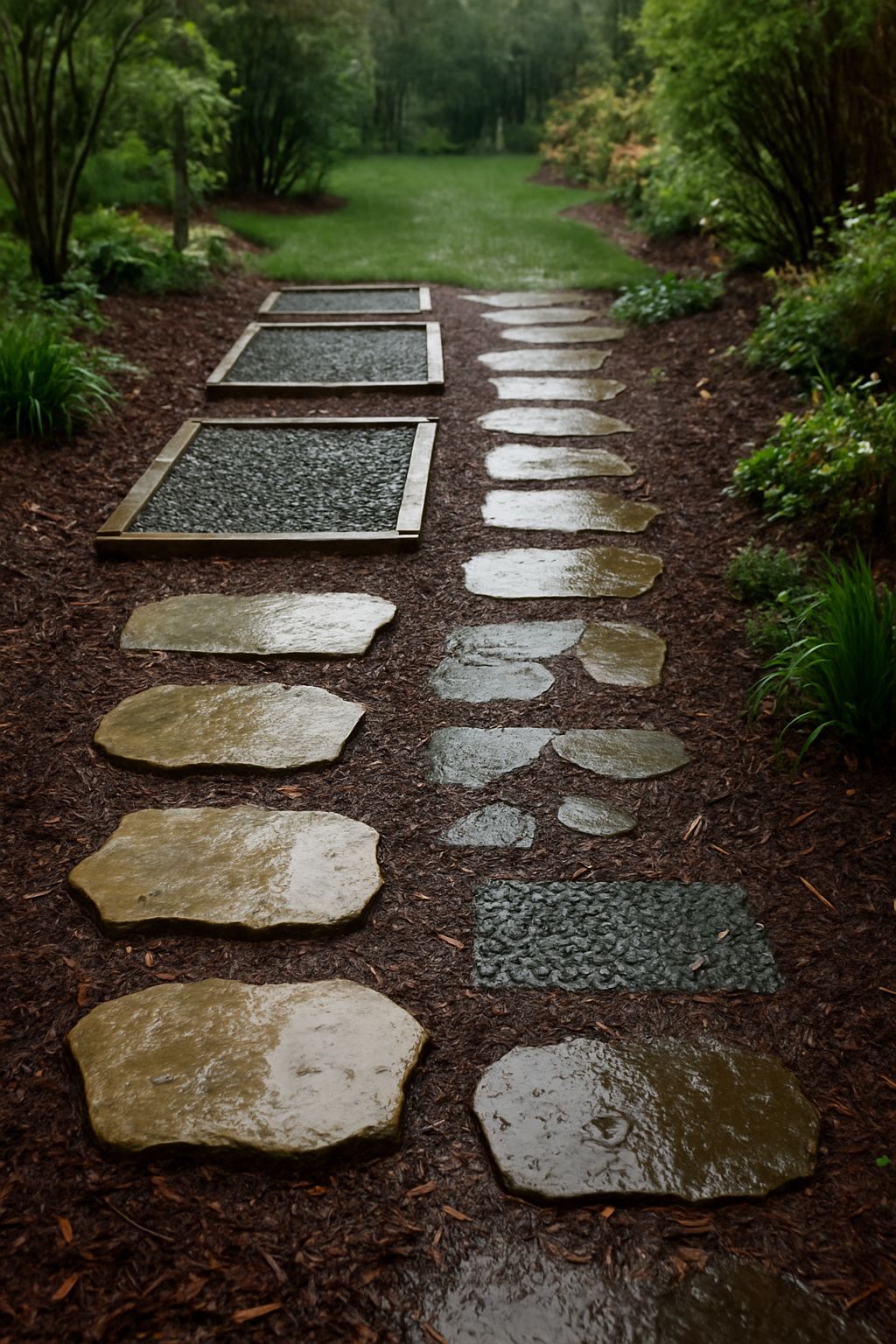
A garden path does more than look good — in Rockford’s wet springs, it keeps you out of the mud and prevents soil compaction in your planting beds. Every time you step directly on garden soil, you compress it and damage the soil structure your plants depend on. A well-placed path gives you access to every corner of your garden without ever putting a foot in the wrong place.
Stenciled Concrete Stepping Stones: A Weekend Project
Casting your own concrete stepping stones is one of the most satisfying single-weekend DIY garden projects you can tackle in Rockford, and it costs a fraction of what you’d pay for pre-made stones at a garden center. All you need is a bag of quick-setting concrete mix, a plastic mold (or a DIY form made from scrap wood), and whatever decorative elements you want to press into the surface — river stones, colored glass, ceramic tile fragments, or a stenciled design applied before the concrete fully cures.
For durability through Rockford freeze-thaw cycles, use a concrete mix with a minimum compressive strength of 3,000 PSI and keep your stones at least 2 inches thick. Thinner stones crack when ground frost heaves them in late winter. After casting, cure your stones slowly by covering them with plastic sheeting for 48 hours — rapid drying in summer heat causes surface cracking that weakens the stone before it ever hits your garden path.
Gravel Path Designs That Drain Well in Illinois Rain
Gravel is the most drainage-friendly path material available for Rockford yards, and it’s one of the most affordable. The key is building it correctly so it doesn’t become a muddy, weed-filled trench after a heavy spring rain. For more tips on maintaining your garden, check out this seasonal guide for Rockford, IL.
- Excavate 4 to 6 inches deep along your path line to create a proper base depth
- Lay landscape fabric before adding gravel to suppress weed growth without blocking drainage
- Add a 2-inch base layer of crushed stone (compactable road base or #57 limestone) for stability
- Top with 2 inches of pea gravel or decomposed granite for the walking surface
- Install metal or plastic edging on both sides to keep gravel contained and prevent migration into beds
The crushed stone base layer is the step most DIYers skip, and it’s the one that matters most. Without a compacted base, gravel paths in Illinois’s wet soil turn soft and rutted within a single season. The base locks everything in place and ensures water moves straight down through the path rather than pooling on the surface.
For path width, plan for at least 24 inches for a single-person walkway and 36 to 48 inches if you want to walk side by side comfortably or navigate with a garden cart. Paths that are too narrow feel cramped and end up being walked around rather than on, defeating their whole purpose. For more inspiration, explore these DIY garden ideas.
Pea gravel in a warm beige or buff tone works beautifully in Rockford gardens, complementing both the greens of a vegetable garden and the purples and yellows of a native wildflower border. Avoid pure white decorative gravel — it stains quickly from mud splash and organic debris and loses its appeal after a single wet season. For more garden inspiration, explore the best low-pollen native trees, shrubs, and perennials in Rockford, IL.
For low-traffic side paths between raised beds, simply stepping on landscape fabric topped with 2 inches of wood chip mulch is an even cheaper alternative. Wood chips are often available free through local Rockford tree services, and they break down into compost over time, enriching the surrounding soil as they decompose. For more innovative garden ideas, explore luxury urban greenhouse designs that can complement your garden space.
How to Lay a Garden Path on Sloped Rockford Yards
Sloped yards are common in Rockford neighborhoods built on rolling terrain, and a flat gravel path simply won’t work on a grade steeper than about 5 percent — gravel migrates downhill, stepping stones shift, and water channels straight down the path during rain. The most effective solution for sloped garden paths is a series of level stepping stone landings connected by short, shallow steps cut into the slope. Use flat fieldstone or large concrete pavers for the treads, set each one perfectly level using a spirit level, and pack compacted gravel or crushed stone firmly beneath each tread. The result is a path that stays put through every season, handles slope runoff properly, and adds genuine structural character to a Rockford backyard landscape.
Upcycled Planter Ideas Rockford Gardeners Love
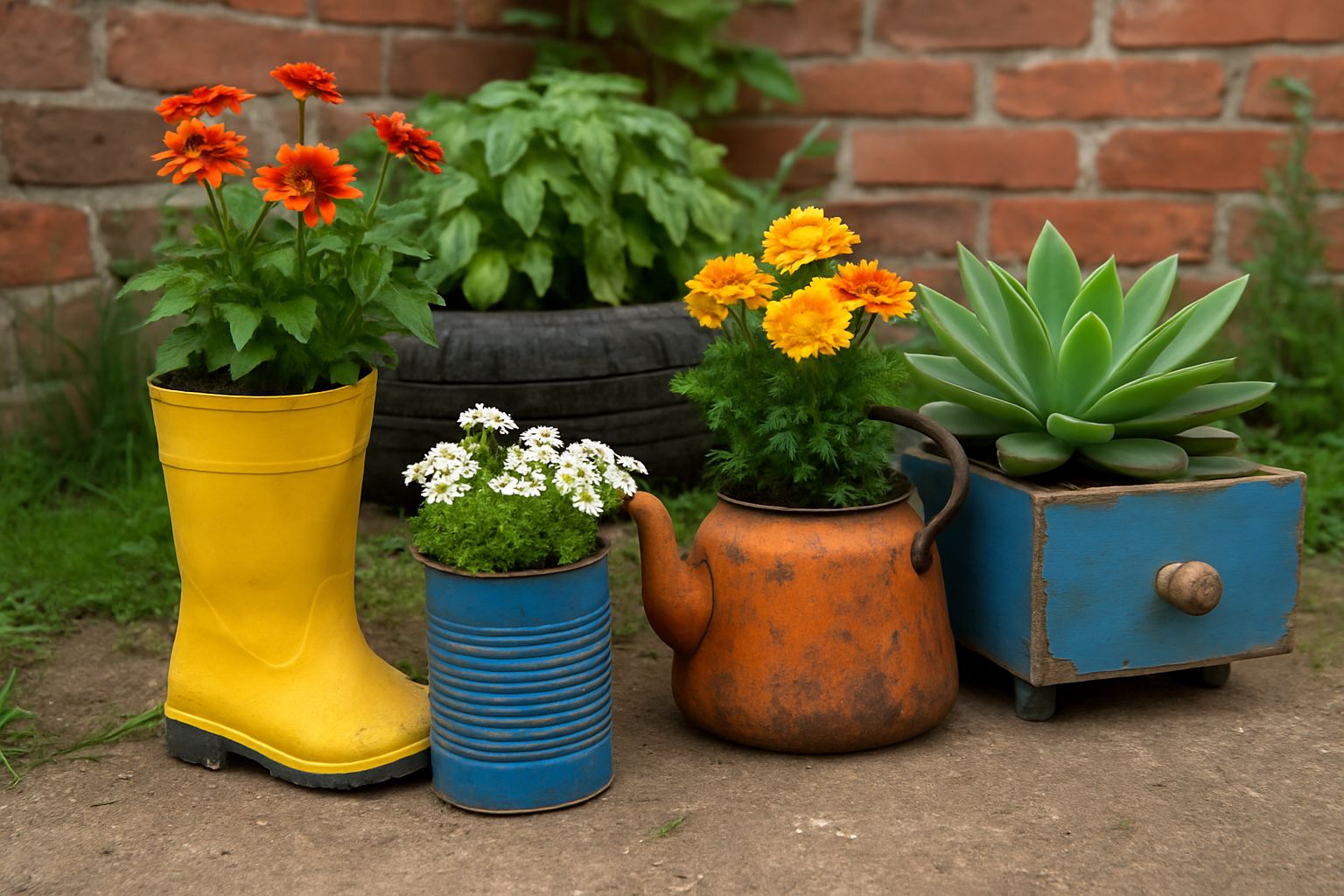
Upcycled planters are one of the most creative and budget-friendly directions a Rockford gardener can take. Instead of spending $40 to $80 on a new container at a garden center, you’re giving discarded materials a second life while adding personality and character that no store-bought planter can match. From old wheelbarrows to galvanized livestock troughs, the best upcycled planters are the ones that tell a story while growing something beautiful.
Pallet Planters: What to Know Before You Build
Wood pallets are everywhere in Rockford — behind big-box stores, at landscaping suppliers, and listed free on local Facebook Marketplace pages almost daily. Before you build anything with a pallet, check the stamp burned into the wood. You want pallets marked HT (heat-treated), which are safe for food gardening. Avoid any pallet marked MB (methyl bromide), a fumigation chemical you absolutely do not want near edible plants. Most pallets you find today are HT-stamped, but it takes five seconds to check and it matters.
To build a vertical pallet planter, stand the pallet upright and staple landscape fabric across the back, bottom, and sides to create pockets that hold soil in place. Fill each horizontal row of gaps between slats with a lightweight potting mix, then plant trailing herbs like thyme and oregano or compact edibles like strawberries and lettuce in each pocket. Mount the finished planter against a south-facing shed wall or fence in your Rockford yard, and it will produce all season long. One pallet typically supports 12 to 15 individual plants in a footprint of less than 4 square feet. For more inspiration, check out these low-pollen native trees and shrubs suitable for Rockford, IL.
Window Box Planters for Sheds and Fences
Window box planters mounted to shed exteriors and fence rails are one of those DIY projects that punch way above their weight visually. A simple cedar window box — built from the same rot-resistant material recommended for raised beds — can be constructed in under an hour using two 1×6 boards, a piece of 1×8 for the base, and exterior screws. Mount them beneath shed windows or at regular intervals along a fence line, fill with a quality potting mix, and plant trailing annuals like million bells (Calibrachoa) or bacopa for instant color that lasts from May through first frost in Rockford. Add a drainage hole every 6 inches along the baseboard so heavy Illinois rains don’t waterlog the roots.
DIY Water Features for Rockford Backyards
Water Feature Type Approximate DIY Cost Skill Level Winter Maintenance Needed Container Pond (half barrel) $40–$80 Beginner Remove pump before freeze Recirculating Rock Fountain $80–$150 Beginner–Intermediate Drain and store pump indoors In-Ground Pond (liner) $200–$600+ Intermediate De-icer or aerator required Pondless Waterfall $300–$700+ Intermediate–Advanced Drain reservoir, store pump Birdbath with Solar Fountain $30–$60 Beginner Bring indoors before hard freeze
A DIY water feature doesn’t require an excavator or a plumber — the most popular backyard water projects in Rockford start with nothing more than a half whiskey barrel, a small submersible pump, and a bag of decorative river stones. The sound of moving water transforms a backyard atmosphere completely, and the wildlife benefits are immediate. Within days of adding a water source, you’ll notice birds, bees, and beneficial insects visiting regularly — all of which support a healthier, more productive garden overall.
For Rockford gardeners, the most important water feature consideration is winterization. Any feature with a submersible pump needs to be drained and have its pump removed and stored indoors before temperatures drop below freezing in late October or November. Pumps left submerged in freezing water crack internally and fail before spring. It takes 20 minutes to winterize a container pond or fountain properly and saves you the cost of replacing a $40 to $100 pump every single year.
The easiest entry-level water feature for a Rockford yard is a recirculating rock fountain built over a buried reservoir. Dig a hole roughly 18 inches deep and wide, drop in a plastic storage bin as your reservoir, cover the opening with a sturdy metal grate, and pile decorative boulders and river stone on top. Run a short length of flexible tubing from a submersible pump in the reservoir up through the rocks to the top of your arrangement. When the pump runs, water bubbles up through the stones and trickles back down into the reservoir — no exposed standing water, no mosquito breeding, and no complex plumbing required. For more inspiration, check out these DIY garden ideas.
If you want to incorporate aquatic plants, a half-barrel pond is the most manageable option for a first build. Line a 60-gallon oak barrel planter with a flexible EPDM pond liner, fill it with water, and plant a dwarf water lily like Nymphaea ‘Perry’s Baby Red’ in a submerged container at the bottom. Add a small submersible pump to keep water moving and prevent stagnation. In Rockford’s summer heat, top off the barrel with fresh water every week or two to replace what evaporates, and your mini pond will stay balanced and clear all season with very little intervention.
Start Your Rockford Garden This Weekend
Every project covered in this guide — raised beds, container gardens, native plantings, gravel paths, upcycled planters, and water features — can be started this weekend with materials available locally in Rockford. You don’t need every idea at once. Pick one project that solves your biggest current pain point, whether that’s clay soil, limited space, or a bare and boring backyard, and build from there. A single well-made cedar raised bed or a recirculating rock fountain will change how you feel about your outdoor space immediately, and each completed project builds the skills and confidence to tackle the next one.
The Rockford growing season is shorter than most gardeners wish, but it’s more than long enough to produce a genuinely beautiful, productive garden when you work with the local climate instead of against it. Start with the right materials, choose plants suited to Zone 5b, and give your soil the structure it needs to drain and breathe. Everything else follows naturally from those three fundamentals. The best Rockford gardens aren’t the most expensive ones — they’re the ones built by gardeners who understood their environment and made smart decisions from the ground up.
Frequently Asked Questions
Here are answers to the most common questions Rockford, IL gardeners ask when starting or improving their backyard gardens.
What Vegetables Grow Best in Rockford, IL?
The vegetables that perform best in Rockford’s Zone 5b climate include tomatoes (particularly determinate varieties like Celebrity or Roma that finish before first frost), zucchini, green beans, cucumbers, sweet corn, peppers, lettuce, kale, and root vegetables like carrots and beets. Cool-season crops like lettuce, spinach, and broccoli can be started as early as late April under row cover and again in late August for a fall harvest. Warm-season crops should go in the ground no earlier than mid-May after frost risk has passed.
When Should Rockford Gardeners Start Planting?
Rockford’s average last frost date falls between May 1st and May 10th, making mid-May the safe transplant window for warm-season vegetables and annual flowers. Cool-season crops like peas, lettuce, kale, and spinach can go directly in the ground as early as late March to early April when soil temperatures reach at least 40°F. Start tomatoes, peppers, and eggplant indoors under grow lights 6 to 8 weeks before your last frost date — which puts your seed-starting window in mid-to-late March for a Rockford garden.
How Do You Fix Clay Soil in a Rockford Garden?
Fixing clay soil in Rockford requires consistent organic matter additions over multiple seasons. The fastest approach is to top-dress existing beds with 2 to 3 inches of finished compost each fall and till it lightly into the top 6 inches of soil. Over two to three seasons, this progressively opens up the clay structure and improves both drainage and aeration. For immediate results, building raised beds filled with a blended soil mix of topsoil, compost, and perlite completely bypasses the clay issue while your in-ground soil improves naturally beneath. Avoid working clay soil when it’s wet — doing so destroys soil structure and creates compaction that takes years to reverse.
What Are the Best Low-Maintenance Plants for Rockford IL?
The lowest-maintenance plants for Rockford yards are Illinois native perennials that evolved specifically for Zone 5b conditions. Purple coneflower (Echinacea purpurea), black-eyed Susan (Rudbeckia hirta), prairie blazing star (Liatris spicata), wild bergamot (Monarda fistulosa), and blue wild indigo (Baptisia australis) all thrive in Rockford’s clay soil with minimal watering, fertilizing, or dividing once established. For woody shrubs, native viburnums and buttonbush (Cephalanthus occidentalis) are nearly bulletproof in Rockford landscapes.
On the annual side, zinnias, marigolds, and cosmos are the easiest warm-season flowers for Rockford gardeners. Direct-sow them after mid-May frost risk has passed, water during dry spells, and they’ll bloom prolifically from June through October with almost no additional care. Marigolds also serve double duty as a natural pest deterrent near vegetable beds — a practical bonus in any Rockford kitchen garden.
How Much Does a DIY Raised Bed Garden Cost in Rockford?
A basic 4×8 foot cedar raised bed built with 2×8 planks costs between $60 and $120 in materials depending on current lumber prices and where you source your cedar in Rockford. Fill soil — a blended mix of topsoil, compost, and perlite — runs approximately $30 to $60 for a 4x8x10-inch bed. Total cost for a single functional cedar raised bed, ready to plant, typically lands between $90 and $180.
Concrete paver raised beds cost slightly more upfront — roughly $100 to $200 for materials on a similar footprint — but last indefinitely with zero maintenance, making the long-term cost per season significantly lower than any wood option. Upcycled options like pallet beds or repurposed stock tanks can bring your total build cost down to $20 to $50 if you source materials creatively through local Rockford sources.
Soil is often the biggest variable in the total budget. For multiple beds, buying compost and topsoil by the cubic yard from a local Rockford landscaping supplier is almost always cheaper per cubic foot than buying bagged products from a big-box store. A cubic yard of blended garden soil fills roughly three standard 4x8x10-inch raised beds and typically costs $35 to $60 delivered in the Rockford area.
If budget is the primary constraint, start with one well-built raised bed rather than three poorly built ones. A single solid cedar bed, properly filled and planted, will outperform three shallow, poorly drained beds every single season. Build quality matters more than quantity, especially in Rockford’s challenging clay-soil environment. For expert guidance on designing productive garden layouts that work specifically for Midwest growing conditions, Successful Garden Design offers resources tailored to helping gardeners like you build something that lasts. Additionally, you can stay informed about Rockford’s real-time seasonal allergy trends to optimize your gardening efforts.
Rockford, IL, offers a wealth of inspiration for those looking to create beautiful and sustainable gardens. Whether you’re a novice or an experienced gardener, the region’s unique climate and soil conditions provide the perfect backdrop for a variety of plants. For those interested in incorporating native flora, consider exploring low-pollen native trees, shrubs, and perennials that thrive in the area. These plants not only enhance the beauty of your garden but also support local wildlife and reduce maintenance efforts.