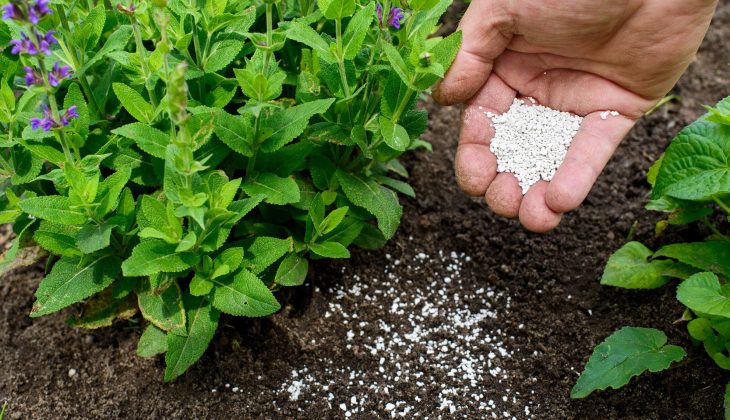
Article-At-A-Glance
- Not all organic fertilizers are allergy-safe — some of the most popular options contain mold spores, fish proteins, and composted materials that can trigger serious reactions.
- Liquid fertilizers generally expose allergy-prone gardeners to fewer airborne allergens than granular or powder formats.
- Specific ingredients like feather meal, blood meal, and bat guano are among the most common hidden allergens in garden fertilizers.
- There are genuinely allergy-friendly fertilizer options — including seaweed-based and synthetic mineral fertilizers — that feed your plants without irritating your immune system.
- The time of day you fertilize and the protective gear you use can be just as important as the fertilizer you choose.
Finding a fertilizer that won’t send you sneezing, wheezing, or reaching for an antihistamine is harder than it should be — but it’s absolutely possible.
Urban gardening is one of the most rewarding hobbies out there, whether you’re growing herbs on a balcony or running a full raised-bed vegetable setup on a rooftop. But for the millions of people who deal with allergies, standard fertilizing routines can turn a relaxing gardening session into a miserable afternoon. The good news is that Growcycle’s soil and fertilization resource hub is one place where urban gardeners can find straightforward guidance on navigating exactly this kind of challenge.
This guide breaks down what actually makes a fertilizer allergy-friendly, which specific products stand out, and how to apply them safely in compact urban spaces.
What Makes a Fertilizer Allergy-Free?
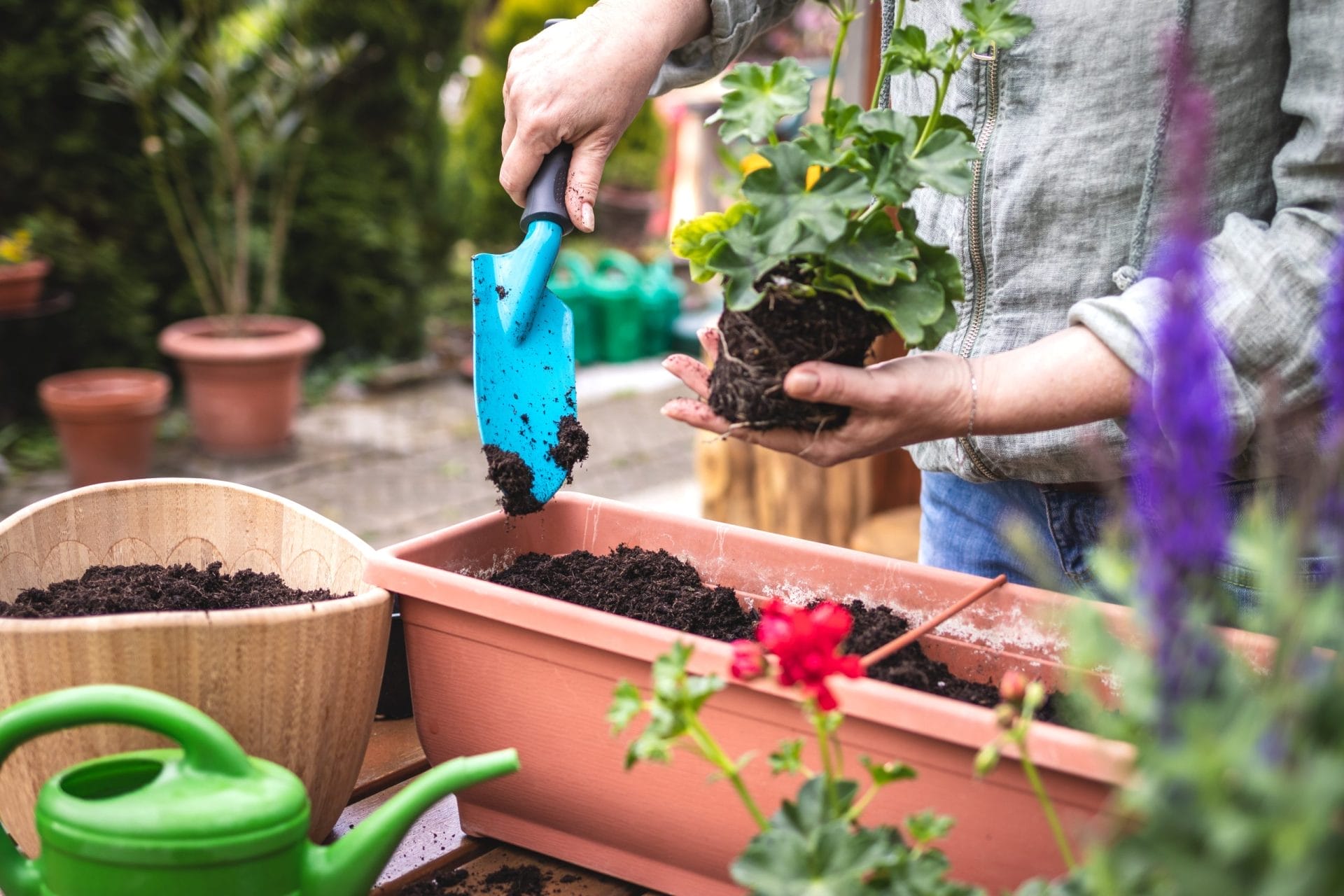
“5 Natural Fertilizers You Can Make At …” from www.onegreenplanet.org and used with no modifications.
An allergy-free fertilizer isn’t a formal regulatory category — no government body certifies a fertilizer as “hypoallergenic.” Instead, it refers to fertilizers that avoid the most common allergenic ingredients and minimize exposure to airborne particles, mold spores, and protein-based compounds that trigger immune responses. The key factors are ingredient composition, physical format, and how the product is manufactured.
Common Allergens Found in Traditional Fertilizers
Most conventional and even many organic fertilizers contain ingredients that are well-documented allergen sources. Blood meal, feather meal, and fish meal are protein-dense and can provoke reactions in people sensitive to those proteins. Composted manure — whether from chicken, cow, or horse — frequently harbors mold spores and fungi, particularly when the compost hasn’t been fully heat-treated. Bat guano is another common culprit, often carrying both fungal spores and histamine-triggering compounds. Even pollen-rich plant materials used as filler in some organic blends can cause issues for seasonal allergy sufferers.
Why Organic Doesn’t Always Mean Allergy-Safe
There’s a common assumption that “organic” equals “safe for everyone,” but that logic doesn’t hold for allergy sufferers. Organic simply means the ingredients are derived from natural sources — and natural sources can absolutely trigger allergies. In fact, some of the most allergenic fertilizer ingredients, like blood meal and bat guano, are certified organic. The organic label tells you something about environmental impact, not about immune system compatibility. Always read the full ingredient list regardless of how a fertilizer is marketed. For more insights on selecting the right fertilizers, check out the top organic fertilizers reviewed.
Ingredients to Avoid if You Have Allergies
Knowing what to avoid is half the battle. Here are the most common allergenic ingredients found in fertilizers that allergy-prone gardeners should watch for on labels:
- Blood meal — high in nitrogen but a strong protein allergen
- Feather meal — slow-release nitrogen derived from poultry feathers; can trigger keratin sensitivities
- Bat guano — carries fungal spores and histamine compounds
- Composted poultry or livestock manure — frequently contains mold, especially if insufficiently heat-treated
- Fish meal or fish bone meal — problematic for those with fish or shellfish allergies
- Cottonseed meal — a known allergen for people sensitive to cotton or related plant proteins
- Mushroom compost — high mold and fungal spore content
If you see any of these on the label, it doesn’t automatically mean you’ll react — but it warrants extra caution, especially in small enclosed spaces like balconies or indoor container gardens where ventilation is limited.
Best Allergy-Free Fertilizers for Urban Gardens
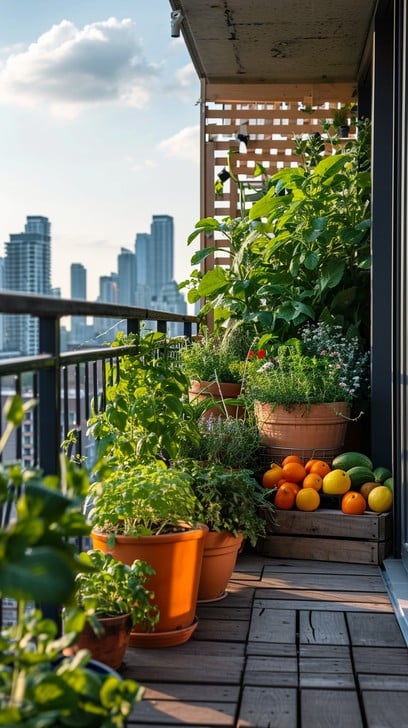
“Free Urban Balcony Garden Image …” from stockcake.com and used with no modifications.
The products below were selected based on their ingredient transparency, lower allergen profiles, and suitability for the compact, mixed-use growing environments typical of urban gardens. NPK ratios are included because they matter — the right nutrient balance for your specific plants is just as important as allergen safety.
1. Dr. Earth Organic All-Purpose Fertilizer
Dr. Earth Organic All-Purpose Fertilizer carries an NPK ratio of 4-4-4, making it genuinely balanced for a wide range of plants. What sets it apart for allergy-prone gardeners is its use of probiotic strains and mycorrhizal fungi that are intentionally stabilized, reducing the wild mold variability you’d find in less controlled compost-based products. It’s formulated without any GMO ingredients, sewage sludge, or chicken manure — three common sources of unpredictable biological contaminants. It does contain fish bone meal, so those with fish allergies should note that and consider alternatives.
2. FoxFarm Happy Frog Organic Fertilizer
FoxFarm Happy Frog is a granular fertilizer with an NPK of 5-8-4, designed primarily for flowering plants and vegetables. It contains composted forest humus and bat guano, which means mold-sensitive gardeners and those with fungal sensitivities should approach it carefully. That said, for gardeners whose allergies are primarily pollen-related rather than mold or protein-related, Happy Frog performs well and the granular format limits airborne dispersion compared to powder fertilizers. Apply it on calm days and water it in immediately to keep dust exposure minimal.
3. True Organic Lawn Food (NPK 10-1-1)
True Organic Lawn Food is a standout option for allergy-prone urban gardeners managing grass patches, green roofs, or lawn-adjacent container setups. Its NPK of 10-1-1 is heavily nitrogen-forward, which supports vigorous leaf and blade growth without overstimulating root or flower development. The ingredient list is notably cleaner than many competitors — it relies on hydrolyzed plant proteins rather than animal-derived meals, which significantly reduces the protein allergen load. It’s also OMRI listed and certified for use in organic production, meaning ingredient sourcing is independently verified.
Quick Comparison: Allergy Risk by Fertilizer Ingredient
Ingredient Allergen Type Risk Level for Allergy Sufferers Blood Meal Animal protein High Bat Guano Fungal spores, histamines High Fish Bone Meal Fish protein Moderate–High Composted Manure Mold, fungi Moderate–High Cottonseed Meal Plant protein Moderate Hydrolyzed Plant Protein Minimal Low Seaweed Extract Minimal Low Synthetic Mineral Fertilizer None biological Very Low
4. Fish Emulsion Fertilizer
Fish emulsion is a fast-acting liquid fertilizer that delivers nitrogen quickly to plants — typically carrying an NPK around 5-1-1. It’s widely used and genuinely effective, but it comes with an important caveat for allergy sufferers: the fish protein content is significant. If you have a fish or shellfish allergy, fish emulsion is one to skip entirely. For those without fish allergies, the liquid format is actually an advantage — no powder, no dust, and when diluted and watered in properly, minimal lingering odor in outdoor spaces. Apply it diluted at roughly 1 tablespoon per gallon of water for container plants.
5. Seaweed-Based Liquid Fertilizer
Seaweed-based liquid fertilizers, like Maxicrop Liquid Seaweed or Neptune’s Harvest Seaweed Fertilizer, are among the most allergy-friendly options available. They’re derived from kelp and other sea plants rather than animal proteins, meaning the allergenic protein load is dramatically lower than fish meal or blood meal alternatives. Beyond allergen safety, seaweed extracts contain natural cytokinins and auxins — plant hormones that stimulate root development and stress resistance. An NPK of around 0-0-1 means seaweed fertilizers work best as supplements alongside a primary fertilizer rather than standalone feeding solutions. For balcony and container gardeners, they’re an excellent low-risk addition to a rotation.
Liquid vs. Granular Allergy-Free Fertilizers
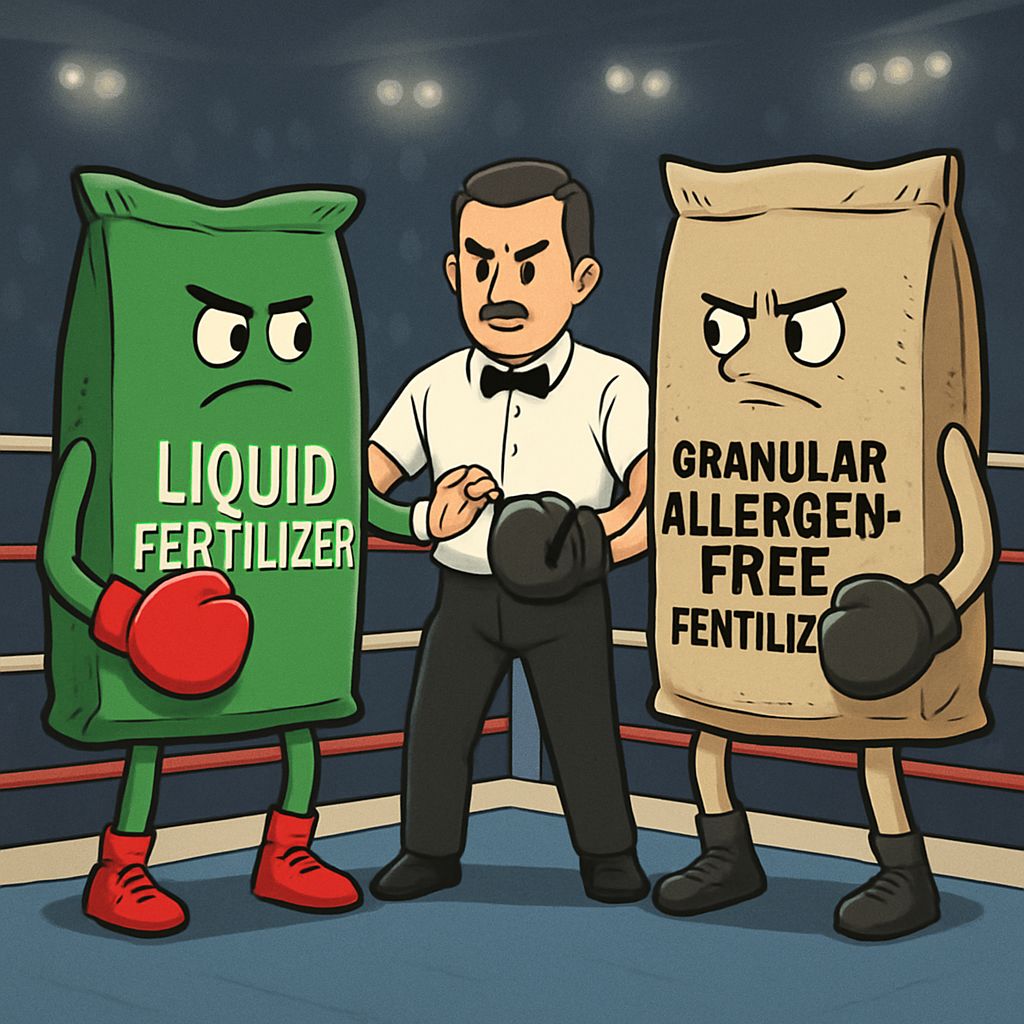
Format matters more than most gardeners realize when allergies are part of the equation. The physical state of a fertilizer — liquid, granular, or powder — directly affects how much allergen exposure you experience during application. Powdered fertilizers are the highest risk, generating fine airborne particles that can reach the lungs and nasal passages easily. Granular fertilizers are safer than powders but still produce dust during handling. Liquid fertilizers, when properly diluted and applied with a watering can or sprayer, offer the most controlled application with the least airborne exposure.
Which Format Reduces Allergen Exposure Most
Liquid fertilizers win this comparison for allergy sufferers — and it’s not particularly close. When you apply a diluted liquid fertilizer, the allergens are suspended in water and delivered directly to the soil with minimal opportunity to become airborne. Granular fertilizers require physical handling and distribution across soil surfaces, which generates dust and particle contact even with gloves. The one scenario where granular fertilizers have an edge is in slow-release applications — many granular options feed plants over 2 to 3 months, meaning you apply them far less frequently and therefore reduce your total exposure events over a growing season.
Best Use Cases for Each Format in Urban Gardens
For container and balcony gardens, liquid fertilizers are almost always the better choice. They integrate directly into regular watering routines, the diluted concentration reduces any residual allergen presence on soil surfaces, and they work quickly — showing results within days rather than weeks. For raised bed vegetable gardens with more soil volume, a slow-release granular fertilizer applied once at the start of the season — with proper protective gear — can be more practical than weekly liquid applications. The ideal setup for an allergy-prone urban gardener is a combination: a slow-release granular worked into the soil at planting time, topped up with liquid seaweed or mineral fertilizer throughout the growing season.
How to Apply Fertilizer Safely With Allergies
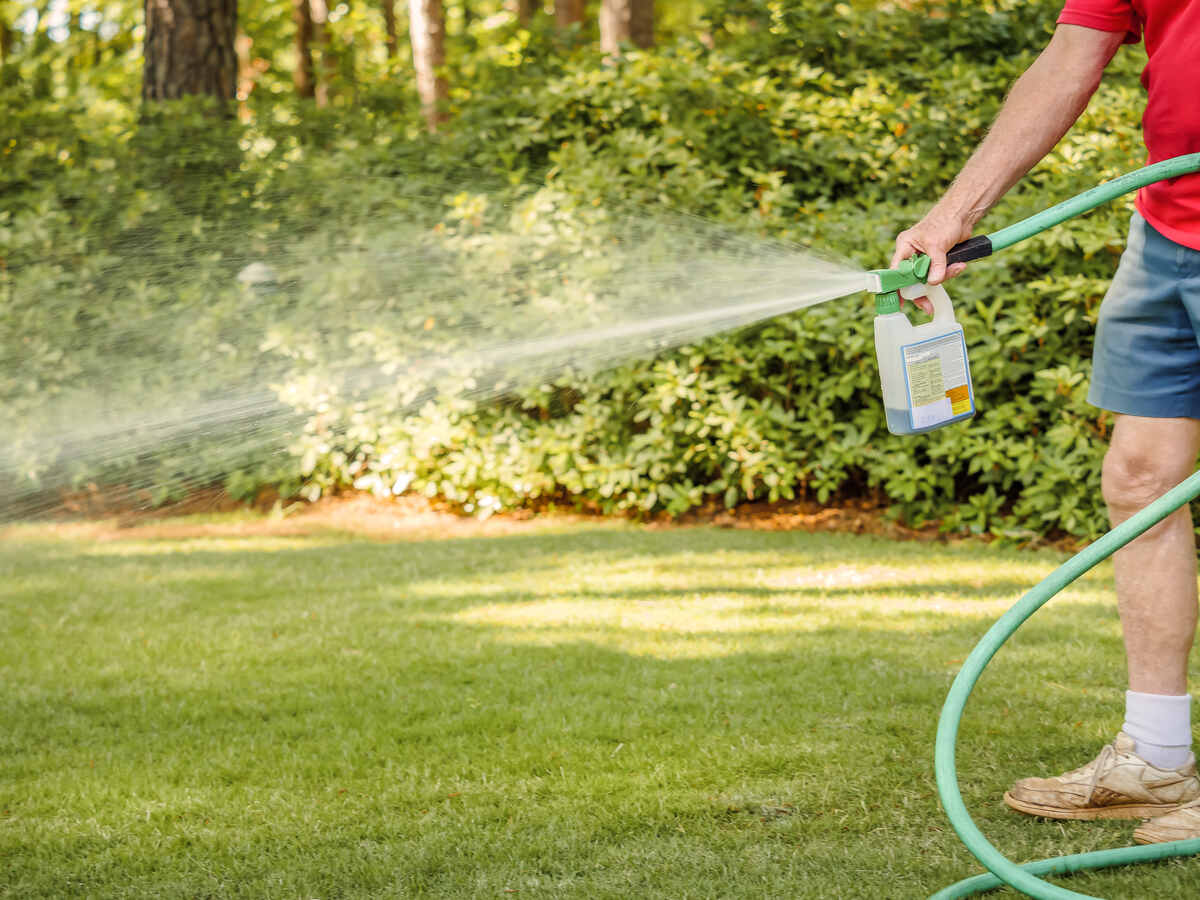
“Liquid Fertilizer to Your Lawn …” from www.lawnstarter.com and used with no modifications.
Choosing the right fertilizer is step one. How you apply it determines how much of that allergen risk actually reaches you. Even the most allergy-friendly fertilizer can cause issues if you’re applying it barehanded in an enclosed balcony on a windy afternoon. A few consistent habits make a significant difference in real-world exposure. For more tips, check out our allergen-friendly herb planting guide.
Protective Gear That Actually Makes a Difference
Gloves are non-negotiable — but the type matters. Nitrile gloves outperform standard garden gloves for allergen protection because they don’t absorb particles the way fabric does. Wash your hands thoroughly after removing them, since the outside of the glove carries whatever it contacted.
For granular fertilizers especially, an N95 respirator mask is worth the minor inconvenience. Standard dust masks filter large particles but allow fine allergen-bearing particles through. The N95 rating filters at least 95% of airborne particles, which covers the size range where mold spores and fine fertilizer dust fall. This is particularly relevant if you’re working in a small balcony space with limited airflow.
Eye protection is often overlooked but useful when handling powdered or granular fertilizers. Safety glasses or even wrap-around sunglasses reduce the chance of airborne particles reaching the mucous membranes around your eyes — a common entry point for allergens that triggers the familiar itchy, watering-eye response many gardeners experience without connecting it to fertilizer exposure.
Best Time of Day to Fertilize
Early morning is the optimal window — specifically before 10 a.m. Wind speeds are typically lowest in the early morning hours, which means airborne fertilizer particles and any associated allergens stay closer to the soil rather than drifting toward your face. Pollen counts, which compound allergy symptoms when you’re already dealing with fertilizer exposure, are also lower in the early morning compared to midday peaks. Avoid fertilizing on dry, windy days regardless of timing, and always water in granular fertilizers immediately after application to bind particles to the soil surface. For more tips on managing pollen in your garden, check out this allergen-friendly herb planting guide.
How to Avoid Cross-Contamination in Small Urban Spaces
Urban gardens are often inches away from living spaces — a balcony door left open during fertilizing can introduce allergens directly into your home. Keep doors and windows closed during and for at least 30 minutes after fertilizing. Store fertilizers in sealed containers away from living areas, ideally in a dedicated outdoor storage box or a sealed bin on the balcony rather than inside a closet or pantry.
Dedicate specific tools to fertilizer application and keep them separate from general gardening tools. A designated watering can used only for liquid fertilizer applications prevents cross-contamination between fertilizer residue and clean water used for general plant care. Rinse all application tools thoroughly after use and allow them to dry fully before storage to prevent mold growth on residual organic material.
Allergy-Safe Fertilizing for Specific Urban Garden Types
The right approach shifts depending on what kind of urban garden setup you’re working with. Container gardens, balcony setups, and raised beds each have different soil volumes, drainage patterns, and proximity to living spaces — all of which influence which fertilizer formats and application methods work best for allergy-prone gardeners.
Container and Balcony Gardens
Container and balcony gardens present a unique challenge for allergy sufferers — you’re working in a confined space with limited airflow, often directly adjacent to your living area. The smaller soil volume in containers means fertilizer concentrations hit harder and faster, so getting the right product and application method dialed in matters more here than in any other garden format.
Liquid fertilizers are the clear winner for this setup. Something like Neptune’s Harvest Seaweed Fertilizer (NPK 0-0-1) diluted into your regular watering can delivers nutrients with virtually no airborne allergen risk. For plants that need more nitrogen — like leafy herbs or salad greens — rotating in True Organic All-Purpose Plant Food at half the recommended concentration every two weeks keeps feeding consistent without overwhelming small container soil volumes.
Avoid any granular fertilizers with high organic matter content in enclosed balcony spaces. Products containing bat guano or composted manure in particular can off-gas ammonia and release mold spores in warm, still air — exactly the conditions a sun-facing balcony creates in summer. The risks are amplified when the space doubles as an outdoor living area where you spend extended time.
- Use liquid fertilizers diluted into your regular watering routine to eliminate dust and airborne particle exposure
- Avoid granular organic fertilizers containing bat guano, blood meal, or composted manure in enclosed balcony spaces
- Close balcony doors and windows during application and for 30 minutes afterward
- Apply in early morning when wind is lowest and pollen counts haven’t peaked
- Choose seaweed-based or synthetic mineral liquid fertilizers as your lowest-allergen baseline options
One practical system that works well for balcony container gardeners with allergies: use a slow-release mineral granular fertilizer worked into the potting mix before planting — when you can do it outside, with gloves and a mask, with no plants yet in the space. Then maintain throughout the season with liquid seaweed or diluted mineral fertilizer only. This way, your high-exposure event happens once per season rather than repeatedly.
Raised Bed Vegetable Gardens
Raised beds give you more control over soil composition than in-ground gardens, which is an advantage when managing allergens. Start each season by working a slow-release granular fertilizer like Dr. Earth Organic All-Purpose Fertilizer (NPK 4-4-4) into the top few inches of soil before planting — do this on a calm, low-wind morning with nitrile gloves and an N95 mask. Once plants are established, switch entirely to liquid feeding. A biweekly application of diluted fish emulsion (if fish allergies aren’t a concern) or seaweed extract keeps nutrient levels consistent through the growing season with minimal allergen exposure. The large soil volume in raised beds buffers nutrient fluctuations well, so you don’t need to fertilize as frequently as you would with containers, which naturally reduces your total exposure events per season.
These Fertilizers Are the Safest Choices for Allergy-Prone Urban Gardeners
When you cut through the marketing language and look strictly at ingredient profiles and application formats, the safest fertilizers for allergy-prone urban gardeners are seaweed-based liquid extracts, synthetic mineral liquid fertilizers, and plant-protein-based options like True Organic Lawn Food (NPK 10-1-1). These avoid the highest-risk ingredients — blood meal, bat guano, composted manure, and fish meal — while still delivering meaningful nutrition to your plants. Pair your product choice with smart application habits: early morning timing, nitrile gloves, N95 masks for any granular application, and immediate watering-in after use. The right fertilizer combined with the right technique means you don’t have to choose between a thriving garden and a symptom-free afternoon.
Frequently Asked Questions
Below are the most common questions allergy-prone urban gardeners ask when navigating fertilizer choices. The answers are based on ingredient science and practical application experience rather than general marketing claims.
One pattern worth noting: most gardener confusion around fertilizers and allergies comes from assuming that “natural” or “organic” automatically means safer. As the ingredient breakdown below shows, that assumption doesn’t always hold up under scrutiny.
Fertilizer Safety Quick Reference for Allergy Sufferers
Fertilizer Type Format Primary Allergen Risk Allergy Safety Rating Seaweed Extract (e.g., Maxicrop) Liquid Very Low ★★★★★ Synthetic Mineral Fertilizer Liquid or Granular None biological ★★★★★ True Organic Lawn Food (10-1-1) Granular Low (plant protein) ★★★★ Dr. Earth All-Purpose (4-4-4) Granular Moderate (fish bone meal) ★★★ Fish Emulsion (5-1-1) Liquid Moderate (fish protein) ★★★ FoxFarm Happy Frog (5-8-4) Granular High (bat guano, fungi) ★★ Blood Meal Powder/Granular Very High (animal protein) ★
Use this table as a starting point, not a definitive medical guide. Individual allergy profiles vary significantly — someone with a mold allergy has entirely different risk factors than someone with a fish protein sensitivity. Always introduce any new fertilizer product cautiously and observe your reaction before committing to regular use.
Can Organic Fertilizers Still Trigger Allergies?
Yes, organic fertilizers can absolutely trigger allergies — and in some cases, they present higher allergen risks than synthetic alternatives. The organic certification speaks to ingredient origin and environmental impact, not to immune system compatibility. Blood meal, bat guano, feather meal, and composted manure are all certified organic ingredients and all well-documented allergen sources. For those looking to manage allergies in their garden, consider exploring this allergen-friendly herb planting guide.
The key distinction is ingredient-specific, not category-wide. An organic seaweed extract carries negligible allergen risk. An organic fertilizer blend built around composted chicken manure and bat guano carries significant mold and protein allergen risk. Read the ingredient list of every product rather than relying on the organic label as a proxy for allergy safety.
What Is the Safest Fertilizer for Someone With Mold Allergies?
For mold-sensitive gardeners, the safest options are synthetic mineral liquid fertilizers — products like Miracle-Gro Performance Organics Liquid Plant Nutrition or similar formulations that derive nutrients from mineral sources rather than composted biological matter. These contain no organic material that can harbor or cultivate mold spores. Seaweed-based liquid extracts are also a low-mold option, as the kelp-derived nutrients are processed in ways that eliminate the biological variability associated with composted materials. The fertilizers to avoid most strictly for mold allergies are mushroom compost, bat guano, composted manure of any kind, and any product that lists “compost” broadly as a primary ingredient without specifying heat-treatment standards.
Are Liquid Fertilizers Better for Allergy Sufferers Than Granular Ones?
Generally, yes. Liquid fertilizers, when properly diluted and applied through a watering can or pump sprayer directed at the soil, produce minimal airborne allergen exposure compared to granular fertilizers, which generate dust during handling and application. The exception is liquid fertilizers applied through misting or overhead spraying — this format can create fine droplets that carry allergens into the air and toward your face. Always direct liquid fertilizer applications at the soil surface rather than over plant foliage when allergy reduction is a priority.
Is Fish Emulsion Safe to Use if You Have a Fish Allergy?
No — fish emulsion should be avoided by anyone with a diagnosed fish or shellfish allergy. Fish emulsion is made from processed fish byproducts and contains measurable fish proteins, which are the same proteins responsible for fish allergy reactions in sensitive individuals. The risk exists both through skin contact during handling and through inhalation of the odor compounds released during application.
The practical alternative is seaweed-based liquid fertilizer, which delivers similar micronutrient and hormone benefits — natural cytokinins, auxins, and trace minerals — without any fish protein content. Neptune’s Harvest Seaweed Fertilizer and Maxicrop Liquid Seaweed are both widely available and carry no fish-derived ingredients, making them the direct fish-free swap for allergy-affected gardeners who want a liquid organic option.
How Often Should Allergy-Prone Gardeners Fertilize to Minimize Exposure?
The fewer application events, the less total allergen exposure — so the practical goal is to build a fertilizing schedule that maximizes intervals between applications without compromising plant nutrition. The most effective approach is a hybrid schedule: one slow-release granular application worked into the soil at the start of the growing season, followed by liquid supplementation every three to four weeks rather than weekly.
For most urban vegetable and herb gardens, this translates to roughly 6 to 8 fertilizing events per growing season rather than 20 or more with a purely liquid weekly schedule. Each reduction in application frequency is a direct reduction in cumulative allergen exposure over the season — a meaningful difference for gardeners managing moderate to severe sensitivities.
Container plants do need more frequent feeding than raised beds due to nutrient leaching through drainage holes — expect to fertilize containers every two weeks rather than monthly. In this case, prioritize the lowest-allergen liquid options like seaweed extract to keep exposure risk at each application event as low as possible, even if the frequency is higher than you’d prefer.
Growcycle provides urban gardeners with expert soil health and fertilization guidance to help you grow confidently — whether you’re managing allergies, optimizing nutrients, or just getting started with your first balcony container setup.