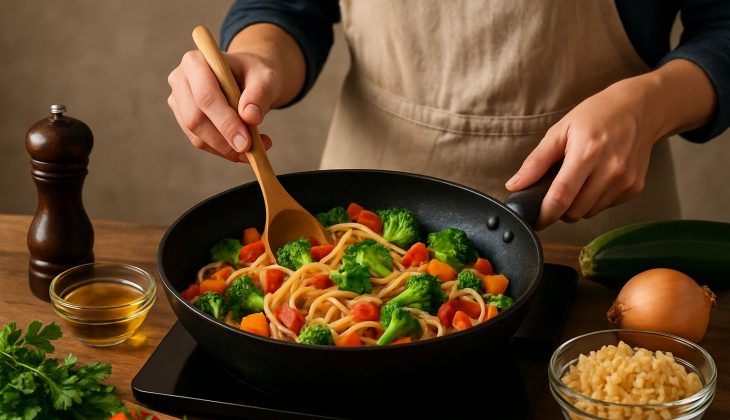
- Springfield, IL gardens thrive in USDA Hardiness Zone 6a, making it ideal for growing tomatoes, zucchini, peppers, cucumbers, and fresh herbs from late spring through early fall.
- The smartest way to meal plan is to walk your garden first, then build your menu around what’s ready to harvest — not the other way around.
- Fresh garden recipes don’t require fancy technique — roasting, blending, and layering herbs are the three skills that will transform your summer produce into restaurant-quality meals.
- Springfield’s farmers markets are a hidden gem for home cooks who don’t have a garden but still want access to peak-season local produce.
- Preserving your harvest through canning, relish, and pesto freezing means you can enjoy Springfield’s summer flavors well into the winter months — keep reading to find out exactly how.
If your garden is overflowing and you’re tired of eating the same tomato salad on repeat, this guide was made for you.
Springfield, Illinois, sits in USDA Plant Hardiness Zone 6a, which gives home gardeners a solid growing window from roughly late April through October. That’s five-plus months of fresh produce — tomatoes, zucchini, cucumbers, peppers, eggplant, green beans, summer squash, and a full rack of herbs like basil, oregano, and thyme. The challenge isn’t growing it. It’s knowing what to do with all of it before it piles up on your counter. Home cooks across Springfield who love local, seasonal food can find inspiration and community at Springfield Garden Kitchen, a local resource connecting residents with fresh recipes built around Illinois-grown produce.
Springfield IL Gardens Produce More Than You Think
Most first-time gardeners plant a few tomato seedlings in May and end up with more tomatoes than they know what to do with by August. That’s not a problem — that’s an opportunity. The key is having a recipe plan before the harvest hits, not after you’re already drowning in zucchini.
Springfield’s climate is genuinely ideal for a wide variety of vegetables. Hot summers and moderate spring rainfall create the kind of growing conditions that produce deeply flavorful, sun-ripened vegetables that supermarket produce simply can’t compete with. A tomato grown in Springfield soil and picked at peak ripeness has a sweetness and acidity that makes even a simple bruschetta taste exceptional.
Why Seasonal Cooking Hits Different With Local Produce
There’s a reason chefs build entire menus around what’s in season. Produce picked at peak ripeness contains more natural sugars, better texture, and stronger flavor than anything that’s been shipped across the country. When you cook with vegetables harvested that morning, you need far fewer ingredients to make the dish work.
- Peak-season tomatoes need nothing more than olive oil, salt, and fresh basil
- Fresh zucchini sautéed with garlic and lemon is a complete side dish in under 10 minutes
- Garden cucumbers sliced into cold water with mint make a refreshing drink or salad base
- Summer squash roasted at high heat caramelizes naturally without added sugar
- Fresh herbs picked right before use have volatile oils that dried herbs simply can’t replicate
Cooking seasonally also makes you a more intuitive cook. When you work with what’s available rather than following a rigid grocery list, you start to understand how flavors interact, how heat changes texture, and how acid balances richness. That’s the kind of confidence that makes cooking genuinely enjoyable.
The Best Vegetables to Grow or Buy Locally in Springfield
Not everything grows equally well in central Illinois. Some vegetables thrive in Springfield’s warm summers and relatively humid conditions, while others struggle. Knowing what does well locally helps you plan both your garden and your recipe list. For those interested in learning more about the local flora, consider attending the Springfield IL Native Plants Workshop.
Tomatoes are the undisputed king of the Springfield garden. Varieties like Celebrity, Better Boy, and Roma are reliable producers that handle Illinois heat well. Zucchini and yellow summer squash are practically unstoppable once established — one plant can produce more than most families can eat. Bell peppers and banana peppers love the long hot summers, and cucumbers grow fast enough that you can plant a second round in early July for a fall harvest.
Eggplant is slightly more demanding but incredibly rewarding in the kitchen. Green beans are a Springfield staple and one of the easiest vegetables to preserve through canning or blanching and freezing. Fresh herbs — especially basil, oregano, flat-leaf parsley, and chives — grow aggressively in containers or raised beds and elevate almost every dish you’ll make this season.
- Tomatoes — Celebrity, Better Boy, Roma, Cherokee Purple
- Summer squash — Zucchini, yellow crookneck
- Peppers — Bell, banana, jalapeño
- Cucumbers — Straight Eight, Marketmore
- Eggplant — Black Beauty, Ichiban
- Green beans — Blue Lake Bush, Kentucky Wonder
- Fresh herbs — Basil, oregano, thyme, parsley, chives
Plan Your Meals Around What the Garden Gives You
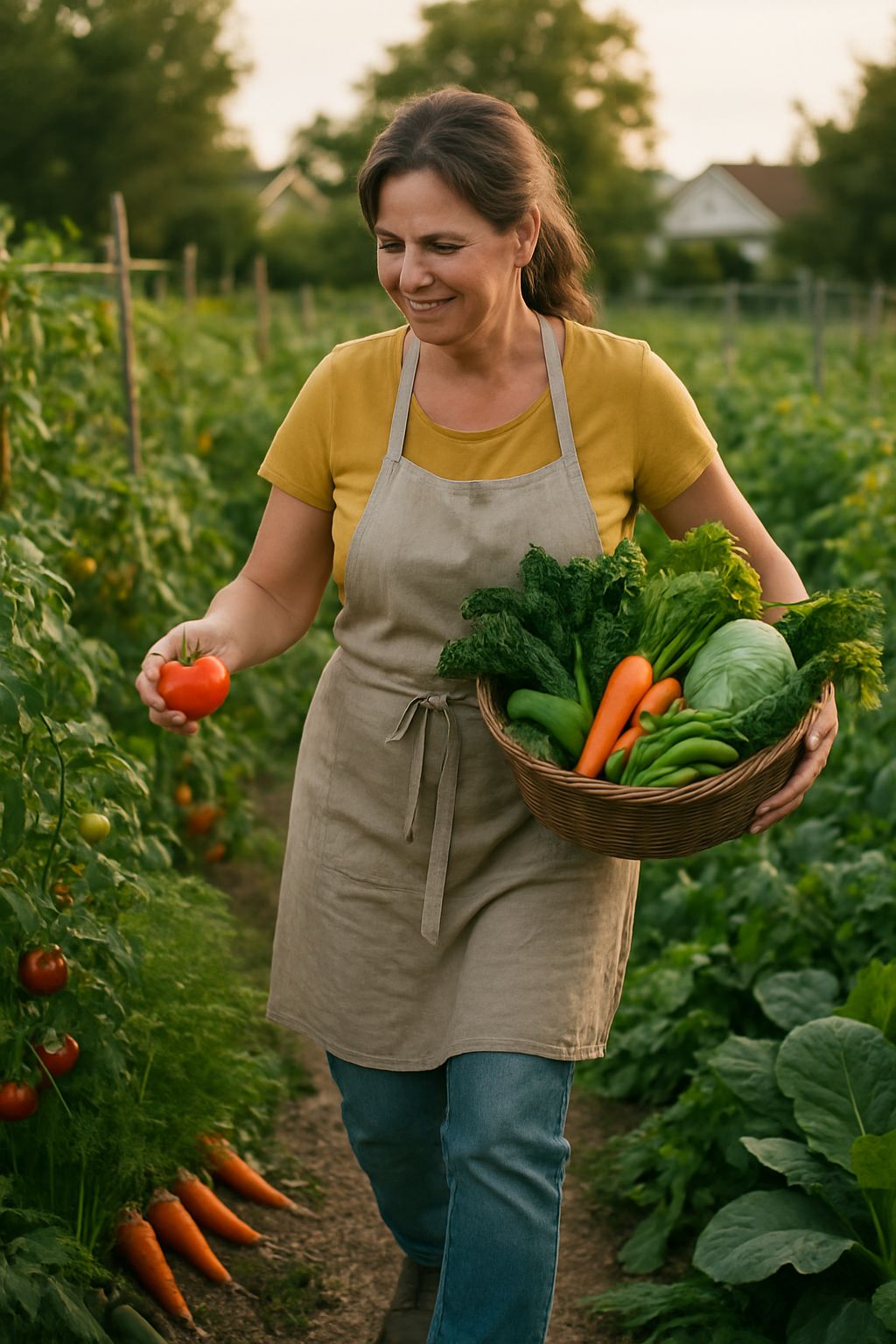
The biggest mistake home cooks make is planning a week of meals from a recipe blog and then going to the garden to see what they need. Flip that process entirely. Walk the garden first, see what’s ready to pick, and then decide what you’re cooking. That shift alone will reduce food waste, save money, and make your meals taste noticeably better.
Meal planning around the garden also forces creative thinking in the best possible way. When you’ve got twelve cucumbers and a bowl of cherry tomatoes staring at you, you’ll find combinations and techniques you’d never have tried otherwise. Some of the best summer dishes come from that kind of productive constraint.
Walk the Garden First, Then Plan the Menu
Before you open a single cookbook or scroll through recipes, put on your shoes and go outside. Check every plant. Note what’s at peak ripeness — those get used first. Note what’s coming in within the next two or three days — those go into meals later in the week. Anything that’s slightly past its prime gets roasted, blended into sauce, or turned into relish that same day. For additional gardening tips, check out our guide on creating pollinator pathways.
Organize Your Recipes by Vegetable, Not by Meal Type
Most recipe collections are organized by meal type — breakfast, lunch, dinner, dessert. That’s useful for everyday cooking, but it’s terrible for garden cooking. Instead, organize your go-to recipes by primary vegetable. Keep a folder or binder with sections labeled Tomatoes, Zucchini, Peppers, Cucumbers, Eggplant, and Herbs.
When you’ve got a counter full of zucchini, you flip to that section and instantly have ten options — fried zucchini coins, zucchini boats stuffed with sausage and ricotta, zucchini ribbon salad, ratatouille, zucchini soup. No searching, no overwhelm. Just options.
Use a Printable Recipe System to Stay Ahead of the Harvest
Print out your most-used seasonal recipes before the growing season peaks. Keep them in a binder in the kitchen with a simple index by vegetable. This sounds old-fashioned, but it’s genuinely the fastest way to make a decision when you’re standing in the kitchen with a basket of garden vegetables and hungry people nearby.
Add a notes column to each recipe so you can track what worked, what didn’t, and any substitutions you made with what was available. Over two or three seasons, this becomes a completely personalized Springfield garden cookbook that reflects exactly what your garden produces and what your family loves.
25 Fresh Garden Recipes Worth Making This Season
These recipes are built around the vegetables that grow best in Springfield gardens and are available at local farmers’ markets throughout the summer. They range from simple weeknight dinners to impressive dishes worth making for guests. Every single one starts with fresh, peak-season produce — which means they’re only as good as what you bring in from the garden. For more inspiration, explore some Springfield, IL native plants that can enhance your garden.
Work through these recipe by recipe or use them as a reference when you’ve got a specific vegetable you need to use up. Either way, you’ll never be stuck wondering what to make again. For more inspiration, check out our Springfield, IL native plants workshop to learn about local flora and eco gardens.
1. Traditional Ratatouille
Ratatouille is the ultimate use-everything dish. It calls for eggplant, zucchini, yellow squash, tomatoes, bell peppers, and fresh herbs — all things Springfield gardens produce in abundance simultaneously. Slice everything thin, layer it in a baking dish with olive oil and fresh thyme, and roast low and slow at 375°F for about 45 minutes. The vegetables collapse into each other and create a deeply savory, naturally sweet dish that works as a main course over polenta or as a side alongside grilled chicken or fish.
2. Basil Pesto With Garden Fresh Basil
Fresh basil pesto made from garden basil is completely different from anything that comes in a jar. Combine two packed cups of fresh basil leaves with three garlic cloves, ½ cup of toasted pine nuts or walnuts, ½ cup of freshly grated Parmigiano-Reggiano, and ¾ cup of good olive oil in a food processor. Blend until smooth, taste for salt, and adjust. Freeze in ice cube trays for single-serving portions that last through winter — each cube is roughly two tablespoons, perfect for pasta, pizza, or stirring into soups.
3. Fried Green Tomatoes
Don’t wait for your tomatoes to ripen to use them. Green tomatoes — firm, slightly tart, and packed with flavor — are one of summer’s most underrated ingredients. Slice them ¼ inch thick, dredge in seasoned cornmeal mixed with a little flour and smoked paprika, and fry in a cast iron skillet with about ¼ inch of vegetable oil at 350°F. Two to three minutes per side gives you a golden, crispy crust with a tangy, tender center. Serve with a quick remoulade made from mayonnaise, whole grain mustard, hot sauce, and a squeeze of lemon.
4. Stuffed Zucchini Boats
When zucchini gets away from you and grows to the size of a small baseball bat, stuffed zucchini boats are your best move. Halve the zucchini lengthwise, scoop out the center flesh, and chop it finely. Sauté the chopped flesh with diced onion, garlic, cherry tomatoes, and Italian sausage removed from its casing. Season with fresh oregano and a pinch of red pepper flakes. Pack the filling back into the zucchini shells, top generously with freshly grated Pecorino Romano, and bake at 400°F for 25 minutes until the cheese is golden and bubbling.
Quick Zucchini Boat Variations:
Vegetarian: Swap sausage for cannellini beans and sun-dried tomatoes, finish with fresh basil and mozzarella.
Southwest style: Use black beans, corn, jalapeño, and pepper jack cheese — top with fresh cilantro and a squeeze of lime after baking.
Greek-inspired: Fill with ground lamb, diced tomato, Kalamata olives, and crumbled feta — roast and finish with fresh mint and a drizzle of olive oil.
The scooped-out zucchini flesh you don’t use in the stuffing isn’t a waste — freeze it in portions and add it to soups, smoothies, or quick breads later in the season.
Zucchini boats also reheat exceptionally well, making them a smart option for meal prepping on Sunday and eating through midweek. Store covered in the refrigerator for up to four days and reheat at 350°F for 15 minutes to bring the cheese back to life without drying out the filling. For more creative ideas on garden-fresh meals, check out these DIY garden ideas.
5. Big Italian Salad
This isn’t a side salad — it’s a full meal built around whatever the garden is giving you right now. Start with a base of crisp romaine or butter lettuce, then pile on sliced garden cucumbers, halved cherry tomatoes, thinly sliced red onion, banana pepper rings, Kalamata olives, and fresh flat-leaf parsley. Add cubed provolone or fresh mozzarella for protein and richness. The dressing is a simple red wine vinegar and olive oil emulsion with dried oregano, a pinch of sugar, salt, and cracked black pepper — whisked together and poured on just before serving.
What makes this salad worth making repeatedly is that it changes every time based on what you have. Throw in roasted bell peppers from the previous night’s dinner, a handful of fresh basil, or a scattering of toasted sunflower seeds. The Italian dressing ties everything together regardless of what goes in, making this one of the most flexible recipes in a garden cook’s rotation.
6. Roasted Vegetable Medley
High-heat roasting is the single most effective technique for making garden vegetables taste extraordinary with minimal effort. Preheat your oven to 425°F, cut your vegetables into uniform 1-inch pieces — zucchini, eggplant, bell peppers, cherry tomatoes, red onion — and toss with olive oil, salt, cracked black pepper, and fresh thyme. Spread in a single layer across two sheet pans, making sure nothing is crowded. Crowded vegetables steam instead of roast, and steaming kills the caramelization that makes this dish so good. Roast for 30 to 35 minutes, tossing once halfway through, until the edges are deeply golden and slightly charred.
Roasted vegetable medley works as a dinner side, a topping for crusty bread, a filling for grain bowls, or stirred into pasta with a little pasta water and Parmesan. Make a double batch on Sunday and you’ve got a component that improves three or four meals throughout the week without any additional cooking.
7. Summertime Salsa
Springfield garden tomatoes make a salsa that is genuinely in a different category from anything store-bought. Use a mix of varieties if you have them — Roma for body, cherry tomatoes for sweetness, and a couple of heirlooms for complexity. Dice four large tomatoes and combine with ½ white onion finely diced, two jalapeños seeded and minced, a full cup of fresh cilantro, the juice of two limes, two minced garlic cloves, and ¾ teaspoon of cumin. Salt generously and let it sit for at least 20 minutes before serving so the tomatoes release their juice and the flavors meld. For a roasted version, char the tomatoes and jalapeños under the broiler first — the smoky depth is incredible.
This salsa also doubles as a bruschetta topping, an egg scramble base, or a quick sauce for grilled fish tacos. Make it in large batches during peak tomato season and freeze in quart containers — it loses some texture after freezing but the flavor remains outstanding for cooked applications all winter long.
Cooking Tips That Make Fresh Vegetables Shine
Good garden cooking is less about following recipes precisely and more about understanding a handful of core techniques that make fresh produce taste its best. Master these and you’ll be able to improvise confidently with whatever the garden throws at you.
Roasting vs. Raw: When to Use Each Method
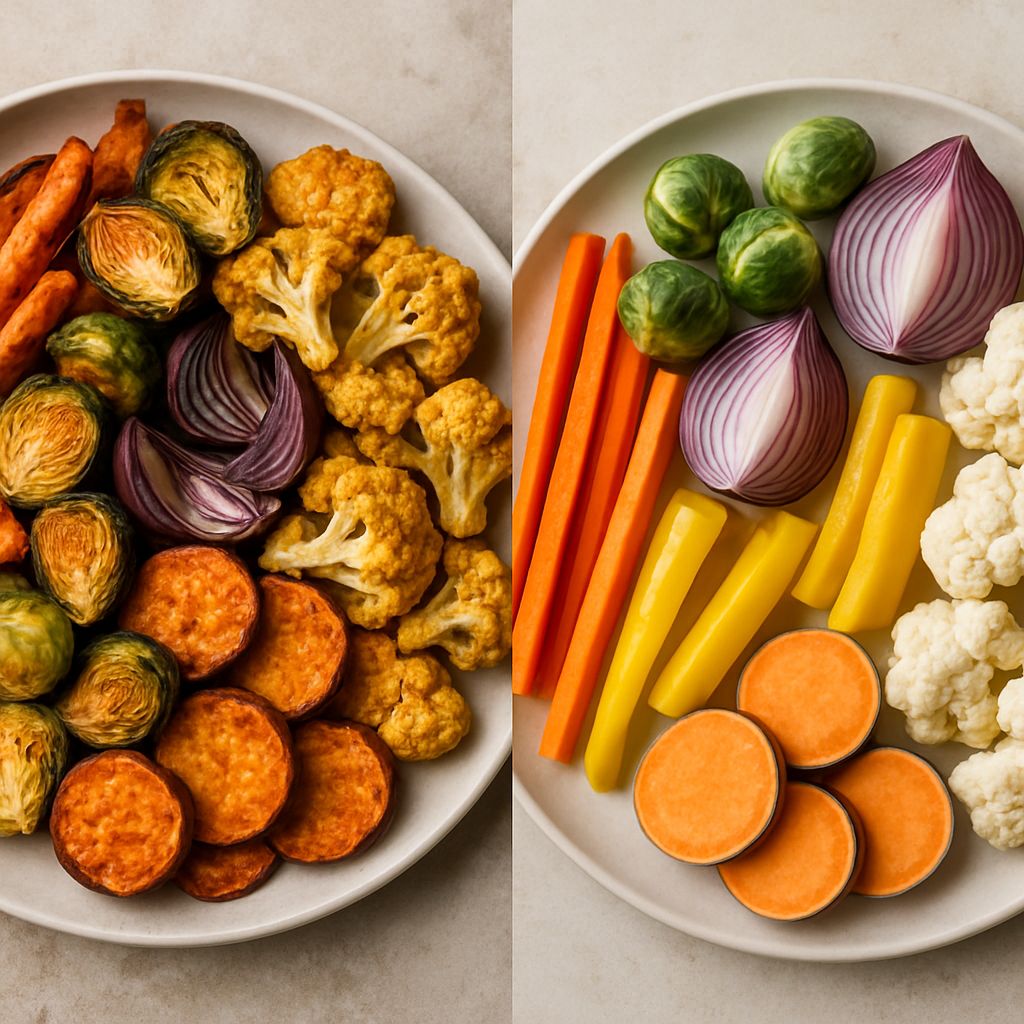
Raw preparation preserves brightness, crunch, and the sharp, clean flavors that make summer vegetables so refreshing. Cucumbers, cherry tomatoes, fresh corn off the cob, and thinly sliced zucchini are all vegetables that shine completely raw, dressed simply with good olive oil and acid. Roasting, on the other hand, concentrates natural sugars through evaporation and creates caramelized edges through the Maillard reaction — a chemical process that produces hundreds of new flavor compounds. Eggplant, bell peppers, whole tomatoes, and thicker cuts of summer squash benefit most from high-heat roasting. The rule of thumb: if the vegetable has high water content and delicate flavor, go raw or quickly sautéed. If it’s dense and savory, roast it hard.
How to Layer Flavors With Garden Herbs
Fresh herbs aren’t a garnish — they’re a structural flavor component when used correctly. The key is understanding which herbs are heat-stable and which are heat-sensitive. Thyme, oregano, and rosemary can go into a dish early in the cooking process because their essential oils are robust enough to withstand heat without breaking down. Add them when you’re building your base of oil and aromatics. Basil, flat-leaf parsley, chives, and mint are delicate — add them at the very end of cooking or use them raw. Heat destroys their volatile oils almost immediately, turning bright, fragrant herbs into limp, flavorless green bits.
Layering means using more than one herb in a dish and adding them at different stages. A ratatouille might start with thyme and oregano cooked into the base, then finish with torn fresh basil right before serving. That combination of cooked and raw herb gives the dish both depth and brightness — two flavor dimensions working together rather than one flat note throughout.
Preserve the Harvest So Nothing Goes to Waste
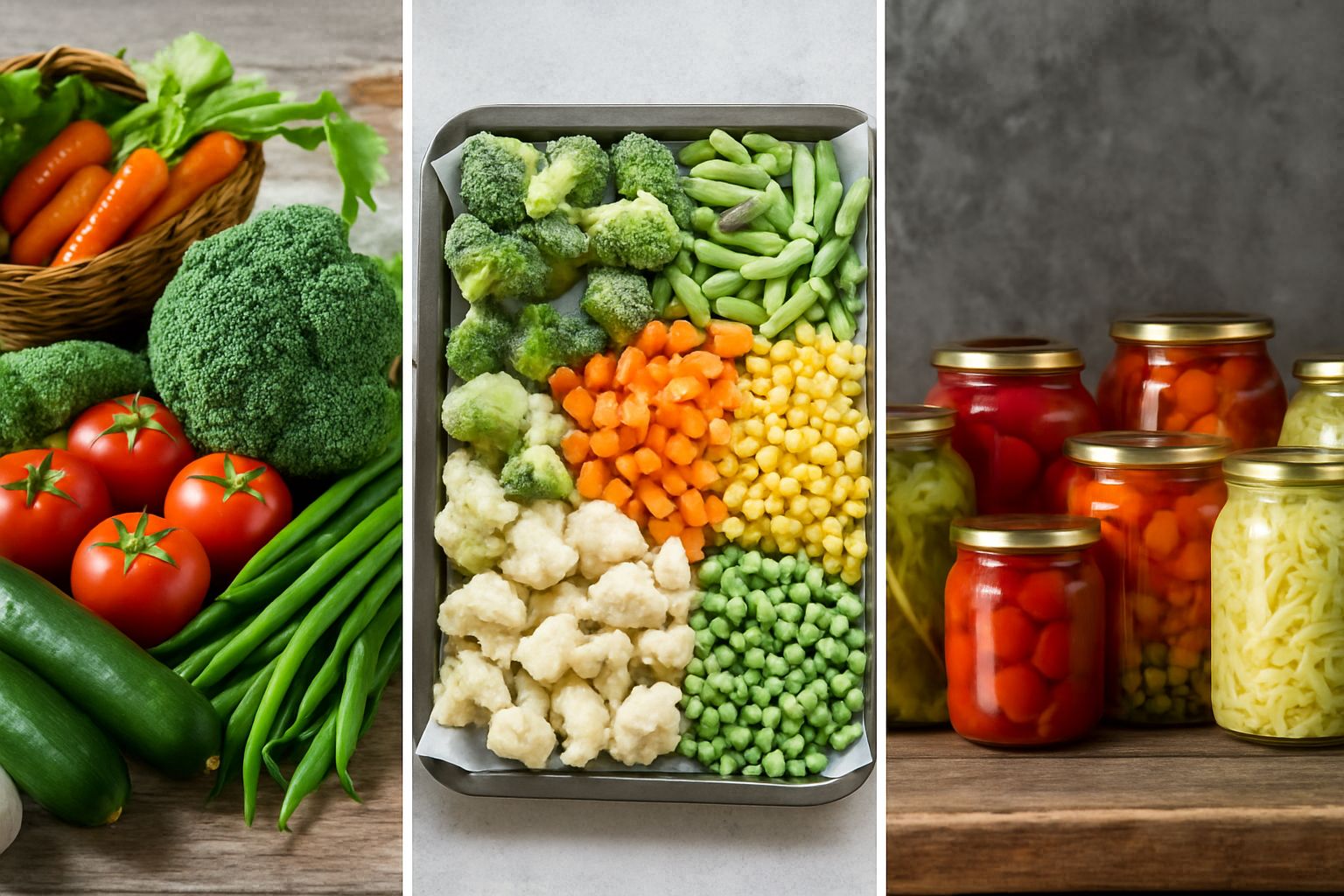
Even with the best meal planning, there will be days when the garden produces faster than you can cook. That’s when preservation becomes essential. Having a few basic preservation techniques in your skill set means the work of the summer garden pays off in the middle of January when you pull a jar of tomato sauce or a bag of frozen pesto from the freezer.
- Freezing pesto in ice cube trays gives you ready-to-use 2-tablespoon portions all year
- Blanching and freezing green beans takes about 20 minutes and preserves texture for up to 12 months
- Water bath canning tomato sauce is beginner-friendly and produces shelf-stable jars that last up to 18 months
- Making relish and pickles from cucumbers and green tomatoes is one of the fastest preservation methods available
- Roasting and freezing peppers removes the need for blanching and keeps them usable in soups and sauces straight from frozen
The investment of a few hours during peak harvest translates directly into months of better weeknight meals. Every jar you put up in August is a dinner you don’t have to think hard about in November.
If you’re new to preservation, start with freezing before moving to canning. Freezing has virtually no food safety risks, requires minimal equipment, and works for almost every vegetable in a Springfield garden. Once you’re comfortable with the process and have a feel for how different vegetables respond to cold storage, add water bath canning to your repertoire for high-acid foods like tomato sauce, salsa, and pickles.
Tomato Jelly and Green Tomato Relish
- Tomato jelly uses ripe tomatoes cooked down with sugar, lemon juice, and pectin — it sounds unusual but it’s exceptional on biscuits or as a glaze for grilled pork
- Green tomato relish combines diced unripe tomatoes with onion, vinegar, sugar, mustard seed, and celery seed — it’s bright, tangy, and works on everything from hot dogs to grilled cheese
- Both are water bath canning projects that can be completed in under two hours from prep to sealed jar
- Shelf life for both is 12 to 18 months when properly processed and stored in a cool, dark place
Green tomato relish is particularly useful in Springfield gardens because end-of-season frost always leaves a number of unripe tomatoes on the vine. Rather than letting them sit on a windowsill and slowly ripen to a flavorless pale orange, turn them into relish while they’re still firm and vibrantly flavored. The acidity of the unripe tomato is actually an asset in a relish where vinegar and sugar are already part of the formula.
For tomato jelly, use fully ripe, deeply colored tomatoes at their sweetest point. Cook four pounds of tomatoes down with ¼ cup of lemon juice until completely soft, then strain through a fine mesh sieve. Return the liquid to the pot, add one package of powdered pectin and bring to a full rolling boil, then stir in 4½ cups of sugar all at once. Return to a boil for exactly one minute, skim any foam, and ladle into sterilized half-pint jars leaving ¼ inch of headspace. Process in a boiling water bath for 10 minutes. For more garden-to-table recipes, explore how to make the most of your homegrown food.
Both of these recipes make exceptional gifts — a basket with a jar of tomato jelly, a jar of green tomato relish, and a bag of homemade crackers is a genuinely thoughtful and impressive present that costs almost nothing when you grow your own produce.
Squash Relish for Gifting and Storing
Squash relish is one of those preservation recipes that solves two problems at once — it uses up an overwhelming surplus of summer squash and zucchini, and it produces something genuinely delicious that you’ll reach for all year long. Combine six cups of grated zucchini or yellow squash with two cups of diced onion, one diced red bell pepper, and two tablespoons of pickling salt. Let that mixture sit overnight in the refrigerator to draw out excess moisture, then drain and rinse thoroughly before cooking. Add 1½ cups of white vinegar, 1½ cups of sugar, one teaspoon of celery seed, one teaspoon of mustard seed, and ½ teaspoon of turmeric. Bring to a boil and simmer for 15 minutes, then ladle into sterilized half-pint jars and process in a boiling water bath for 10 minutes.
This relish is bright yellow, slightly sweet, and tangy enough to cut through rich foods. It works beautifully on grilled brats, stirred into egg salad, spooned over cream cheese on crackers, or used as a condiment alongside roasted pork. A half-pint jar tied with a ribbon and a handwritten label makes a gift that people genuinely get excited about — especially people who don’t garden themselves and wouldn’t otherwise have access to something this good. Make a double or triple batch at peak squash season and you’ll have gifting stock through the holidays.
Simple Canning Basics for First-Timers`
Water bath canning is more approachable than most people assume. You don’t need specialized equipment beyond a large stockpot deep enough to submerge your jars by at least one inch of water, a jar rack or folded kitchen towel placed on the bottom to keep jars off direct heat, proper canning jars with new lids, and a jar lifter. The process follows the same basic sequence every time: sterilize your jars, prepare your recipe, fill jars leaving the correct headspace, wipe the rims clean, apply lids and bands fingertip-tight, lower into boiling water, and process for the time specified in your recipe. When you pull the jars out and hear that satisfying pop as the lids seal while cooling, you’ll understand immediately why people find this so rewarding. For more sustainable gardening tips, check out our Native Plants Workshop in Springfield, IL.
- Always use tested recipes from sources like the USDA Complete Guide to Home Canning or Ball Blue Book — homemade ratios can create unsafe acidity levels
- Water bath canning is only safe for high-acid foods — tomatoes, pickles, jams, jellies, and fruit-based preserves
- Low-acid vegetables like green beans and corn require a pressure canner to reach temperatures that eliminate the risk of botulism
- New lids every time — bands can be reused but lids should never be reused for canning, only for storage of already-processed foods
- Label everything with the recipe name and date so you can track shelf life and rotate properly
Springfield Farmers Markets Are Your Secret Weapon
Not everyone has a garden, and even dedicated gardeners have gaps in their harvest. Springfield’s farmers markets fill those gaps with locally grown produce that rivals anything you’d pull from your own backyard. The Old State Capitol Farmers Market runs Saturday mornings in downtown Springfield from May through October and consistently features vendors selling tomatoes, sweet corn, peppers, cucumbers, fresh herbs, and seasonal specialty items you won’t find in any grocery store.
Shopping the farmers market changes how you cook in a fundamentally positive way. When you buy directly from the grower, you can ask exactly when something was harvested, how it was grown, and what variety it is. That information matters in the kitchen. A vendor who tells you their tomatoes are Cherokee Purple heirlooms picked that morning is giving you a completely different cooking ingredient than a generic tomato on a supermarket shelf — lower water content, more complex acidity, richer color, and noticeably better flavor in every application from raw slicing to long-cooked sauce.
Treat your farmers market visit as the first step in your weekly meal planning rather than an afterthought. Go early, see what’s at peak ripeness and available in abundance — those are often the best-priced items of the day — and build your week’s meals around those purchases. This is exactly the same walk-the-garden-first philosophy applied to market shopping, and it produces the same result: better food, less waste, and more creative cooking.
Fresh Garden Cooking Is the Best Decision You Can Make This Season
Summer in Springfield is short, the produce is extraordinary, and the window for cooking at this level of freshness closes faster than you think. Start with one or two recipes from this list, get comfortable walking your garden or market stall before you plan your meals, and build from there. Every dish you make with peak-season local produce this summer will remind you exactly why this kind of cooking is worth the effort.
Springfield Garden Kitchen is your local resource for seasonal recipes, garden-to-table cooking inspiration, and everything you need to make the most of what Springfield’s growing season has to offer.
Frequently Asked Questions
What Vegetables Grow Best in Springfield IL Gardens?
Springfield, IL sits in USDA Hardiness Zone 6a, which supports a wide variety of warm-season vegetables. The most reliably productive crops for Springfield home gardeners are tomatoes, zucchini, yellow summer squash, cucumbers, bell peppers, banana peppers, jalapeños, green beans, and eggplant. Fresh herbs including basil, oregano, flat-leaf parsley, thyme, and chives also grow aggressively in Springfield’s warm summers and work in nearly every recipe on this list.
Cool-season crops like lettuce, spinach, radishes, and kale thrive in Springfield’s spring and fall shoulder seasons — roughly March through May and again from late August through October. Succession planting lettuce and radishes alongside your warm-season vegetables extends your fresh salad options well beyond the main summer harvest window.
When Is the Best Time to Start Meal Planning Around Garden Produce in Illinois?
Start building your seasonal recipe collection in late March or early April — before you plant, before anything is growing, and well before the harvest pressure hits. Go through cookbooks, saved recipes, and any dishes your family has loved in past summers. Organize them by primary vegetable, print them out, and have them ready before the first zucchini appears. By the time mid-July arrives and your counter is covered in produce, you’ll already know exactly what you’re making. For more inspiration on incorporating local flora into your garden, consider attending a native plants workshop in Springfield.
How Do I Use Up Too Many Zucchini or Tomatoes at Once?
For zucchini, the fastest high-volume solutions are stuffed zucchini boats, ratatouille, and squash relish. Ratatouille alone can use four to six zucchini in a single batch, and it freezes well for up to three months. Grating zucchini and freezing it in two-cup portions gives you a ready supply for adding to soups, sauces, and quick breads throughout fall and winter without any additional processing time beyond thawing.
For tomatoes, make large batches of simple crushed tomato sauce — just tomatoes, olive oil, garlic, and salt cooked down for 45 minutes — and either freeze in quart containers or water bath can in sterilized jars. Salsa is another high-volume tomato recipe that freezes beautifully and uses a significant amount of produce in each batch. If you’re processing more than 20 pounds of tomatoes at once, an OXO Food Mill or a Victorio Strainer Model 200 will speed up your workflow considerably compared to hand-processing. For more ideas on how to use your garden produce, check out these DIY garden ideas.
Can I Follow These Recipes if I Don’t Have a Garden?
Absolutely. The Old State Capitol Farmers Market in downtown Springfield runs Saturday mornings from May through October and provides access to the same peak-season, locally grown produce that home gardeners are harvesting from their own yards. Local farm stands throughout Sangamon County also offer fresh seasonal vegetables throughout the growing season. Every recipe in this guide works just as well with farmers market produce as it does with homegrown — the key is buying at peak ripeness, which the market makes easy.
What Are the Easiest Garden Recipes for Beginner Cooks?
The easiest recipes on this list require the least technique but still deliver outstanding results. Start with fresh garden salsa — it’s just chopping and mixing, takes under 20 minutes, and immediately demonstrates how dramatically better fresh produce tastes compared to anything from a jar. The Big Italian Salad is another zero-cook recipe that beginners can nail on the first try. For those interested in sourcing fresh ingredients, explore Springfield’s urban garden sharing programs.
From there, move to the roasted vegetable medley. High-heat roasting is almost impossible to get wrong — you cut the vegetables, toss with oil and salt, and let the oven do the work. The caramelization happens naturally, and the results are impressive even for someone who has never cooked seriously before. It’s also endlessly flexible, which means it adapts to whatever the garden or farmers market has available that week.
Basil pesto is the third beginner recipe worth mastering early. You need a food processor and five ingredients. The result is something you can use across dozens of meals — tossed with pasta, spread on sandwiches, stirred into scrambled eggs, drizzled over roasted tomatoes. Once you’ve made it fresh, the jarred version becomes genuinely difficult to go back to.
As your confidence builds, work toward the stuffed zucchini boats and traditional ratatouille. Both require a bit more prep work, but neither involves any technique that a beginner can’t handle after one or two attempts. The payoff in flavor and presentation is significant — both dishes look and taste impressive enough to serve to guests while still being genuinely manageable on a weeknight.