- Naperville falls in USDA Hardiness Zone 5b, meaning winters regularly drop to -15°F — a hard limit that rules out many popular plants sold at big-box stores.
- Your last frost date is around April 22 and your first fall frost hits near October 15, giving you roughly a 175-day growing season to work with.
- Naperville’s native prairie plants — like Purple Coneflower (Echinacea purpurea) and Wild Bergamot (Monarda fistulosa) — are your lowest-maintenance, highest-reward options.
- Clay soil dominates most Naperville yards, and if you skip the soil amendment step, even the toughest plants will struggle with root rot and compaction.
- Several invasive species are actively spreading through Naperville — knowing how to identify Garlic Mustard and Japanese Barberry early could save your entire landscape.
Key Takeaways: Naperville Plant ID & Seasonal Care at a Glance
Getting your Naperville garden right starts with one thing: knowing exactly what your local environment demands from you and your plants.
Naperville sits about 28 miles southwest of Chicago, and while it enjoys a beautiful four-season landscape, that same climate delivers brutal cold snaps, heavy clay soil, and summer humidity that can wreak havoc on the wrong plant selections. Whether you’re a first-time homeowner trying to figure out what’s already growing in your yard, or an experienced gardener fine-tuning a seasonal plan, this guide covers everything you need — from plant ID to month-by-month care. For deeper local plant resources and expert guidance tailored to the Illinois region, visit this resource built for Midwest plant enthusiasts.
Naperville Sits in USDA Hardiness Zone 5b — Here’s Why That Changes Everything
Zone 5b isn’t just a label — it’s the single most important filter for every plant decision you make in Naperville.
What Zone 5b Means for Plant Survival in Naperville
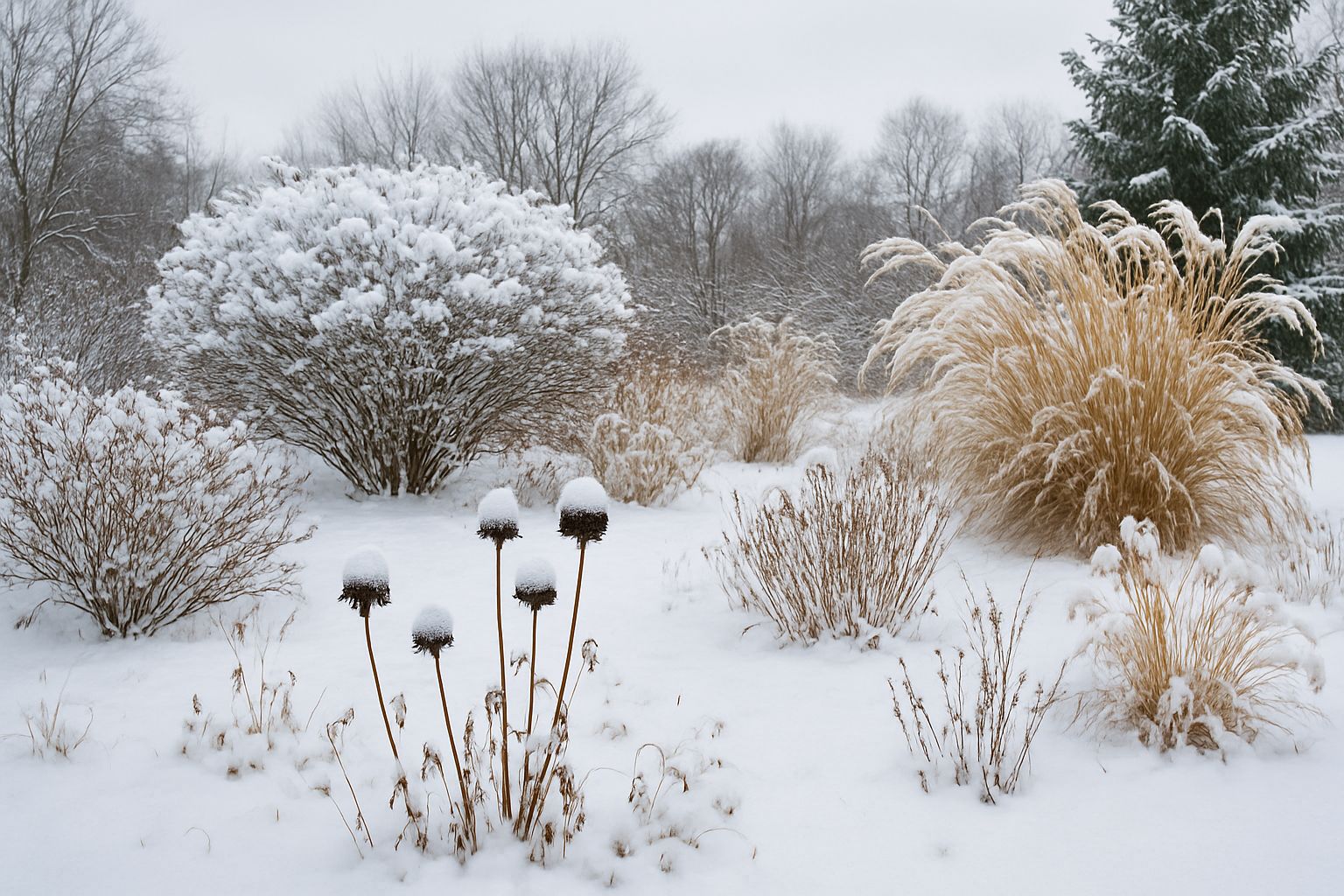
USDA Hardiness Zone 5b means your average annual extreme minimum temperature falls between -15°F and -10°F. That’s the threshold your plants must survive every winter, without exception. Any plant labeled for Zone 6 or higher is a gamble — and in Naperville’s winter, it’s usually a losing one.
This zone designation directly impacts which perennials come back each spring, which shrubs can handle exposed locations, and which trees will anchor your landscape for decades. A plant like Gardenia jasminoides (common gardenia), popular in warmer climates, simply cannot survive a Naperville winter outdoors. Meanwhile, plants like the Quercus macrocarpa (Bur Oak) are so well adapted to this zone they were growing here before European settlement.
When shopping for plants, always check the hardiness zone on the tag. If it says Zone 6–9, leave it at the store — or plan to treat it as an annual.
Average First and Last Frost Dates That Govern Your Garden Calendar
Naperville’s average last spring frost falls around April 22, and the average first fall frost arrives near October 15. That’s your working window — approximately 175 frost-free days. Everything from seed starting to bulb planting runs off these two dates.
| Frost Event | Average Date | What to Do |
|---|---|---|
| Last Spring Frost | April 22 | Safe to transplant warm-season seedlings outdoors |
| First Fall Frost | October 15 | Cut back annuals, begin winterizing perennials |
| Ground Freeze | Late November / Early December | Final mulching, bulb planting deadline |
How Naperville’s Clay-Heavy Soil Affects Plant Selection and Root Health
Most of Naperville sits on dense glacial clay — the kind that holds water like a bathtub and compacts under foot traffic until it’s nearly brick-hard in summer. This isn’t just an inconvenience; it’s a root health issue. Poorly draining soil creates anaerobic conditions where roots suffocate and rot, even in plants that prefer moist environments.
The fix isn’t replacing your soil entirely — that’s neither practical nor necessary. Instead, amend planting beds with 2–3 inches of compost worked 8–10 inches deep each season. Products like Midwest Bio-Systems Compost or similar locally sourced compost blends improve drainage and microbial activity simultaneously. For trees and larger shrubs, plant them slightly above grade — about 1–2 inches higher than the surrounding soil — to prevent water pooling at the crown.
How to Identify the Most Common Plants in Naperville Yards
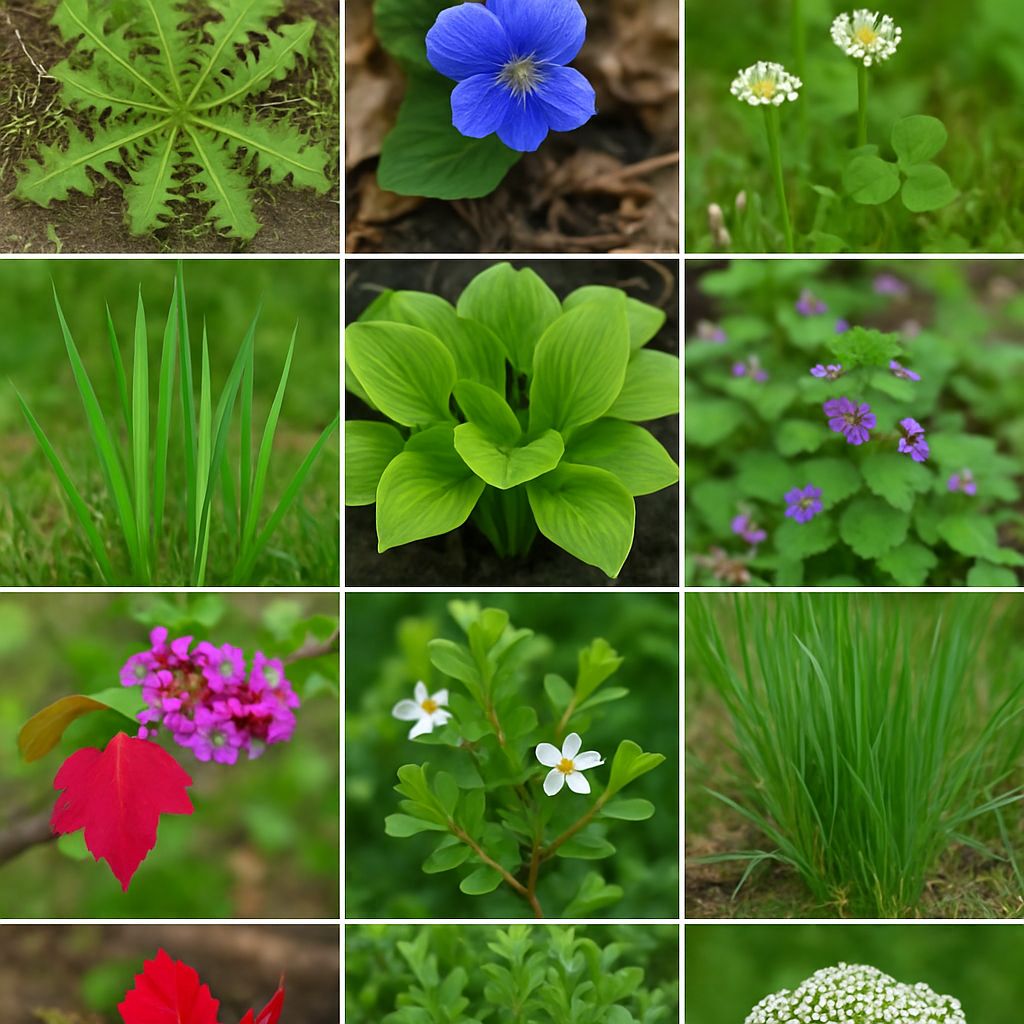
Naperville’s landscape is a mix of original Illinois prairie remnants, introduced ornamentals, and unfortunately, a growing number of invasive species. Learning to tell them apart is the first step to making smart decisions about what stays and what goes. For more details on planting and care, check out this planting calendar for Naperville.
Native Trees You’ll Spot in Naperville Neighborhoods
Several tree species are native to the northeastern Illinois region and are commonly found throughout Naperville’s older neighborhoods, parks, and natural areas. The Bur Oak (Quercus macrocarpa) is one of the most iconic — look for its deeply ridged, blocky gray bark and distinctively fringed acorn caps. It grows slowly but can live for centuries and handles both drought and clay soil exceptionally well.
The Shagbark Hickory (Carya ovata) is easy to identify by its distinctive peeling bark that curls away from the trunk in long, shaggy strips. It produces edible nuts and provides critical habitat for local wildlife. For those interested in creating similar environments, consider exploring pollinator-friendly shade garden ideas. The American Redbud (Cercis canadensis) is smaller — typically 20–30 feet — and explodes with magenta-pink blossoms directly on its branches each spring before the leaves emerge, making it one of the most recognizable trees in April.
Common Shrubs and What Their Leaves, Bark, and Berries Look Like
Native shrubs in Naperville tend to cluster along woodland edges, stream banks, and naturalized yard borders. The Buttonbush (Cephalanthus occidentalis) produces distinctive spherical white flower clusters in summer — they look almost exactly like tiny pincushions — and thrives in Naperville’s wetter, low-lying yards. The American Hazelnut (Corylus americana) has oval, double-toothed leaves with a slightly rough texture and produces small edible hazelnuts enclosed in leafy husks in late summer.
For yard-friendly native shrubs with four-season interest, the Winterberry Holly (Ilex verticillata) is a standout. It drops its leaves in fall — revealing brilliant red berries that persist through January — which is exactly how you tell it apart from evergreen hollies. Female plants need a male pollinator within 50 feet to produce berries reliably.
Wildflowers and Ground Cover Native to the Illinois Prairie
Illinois was once dominated by tallgrass prairie, and many of those original wildflower species still grow naturally throughout Naperville — in forest preserves, along roadsides, and in naturalized gardens. These plants are perfectly tuned to the local rainfall, soil, and temperature swings.
- Purple Coneflower (Echinacea purpurea) — Drooping purple-pink petals around a spiky orange-brown center cone; blooms July through September
- Wild Bergamot (Monarda fistulosa) — Lavender flower clusters with a distinctive oregano-like scent when leaves are crushed
- Black-Eyed Susan (Rudbeckia hirta) — Bright yellow petals around a dark brown center; extremely drought-tolerant once established
- Wild Ginger (Asarum canadense) — Low-growing ground cover with large, heart-shaped leaves; ideal for shaded areas under trees
- Blue Wild Indigo (Baptisia australis) — Deep blue-purple flower spikes in late spring; forms a large, shrub-like clump over time
These species don’t just survive in Naperville — they actively support local pollinators, including native bees, monarch butterflies, and hummingbirds. Once established (typically after their second season), most require almost no supplemental watering. For more information on supporting pollinators, check out this guide on rare pollinator species and wildlife refuges.
Invasive Plants in Naperville You Need to Remove Fast
Not everything growing in your yard belongs there. Naperville and the surrounding DuPage County have a significant problem with invasive plant species that outcompete native vegetation, reduce biodiversity, and spread aggressively if left unchecked.
Garlic Mustard (Alliaria petiolata) is one of the worst offenders. It forms dense mats of triangular, scallop-edged leaves in early spring — often the first green you’ll see — and produces chemicals in the soil that suppress the growth of native plants and tree seedlings. Pull it before it sets seed (the white four-petal flowers appear in April–May), because a single plant can produce over 600 seeds. Japanese Barberry (Berberis thunbergii), still sold at some garden centers, has small oval leaves, sharp thorns, and red berries — it creates tick habitat and displaces native understory plants. Remove it entirely, roots included. For more pollinator-friendly garden ideas, explore ways to enhance your garden’s ecosystem.
Spring Plant Care in Naperville (March–May)
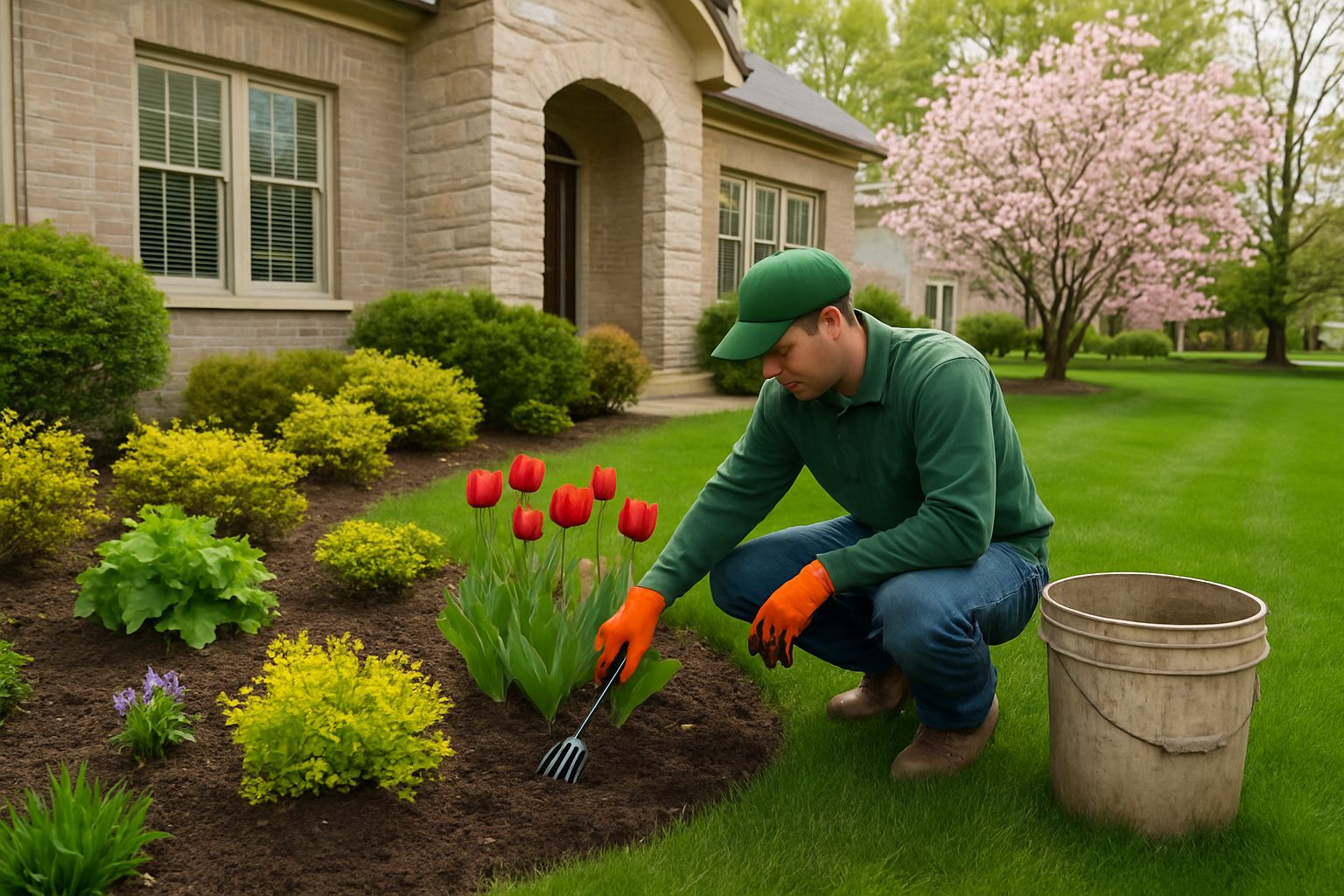
- Begin indoor seed starting 6–8 weeks before April 22 (last frost) — that means starting around late February to early March
- Wait until soil temperature reaches at least 50°F before direct sowing cool-season crops outdoors
- Apply a 2–3 inch layer of compost to all planting beds before new growth emerges
- Cut back ornamental grasses to about 4–6 inches from the ground before new shoots appear
- Divide overcrowded perennials like Hosta, Daylily, and Coneflower before they reach 6 inches in height
- Remove winter mulch gradually — don’t pull it all at once, as late frosts in March are common in Naperville
Spring in Naperville moves fast. A week of 60°F days can push your garden from dormant to actively growing before you’ve had a chance to prep — so early action in March, even before things look alive, is what separates thriving gardens from struggling ones.
When to Start Seeds Indoors Before the Last Frost
With a last frost date of April 22, your indoor seed-starting calendar in Naperville is fairly specific. Tomatoes and peppers need the longest lead time — start them 6–8 weeks before transplant date, which puts you at late February for tomatoes and early March for peppers. Broccoli, cabbage, and cauliflower are cool-season crops that can go out earlier, so start those in mid-February and plan to transplant in early April under frost cloth if needed. For more insights on gardening, check out these gardening benefits and nature connection tips.
Use a seedling heat mat to maintain 70–75°F soil temperature for germination — Naperville homes in late February tend to run cool, and cold soil is one of the top reasons seeds fail to sprout. A simple T5 grow light positioned 2–4 inches above seedlings prevents the leggy, stretched growth that happens when seedlings don’t get enough light through early spring windows.
| Crop | Weeks Before Last Frost | Indoor Start Date | Transplant Date |
|---|---|---|---|
| Tomatoes | 6–8 weeks | Late February | Mid–Late May |
| Peppers | 8–10 weeks | Early February | Mid–Late May |
| Broccoli/Cabbage | 4–6 weeks | Mid February | Early April |
| Basil | 4–6 weeks | Mid March | After May 1 |
| Cucumbers/Squash | 2–3 weeks | Early April | After April 22 |
Soil Prep Steps for Naperville’s Dense Clay Ground
Before you plant anything in a Naperville garden, the soil needs attention. Raw clay soil has a structure that works against you — it drains slowly, compacts easily, and swings between waterlogged in spring and rock-hard in August. The goal isn’t to eliminate the clay, but to modify its structure so roots can actually penetrate and breathe. Learn more about the best planting tips to improve your garden’s productivity.
Work in 3–4 inches of aged compost to a depth of 10–12 inches using a broa,dfork or tiller. Avoid tilling when the soil is wet — compressing wet clay creates a hardpan layer below the surface that roots can’t break through. A simple squeeze test works: grab a handful of soil and press it. If it crumbles apart easily when you open your hand, it’s ready to work. If it holds a solid shape like modeling clay, wait a few more days. For raised beds, a mix of 60% topsoil, 30% compost, and 10% coarse perlite or horticultural grit sidesteps the clay issue entirely and gives you a workable medium from day one.
Which Perennials to Divide and Transplant in Early Spring
Early spring — before plants hit 6 inches of new growth — is the ideal window to divide overcrowded perennials in Naperville. Dividing at this stage causes minimal stress because the plant’s energy is still largely stored in the roots rather than invested in top growth. Hostas, daylilies (Hemerocallis), coneflowers (Echinacea), and ornamental grasses all respond exceptionally well to spring division. Use a sharp spade to cut straight down through the root clump — avoid tearing, which leaves ragged wounds that invite rot. Replant divisions at the same depth they were growing, water deeply, and apply a 2-inch compost mulch to retain moisture during the adjustment period.
Summer Maintenance That Keeps Naperville Gardens Alive (June–August)
Naperville summers are no joke — average July highs regularly push into the upper 80s°F, humidity climbs, and stretches of dry weather can arrive without warning. Plants that looked perfect in June can deteriorate fast if you’re not actively managing water, pests, and plant health through the peak summer months.
Deadheading spent blooms on perennials like coneflowers and black-eyed Susans extends the bloom period and redirects the plant’s energy from seed production back into flowering. For annuals like petunias and calibrachoa, a light trim — cutting them back by one-third — every few weeks prevents them from going leggy and keeps them blooming until frost. Consistent monitoring is everything in summer; catching a pest or disease problem early in June is a 10-minute fix. Catching it in August can mean losing the plant entirely.
Watering Schedules That Account for Naperville’s Summer Heat
Most established garden plants in Naperville need about 1 inch of water per week during summer, including rainfall. The critical detail isn’t the total amount — it’s the timing and delivery method. Water deeply and infrequently rather than a little every day. A deep watering once or twice a week encourages roots to grow downward, making plants significantly more drought-resilient than those watered shallowly every day. Water in the early morning (before 9 AM) so foliage dries before afternoon heat, reducing fungal disease risk. Drip irrigation or soaker hoses deliver water directly to the root zone with minimal evaporation — a smart investment for any Naperville vegetable garden or densely planted perennial bed. For more tips on urban gardening, check out these urban farming innovations in Aurora, IL.
How to Spot and Treat the Most Common Illinois Garden Pests
Quick Reference: Common Naperville Garden Pests
Japanese Beetle (Popillia japonica) — Skeletonizes rose, linden, and grape foliage; most active June–August. Hand-pick in early morning when beetles are sluggish; apply beneficial nematodes to the lawn in late summer to target grubs.
Aphids — Tiny soft-bodied insects clustering on new growth; cause distorted, curled leaves. Knock off with a strong water spray or apply insecticidal soap (e.g., Safer Brand Insect Killing Soap) every 5–7 days.
Squash Vine Borer — Larvae tunnel into squash stems, causing sudden wilting; look for sawdust-like frass at the stem base. Wrap stems in row cover fabric before adult moths lay eggs in late June.
Slugs — Ragged holes in hosta and lettuce leaves overnight; leave a slime trail. Apply Sluggo Plus (iron phosphate) granules around affected plants — safe around pets and wildlife.
Spider Mites — Fine webbing on undersides of leaves; stippled, bronzed foliage in hot, dry conditions. Increase humidity around plants and apply neem oil spray in the evening.
Japanese Beetles are probably the single most frustrating pest for Naperville gardeners. They arrive in waves in late June and can strip a rose bush or linden tree in days. Avoid using Japanese Beetle bag traps — research has consistently shown they attract more beetles into your yard than they capture, making the problem worse. Hand-picking into a bucket of soapy water each morning during peak season (about 3 weeks) is tedious but genuinely effective.
For aphid and soft-bodied insect problems, always start with the least aggressive intervention first. A strong blast of water from a garden hose knocks most aphid colonies off plants immediately — and unlike chemical sprays, it doesn’t harm beneficial insects like ladybugs and parasitic wasps that naturally regulate aphid populations. Reach for insecticidal soap only after the water spray method has failed over several days.
Fall Tasks Every Naperville Gardener Should Do Before First Frost
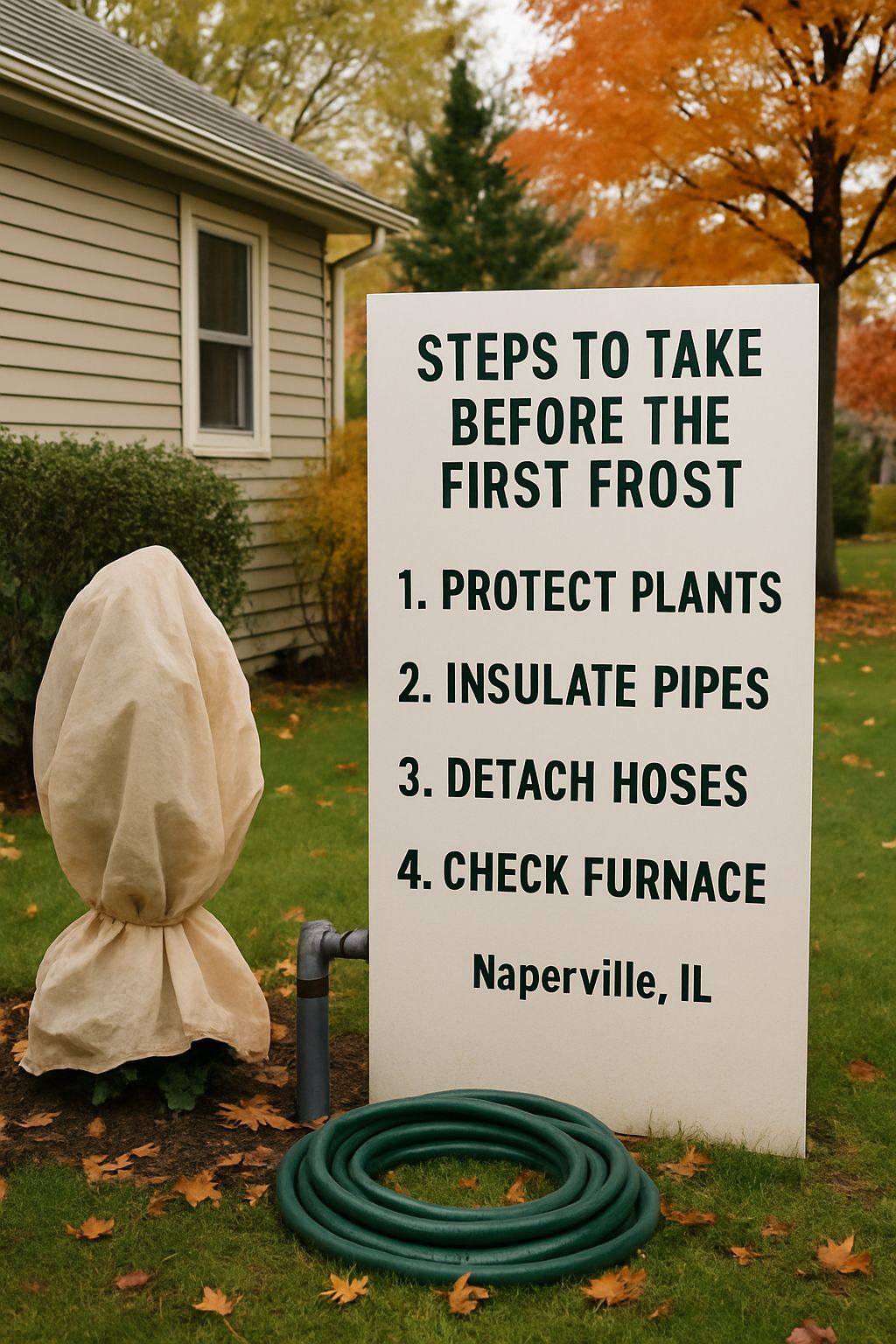
October 15 is your planning target in Naperville — everything that needs to happen before the ground freezes should be well underway by the first week of October. Fall is arguably the most important season for setting your garden up for next year. Bulb planting, soil amendments, winterizing, and lawn care all happen in this compressed window between the end of summer heat and the first hard freeze. For those interested in unique gardening ideas, explore specialty herb gardens that can thrive in the local climate.
Which Bulbs to Plant in Fall for a Strong Spring Display
Fall-planted spring bulbs need a cold dormancy period to bloom reliably — which makes Naperville’s Zone 5b winters actually ideal for tulips, daffodils, hyacinths, and alliums. Plant bulbs after soil temperatures drop below 50°F but before the ground freezes solid — in Naperville, that window typically falls between mid-October and mid-November.
Planting depth matters more than most gardeners realize. The general rule is to plant bulbs at a depth two to three times their diameter. For large tulip and daffodil bulbs, that means 6–8 inches deep. This depth protects them from temperature fluctuations and reduces squirrel predation. Daffodil bulbs are naturally deer and squirrel-resistant — they contain toxic lycorine — making them the most reliable low-maintenance choice for Naperville landscapes. Tulips, on the other hand, are highly attractive to squirrels; plant them with a layer of chicken wire just below the mulch surface to deter digging.
How to Winterize Shrubs and Perennials in Zone 5b
Winterizing in Zone 5b is less about keeping plants warm and more about protecting them from freeze-thaw cycles, desiccation, and physical damage from ice and snow load. After the first hard frost, apply 3–4 inches of shredded wood mulch around the base of perennials and shrubs — but keep mulch pulled back 2–3 inches from the crown and main stems to prevent rot. For marginally hardy shrubs like Hydrangea macrophylla (bigleaf hydrangea), create a wire cage around the plant and fill it loosely with dry leaves for insulation. Burlap windscreens on the north and west sides of newly planted evergreens like arborvitae prevent winter burn from desiccating winds — a common problem in exposed Naperville yards near open fields or golf courses. For more tips on plant care, explore our Chicago shade plants guide.
Lawn Care Steps to Take Before Ground Freeze
The fall lawn care window in Naperville runs roughly from mid-September through late October, and the tasks you complete in this period determine how quickly your lawn recovers the following spring. Core aeration in early fall breaks up compacted clay soil, improves drainage, and allows fertilizer and seed to reach the root zone. Follow aeration immediately with overseeding using a Kentucky bluegrass or tall fescue blend rated for Zone 5 — both handle Naperville’s winter temperatures reliably.
Apply a winterizer fertilizer with a high potassium content (look for an analysis like 24-0-10 or similar) in late October. Potassium strengthens cell walls and root systems, giving your lawn the reserves it needs to push out of dormancy strong in April. Make your final mowing pass at about 2.5–3 inches — shorter than that leaves the crown vulnerable to frost heave; taller promotes snow mold development under winter snow cover. For more tips on maintaining a healthy garden, check out these gardening benefits and insights.
Winter Plant Care in Naperville (December–February)
Winter in Naperville is real — temperatures regularly drop below 0°F during January and February cold snaps, and the wind chill from open midwestern exposure makes it feel even colder. The good news is that most of your winter plant care is proactive work done in the fall. By December, your main jobs are monitoring, protecting, and planning.
One area where winter gardeners in Naperville can go wrong is disturbing dormant plants during warm spells. When January thaws push temperatures into the 40s°F for a few days, it’s tempting to pull back mulch or check on bulbs — but leave everything in place. These midwinter warm spells are temporary, and plants that break dormancy too early can suffer significant crown damage when hard cold returns. Stay hands-off outdoors and focus energy on indoor plant care during the winter months.
How to Protect Root Systems Through Hard Freezes
Root systems are generally less cold-hardy than the above-ground portions of plants — the soil acts as insulation, but during extended hard freezes, that insulation has limits. Container plants are the most vulnerable since their roots are fully exposed to ambient air temperatures on all sides. Move container-grown plants into an unheated garage or shed when temperatures are forecast to stay below 15°F for more than 48 hours — even a space that drops to 25°F provides dramatically more protection than an exposed patio. For in-ground plants, the 3–4 inch mulch layer applied in fall is your best root protection — it keeps the soil temperature several degrees warmer than the air above it and prevents the frost-depth from penetrating as quickly. For more ideas on garden protection, explore pollinator-friendly shade garden ideas in Chicago.
Indoor Plant Care Adjustments for Naperville’s Dry Winter Air
Naperville homes in winter run extremely dry — forced-air heating systems can drop indoor humidity to 20–30% relative humidity, well below the 40–60% that most tropical houseplants prefer. You’ll see the effects quickly: crispy brown leaf tips on peace lilies, spider mites on ficus, and accelerated soil dry-out that makes watering schedules unreliable. A cool-mist humidifier near your plant groupings — or placing plants on trays filled with pebbles and water (keeping the pot bottom above the waterline) — raises local humidity meaningfully without soaking the plants themselves. For more ideas on maintaining plant-friendly environments, explore these pollinator-friendly shade garden ideas.
Watering frequency should decrease for most indoor plants in winter, even though the air is dry. Reduced light levels in December and January slow plant growth significantly, which means reduced water uptake. Overwatering in winter is the number-one cause of houseplant death in the Midwest — the soil stays wet longer, roots sit in moisture, and rot sets in quietly. Check soil moisture by pushing your finger 2 inches into the pot — water only when it comes back dry. Fertilizing should be paused entirely for most houseplants from November through February, resuming when new growth begins in March.
The Best Native Plants for Naperville Gardens
If there’s one shift that transforms a Naperville garden from high-maintenance to resilient, it’s leaning into native plants. These species evolved alongside Illinois’s climate, soil, and wildlife over thousands of years — which means once they’re established, they largely take care of themselves.
Native plants also do something ornamental imports simply can’t: they plug directly into the local food web. Native oak trees alone support over 500 species of caterpillars and moth larvae — a critical food source for nesting birds. Even a small patch of native perennials in a suburban Naperville yard creates measurable biodiversity benefits for the surrounding neighborhood.
Low-Maintenance Native Perennials Worth Planting
The most reliable native perennials for Naperville gardens combine deep root systems — often reaching 10–15 feet down into Illinois’s subsoil — with genuine drought tolerance once established. Purple Coneflower (Echinacea purpurea) blooms reliably from July through September, requires no deadheading (the seed heads feed goldfinches through winter), and self-seeds moderately to fill in bare spots over time. Wild Bergamot (Monarda fistulosa) handles Naperville’s clay soil exceptionally well and produces lavender blooms that attract bumble bees, hummingbirds, and over a dozen native bee species. Blue Wild Indigo (Baptisia australis) takes 2–3 years to establish fully, but eventually forms a shrub-sized clump 3–4 feet across that requires zero division, fertilizing, or supplemental watering after its establishment period.
Native Grasses That Thrive in Illinois Prairie Conditions
Native grasses are among the most underused plants in Naperville landscapes — and one of the most practical. They provide a four-season structure, require no fertilizer, handle both wet spring clay and dry summer heat, and their seed heads feed birds through the harshest winter months. Little Bluestem (Schizachyrium scoparium) is the standout choice for most Naperville yards — it grows 2–3 feet tall, turns a stunning copper-red in fall, and tolerates the full range of Illinois soil conditions from dry sandy spots to moderate clay. Prairie Dropseed (Sporobolus heterolepis) forms elegant, fine-textured mounds 18–24 inches wide and releases a faint fragrance of coriander when brushed — it’s arguably the most refined-looking native grass for formal garden settings. For wetter areas or rain gardens, Blue Flag Iris (Iris virginica) paired with Switchgrass (Panicum virgatum ‘Shenandoah’) creates a naturalistic planting that manages stormwater runoff while providing genuine ornamental appeal.
Pollinator-Friendly Native Shrubs for Naperville Landscapes
Native shrubs bridge the gap between perennials and trees in the landscape — they add height, structure, and multi-season interest while requiring far less maintenance than most introduced ornamental shrubs. For pollinators specifically, shrubs that provide early-season nectar are especially valuable in Naperville, where native bees emerge before many flowers are blooming.
New Jersey Tea (Ceanothus americanus) is one of the best native shrubs you’re probably not planting yet. It grows 3–4 feet tall, produces masses of small white flowers in June that are absolutely covered in bees and butterflies, fixes nitrogen in the soil through root nodules, and handles drought and clay soil without complaint. Buttonbush (Cephalanthus occidentalis) is ideal for low, wet spots in Naperville yards — it thrives where other shrubs drown, and its spherical white flowers in July attract an extraordinary range of pollinators, including monarch butterflies. For those interested in supporting rare pollinator species, planting Buttonbush can be a great choice. American Beautyberry (Callicarpa americana) delivers one of the most dramatic fall displays of any native shrub, with clusters of vivid metallic-purple berries lining every stem from September through November.
- New Jersey Tea (Ceanothus americanus) — 3–4 ft, white June flowers, nitrogen-fixing, full sun to part shade
- Buttonbush (Cephalanthus occidentalis) — 5–8 ft, wet-tolerant, spherical white July flowers, full sun to part shade
- Winterberry Holly (Ilex verticillata) — 6–10 ft, brilliant red fall/winter berries, needs male pollinator, full sun to part shade
- American Hazelnut (Corylus americana) — 8–12 ft, early spring catkins, edible nuts, excellent fall color, full sun to part shade
- Wild Hydrangea (Hydrangea arborescens) — 3–5 ft, large white flower clusters July–August, reliable Zone 5 hardiness, part shade
- Lead Plant (Amorpha canescens) — 2–4 ft, silver-gray foliage, purple flower spikes, extremely drought-tolerant, full sun
One critical detail when planting native shrubs in Naperville: most of these species look unremarkable — even sparse — for the first full growing season. This is not failure. Deep root development always precedes visible top growth in prairie natives, and a plant that looks slow in year one will often double in size in year two and fully establish by year three. The mistake most gardeners make is pulling plants they think are struggling, when in reality the plant is simply building the root infrastructure it needs to thrive for the next 20 years.
Grouping native shrubs in clusters of 3–5 of the same species creates more visual impact than planting single specimens scattered across the yard, and it significantly improves pollinator foraging efficiency — bees prefer to work a patch of the same flower rather than fly between isolated individual plants.
Where to Get Expert Plant Help in Naperville
Naperville and the broader DuPage County area have solid resources for gardeners at every level. The Morton Arboretum in nearby Lisle (just 6 miles north of Naperville) offers plant clinics, plant identification services, and one of the most comprehensive collections of woody plants in the Midwest — it’s an invaluable reference for anyone trying to identify trees and shrubs or select proven performers for Zone 5b. The University of Illinois Extension — DuPage County provides free Master Gardener consultations, soil testing services, and locally calibrated planting guides. For native plants specifically, the Possibility Place Nursery in Monee, IL (about 45 minutes south) is one of Illinois’s most respected native plant nurseries, specializing entirely in Illinois-origin native species. Local garden centers like Chalet Nursery and The Growing Place (Aurora, directly adjacent to Naperville) carry strong selections of Zone 5b-appropriate plants with knowledgeable staff. For curated online guidance built around Midwest plant care, this resource for Illinois plant enthusiasts offers practical, region-specific information you won’t find on general gardening sites.
Frequently Asked Questions
These are the questions Naperville gardeners ask most often — answered directly with locally specific information. For more insights, check out our gardening benefits and tips article.
What Plants Are Native to Naperville, Illinois?
Naperville’s native plant palette comes from two overlapping ecosystems: Illinois tallgrass prairie and Midwestern oak savanna. Native plants include trees like Bur Oak (Quercus macrocarpa), Shagbark Hickory (Carya ovata), and American Redbud (Cercis canadensis); shrubs like Buttonbush, New Jersey Tea, and Winterberry Holly; and perennials including Purple Coneflower, Wild Bergamot, Black-Eyed Susan, and Blue Wild Indigo.
The Illinois Native Plant Society and The Morton Arboretum both maintain searchable databases of Illinois-origin natives if you want to go deeper than this guide. When purchasing native plants, look for the phrase “local genotype” or “Illinois ecotype” on the label — these plants are grown from seed collected within Illinois and are better adapted to local conditions than the same species grown from seed sourced in other states.
When Is the Last Frost Date in Naperville, IL?
The average last spring frost date in Naperville is April 22, based on historical climate data for the region. However, late frosts into early May are not unheard of in the Chicago metro area — always keep frost cloth on hand through the first week of May as insurance for tender transplants. For more gardening insights, check out these nature connection tips.
The average first fall frost arrives around October 15, giving Naperville a working growing season of approximately 175 days. Use these dates as your anchor points for all planting and harvest planning.
| Season | Frost Date | Key Action |
|---|---|---|
| Spring (Last Frost) | ~April 22 | Safe to transplant warm-season crops outdoors |
| Fall (First Frost) | ~October 15 | Cover or harvest frost-sensitive crops |
| Ground Freeze | Late November | Complete bulb planting and final mulching |
These dates represent averages over many years — actual frost dates in any given year will vary. For real-time frost forecasts, the National Weather Service Chicago office provides reliable advance notice of frost events specific to the DuPage County area.
When in doubt, wait. A week’s delay in transplanting is far less damaging than losing an entire tray of seedlings to a late May frost that caught you off guard.
How Do I Deal With Clay Soil in My Naperville Garden?
Clay soil in Naperville is a manageable challenge, not a dealbreaker. The most effective long-term solution is the annual addition of 2–3 inches of compost worked into your beds each spring and fall. Over 3–5 years, this consistently improves drainage, aeration, and microbial life in ways that a single large amendment never can. Avoid adding sand to clay soil — the combination creates a concrete-like structure that’s worse than the original clay. For immediate improvement in planting areas, raised beds filled with a custom mix of topsoil, compost, and perlite give you a fully workable growing medium from day one while the in-ground soil improves over time underneath. For more ideas on enhancing your garden, explore pollinator-friendly shade garden ideas.
What Invasive Plants Should I Watch for in Naperville?
DuPage County has an active list of invasive species that threaten local ecosystems, and several of them are common in Naperville residential landscapes — sometimes even sold at garden centers. Knowing what to look for lets you act before these plants spread beyond your property line.
The most problematic invasive species currently active in the Naperville area include:
- Garlic Mustard (Alliaria petiolata) — Triangular scallop-edged leaves in early spring; white four-petal flowers in April–May; pull before seed set
- Japanese Barberry (Berberis thunbergii) — Oval leaves, sharp thorns, red berries; creates tick habitat; still sold at some nurseries — avoid purchasing
- Buckthorn (Rhamnus cathartica) — Common in woodland edges; thorn-tipped branches; black berries; forms impenetrable thickets that shade out native understory
- Japanese Knotweed (Reynoutria japonica) — Hollow bamboo-like stems, heart-shaped leaves, extremely aggressive spreader along stream banks and disturbed areas
- Burning Bush (Euonymus alatus) — Still widely planted for fall color; escapes cultivation readily; replace with native alternatives like Itea or Fothergilla for similar fall color
For removal guidance and disposal methods specific to DuPage County, the Forest Preserve District of DuPage County publishes free invasive species management resources and occasionally organizes community removal events open to Naperville residents.
What Vegetables Grow Best in Naperville, IL?
Naperville’s 175-day frost-free growing season is long enough to grow a wide range of vegetables successfully, from cool-season spring crops to full-season warm-season staples. The key is matching crop selection to the season rather than trying to force warm-season crops in before the soil is actually ready.
Cool-season crops that thrive in Naperville’s spring and fall shoulder seasons include lettuce, spinach, kale, broccoli, cabbage, peas, and radishes — these can go in the ground in late March to early April and again in late August for a fall harvest. Warm-season crops — tomatoes, peppers, cucumbers, zucchini, beans, and basil — need to wait until after April 22 and grow best in the reliable heat of June through August. For tomatoes specifically, mid-season varieties like Celebrity (75 days) and Early Girl (57 days) are better choices in Naperville than long-season heirloom varieties that may not fully ripen before the October frost. For additional insights on urban farming, you might find these urban farming tech innovations interesting.
Sweet corn, winter squash, and melons all have enough growing season in Naperville if started on time — direct sow sweet corn after May 1 when soil temperatures are consistently above 60°F, and start winter squash varieties like Butternut (85–100 days) from seed indoors in early April to ensure full maturity before October’s first frost shortens your window.
If you want to take your Naperville garden further — whether that’s deeper plant identification, seasonal timing, or finding the right native species for your specific yard conditions — explore the resources available for Midwest plant enthusiasts who are serious about growing smarter in Illinois’s challenging but rewarding climate.
Understanding the local climate and soil conditions is crucial for successful plant care in Naperville, IL. By familiarizing yourself with the specific needs of different plant species, you can ensure they thrive throughout the year. For those interested in learning more about the best planting times and techniques, the Almanac’s planting calendar for Naperville offers valuable insights.