
Article At A Glance
| Key Takeaways |
|---|
| 🌱 Gardening creates measurable biological changes in your brain — including increased serotonin and dopamine — that directly improve mood, reduce stress, and fight depression. |
| 🧪 Contact with a specific soil bacterium, Mycobacterium vaccae, naturally triggers serotonin production, making even a short session of digging in the dirt a mood-boosting activity. |
| 🌳 You don’t need a large backyard to experience the benefits — indoor plants, community gardens, and even regular visits to public green spaces all deliver real mental health gains. |
| 📊 A meta-analysis published in research on horticultural therapy found an effect size of 0.55 for gardening’s positive impact on well-being — a significant result by scientific standards. |
| 💡 Keep reading to discover how each season offers a unique psychological benefit, and why fall gardening might be the most underrated mental health practice of all. |
Most people think gardening is just about plants — it’s actually one of the most powerful connections to nature your mind and body can experience.
Whether you’re growing tomatoes on a balcony or managing a full backyard garden, the act of tending to living things does something profound to your nervous system. The dirt under your fingernails isn’t just garden debris — it’s part of a biological exchange that’s been happening between humans and the earth for thousands of years. Gardening enthusiasts around the world are rediscovering what our ancestors always knew: the garden heals.
Resources like those focused on inspiring gardeners globally are helping more people tap into this connection — not just as a hobby, but as a genuine practice for better physical and mental health.
Gardening Does More For You Than You Think

Most people underestimate what happens to their body and brain the moment they step into a garden. Blood pressure drops. Muscle tension eases. Cortisol — your primary stress hormone — begins to fall within minutes of being surrounded by greenery. These aren’t just feelings. They’re measurable physiological responses backed by a growing body of research.
Gardening sits at a rare intersection of physical activity, mindfulness, sensory engagement, and creative expression. It demands just enough focus to pull you out of anxious thought loops, while being gentle enough that it doesn’t add to your stress load. That balance is hard to find in most modern activities.
The Science Behind Gardening and Mental Health
The mental health benefits of gardening aren’t just anecdotal — they’re neurological. Research consistently shows that exposure to natural environments activates the parasympathetic nervous system, shifting your body out of fight-or-flight mode and into a state of calm recovery. Even looking at plants has been shown to lower blood pressure and relax muscle tension.
How Soil Bacteria Naturally Boosts Your Mood
Here’s something most gardeners don’t know: the soil itself is medicinal. Mycobacterium vaccae, a harmless bacterium found naturally in garden soil, stimulates the production of serotonin when it enters the body through skin contact or inhalation. Serotonin is the same neurotransmitter targeted by many antidepressant medications. For those interested in enhancing their gardening experience, consider exploring sustainable urban garden maintenance techniques.
This means that every time you dig a hole, turn compost, or simply handle soil with bare hands, you’re triggering a genuine biochemical mood response. It’s not a placebo. Researchers have studied this bacterium’s effect on brain function and found it mirrors the kind of serotonin activation associated with improved mood and reduced anxiety. Your garden is essentially a living pharmacy.
The practical implication is straightforward: skip the gloves occasionally. Direct soil contact amplifies the biological benefit. Even ten to fifteen minutes of hands-in-the-dirt gardening can be enough to initiate this response.
Why Nature Reduces Stress at a Brain Chemistry Level
Beyond soil bacteria, simply being in a green environment reduces the production of cortisol — the hormone most closely linked to chronic stress. Studies measuring cortisol levels before and after gardening sessions consistently show significant drops, even after relatively short exposures. This response is partly evolutionary: humans spent the vast majority of their existence in natural environments, and the brain still associates green spaces with safety and resource availability.
Attention Restoration Theory: How Gardens Rebuild Focus
Attention Restoration Theory, developed by environmental psychologists Rachel and Stephen Kaplan, explains why spending time in nature — including your own garden — restores your ability to concentrate. Modern life demands what researchers call directed attention, the kind of focus required for screens, deadlines, and complex decisions. That type of attention fatigues quickly. Natural environments engage what the Kaplans called involuntary attention — the effortless, soft focus you experience when watching a bee move between flowers or listening to water in a birdbath. This mental rest actively restores your capacity for concentration and problem-solving.
Physical Health Benefits of Gardening
The mental and emotional benefits often take the spotlight, but gardening’s physical benefits are equally compelling. It’s one of the few activities that combines cardiovascular exercise, strength training, flexibility work, and vitamin D exposure in a single session — without ever feeling like a workout.
Gardening as Low-Impact Exercise
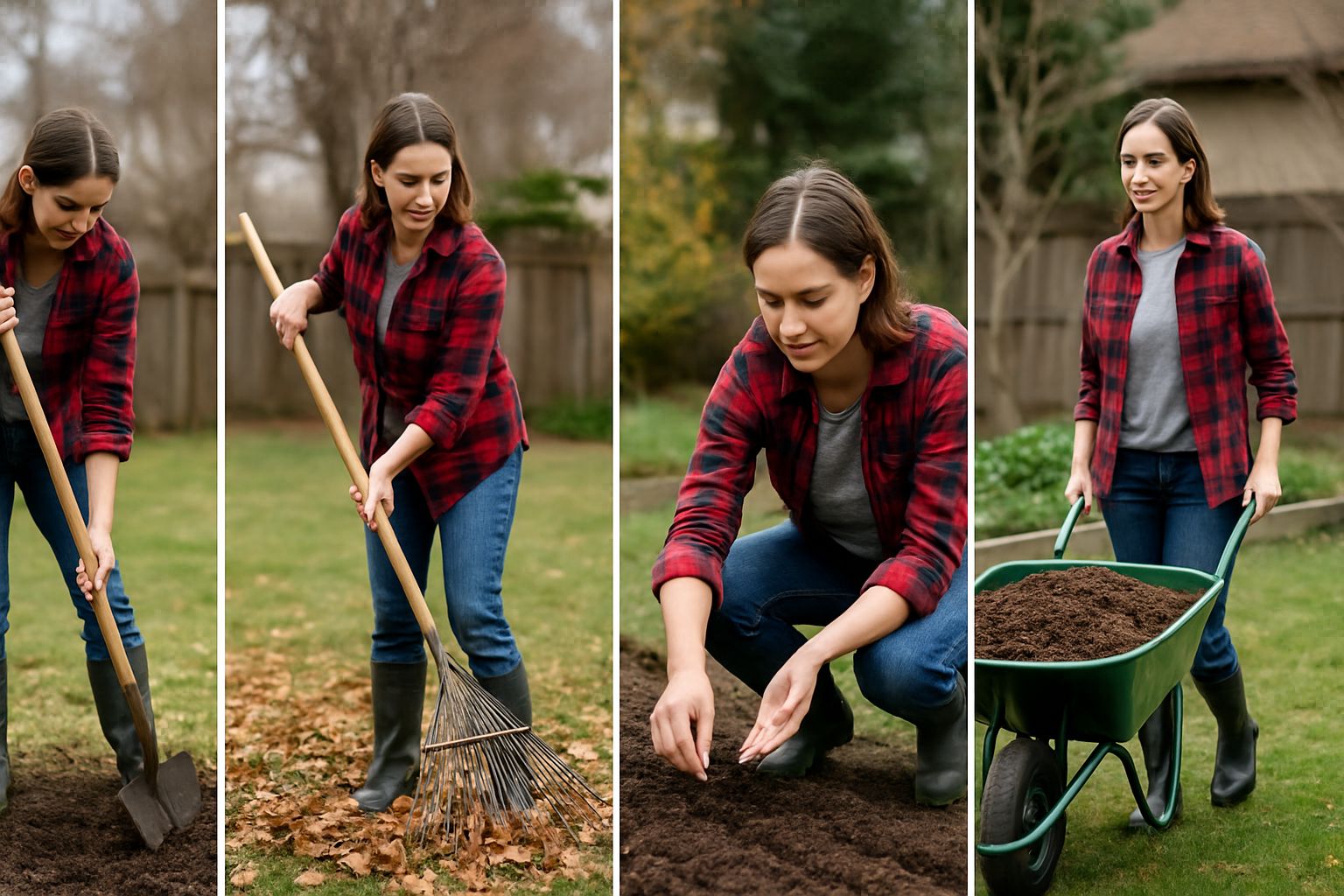
Digging, raking, planting, and hauling compost are all moderate-intensity physical activities. Harvard Health has noted that gardening and yard work qualify as genuine exercise, burning between 200 and 400 calories per hour, depending on the task. Digging and spading engage the core, shoulders, and legs. Regular weeding builds grip strength and improves flexibility in the hips and lower back — areas that tighten up from prolonged sitting.
Better Vision in Children Who Spend Time Outdoors
Research has found a strong link between time spent outdoors and reduced rates of myopia (nearsightedness) in children. Natural light exposure appears to support healthy eye development in ways that indoor environments simply can’t replicate. Encouraging children to garden — even just watering plants or digging in a small patch — gets them outside regularly during daylight hours, which may help protect their developing vision.
Stronger Immune Systems From Getting Dirty
The hygiene hypothesis suggests that exposure to diverse microbial environments — like garden soil — trains the immune system to respond appropriately to threats without overreacting. Children and adults who regularly spend time in gardens and natural spaces tend to have more diverse gut microbiomes, which are directly linked to immune function. Getting dirty isn’t a risk. For most healthy people, it’s a genuine health strategy, especially when considering drought-resistant grasses that thrive in various environments.
How Gardening Builds Emotional Resilience
Gardening teaches emotional resilience in a way that’s almost invisible until you look back and notice how much your relationship with setbacks has changed. Plants die. Seasons shift unexpectedly. Pests arrive without invitation. Each of these moments is a small but real lesson in managing disappointment, adapting to change, and persisting anyway. For more on maintaining your garden through these challenges, check out our sustainable urban garden maintenance guide.
- Caring for living things builds a sense of responsibility and connection that extends beyond the garden
- Watching something grow from seed to harvest creates a direct experience of patience paying off
- Dealing with plant failure normalizes setbacks and reframes them as part of a larger cycle
- Seasonal change teaches acceptance of things outside your control
- The rhythm of garden tasks creates routine, which is a foundational element of emotional stability
The Dopamine Hit From Harvesting Your Own Food
There’s a specific neurological reward that comes from eating food you’ve grown yourself — and it’s measurably different from buying the same food at a store. Neuroscientists have identified what some call the “progress principle”: the brain releases dopamine not just at the moment of reward, but at every visible step of progress toward a goal. Each new leaf, each flower bud, each ripening fruit is its own dopamine trigger. By the time you’re harvesting a tomato you planted from seed, your brain has been rewarding you incrementally for weeks.
Why Watching Things Grow Builds a Sense of Purpose
Purpose is one of the most critical factors in long-term mental health, and gardening delivers it in a uniquely tangible way. When you plant a seed, you create a living commitment — something that depends on you, responds to your care, and rewards your consistency with visible, measurable growth. That feedback loop is powerful. It creates a sense of meaning that’s hard to manufacture in other areas of modern life.
For people recovering from depression, burnout, or grief, the garden often becomes an anchor. It provides a reason to go outside, a task with a clear outcome, and a daily reminder that growth — even slow, quiet growth — is still happening. Horticultural therapists have used this principle for decades in clinical settings, and the results consistently point to the same outcome: tending to living things restores a person’s sense of agency and hope.
Seasonal Gardening for Year-Round Mental Wellness
One of the underappreciated aspects of gardening is that it doesn’t pause — and neither do its benefits. Each season brings a distinct psychological experience, a different pace, a different set of tasks, and a different lesson about the natural world and your place in it. Leaning into the seasonal rhythm of gardening is one of the most effective ways to maintain mental wellness across an entire year.
Winter Gardening to Fight Seasonal Depression
Winter is when many gardeners step back entirely, and that withdrawal often coincides with a noticeable dip in mood. Seasonal Affective Disorder (SAD) affects a significant portion of the population in colder climates, and reduced time outdoors is a major contributing factor. Keeping a connection to gardening through the winter months — even just maintaining a few pots of herbs on a sunny windowsill — provides consistent exposure to living green things, natural light near windows, and the grounding ritual of plant care. Microgreens, forced bulbs like paperwhite narcissus, and cold-tolerant herbs such as rosemary and thyme are all excellent choices for indoor winter growing.
Spring Planting and the Psychology of New Beginnings
Spring planting taps into one of the most psychologically potent human experiences: the feeling of a fresh start. Preparing beds, turning soil, and selecting seeds all activate anticipation and forward-thinking — mental states that are directly opposed to depression and rumination. The act of planting something is an inherently optimistic gesture. It says, without words, that you believe in the future enough to invest in it today. That subtle shift in perspective can have a meaningful impact on overall outlook. For tips on maintaining your garden sustainably, check out this sustainable urban garden maintenance guide.
Summer Harvests and the Reward of Patience
Summer is when the patience of spring pays off, and the brain knows it. Harvesting your own food — whether it’s a handful of strawberries, a bunch of basil, or a heavy zucchini that appeared overnight — delivers a concentrated dose of satisfaction that store-bought produce simply cannot replicate. The physical abundance of a summer garden also encourages sharing, which introduces a social dimension to the mental health benefit. Bringing food to neighbors or friends creates community, gratitude, and a sense of generosity that amplifies the psychological reward of the growing season.
Fall Gardening and Accepting Natural Cycles
Fall is the season most people associate with endings, but experienced gardeners understand it as something far richer. Cutting back spent plants, dividing perennials, planting bulbs for spring, and building compost are all acts of intentional preparation — a trust in what’s coming even as what’s present fades. This is psychologically significant. Fall gardening teaches acceptance of impermanence without resignation. You’re not giving up on the garden; you’re honoring its cycle.
There’s also a meditative quality to fall garden work that’s distinct from other seasons. The pace slows. The light changes. The sensory experience — the smell of decomposing leaves, the crispness of the air, the textures of dried seed heads — is grounding in a way that pulls you fully into the present moment. It’s autumn mindfulness without the app.
How to Connect With Nature Without a Big Garden

The most common barrier people cite when it comes to gardening is space — but the research on nature connection doesn’t require you to own a plot of land. The psychological benefits of connecting with plants and green environments are accessible in apartments, urban neighborhoods, and even office spaces. What matters most is consistency and intentionality, not square footage.
You don’t need a garden to garden. Studies show that even brief, regular interactions with plants — watering a single succulent, walking through a tree-lined street, or spending twenty minutes in a public park — produce measurable reductions in cortisol and improvements in self-reported mood. The dose matters less than the habit.
The key is finding an entry point that fits your actual life. A busy professional in a studio apartment has different options than a retiree with a suburban backyard — but both can build a meaningful, regular connection with nature that delivers genuine mental health benefits.
Start small, stay consistent, and let the connection deepen naturally over time. The following options range from completely space-free to small-space gardening, so there’s genuinely something here for everyone.
Indoor Plants That Clean Air and Lift Your Mood
Indoor plants do double duty: they introduce living greenery into your space and create a daily caregiving ritual that anchors your routine. Plants like Pothos (Epipremnum aureum), Peace Lily (Spathiphyllum), and Snake Plant (Sansevieria trifasciata) are nearly indestructible, require minimal light, and have been studied for their air-purifying properties. NASA’s Clean Air Study identified these and other common houseplants as effective at reducing indoor concentrations of benzene, formaldehyde, and trichloroethylene.
Beyond air quality, the simple act of caring for an indoor plant — checking its soil, wiping its leaves, moving it toward better light — creates a moment of present-focused attention in your day. For people dealing with anxiety, that brief, intentional pause can function as an informal mindfulness practice without requiring any formal training or dedicated time block.
Community Gardens: Grow Food and Beat Loneliness
Community gardens solve two of the most pressing modern health problems simultaneously: lack of green space and social isolation. Research published by community psychology organizations highlights that shared garden spaces foster genuine interpersonal connection — not the surface-level interaction of social media, but the kind of slow, repeated, task-based relationship-building that actually reduces loneliness. You work alongside people over weeks and seasons, share knowledge, trade produce, and develop a genuine sense of belonging to something larger than yourself.
Most cities and towns have community garden programs, many of which offer plots for free or at low cost to residents. If you’re in an urban area without access to private outdoor space, a community garden plot gives you soil, sunlight, and social connection in a single weekly commitment. Search for programs through your local parks and recreation department or through the American Community Gardening Association if you’re based in the United States.
Visiting Parks, Arboreta, and Public Gardens
- Local parks — Even a 20-minute walk through a tree-lined park has been shown to lower cortisol levels and improve mood measurably
- Botanical gardens — Curated plant collections offer rich sensory environments and educational value that deepens your appreciation for plant diversity
- Arboreta — Dedicated tree collections like the Arnold Arboretum at Harvard University provide immersive canopy experiences that are particularly effective for stress recovery
- Community nature trails — Unpaved, green-lined walking paths combine the physical benefit of movement with the psychological benefit of natural scenery
- Display gardens at nurseries — Often overlooked, these spaces are free to visit, seasonally updated, and packed with planting inspiration
You don’t need to make these visits elaborate. A twenty-minute lunch break in a nearby park, taken consistently three or four times a week, accumulates into a meaningful nature connection practice over time. The research on nature exposure consistently shows that frequency matters more than duration.
Arboreta and botanical gardens also serve a specific motivational function for gardeners: they show you what’s possible. Seeing a mature, well-composed planting combination in person sparks ideas and enthusiasm that photographs simply can’t replicate. Many experienced gardeners treat regular visits to public gardens as a form of continuing education — one that happens to be deeply relaxing at the same time.
If you live in a particularly urban environment with limited green space, even small interventions matter. Research on urban greenery has found that the presence of street trees alone is associated with reduced rates of antidepressant prescription in surrounding neighborhoods. That’s a striking finding: not private gardens, not parks, just trees lining a street. Nature connection doesn’t require perfection or abundance — it requires presence and attention. For those interested in urban gardening, consider exploring drought-resistant grasses to enhance your green space.
Practical Tips to Start Mindful Gardening Today
Mindful gardening isn’t a complicated practice — it’s the intentional choice to be present while you garden, rather than rushing through tasks on autopilot. The following tips are practical entry points for anyone who wants to begin, whether you have a full backyard or a single sunny windowsill. Each one is designed to create a real, repeatable habit rather than a one-time experiment.
1. Start With Just One Pot or Raised Bed
The most common mistake new gardeners make is starting too big. One pot, filled with quality potting mix and planted with a single herb like basil, mint, or rosemary, is enough to begin building the daily connection habit that underpins all of gardening’s mental health benefits. A single 4✕4 foot raised bed gives you enough space to grow a meaningful variety of vegetables without the overwhelm of a large plot. Overwhelm is the enemy of consistency — and consistency is what makes gardening therapeutic rather than stressful.
2. Choose Plants That Engage All Your Senses
Mindful gardening works best when your full sensory system is engaged, not just your eyes. When selecting plants, think beyond appearance and consider what each plant contributes to touch, smell, sound, and even taste. Lamb’s ear (Stachys byzantina) has leaves so soft they almost feel artificial. Lavender (Lavandula angustifolia) releases its scent when you brush past it. Ornamental grasses like Pennisetum alopecuroides catch the wind and create a quiet, rustling sound that pulls your attention into the present moment.
A sensory garden doesn’t need to be formally designed. Simply choosing two or three plants per season that engage different senses creates a richer, more grounding outdoor experience. Herbs are an ideal starting point — lemon thyme, chocolate mint, and pineapple sage all offer distinct scents that change subtly depending on the time of day, the temperature, and whether you’ve just watered them. That kind of nuanced sensory experience is exactly what Attention Restoration Theory describes as restorative: gentle, involuntary, effortlessly engaging.
3. Build a Simple Routine Around Plant Care
Routine is one of the most underrated mental health tools available, and a daily plant care ritual — even five minutes of watering and observation each morning — creates a consistent anchor point in your day. The goal isn’t productivity. Its presence. Walking through your garden or checking your indoor plants at the same time each day trains your nervous system to associate that moment with calm and attention, gradually making it a genuine recovery practice rather than just a chore. Start with a single daily check-in: water if needed, observe new growth, and remove any dead leaves. That’s enough.
4. Go Outside Without Your Phone
This one is harder than it sounds, and it matters more than most gardening advice will tell you. The psychological benefits of nature exposure are significantly reduced when your attention is divided between the natural environment and a screen. Notifications, social media, and the ambient pull of a device in your pocket all activate the same directed attention pathways that gardening is specifically designed to rest. Leaving your phone inside — even for fifteen minutes — allows the garden to do its actual job.
If you find it difficult to be phone-free, treat the garden as a designated no-phone zone the same way you might treat a meditation session or a meal with family. Over time, the contrast between how you feel in the garden with your phone versus without it becomes obvious enough that the choice gets easier. Many gardeners describe the phone-free garden as one of the last genuinely quiet spaces in their lives — and that quietness is precisely where the mental restoration happens.
5. Grow Something You Can Eat
If you want the fastest, most tangible connection between your effort and a real-world reward, grow food. Even a single container of cherry tomatoes — try ‘Sun Gold’ or ‘Sweet 100’ varieties for exceptional flavor and reliability — closes the loop between planting, tending, and harvesting in a way that ornamental gardening simply can’t replicate. The first time you eat something you grew yourself, the dopamine response is immediate and unmistakable. That experience alone is often enough to convert a casual plant owner into a committed gardener.
Gardening Is One of the Most Accessible Forms of Natural Therapy
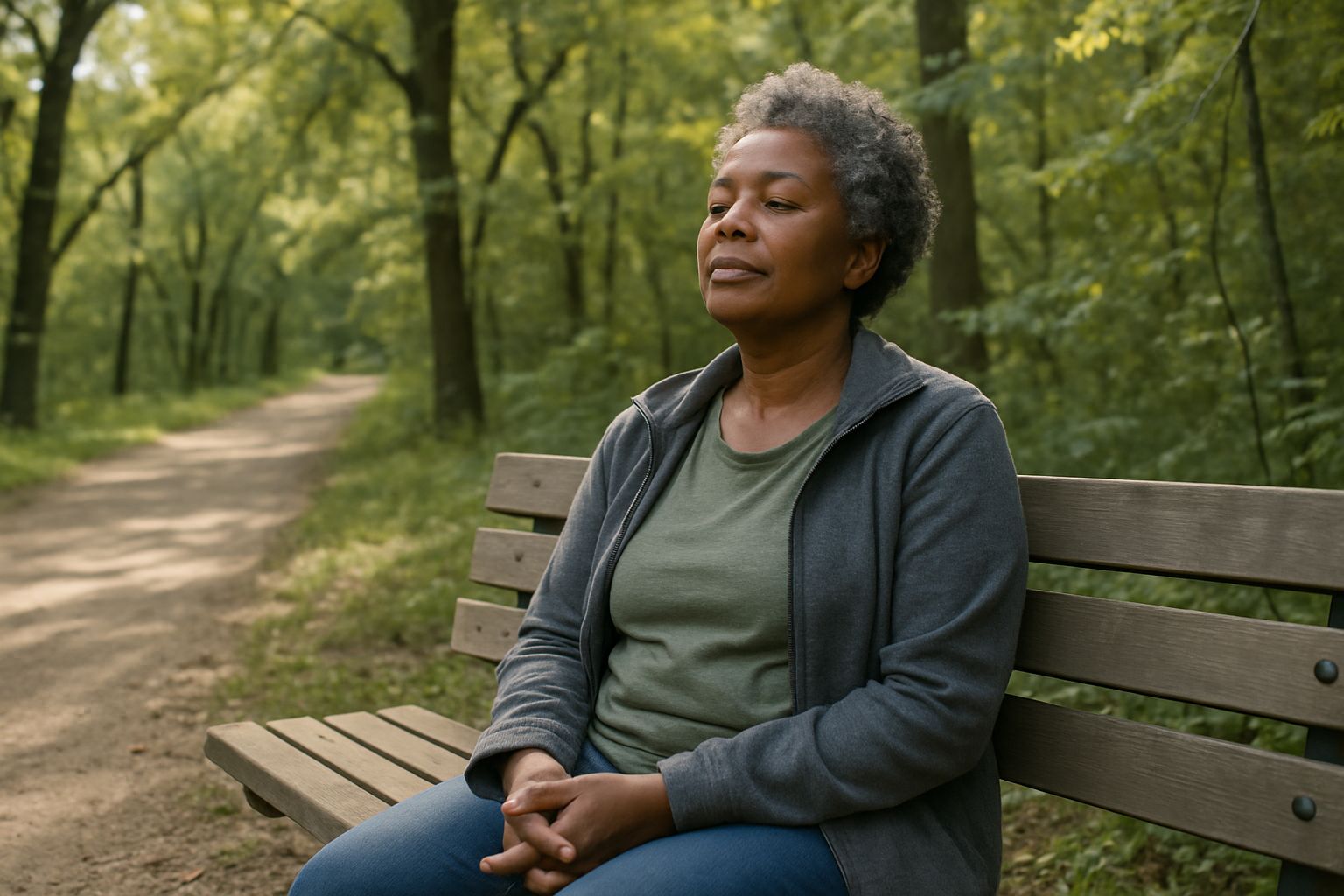
When you stack everything together — the serotonin from soil bacteria, the cortisol reduction from green environments, the dopamine from harvesting, the emotional resilience built through seasonal cycles, the social connection found in community gardens — what you end up with is a therapeutic practice of extraordinary breadth. Gardening touches nearly every dimension of human health simultaneously, and it does so gently, progressively, and at virtually no cost.
What makes gardening truly remarkable as a wellness practice is its accessibility. It scales to fit any life. A person managing chronic illness can find deep benefit in tending a few pots on a patio. A child with ADHD can build focus and self-regulation through the structured sensory engagement of a small vegetable patch. An older adult navigating isolation can find genuine community and purpose in a shared garden plot. The entry point is always available, and the benefits compound with time.
Health Dimension How Gardening Helps Accessible Entry Point Mental Health Reduces cortisol, increases serotonin and dopamine 10 minutes of hands-in-soil gardening Emotional Resilience Builds purpose, acceptance, and patience through plant cycles Growing one plant from seed to harvest Physical Health Low-impact exercise, vitamin D, and immune system diversity Weekly outdoor gardening sessions Social Connection Community gardens reduce loneliness and build belonging Joining a local community garden plot Cognitive Function Restores directed attention and improves focus Phone-free time in any green space
The table above illustrates just how comprehensively gardening addresses human health — and how low the barrier to entry is for each dimension. You don’t need to master all of it at once. Pick one area that resonates most right now, find the simplest entry point, and let the practice grow from there. The garden will meet you where you are. For more insights, explore our sustainable urban garden maintenance guide.
Frequently Asked Questions
The questions below address the most common points of curiosity and hesitation that come up when people first start exploring gardening as a health and wellness practice. Whether you’re completely new to plants or returning to gardening after a long gap, these answers will help you move forward with clarity and confidence.
Quick Reference: Gardening & Mental Health Facts
• Effect size of 0.55 for gardening’s positive impact on well-being (meta-analysis)
• Cortisol levels drop measurably within minutes of entering a green environment
• Mycobacterium vaccae in soil triggers serotonin production through skin contact
• Even 20-minute park visits produce measurable mood improvements
• Street trees alone are associated with reduced antidepressant prescription rates in surrounding neighborhoods
These aren’t soft, feel-good claims — they’re findings from peer-reviewed research and clinical practice. The science of gardening and nature connection has matured significantly over the past two decades, and the evidence base is now strong enough to inform genuine therapeutic recommendations.
If you’re still on the fence about whether gardening is worth your time and energy as a health investment, consider this: there is virtually no downside. Even if the benefits were half of what the research suggests, you’d still end up with fresh air, physical movement, a more beautiful living space, and — if you grow food — ingredients for dinner. The upside, however, is substantial.
How Long Do You Need to Garden Before Seeing Mental Health Benefits?
Some benefits are essentially immediate. Research measuring cortisol and self-reported stress levels shows significant reductions after a single gardening session of thirty minutes or less. The mood-lifting effect of Mycobacterium vaccae exposure through soil contact can occur within a single hands-in-the-dirt session. You don’t need weeks of practice to feel a difference.
That said, the deeper benefits — emotional resilience, a restored sense of purpose, improved sleep quality, reduced chronic anxiety — build over time with consistent practice. Most research on horticultural therapy programs observes meaningful improvements in mental health outcomes after six to eight weeks of regular participation, typically involving two to three sessions per week.
The honest answer is: you’ll feel something the first time, and it will deepen the more you show up. Treat it less like a supplement with a dosing schedule and more like a relationship — the more consistently you invest in it, the more it gives back.
Can Indoor Gardening Provide the Same Benefits as Outdoor Gardening?
Indoor gardening provides many of the same core benefits — the caregiving ritual, the serotonin response from soil contact, the mood lift from interacting with living plants, and the cognitive benefit of a consistent nurturing practice — but it doesn’t fully replicate outdoor gardening. The outdoor environment adds vitamin D from sunlight, the microbiome diversity of natural soil, the physical exercise of larger-scale garden tasks, and the broader sensory immersion of being in a natural setting. Each of these contributes uniquely to the overall health picture.
Think of indoor gardening as a highly effective complement to outdoor exposure rather than a complete substitute. During winter months or for people without outdoor access, indoor plants and indoor growing systems like AeroGarden Harvest Elite or simple windowsill herb kits maintain the connection habit and deliver genuine benefits. But whenever outdoor access is available, prioritize it. The full-spectrum experience of an outdoor garden is simply richer.
Is Gardening Suitable for Children With ADHD?
Yes — and the evidence is particularly compelling. Children with ADHD consistently show improved attention and reduced hyperactivity symptoms following time in natural, green environments. The structured, sensory-rich nature of garden tasks — digging, planting, watering, observing growth — provides the kind of engaged, low-pressure focus that supports attention regulation without the demand characteristics of classroom work. Several school-based garden programs have documented improvements in behavior, focus, and emotional regulation in students with ADHD who participate regularly.
For parents considering this approach, start with fast-growing, visually rewarding plants that provide quick feedback: radishes (ready in as few as 22 days), sunflowers, and cherry tomatoes all give children the rapid, tangible results that sustain engagement. Assign specific, manageable responsibilities — watering on Tuesday and Thursday, checking for pests on weekends — to build a routine alongside the sensory benefit.
What Is the Best Starter Plant for Someone New to Gardening?
For an outdoor beginner, zucchini (Cucurbita pepo) is hard to beat: it grows fast, produces abundantly, tolerates beginner mistakes, and delivers the satisfying harvest experience that builds long-term gardening motivation. For indoor beginners, Pothos (Epipremnum aureum) is the gold standard — it tolerates low light, irregular watering, and neglect while remaining visually lush and rewarding. Either choice gives a new gardener the early wins that make the habit stick, contributing to the mental benefits of gardening.
How Does Community Gardening Help With Loneliness?
Community gardening addresses loneliness through a mechanism that’s different from most social interventions: it gives people a shared purpose before it asks them to form relationships. In most social settings, connection is the explicit goal, which can feel pressured and artificial. In a community garden, the explicit goal is growing food — and connection emerges naturally as a byproduct of working alongside people over time, sharing knowledge, exchanging produce, and solving problems together.
This kind of slow, task-based relationship building is the type that research consistently links to genuine reductions in loneliness — not the superficial social contact that can paradoxically increase feelings of isolation. Community psychology research highlights that shared garden spaces create a specific sense of belonging that extends beyond the garden itself, strengthening neighborhood ties and social trust more broadly.
For anyone experiencing isolation — whether due to life transitions, geographic relocation, retirement, or simply the accumulated disconnection of modern urban life — a community garden plot offers something genuinely rare: regular, repeated, meaningful contact with other people, grounded in a shared investment in something living and growing. That combination is powerful, and it’s available in most communities right now. For those interested in starting their own community garden, here is an interactive guide with tips.