Article-At-A-Glance
- Urban gardening covers everything from windowsill herb pots to rooftop raised beds — and there’s a method that fits every city living situation.
- Taking an interactive urban garden quiz is the fastest way to match your space, goals, and lifestyle to the right gardening method.
- City gardens provide proven benefits including better access to fresh food, reduced environmental impact, and stronger mental well-being.
- One urban gardening mistake beginners consistently make could be costing you your entire first harvest — and it’s easier to avoid than you’d think.
- Whether you have a balcony, a spare corner, or just a windowsill, there’s an urban garden style built for your exact situation.
You don’t need a backyard — or even a patch of dirt — to grow your own food in the city.
Urban gardening has exploded in popularity because it solves a real problem: city dwellers want access to fresh, homegrown food but have limited space to work with. Whether you’re eyeing your apartment balcony, a sunny windowsill, or the flat rooftop of your building, the right gardening method can turn any square foot of urban space into something productive. The challenge isn’t motivation — it’s knowing which method actually fits your life.
That’s exactly what this guide tackles. From breaking down every major type of urban garden to walking you through an interactive urban garden quiz, this is your complete starting point for growing food in the city — the smart way.
What Every Urban Gardener Needs to Know First
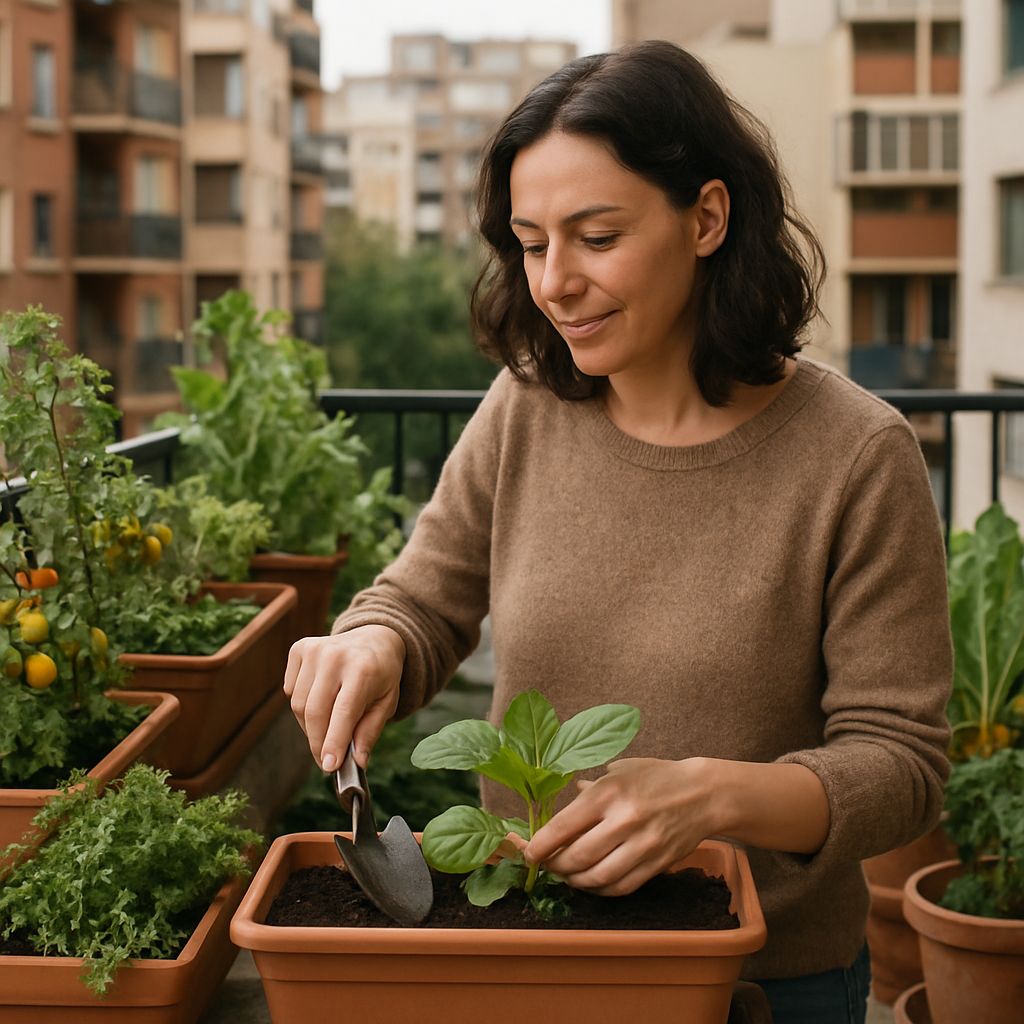
Urban gardening — also called urban agriculture or urban farming — is the practice of cultivating plants and food in city environments. It’s a broad term that covers everything from a single basil plant on a kitchen counter to a full community garden feeding an entire neighborhood. For those interested in starting their own urban garden, exploring self-watering window boxes can be a great first step.
What makes urban gardening unique is the creativity it demands. Space is limited, sunlight is often interrupted by buildings, and access to soil isn’t guaranteed. But those constraints have pushed city growers to develop some of the most innovative growing systems in modern agriculture — vertical towers, hydroponic rigs, and container setups that outperform traditional plots in efficiency.
Quick Fact: Urban gardening includes herb gardens, vegetable plots, beekeeping, container gardens, rooftop farms, and even small-scale chicken farming — all within city limits. If it grows in an urban setting, it qualifies.
What Urban Gardening Actually Covers
Urban gardening is far more than growing tomatoes on a fire escape. It includes hydroponic systems that grow plants in water without soil, vertical wall gardens that turn bare walls into food-producing surfaces, community plots that bring neighborhoods together around shared harvests, and indoor setups that run year-round regardless of the weather outside. If you’ve only thought of urban gardening as container plants on a balcony, the full picture is going to open up a lot of new possibilities for you.
Why City Gardens Matter More Than You Think
Access to healthy food is unevenly distributed across cities. Community gardens and urban farms directly address food deserts — areas where fresh produce is scarce or unaffordable. Beyond food access, green spaces in dense urban environments have measurable effects on air quality, local temperature regulation, and the mental health of residents. Growing something in a city isn’t just a hobby. It’s a genuine contribution to where you live. For more ideas, explore this urban greening guide.
7 Types of Urban Gardens You Can Start Today
Choosing your urban garden style comes down to your space, your goals, and your available time. Here’s a clear breakdown of every major method so you can see what actually fits your situation.
1. Container Gardens
Container gardening means growing plants in pots, buckets, window boxes, or any vessel that holds soil — rather than planting directly in the ground. It’s the most accessible entry point for urban growers because it works on balconies, windowsills, patios, and even indoors. You control the soil quality, the drainage, and the placement entirely.
The flexibility of container gardening is its biggest strength. You can move plants to chase sunlight throughout the day, bring them inside during cold snaps, and scale your garden one pot at a time. Tomatoes, peppers, lettuce, herbs, and strawberries all perform exceptionally well in containers when given the right pot size and consistent watering. For more ideas, explore this urban greening guide to enhance your container garden.
2. Vertical Gardens
A vertical garden grows plants upward using structural support — wall-mounted panels, stacked planters, trellises, or freestanding tower systems — rather than spreading outward across horizontal ground. This method is a game-changer for urban growers who have virtually no floor space but plenty of wall or fence area to work with. For more ideas, check out this urban greening guide.
Vertical gardens are particularly effective for growing leafy greens, herbs, strawberries, and compact fruiting plants like cherry tomatoes. The key is ensuring each level of the structure gets adequate light and that your irrigation system reaches every planting pocket evenly.
Example Setup: A 6-foot vertical tower planter mounted on a south-facing balcony wall can grow up to 30 individual plants in the same footprint as a single large container — making it one of the highest-yield options for space-limited urban growers.
3. Rooftop Gardens
Rooftop gardens are collections of container plants — and sometimes raised beds — maintained on the flat roof of a building. They’re common on apartment buildings, commercial properties, and urban housing complexes. Before committing to a rooftop setup, always check with your building’s property management or structural engineer, since rooftop load limits are a real safety consideration.
When done right, rooftop gardens benefit from maximum sun exposure with fewer obstructions than ground-level plots. They’re ideal for larger container vegetables, dwarf fruit trees, and raised bed setups. Many urban rooftop farms also incorporate rainwater collection systems to reduce irrigation costs.
The wind exposure at the rooftop level is something many beginners underestimate. Windbreaks — simple structures or dense plantings along the perimeter — protect young plants and reduce moisture loss significantly.
4. Hydroponic Gardens
Hydroponics grows plants directly in a nutrient-rich water solution, eliminating the need for soil. It’s one of the most space-efficient and water-efficient growing methods available, using up to 90% less water than traditional soil gardening while producing faster growth rates. Lettuce, spinach, basil, and kale thrive in hydroponic systems and can go from seedling to harvest in as little as three to four weeks.
5. Community Gardens
Community gardens are shared outdoor spaces where city residents cultivate individual or collective plots. They’re often managed by neighborhood organizations, nonprofits, or local governments, and they serve as both food sources and social hubs. For people without any private outdoor space, a community garden plot is frequently the best — and sometimes only — option for growing vegetables in the ground. For more insights on urban gardening, check out this MasterClass article.
Beyond the practical food production, community gardens build genuine neighborhood connections. Working alongside other growers creates knowledge-sharing opportunities that accelerate every gardener’s learning curve, regardless of experience level.
6. Indoor Gardens
Indoor gardens operate entirely inside — using natural window light, grow lights, or a combination of both to sustain plant growth year-round. They’re the ideal solution for apartment dwellers with no outdoor access and for growers in climates with harsh winters that make outdoor growing seasonal at best.
Herbs are the most popular indoor crop for good reason — they’re compact, fast-growing, and used constantly in cooking. But with a quality full-spectrum LED grow light, indoor growers can successfully cultivate leafy greens, microgreens, and even compact fruiting plants like dwarf peppers and cherry tomatoes indoors with consistent results.
The investment in a reliable grow light system pays back quickly when you consider what fresh herbs and greens cost at the grocery store week after week. For those interested in maximizing their urban garden’s potential, exploring companion planting ideas can also be beneficial.
7. Raised Bed Gardens
Raised beds are contained growing structures — typically wooden, metal, or composite frames filled with high-quality soil mix — built above ground level. They’re a popular choice for community garden plots, backyard urban farms, and any space where the native soil is poor, compacted, or contaminated. A well-built raised bed gives you complete control over your growing medium from day one.
How to Pick the Right Urban Garden for Your Space
Picking the wrong garden type for your space is the number one reason beginners quit urban gardening before they see their first harvest. The good news is that matching your method to your situation is straightforward once you know what to look for.
Before you buy a single seed or pot, you need to honestly assess three things: how much space you actually have, how much consistent sunlight that space receives, and what you realistically want to grow. Those three factors will eliminate most of the wrong options immediately and point you directly at the methods that will actually work for your situation.
- Windowsill or countertop only: Container gardens and indoor grow setups are your best fit
- Small balcony or patio: Vertical gardens and container gardens maximize your limited floor space
- Rooftop access: Rooftop container gardens and raised beds give you the most growing potential
- No private outdoor space: Community gardens and hydroponic indoor setups are your primary options
- Spare room or basement: A full indoor grow light setup opens up year-round growing, regardless of climate
One thing most guides skip over entirely is the importance of water access. If you have to carry water up three flights of stairs to reach your rooftop garden, that friction will wear you down fast. Your water source should be as close to your growing space as possible — it sounds obvious, but it’s a detail that derails a surprising number of first-time urban garden setups.
Light is the other factor that separates thriving urban gardens from struggling ones. South-facing spaces in the northern hemisphere receive the most consistent sunlight throughout the day. East-facing spots get strong morning light. West-facing areas get afternoon sun. North-facing spaces are the most challenging for fruiting plants, but can support shade-tolerant greens and herbs reasonably well.
Assess Your Available Space and Light
Start by measuring your actual usable space — not just the square footage of your balcony or rooftop, but the area that receives at least six hours of direct sunlight daily. Most vegetables need that minimum to produce a meaningful harvest. Leafy greens and herbs can get by on four hours, which makes them the go-to crops for shadier urban spots.
Observe your space at different times of day before committing to a garden layout. A balcony that feels sunny in the morning may be completely shaded by an adjacent building from noon onward. Spend a single full day tracking the light, and you’ll have all the information you need to make a smart planting decision. For more insights on how to choose the best plants for your space, check out this pollen-free terrace garden guide.
Match Your Garden Type to Your Goals
If your primary goal is growing your own food as efficiently as possible, hydroponics and vertical gardens deliver the highest yield per square foot. If you want the social experience and access to ground-level planting, a community garden plot is the clear choice. If you simply want fresh herbs on your kitchen counter without any outdoor space requirements, a small indoor container setup or a compact hydroponic unit like an AeroGarden Harvest Elite handles that perfectly with almost zero maintenance learning curve.
Key Mistakes Beginners Make When Choosing a Method
The biggest mistake is choosing a method based on aesthetics rather than practicality. Rooftop gardens look incredible, but if your building doesn’t allow them or the structural load limit is a concern, that dream garden becomes a liability. The second most common mistake is overcommitting on scale too early — starting with 20 containers when 4 well-managed ones would teach you far more and actually produce food. Start with the method that fits your real constraints, get one successful harvest under your belt, and then scale up from there.
The Urban Garden Quiz: Find Your Perfect Garden Style
“Personalized Solutions for Your Un …” from thelivingfarm.org and used with no modifications.
The fastest way to cut through the overwhelm of choosing an urban garden method is to answer a few targeted questions about your actual situation. That’s exactly what this interactive urban garden quiz is designed to do — match you to the gardening approach that fits your space, your schedule, and your goals without any guesswork.
Think of this quiz as a personalized filter. Instead of reading through every possible gardening method and trying to self-diagnose the best fit, your answers do the work. Most people who take this quiz discover that their ideal garden type is different from what they assumed when they started reading — and that shift alone saves weeks of trial and error.
How to Use This Quiz
Work through each question and keep track of which letter — A, B, C, or D — you choose most often. Each letter corresponds to a garden profile outlined in the results table below. Answer based on your current situation, not the situation you wish you had. Honest answers produce accurate results, and accurate results mean a garden that actually works.
There are no wrong answers here. Every result points to a legitimate, productive urban gardening method that real city growers use successfully every day. The goal is just to find your specific starting point.
Quiz: What Type of Urban Gardener Are You?
Question 1 — How much space do you have to work with?
A) Just a windowsill or countertop B) A small balcony or patio C) A rooftop or shared outdoor area D) A spare room or indoor space
Question 2 — How much daily sunlight does your space receive?
A) Less than 3 hours B) 3–5 hours C) 5–7 hours D) 7+ hours of direct sun. For more tips on optimizing your garden space, check out this urban gardening guide.
Question 3 — How much time can you realistically dedicate to your garden each week?
A) Under 1 hour B) 1–3 hours C) 3–5 hours D) 5+ hours — I’m genuinely committed
| Mostly A’s | Mostly B’s | Mostly C’s | Mostly D’s |
|---|---|---|---|
| Indoor Container or Hydroponic Garden | Vertical or Balcony Container Garden | Community Garden or Raised Beds | Rooftop Garden or Full Urban Farm Setup |
| Low maintenance, minimal space, grow herbs and greens year-round | Space-efficient, high yield per square foot, ideal for leafy greens and herbs | Ground-level soil gardening, social growing environment, larger crop variety | Maximum growing potential, full vegetable and fruit production, highest investment |
Keep in mind that your quiz result is a starting point, not a hard limit. Many experienced urban growers combine two or three methods — for example, running a small hydroponic indoor setup for herbs year-round while maintaining a community garden plot for larger vegetables in the warmer months.
How to Act on Your Quiz Results
Once you know your garden profile, your next steps become much clearer. Here’s how to move forward based on your result:
- Indoor Container or Hydroponic: Start with a 3-pod or 6-pod hydroponic unit and grow basil, mint, and lettuce first — they’re fast, rewarding, and nearly foolproof
- Vertical or Balcony Container: Invest in a quality vertical planter tower and pair it with a drip irrigation timer to reduce daily maintenance
- Community Garden or Raised Beds: Contact your local parks department or search community garden directories to find available plots near you
- Rooftop or Full Urban Farm: Get a structural assessment of your rooftop load capacity before purchasing any equipment, then design your layout around your heaviest containers
Whichever result you landed on, the single most important next action is to start small and get one successful growth completed before expanding. A single thriving container of cherry tomatoes teaches you more about your specific microclimate, watering habits, and growing style than any amount of research.
Resources like MasterClass feature urban gardening courses from experienced growers that pair well with your quiz results — practical, hands-on instruction that accelerates the learning curve significantly, regardless of which garden method you’re starting with. For additional tips, you might explore our guide on pollen-free terrace gardens.
4 Proven Benefits of Urban Gardening
Urban gardening delivers returns that go well beyond fresh produce. The benefits stack up across food security, environmental impact, mental health, and community — and each one is backed by real-world outcomes from city growers around the globe.
1. Access to Fresh, Healthy Food
Growing your own food in the city puts nutritionally dense, chemical-free produce directly on your table — without relying on supply chains that can add days or weeks between harvest and consumption. For residents in food deserts, where grocery store access is limited and fresh produce is scarce or expensive, community gardens and home urban plots represent a genuine, practical solution to food insecurity. Even a small container garden producing herbs and leafy greens reduces grocery spending meaningfully over a full growing season.
2. Reduced Environmental Impact
Urban gardens reduce the carbon footprint associated with transporting food from rural farms to city grocery stores. Rooftop gardens specifically help reduce the urban heat island effect — the phenomenon where cities trap heat due to concrete and asphalt — by replacing heat-absorbing surfaces with vegetation that cools the surrounding air through evapotranspiration. Green walls and rooftop plantings also contribute to stormwater management by absorbing rainfall that would otherwise overwhelm city drainage systems.
3. Mental Health and Wellbeing

Gardening has a measurable positive effect on mental health. The act of tending to plants — watering, pruning, observing growth — creates a reliable daily ritual that reduces stress and promotes mindfulness. For city dwellers who spend the majority of their time in built environments with limited nature exposure, a personal garden plot provides consistent, accessible contact with living systems. That connection has real value for focus, mood, and overall well-being in ways that are difficult to replicate through other urban activities.
4. Stronger Community Connections
Community gardens do something that very few other urban initiatives manage to pull off — they bring together people from completely different backgrounds around a shared, tangible goal. When you’re gardening alongside your neighbors, knowledge flows freely. Experienced growers pass down techniques to beginners, cultural planting traditions get shared across generations, and the simple act of tending a shared space builds trust in ways that organized community events often struggle to replicate.
The social infrastructure that grows up around a community garden often extends well beyond the garden itself. Neighborhood networks form, local food swaps emerge, and residents develop a genuine sense of investment in their shared environment. That kind of connection is one of the most underrated benefits of urban gardening — and it’s impossible to put a price on it.
3 Interactive Tips to Grow Your Urban Garden Faster
Knowing your garden type is the starting point. Growing it successfully is where most beginners hit friction. These three tips are specifically designed for urban growers dealing with limited space, variable light, and busy schedules — and each one has a direct, measurable impact on how quickly your garden produces results.
The difference between an urban garden that thrives and one that gets abandoned after six weeks usually comes down to systems, not effort. When your garden is set up intelligently from the start, it demands less of you while delivering more. That’s the entire philosophy behind these tips.
- Prioritize crops with fast turnaround times — lettuce, radishes, and herbs give you visible progress within two to three weeks, which keeps motivation high during the early stages
- Use self-watering containers to reduce daily maintenance and prevent the two most common beginner killers: overwatering and underwatering
- Group plants by water and light needs so your care routine becomes efficient rather than plant-by-plant guesswork
- Label everything — plant variety, planting date, and expected harvest window — so you’re tracking real data, not relying on memory
These habits separate growers who get consistent harvests from those who get sporadic results and eventually give up. Build them into your routine from the very first planting, and they become second nature within a single growing season.
1. Start Small and Scale Up
Resist the urge to fill every available inch of space in your first season. Starting with three to five well-chosen containers gives you the chance to actually understand your microclimate — how the light shifts through the day, how quickly your soil dries out, which spots get wind exposure — before you commit to a larger setup. One thriving, well-managed container of cherry tomatoes or a productive herb box will teach you more than ten neglected pots ever could. Get your first harvest, then expand with the knowledge that harvest gave you.
2. Use Vertical Space to Multiply Your Growing Area
- Wall-mounted pocket planters are ideal for herbs and compact greens on balcony walls or fences
- Freestanding tower planters like the Tower Garden FLEX can grow up to 28 plants in a 2.5-square-foot footprint
- Stackable planter systems work well for strawberries, lettuce, and shallow-rooted herbs
- Trellises and garden netting allow climbing plants like cucumbers, beans, and peas to grow upward rather than outward
The math on vertical gardening is compelling. A standard 4-foot by 4-foot balcony area used for conventional container gardening might support 6 to 8 plants comfortably. That same area with a floor-to-ceiling vertical system can support 25 to 40 plants — a yield increase that transforms what’s possible in a tight urban space.
The key to making vertical systems work long-term is irrigation. Hand-watering every level of a tall vertical planter is time-consuming and easy to do unevenly. A simple drip irrigation system connected to a battery-powered timer eliminates that problem entirely and ensures every plant at every level receives consistent moisture without daily intervention on your part.
Light distribution is the other variable to watch closely with vertical setups. The top levels of a vertical planter almost always receive more direct sun than the lower levels. Rotate your plants periodically — moving shade-tolerant crops like lettuce and mint to the lower tiers and sun-hungry plants like basil and cherry tomatoes to the top — to maximize the productivity of every level in your system.
3. Track Your Garden Progress Weekly
Urban gardens operate in dynamic environments — light angles shift with the seasons, temperatures fluctuate, and plants move through growth stages faster than most beginners expect. Growers who track their garden’s progress weekly catch problems early, recognize patterns that improve future plantings, and build a personal knowledge base that makes every subsequent season more productive than the last.
Weekly tracking doesn’t need to be complicated. A simple notebook or a free app like Garden Manager or Planta works perfectly. Note what you planted, when you planted it, how your plants look each week, and when you harvest. After just one full growing season of consistent tracking, you’ll have a personalized growing calendar that’s more useful than any generic planting guide written for a region that isn’t yours.
The data you collect also helps you diagnose problems faster. If your basil always shows signs of stress in week three, your tracking record will reveal whether that coincides with a watering change, a light shift, or a temperature drop — patterns you’d never identify reliably from memory alone.
Simple Weekly Garden Log Template:
Date: _________________ Week Number: _________________
What I planted this week: ________________________________________________
General plant health (1–10): _______________________________________________
Any issues observed (yellowing, pests, wilting): ________________________________
What I harvested: ___________________________________________________________
Adjustments made (watering, light, fertilizer): __________________________________
Notes for next week: _________________________________________________________
Consistent tracking is the single habit that separates good urban growers from great ones. The garden that gets observed and adjusted regularly will always outperform the one that gets watered occasionally and hoped for.
Your Urban Garden Starts With One Small Step
Every thriving urban garden — from a rooftop farm producing hundreds of pounds of food per season to a windowsill herb box feeding a single household — started with one decision to begin. You now have the framework to choose the right garden type for your space, the quiz results to validate that choice, and the practical tips to make your first grow a success. The only thing left is to take the first step — pick up a pot, grab some seeds, and start.
Frequently Asked Questions
Here are the most common questions urban gardening beginners ask — answered directly so you can move forward with confidence. For more insights, explore our urban greening guide for companion planting ideas.
What is the easiest urban garden to start as a beginner?
A container garden is the easiest urban garden to start as a beginner. It requires minimal investment, works in virtually any space with adequate light, and gives you full control over your growing conditions from the outset. A few quality pots, good potting mix, and a selection of herbs or leafy greens are all you need to get started.
For beginners who want even less guesswork, a small countertop hydroponic unit like the AeroGarden Harvest Elite handles lighting, water levels, and nutrient delivery automatically — making it genuinely difficult to fail on your first grow. Herbs and lettuce in a hydroponic system can be ready to harvest in as little as three to four weeks from planting.
Can I grow vegetables in an apartment with no outdoor space?
Yes — growing vegetables in an apartment with no outdoor space is entirely achievable with the right setup. The key is supplementing natural light with a full-spectrum LED grow light and choosing crops that perform well in indoor conditions.
- Leafy greens — lettuce, spinach, arugula, and kale all grow well indoors under grow lights
- Herbs — basil, mint, chives, parsley, and cilantro are among the most productive indoor crops
- Microgreens — grow from seed to harvest in 7 to 14 days on a simple tray with no grow light required near a bright window
- Cherry tomatoes and dwarf peppers — possible indoors with a strong grow light and consistent pollination (a small fan or gentle hand-pollination works well)
The most important investment for apartment growing is light quality. A full-spectrum LED panel in the 2000–4000 lumen range, positioned 6 to 12 inches above your plants, replicates natural sunlight closely enough to produce real harvests year-round, regardless of your window situation.
Start with herbs and microgreens first. They’re fast, forgiving, and immediately useful in your kitchen — which keeps motivation high while you build your indoor growing confidence before tackling larger, more demanding crops.
How much does it cost to start an urban garden?
The startup cost for an urban garden ranges from as little as $20 for a basic windowsill container setup to $300 or more for a quality hydroponic system or a full vertical tower garden setup. A practical beginner container garden — three to five pots, quality potting mix, and a seed selection — typically costs between $40 and $80, depending on your container choices. Community garden plot fees vary by city but commonly range from $25 to $75 per season for a standard plot.
The ongoing costs are minimal once you’re set up. Seeds are inexpensive, potting mix gets refreshed seasonally at low cost, and most urban garden setups pay back their initial investment in reduced grocery spending within a single growing season — especially if you focus on high-value crops like fresh herbs, salad greens, and cherry tomatoes that carry a premium price at the grocery store.
What plants grow best in urban environments?
The plants that consistently perform best in urban environments are those that tolerate variable light, container growing, and the specific microclimates that city spaces create. Herbs — particularly basil, mint, rosemary, chives, and parsley — are the top performers across virtually every urban growing situation. Leafy greens, including lettuce, spinach, kale, and arugula, are close behind, producing reliable harvests in containers, vertical systems, and hydroponic setups alike.
For growers with more sun exposure — six or more hours of direct daily light — cherry tomatoes, dwarf peppers, cucumbers on a trellis, and bush beans are all strong urban producers. Radishes deserve a special mention for beginners: they go from seed to harvest in as little as 22 days, making them the fastest feedback loop available in urban gardening and an excellent confidence-builder for first-time growers.
How do I know which urban gardening method suits my lifestyle?
The best way to identify the right urban gardening method for your lifestyle is to honestly assess your space, your available light, and the amount of time you can realistically dedicate to your garden each week. If you’re working with minimal space and limited time, a small hydroponic countertop unit or a compact container setup with self-watering pots is your most sustainable option. If you have more space and genuine enthusiasm for hands-on growing, vertical gardens or a community garden plot will give you the scale and variety to stay engaged long-term.
The interactive urban garden quiz earlier in this guide is specifically designed to match your situation to a recommended method in under five minutes. Working through those questions with honest answers eliminates most of the guesswork that causes beginners to choose the wrong starting point and give up before they get their first harvest.
If you’re still uncertain after the quiz, start with the simplest possible version of your top two options and run them simultaneously for one season. Grow herbs in a container indoors while also joining a community garden waitlist. The hands-on experience of a single season will tell you more about what actually fits your lifestyle than any amount of pre-planning research.
The right method is ultimately the one you’ll actually maintain consistently — not the most impressive setup, not the highest-yield system, and not the one that photographs best for social media. Sustainability and consistency are what produce real harvests in urban gardening, and those qualities are only found in a method that genuinely fits how you live.
Explore MasterClass for world-class urban gardening instruction from growers who have transformed city spaces into thriving, productive gardens — and take what you’ve learned here as your foundation to grow something great.
Urban gardens are a fantastic way to bring greenery into city spaces, offering both aesthetic and environmental benefits. However, maintaining a garden in an urban environment can be challenging due to limited space and exposure to pollutants. To ensure your garden thrives, consider using smart sensors that help monitor plant health and environmental conditions.