Article-At-A-Glance
- Allergy-resistant soil covers are woven, permeable materials that block weed growth, reduce allergen buildup, and protect root systems — all without contaminating the soil.
- Permeable ground covers outperform herbicides, plastic mulch, and mechanization across cost, plant safety, and long-term soil health.
- UV-treated woven ground covers combine exceptional mechanical strength with multi-year durability — but the additive composition is what separates good from great.
- These covers are expanding fast beyond greenhouse use into open-field crops like avocado, coffee, mango, and even hydroponic berry systems.
- The science of cover materials — from light transmission to moisture control — directly impacts how well your crops grow, and choosing wrong costs more than you think.
Most farmers don’t realize their weed control method is quietly working against their soil — and that’s exactly where allergy-resistant ground cover technology steps in.
Woven permeable ground covers have evolved from a niche greenhouse accessory into one of the most technically advanced soil management tools available to modern growers. Whether you’re managing a large-scale avocado operation in Latin America or a hydroponic berry system in a climate-controlled facility, the ground beneath your crops deserves the same level of innovation as everything above it. Companies like UbiGro are at the forefront of agricultural cover technology, helping growers make smarter decisions about the materials shaping their growing environments.
Allergy-Resistant Soil Covers Are Changing How Farmers Manage the Ground
For decades, weed control and soil management followed a predictable playbook — spray herbicides, run machinery, or lay down plastic sheeting. Each method got the job done on the surface, but none of them addressed what was happening underneath. Permeable woven ground covers are now rewriting that playbook entirely.
“Ground cover tends to be associated exclusively with greenhouse use, but it actually has tremendous potential in open-field crops as well.”
— Laurent Duvergey, Ademar (Importer & European Distributor for a leading ground cover manufacturer)
The shift is happening fast. Across Latin America, Central America, and protected crop facilities worldwide, growers are replacing legacy weed control methods with permeable ground cover systems that do far more than block sunlight. They regulate moisture, stabilize root temperatures, reduce allergen and agrochemical runoff, and hold up for years under harsh UV conditions.
What Makes a Soil Cover “Allergy-Resistant”
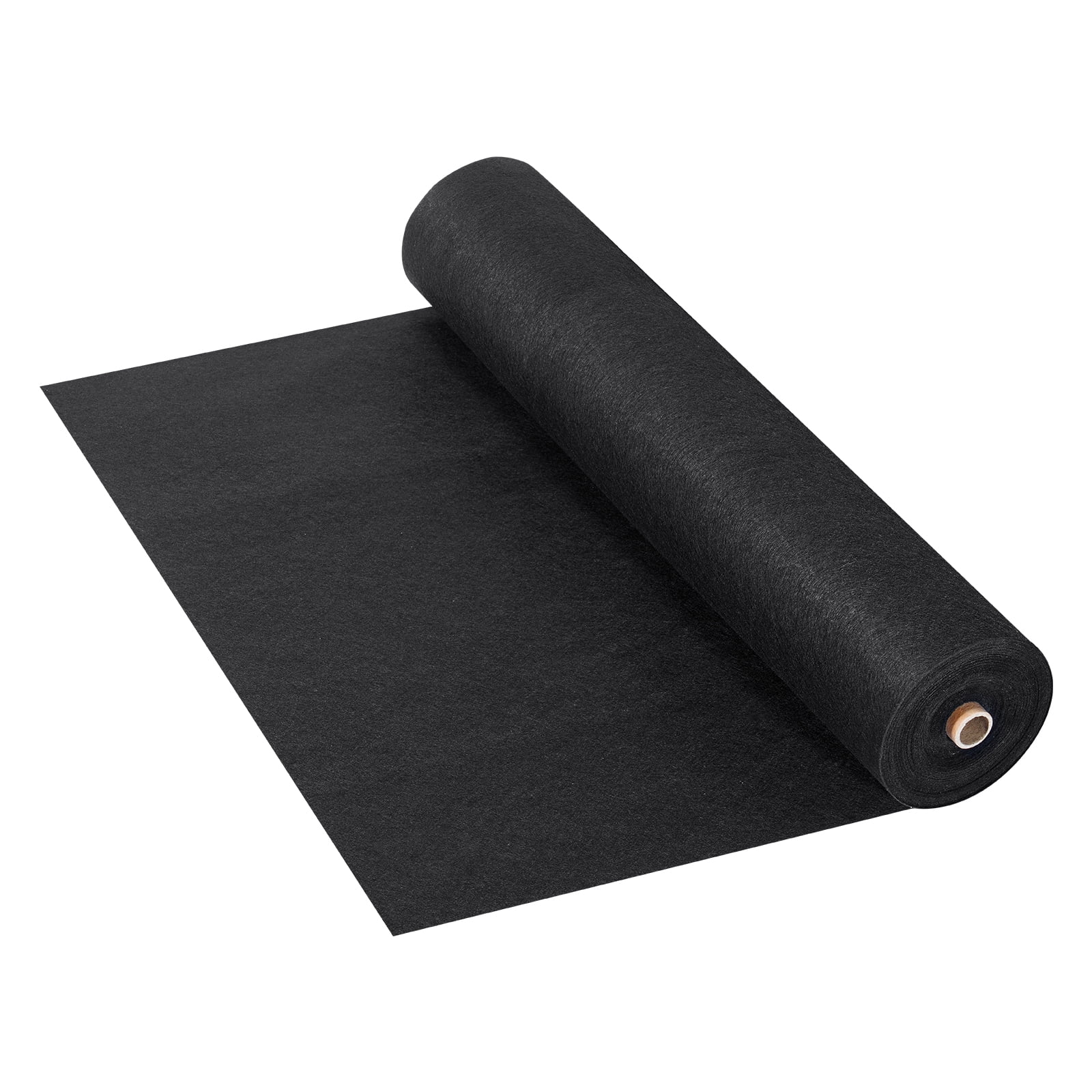
“Soil Cover” from www.walmart.com and used with no modifications.
The term “allergy-resistant” in soil technology refers to a cover material’s ability to suppress the biological conditions that produce airborne and soil-borne allergens — primarily by blocking weed growth, retaining balanced moisture, and preventing the proliferation of mold-producing organic debris. It’s less about the fabric rejecting allergens chemically and more about creating an environment where allergen-producing organisms simply can’t thrive.
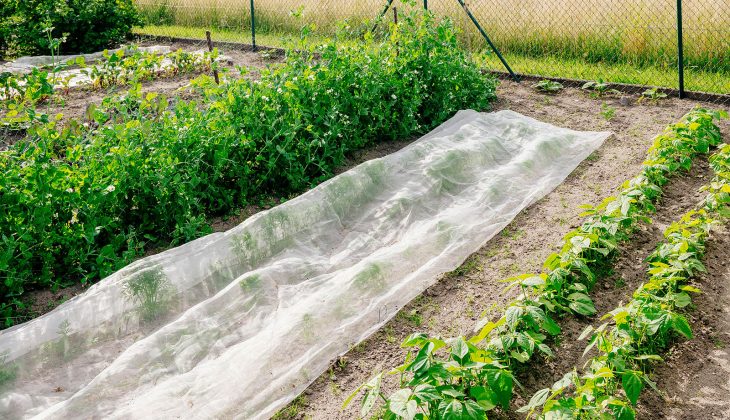
Woven ground covers create a physical barrier that denies weeds the light they need to germinate. No weeds means no pollen. Fewer decaying organic matter pockets mean less mold spore development. Combined with the cover’s permeability — which prevents waterlogging and the stagnant conditions that encourage fungal growth — the result is a significantly cleaner soil environment.
How Woven Ground Cover Differs From Plastic Mulch
Plastic mulch and woven ground cover might look similar to an untrained eye, but they behave in completely opposite ways once they’re down. Plastic mulch is impermeable — water pools on top, air can’t reach the root zone, and soil temperature swings become extreme. Woven ground cover is engineered specifically to let water and air pass through the fabric while still blocking weed germination. This single difference cascades into significant agronomic advantages, particularly for crops with sensitive root systems.
The Role of Permeability in Reducing Allergen Buildup
Permeability isn’t just about water drainage — it’s about maintaining a living, breathing soil ecosystem. When a cover traps moisture and restricts airflow, it creates warm, damp pockets that are ideal for mold, bacteria, and fungal allergen production. A permeable woven cover keeps that moisture moving, cycling air through the soil profile and preventing the stagnant conditions where allergen-producing organisms multiply. As Laurent Duvergey explains, “The cover allows water and air to pass through the fabric, preventing the soil from suffocating or drying out.”
UV Treatments and Additive Compositions That Boost Durability
A ground cover is only as good as how long it holds up under real field conditions. High-quality UV treatments and additive compositions built into the woven fabric prevent degradation from solar radiation, which in open-field tropical and subtropical environments can be intense year-round. The mechanical resistance of these materials — their ability to resist tearing, stretching, and breakdown under foot traffic and farm equipment — is directly tied to the quality of those additives.
Inferior UV stabilizers degrade within a single season, leaving behind microplastic fragments and a cover that no longer blocks weeds or manages moisture effectively. Premium woven covers with high-quality additive compositions maintain their structural integrity for multiple growing seasons, making them a genuinely cost-effective long-term investment compared to annual replacement of cheaper alternatives.
The 4 Main Weed Control Methods and Why Ground Cover Wins
There are four primary methods growers use to manage weeds, and each comes with its own set of trade-offs. Understanding where each falls short is key to understanding why permeable ground cover is gaining ground so quickly across diverse agricultural systems.
1. Herbicides: Soil Contamination Risks
Herbicides are fast and scalable, but they come with a cost that doesn’t show up immediately on your balance sheet. Chemical residues accumulate in the soil over repeated applications, disrupting microbial communities that are essential to nutrient cycling. Runoff carries those chemicals into waterways and neighboring ecosystems. For certified organic operations, herbicides aren’t even on the table. And as weed resistance to common active ingredients continues to build globally, the efficacy of herbicide programs is declining while input costs rise. For more insights, explore the science of agricultural covers to boost plant growth potential.
2. Mechanization: High Labor Costs and Plant Damage
Mechanical cultivation removes weeds physically, which sidesteps the chemical contamination issue — but it introduces a different set of problems. Operating costs are high, both in labor and equipment maintenance. More critically, tillage and mechanical weeding regularly damage shallow root systems, particularly in perennial crops like avocado and citrus where root architecture extends broadly just beneath the soil surface. Repeated mechanical disturbance compacts soil over time, reducing the very permeability that healthy root zones depend on. For those interested in alternatives, exploring organic soil options can be a sustainable approach.
For high-value specialty crops, the risk-to-reward ratio of mechanization simply doesn’t add up when a physical cover system can eliminate the problem without touching the root zone at all.
3. Plastic Mulch: Permeability and Durability Failures
Plastic mulch remains widely used because it’s inexpensive upfront and effective at blocking weeds short-term. But the hidden costs are significant. It creates an anaerobic environment at the soil surface, cutting off oxygen to roots and disrupting the aerobic microbial activity that drives nutrient availability. Drainage is compromised, and in heavy rainfall events, water accumulates rather than infiltrates — leading to root rot, fungal pressure, and crop loss.
Durability is another problem. Standard plastic mulch degrades under UV exposure, breaking down into microplastic fragments that contaminate the soil for years. The labor cost of removing and disposing of degraded plastic at the end of each season adds up fast, particularly on large-scale operations. For more information on the science behind these issues, you can explore agricultural covers and their impact.
4. Permeable Ground Cover: The Balanced Solution
Permeable woven ground cover hits the mark where every other method falls short. It blocks weeds physically without chemicals, requires no mechanical intervention after installation, allows water and air to move freely through the soil profile, and lasts multiple seasons under UV exposure. The economics work at scale, too — a single installation that performs for three to five seasons costs significantly less per year than repeated herbicide applications or annual plastic mulch replacement. For those interested in organic soil options for native plants, this method complements sustainable gardening practices beautifully.
Soil Health Benefits Beyond Weed Control
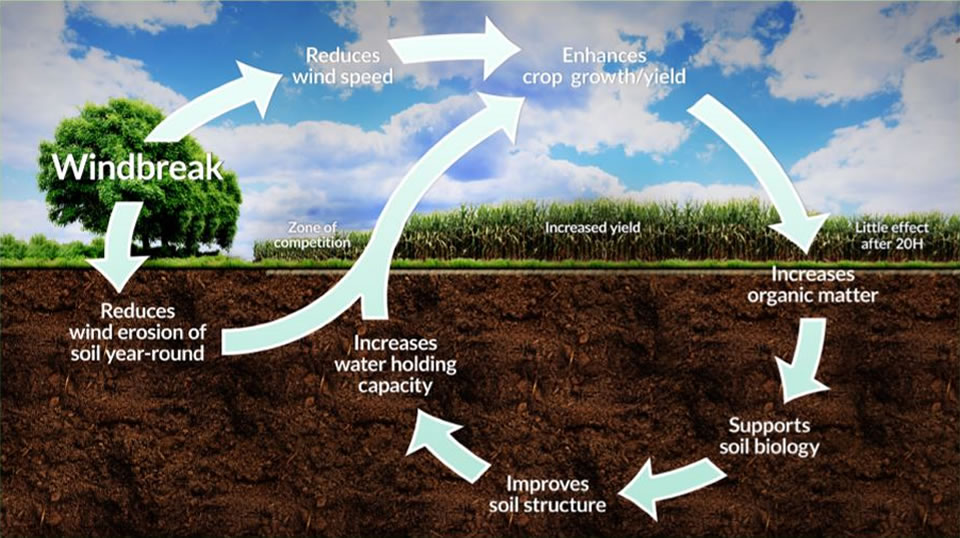
“Soil Health” from www.fs.usda.gov and used with no modifications.
- Reduced soil erosion — The woven fabric anchors the soil surface, preventing rain impact from dislodging topsoil and carrying nutrients away.
- Stabilized root zone temperatures — Cover materials buffer extreme heat and cold, protecting sensitive root systems from temperature swings.
- Improved moisture retention — Permeability keeps water moving through the system rather than evaporating rapidly from exposed soil surfaces.
- Reduced agrochemical runoff — By slowing water movement across the soil surface, ground covers keep fertilizers and treatments where they belong — in the root zone.
- Suppressed allergen production — Eliminating weed growth cuts pollen output dramatically, and stable moisture levels reduce mold-producing conditions.
The benefits of permeable ground cover stack on top of each other in ways that are hard to fully appreciate until you see the cumulative effect across a full growing season. Weed suppression alone would justify the investment for most operations — but the downstream soil health improvements are where the real agronomic value compounds.
Healthy soil is a living system. Microbial communities, earthworm activity, fungal networks, and nutrient-cycling organisms all depend on a stable, aerated, and appropriately moist environment to function. When a ground cover maintains that environment consistently — rather than swinging between waterlogged and bone-dry — those biological systems thrive, and your crops feel the difference directly in yield and quality.
It’s also worth noting what permeable ground cover doesn’t do — it doesn’t sterilize or chemically alter the soil biology the way repeated herbicide use does. The root zone remains a living ecosystem. The cover simply manages the surface conditions that determine whether that ecosystem flourishes or struggles.
Temperature and Moisture Stability for Root Systems
Root systems are remarkably sensitive to temperature fluctuation. In open-field environments, bare soil surfaces can swing by 20°C or more between early morning and peak afternoon heat, stressing roots and triggering defensive responses that redirect plant energy away from growth and fruit development. Woven ground covers act as a thermal buffer, moderating those extremes and maintaining a more consistent root zone temperature throughout the day. Combined with the moisture stability that permeability provides, roots experience a fundamentally less stressful growing environment — and that translates directly into stronger vegetative growth and higher yields.
Reduced Soil Erosion and Agrochemical Runoff
Every time rain hits bare soil at speed, it dislodges particles. It carries them — along with any applied fertilizers, pesticides, and micronutrients — away from the root zone and into surrounding waterways. Permeable ground covers intercept that rainfall energy at the surface, allowing water to infiltrate gradually rather than sheet across the ground. The result is measurably less topsoil loss and significantly better retention of applied agrochemicals in the active root zone, which means your inputs work harder and your environmental footprint shrinks at the same time.
Where Allergy-Resistant Ground Covers Are Being Used
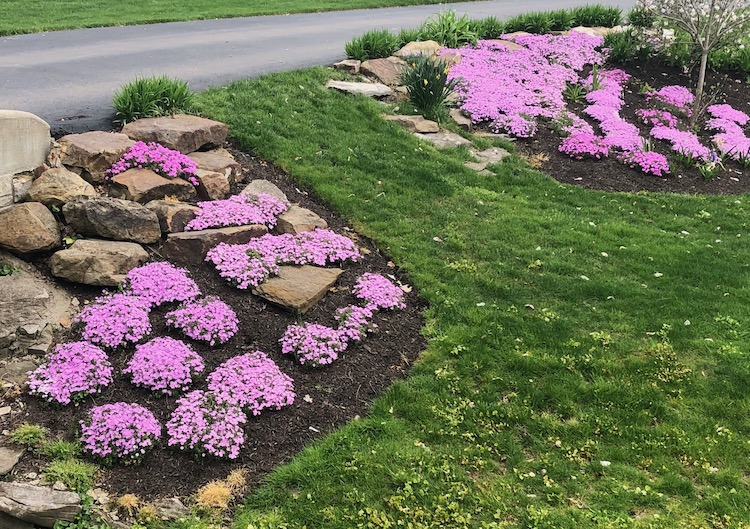
“Groundcover Plants | The Old Farmer’s …” from www.almanac.com and used with no modifications.
One of the most significant shifts in how growers perceive permeable ground cover is the rapid expansion of its applications. For years, this technology was considered primarily a greenhouse tool — useful for managing pathways between raised beds and keeping facilities clean. That perception has changed dramatically as growers in open-field environments have begun reporting the same soil health and weed suppression benefits at the field scale.
The expansion has been particularly notable across Latin America and Central America, where diverse crop types and challenging climate conditions have accelerated adoption. From tropical fruit orchards to high-altitude coffee plantations, permeable ground covers are proving their versatility across agricultural systems that traditional greenhouse-focused suppliers never anticipated serving.
Greenhouse and Protected Crop Applications
Inside protected growing environments, ground covers serve a dual function — weed and pest suppression in pathways and growing zones, and facility cleanliness management. In hydroponic and semi-hydroponic greenhouse systems, maintaining a clean floor surface is critical for disease prevention. Permeable covers allow natural drainage while preventing soil splash-back, which can carry pathogens from the floor to the plant canopy. For more insights, explore the truths and myths about greenhouse kits.
Temperature management inside greenhouses is also enhanced by ground covers. Reflective or light-colored woven covers can reduce heat buildup at floor level, while darker variants retain warmth in cooler climates. This flexibility makes them a practical tool across a wide range of protected growing configurations, from tropical lowland facilities to high-altitude climate-controlled operations.
Open-Field Crops: Papaya, Mango, Citrus, Avocado, and Coffee
Open-field applications represent the fastest-growing segment for permeable ground cover adoption. Crops like papaya, mango, citrus, avocado, and coffee all share a common challenge — they require long-term weed management over perennial growing cycles, and their root architectures are particularly vulnerable to the soil disturbance caused by mechanical weeding. Ground covers address both problems simultaneously, providing season-after-season weed suppression without touching the root zone.
In avocado and citrus orchards specifically, where surface roots extend broadly across large areas, the installation of woven ground cover has shown measurable improvements in soil moisture consistency and reductions in the labor hours required for ongoing weed management. Coffee plantations in steep-terrain regions benefit additionally from the erosion control properties of woven covers, which are critical where rainfall events are intense and topsoil is precious.
Hydroponic Systems and Berry Crops
Hydroponic systems demand a particularly clean growing environment — any contamination of the nutrient solution or root zone can cascade quickly into crop-wide disease pressure. Permeable ground covers installed beneath and around hydroponic growing channels manage drainage efficiently while keeping debris, soil particles, and opportunistic weed growth away from the root zone.
Berry crops — including strawberries, blueberries, and raspberries — present unique ground management challenges because of their low-growing habit and sensitivity to soil-splash-borne disease. Botrytis, for example, is a persistent fungal disease in strawberry production that travels readily via soil splash during irrigation or rainfall events. A permeable woven cover between rows dramatically reduces that splash-borne transmission pathway.
The drainage management benefits in berry systems are equally significant. Berries are sensitive to both drought stress and waterlogging, and permeable covers help maintain the consistent moisture profile that these crops perform best in. When combined with drip irrigation systems, ground covers essentially close the loop on moisture management — delivering water precisely to the root zone while the cover prevents evaporative losses and soil surface disruption.
- Botrytis suppression — Reduces soil splash transmission of fungal spores in strawberry and raspberry production.
- Drainage optimization — Keeps moisture levels consistent without waterlogging in berry root zones.
- Facility cleanliness — Minimizes debris and organic matter accumulation around hydroponic infrastructure.
- Weed elimination — Prevents weed competition in low-growing berry canopy systems where weeds are most damaging.
Reservoir Coverage Using Bayco Cable Systems
One of the less discussed but technically interesting applications for permeable ground cover is in combination with tensioned Bayco cable systems for reservoir coverage. In this configuration, ground cover material is suspended over water storage reservoirs using a cable tensioning system, reducing evaporation from open water surfaces while allowing rainfall to pass through and replenish the reservoir below.
This application highlights just how far the technology has moved beyond its greenhouse origins. Managing water resources efficiently is one of the defining challenges of modern agriculture, and using permeable cover technology to reduce reservoir evaporation losses is a practical, low-maintenance solution that fits cleanly into integrated water management strategies on larger farming operations.
UbiGro Covers and the Science of Light-Optimized Agricultural Covers
While woven ground covers manage what happens at soil level, the science of agricultural covers extends upward into the growing canopy — and this is where light optimization becomes critical. UbiGro covers represent a distinct category of agricultural cover technology focused on modifying the spectral quality of light reaching plants, rather than managing soil surface conditions. These covers use fluorescent particles embedded in the film material to convert UV and green light wavelengths into additional red light — the wavelength most actively used in photosynthesis.
The practical impact of this light conversion is measurable improvement in photosynthetic efficiency, which translates into faster growth rates, improved yields, and in some crop types, enhanced fruit quality and coloration. Polycarbonate, standard plastic film, and UbiGro covers each interact with the light spectrum differently, and understanding those differences is increasingly essential for greenhouse operators making capital investment decisions about their covering systems. Heat retention characteristics, moisture influence on internal humidity, and UV transmission profiles all vary significantly between cover material types — and each variable has a direct downstream effect on crop performance. For more insights, you might explore greenhouse kits myths and realities.
How Cover Materials Affect Light Transmission and Photosynthesis
Every cover material placed over or around a growing system changes how light reaches the plant — and light is the single most fundamental input in crop production. Standard plastic greenhouse films transmit broad-spectrum light relatively uniformly, but they don’t do anything to optimize which wavelengths reach the canopy. Polycarbonate panels filter out UV entirely, which reduces certain pest pressures but also removes wavelengths that influence secondary metabolite production in crops like herbs, tomatoes, and peppers. UbiGro covers take a fundamentally different approach by actively converting less-useful light wavelengths into photosynthetically active red light, boosting the quality of what the plant actually receives rather than just managing quantity.
Heat Retention and Moisture Control in Greenhouse Covers
Heat retention and moisture management inside a greenhouse are directly shaped by cover material choice, and getting this wrong creates cascading problems throughout the growing season. Polycarbonate panels retain heat well but trap humidity unevenly, creating condensation zones that promote fungal disease pressure on upper canopy leaves. Standard single-layer plastic films lose heat rapidly at night, requiring supplemental heating systems that drive up operating costs significantly in cooler climates. For those considering alternatives, exploring greenhouse kits might offer some insights into better heat retention solutions.
Maintaining optimal humidity levels matters far beyond simple plant comfort. Humidity directly affects evapotranspiration rates, which in turn influences how aggressively plants draw water and nutrients from the root zone. A cover material that lets humidity run too high suppresses transpiration, slows nutrient uptake, and creates ideal conditions for Botrytis and powdery mildew. One that vents too aggressively forces the plant into water stress during peak temperature hours. The right cover material for your specific climate and crop type is a precision decision, not a general one.
- Polycarbonate panels — Excellent structural durability and UV filtration, but block wavelengths that influence secondary metabolite production; lifespan typically 10 to 15 years.
- Standard polyethylene film — Low upfront cost and broad-spectrum light transmission, but limited heat retention and typically requires replacement every 3 to 4 years.
- Thermal anti-drip films — Designed to reduce condensation droplets and improve nighttime heat retention; better disease management but higher material cost than standard film.
- UbiGro luminescent covers — Convert UV and green light to photosynthetically active red light; documented improvements in growth rate and yield across multiple crop types without additional energy input.
Choosing a greenhouse cover is ultimately a systems-level decision. The material you select affects your heating costs, disease pressure, photosynthetic efficiency, humidity management, and the longevity of your infrastructure investment simultaneously. Growers who evaluate covers purely on upfront material cost consistently underestimate the total cost of ownership — and leave meaningful yield improvement on the table.
Permeable Ground Cover Is No Longer Just a Greenhouse Tool
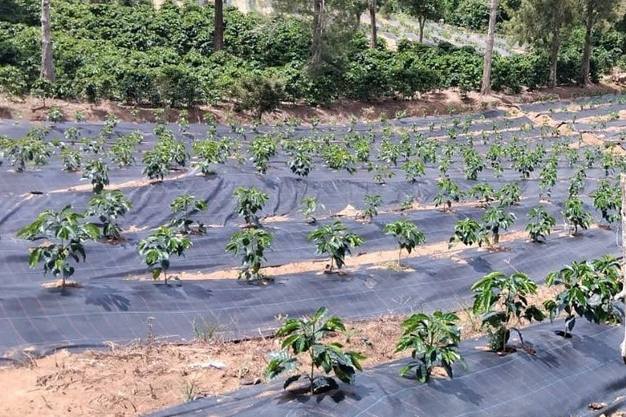
“Permeable ground covers offer weed …” from www.freshplaza.com and used with no modifications.
The clearest signal that permeable ground cover technology has matured is where it’s showing up now. Coffee plantations in steep terrain, avocado orchards in semi-arid climates, open-field papaya and mango operations in tropical lowlands, hydroponic berry facilities — these are not traditional greenhouse environments, and they’re exactly where the fastest adoption is happening. The agronomic case has been made by real-world performance across diverse crop types and climates, not just controlled trials. For those interested in sustainable practices, exploring the best sustainable flowering vegetables can provide additional insights into optimizing these environments.
The economic case has followed close behind. When growers calculate the true cost per season of herbicide programs — including application labor, chemical inputs, resistance management, and environmental compliance — against a permeable cover installation that performs across multiple seasons, the numbers consistently favor the cover. Add the downstream benefits of reduced soil erosion, improved moisture retention, and lower disease pressure from cleaner soil surface conditions, and the return on investment calculation becomes straightforward.
Comparative Overview: Weed Control & Soil Management Methods
Method Weed Control Soil Health Impact Allergen Risk Multi-Season Use Cost Over Time Herbicides High short-term Negative (chemical buildup) High (weed regrowth cycles) No (reapplication required) High (ongoing inputs) Mechanization Moderate Negative (soil compaction, root damage) Moderate No (ongoing labor) Very High (labor + equipment) Plastic Mulch High short-term Negative (anaerobic, microplastic contamination) Moderate No (annual replacement) Moderate (annual material + disposal) Permeable Woven Ground Cover High long-term Positive (aerated, stable moisture) Low Yes (multi-season durability) Low (amortized over seasons)
The direction of travel in agricultural soil management is unmistakable. Regulatory pressure on herbicide use is increasing in key markets. Consumer demand for residue-free and environmentally responsible production continues to climb. Growers who build permeable ground cover systems into their soil management strategy now are positioning themselves ahead of compliance requirements and market expectations that are already arriving — not somewhere in the distant future.
Frequently Asked Questions
Below are the most common questions growers ask when evaluating allergy-resistant soil cover technology for the first time.
What is the difference between allergy-resistant ground cover and regular plastic mulch?
Allergy-resistant woven ground cover is permeable — it allows water and air to pass freely through the fabric while physically blocking weed germination. Regular plastic mulch is impermeable, which means water pools on the surface, air cannot reach the root zone, and the anaerobic conditions created underneath accelerate soil health decline. Woven covers also contain UV stabilizing additives that extend their functional lifespan across multiple growing seasons, while plastic mulch typically degrades within a single season, fragmenting into microplastic particles that persist in the soil long after the material has lost its effectiveness. For more sustainable gardening options, consider exploring sustainable flowering vegetables that complement your choice of ground cover.
How does permeable ground cover reduce allergens in agricultural settings?
The primary allergen reduction mechanism is weed suppression. Weeds are the dominant source of airborne pollen allergens in agricultural settings, and a woven ground cover that prevents weed germination eliminates that source at the root. No weeds means no pollen-producing flower heads reaching maturity.
Beyond pollen, permeable covers also reduce mold spore production by preventing the stagnant, moisture-saturated surface conditions that mold-producing organisms require. The permeability of the cover keeps air moving through the soil surface layer, which is the opposite of the environment where fungal allergen producers thrive. Growers managing facilities where workers spend extended time in close proximity to the soil surface — harvesting, transplanting, pruning — see measurable reductions in worker allergen exposure when woven covers are installed correctly. For those looking to further enhance their gardening practices, consider exploring sustainable gardening tips to complement these covers.
Can allergy-resistant soil covers be used in open-field farming, not just greenhouses?
Absolutely — and open-field applications are now the fastest-growing segment of the market. Crops including avocado, mango, papaya, citrus, coffee, and open-field berry production have all demonstrated strong agronomic results with permeable woven ground covers installed around the base of plants or across inter-row zones. The key requirement is selecting a cover with UV stabilizing additives rated for outdoor exposure in your specific climate zone, since tropical and subtropical environments with intense year-round solar radiation place higher demands on the material than temperate climates.
Steep-terrain crops like coffee benefit particularly from the erosion control properties of woven covers on slopes where rainfall energy would otherwise drive significant topsoil loss. The physical barrier the fabric creates at the soil surface intercepts rainfall impact, allowing water to infiltrate gradually rather than sheet across the surface and carry nutrients downhill. For perennial crops managed over multi-year production cycles, this erosion protection compounds into meaningful long-term soil health improvement.
How long do UV-treated woven ground covers typically last in outdoor conditions?
Lifespan varies based on the quality of UV stabilizers and additive compositions incorporated during manufacturing, as well as the intensity of solar radiation in the installation environment. High-quality woven ground covers with premium UV treatment formulations can maintain structural integrity and functional weed suppression effectiveness for multiple growing seasons — typically in the range of three to five years under normal open-field conditions in temperate climates. For more information on ground covers, you can read about permeable ground covers and their benefits.
In high-UV tropical and subtropical environments, premium-grade covers with advanced additive compositions still perform across multiple seasons, while lower-grade materials may begin showing mechanical degradation within the first year of exposure. The practical takeaway is straightforward: the additive composition quality at the time of manufacturing determines the real-world durability of the product far more than the nominal UV rating printed on a specification sheet. Requesting third-party durability test data when evaluating suppliers is a worthwhile step before committing to a large-scale installation.
Are permeable ground covers safe to use alongside hydroponic systems?
Permeable ground covers are not only safe alongside hydroponic systems — they’re actively beneficial in those environments. Hydroponic facilities require strict cleanliness standards to prevent contamination of nutrient solutions and protect exposed root zones from opportunistic pathogens. Woven ground covers installed on floors and pathways around hydroponic growing channels prevent soil splash, manage drainage efficiently, and keep debris and organic matter away from the growing infrastructure.
In berry hydroponic systems specifically, where Botrytis and other splash-borne fungal diseases represent persistent crop loss risks, the installation of permeable covers between and beneath growing channels has been shown to reduce the primary transmission pathways for these pathogens. The covers allow drainage to move away from the root zone while the physical barrier prevents soil particles and organic debris from migrating into areas where they can contact roots or nutrient solutions.
Material compatibility is worth confirming before installation. High-quality woven covers manufactured with food-safe additive compositions are appropriate for use in hydroponic food production environments. Covers manufactured with lower-grade additives that may leach compounds under wet conditions should be avoided in systems where those compounds could enter the nutrient stream. Request material safety data from your supplier and confirm food-safety compliance before installing any ground cover in direct contact with hydroponic drainage zones.
If you’re ready to take a science-backed approach to your growing environment from the ground up, UbiGro provides innovative agricultural cover solutions engineered to optimize light, manage growing conditions, and deliver measurable crop performance improvements across greenhouse and open-field systems.