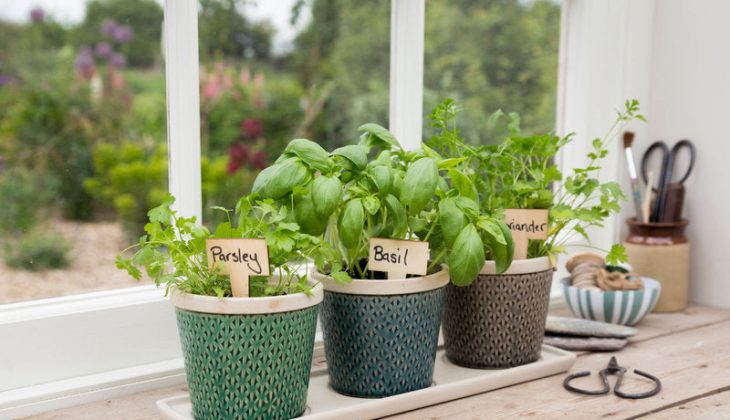
- Low-allergen herbs like basil, mint, chives, thyme, and parsley are insect-pollinated rather than wind-pollinated, meaning they release far less airborne pollen that triggers allergy symptoms.
- Mold growing in potting soil is often a bigger allergy trigger than the herbs themselves — choosing the right soil mix and drainage setup is critical.
- Several popular herbs, including chamomile and fennel, have strong cross-reactivity with common allergens like ragweed and should be avoided by allergy sufferers.
- Watering technique, container choice, and pruning habits all play a direct role in keeping your windowsill herb garden allergy-safe long term.
- There is one surprising herb on the “safe” list that most allergy sufferers automatically avoid — keep reading to find out which one it is.
You can absolutely have a thriving, fragrant herb garden on your windowsill without sneezing through the whole experience.
Most people assume herbs are automatically allergy-friendly because they’re small, tidy plants sitting on a kitchen windowsill. The reality is more complicated. Some herbs are genuinely low-risk for allergy sufferers, while others can trigger serious reactions — and the soil they’re growing in can be just as problematic as the plant itself. Understanding the difference is what separates a garden that soothes you from one that sends you reaching for antihistamines.
For those looking to build a natural, wellness-focused home environment, exploring natural remedy resources can help you make smarter choices about which plants belong in your space and why.
Your Window Sill Can Be an Allergy-Safe Herb Haven

“The Birth of Our Windowsill Herb Garden” from food52.com and used with no modifications.
A windowsill herb garden is one of the most accessible ways to bring natural remedies into your daily life. Fresh herbs are more than just cooking ingredients — many have documented anti-inflammatory, antimicrobial, and immune-supportive properties that have been used in traditional medicine for centuries. The key is building your garden intentionally rather than just grabbing whatever looks good at the garden center. For a comprehensive guide on selecting the right plants, check out this allergen-friendly herb planting guide.
The good news is that with the right plant selection and setup, your windowsill can become a genuinely allergy-safe zone. The herbs that thrive indoors — basil, mint, chives, thyme, parsley, and oregano — happen to be among the lowest allergen producers in the plant world. That’s not a coincidence. These herbs evolved to be pollinated by insects, not the wind, so they have no biological reason to flood the air with pollen.
Why Most Herb Gardens Trigger Allergies (And How to Avoid It)
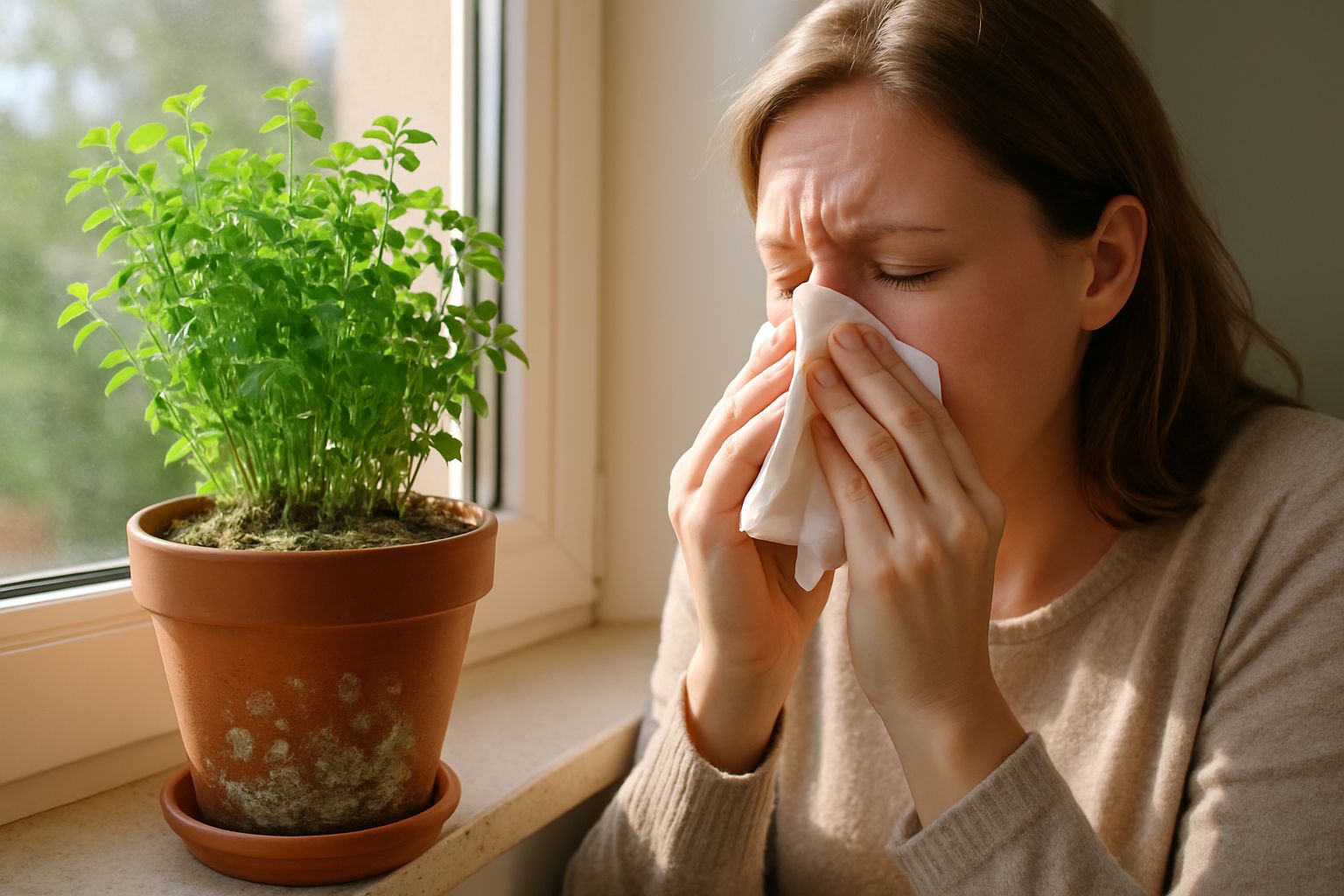
The problem usually isn’t the herb — it’s the setup. Most people bring home herbs from a nursery, drop them into a decorative pot without drainage, place them on a sunny windowsill, and water them on a fixed schedule. Within a few weeks, the soil is waterlogged, mold spores are multiplying, and the person living in the home is experiencing mystery allergy symptoms they’ve attributed to everything except their cute little herb collection.
There are two main culprits behind herb garden allergies: airborne pollen from the wrong plant species, and mold spores from improperly managed soil. Both are entirely preventable once you know what to look for.
How Indoor Air Circulation Spreads Herb Pollen
Indoors, pollen has nowhere to go. Outside, wind disperses pollen across large areas, diluting concentration. Inside your home, a single wind-pollinated herb on your windowsill can circulate pollen through your entire living space every time your HVAC system kicks on or a fan runs. This is why wind-pollinated herbs like fennel and dill are particularly problematic indoors — their pollen is specifically designed to travel through air, and your home gives it the perfect closed environment to do exactly that.
Insect-pollinated herbs, by contrast, produce pollen that is heavier, stickier, and designed to attach to a bee rather than float through the air. This is the fundamental biological reason why choosing the right species matters so much for an allergy-safe garden.
Mold in Soil: The Hidden Allergen in Most Window Gardens
Mold spores are present in virtually all potting soils, but they only become a problem when conditions allow them to multiply. Overwatering, poor drainage, low air circulation, and using heavy organic-rich soils all create the warm, damp environment that mold thrives in. For allergy sufferers, Aspergillus and Cladosporium mold species — both commonly found in potting mix — are well-documented triggers for respiratory symptoms and allergic reactions.
The Best Low-Allergen Herbs for a Window Sill Garden
The following herbs are all insect-pollinated, produce minimal airborne pollen, and are well-suited to indoor container growing. They also happen to be among the most useful herbs you can keep in a kitchen — both for cooking and for their natural remedy applications.
- Basil — anti-inflammatory, antimicrobial, low pollen producer
- Mint — supports digestion, decongestant properties, spreads via runners not pollen
- Chives — antifungal, immune-supportive, extremely low allergen risk
- Thyme — powerful antimicrobial, supports respiratory health, very low pollen dispersal
- Parsley — rich in antioxidants, anti-inflammatory, insect-pollinated
- Oregano — strong antimicrobial and antifungal properties, low airborne pollen
1. Basil
Basil (Ocimum basilicum) is one of the safest herbs for allergy sufferers and one of the most rewarding to grow indoors. It’s insect-pollinated, so airborne pollen is negligible. From a natural remedy standpoint, basil contains eugenol and rosmarinic acid — compounds with documented anti-inflammatory and antimicrobial activity. It needs a south-facing window and consistent moisture without waterlogging, making drainage-ready containers essential.
2. Mint
Mint (Mentha spp.) is a particularly smart choice for allergy sufferers because it spreads through underground runners rather than relying on pollen dispersal at all. Its primary active compound, menthol, has well-established natural decongestant and anti-inflammatory properties — meaning this herb can actually help relieve mild allergy symptoms rather than cause them. Grow mint in its own container since it aggressively spreads and will crowd out neighboring plants. To avoid common gardening mistakes, check out our guide on pollen-free gardening mistakes.
3. Chives
Chives (Allium schoenoprasum) are part of the allium family and share the antifungal and immune-supportive properties of garlic and onion in a much more windowsill-friendly form. They’re extremely low maintenance, tolerate partial light better than most herbs, and produce minimal pollen. Their mild onion flavor makes them one of the most versatile culinary herbs you can keep fresh on your counter.
4. Thyme
Thyme (Thymus vulgaris) deserves a prominent spot in any low-allergen garden. It’s one of the most well-researched herbs for respiratory support — thymol, its primary active compound, has documented antimicrobial properties and has been used in natural cough and bronchial remedies for generations. Thyme also prefers slightly dry conditions, which naturally discourages the mold growth that triggers so many indoor allergy problems. It’s one of the few herbs that actively works in your favor on multiple fronts.
5. Parsley
Parsley (Petroselinum crispum) is the herb most people already have in their kitchen — and it happens to be one of the safest choices for allergy sufferers growing indoors. It’s a biennial plant that rarely flowers in its first year, meaning pollen production is virtually nonexistent during the growing period most windowsill gardeners experience. To learn more about growing allergen-friendly herbs, check out this allergen-friendly herb planting guide.
Beyond its low allergen profile, parsley is genuinely impressive from a natural remedy standpoint. It contains high concentrations of apigenin, a flavonoid with documented anti-inflammatory properties, along with significant levels of vitamin C and vitamin K. Traditional herbalists have used parsley as a natural diuretic and digestive support herb for centuries. Information on growing herbs like parsley, can be discovered within the guide to growing kitchen windowsill herbs.
Parsley adapts well to indoor containers but prefers deep pots because of its taproot system. A container at least 8 inches deep gives it room to establish properly, which directly impacts how lush and productive the plant becomes.
- Choose curly parsley (Petroselinum crispum) for compact growth ideal for windowsills
- Flat-leaf Italian parsley produces more flavor but grows slightly taller
- Keep soil consistently moist but never waterlogged
- Harvest outer stems first to encourage continued center growth
- Avoid letting parsley bolt — once it flowers, flavor and potency drop significantly
One thing that surprises many allergy sufferers is that parsley is on the safe list at all. Because it belongs to the Apiaceae family — the same family as fennel and dill — people often assume it carries the same allergy risk. It doesn’t. The key difference is that parsley very rarely reaches the flowering stage indoors, keeping pollen production essentially at zero.
6. Oregano
Oregano (Origanum vulgare) rounds out the low-allergen windowsill lineup with one of the most potent natural remedy profiles of any culinary herb. Carvacrol and thymol — oregano’s primary active compounds — have been extensively studied for their antimicrobial and antifungal activity. Like thyme, oregano prefers drier soil conditions, which makes it a naturally mold-resistant choice for indoor growing. It’s also a compact grower that handles container life exceptionally well, rarely outgrowing a standard 6-inch pot.
Herbs to Avoid if You Suffer From Allergies

Not every herb belongs in an allergy-conscious windowsill garden. Several popular herbs carry genuine allergy risks — either because they’re wind-pollinated, because they have documented cross-reactivity with major allergens like ragweed, or because their aromatic compounds are strong enough to trigger sensitivities in some people. Knowing which ones to leave at the garden center is just as important as knowing which ones to bring home.
Chamomile and Its Link to Ragweed Cross-Reactivity
Chamomile is widely celebrated as a calming, anti-inflammatory herb — and for most people, it absolutely is. But for anyone with a ragweed allergy, chamomile represents a significant cross-reactivity risk. Both plants belong to the Asteraceae family, and the proteins that trigger ragweed immune responses are structurally similar enough to chamomile proteins that the immune system frequently mistakes one for the other. This phenomenon, known as cross-reactive allergy, means that ragweed sufferers who handle or inhale chamomile can experience the same sneezing, watery eyes, and nasal congestion they get during peak ragweed season.
This cross-reactivity extends beyond just touching the plant. Simply having chamomile growing indoors — especially if it reaches the flowering stage — can release enough aeroallergens into a closed home environment to trigger symptoms in sensitive individuals. If ragweed allergies are part of your picture, leave chamomile out of your windowsill setup entirely and explore mint or thyme as calming, allergy-safe alternatives.
Fennel and Dill as Common Allergy Triggers
Fennel (Foeniculum vulgare) and dill (Anethum graveolens) both belong to the Apiaceae family and are wind-pollinated plants — a significant problem in an indoor environment where pollen has nowhere to disperse. When these plants flower, they release fine, lightweight pollen particles that your home’s air circulation systems will happily distribute through every room. Both herbs also grow considerably larger than typical windowsill herbs, making them difficult to manage in containers before they reach the flowering stage.
There’s also a cross-reactivity concern with fennel and dill for people who are sensitive to birch tree pollen. The Oral Allergy Syndrome connection between birch pollen and Apiaceae family plants is well-documented, and for susceptible individuals, contact with fennel or dill can cause localized tingling or swelling. Neither herb is worth the risk when safer, equally flavorful options are readily available.
How to Set Up Your Low-Allergen Window Sill Garden
Getting the right plants is only half the equation. How you set up your windowsill garden — the soil you use, the containers you choose, where you position everything, and how you water — determines whether your garden stays allergy-safe long term or gradually becomes a mold and pollen problem despite your best plant choices.
The setup process is straightforward but intentional. Every decision you make at the beginning directly affects how manageable your garden is three months down the road, so it’s worth getting the fundamentals right before you plant a single herb.
Choosing the Right Allergy-Safe Potting Mix
Standard potting mixes are heavily amended with organic matter — peat moss, composted bark, and similar materials that retain moisture well but also create ideal conditions for mold growth. For allergy sufferers, a better approach is to use a well-draining mix that limits moisture retention without compromising root health. Look for mixes that include perlite or coarse sand as a significant component, or create your own blend using two parts standard potting mix to one part perlite. This ratio improves drainage substantially while still giving roots the structure they need. Information on cultivating herbs indoors, is provided in the guide to growing kitchen windowsill herbs.
Some allergy-conscious gardeners opt for coconut coir-based mixes as a peat alternative. Coconut coir is naturally resistant to mold and fungal growth, drains well, and has a neutral pH that suits most culinary herbs. It’s a genuinely useful swap for anyone whose primary concern is reducing mold spore exposure from their soil.
Picking Containers With Proper Drainage to Prevent Mold
Drainage holes are non-negotiable for an allergy-safe herb garden. Containers without drainage force water to accumulate at the root zone, creating the persistently damp conditions that mold requires to establish and spread. Unglazed terracotta pots are the gold standard for allergy-conscious growing — their porous walls allow moisture to evaporate through the sides of the pot, actively working against the waterlogged conditions that produce mold. Glazed ceramic and plastic containers can work well too, but only when they have adequate drainage holes and are paired with saucers that you empty promptly after watering.
Positioning Your Window Sill Garden for Optimal Light
Light positioning affects more than just plant growth — it directly influences how quickly soil dries between waterings, which in turn controls mold risk. A south-facing windowsill provides the most consistent, intense light for indoor herbs and also generates enough warmth to help soil surface moisture evaporate efficiently. This is where your most sun-demanding herbs — basil, oregano, and thyme — should live. For additional insights, you can read this guide on growing kitchen windowsill herbs.
East and west-facing windows provide moderate light that works well for parsley, chives, and mint. These herbs don’t require the intense light that basil does, and placing them in a slightly less intense position actually mimics their natural growing preferences. North-facing windows are generally insufficient for most culinary herbs without supplemental grow lighting.
Air circulation around your plants matters just as much as light direction. A small amount of airflow — from a gently cracked window or a low-setting fan positioned to move air across the room rather than directly at plants — helps soil surfaces dry between waterings and prevents the stagnant, humid microclimate that mold spores love.
Window Direction Quick Reference:
Window Direction Light Level Best Herbs South-facing High (6+ hours direct) Basil, Oregano, Thyme East-facing Moderate (morning sun) Parsley, Chives, Mint West-facing Moderate (afternoon sun) Mint, Chives, Parsley North-facing Low (indirect only) Grow light required
If your best available window is north-facing, a full-spectrum LED grow light positioned 6 to 12 inches above your herbs for 14 to 16 hours per day can effectively substitute for natural sunlight. Models like the Barrina T5 LED Grow Light provide sufficient spectrum coverage for culinary herbs without generating excessive heat that could stress plants or dry soil too aggressively.
Watering Techniques That Reduce Mold and Mildew Risk
The single most effective thing you can do to control mold in your windowsill herb garden is to water correctly. That means watering only when the top inch of soil is dry to the touch — not on a fixed daily or weekly schedule. Stick your finger into the soil before every watering session. If there’s any moisture at the top inch, wait. This simple check prevents the persistent dampness that allows mold to establish.
Bottom watering is worth considering for allergy-sensitive gardeners. By setting your containers in a shallow tray of water for 20 to 30 minutes and allowing the soil to absorb moisture from below, you keep the soil surface consistently drier than top watering allows. A dry soil surface is a significantly less hospitable environment for mold spore germination, which is exactly the outcome you want in an allergy-conscious growing setup.
Keeping Your Herb Garden Allergy-Safe Long Term
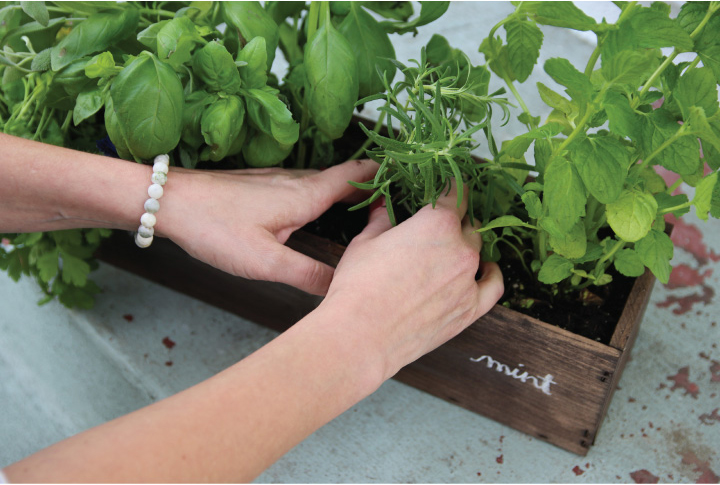
“How To Grow a Windowsill Herb Garden” from www.oliveandcocoa.com and used with no modifications.
Setting up your garden correctly gives you a strong foundation, but maintaining it properly is what keeps allergy symptoms from creeping back in over time. The two biggest long-term threats to an allergy-safe herb garden are mold buildup in aging soil and pollen release from herbs that are allowed to flower and go to seed. Both are manageable with simple, consistent habits that take very little time once they become routine. The pollen-free gardening mistakes guide, keeps you on track to building a strong Windowsill Herb Garden foundation.
Think of long-term maintenance as protecting your investment. You’ve chosen the right plants, set up proper drainage, and positioned everything for good light and airflow. The habits you build around soil replacement and pruning are what keep that setup performing the way it should month after month.
How Often to Replace Soil to Reduce Mold Buildup
Even with perfect watering technique and well-draining containers, potting soil degrades over time. Organic matter breaks down, drainage capacity decreases, and mold populations that were initially suppressed by dry conditions gradually accumulate through normal use. For allergy-conscious gardeners, replacing potting soil every 6 to 12 months is a practical maintenance standard. If you notice a persistent musty smell coming from your containers, white fuzzy growth on the soil surface, or a significant decline in drainage speed, those are signals to replace the soil immediately rather than waiting for the next scheduled refresh. When you do repot, clean the container thoroughly with a diluted white vinegar solution — one part vinegar to three parts water — before adding fresh mix, which eliminates any mold colonies that have established on the container walls.
Pruning Habits That Minimize Airborne Pollen
The single most effective pruning habit for allergy sufferers is preventing your herbs from ever reaching the flowering stage — a process called deadheading or pinching back. When herbs bolt and produce flowers, they also produce pollen. For insect-pollinated herbs like basil, oregano, and thyme, this pollen is relatively heavy and unlikely to become significantly airborne, but keeping plants in a vegetative state rather than a reproductive one eliminates even that minimal risk. Pinch back the growing tips of basil and mint whenever you see the plant developing a central flower stalk, cutting just above a leaf node to encourage bushy lateral growth instead. For thyme and oregano, a light trim of the top third of growth every few weeks keeps the plant compact, productive, and firmly out of the flowering stage that allergy sufferers want to avoid.
A Cleaner Window Sill Garden Means Fewer Allergy Symptoms

“I’m an allergy sufferer in the spring …” from www.aol.com and used with no modifications.
Building a low-allergen windowsill herb garden isn’t about limiting yourself — it’s about making informed choices that let you enjoy fresh herbs, natural remedies, and a living green space in your home without the allergy consequences that come from an unplanned approach. The herbs on the safe list are genuinely useful, flavorful, and medicinally active. You’re not settling for second-best plants. To continue gaining educational knowledge about windowsill herb gardening, review this guide to growing kitchen windowsill herbs.
The framework is straightforward: choose insect-pollinated herbs, use a well-draining soil mix with perlite or coconut coir, plant in terracotta containers with drainage holes, water only when the top inch of soil is dry, position plants in appropriate light for their species, and maintain a consistent pinching-back routine that prevents flowering. Every one of these steps addresses a specific, documented allergy trigger — none of them are guesswork.
- Plant selection: Stick to basil, mint, chives, thyme, parsley, and oregano — all insect-pollinated with minimal airborne pollen
- Soil: Use a perlite-amended or coconut coir-based mix to limit mold-friendly moisture retention
- Containers: Unglazed terracotta with drainage holes for maximum moisture management
- Watering: Finger-test the top inch of soil before every watering — water only when dry
- Light and airflow: South-facing window for sun-loving herbs, gentle air circulation to prevent stagnant humidity
- Pruning: Pinch back growing tips regularly to prevent bolting and pollen production
- Soil replacement: Refresh potting mix every 6 to 12 months, or immediately if mold signs appear
When every element of your setup is working together, your windowsill herb garden becomes one of the most genuinely wellness-supportive additions you can make to your home environment — fresh, natural, therapeutic, and allergy-safe all at once.
Frequently Asked Questions
Many allergy sufferers have the same core questions about indoor herb growing, and the answers are often more reassuring than people expect. The concern is legitimate — bringing plants into a closed home environment does introduce biological material that wasn’t there before. But the risk is highly manageable with the right knowledge, and in many cases, the herbs themselves offer direct therapeutic benefits that outweigh the minimal risks involved.
The questions below address the most common concerns from people who want a windowsill herb garden but are worried about making their allergy situation worse. Each answer draws on the specific mechanisms — pollen biology, mold science, and plant physiology — that determine real-world allergy impact rather than general precautionary advice.
Understanding the difference between theoretical risk and actual risk is what gives allergy sufferers the confidence to build the indoor garden they want without second-guessing every plant choice.
Quick Reference: Low-Allergen Herb Garden At a Glance
Herb Allergen Risk Pollination Type Natural Remedy Use Ideal Container Size Basil Very Low Insect Anti-inflammatory, antimicrobial 6–8 inches Mint Very Low Runner (vegetative) Decongestant, digestive support 8–10 inches (solo pot) Chives Very Low Insect Antifungal, immune support 6 inches Thyme Very Low Insect Antimicrobial, respiratory support 6 inches Parsley Very Low Insect Anti-inflammatory, antioxidant 8 inches (deep) Oregano Very Low Insect Antimicrobial, antifungal 6 inches Chamomile High (ragweed cross-reactivity) Insect Calming, anti-inflammatory Avoid indoors Fennel High (wind-pollinated) Wind Digestive support Avoid indoors Dill High (wind-pollinated) Wind Digestive support Avoid indoors
Can indoor herb gardens really worsen allergy symptoms?
Yes, indoor herb gardens can worsen allergy symptoms — but only when the wrong herbs are chosen or when mold is allowed to develop in the soil. Wind-pollinated herbs like fennel and dill release airborne pollen that circulates in a closed home environment. Herbs with cross-reactivity to major allergens, like chamomile’s connection to ragweed, can trigger immune responses through contact or inhalation. Soil mold from Aspergillus and Cladosporium species is a particularly common and overlooked indoor allergen source. Choosing insect-pollinated herbs and managing soil moisture properly eliminates the primary mechanisms behind herb garden-related allergy symptoms.
What is the most allergy-friendly herb to grow indoors?
Mint is arguably the most allergy-friendly herb for indoor growing because it doesn’t rely on pollen dispersal at all — it propagates through underground runners, keeping airborne pollen production essentially at zero. It also has genuine decongestant properties from its menthol content, meaning it can actively support mild allergy symptom relief rather than contributing to it. Thyme is a close second, offering a dry-soil preference that naturally discourages mold while providing documented respiratory support through its thymol content. The recommended resource for growing allergy-friendly herbs is allergen-friendly herb planting guide.
Does growing herbs near an open window increase pollen exposure?
Growing herbs near an open window does introduce a meaningful trade-off. While good airflow helps control indoor mold and prevents the stagnant humidity that encourages mold growth, an open window also allows outdoor pollen to enter — which can settle on soil surfaces or plant leaves and contribute to indoor allergen load during high pollen seasons. Additional guidance on cultivating these herbs can be found at the guide to growing kitchen windowsill herbs.
- During peak pollen seasons (spring tree pollen, summer grass pollen, fall ragweed), keep windows closed and rely on a small indoor fan for air circulation instead
- A HEPA air purifier in the same room as your herb garden significantly reduces both outdoor pollen that enters through windows and any indoor particulates from soil
- Position herbs away from the direct window opening so they benefit from indirect airflow rather than being directly in the path of incoming outdoor air
The practical solution is to adjust your window management seasonally. In low-pollen winter months, cracking a window near your herb garden improves air circulation beneficially. During high-pollen spring and fall periods, keeping windows closed and using mechanical airflow protects your indoor environment from the outdoor allergen burden that would otherwise make your carefully managed herb garden a moot point. Other practical solutions are found in the allergen-friendly herb planting guide.
A quality HEPA air purifier like the Levoit Core 300 or Coway AP-1512HH positioned in the same room as your windowsill garden provides an additional layer of protection by continuously filtering airborne particulates — including pollen, mold spores, and dust — from your indoor air regardless of the season. Keeping herbs healthy indoors often comes down to small adjustments in sunlight, watering, and airflow.
Can mold in herb garden soil trigger allergic reactions?
Yes, and this is one of the most underrecognized sources of indoor allergy symptoms. Aspergillus and Cladosporium mold species — both commonly found in standard potting mixes — are documented respiratory allergens. When mold colonies develop in persistently damp soil, they release spores into the surrounding air that are small enough to be inhaled deeply into the respiratory tract. Symptoms can include nasal congestion, sneezing, itchy eyes, and in sensitive individuals, asthma exacerbation. Using perlite-amended or coconut coir-based soil, watering only when the top inch of soil is dry, and replacing soil every 6 to 12 months are the most effective strategies for preventing mold-related allergy triggers in your herb garden.
Are hydroponic herb gardens better for allergy sufferers?
Hydroponic herb gardens eliminate soil entirely, which removes the primary mold-related allergy risk associated with traditional potting mix. For allergy sufferers whose main concern is mold spore exposure rather than plant pollen, a hydroponic setup like the AeroGarden Harvest or Click & Grow Smart Garden 9 is a genuinely superior option from an allergy management standpoint. The informational guide to windowsill gardening is windowsill herb garden. Enjoy your read.
The water reservoir in a hydroponic system does require regular cleaning to prevent algae and bacterial growth — issues that, while different from soil mold, can still contribute to indoor air quality problems if the system is neglected. Changing reservoir water every one to two weeks and cleaning the growing chamber between plant cycles prevents these issues from developing.
From a natural remedy perspective, herbs grown hydroponically produce the same active compounds as soil-grown herbs — thymol in thyme, menthol in mint, eugenol in basil — so the therapeutic value of the herbs themselves is not compromised by the growing method. The primary difference is in root health management and the absence of soil-based allergen risks.
For allergy sufferers who want the lowest possible maintenance burden alongside the lowest allergen risk, a countertop hydroponic system with insect-pollinated culinary herbs is the most practical and allergy-conscious approach to indoor herb growing available. Pair it with natural remedy knowledge from trusted resources like those focused on plant-based wellness, and your indoor herb garden becomes a genuine tool for supporting your health rather than a source of the symptoms you’re trying to avoid.