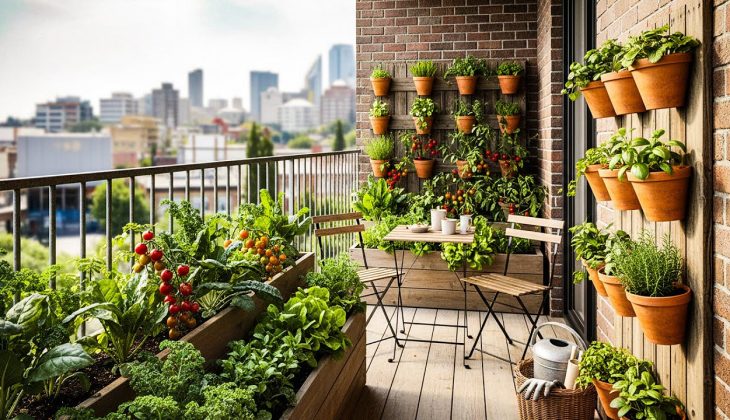
Article-At-A-Glance: Urban Balcony Garden Kits & Small Space Transformation
- Urban balcony garden kits give you everything needed to start growing food, herbs, and flowers in a small space — no yard required.
- Before buying any kit, you need to assess your balcony’s weight limit, sun exposure, and building rules — skipping this step can cost you.
- Vertical growing structures included in many kits can triple your usable growing space without adding any floor footprint.
- The best plants for balcony kits include compact herbs like basil and tarragon, dwarf vegetables, and cascading flowers that spill beautifully over railings.
- Designing your balcony like an outdoor room — not just a plant shelf — is what separates a thriving garden from a cluttered one.
Your balcony is already a garden — it just hasn’t been unlocked yet.
Whether you’re working with a narrow juliet balcony or a generous wraparound terrace, the right urban balcony garden kit can turn that underused concrete slab into a productive, beautiful green space. More city dwellers than ever are discovering that you don’t need a backyard to grow your own herbs, tomatoes, or a full wall of flowers. You just need the right setup.
For those looking to explore curated options and expert guidance on small-space growing, Urban Leaf has become a go-to resource for urban gardeners ready to make the most of what they’ve got.
Know Your Balcony Before You Buy Anything
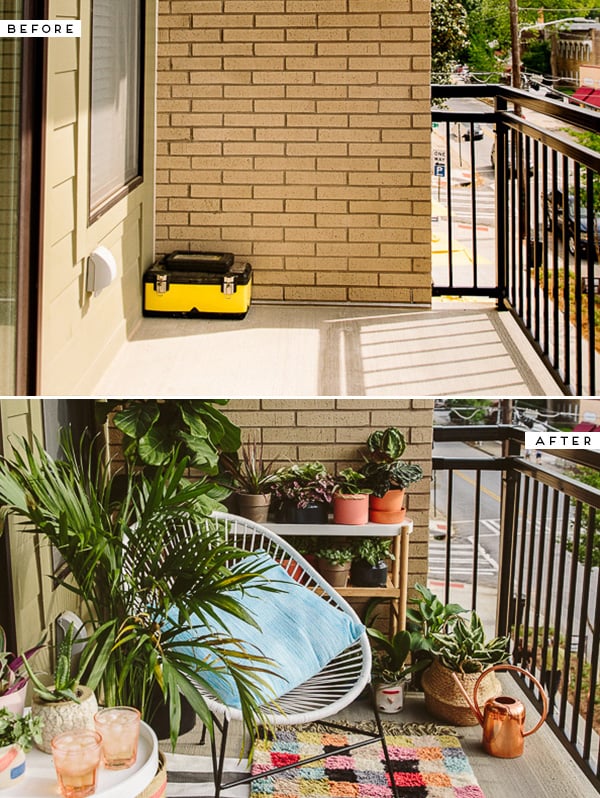
“An Eclectic Balcony Makeover for a Much …” from www.papernstitchblog.com and used with no modifications.
Rushing out to buy a garden kit before understanding your specific balcony conditions is the single biggest mistake new urban gardeners make. Every balcony is different — and what works brilliantly on a south-facing tenth-floor terrace might completely fail on a north-facing ground-level unit shaded by a neighboring building. Take 20 minutes to assess your space honestly before spending a dollar. For those looking to minimize allergens, consider choosing low-pollen plants suitable for urban gardens.
Weight Limits Matter More Than You Think
This is the detail most people skip, and it’s the one that matters most. Balconies in residential buildings are typically engineered to support a specific load — often around 40 to 60 pounds per square foot, though this varies widely by building age and construction type. The problem is that wet soil is remarkably heavy. A single large ceramic planter filled with saturated potting mix can easily tip the scales at 80 pounds or more.
If you’re unsure about your balcony’s load capacity, contact your building manager or check your lease documentation. When in doubt, go lighter. Opt for lightweight containers made from fiberglass, fabric grow bags, or high-density polyethylene rather than terracotta or ceramic. Many urban balcony garden kits are specifically designed with this in mind, packaging lightweight planters that deliver strong results without stressing your structure.
Sun, Wind, and Shade: Read Your Space First
Spend a full day watching how light moves across your balcony before choosing plants. A balcony that gets bright morning sun but is shaded by an overhang from noon onward is only delivering three to four hours of direct light — that’s partial shade territory, not full sun. Sun-loving crops like tomatoes and basil need six or more hours of direct light to really produce. For more tips on selecting the right plants, check out these top low-pollen plants for urban gardens.
Wind is equally important and often completely overlooked. High-rise balconies can experience wind speeds that would rip delicate seedlings apart. If your space is exposed, you’ll want to incorporate windbreaks — slatted screens, dense climbing plants on trellises, or strategically placed tall containers — before filling your balcony with fragile annuals.
Check Building Rules Before You Plant
Many apartment buildings and HOAs have specific rules about what can be hung from railings, how much weight can be placed on balcony floors, and even what types of structures can be installed. Some prohibit soil-based gardening entirely due to drainage concerns for floors below. A quick review of your lease or a conversation with building management takes five minutes and can save you from having to tear out an entire setup mid-season.
What Urban Balcony Garden Kits Actually Include
“Balcony Herb Garden for Beginners: A …” from urbanharvestlab.com and used with no modifications.
The term “balcony garden kit” covers a wide range of products — from simple herb starter sets with three small pots to comprehensive systems that include vertical towers, railing planters, custom soil blends, and seed selections. Understanding what’s actually in the box helps you compare value and match the kit to your specific space and goals.
Containers and Planters Built for Small Spaces
Quality kits include containers that are purpose-built for balcony conditions — meaning they’re lightweight, UV-resistant, and designed with drainage systems that won’t flood the balcony floor or the unit below you. Look for self-watering containers with built-in reservoirs, which are a genuine game-changer on hot, windy balconies where soil dries out fast. Fabric grow bags, like those from VIVOSUN or Bootstrap Farmer, are popular inclusions in kits because they’re collapsible for storage, promote air pruning of roots, and are dramatically lighter than rigid pots.
Soil Mixes Designed for Container Gardening
Standard garden soil is a non-starter for container gardening — it compacts too easily, drains poorly, and is far too heavy for balcony use. Good urban balcony garden kits include or recommend a high-quality container mix, typically a blend of coco coir, perlite, and compost. This combination stays light even when wet, drains freely to prevent root rot, and holds just enough moisture to reduce how often you need to water. FoxFarm Ocean Forest and Espoma Organic Potting Mix are two well-regarded options frequently bundled or recommended alongside balcony kit systems.
Vertical Growing Structures and Railing Planters
This is where balcony garden kits start to get genuinely exciting. Rather than just stacking pots on a floor, the best kits unlock your vertical space — walls, railings, and overhead beams all become growing real estate.
- Railing planters — hook-over designs that clamp to balcony railings and hang planters outward, keeping your floor clear
- Wall-mounted pocket systems — fabric or plastic panel grids with individual plant pockets, ideal for herbs and strawberries
- Freestanding tiered shelves — powder-coated steel or bamboo structures that stack four to six planter levels in the footprint of a single pot
- Trellis panels — flat or A-frame designs that support climbing plants like cucumbers, beans, and nasturtiums
- Tower planters — vertical column-style pots like the Lechuza Puro Tower or Woolly Pocket systems, which stack multiple growing pockets into a single vertical unit
The right vertical structure can effectively triple or quadruple your growing capacity without adding a single square foot of floor space. For a narrow balcony, a well-chosen trellis panel against the back wall combined with railing planters along the front edge creates two full growing zones from what most people would consider an impossibly small area.
Maximize Every Square Inch With Vertical Gardening
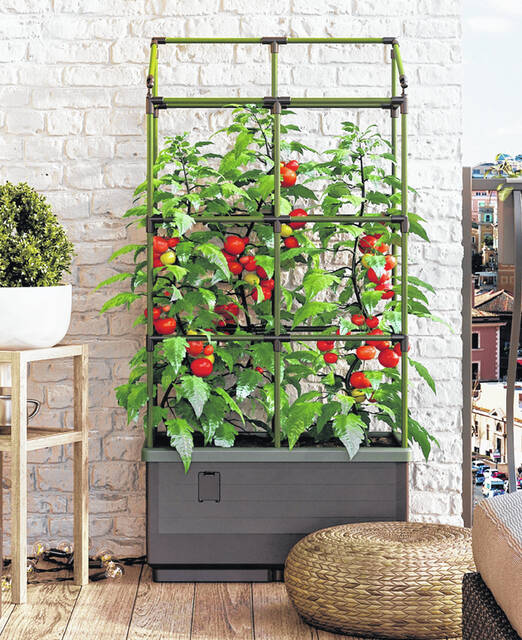
“Vertical gardening maximizes beauty …” from www.timesgazette.com and used with no modifications.
Floor space on a balcony is precious — but most gardeners only use it. The walls, railings, and overhead structures surrounding your balcony represent an equal or greater amount of growing real estate that typically goes completely unused. Shifting your thinking from horizontal to vertical is the single most impactful change you can make in a small urban garden.
Attach Shelves and Trellises to Walls
A bare balcony wall is a blank canvas. Mounting a simple powder-coated steel shelf system or a bamboo trellis panel against it instantly creates structured vertical growing space without permanently modifying the building. Many renters worry about wall attachments, but tension-mounted systems and heavy-duty adhesive hooks rated for outdoor use can support surprisingly substantial weight without drilling a single hole.
For climbing plants, an A-frame or flat trellis panel leaned against the wall works just as well as a mounted one. Cucumbers, pole beans, and climbing nasturtiums will eagerly cover a 6-foot trellis panel within a single season, creating both a productive growing wall and a natural privacy screen in one move.
Use Railing Planters to Reclaim Dead Space
The railing running around the perimeter of your balcony is arguably the most underused growing surface in urban gardening. Hook-over railing planters — like the Lechuza Balconera Color 50 or the Keter Railing Planter — clamp directly onto standard railings and project outward, keeping your floor completely clear while adding a full row of growing containers at waist height. A single 6-foot railing section fitted with planters can accommodate six to eight herb plants or a continuous run of trailing flowers.
The key is matching the planter width to your railing diameter and checking the weight rating before loading them with soil. Most quality railing planters include adjustable brackets that fit railings from 1 inch to 3 inches wide, covering the majority of standard residential balcony designs. Self-watering versions with built-in reservoirs, like the Elho Corsica Easy Hanger, are especially practical here since railing positions tend to catch more wind and dry out faster than floor-level containers.
Hang Plants From Overhead Hooks and Beams
If your balcony has a ceiling, overhang, or pergola structure above it, you have a third growing zone waiting to be activated. A few heavy-duty outdoor hooks rated for 20 to 30 pounds each can support hanging baskets of trailing petunias, strawberries, cherry tomatoes, or ferns, depending on your light conditions.
Hanging growing bags, like the Gronomics Hanging Planter or simple coco-lined wire baskets, work beautifully in this position. The elevated location means excellent air circulation around the plants, which reduces fungal issues — a genuine advantage over floor-level containers in humid urban environments.
Layer your three vertical zones — wall-mounted shelves, railing planters, and overhead hangers — and you’ve effectively turned a 40-square-foot balcony into a garden with well over 100 square feet of productive growing surface. That’s not a small garden anymore. That’s a serious setup. For more ideas, explore these top low-pollen plants for urban gardens.
The Best Plants for Balcony Garden Kits
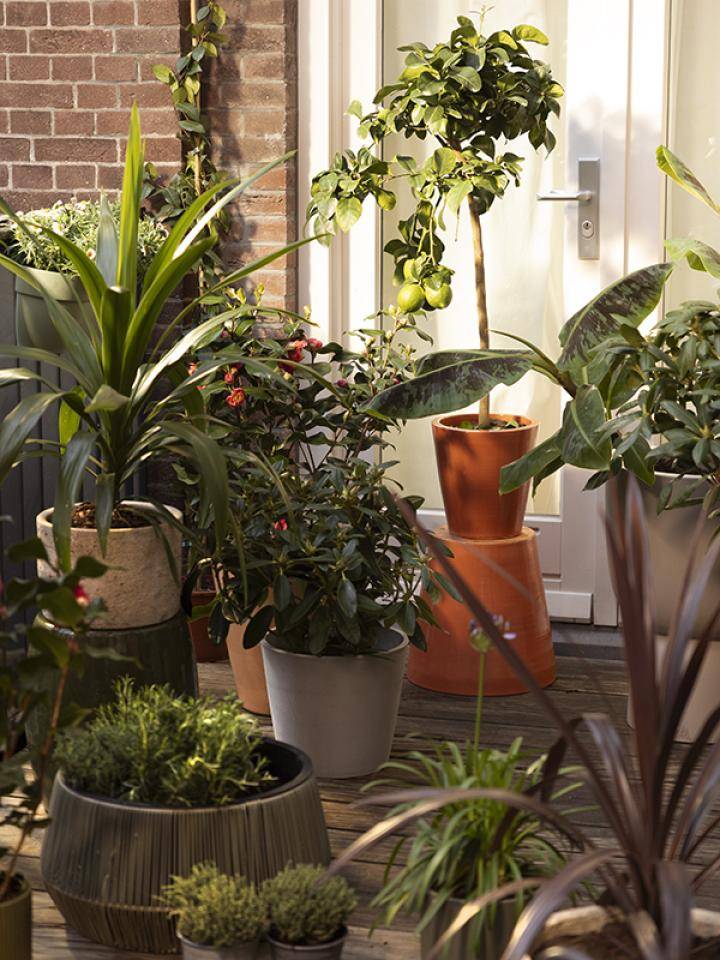
“Plants for every kind of balcony …” from www.plantsandflowersfoundationholland.org and used with no modifications.
Not every plant belongs on a balcony. The best choices for container growing share a few key traits: compact root systems, tolerance for the heat and wind fluctuations that come with elevated urban spaces, and a high reward-to-space ratio. Focus on plants that earn their spot.
The good news is that the list of plants that genuinely thrive in balcony containers is longer than most people expect. From culinary herbs and salad greens to dwarf fruit trees and cascading flowers, a well-chosen plant selection can make even a tiny balcony feel abundant and alive year-round.
Herbs That Thrive in Containers: Parsley, Basil, and Tarragon
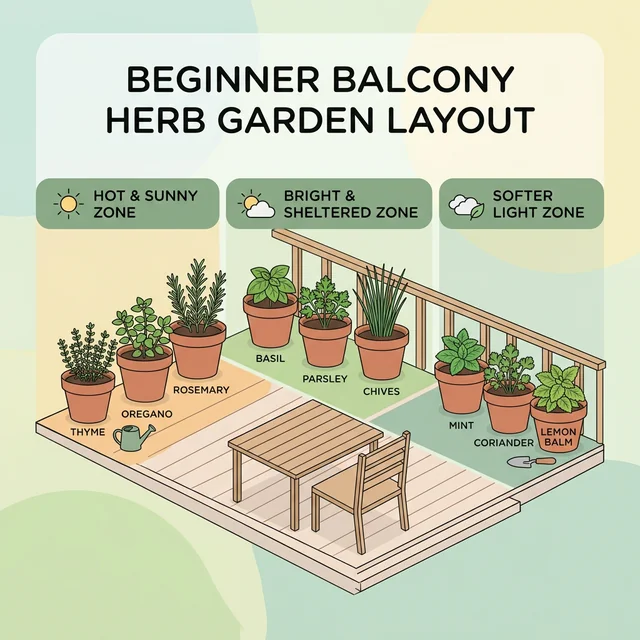
Herbs are the undisputed champions of balcony gardening. Most culinary herbs have compact root systems, grow happily in 6 to 8 inch containers, and produce harvests within weeks of planting. Basil loves a sunny balcony and rewards frequent pinching with bushy, productive growth all season. Parsley, chervil, cilantro, and tarragon are excellent choices for shadier balconies that receive only partial sun — making them versatile options when your light conditions aren’t ideal. A simple three-container herb kit positioned near a kitchen door is genuinely one of the most practical and satisfying gardens you can grow.
Compact Vegetables for Small-Space Growing
The key to growing vegetables on a balcony is choosing varieties bred specifically for container life. Bush cucumber varieties like Spacemaster 80, dwarf tomato varieties like Tumbling Tom Red or Patio F1, and compact pepper plants like the Pot-a-Peno mini jalapeño are all purpose-developed for exactly this kind of growing. Leafy greens — lettuce, spinach, arugula, and Swiss chard — are arguably the most productive balcony crops of all, since they can be harvested as cut-and-come-again plants from containers as small as 8 inches wide. Even a single 12-inch container of mixed salad greens, direct-sown from seed, can supply fresh salad two to three times per week throughout spring and fall. For more ideas on maximizing your space, check out this balcony garden guide.
Low-Maintenance Flowers That Cascade Over Railings
Flowers on a balcony do more than look beautiful — they attract pollinators that improve vegetable yields, create privacy through dense growth, and transform a utilitarian growing space into a place you actually want to spend time in.
For cascading railing color, it’s hard to beat Wave petunias, Superbells calibrachoa, or Million Bells — all of which spill dramatically over container edges and bloom continuously from late spring through first frost with minimal deadheading required. Nasturtiums deserve special mention because they’re edible, grow from seed in under two weeks, tolerate poor soil, and produce non-stop blooms in hot oranges, reds, and yellows that look spectacular trailing over a railing edge.
If fragrance matters to you, Sweet Alyssum and trailing Lobularia varieties fill a balcony with a honey-like scent that carries on the breeze — a sensory experience you simply can’t get from a window box of herbs alone.
Trees and Shrubs That Work in Containers
A dwarf citrus tree — like a Dwarf Meyer Lemon or Calamondin Orange — growing in a large container on a balcony is one of the most rewarding long-term investments an urban gardener can make. These trees produce fragrant blossoms and real fruit, add genuine structural height to a balcony garden design, and can be moved indoors during cold winters to protect them from frost damage.
Compact blueberry bushes like Bluecrop or Top Hat are another strong choice. They’re self-fertile, attract pollinators, produce edible fruit, and deliver stunning red autumn foliage before going dormant — meaning they contribute to the garden visually across three seasons, not just one.
Watering and Fertilizing Your Balcony Garden
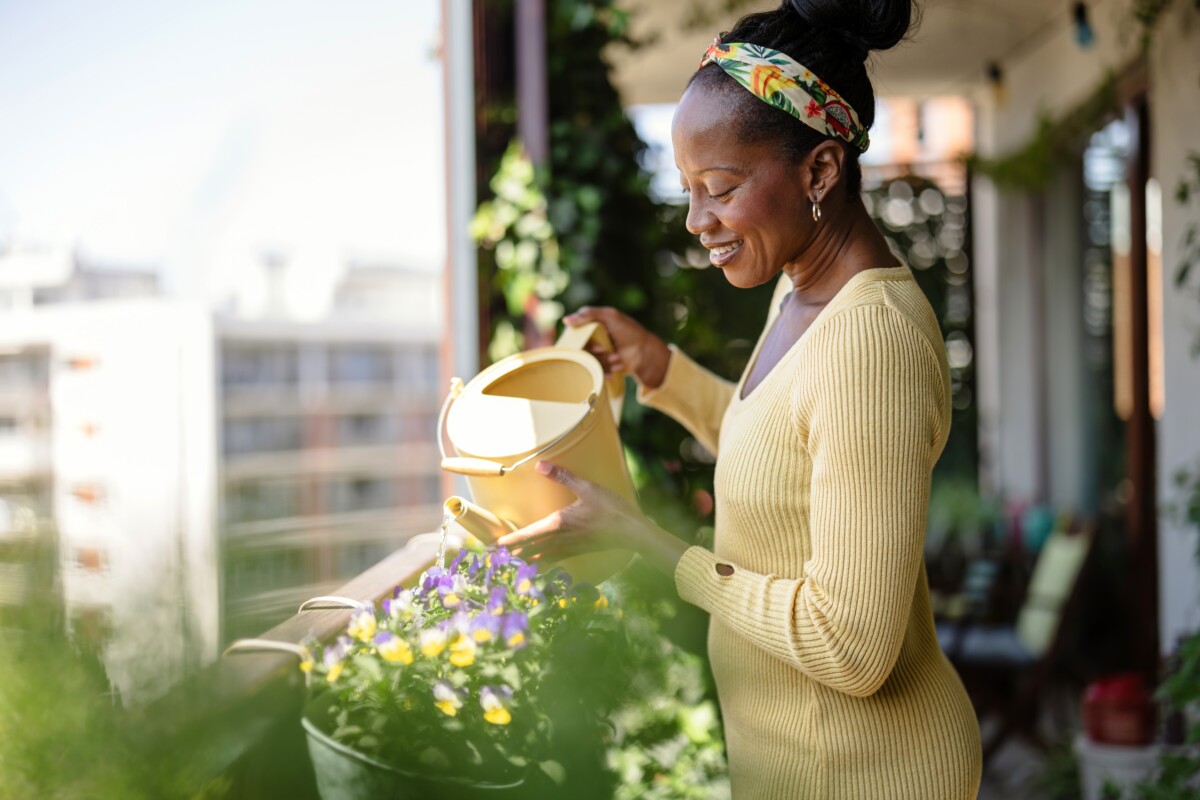
“Thriving Balcony Garden …” from www.redfin.com and used with no modifications.
Container plants dry out dramatically faster than in-ground plants — sometimes requiring daily watering during summer heat waves on exposed balconies. This is one of the most important operational realities of balcony gardening, and it’s the main reason beginner gardeners lose plants. The solution isn’t watering more randomly — it’s building a smarter watering system from the start.
Self-watering containers with built-in reservoirs are the single most effective tool for managing balcony water needs. Systems like the Lechuza sub-irrigation planters or City Pickers Patio Garden Grow Kits use a wicking mechanism to draw water up from a base reservoir, keeping soil consistently moist without waterlogging roots. For larger setups, a simple drip irrigation timer connected to a balcony tap — like the Raindrip R560DP Automatic Container and Hanging Basket Kit — can automate watering entirely and is typically installable in under an hour with no plumbing experience required. For those interested in plant selection, consider exploring low-pollen plants for urban gardens to complement your self-watering setup.
How Often Container Gardens Need Water
The honest answer is: more often than you think. During hot summer months, small containers on a sunny, exposed balcony may need watering every single day — sometimes twice if temperatures are pushing past 90°F and wind is pulling moisture from the soil surface. Larger containers dry out more slowly than small ones, which is one of the strongest arguments for going bigger with your pot sizes even in a limited space. A 10-inch pot holds soil moisture significantly longer than a 6-inch one, and that difference can mean the gap between a thriving plant and a stressed one mid-July.
The finger test is your most reliable tool: push your index finger two inches into the soil, and if it comes out dry, it’s time to water. If it’s still damp, check back in a few hours. Watering on a schedule rather than based on actual soil moisture is one of the most common causes of both overwatering and underwatering in container gardens — the two biggest killers of balcony plants. When you do water, water deeply until it flows freely from the drainage holes, then stop. Shallow watering encourages shallow roots, which leads to plants that stress out fast the moment you miss a day. For more tips on maintaining healthy urban gardens, check out our guide on low-pollen plants for urban gardens.
Composting in Small Spaces
The idea that composting requires a large backyard bin is outdated. Balcony-scale composting is entirely practical with the right system, and the payoff — rich, free fertilizer for your containers — is genuinely worth the small effort involved.
Worm composting, or vermicomposting, is by far the most practical method for balcony gardeners. A compact worm bin like the Worm Factory 360 or the Urbalive Worm Farm sits quietly in a corner, produces virtually no odor when managed correctly, and converts kitchen scraps into high-quality castings that rival any bagged fertilizer on the market. Red wiggler worms process food waste rapidly, and a small bin can handle the scraps from a one to two person household without issue. The liquid runoff — called worm tea — diluted to a pale amber color and applied to containers is an exceptional liquid fertilizer that costs nothing once your system is running.
Balcony Composting at a Glance
Method: Vermicomposting (Worm Bin)
Best System: Worm Factory 360 or Urbalive Worm Farm
Space Required: As little as 2 square feet of floor space
What Goes In: Vegetable scraps, coffee grounds, eggshells, shredded paper
What Comes Out: Rich worm castings + liquid worm tea fertilizer
Processing Time: 60 to 90 days for first harvest of castings
Odor Level: Virtually none when managed correctly
Cost After Setup: Free ongoing fertilizer supply
If worms feel like a step too far right now, a simple bokashi system — which ferments kitchen waste including meat and dairy using inoculated bran — is another compact option that fits neatly under a kitchen sink or in a balcony corner. The fermented material can be added directly to container soil as a soil amendment once it’s fully broken down, delivering a concentrated nutrient boost to your plants.
Either way, pairing your compost output with a balanced slow-release granular fertilizer like Osmocote Plus gives your container plants a reliable nutritional baseline throughout the growing season. Container plants deplete soil nutrients fast — every time you water, you flush some nutrients out through the drainage holes. Without a fertilizing routine, even the best potting mix becomes nutritionally exhausted within six to eight weeks of active growth.
Design Your Balcony Like an Outdoor Room
The gardeners who get the most satisfaction from their balcony spaces aren’t the ones who pack in the most plants — they’re the ones who treat the balcony as a real room with a coherent design. Think of your balcony as an extension of your interior living space rather than a separate utilitarian area. When your plant colors and textures echo your indoor palette, even the smallest balcony begins to feel expansive, intentional, and genuinely welcoming. For more ideas, check out this guide on balcony garden design.
Start by anchoring the space with one or two statement plants — a dwarf citrus tree, a large architectural grass, or a bold-leafed tropical like a Canna or Elephant Ear in a substantial container. These anchor plants give the eye a place to rest and provide a structural backbone around which everything else is arranged. From there, layer in mid-height plants like compact shrubs or trained climbers, and finish with trailing plants at the railing edge that soften the hard lines of the structure and spill downward in a cascade of color or foliage. Consider incorporating low-pollen plants to create a more allergy-friendly environment.
Don’t underestimate the power of non-plant elements either. A small folding bistro table and two chairs, a weatherproof outdoor rug, and a string of warm LED lights transform a plant-lined balcony into a space where you’ll actually sit, eat, and spend time — which is ultimately the point. A garden you use and enjoy is a garden you’ll continue to invest in. The plants will grow better for it too, since a gardener who’s regularly present is a gardener who catches problems early and keeps the space thriving.
A Small Balcony Can Grow More Than You Expect
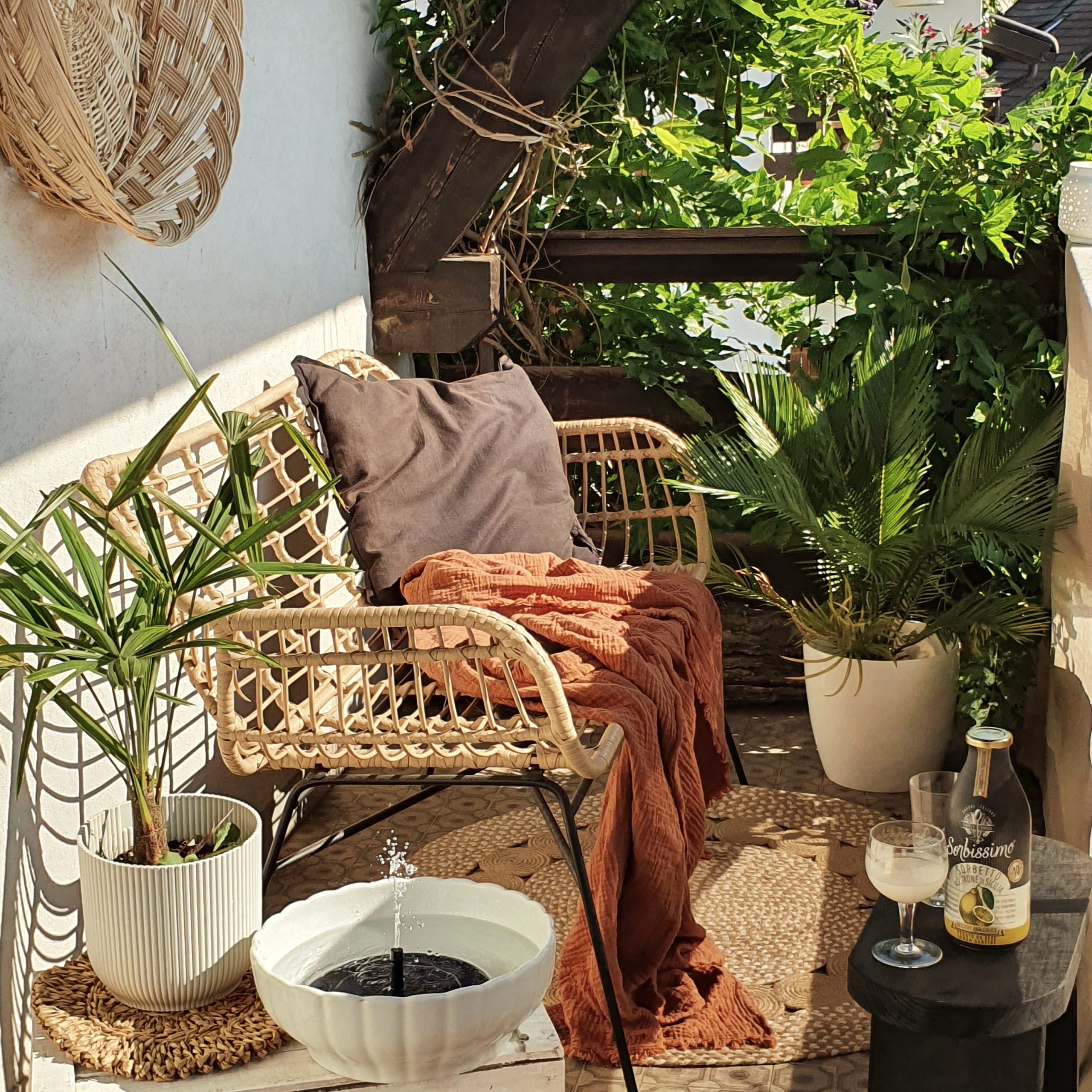
“12 small balcony ideas that prove just …” from www.realhomes.com and used with no modifications.
The limits of a balcony garden are almost always smaller than they first appear. With vertical systems, lightweight containers, self-watering technology, and the right plant selection, a 40-square-foot urban balcony can realistically produce fresh herbs for daily cooking, salad greens multiple times per week, a steady supply of cherry tomatoes and peppers through summer, and enough flowers to fill a vase indoors — all simultaneously. The constraint isn’t the space. It’s the approach.
Start with what excites you most — whether that’s a single herb kit or a full vertical tower system — and let the garden grow from there. Every experienced urban gardener started with one container and one plant. The balcony garden that genuinely transforms how you relate to food, nature, and your living space begins exactly the same way, one kit at a time.
Frequently Asked Questions
Here are honest answers to the questions urban balcony gardeners ask most often before getting started.
How Much Weight Can a Typical Balcony Support for Garden Containers?
Most residential balconies in modern buildings are engineered to support between 40 and 60 pounds per square foot, though older buildings may be rated lower. The critical thing to understand is that this load limit applies to the entire balcony surface — not just one spot. Concentrating heavy containers in one area, like directly against the wall or clustered in a corner, places disproportionate stress on specific structural points rather than distributing the load evenly. For those interested in plant selection, consider exploring low-pollen plants that are suitable for urban gardens.
Wet soil is the biggest weight factor most people underestimate. A cubic foot of saturated potting mix can weigh 60 to 80 pounds on its own, before accounting for the weight of the container itself. Switching to lightweight container materials and soil amendments dramatically reduces your overall load while maintaining excellent growing conditions.
If you are serious about a large or heavily planted balcony garden, the safest approach is to contact your building manager or a structural engineer for a specific load assessment before installing your setup. For most typical balcony gardens using lightweight kits and fabric grow bags, you will be well within safe limits.
- Lightweight container options: Fabric grow bags, fiberglass planters, high-density polyethylene (HDPE) pots
- Lightweight soil options: Coco coir blends, perlite-heavy mixes, peat-free container composts
- Weight distribution tip: Spread containers across the full balcony floor rather than clustering in one area
- When to get professional advice: Any setup involving large containers over 20 gallons, multiple trees, or structural attachments to walls or ceilings
What Is the Best Balcony Garden Kit for Beginners?
The best starter kit is one that matches your actual light conditions and delivers a quick, visible result to build your confidence. For sunny balconies, a self-watering herb planter kit — like the Click & Grow Smart Garden 9 Pro or a Lechuza Balconera self-watering window box — stocked with basil, parsley, and chives is hard to beat. You’ll see germination within days and be harvesting within three weeks, which creates the momentum to expand your setup further.
For shadier spaces, a mixed salad green kit with a compact self-watering trough is the stronger starting choice. Cut-and-come-again greens like lettuce, spinach, and rocket grow quickly in lower light, tolerate cooler temperatures, and produce harvests fast enough to keep a first-time balcony gardener genuinely engaged with the process.
Can You Grow Vegetables on a Shaded Balcony?
Yes — with the right plant selection, a partially shaded balcony can still produce a meaningful vegetable harvest. Leafy greens including lettuce, spinach, arugula, Swiss chard, and kale all grow well in three to four hours of indirect light. Root vegetables like radishes and beets can manage in partial shade, though they grow more slowly than in full sun. What won’t work in shade are fruiting vegetables — tomatoes, cucumbers, peppers, and zucchini all need six or more hours of direct sun to flower and set fruit reliably. Redirect your shaded balcony toward greens and herbs, and you’ll be harvesting consistently all season long.
How Do You Stop Containers From Drying Out Too Fast on a Windy Balcony?
Wind accelerates moisture loss from both the soil surface and the leaves themselves through a process called transpiration — meaning a windy balcony can dry out containers two to three times faster than a sheltered one. The most effective solutions work on multiple fronts: use self-watering containers with built-in reservoirs to maintain consistent soil moisture; add a layer of mulch — even just a 1-inch layer of coco coir or fine wood chip — over the soil surface to dramatically slow evaporation; and create physical windbreaks using trellis panels covered in dense climbing plants or slatted privacy screens along the most exposed balcony edges. These windbreaks protect the plants themselves from physical wind damage while simultaneously reducing moisture loss across the whole balcony.
Do You Need Permission From a Landlord to Start a Balcony Garden?
In most rental situations, a container-based balcony garden — meaning freestanding pots and planters that don’t permanently alter the structure — is allowed without explicit landlord permission, since it’s considered a temporary and reversible use of the space. However, anything involving wall-mounted brackets, drilled anchor points, permanently affixed railing hardware, or overhead hanging structures that attach to the building itself typically requires written permission before installation. For those looking to start their garden, choosing the best varieties of low-pollen plants can be a great way to ensure a pleasant and allergy-free environment.
If your lease includes restrictions on balcony use, review them carefully before setting up any garden system. Some buildings prohibit soil-based growing due to concerns about drainage, pest attraction, or water damage to units below. Waterproof drip trays under every container, combined with self-watering systems that eliminate overflow, are a practical way to address these concerns and demonstrate responsible gardening to a cautious landlord.