Article-At-A-Glance: Bee-Friendly Gardening in Joliet, IL
- Bee populations are declining — but your backyard can be part of the solution, starting with the right native plants and zero pesticides.
- Pollinator pathways are pesticide-free corridors of connected native plant habitats that help bees, butterflies, and other pollinators move safely through developed areas like Joliet.
- Native plants like purple coneflower, bee balm, and goldenrod are among the most powerful additions you can make to attract and sustain local bee populations year-round.
- There’s a surprising reason why leaving your garden messy in fall is actually one of the best things you can do for pollinators — more on that inside.
- Whether you have a sprawling yard or a small patio, anyone in Joliet can join the local pollinator pathway movement and make a measurable difference.
Joliet’s Gardens Are Losing Their Bees — Here’s How to Fix That
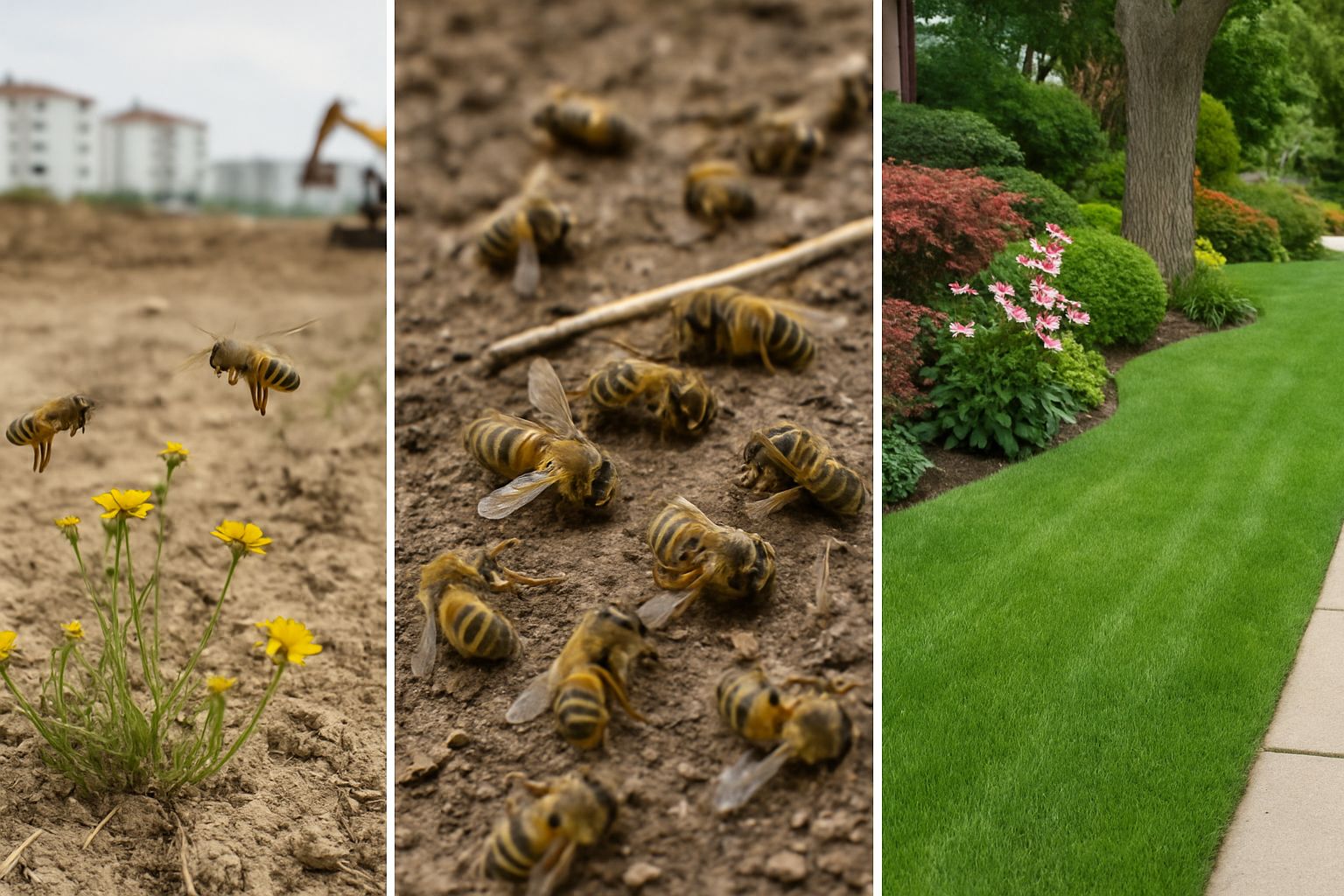
Bees are disappearing quietly, garden by garden, and most people have no idea their yard might be part of the problem.
Across the United States, native bee populations face mounting pressure from habitat loss, pesticide exposure, and the steady replacement of diverse native plantings with manicured lawns and ornamental exotics that offer pollinators almost nothing. Joliet, IL, is no exception. As neighborhoods expand and green spaces shrink, the corridors bees rely on to feed, reproduce, and survive are getting thinner every season.
The good news? A single backyard can make a real difference. Local gardening initiatives in Joliet are helping residents transform their outdoor spaces into thriving pollinator habitats — no acreage required. Small changes to what you plant, how you manage your yard, and what products you stop using can turn even a modest garden into a vital stop on a pollinator pathway.
What a Pollinator Pathway Actually Is
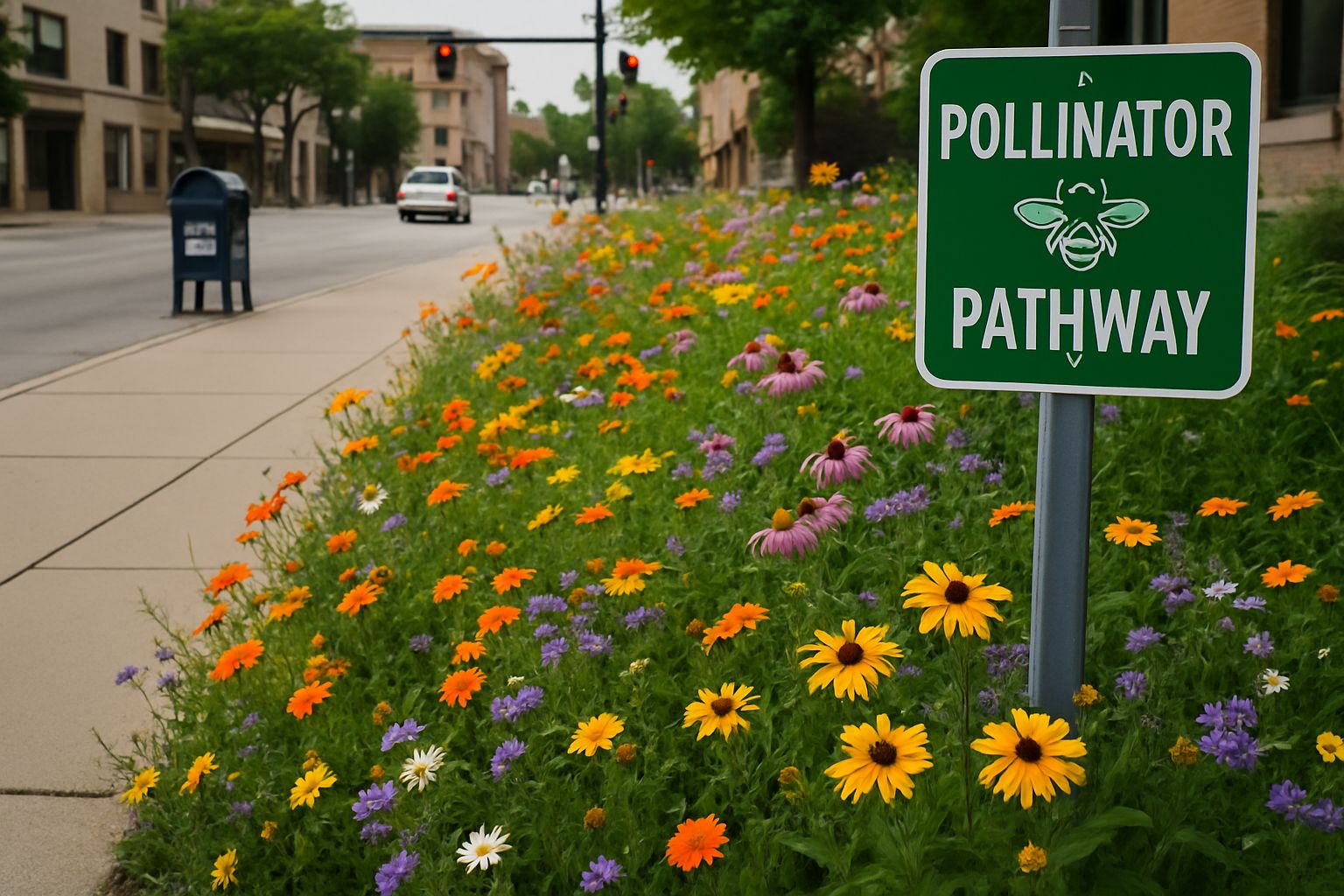
A pollinator pathway is exactly what it sounds like — a connected route of pollinator-friendly habitat that stretches across public and private properties. Think of it as an ecological highway built out of native plants, pesticide-free zones, and intentional garden design.
Pesticide-Free Corridors That Connect Habitats
The defining feature of any true pollinator pathway is the complete absence of synthetic pesticides. This isn’t just about avoiding sprays on flowering plants — it includes systemic pesticides absorbed into plant tissue, pre-emergent herbicides that kill ground-nesting bee habitat, and fungicides that disrupt the microbial environment bees depend on. A corridor is only as safe as its weakest, most chemical-laden link.
How Pollinator Pathways Work in Developed Communities Like Joliet
In a city like Joliet, pollinator pathways work by connecting individual garden plots across neighboring yards, community parks, school grounds, and roadside plantings. When enough properties commit to native plantings and pesticide-free management, those isolated green islands merge into a functional landscape bees can actually navigate. Pollinators don’t recognize property lines — they follow food, shelter, and safety.
Why Connected Green Spaces Matter More Than Isolated Gardens
A single bee-friendly garden is valuable, but an isolated one has limits. Bees — especially native ground-nesting species like mining bees and sweat bees — need to forage across larger areas to meet their nutritional needs. When gardens connect, the cumulative effect multiplies. Research consistently shows that linked pollinator habitats support greater species diversity and higher pollinator populations than fragmented patches of the same total size.
The Best Native Plants for Bee Gardens in Joliet, IL
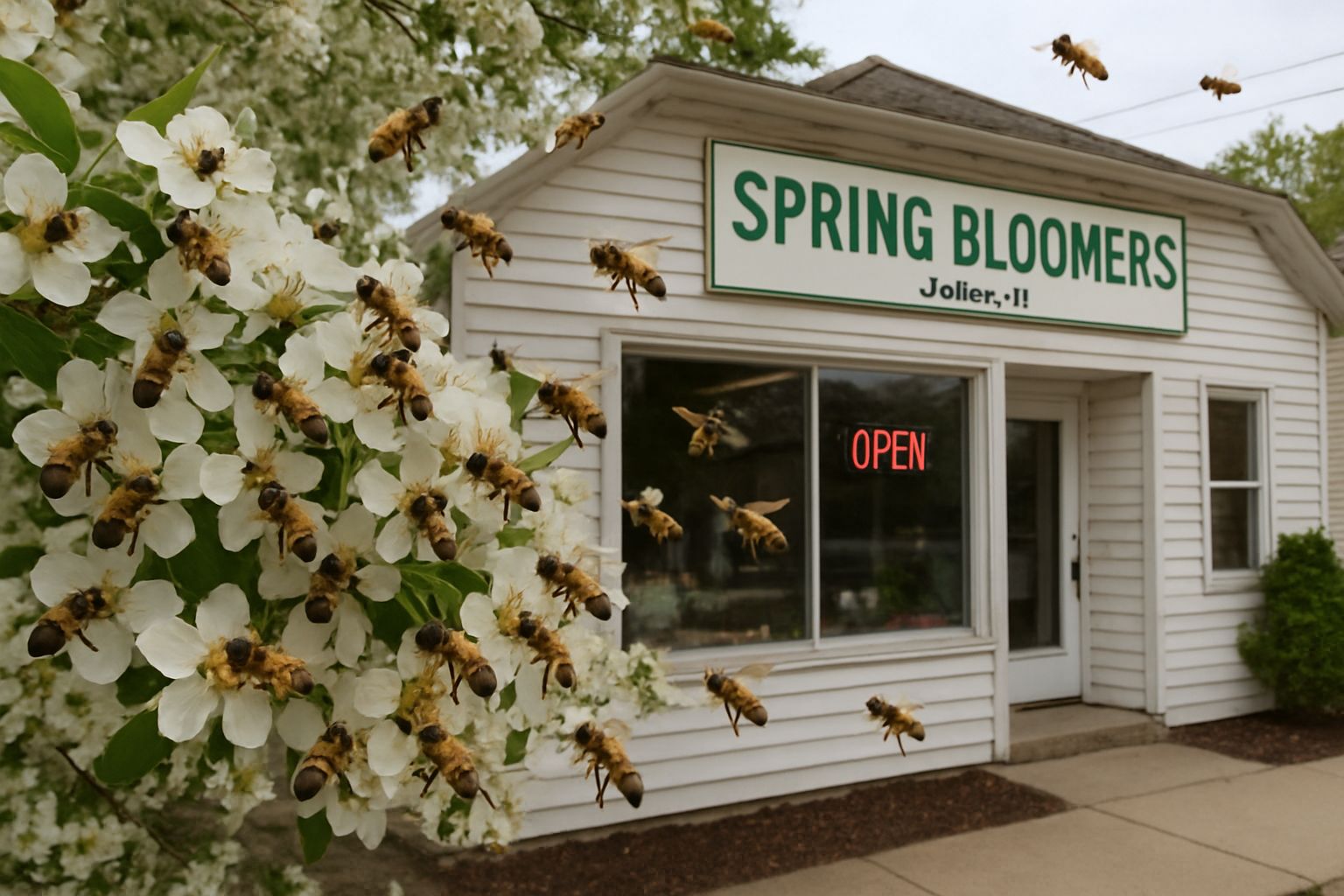
Plant selection is where bee-friendly gardening either succeeds or fails. The goal isn’t just color — it’s continuous bloom from early spring through late fall, with plant species that offer the specific pollen and nectar profiles native bees have evolved to use.
Bees are particularly drawn to purple, blue, white, and yellow flowers — and many of the most powerful native plants for Joliet’s climate happen to check those boxes naturally. Choosing plants native to Illinois also removes the guesswork. These species are already adapted to local soils, rainfall patterns, and seasonal temperatures, which means less maintenance for you and more reliable nutrition for the bees.
Spring Bloomers That Wake Bees Up Early
Early spring is critical for bee colonies emerging from winter dormancy. They need immediate food sources before most gardens are even planted. Native options like wild columbine (Aquilegia canadensis), Virginia bluebells (Mertensia virginica), and golden alexanders (Zizia aurea) bloom early enough to bridge that dangerous hunger gap and give queens the energy they need to start building their colonies.
Summer Powerhouses Bees Cannot Resist
Summer is peak foraging season, and the planting options for Joliet gardeners are nearly endless. Bee balm (Monarda fistulosa) is a standout — it produces dense clusters of tubular flowers loaded with nectar and supports both bumblebees and native solitary species. Purple coneflower (Echinacea purpurea) offers a long bloom window and doubles as a late-season seed source for birds. Milkweed varieties like common milkweed (Asclepias syriaca) and butterfly weed (Asclepias tuberosa) serve double duty, feeding both bees and monarch butterflies simultaneously. For more detailed guidance, consider this guide to planting a pollinator-friendly garden.
Joe Pye weed (Eutrochium purpureum) is another summer essential that’s dramatically underused in Joliet yards. It grows tall — often reaching six to eight feet — making it a vertical anchor in mixed pollinator plantings while producing flat-topped flower clusters that bees can land on easily. Pair it with native black-eyed Susans (Rudbeckia hirta) for a high-impact, low-maintenance summer combination.
Fall Flowers That Fuel Bees Before Winter
Most gardeners wind down in late summer, but bees are still actively foraging well into October. Goldenrod (Solidago canadensis) and native asters — particularly New England aster (Symphyotrichum novae-angliae) — are the two most important fall bloomers you can plant in Joliet. Goldenrod alone supports over 100 species of native bees and is frequently mistaken as an allergen source, which it isn’t. These fall bloomers give bees the fat and protein reserves they need to survive winter, making them non-negotiable in any serious pollinator garden.
How to Design a Bee-Friendly Garden in a Midwest Yard
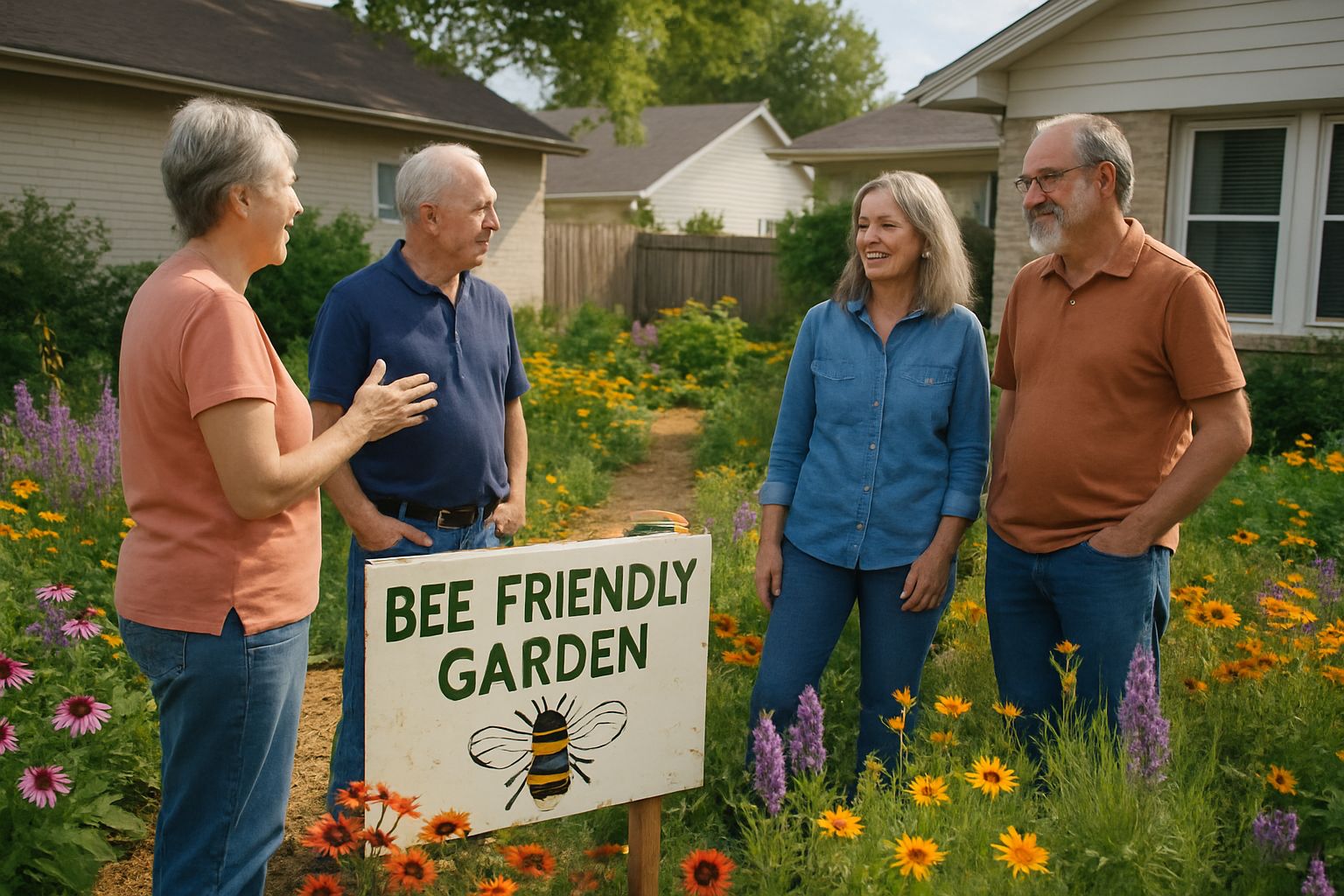
Designing for bees is less about aesthetics and more about function — though the two rarely conflict when you’re working with native plants.
The goal is to create a garden that delivers food, shelter, and safety across the entire growing season. That means thinking beyond individual plants and considering how your whole yard works as a system. Soil type, sun exposure, bloom timing, and plant height all factor into whether bees can realistically use your space or whether they’ll simply pass it by. For more guidance, check out this pollinator garden guide.
Why Plant Diversity Beats a Single-Species Garden Every Time
Different bee species have different tongue lengths, body sizes, and foraging preferences. A bumblebee foraging on deep tubular bee balm flowers is not the same as a tiny sweat bee collecting pollen from a flat-topped goldenrod cluster. Planting only one or two species — even if they’re excellent bee plants — limits which bee species your garden can actually support. Aim for a minimum of three to five different flowering species blooming at any given time throughout the season. Variety in flower shape, color, and bloom time is what transforms a garden from a single snack stop into a full-service pollinator hub.
Grouping Plants in Clusters to Maximize Pollinator Visits
Scattered individual plants are harder for bees to find and less energetically worthwhile to visit. Bees are efficient foragers — they calculate the caloric return on every flower they visit. Grouping the same species in clusters of three, five, or more plants creates a visual and chemical signal strong enough to pull bees in from a distance and reward them once they arrive.
In practical terms, this means planting a patch of purple coneflower rather than a single specimen, or running a sweep of native asters along a fence line instead of dotting them randomly through a border. The bees will find concentrated plantings faster, return to them more often, and spend more productive time in your garden as a result.
Pesticides Are Killing Your Pollinators — Here’s What to Do Instead
This is the part most gardening guides soften, but it deserves to be stated plainly: if you’re using conventional pesticides, herbicides, or systemic insecticides in your garden, you are actively harming the bees you’re trying to attract. No amount of native planting compensates for chemical contamination.
Common Lawn and Garden Chemicals That Harm Bees
Neonicotinoids — a class of systemic insecticides used widely in lawn care and often pre-applied to nursery plants — are among the most documented threats to bee health. They’re absorbed into every part of the plant, including pollen and nectar, and cause disorientation, impaired foraging, and colony collapse in bees at extremely low doses. Beyond neonicotinoids, common organophosphate sprays, carbaryl-based insecticides (sold under the brand name Sevin), and many pre-emergent herbicides destroy the ground conditions that 70% of native bee species depend on for nesting.
Natural Alternatives That Protect Plants Without Hurting Pollinators
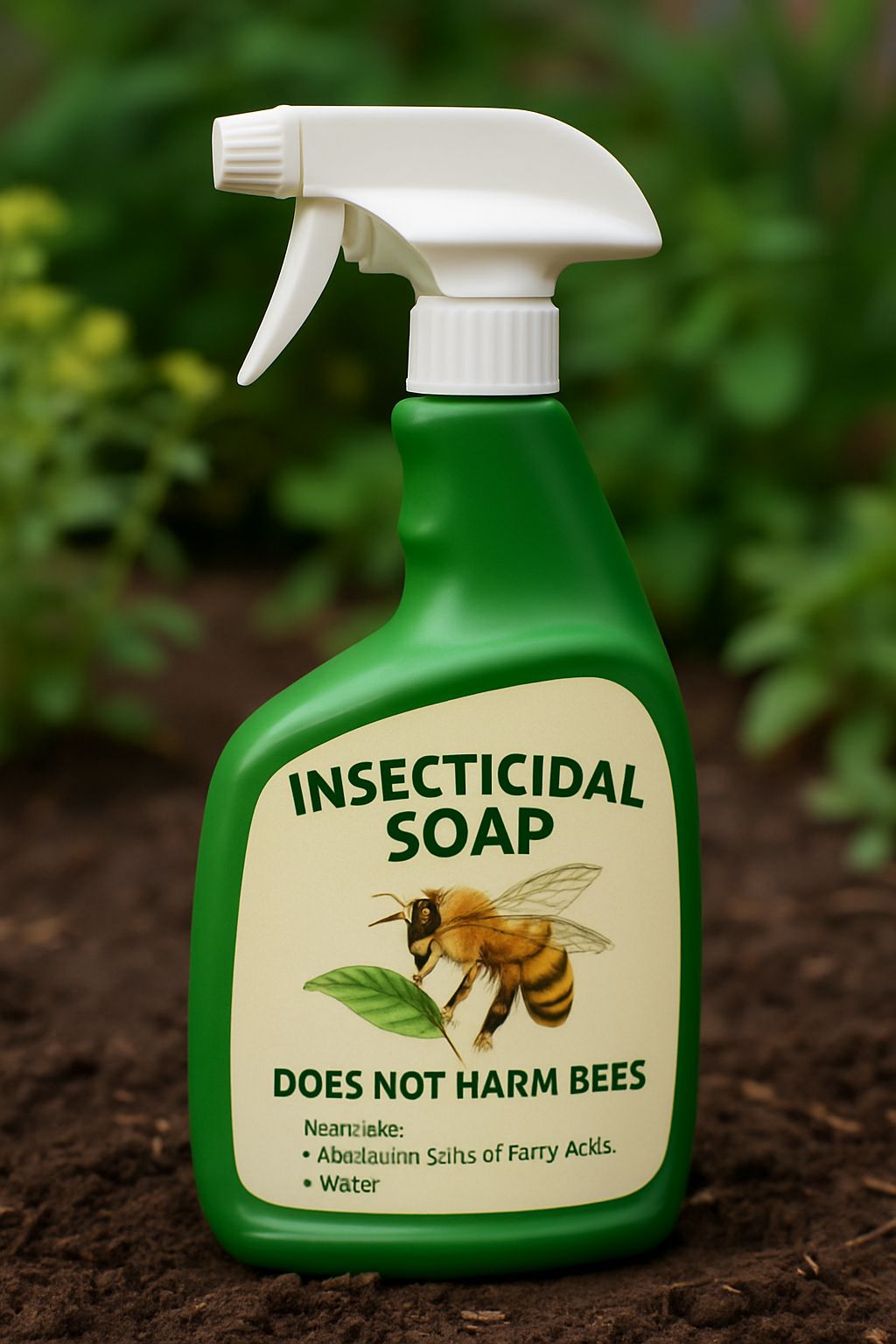
- Neem oil — effective against soft-bodied insects like aphids when applied in the evening after bees have stopped foraging; avoid applying to open flowers
- Insecticidal soap sprays — target pest insects on contact without residual toxicity, making them far safer for pollinators when timed correctly
- Diatomaceous earth — applied to soil around plant bases to deter crawling pests without chemical runoff
- Companion planting — growing pest-deterrent species like garlic, nasturtiums, and marigolds alongside vulnerable plants to reduce pest pressure naturally
- Hand-picking — labor-intensive but highly effective for managing larger pest insects like Japanese beetles without any chemical exposure
- Encouraging beneficial predators — planting habitat for ladybugs, lacewings, and parasitic wasps that naturally control aphid and caterpillar populations
Timing matters as much as product choice. Even relatively bee-safe sprays like neem oil can harm bees on contact, so applying any treatment in the early morning or after dusk — when bees are not actively foraging — dramatically reduces the risk. The goal is to manage problems without disrupting the pollinator activity your garden depends on.
When purchasing plants from nurseries, ask directly whether stock has been pre-treated with neonicotinoids. Many big-box garden center plants arrive pre-treated and carry systemic pesticide loads that persist in plant tissue for up to two years. Shopping from local native plant nurseries, plant swaps, or reputable online native plant retailers gives you far greater confidence that what you’re planting is actually safe.
The bottom line is straightforward: a pollinator garden without a pesticide-free commitment isn’t really a pollinator garden. It’s a beautifully decorated trap.
How to Give Bees a Safe Place to Live in Your Garden
Food is only half the equation. Bees also need safe, undisturbed places to nest, overwinter, and raise their young — and most conventional garden maintenance practices actively destroy those places without gardeners even realizing it.
Why You Should Stop Fall Cleanup Until Spring
The instinct to tidy up the garden in October is understandable, but it comes at a real cost to pollinators. Many native bee species overwinter as eggs, larvae, or pupae inside hollow plant stems, leaf litter, and soil. When you cut back perennials and rake out every fallen leaf in autumn, you’re not just cleaning — you’re destroying active nesting sites. Leaving your garden standing through winter and waiting until temperatures consistently reach 50°F in spring gives overwintering insects the time they need to fully emerge before their habitat disappears.
Leaving Leaf Litter, Hollow Stems, and Dead Limbs for Nesting
Leaf litter is one of the most valuable nesting materials in any pollinator garden. Ground-nesting bees use decomposing leaves for insulation and moisture regulation in their underground chambers. Bumble bee queens overwinter just below the soil surface, often tucked under a thick layer of fallen leaves — removing that layer exposes them to lethal temperature fluctuations during winter thaws and freezes.
Hollow and pithy stems from plants like Joe Pye weed, native sunflowers, and cup plant serve as above-ground nesting tubes for cavity-nesting solitary bees, including mason bees and leafcutter bees. Leave stems cut at eight to twenty-four inches tall rather than cutting them to the ground. Dead wood, whether a fallen branch or a weathered fence post, provides additional nesting real estate that bees will use without any help from you. The messier your garden looks in winter, the richer its pollinator habitat actually is.
Adding Water Sources for Thirsty Pollinators
Bees need water just as much as they need nectar, and most gardens give them nowhere to find it safely. A standard birdbath is too deep — bees can’t land on open water without drowning. Instead, fill a shallow dish or saucer with clean water and add a handful of pebbles, marbles, or small stones that break the surface. Bees land on the stones and drink from the edges. Refresh the water every two to three days to prevent mosquito breeding and keep it clean enough for pollinators to use safely. For more ideas on creating a welcoming environment for pollinators, check out this pollinator garden guide.
How to Join Joliet’s Pollinator Pathway Movement
Joliet residents don’t have to build a pollinator pathway alone. Local organizations, community garden clubs, and regional conservation groups are actively working to link private gardens into a connected network across the city. Getting involved is simpler than most people expect, and even a small commitment from your yard contributes meaningfully to the larger corridor. Consider exploring insect hotels to enhance your garden’s appeal to pollinators.
- Register your garden as a pollinator-friendly space through regional programs that map participating properties and help connect neighboring habitat patches
- Contact your local Joliet garden club to find out about plant swaps, native plant sales, and community planting days, where you can get free or low-cost native species
- Talk to your neighbors — a single conversation about going pesticide-free or swapping a strip of lawn for native flowers can extend the pathway significantly
- Advocate for pollinator-friendly plantings in local parks, school grounds, and roadside verges by attending city council meetings or contacting Joliet’s parks and recreation department
- Share your garden online using local pollinator pathway hashtags and community groups to inspire others and build visible momentum across the neighborhood
One of the most underrated steps is simply making your garden visible. A small sign identifying your yard as a pollinator habitat sparks curiosity in neighbors and passersby, and that curiosity has a way of multiplying into action. Communities that create pollinator pathways don’t do it all at once — they do it one yard at a time.
If you’re purchasing plants to get started, prioritize locally sourced native species from growers who can confirm their stock is neonicotinoid-free. Plant swaps organized by local garden clubs are often the best source for this — you get healthy, regionally appropriate plants at little to no cost, and you’re building relationships with other Joliet gardeners who are already on the same path.
Your Bee-Friendly Garden Is One of the Most Powerful Things You Can Plant
Every purple coneflower you put in the ground, every pesticide you stop buying, and every hollow stem you leave standing through winter is a direct contribution to the survival of species that pollinate roughly one-third of the food supply. That’s not an exaggeration — it’s ecology. Bees don’t need grand gestures. They need a consistent, chemical-free habitat, and they need it across enough connected properties to actually function as a population rather than scattered survivors.
Joliet’s pollinator pathway is being built right now, one garden at a time, by residents who decided that their small patch of ground was worth something bigger than a perfectly edged lawn. Your garden can be part of that. Plant for spring, summer, and fall. Skip the pesticides. Leave the stems. Add the water dish. Connect with your neighbors. The bees will find you — and when they do, they’ll bring the whole ecosystem with them.
Frequently Asked Questions
Here are answers to the most common questions Joliet gardeners ask when starting their pollinator garden journey.
What plants attract the most bees in Joliet, IL?
The most effective bee-attracting plants for Joliet’s climate are native species with long bloom windows and high nectar or pollen output. Top performers include purple coneflower (Echinacea purpurea), bee balm (Monarda fistulosa), goldenrod (Solidago canadensis), New England aster (Symphyotrichum novae-angliae), wild bergamot, Joe Pye weed (Eutrochium purpureum), and native milkweed species. These plants are adapted to Illinois soils and climate, require minimal maintenance once established, and provide reliable food sources across spring, summer, and fall. For additional ideas, consider exploring urban greenhouse designs to enhance your garden.
When is the best time to start a pollinator garden in Illinois?
Spring and fall are both excellent planting windows in Illinois. Spring planting — once soil temperatures are consistently above 50°F — gives plants a full growing season to establish before winter. Fall planting, particularly for native perennials and bulbs, allows root systems to develop during cooler months so plants emerge stronger the following spring. Starting with a plan in late winter, ordering native plants from reputable local growers in February or March, and planting as soon as the ground is workable gives you the best possible start. For more information on pollinator gardens, check out this Naperville pollinator garden guide.
Do I need a large yard to create a pollinator pathway garden?
No — size is one of the most common misconceptions about pollinator gardening. A container garden on a balcony, a four-by-eight-foot raised bed, or a narrow strip along a fence line can all contribute meaningfully to a pollinator pathway. What matters more than square footage is plant diversity, pesticide-free management, and the presence of water and shelter. A small, well-planted, chemical-free garden in the middle of Joliet is genuinely more valuable to bees than a large manicured lawn with a few ornamental flowers. For more tips, check out this pollinator garden guide.
Are all bees the same, or do different species need different plants?
Different bee species have very different needs, and this is exactly why plant diversity matters so much. Honeybees are generalist foragers and will visit a wide range of flowers. But Illinois is also home to over 400 native bee species — including bumblebees, mason bees, leafcutter bees, mining bees, and sweat bees — each with different tongue lengths, body sizes, and flower preferences. Bumblebees can access deep tubular flowers that smaller bees cannot. Tiny sweat bees prefer open, flat-faced flowers like those of asters and goldenrod. Planting a mix of flower shapes, colors, and bloom times ensures that your garden serves the widest possible range of native bee species rather than just one or two.
How do I keep my garden bee-friendly without letting it look messy?
This is a real concern for many gardeners, and the good news is that a pollinator garden doesn’t have to look neglected — it just has to be managed with intention rather than reflex. In practice, this means leaving perennial stems standing through winter and cutting them back in late spring rather than fall, allowing leaf litter to accumulate in garden beds rather than raking it all away, and resisting the urge to deadhead every spent flower immediately.
Structurally, you can keep a pollinator garden looking intentional by using defined edging, maintaining clear pathways between planting areas, and choosing native plants with naturally attractive forms — like the bold seed heads of purple coneflower or the architectural stems of Joe Pye weed — that look purposeful even in their winter state. A small sign identifying your space as a registered pollinator habitat also reframes the aesthetic for neighbors, shifting the perception from “unmaintained” to “ecologically valuable.”
Creating a garden that attracts and supports pollinators is not only beneficial for the environment but also adds beauty and diversity to your outdoor space. Consider incorporating native plants and flowers that provide nectar and pollen throughout the growing season. Additionally, adding features like water sources and insect hotels can enhance the habitat for beneficial insects. By designing your garden with pollinators in mind, you contribute to the health of local ecosystems and enjoy a vibrant, lively garden.