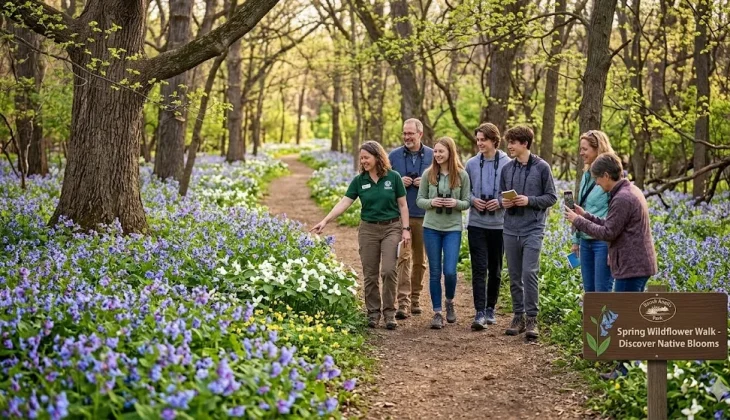
Article-At-A-Glance
- Camp Greene Wood in Naperville hosts a stunning 1,000-square-foot native pollinator garden planted with 191 native Illinois plants.
- Naperville’s pollinator gardens support bees, butterflies, moths, bats, and beetles — many of which most visitors don’t expect to see.
- Free field guides from the Chicago region make it easy to identify what you’re looking at during any garden tour.
- The best pollinator activity in Naperville peaks from late spring through early fall — but timing your visit right makes all the difference.
- Rose Pest Solutions partnered with the Girl Scouts of Greater Chicago and Northwest Indiana to build one of the area’s most impressive community pollinator gardens.
Naperville is quietly becoming one of the best places in the Chicago region to experience native pollinator gardens up close — and most locals don’t even know it yet.
Whether you’re a seasoned gardener looking for native plant inspiration or a curious newcomer wanting to see what all the buzz is about, Naperville’s pollinator spaces offer something genuinely special. Rose Pest Solutions, a company deeply committed to environmental stewardship in the Chicagoland area, helped bring one of the most talked-about pollinator gardens in the region to life right here in DuPage County.
Naperville’s Pollinator Gardens Are Worth the Visit
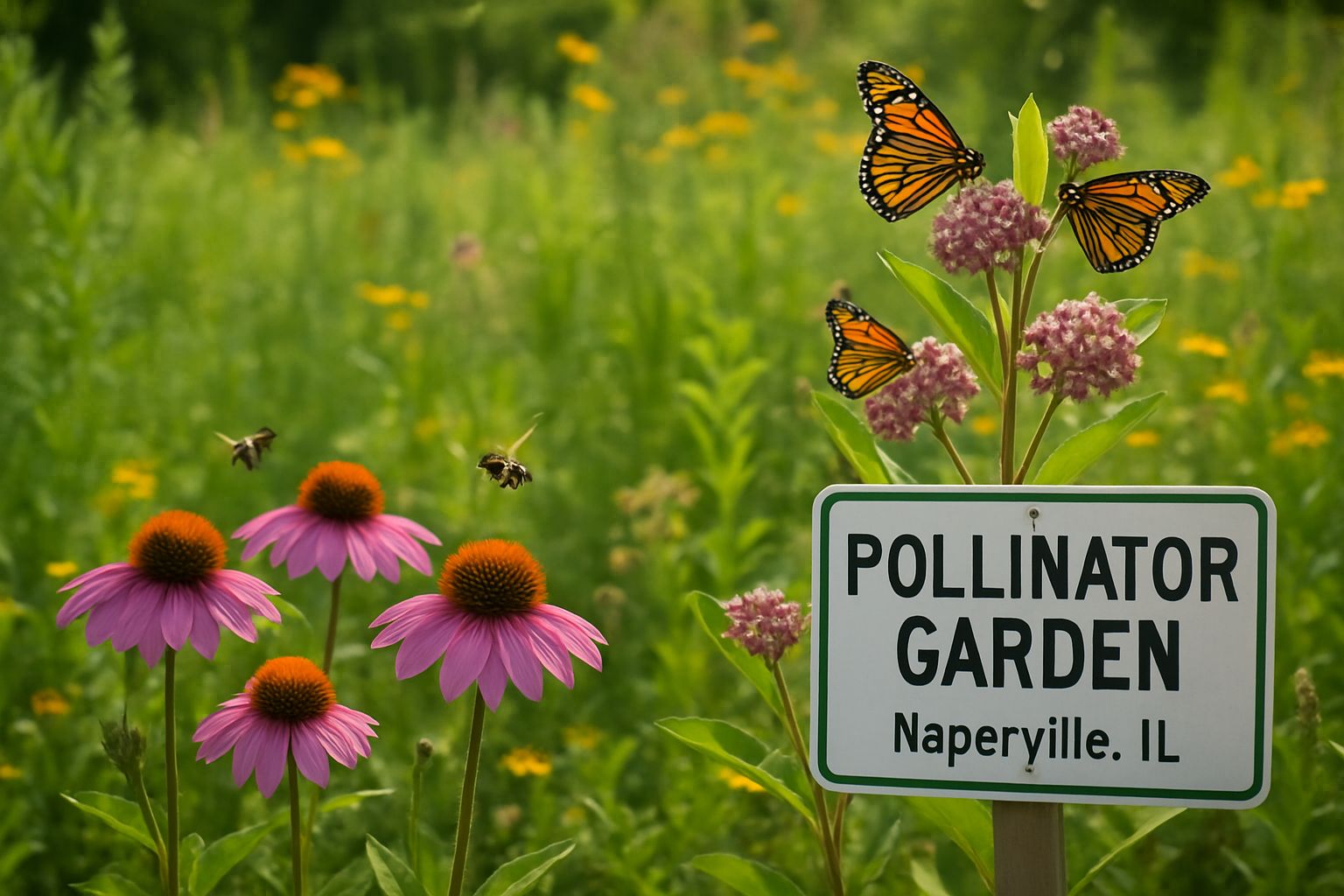
Most garden tours focus on aesthetics — perfectly pruned hedgerows, symmetrical flowerbeds, color-coordinated annuals. Pollinator garden tours are completely different. Here, the whole point is controlled wildness. Native plants grow in natural clusters. Bees hover low over coneflowers. Monarchs drift between milkweed stems. It feels alive in a way that traditional landscaping rarely does.
Naperville sits in DuPage County, which sits right at the edge of the Illinois prairie ecosystem. That geography matters because native prairie plants evolved alongside the pollinators that live here. When you plant them together, you’re not decorating a space — you’re restoring a relationship that’s been disappearing for decades due to habitat loss, pesticide use, and climate change.
Camp Greene Wood: Naperville’s Native Pollinator Garden
The standout pollinator garden in Naperville right now is at Camp Greene Wood, a Girl Scouts of Greater Chicago and Northwest Indiana camp location. This isn’t a passive decorative planting — it was built through genuine community effort and carries real ecological weight.
191 Native Plants Across 1,000 Square Feet
On May 18th, 2024, around 150 Girl Scouts and their family members came together to plant 191 native pollinator plants across a 1,000-square-foot garden space. That density matters. A tightly planted native garden creates overlapping bloom cycles, which means there’s always something flowering and always something feeding. Sparse plantings don’t generate the same pollinator activity — coverage and variety are everything.
How Rose Pest Solutions and Girl Scouts Built It Together
The project was a collaboration between Rose Pest Solutions’ Bug Squad team and the Girl Scouts of Greater Chicago and Northwest Indiana. Native plants were sourced with support from Midwest Groundcovers in St. Charles, Illinois — a specialized native plant nursery that gave the garden access to regionally appropriate species that big-box garden centers simply don’t carry.
The event drew significant attention even before planting day. When WGN’s Daytime Chicago program featured Janelle from Rose Pest Solutions to discuss the garden project — coincidentally right as periodic cicadas were beginning to emerge in DuPage County — over 100 registrations came in within a single week. That kind of public enthusiasm tells you everything about how starved the community is for this type of hands-on environmental engagement.
Why Native Plants Matter More Than Regular Garden Plants
This is where most people get surprised. Native plants aren’t just a sustainable choice — they’re functionally superior for supporting local wildlife. Non-native ornamentals might look beautiful, but many pollinators can’t actually use them. Native bees, in particular, have evolved to collect pollen from specific plant families. A garden full of imported hybrid flowers can look stunning and still be nearly useless to the local bee population. For more ideas on sustainable gardening, check out these pollinator-friendly shade garden ideas.
Native pollinator gardens support an ecosystem chain that goes far beyond butterflies. Birds rely on the insects that gardens attract. Soil health improves through native root systems that can reach 10 to 15 feet deep. Even urban yards, balconies, and small patios with native container plantings make a measurable difference when enough of them exist in proximity to each other. For more information on creating pollinator-friendly spaces, check out this guide on pollinator gardens.
What Pollinators You’ll Actually See in Naperville
First-time visitors to a pollinator garden are almost always surprised by the diversity. Most people expect bees and butterflies — and yes, you’ll see plenty of both. But a well-planted native garden in the Chicago region supports a much wider cast of characters than that.
- Native bees, including bumblebees, sweat bees, and mason bees — most of which don’t sting and are far more efficient pollinators than honeybees for native plants
- Monarch butterflies and other native species like the Eastern Tiger Swallowtail and Painted Lady
- Moths that pollinate after dark, including sphinx moths that hover like hummingbirds
- Beetles, which are actually among the oldest pollinators on Earth, visit open-faced flowers like coneflowers and black-eyed Susans
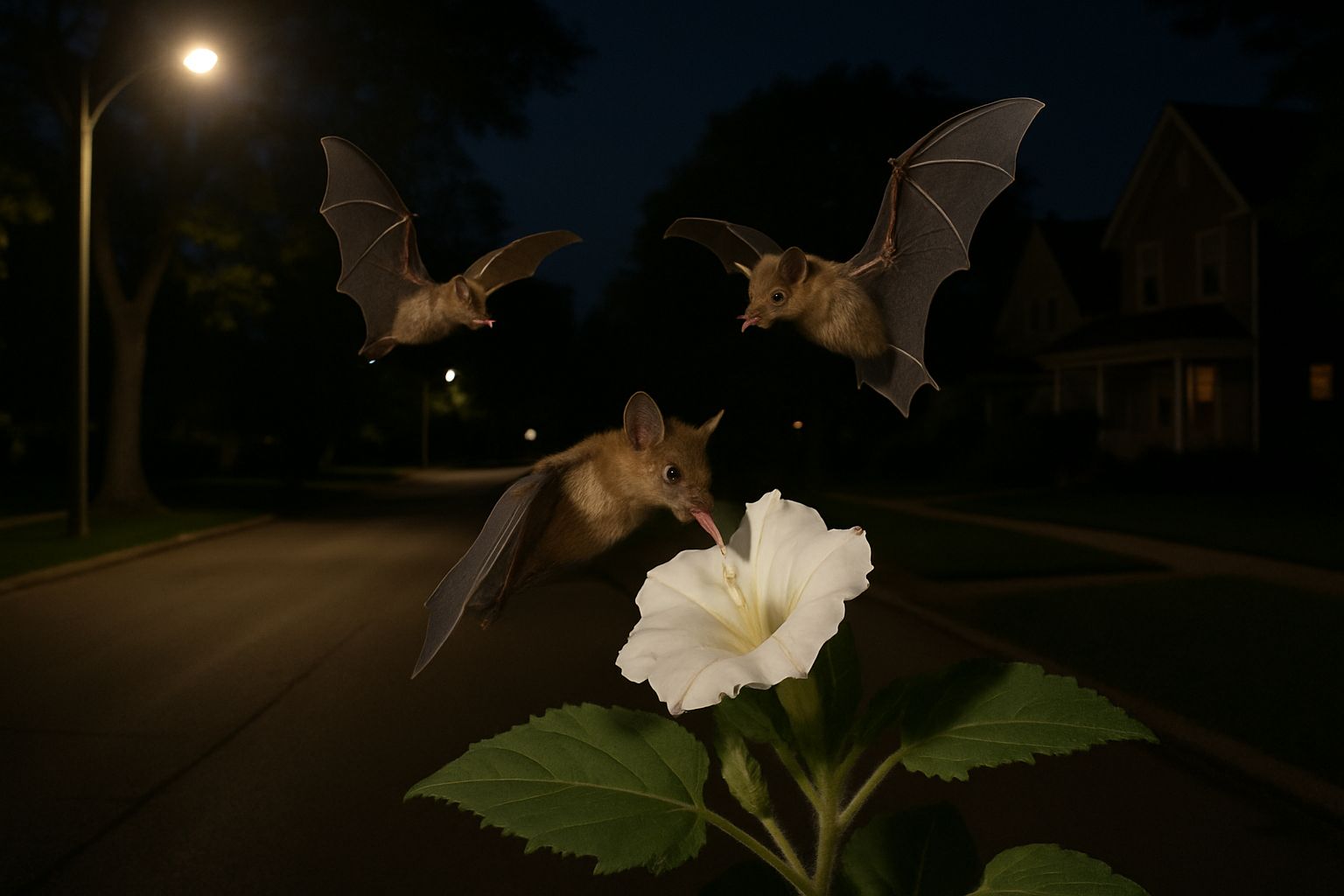
- Bats, which are critical nighttime pollinators often overlooked in garden planning entirely
The sheer variety is what makes touring these gardens so rewarding. You don’t need to be an entomologist to appreciate it — just slow down, watch the plants closely, and give your eyes time to adjust to the scale of activity happening right in front of you.
Common Bees Beyond the Honeybee
Honeybees get all the press, but Illinois is home to hundreds of native bee species that do the heavy lifting in local ecosystems. Bumblebees are the most visible — large, fuzzy, and surprisingly docile when foraging. Sweat bees are tiny and often metallic green, easy to miss unless you’re watching carefully. Mason bees are solitary nesters that are exceptionally effective pollinators, often outperforming honeybees plant-for-plant.
Butterflies Native to the Chicago Region
The Monarch is the headliner, but it’s far from alone. The Eastern Tiger Swallowtail is one of the most visually striking butterflies you’ll encounter in Naperville gardens — large, yellow-and-black striped wings that are genuinely hard to miss when they land on native Joe Pye weed or wild bergamot. Painted Ladies migrate through Illinois in impressive numbers during late summer, while the tiny but vivid Orange Sulphur is a constant presence near clover and native legumes throughout the growing season.
Nighttime Pollinators: Moths, Bats, and Beetles
The garden doesn’t stop working when the sun goes down. Sphinx moths — sometimes called hummingbird moths because of how they hover — are among the most efficient nighttime pollinators in Illinois. They’re drawn to pale, fragrant flowers that open in the evening, like native wild phlox. Beetles were pollinating flowers before bees even evolved, and they’re still at it — look for them deep inside open-faced blooms like native sunflowers and prairie dropseed. As for bats, a single little brown bat can consume up to 1,000 mosquito-sized insects per hour, making them one of the most valuable nocturnal visitors any garden can attract.
Best Times to Tour Naperville Pollinator Gardens
Timing genuinely changes the experience. The pollinator season in the Chicago region runs roughly from late April through early October, but peak activity clusters around specific windows. Mid-June through late August is when the widest variety of pollinators are active simultaneously — native bees are at full population strength, Monarchs are moving through on their early migration patterns, and the bulk of native prairie plants are in bloom. If you want to see the most activity in the least amount of time, aim for a warm, sunny morning between 9 a.m. and noon when bee foraging is at its highest intensity.
| Season | What to Expect | Key Pollinators Active |
|---|---|---|
| Late April – May | Early bloomers, mason bees emerge | Mason bees, early bumblebees, overwintered butterflies |
| June – July | Peak bloom diversity, high bee activity | Native bees, swallowtails, beetles, sphinx moths |
| August – September | Monarch migration, late prairie blooms | Monarchs, Painted Ladies, bumblebees, wasps |
| October | Season wind-down, seed heads form | Late bumblebees, migrating butterflies |
Free Field Guides to Bring on Your Garden Tour
One of the best things about touring pollinator gardens in the Chicagoland area is the quality of free educational resources available to help you identify what you’re seeing. Whether you’re standing in front of a sweat bee you’ve never noticed before or trying to figure out which milkweed species is in front of you, these guides make the experience significantly richer. For more insights, check out this guide on pollinator gardens.
Beginner’s Field Guide: Pollinators in Chicagoland
This guide is built specifically for the Chicago region and focuses on helping beginners identify the most common local pollinators — including many that most visitors wouldn’t initially recognize as pollinators at all. It’s available as a free PDF download in both English and Spanish, making it accessible for a wide range of visitors. The guide covers the surprising diversity of insects involved in pollination beyond the usual suspects, and it’s compact enough to pull up on your phone mid-tour without breaking your stride. For more information on urban gardening, check out the impact of urban gardens in Chicago.
Beginner’s Field Guide: Native Plants and Pollinators in Chicagoland
This companion guide shifts the focus to the plant side of the equation — specifically, the relationships between native Chicagoland plants and the pollinators that depend on them. Understanding which plants attract which pollinators completely changes how you experience a garden tour. Instead of seeing a random arrangement of flowers, you start reading the garden like a map of ecological connections.
It’s also an incredibly practical tool if you’re thinking about starting your own pollinator garden after your visit. The guide helps you understand not just what to plant, but why each plant matters to the local ecosystem — which is the kind of knowledge that separates a genuinely functional pollinator garden from one that just looks the part.
Creating Monarch Habitat in Your Midwestern Garden
Monarch populations have declined significantly in recent decades, and Illinois sits directly on one of their primary migration corridors. This guide focuses on the specific steps Midwestern gardeners can take to support Monarch recovery — starting with native milkweed species, which are the only plants Monarch caterpillars can eat. Without milkweed, there are no Monarchs. It’s that direct.
The guide goes beyond milkweed, though, covering nectar sources that fuel adult Monarchs during migration, garden design tips for maximizing habitat value in limited space, and how even a small balcony planting can contribute meaningfully to the larger migration corridor. It’s available as a free PDF and pairs perfectly with a visit to Camp Greene Wood, where several native milkweed species are part of the existing planting design.
How to Plant Your Own Pollinator Garden in Naperville
Visiting a pollinator garden almost always triggers the same reaction: I want to do this at home. The good news is that you don’t need a large yard, a big budget, or years of gardening experience to make it happen. Native pollinator gardens are genuinely forgiving once established because you’re working with plants that evolved to thrive in Illinois conditions without much human intervention. For more guidance, check out this Naperville plant ID guide.
The single biggest mistake new pollinator gardeners make is reaching for whatever’s prettiest at the nearest garden center. Most of those plants are non-native cultivars — bred for visual appeal, not ecological function. They may attract some pollinators, but they won’t build the kind of layered, self-sustaining habitat that a native planting creates. Starting with even five to ten species of true Illinois natives will outperform a garden full of imported ornamentals every single time.
Scale matters less than you’d think. Research consistently shows that even small urban gardens, balconies, patios, and school or church green spaces contribute meaningfully to local pollinator populations when they’re planted with natives. Connectivity between small green spaces creates corridors that pollinators can actually navigate across an urban landscape.
Choosing the Right Native Plants for Illinois Soil
Illinois has two dominant soil types, depending on where you are in the state — heavy clay in many suburban areas like Naperville, and sandier loam closer to river corridors. The good news is that most native Illinois prairie plants evolved in clay-heavy glacial soils, which means they’re already adapted to exactly what most Naperville gardeners are dealing with. Top performers for DuPage County pollinator gardens include purple coneflower (Echinacea purpurea), wild bergamot (Monarda fistulosa), native swamp milkweed (Asclepias incarnata), black-eyed Susan (Rudbeckia hirta), and prairie dropseed (Sporobolus heterolepis) as a grass anchor.
Sunlight, Water, and Space: What to Plan For
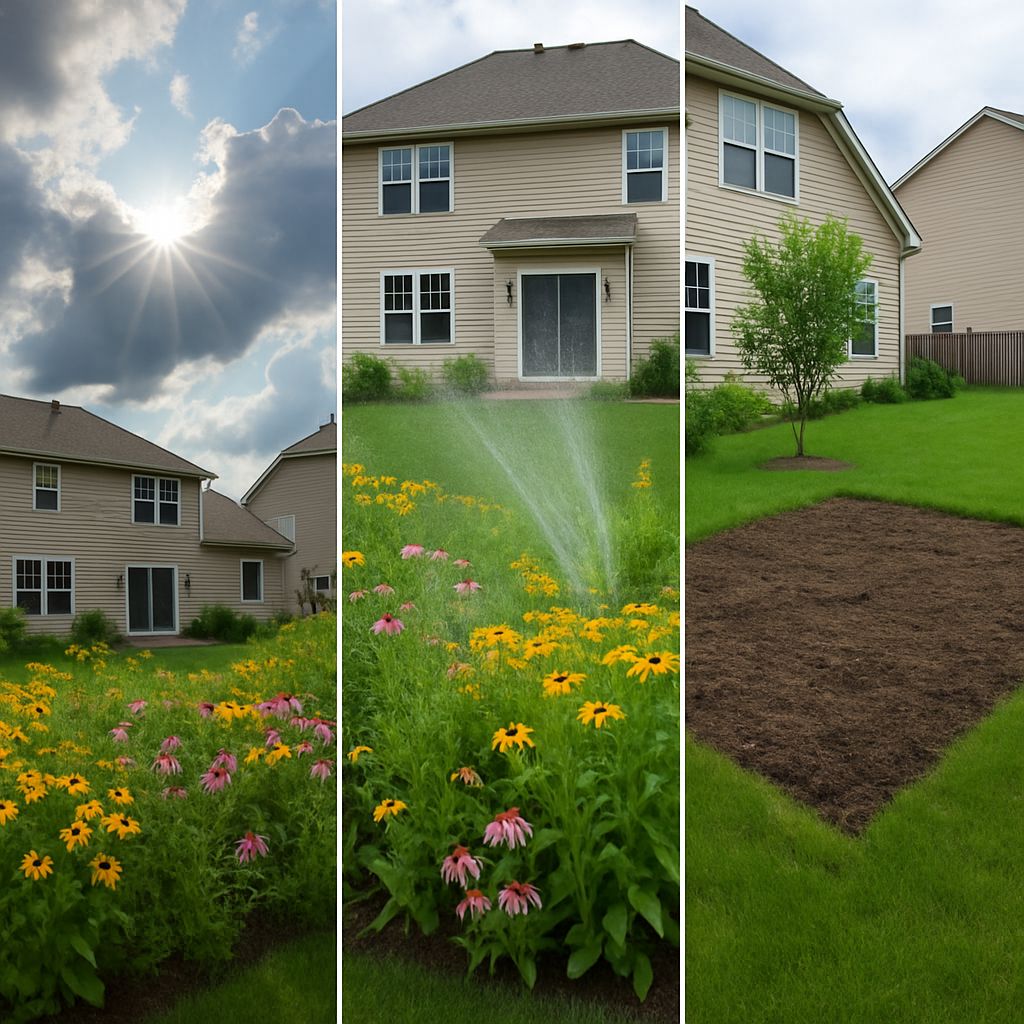
Most native prairie plants want full sun — a minimum of six hours of direct sunlight per day. If your yard skews shadier, there are still strong native options, including wild ginger (Asarum canadense), native columbine (Aquilegia canadensis), and great blue lobelia (Lobelia siphilitica). Water needs drop dramatically after the first establishment season, typically one to two years. Once native plants have set their deep root systems — some reaching 10 to 15 feet underground — they rarely need supplemental irrigation even through Illinois summers.
Where to Buy Native Pollinator Plants Near Naperville
Midwest Groundcovers in St. Charles, Illinois, is the go-to source for serious native plant gardeners in the Naperville area — it’s the same nursery that supplied plants for the Camp Greene Wood pollinator garden. They specialize in regionally appropriate species and carry varieties you simply won’t find at standard garden centers. For smaller quantities, The Growing Place in Aurora and Naperville carries a solid native plant selection and has knowledgeable staff who can help first-timers make smart choices for their specific site conditions.
If you’re looking for spring plant sales, the Morton Arboretum in Lisle — just minutes from Naperville — hosts an annual native plant sale that draws serious gardeners from across the Chicago region. Plants are locally sourced, regionally appropriate, and often available at lower prices than retail nurseries. The DuPage County Forest Preserve also periodically runs native plant giveaway programs, so it’s worth checking their event calendar at the start of each growing season. For those interested in maintaining their gardens, here’s a useful Naperville plant ID guide with seasonal maintenance tips.
Why Pollinators Matter More Than Most People Realize
Pollinators are responsible for one out of every three bites of food humans eat. That’s not a metaphor — it’s a direct ecological fact. Fruits, vegetables, nuts, and seeds all depend on pollination to reproduce, and the overwhelming majority of that work is done by insects, not wind. When pollinator populations decline, food systems feel it within a single growing season.
In the Chicago region specifically, pollinator populations face pressure from multiple directions at once. Habitat loss from suburban development fragments the corridors that bees and butterflies use to move across the landscape. Pesticide use — even low-dose applications — can disorient native bees and disrupt their navigation and reproductive cycles. Climate change is shifting bloom times in ways that break the synchronized relationship between plants and the pollinators that evolved alongside them. Planting a native garden doesn’t fix all of that, but it contributes to a solution in a way that’s immediate, measurable, and deeply satisfying.
Start Your Pollinator Garden Tour This Season
There’s genuinely no better time to start than right now. Camp Greene Wood’s pollinator garden at Naperville is one of the most accessible and ecologically meaningful green spaces in DuPage County — and it exists because a pest control company, a group of Girl Scouts, and a community of engaged families decided to build something worth building. That kind of collaborative energy is contagious, and it starts with showing up, looking closely, and letting the garden do what good native gardens always do: change how you see the landscape around you.
Download the free field guides, mark your calendar for a warm June morning, and go see what’s happening in your own backyard ecosystem. Then come home and start planning your own patch of it.
Frequently Asked Questions
What Is the Best Time of Year to Visit Pollinator Gardens in Naperville?
The best time to visit pollinator gardens in Naperville is between mid-June and late August. This window captures peak bloom diversity among native Illinois plants and the highest simultaneous activity across bee, butterfly, and beetle species. Monarch butterflies pass through most reliably in August and early September during their southward migration. For more information on identifying native plants during your visit, check out this Naperville plant ID guide.
For the most active experience, visit on a warm, sunny morning between 9 a.m. and noon. Bee foraging activity is highest during this window, and most butterflies become more active as temperatures rise through the morning hours. Overcast or cool days significantly reduce visible pollinator activity, so weather matters as much as calendar timing.
Are Naperville Pollinator Garden Tours Free?
Many pollinator garden experiences in the Naperville area are free or low-cost. The free field guides produced for the Chicagoland region — including the Beginner’s Field Guide to Pollinators in Chicagoland and the Creating Monarch Habitat guide — are available as free PDF downloads and require no registration. Community planting events hosted by organizations like Rose Pest Solutions have also been free to attend, though they fill quickly.
For structured tours at venues like the Morton Arboretum in nearby Lisle, general admission fees apply, but member access is included. DuPage County Forest Preserve programming is typically free. Checking individual organization event calendars at the start of each season is the most reliable way to find upcoming free pollinator garden events near Naperville. For those interested in enhancing their own spaces, consider exploring eco-friendly urban garden kits in Naperville for a DIY approach.
What Native Plants Attract the Most Pollinators in Illinois?
The highest-performing native plants for pollinator attraction in Illinois include purple coneflower (Echinacea purpurea), wild bergamot (Monarda fistulosa), native swamp milkweed (Asclepias incarnata), black-eyed Susan (Rudbeckia hirta), and Joe Pye weed (Eutrochium purpureum). These species support the widest variety of pollinators simultaneously and bloom across an extended season that keeps your garden productive from early summer through fall.
For Monarch-specific habitat, native milkweed species are non-negotiable. Common milkweed (Asclepias syriaca) and swamp milkweed (Asclepias incarnata) are the two most reliably available species in the Naperville area and the only host plants Monarch caterpillars can develop on. Adding late-season nectar sources like native asters and goldenrod gives migrating Monarchs the fuel they need to complete their journey south. For more on creating habitats, check out micro-habitats in Aurora, IL.
Avoid purchasing milkweed species labeled “tropical milkweed” (Asclepias curassavica) — it doesn’t die back in winter the way native species do, which can disrupt Monarch migration patterns. Stick with Illinois-native species specifically matched to your hardiness zone, which for Naperville is USDA Zone 5b to 6a.
Can Kids Participate in Pollinator Garden Events in Naperville?
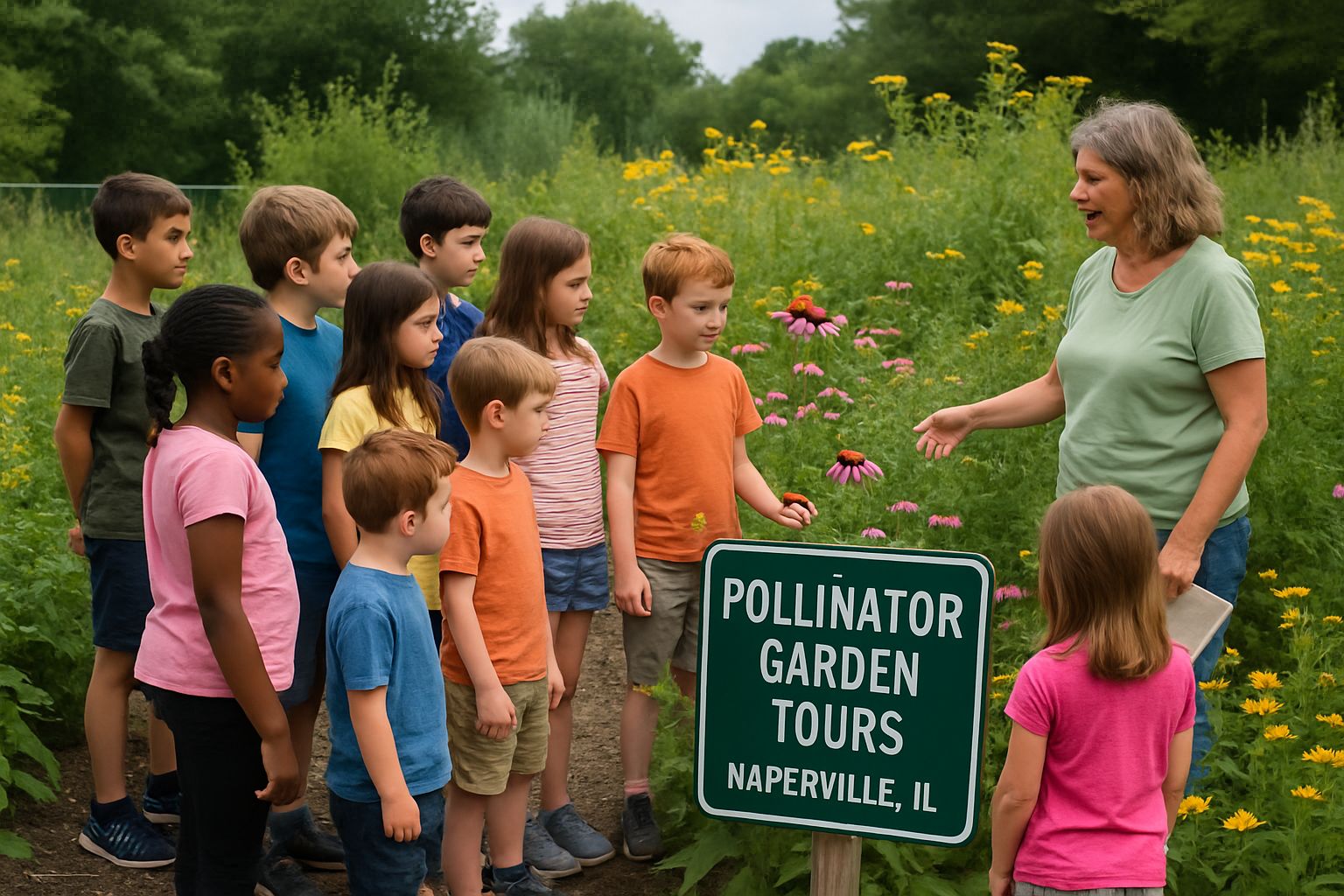
Absolutely — and the Camp Greene Wood garden is proof of exactly that. The original planting event brought together around 150 Girl Scouts and their family members for a hands-on planting day that was genuinely educational and fun. Events like these are specifically designed to be accessible and engaging for young participants, and the experience of physically planting native species creates a lasting connection to environmental stewardship that classroom learning alone rarely achieves.
Beyond organized events, pollinator gardens are inherently kid-friendly spaces. Native bees are overwhelmingly docile when foraging — they have no interest in stinging anyone — and watching a sphinx moth hover over wild phlox or a bumblebee work through a coneflower patch is the kind of real-world nature observation that sparks genuine curiosity. Bringing the free field guides along gives kids a tangible way to engage by identifying what they’re seeing in real time.
How Do I Start a Pollinator Garden in an Illinois Backyard?
Start small and start with natives. Pick a sunny spot — at least six hours of direct sunlight — and begin with five to seven proven Illinois native species rather than trying to plant an entire garden at once. Purple coneflower, wild bergamot, and black-eyed Susan are the most forgiving starting points because they establish quickly, tolerate clay soil, and begin attracting pollinators within their first season. Add a native milkweed species if Monarchs are a priority for you.
Prepare your planting area by removing existing turf or weeds and loosening the top six to eight inches of soil. Avoid adding heavy amendments — native plants evolved in lean Illinois soils and don’t need the enriched growing conditions that vegetable gardens or non-native ornamentals require. Overamending can actually push native plants toward excessive leafy growth at the expense of flowering.
Water regularly through the first growing season to help roots establish, then step back. By year two, most native prairie plants require minimal intervention. By year three, a well-chosen native planting essentially takes care of itself — which is exactly what a truly functional pollinator garden should do. For additional plant selection guidance, the Plants for Pollinators brochure produced by Rose Pest Solutions and the Nature Museum is a free, region-specific resource worth downloading before you head to the nursery.
If you’re ready to take the next step in supporting local pollinators — whether in your garden or your community — Rose Pest Solutions brings the kind of ecological expertise and community commitment that turns good intentions into thriving native habitats. For more tips, check out this Naperville plant ID guide for seasonal maintenance tips.