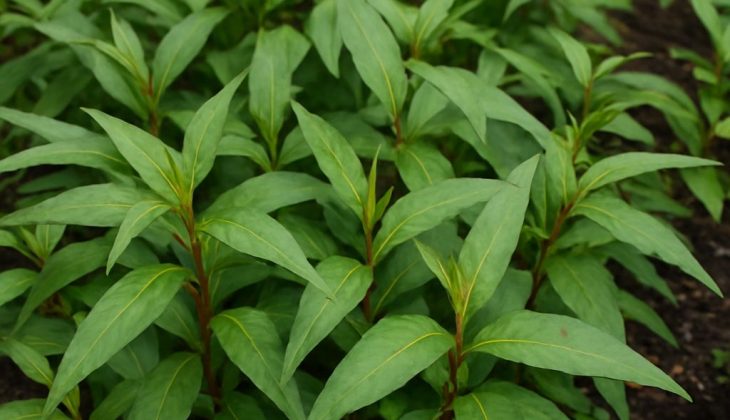
- Aurora, IL sits in USDA Hardiness Zone 5b, which means you get real winters and hot summers — and with the right herb selection, that’s actually an advantage for growing a diverse, productive specialty herb garden.
- Timing is everything: Most herbs should be started indoors 6–8 weeks before Aurora’s last frost date (around May 10–15), with cold-hardy varieties going out as early as late March.
- Soil preparation makes or breaks your herb garden — specialty herbs demand well-draining, slightly alkaline soil with a pH between 6.0 and 7.0, and Aurora’s native clay soil almost always needs amending.
- Some of the most rewarding specialty herbs for Aurora gardeners include za’atar, Vietnamese coriander, lemon verbena, and bronze fennel — herbs you rarely find fresh at any grocery store.
- Wondering which herbs survive an Illinois winter? A handful of perennial varieties will come back year after year with the right mulching strategy — keep reading to find out which ones make the cut.
Growing a specialty herb garden in Aurora, IL, is one of the most rewarding things you can do with a patch of dirt, a few containers, or even a sunny windowsill.
Whether you’re chasing rare culinary herbs you can’t find at the grocery store or building a full backyard herb sanctuary, Aurora’s climate is more workable than most gardeners realize. For local enthusiasts looking to dig deeper into the hobby, resources from Aurora’s local gardening community can point you toward workshops, plant swaps, and expert guidance specific to this region.
Aurora, IL Is the Perfect Place to Grow a Specialty Herb Garden
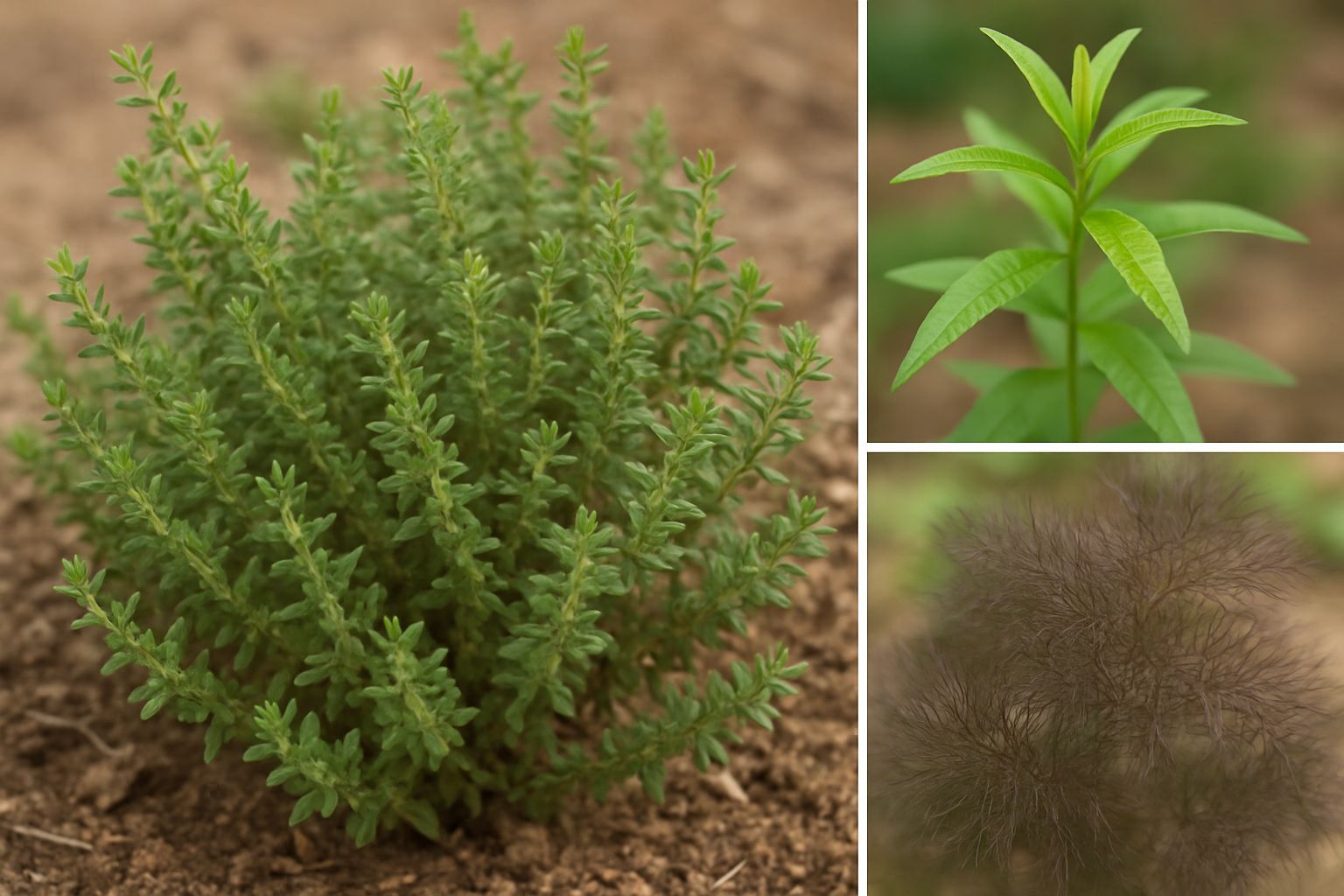
Aurora’s four distinct seasons aren’t a limitation — they’re a feature. You get cold winters that give perennial herbs a natural dormancy period, springs that warm up just in time for early planting, and long, hot summers that push heat-loving Mediterranean herbs into overdrive.
Why Aurora’s Climate Works for Herb Gardens
Aurora sits in a humid continental climate zone, which means warm, often humid summers and cold winters with reliable snowfall. Average summer temperatures hover between 70°F and 85°F, which is ideal for basil, rosemary, and oregano. The city also gets around 38 inches of rainfall annually, reducing how much supplemental watering you’ll need for most herbs during the growing season.
The flip side is that Aurora’s winters can push down to -10°F to -15°F during cold snaps. That’s not herb-growing weather — but with proper planning, winterizing, and smart plant selection, you can keep a productive herb garden thriving from March through November, and even year-round indoors.
USDA Hardiness Zone 5b: What It Means for Your Herbs
Aurora falls squarely in USDA Hardiness Zone 5b, with average minimum winter temperatures between -15°F and -10°F. This classification is your single most important planning tool. It tells you which herbs will survive winter in the ground, which need to come inside, and which you should simply treat as annuals and replant each spring.
Zone 5b perennial herbs that reliably overwinter in Aurora include thyme, chives, mint, and French tarragon. Tender perennials like rosemary and lemon verbena will die back if left outside unprotected. Knowing this upfront saves you money and frustration every single fall.
Best Times to Plant Herbs in Aurora, IL
Aurora’s average last frost date falls between May 10 and May 15. Work backward from that date to build your planting calendar:
- Late February – Early March: Start basil, parsley, and lemon verbena seeds indoors under grow lights
- Late March – Early April: Direct sow or transplant cold-tolerant herbs like chives, cilantro, and dill outdoors
- Mid-May (after last frost): Move tender herbs like basil, Thai basil, and rosemary outside
- June – August: Succession plant fast-growing herbs like cilantro and dill every 2–3 weeks for continuous harvest
- September – October: Begin bringing tender perennials indoors before the first fall frost
The Best Specialty Herbs to Grow in Aurora, IL
Not all herbs are created equal, and “specialty” doesn’t have to mean difficult. It means growing herbs with purpose — varieties that are harder to find fresh, intensely flavorful, or uniquely suited to specific cuisines and uses.
Cold-Hardy Herbs That Thrive in Illinois Winters
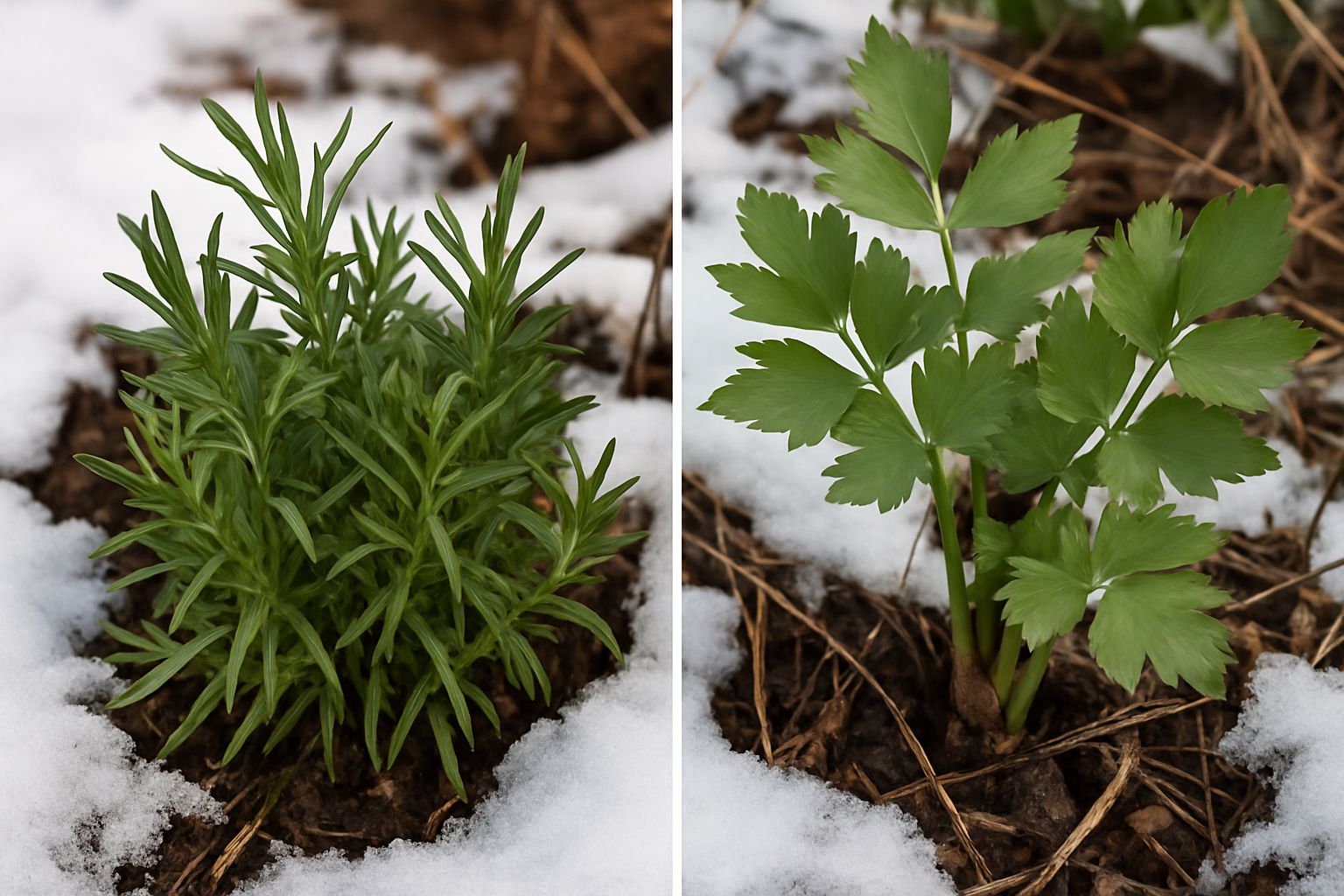
These are your backbone plants — the ones you put in the ground once and enjoy for years. French tarragon is a standout: it’s far superior in flavor to Russian tarragon (which is what most seed packets contain), and it overwinters reliably in Zone 5b with a light mulch layer. Lovage is another underused perennial that tastes like intense celery and grows into a 4–6 foot architectural plant by midsummer. For more information on growing herb gardens, visit the Illinois Extension’s blog.
Thyme, chives, and mint are the reliable workhorses, but don’t overlook anise hyssop (Agastache foeniculum), which is native to the Midwest and produces licorice-scented leaves and purple flower spikes that pollinators absolutely love. Plant it once and it will self-seed reliably year after year in Aurora’s climate.
Heat-Loving Herbs for Aurora’s Hot Summers
Aurora’s July and August heat is perfect for Mediterranean and tropical herbs that need warmth to develop their full flavor profile. Genovese basil explodes in the heat, but specialty varieties like Tulsi (Holy Basil), African Blue Basil, and Lemon Basil are worth dedicating space to. They each bring a completely different aromatic profile and culinary use to the table.
Za’atar (Origanum syriacum) thrives in Aurora summers with minimal water once established. It’s the actual herb behind the Middle Eastern spice blend of the same name, and growing your own means you get the real thing — not a commercial approximation. Pair it with Aleppo pepper plants in a dedicated Mediterranean bed for a cohesive, stunning garden section.
Rare and Exotic Specialty Herbs Worth Growing
This is where herb gardening gets genuinely exciting. Vietnamese coriander (Persicaria odorata) delivers a sharper, more complex flavor than regular cilantro and doesn’t bolt in the heat — a massive advantage for Aurora’s warm summers. Grow it in a container so you can bring it inside before frost. For more tips on herb gardening, check out this guide on growing herb gardens.
Shiso (Perilla frutescens) is another specialty herb that thrives in Aurora’s climate. Both the green and purple varieties are stunning in the garden and indispensable in Japanese cooking. It self-seeds aggressively, so give it a dedicated spot or grow it in a raised bed where you can manage its spread.
For something truly unusual, consider epazote — the pungent Mexican herb that’s essential for cooking black beans and tamales. It grows vigorously in Aurora’s heat, reseeds freely, and is almost impossible to find fresh outside of specialty markets. Growing it yourself puts a genuinely rare culinary ingredient at your fingertips all season long.
How to Design Your Specialty Herb Garden
A well-designed herb garden is both beautiful and functional — and in Aurora’s climate, design decisions directly affect how well your plants perform through temperature swings, heavy rain, and summer heat. For more insights, check out this guide on growing herb gardens in Illinois.
Raised Bed vs. In-Ground Herb Gardens
For most Aurora gardeners, raised beds win hands down. Aurora’s native soil tends to be heavy clay with poor drainage — exactly the opposite of what most specialty herbs need. A raised bed filled with a custom soil blend gives you instant control over drainage, pH, and soil structure without years of ground amendment work.
Container Herb Gardens for Small Spaces
Don’t have room for a raised bed? Containers are a completely legitimate way to grow a serious specialty herb garden in Aurora — and in some cases, they’re the smarter choice. Tender perennials like rosemary, lemon verbena, and Vietnamese coriander actually benefit from container growing because you can move them indoors before Aurora’s first fall frost without any transplant shock.
Use containers that are at least 12 inches deep for most herbs, and 16–18 inches for larger plants like lovage or African Blue Basil. Terra cotta pots look beautiful but dry out fast in Aurora’s summer heat — if you go that route, plan to water daily in July and August. Glazed ceramic or high-quality resin containers hold moisture better and handle Illinois freeze-thaw cycles without cracking.
Companion Planting With Herbs
Herbs are some of the best companion plants in any garden, and in a specialty herb setup, strategic pairing pays double dividends. Many aromatic herbs naturally repel common Illinois pests like aphids, whiteflies, and Japanese beetles — meaning your herb garden actually protects the vegetables and flowers growing nearby. For more tips, you can explore growing herb gardens beyond the kitchen.
Basil planted near tomatoes is the classic example, but the combinations go much further than that. Chives deter aphids from roses. Anise hyssop attracts predatory wasps that control caterpillar populations. Tansy — a bold, ferny-leafed specialty herb — repels ants and Colorado potato beetles when planted along garden borders.
Companion Planting Quick Reference for Aurora Herb Gardens
Basil — Plant near tomatoes, peppers; repels aphids and thrips
Chives — Plant near roses, carrots; deters aphids and carrot fly
Anise Hyssop — Plant near brassicas; attracts beneficial predatory wasps
Tansy — Plant along borders; repels ants, beetles, and flying insects
Mint — Plant near cabbage and tomatoes (in containers to control spread); repels flea beetles
Rosemary — Plant near beans and brassicas; deters bean beetles and cabbage moths
French Tarragon — Plant throughout the garden as a general pest deterrent; enhances flavor of neighboring vegetables
The key with companion planting is thinking about growth habits as much as pest control benefits. Mint, for example, is an aggressive spreader that will take over a raised bed if planted directly in the ground. Always grow mint in a buried container or a dedicated section with root barriers to keep it from crowding out your specialty herbs.
Tall herbs like lovage and bronze fennel can provide useful shade for lower-growing, heat-sensitive herbs like cilantro and Vietnamese coriander during Aurora’s peak summer heat. Position them on the north or west side of your beds so they cast afternoon shade without blocking morning sun from the rest of the garden.
How to Arrange Herbs by Sun and Water Needs
Group your herbs by their two most critical requirements — sunlight and water — and your garden will practically manage itself. Mediterranean herbs like oregano, thyme, za’atar, and rosemary need full sun (6–8 hours minimum) and sharp drainage, and they hate sitting in wet soil. Give them the hottest, sunniest section of your garden. On the other side of the spectrum, herbs like mint, lemon balm, and Vietnamese coriander prefer partial shade and consistent moisture, making them ideal for spots that get afternoon shade or are near a water source.
Soil, Watering, and Feeding Tips for Aurora Herb Gardens
Get the soil and watering right, and most specialty herbs become surprisingly low-maintenance. Get them wrong, and even the toughest herbs will struggle in Aurora’s clay-heavy ground and humidity swings. For more insights on urban gardening, explore the cooling benefits of urban gardens and their impact on neighborhoods.
Aurora’s native soil is predominantly silty clay loam — dense, slow-draining, and prone to compaction. It’s workable for vegetables with heavy amendment, but for specialty herbs that evolved in rocky, fast-draining Mediterranean or tropical soils, it’s a genuine challenge right out of the ground. The good news is that fixing it for a raised bed or container setup is straightforward and affordable. For more information on how to grow herb gardens, visit the Illinois Extension blog.
The Best Soil Mix for Specialty Herbs
| Herb Type | Ideal Soil pH | Recommended Mix | Key Drainage Need |
|---|---|---|---|
| Mediterranean (Thyme, Oregano, Za’atar) | 6.5 – 7.5 | 50% quality compost, 30% coarse sand, 20% perlite | Very High — never allow standing water |
| Tropical (Basil, Shiso, Lemongrass) | 6.0 – 7.0 | 60% compost, 25% loam, 15% perlite | Moderate — consistent moisture without waterlogging |
| Woodland/Shade (Mint, Lemon Balm) | 6.0 – 7.0 | 70% compost, 20% loam, 10% coarse sand | Low — tolerates more moisture retention |
| Root Herbs (Angelica, Lovage) | 6.0 – 7.0 | 60% compost, 30% loam, 10% perlite | Moderate — deep, loose soil for root development |
For a general-purpose raised bed serving a mix of specialty herbs, a proven blend is one-third quality compost, one-third topsoil, and one-third coarse horticultural sand or perlite. This creates a light, well-draining structure that still holds enough moisture and nutrients to support strong herb growth through Aurora’s long growing season.
Feed your herb garden with a light application of balanced slow-release organic fertilizer (such as Espoma Garden-tone 3-4-4) at the start of the season in May. Most specialty herbs — especially the Mediterranean varieties — actually produce more intense essential oils and flavor when grown in slightly lean soil, so resist the urge to over-fertilize. Too much nitrogen produces lush, watery growth with diminished flavor.
Test your soil pH every spring using an inexpensive meter like the Sonkir Soil pH Meter MS02. If your raised bed is reading below 6.0, add agricultural lime to raise it. Above 7.5, incorporate sulfur powder to bring it down. Specialty herbs are sensitive enough to pH shifts that a half-point difference can visibly affect plant health and harvest quality.
How Often to Water Herbs in Illinois Heat
During Aurora’s July and August heat peaks, container herbs may need watering once or even twice daily. In-ground and raised bed herbs are more forgiving, but Mediterranean varieties still need checking every 1–2 days when temperatures consistently exceed 85°F. The easiest way to judge: push your finger 2 inches into the soil. If it’s dry at that depth, it’s time to water. If it’s still moist, hold off another day.
Drip irrigation is the single best upgrade you can make to an Aurora herb garden. A basic drip system like the Rain Bird GRDNERKIT Drip Irrigation Kit delivers water directly to the root zone, keeps foliage dry (reducing fungal disease risk in humid Illinois summers), and can be put on a timer to water in the early morning — the optimal time to irrigate any herb garden. For more tips on growing herbs, check out this guide to herb gardens.
Protecting Your Herb Garden Through Aurora’s Seasons
Aurora throws a lot at a garden across four seasons — late spring frosts, brutal July humidity, surprise August dry spells, and early October cold snaps. The gardeners who build thriving, long-lived herb gardens here are the ones who plan for all of it, not just the ideal growing days.
The most common mistake Aurora herb gardeners make is doing nothing until the first hard frost warning hits in the fall. By then, it’s usually too late to properly winterize perennials, take cuttings, or bring containers inside without stressing the plants. Build your seasonal protection strategy into your calendar from the day you plant.
How to Winterize Perennial Herbs in Zone 5b
For Zone 5b perennials like thyme, French tarragon, chives, and anise hyssop, winterizing is straightforward: cut plants back by about one-third after the first hard frost, then apply a 3–4 inch layer of straw mulch over the root zone before the ground freezes solid. This insulates roots against Aurora’s coldest temperature dips without smothering the crown. Remove the mulch gradually in early spring as temperatures stabilize above freezing — usually late March to early April in Aurora. For more tips on urban gardening, explore the cooling benefits of urban gardens in nearby areas.
Dealing With Common Illinois Garden Pests Naturally
Aurora herb gardens face a predictable lineup of pest pressure throughout the season. Japanese beetles arrive in late June and can skeletonize basil and shiso leaves within days. Aphids cluster on new growth in spring and fall. Spider mites explode in hot, dry July conditions, particularly on rosemary and thyme. Knowing the timing of each pest lets you get ahead of them instead of reacting after damage is done.
For most specialty herb pest issues, the most effective organic controls are also the simplest. A strong spray of water dislodges aphids and spider mites instantly. Neem oil spray (mixed at 2 tablespoons per gallon of water with a few drops of dish soap) handles a wide range of soft-bodied insects without harming beneficial pollinators when applied in the evening. For Japanese beetles, hand-picking into a bucket of soapy water in the early morning — when they’re slowest — is genuinely effective at a small scale.
Mulching Strategies to Extend Your Growing Season
Mulch does three critical things for an Aurora herb garden: it regulates soil temperature, retains moisture during summer heat, and insulates roots during early and late-season cold snaps. Applied correctly, a good mulch layer can extend your effective growing season by two to four weeks on both ends of the calendar.
For specialty herb beds, use straw, shredded leaves, or untreated wood chip mulch applied 2–3 inches deep around plant stems (not touching them directly). Avoid dyed mulches or those made from treated wood — the chemicals can leach into the soil and affect the flavor compounds in culinary herbs. Pine bark mulch slightly acidifies soil over time, which can be useful around herbs that prefer lower pH but problematic for Mediterranean varieties that like it closer to neutral.
In spring, a layer of dark compost used as mulch does double duty — it warms the soil faster than bare ground (helping you plant earlier), feeds the bed as it breaks down, and suppresses weed germination. Spread 2 inches of finished compost in late April across your herb beds and you’ll see noticeably stronger early-season growth compared to unmulched beds.
Where to Source Specialty Herb Plants and Seeds in Aurora, IL
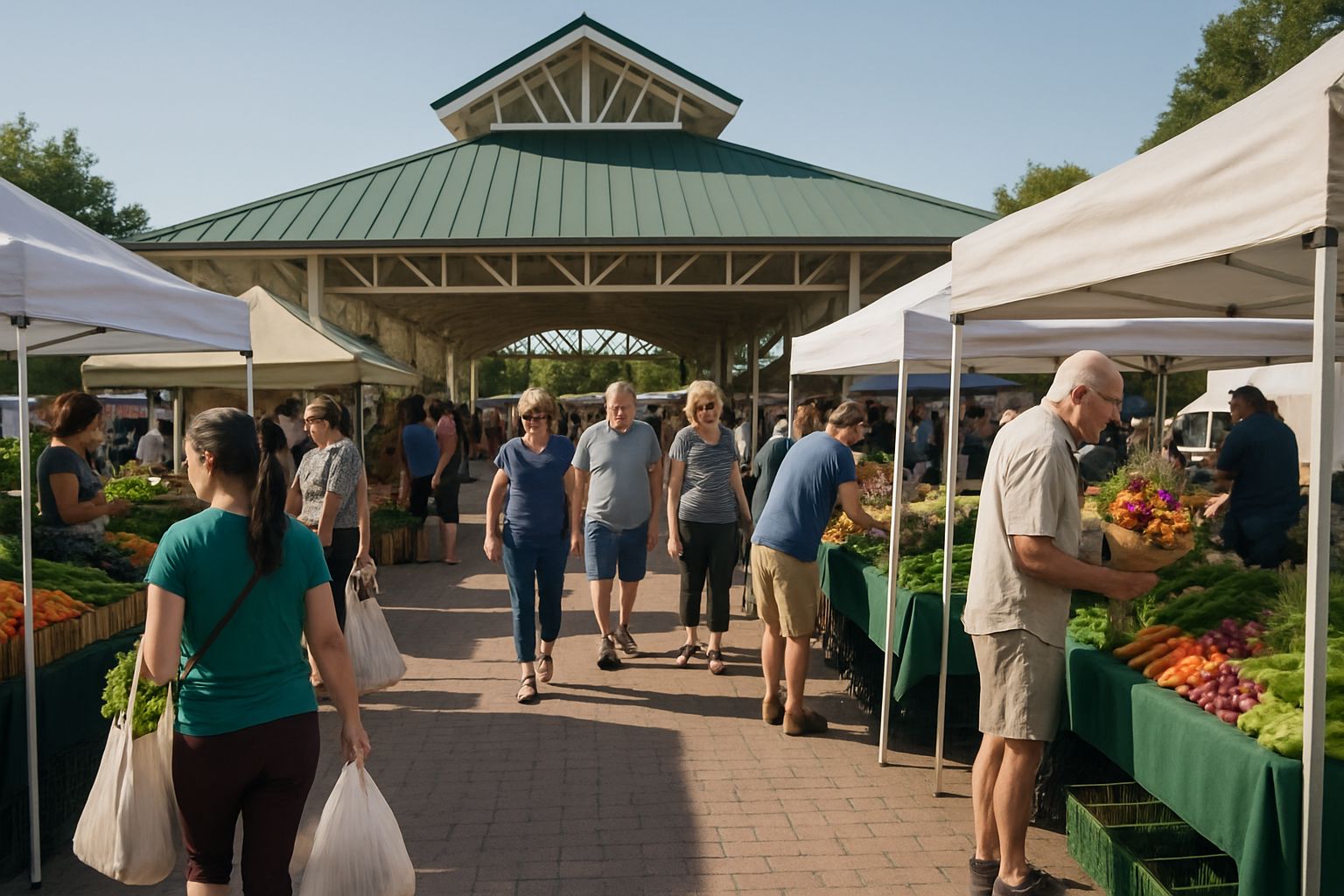
Finding specialty herb varieties in Aurora takes a bit more effort than picking up a flat of basil at the big box store, but the options are genuinely good once you know where to look. The Aurora Farmers Market, which runs from May through October, regularly features local vendors selling starts of unusual herb varieties you won’t find at chain garden centers — including shiso, epazote, and various specialty basils. Arriving early in the season (late May) gives you the widest selection before popular varieties sell out. For those interested in expanding their gardening knowledge, exploring uncommon vegetable crops in the area can be particularly rewarding.
For seeds, mail-order sources fill the gaps that local retailers can’t. Strictly Medicinal Seeds (strictlymedicinalseeds.com) carries one of the largest selections of specialty and rare herb seeds available to home gardeners, including hard-to-find varieties like Vietnamese coriander, za’atar oregano, and multiple shiso cultivars. Baker Creek Heirloom Seeds (rareseeds.com) is another exceptional source for unusual culinary herbs, with detailed growing notes that are particularly useful for first-time growers tackling unfamiliar varieties in Illinois’s climate.
How to Harvest and Use Your Specialty Herbs
Knowing when and how to harvest is the skill that separates a good herb garden from a great one — get it right and your plants will produce abundantly from June through October. For those interested in optimizing their garden for local conditions, check out this Chicago shade plants guide for the best planting tips.
When to Harvest Herbs for Maximum Flavor
The single most important harvesting rule: cut herbs before they flower. Once a plant bolts and puts energy into seed production, essential oil concentration in the leaves drops sharply, and flavor becomes bitter or flat. For basil, shiso, and anise hyssop, pinch flower buds off the moment you see them. For herbs like thyme, oregano, and za’atar, harvest just before the flower buds open — that’s the precise window when volatile oil content peaks.
Time your harvest for mid-morning, after the dew has dried but before the afternoon heat volatilizes the aromatic oils. Studies on herb oil content consistently show that harvesting between 9 a.m. and 11 a.m. yields leaves with measurably higher essential oil concentrations than those cut in the afternoon or evening. For most leafy herbs, never remove more than one-third of the plant at a single cutting — this keeps the plant vigorous and producing new growth rather than going into stress-triggered decline.
Drying vs. Freezing Fresh Herbs
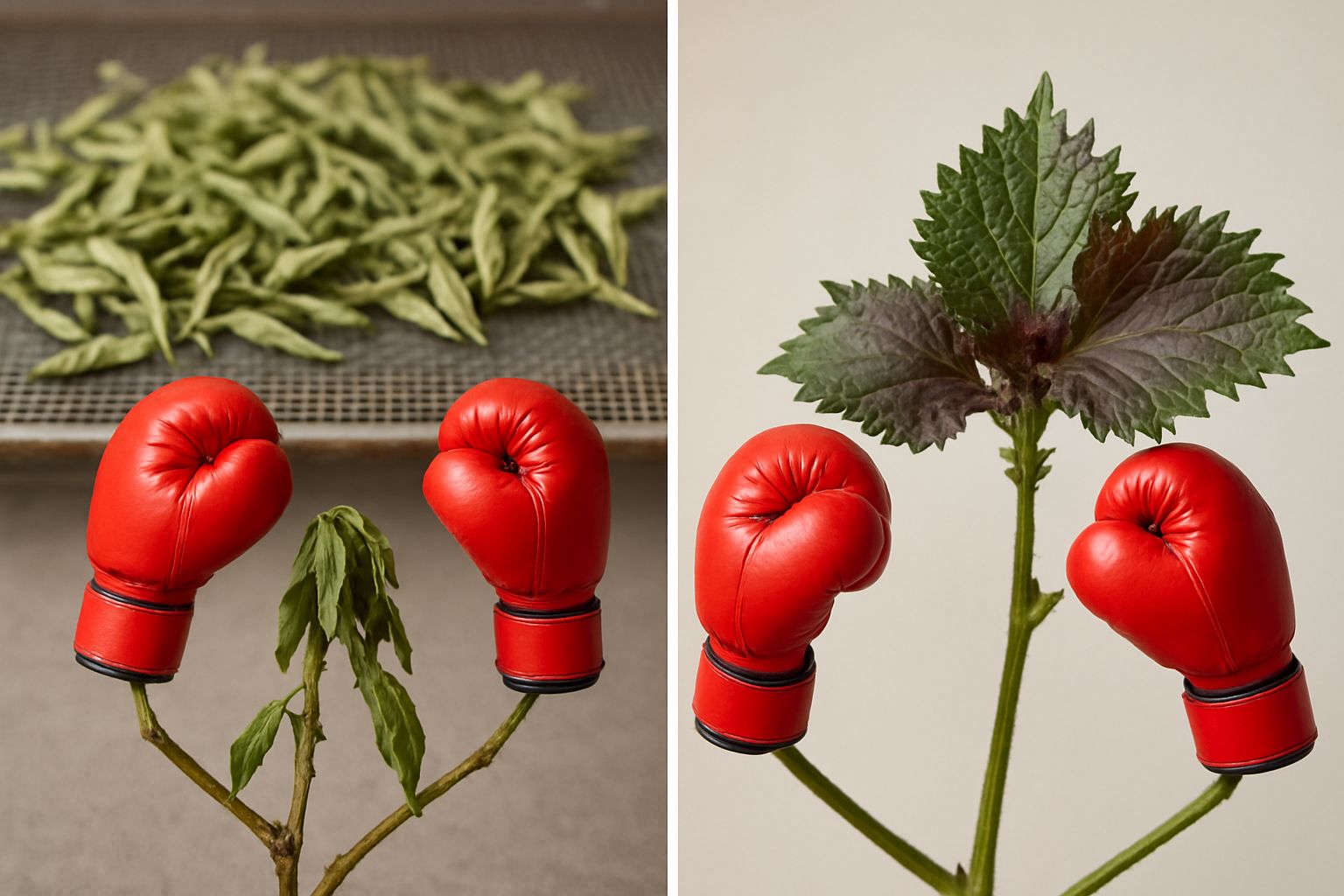
Drying vs. Freezing: Which Method Works Best for Your Specialty Herbs
Air Drying — Best for: thyme, oregano, za’atar, lavender, rosemary, anise hyssop | Tie small bundles and hang upside down in a dry, ventilated space away from direct sunlight. Ready in 1–2 weeks. Retains flavor well for woody, low-moisture herbs.
Dehydrator Drying — Best for: basil, shiso, lemon verbena, mint, lovage | Use a food dehydrator like the Cosori Premium Food Dehydrator CP267-FD at 95°F–115°F for 1–4 hours. Preserves color and flavor better than air drying for high-moisture, leafy herbs.
Freezing in Oil — Best for: basil, chives, parsley, Vietnamese coriander | Blend fresh herbs with just enough olive oil to form a paste, then freeze in ice cube trays. Each cube equals roughly 1–2 tablespoons of fresh herb — ready to drop directly into soups, sauces, or sautés.
Freezing Whole Leaves — Best for: shiso, mint, lemon balm | Flash freeze single layers on a parchment-lined tray, then transfer to freezer bags. Leaves won’t be suitable for fresh use, but work perfectly in cooked dishes and teas.
Salt Preservation — Best for: rosemary, thyme, za’atar, tarragon | Layer fresh herb sprigs between coarse sea salt in a jar. The salt draws moisture out and absorbs the herb’s flavor — creating both preserved herbs and an intensely flavored finishing salt.
For Mediterranean herbs like thyme, oregano, and za’atar, air drying actually concentrates flavor rather than diminishing it. The low moisture content of these herbs means drying removes water without significantly degrading the essential oil compounds responsible for their flavor. A bunch of home-dried za’atar hung in a warm kitchen for two weeks will outperform anything you’ll find in a commercial spice jar.
High-moisture herbs like basil are the exception to the air-dry rule. Basil turns black and loses most of its flavor when slowly air-dried at room temperature. A food dehydrator set at a low temperature — or the freezing-in-oil method — is dramatically better for preserving basil’s bright, clove-like flavor profile. The oil-cube method is particularly practical: drop a frozen basil cube into pasta sauce in January, and it tastes genuinely close to fresh-from-the-garden quality.
For Vietnamese coriander, which has a more delicate cell structure than regular cilantro, freezing whole leaves flat between sheets of parchment paper and vacuum sealing them in small portions gives the best results. The leaves hold their flavor and aroma remarkably well frozen, and since the herb doesn’t dry well, this is the most reliable way to preserve a late-season surplus before Aurora’s first hard frost forces you to cut the plant back.
Culinary Uses for Common Specialty Herbs
Za’atar — dried and blended with sumac and sesame seeds — is one of the most versatile condiments you can make from your garden. Mix it with quality olive oil and use it as a dip for flatbread, a rub for roasted chicken, or a finishing sprinkle on hummus. Growing your own Origanum syriacum means you get the authentic, intensely earthy-thyme flavor that distinguishes real za’atar from the commercial blends that often substitute dried thyme or marjoram. For more on growing unique plants, explore our guide on urban foraging in Aurora, Illinois.
Shiso brings a flavor that’s simultaneously minty, basil-like, and faintly anise-forward — and it’s one of the most culinarily flexible specialty herbs you can grow in Aurora. Use green shiso leaves as a wrap for grilled fish, slice them thin over cold soba noodles, or muddle a few leaves into a summer cocktail. Purple shiso, steamed with rice vinegar and sugar, produces a stunning crimson liquid used to color umeboshi plums and homemade pickles.
Epazote deserves far more attention in American kitchens than it typically gets. Add a few fresh sprigs to black beans or pinto beans during the last 20 minutes of cooking — it dramatically improves digestibility and adds a distinctive, resinous depth of flavor that’s genuinely irreplaceable in traditional Mexican dishes. Fresh epazote from your Aurora garden is a completely different ingredient from the dried commercial version, with an intensity and brightness that’s hard to describe until you’ve experienced it firsthand.
- Lemon verbena: Steep fresh leaves in cream for ice cream and panna cotta; use in herb-infused simple syrups for cocktails and lemonade
- French tarragon: Classic in béarnaise sauce, fines herbes blends, and tarragon chicken; infuse in white wine vinegar for a pantry staple that lasts all winter
- Vietnamese coriander: Essential in Vietnamese pho and spring rolls; use as a direct substitute for regular cilantro in any dish where you want a bolder, more complex flavor
- Anise hyssop: Brew fresh leaves as an herbal tea; use flowers as a garnish for desserts; infuse into honey for a uniquely floral, licorice-forward condiment
- Lovage: Use stalks like celery in stocks and soups; mince leaves as a fresh celery-flavored herb in potato salad, grain bowls, and compound butters
- Tulsi (Holy Basil): Brew as a calming adaptogenic tea; use fresh leaves in Southeast Asian stir-fries where the clove-spice notes complement fish sauce and chilies
Your Aurora Herb Garden Can Thrive Year After Year
The gardeners who build truly lasting herb gardens in Aurora aren’t the ones with the most plants — they’re the ones who treat their garden as a living system rather than a seasonal project. Every fall mulching, every thoughtful soil amendment, and every smart variety selection compounds over time into a garden that gets easier and more productive with each passing year.
By year three of a well-maintained specialty herb garden in Aurora, your perennial plants will be fully established with deep root systems that handle summer heat and winter cold with minimal intervention. Lovage will be a towering, self-sustaining presence. Anise hyssop will be self-seeding in exactly the spots you want it. French tarragon will have spread into a lush, fragrant clump that provides harvests from May through October. The initial investment of time and planning pays dividends for years on end.
Year-by-Year Aurora Herb Garden Development Guide
Year 1 — Foundation: Focus on soil building, layout, and establishing 3–5 reliable perennial herbs alongside seasonal annuals. Expect moderate harvests as plants establish root systems.
Year 2 — Growth: Perennials begin producing significantly more. Start expanding with 2–3 new specialty varieties. Begin saving seeds from self-seeding herbs like shiso, epazote, and anise hyssop.
Year 3 — Maturity: Established perennials require minimal maintenance. Focus shifts to refinement — replacing underperformers, adding companion planting relationships, and maximizing harvest and preservation systems.
Year 4+ — Abundance: A mature Aurora herb garden at this stage produces more than most households can use fresh. Consider drying, preserving, and sharing divisions of perennial herbs with neighboring gardeners.
Keep a simple garden journal from your very first season. Record planting dates, variety names, pest pressures, harvest windows, and what worked or didn’t. Aurora’s microclimate can vary meaningfully even within a few blocks — a journal built from your specific growing conditions is more valuable than any general gardening guide, including this one. After two or three seasons of notes, you’ll have a personalized roadmap for your exact garden, soil, and sun exposure. For additional insights, you might find this guide to growing herb gardens useful.
Don’t overlook the community dimension of herb gardening in Aurora. Connecting with other local gardeners through the Aurora Park District programs or the Kane County Master Gardener network gives you access to plant swaps, local variety recommendations, and hard-won knowledge about what genuinely thrives in this specific corner of Illinois. Some of the best specialty herb growing advice you’ll ever get comes from someone who’s been gardening in Aurora’s Zone 5b clay soil for twenty years — and those connections are available if you seek them out.
Frequently Asked Questions
Here are answers to the most common questions Aurora gardeners ask when starting or expanding a specialty herb garden.
What herbs grow best in Aurora, IL?
The herbs that consistently perform best in Aurora’s Zone 5b climate fall into two reliable categories: cold-hardy perennials and heat-loving annuals. Thyme, chives, French tarragon, anise hyssop, mint, and lovage are the most dependable perennials, returning year after year with minimal intervention. For heat-loving specialty herbs grown as annuals, Genovese basil, Tulsi, shiso, za’atar, epazote, and Vietnamese coriander all perform exceptionally well in Aurora’s warm summers. If you’re looking to enhance your garden with more unique plants, check out this guide on uncommon vegetable crops that thrive in Aurora, IL.
The herbs that struggle most in Aurora are tender perennials that can’t handle Zone 5b winters outdoors — particularly rosemary, lemon verbena, and lemongrass. These are absolutely worth growing, but plan to either bring them inside before the first fall frost or treat them as annuals and replace them each spring. With that expectation set, they’re completely achievable in an Aurora garden.
When should I start planting herbs in Aurora, IL?
Start seeds for basil, parsley, and lemon verbena indoors under grow lights in late February to early March, roughly 8 weeks before Aurora’s average last frost date of May 10–15. Cold-tolerant herbs like chives, cilantro, and dill can go directly into the ground or into containers as early as late March to early April when soil temperatures reach at least 45°F. Wait until after May 15 to move tender herbs like basil and Vietnamese coriander outside — a late frost will kill them outright, and Aurora occasionally sees frost well into the first week of May.
Can I grow herbs indoors during Aurora’s cold winters?
- Light is the non-negotiable requirement: Most culinary herbs need 6–8 hours of direct light daily indoors. South-facing windows in Aurora, winter rarely provide enough — invest in a full-spectrum LED grow light like the Barrina T5 Grow Light to supplement natural light
- Best herbs for indoor winter growing: Chives, mint, lemon balm, parsley, basil (with adequate light), and Vietnamese coriander all adapt well to indoor container growing
- Avoid overwatering indoors: Indoor herbs in winter need significantly less water than outdoor summer plants — let the soil dry out 1–2 inches deep between waterings to prevent root rot
- Humidity matters: Aurora homes heated through winter drop to very low indoor humidity. Group herb pots together or place them on a pebble-and-water tray to raise local humidity around the plants
- Temperature: Keep indoor herb pots away from cold windowsill drafts and heating vents — both extremes stress plants significantly
Yes, you can absolutely grow a productive indoor herb garden through Aurora’s winters — but it requires more deliberate setup than simply moving outdoor pots inside and hoping for the best. The right lighting setup makes the biggest difference between a thriving indoor herb collection and a collection of plants slowly declining through February and March.
For a compact indoor herb setup that genuinely works through an Illinois winter, try growing chives, mint, and Vietnamese coriander together under a single Barrina T5 4ft Grow Light running on a timer for 14–16 hours daily. This combination gives you fresh herbs for cooking throughout the cold months while keeping the light, space, and watering demands completely manageable in a kitchen or spare room setting.
Bring rosemary and lemon verbena indoors as full container plants before the first fall frost — these are your most valuable tender perennials, and overwintering them successfully saves the cost and effort of sourcing new plants each spring. Give them the sunniest window you have and water sparingly through winter dormancy. They’ll push strong new growth as soon as day length starts increasing in February.
What is the best soil for a specialty herb garden in Illinois?
For raised beds and containers in Aurora, the most reliable general-purpose specialty herb soil mix is one-third quality finished compost, one-third topsoil or loam, and one-third coarse horticultural sand or perlite. This blend drains fast enough for Mediterranean herbs while retaining enough moisture and nutrients for tropical and shade-preferring varieties. Target a soil pH between 6.0 and 7.0 for the broadest range of specialty herbs, testing annually with a calibrated pH meter and adjusting as needed with agricultural lime or sulfur.
For in-ground planting in Aurora’s native clay soil, amendment is essential before planting any specialty herbs. Work in at least 4–6 inches of compost plus coarse sand to a depth of 12 inches, and consider building a slight mound or berm to improve surface drainage. Planting into unamended Aurora clay — even with heavy mulching — will result in root rot for most Mediterranean herbs within a single wet season. For more ideas on gardening in the area, check out these urban foraging tips in Aurora.
Where can I buy specialty herb plants near Aurora, IL?
- Aurora Farmers Market (May–October) — Best source for locally grown specialty herb starts, including unusual varieties from small regional growers
- The Growing Place Nursery (Naperville, IL — 15 minutes from Aurora) — Carries an exceptional selection of herb varieties, including specialty and heirloom types not found at chain garden centers
- Platt Hill Nursery (Bloomingdale, IL) — Large selection of culinary and specialty herbs with knowledgeable staff familiar with Zone 5b growing conditions
- Strictly Medicinal Seeds (strictlymedicinalseeds.com) — Best online source for rare specialty herb seeds, including Vietnamese coriander, za’atar, epazote, and multiple shiso varieties
- Baker Creek Heirloom Seeds (rareseeds.com) — Excellent selection of heirloom and specialty culinary herb seeds with detailed variety descriptions and growing notes
- Kane County Master Gardener Plant Sale (annual spring event) — Locally grown plants adapted to Zone 5b conditions, often including specialty herbs at very reasonable prices
When buying herb starts locally, always check that the plant label specifies the exact cultivar name rather than just the common herb name. A label that says “basil” could be Genovese, Thai, lemon, or African Blue — four entirely different plants with different flavors, growth habits, and culinary uses. A reputable specialty nursery will always label cultivar names clearly.
For seed starting, ordering in January gives you access to the widest variety selection before popular specialty herb seeds sell out. Baker Creek and Strictly Medicinal both experience significant stock depletion by March for their most sought-after specialty varieties — planning means you get your first-choice herbs rather than whatever’s left by spring. If you’re interested in exploring unique plant options, consider learning about urban foraging in Aurora, Illinois, for uncommon vegetable crops.
Don’t overlook plant swaps as a sourcing strategy. Aurora and Kane County gardening groups on Facebook and through the Kane County Master Gardener network regularly organize swaps where you can acquire divisions of established perennial herbs — French tarragon, anise hyssop, lovage, and various mints — for free in exchange for divisions from your own garden. This is how the most interesting, locally-adapted herb varieties circulate through the Aurora gardening community.
When purchasing rosemary, always look specifically for cold-hardy varieties proven to handle Zone 5 conditions. Rosmarinus officinalis ‘Arp’ and ‘Salem’ are the two most reliably cold-tolerant rosemary cultivars available, rated to Zone 6 and sometimes surviving Zone 5b winters with heavy mulch protection. Standard rosemary varieties labeled simply as “rosemary” at chain garden centers are typically only hardy to Zone 7 and will not survive Aurora winters outdoors.
Building a reliable network of specialty herb sources — combining local farmers markets, quality independent nurseries, and trusted seed companies — means you’ll never be stuck settling for the same six herb varieties available at every big box store. Aurora’s proximity to Chicago’s diverse food culture also means specialty nurseries in the broader metro area often stock herb varieties reflecting the region’s wide range of culinary traditions, from Southeast Asian herbs to Middle Eastern and Latin American specialty plants.
Your specialty herb garden is an investment that rewards curiosity, patience, and a willingness to grow beyond the familiar — and Aurora’s local gardening community is one of the best resources you’ll find for support, inspiration, and the kind of hyperlocal knowledge that makes all the difference in Zone 5b growing.