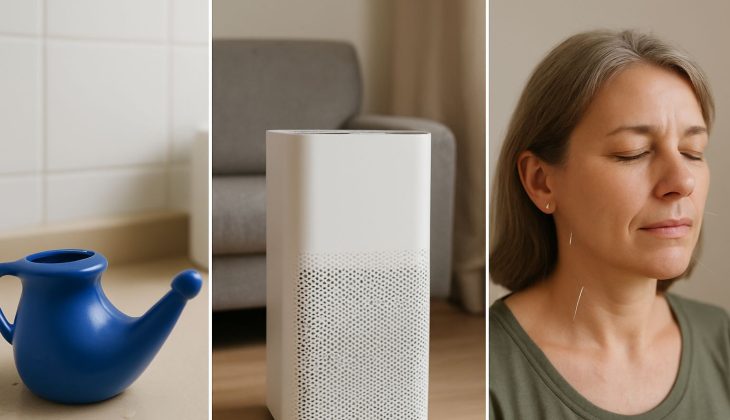
Key Takeaways: Fast Relief for Pollen Allergy Sufferers
- Avoidance is the single most effective strategy — knowing when pollen counts peak and limiting outdoor exposure during those windows can dramatically reduce symptoms.
- Natural supplements like quercetin, bromelain, and stinging nettle have evidence suggesting they work similarly to antihistamines, without the drowsiness that comes with some over-the-counter options.
- Saline nasal irrigation is one of the fastest-acting relief methods — it physically removes pollen and allergens from nasal passages, reducing inflammation almost immediately.
- Diet, gut health, and probiotics may play a surprising role in how severely your body reacts to pollen — more on that below.
- Combining multiple approaches — from air filtration indoors to acupuncture and immunotherapy — tends to produce better long-term results than relying on any single remedy.
Pollen season doesn’t have to wreck your life for months at a time.
Every spring and fall, millions of people deal with sneezing fits, itchy eyes, and relentless congestion caused by airborne pollen. The good news is that there are proven and natural strategies that go far beyond popping an antihistamine and hoping for the best. Whether you’re looking to reduce your dependence on medication or simply want to understand what’s actually happening in your body, the right combination of methods can give you real, lasting relief. Resources like Providence Health offer practical, medically-grounded guidance on managing seasonal allergies that’s worth exploring alongside the strategies covered here.
Pollen Allergies Are Miserable — Here Is What Actually Helps
When pollen enters your nasal passages, your immune system misidentifies it as a threat and releases histamine — a chemical that triggers inflammation, mucus production, sneezing, and that signature itchy, watery-eye combo. It’s an overreaction, but it’s a very real one. Understanding this mechanism is important because it explains why different remedies target different parts of the response, and why layering strategies tends to work better than any single fix.
The most effective approach to pollen allergy relief combines environmental controls, targeted natural supplements, dietary adjustments, and — where needed — professional therapies like immunotherapy or acupuncture. None of these are magic bullets on their own, but together they can significantly reduce both the frequency and severity of your symptoms.
Avoidance: The First Line of Defense Against Pollen
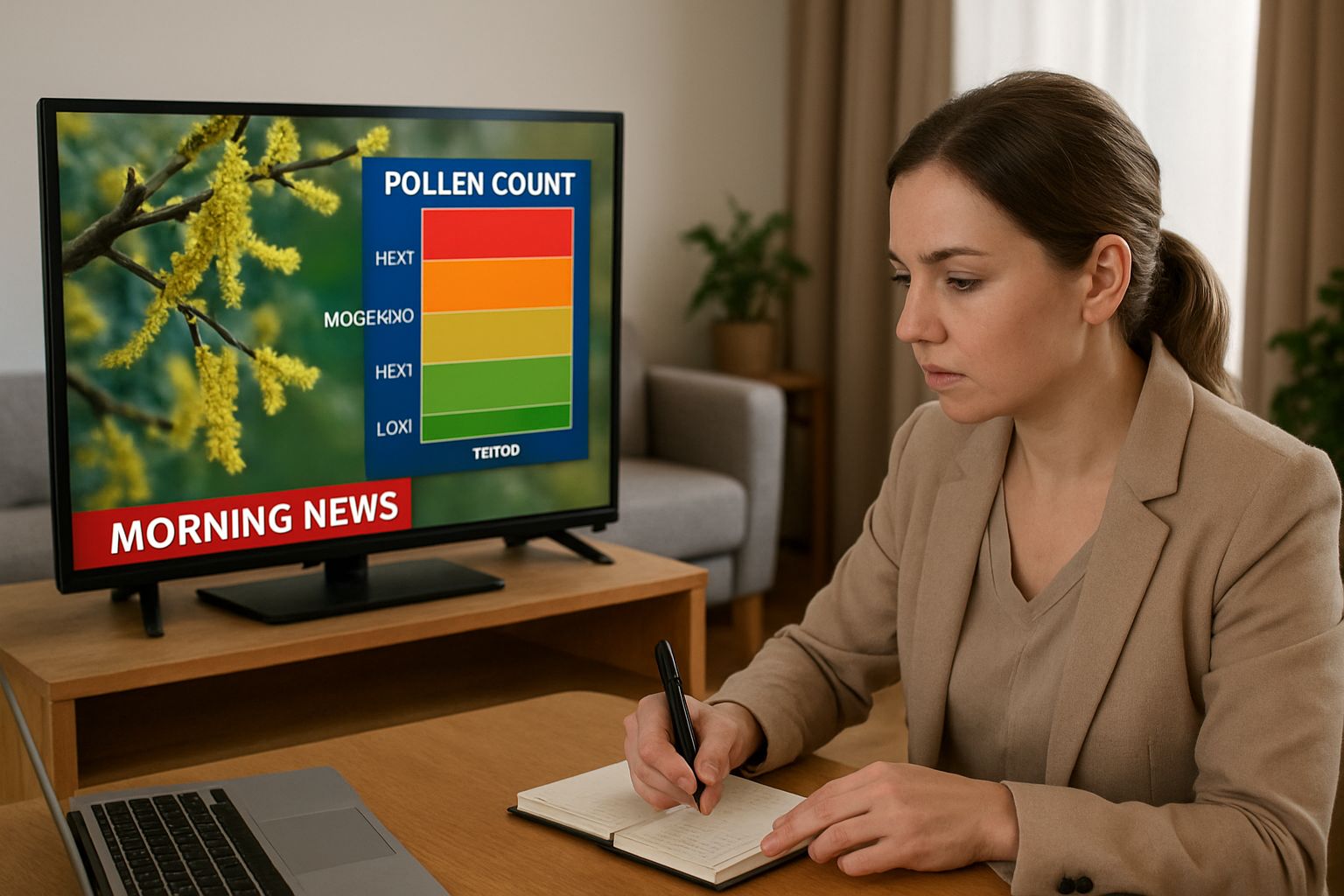
The best natural remedy for allergies is avoidance. It sounds obvious, but most people don’t take avoidance seriously enough or execute it strategically. You can’t eliminate all pollen exposure, but you can dramatically reduce it with a few deliberate habits that make a real difference during peak season.
How Air Conditioners and Dehumidifiers Reduce Indoor Allergens
Running an air conditioner during allergy season does more than cool your home — it actively filters out airborne pollen, dust, and mold spores that would otherwise circulate freely. Unlike open windows, which invite pollen in, air conditioners recirculate and filter indoor air. Pairing your AC with a dehumidifier is especially effective because mold and dust mites — common co-triggers for allergy sufferers — thrive in humid environments. Keeping indoor humidity between 30% and 50% makes your home a genuinely hostile environment for airborne allergens.
For an extra layer of protection, look for AC units or standalone air purifiers that use HEPA filtration. HEPA filters trap particles as small as 0.3 microns, which covers the size range of most pollen grains. Replacing filters regularly, typically every 60 to 90 days during allergy season, ensures the system is actually doing its job.
Best Times to Stay Indoors Based on Pollen Counts
Pollen counts follow predictable patterns throughout the day, and adjusting your schedule around them is one of the easiest, zero-cost interventions available.
- Early morning (5 AM – 10 AM): Pollen counts are at their highest. Avoid outdoor exercise or prolonged exposure during this window.
- Midday to afternoon: Counts begin to drop but remain elevated on warm, windy days.
- Evening: Generally the safest time for outdoor activity, especially after rain, which washes pollen out of the air.
- Windy days: Pollen spreads aggressively — consider this a high-risk period regardless of time of day.
- After rain: One of the lowest-pollen windows; a good time to get outside if you’ve been cooped up.
You can check real-time pollen forecasts through apps like Zyrtec AllergyCast or the American Academy of Allergy, Asthma & Immunology’s National Allergy Bureau to plan your day more effectively. For more detailed guidance, consider visiting this state-specific pollen forecast guide.
Nasal Saline Irrigation Clears Allergens Fast
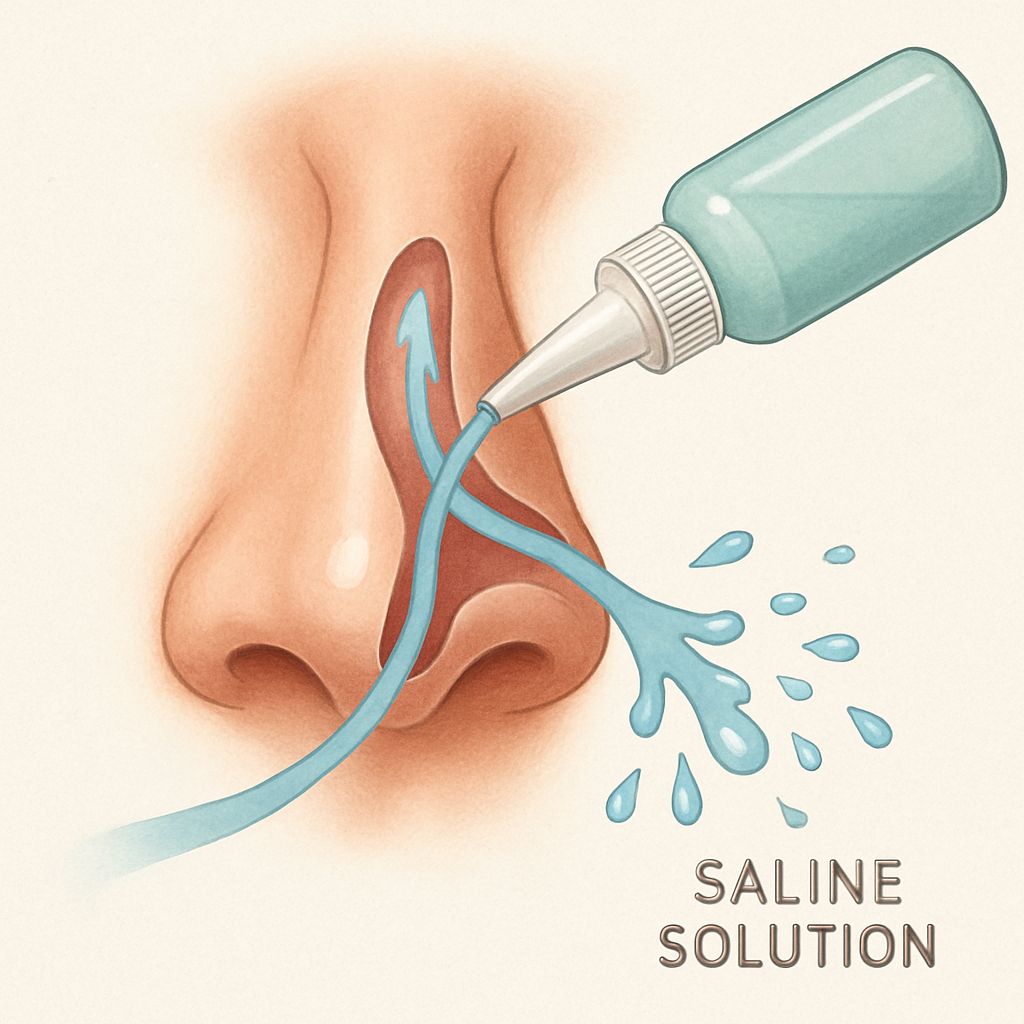
If you only adopt one remedy from this entire article, make it saline nasal irrigation. It’s one of the most evidence-backed, fast-acting, and affordable tools available for pollen allergy relief — and it requires no medication whatsoever.
How Saline Rinses Reduce Nasal Inflammation and Congestion
Saline nasal irrigation works by physically flushing pollen, mucus, bacteria, and other irritants directly out of your nasal and sinus cavities. It reduces the allergen load your immune system has to respond to, which means less histamine release and less inflammation. Regular use has been shown to reduce nasal symptoms, including congestion, a runny nose, and post-nasal drip. It also moistens dry nasal passages, which are more vulnerable to irritation during dry or windy conditions.
How to Use a Neti Pot Correctly
Using a neti pot is straightforward, but technique matters — especially when it comes to water safety.
- Always use distilled, sterile, or previously boiled water that has been cooled to lukewarm. Never use tap water directly, as it can introduce bacteria.
- Mix the saline solution using the pre-measured packets that come with most neti pot kits, or use 1/4 teaspoon of non-iodized salt per 8 ounces of water.
- Tilt your head sideways over a sink at roughly a 45-degree angle.
- Insert the spout gently into the upper nostril and pour slowly — the solution will flow through the nasal passage and drain from the other nostril.
- Breathe through your mouth throughout the process.
- Repeat on the other side, then gently blow your nose to clear the remaining solution.
Use it once or twice daily during peak pollen season. Clean your neti pot thoroughly after every use and let it air dry completely to prevent bacterial growth.
Natural Supplements That May Ease Pollen Allergy Symptoms
Several natural supplements have compelling evidence behind them for allergy relief — not as replacements for medical care, but as meaningful additions to your symptom management plan. Always check with your doctor before starting any new supplement, particularly if you’re taking medications or managing other health conditions.
- Quercetin — A natural bioflavonoid with antihistamine-like properties
- Bromelain — A pineapple-derived enzyme that enhances quercetin absorption and reduces swelling
- Vitamin C — An antioxidant that supports immune regulation during allergy season
- Stinging Nettle — An herb with evidence suggesting anti-inflammatory effects on the nasal passages
- Spirulina — A blue-green algae with immune-modulating and anti-inflammatory properties
- Probiotics — Beneficial gut bacteria that may reduce the severity of allergic responses
Quercetin and Bioflavonoids as Natural Antihistamines
Quercetin is one of the most well-researched natural compounds for allergy relief. It’s a bioflavonoid — a plant-based pigment found in foods like onions, apples, and berries — that works by stabilizing mast cells, which are the immune cells responsible for releasing histamine. By preventing that histamine release, quercetin can reduce sneezing, itching, and nasal congestion before symptoms even start. It works best when taken preventatively, starting a few weeks before your typical allergy season begins. Quercetin’s effectiveness is significantly enhanced when combined with bromelain, which improves its absorption in the gut.
Vitamin C for Immune Support During Allergy Season
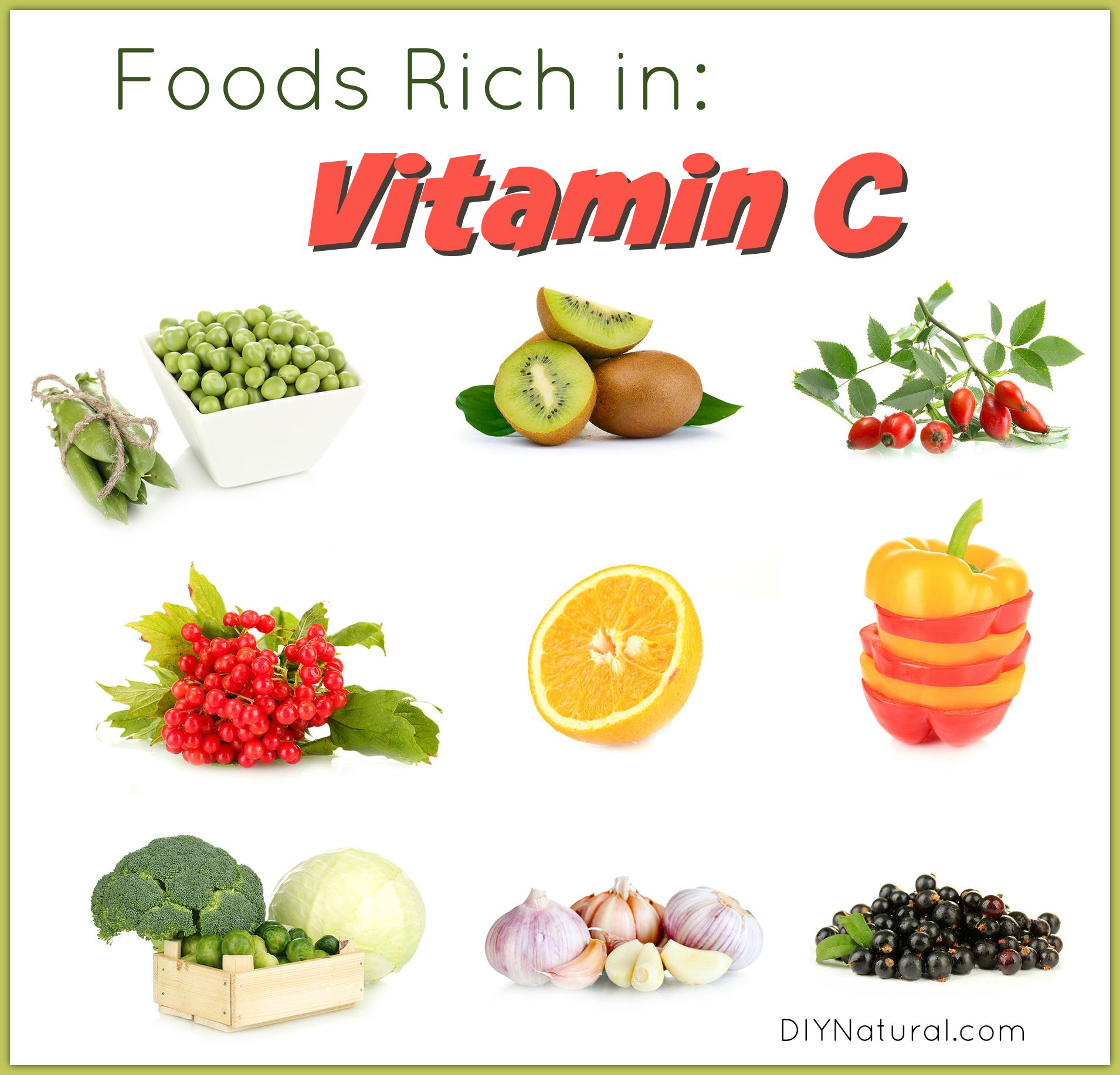
“Vitamin C Foods: And An Immune-Boosting …” from diynatural.com and used with no modifications.
Vitamin C is more than just a cold remedy — during allergy season, it plays a direct role in regulating your immune response. As a powerful antioxidant, it helps neutralize the oxidative stress triggered by allergen exposure and supports the breakdown of histamine already present in the bloodstream. Studies suggest that higher blood levels of vitamin C are associated with lower histamine levels, making consistent daily intake a smart move during peak pollen months. Foods like bell peppers, kiwi, and citrus fruits are excellent sources, but many allergy sufferers find that supplementing with 500 to 1,000 mg daily provides more consistent support than diet alone. For those interested in understanding more about how pollen affects allergies, the state-specific pollen forecast guide can be a valuable resource.
Bromelain Reduces Swelling From Allergic Reactions
- Source: Bromelain is a proteolytic enzyme extracted from pineapple stems and juice
- Primary function: Reduces tissue swelling and inflammation in the nasal passages and sinuses
- Synergy: Significantly improves quercetin absorption when taken together
- Typical dosage: 400 to 500 mg taken two to three times daily between meals
- Caution: Avoid if you have a pineapple allergy or are taking blood-thinning medications
Bromelain’s main function is to reduce allergy-related inflammation and nasal symptoms such as a runny or stuffy nose and sneezing. It works by breaking down protein complexes involved in the inflammatory response, which is why it’s particularly useful during the acute phase of a reaction when symptoms are at their worst. For those interested in maintaining a sustainable urban garden, understanding how natural elements like bromelain work can be beneficial.
What makes bromelain especially valuable is its role as a delivery enhancer. On its own, quercetin has relatively poor bioavailability — meaning your body struggles to absorb and use it efficiently. Bromelain changes that equation. When the two are combined in supplement form, quercetin becomes significantly more effective, which is why most high-quality allergy supplement formulas include both compounds.
Timing matters with bromelain. Taking it between meals rather than with food maximizes its anti-inflammatory effects. When taken with food, the enzyme gets redirected toward digesting proteins in your meal rather than addressing inflammation — an important distinction that most supplement labels don’t bother to explain.
Spirulina’s Anti-Inflammatory and Immune-Regulating Properties
Spirulina is a blue-green algae that has gained serious attention in the allergy research space for its ability to modulate immune responses. Unlike antihistamines that simply block histamine receptors after the fact, spirulina appears to work upstream — inhibiting the release of inflammatory chemicals, including histamine, prostaglandins, and interleukins from immune cells. Research has specifically looked at its effects on allergic rhinitis, with findings suggesting it can reduce nasal discharge, sneezing, nasal congestion, and itching. A typical therapeutic dose used in studies ranges from 1 to 2 grams daily, though some formulations go higher. It’s available as a powder you can blend into smoothies or as capsules if the strong taste is off-putting.
Probiotics and Gut Health as an Allergy Defense
The connection between gut health and allergic responses is one of the more fascinating developments in allergy research. Your gut microbiome — the vast ecosystem of bacteria living in your digestive tract — plays a direct role in training and regulating your immune system. When gut bacteria diversity is low, the immune system tends toward overreaction, which is essentially what an allergic response is. Probiotic supplementation, particularly with strains like Lactobacillus acidophilus and Bifidobacterium longum, has been associated with reduced severity of allergic rhinitis symptoms in clinical research. Fermented foods like kefir, yogurt, kimchi, and sauerkraut are natural sources, but a quality daily probiotic supplement provides more consistent and targeted bacterial strains during allergy season.
Diet Changes That May Reduce Allergy Symptoms
What you eat during allergy season can either amplify or dampen your body’s inflammatory response to pollen. An anti-inflammatory diet rich in omega-3 fatty acids — found in fatty fish like salmon, sardines, and mackerel — helps counteract the pro-inflammatory signals triggered by allergen exposure. Similarly, foods high in natural quercetin, like capers, red onions, and apples, provide a dietary source of the same compound discussed in the supplement section above. On the flip side, alcohol — particularly red wine and beer — can worsen allergy symptoms by increasing histamine levels and dilating blood vessels, making congestion significantly worse.
Some allergy sufferers also experience what’s called oral allergy syndrome, where certain raw fruits and vegetables cross-react with pollen proteins and trigger localized itching or swelling in the mouth and throat. If you have birch pollen allergies, for example, raw apples, carrots, and celery may aggravate your symptoms during peak season. Cooking these foods typically neutralizes the cross-reactive proteins, making them safe to eat without triggering a response. Keeping a food diary during allergy season can help you identify any personal triggers that might be making your symptoms worse than they need to be. Additionally, you might want to consider how rain impacts pollen allergy symptoms to better manage your condition.
Alternative Therapies Worth Trying
Beyond supplements and dietary changes, several alternative therapies have earned genuine scientific credibility for allergy management. These aren’t fringe treatments — they’re increasingly being integrated into conventional allergy care as complementary options that address symptoms through different physiological pathways than medication alone. For instance, understanding rain’s impact on pollen allergy symptoms can be an important part of managing allergies naturally.
Acupuncture for Allergy Relief and Adrenal Support
Acupuncture has moved well beyond anecdotal support when it comes to seasonal allergies. Research cited in medical literature suggests that treating allergic rhinitis with acupuncture has few side effects and produces good short- and long-term effects, including a measurable reduction in nasal inflammation and mucus production. The proposed mechanism involves stimulation of specific points that regulate immune activity and reduce the hypersensitivity response driving allergy symptoms. Some practitioners also focus on adrenal support through acupuncture, as chronically elevated stress hormones can worsen allergic reactivity. A typical course of treatment involves weekly sessions for four to six weeks at the start of allergy season, with maintenance sessions as needed.
Hydrotherapy: Cold Compresses and Hot Foot Baths
Hydrotherapy is one of the older, less discussed tools in the natural allergy relief toolkit — but it has a practical logic behind it. The core idea is that strategic application of water at different temperatures can shift blood flow patterns in the body, reducing congestion in the upper respiratory tract. Cold compresses applied to the face and sinus areas help constrict blood vessels, reducing swelling and the sensation of pressure that comes with sinus congestion. Hot foot baths work on the opposite principle — drawing blood downward toward the feet, away from the inflamed nasal passages. For more insights on natural treatments for allergy relief, explore further resources.
This doesn’t require any special equipment. A basin of warm water for your

eet combined with a cold, damp cloth on your forehead and sinuses can be done at home in 15 to 20 minutes. While hydrotherapy is unlikely to eliminate allergy symptoms on its own, it can provide meaningful short-term relief during acute flare-ups, particularly before bed when congestion tends to worsen due to lying flat. For more insights, consider how rain impacts pollen allergy symptoms.
Immunotherapy: Building Long-Term Pollen Tolerance
Immunotherapy is the closest thing to a cure available for pollen allergies, and it works by doing the opposite of avoidance — deliberately exposing your immune system to small, controlled amounts of the allergen over time. This gradual exposure desensitizes the immune response, reducing the severity of reactions and in some cases eliminating them entirely. Traditional immunotherapy involves subcutaneous injections administered by an allergist over a period of three to five years. Sublingual immunotherapy — where allergen extracts are placed under the tongue — is a newer, more convenient option that can be done at home after an initial medical consultation.
The time commitment is significant, but so are the results. Many patients experience meaningful symptom reduction within the first year of treatment and long-term relief that persists even after the therapy course ends. For anyone who has struggled with severe seasonal allergies for years without adequate relief from medications or natural remedies, immunotherapy is worth a serious conversation with an allergist.
Herbal Remedies and Stinging Nettle for Allergy Relief
Herbal medicine has a long history of use for respiratory and allergy conditions, and while not every traditional remedy holds up under scientific scrutiny, several herbs have accumulated enough research to take seriously. The key distinction is understanding which herbs have evidence behind them and how to use them safely — because natural does not automatically mean risk-free, particularly when combined with medications or used in high doses.
Butterbur, for instance, has low-certainty evidence suggesting it may improve nasal symptoms, including congestion and sneezing in people with allergic rhinitis. Stinging nettle is another well-known option, with some research suggesting it can reduce the inflammatory response involved in hay fever. The general principle with herbal remedies is that they tend to work best as part of a broader management strategy rather than as standalone treatments, and they should always be used under the guidance of a qualified healthcare provider who understands both herbal medicine and your personal health history.
What Stinging Nettle May Do for Allergy Sufferers
Stinging nettle (Urtica dioica) has been used medicinally for centuries, but its relevance to allergy relief comes down to a specific mechanism: it appears to inhibit several key inflammatory pathways involved in the allergic response, including the production of prostaglandins and the activity of histamine receptors. Some research suggests it may work as a natural antihistamine, reducing the intensity of sneezing, itching, and nasal congestion associated with hay fever. It’s typically taken as a freeze-dried leaf extract in capsule form, with a commonly studied dose around 300 mg taken up to three times daily at the onset of symptoms. Fresh nettle tea is another delivery method, though the freeze-dried capsule form is considered more potent and consistent in terms of active compound concentration. For more on how environmental factors can affect allergies, check out this article on rain’s impact on pollen allergy symptoms.
Why Herbal Remedies Require Professional Guidance
The appeal of herbal remedies is understandable — they’re accessible, affordable, and feel closer to nature than pharmaceutical options. But several important cautions apply. Many herbs interact with common medications: stinging nettle, for example, can potentiate blood pressure medications and diuretics. Butterbur contains pyrrolizidine alkaloids in its raw form, which are toxic to the liver; only PA-free certified extracts should ever be used. Dosage standardization is also inconsistent across herbal products, meaning the amount of active compound in one brand’s capsule can vary dramatically from another’s. A trained healthcare professional — ideally one with both conventional medical training and knowledge of herbal medicine — can help you choose products that are third-party tested, appropriately dosed, and safe for your specific health profile.
Local Honey and the Theory Behind Pollen Desensitization
The theory behind using local honey for allergy relief follows a similar logic to immunotherapy: by consuming small amounts of locally-sourced pollen through raw honey produced by bees in your area, you may gradually desensitize your immune system to the specific pollen types triggering your symptoms. It’s a compelling idea, and anecdotally, many allergy sufferers swear by it as part of their seasonal routine. The key distinction here is local and raw — mass-produced commercial honey is typically pasteurized, which destroys the pollen content, and is often sourced from regions far removed from your local allergen environment. Neither of those varieties would deliver the theoretical desensitization benefit.
That said, it’s important to be upfront: the scientific evidence for honey as an allergy treatment remains limited, and no large-scale clinical trials have confirmed its effectiveness. The pollen found in honey also tends to be from flowering plants pollinated by bees, whereas the pollen responsible for most seasonal allergy symptoms — from grasses, trees, and weeds — is wind-dispersed and rarely shows up in significant quantities in honey. So while incorporating a daily teaspoon of raw local honey is a low-risk, pleasant addition to an allergy management routine, it works best as a complementary habit rather than a primary treatment strategy.
Pollen Allergy Relief Starts With the Right Combination of Strategies
There is no single remedy that will eliminate pollen allergy symptoms — but that’s actually good news, because it means you have multiple effective tools available and can tailor your approach based on what your body responds to best. Start with the fundamentals: reduce indoor allergen exposure through air filtration and humidity control, time your outdoor activities around lower pollen windows, and use saline nasal irrigation daily during peak season. Layer in quercetin with bromelain and vitamin C, starting a few weeks before your allergy season typically begins. If symptoms remain significant, explore acupuncture, hydrotherapy, and probiotic support as additional layers.
For anyone dealing with moderate to severe seasonal allergies that haven’t responded adequately to natural approaches, immunotherapy remains the most powerful long-term option available and deserves serious consideration. Work with your doctor to identify your specific pollen triggers through allergy testing — knowing exactly what you’re reacting to makes every other intervention on this list more targeted and more effective. The goal isn’t just to survive allergy season — it’s to get to the point where it barely interrupts your life at all.
Frequently Asked Questions
Pollen allergies are among the most common chronic health conditions, and most people managing them have the same core questions about what actually works, how fast, and how safely. The answers below draw on the most current evidence available.
What Is the Fastest Natural Relief for Pollen Allergies?
The fastest-acting natural relief for pollen allergies is saline nasal irrigation. By physically flushing pollen and other irritants from your nasal passages, it reduces the allergen load your immune system is responding to almost immediately — without any medication or side effects. Cold compresses applied to the sinuses can also provide rapid short-term relief from swelling and pressure. For supplement-based relief, bromelain taken between meals acts relatively quickly on acute inflammation compared to other natural options that require weeks of consistent use to build up effect. For more detailed information, you can refer to our state-specific pollen forecast guide.
Can Diet Really Help With Pollen Allergies?
Yes — diet has a genuine, measurable impact on how severely your body reacts to pollen, though it works more as a background regulator than an acute treatment. An anti-inflammatory diet centered on omega-3-rich foods, quercetin-containing vegetables, and probiotic-rich fermented foods creates a systemic environment that’s less prone to overreaction. Think of it as lowering the baseline reactivity of your immune system rather than switching off symptoms in the moment.
Equally important is knowing what to avoid. Alcohol — especially wine and beer — raises histamine levels and worsens congestion significantly. Processed foods high in refined sugar and seed oils promote systemic inflammation that compounds the allergic response. And if you experience oral allergy syndrome, identifying and temporarily avoiding or cooking the cross-reactive foods that trigger it can eliminate an entire layer of symptoms that many people don’t even realize is diet-related. For more insights, you can explore our guide on pollen allergy relief.
The dietary changes most likely to make a noticeable difference during allergy season are: increasing omega-3 intake through fatty fish or quality fish oil, adding quercetin-rich foods like capers and red onions, incorporating a daily probiotic or fermented food, and cutting back on alcohol. These aren’t dramatic overhauls — they’re targeted adjustments that work alongside your other allergy management strategies.
How Long Does Immunotherapy Take to Work for Pollen Allergies?
Most people undergoing allergy immunotherapy begin to notice meaningful symptom reduction within the first six to twelve months of treatment. The full course of subcutaneous immunotherapy typically spans three to five years, with the first phase — called the build-up phase — involving weekly injections of gradually increasing allergen doses over several months. The maintenance phase that follows involves monthly injections at the target dose. Sublingual immunotherapy follows a similar timeline but is administered as daily drops or tablets at home, making it significantly more convenient for many patients.
The long-term results are the real argument for immunotherapy. Unlike medications that only suppress symptoms while you’re taking them, immunotherapy can produce lasting immune tolerance that persists even after treatment ends — sometimes for years. For people with severe seasonal pollen allergies who have tried multiple natural and pharmaceutical approaches without adequate relief, the multi-year commitment is often considered well worth it.
Is Acupuncture Proven to Help With Seasonal Allergies?
Research suggests that acupuncture has both short- and long-term benefits for allergic rhinitis, including reductions in nasal inflammation, mucus production, and overall symptom severity. While it is not considered a first-line conventional treatment, its evidence base is stronger than many people realize, and it carries a very low side effect profile. It works best when initiated at the start of allergy season rather than as an emergency intervention during peak symptoms, and typically requires a consistent course of sessions rather than a single treatment to produce lasting results. For those looking for natural ways to manage seasonal allergies, acupuncture may be a viable option.
Are Herbal Remedies Safe to Use for Pollen Allergy Relief?
Many herbal remedies used for pollen allergy relief are safe for most people when used correctly, but “natural” does not automatically mean safe for everyone in every situation. Safety depends heavily on the specific herb, the form and dose used, the quality and purity of the product, and your individual health profile, including any medications you’re currently taking.
Stinging nettle is generally well-tolerated at standard doses but can interact with blood pressure medications, diuretics, and anticoagulants. Butterbur must only be used in a PA-free certified form due to the liver-toxic compounds present in unprocessed plant material. Quercetin at high doses may interfere with certain antibiotics and chemotherapy drugs. These aren’t reasons to avoid herbal remedies — they’re reasons to approach them with the same informed caution you’d apply to any other supplement or medication. For more information on natural treatments, you can explore 7 natural treatments for allergy relief.
The most practical safety measure is to buy herbal supplements only from brands that conduct third-party testing and display a Certificate of Analysis (COA) confirming potency and purity. Organizations like NSF International and USP provide independent certification that the product contains what the label claims at the stated dose, without harmful contaminants. This matters more with herbal products than almost any other supplement category because manufacturing quality varies enormously across the industry.
Always consult a qualified healthcare provider before starting any herbal remedy, particularly if you’re pregnant, breastfeeding, managing a chronic health condition, or taking prescription medications. The interaction risks are real and preventable with basic due diligence — and the right guidance can help you use these tools confidently and effectively as part of a broader pollen allergy relief plan.
For comprehensive, medically-grounded support on managing seasonal allergies naturally, Providence Health offers expert resources to help you build a relief strategy that works for your specific needs and lifestyle. You might also consider exploring rain’s impact on pollen allergy symptoms to further enhance your understanding and management of allergies.