
- Pollen-free vertical gardens let you grow food, herbs, and flowers on a balcony without triggering seasonal allergies — the key is choosing the right plants and system from the start.
- Vertical systems dramatically reduce your exposure to airborne pollen by keeping plants contained, elevated, and manageable compared to sprawling ground-level gardens.
- The Garden Tower Project offers vertical growing systems purpose-built for small-space gardeners who want maximum yield from minimal square footage.
- Not all flowering plants are allergy triggers — female-only and sterile cultivars give you color and beauty with almost zero airborne pollen release.
- Keep reading to discover which specific plants, systems, and setup strategies will transform your balcony into a lush, sneeze-free garden this season.
Key Takeaways: Grow Big in Small Spaces Without the Sneezing
Your balcony can be overflowing with herbs, vegetables, and blooms — and your allergies don’t have to pay the price for it.
Most gardeners assume that growing more plants means more pollen exposure. But with a well-planned vertical garden system and the right plant selections, you can build a thriving balcony garden that stays almost entirely pollen-free. The secret is understanding which plants release airborne pollen, how wind interacts with your space, and which vertical systems give you the most control over your growing environment.
You Can Have a Lush Balcony Garden Without the Allergy Misery
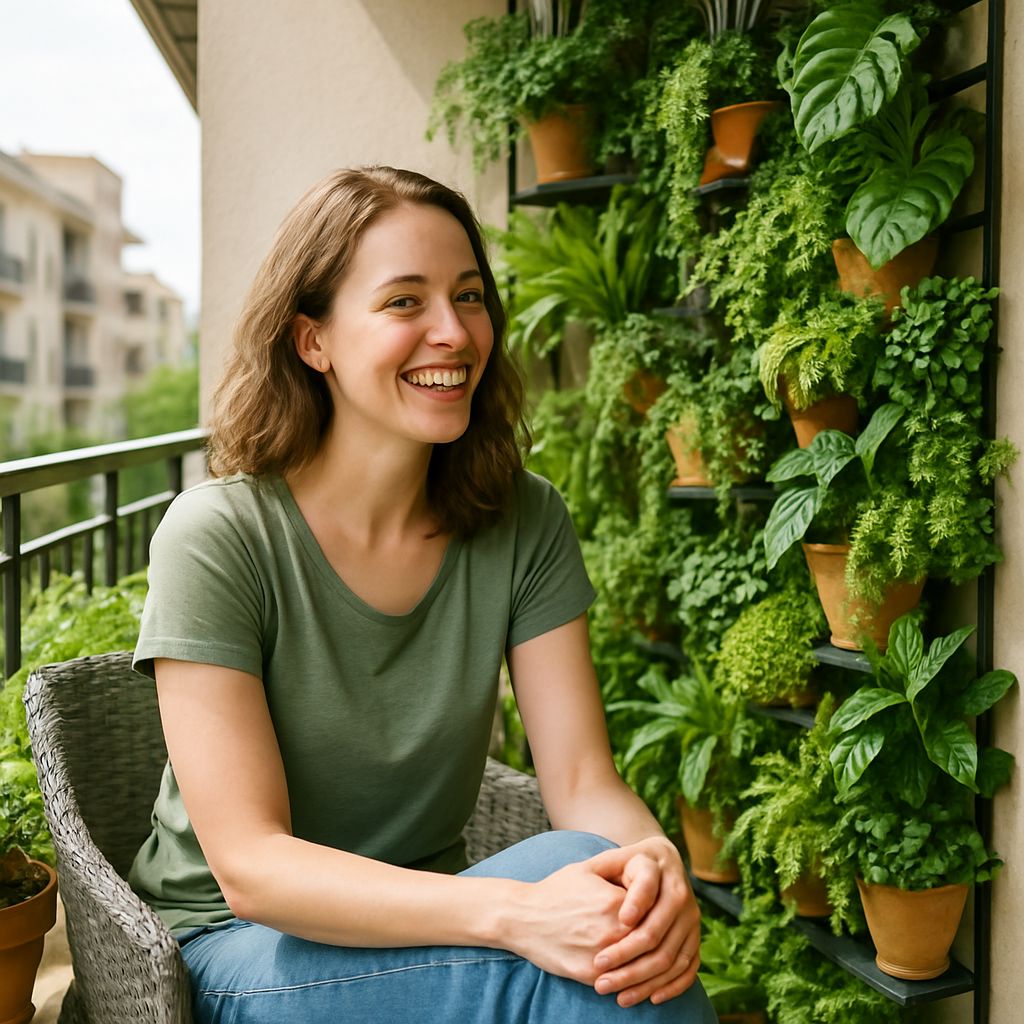
Allergy-friendly gardening isn’t about growing less — it’s about growing smarter. Millions of people avoid gardening altogether because they assume plants and pollen are inseparable. The reality is that the vast majority of culprit pollens come from wind-pollinated trees, grasses, and weeds at ground level, not from the contained, curated plants you’d grow in a balcony vertical system. By shifting your garden upward and selecting insect-pollinated species with heavy, sticky pollen that doesn’t travel through the air, you sidestep most allergy triggers entirely.
Why Vertical Gardens Are Perfect for Pollen-Sensitive Gardeners
Vertical gardening isn’t just a space-saving trick — it’s genuinely one of the most allergy-conscious ways to grow plants in an urban environment. When you grow upward rather than outward, you create a more controlled ecosystem where you decide exactly what grows, how much of it grows, and where it sits relative to where you breathe and spend time. For those looking to enhance their urban garden, consider exploring low-pollen plants that are ideal for minimizing allergies.
How Vertical Systems Keep Pollen Levels Lower Than Traditional Gardens
Traditional in-ground gardens spread plants across wide horizontal surfaces, mixing high-pollen ornamentals with edibles and allowing weeds — some of the worst pollen producers — to establish themselves easily. A vertical system changes that dynamic completely. Every planting position is intentional, weed pressure is dramatically reduced, and you’re working with potting mix rather than open soil that can harbor pollen-producing weed seeds. The contained nature of vertical planters means you’re not accidentally introducing rogue high-pollen plants into your space.
The Space-Saving Advantage: More Plants, Smaller Footprint
A standard balcony might fit four to six individual containers on the floor before it starts feeling crowded and unusable. A single vertical tower planter — like the Garden Tower 2, which holds up to 50 plants in a 2-square-foot footprint — completely redefines what’s possible in that same space. You get more growing volume, more plant diversity, and more harvests without sacrificing the livability of your outdoor area.
This density advantage also works in your favor from an allergy perspective. When your plants are consolidated into a structured system, you can more easily monitor what’s blooming, remove flowers before they fully open and release pollen, and keep the overall garden tidy. Sprawling gardens are harder to manage; vertical ones keep everything at eye level and within arm’s reach.
Whether you’re growing basil, strawberries, or ferns, keeping your plant collection tight and curated means you’re never accidentally overloaded with unplanned pollen sources. Every plant earns its spot.
How Elevation Reduces Ground-Level Pollen Drift
Ground-level pollen — from grasses, street trees, and neighboring gardens — tends to concentrate closest to the ground and disperses as it rises. Growing your garden on a balcony, particularly on higher floors, already puts you above the densest pollen zones in most urban environments. Positioning your vertical garden system against a wall or in a sheltered corner of your balcony further reduces the amount of ambient pollen that drifts into your growing space from outside sources.
Wind direction matters too. A balcony that faces away from open parks or grass-heavy landscapes will naturally see lower pollen intrusion than one that directly faces a row of oak trees. Combining smart placement with low-pollen plant choices gives you layered protection rather than relying on any single strategy.
The Best Vertical Garden Systems for Balconies
Choosing the right vertical system is the foundation of your entire pollen-free garden strategy. The structure you pick determines how many plants you can grow, how easily you can maintain them, and how much control you have over your growing environment. There’s no single best option — the right system depends on your balcony size, weight limits, sun exposure, and what you want to grow.
Here’s a breakdown of the three main vertical system types worth considering for balcony gardening.
Freestanding Tower Planters: Best for Stability and Volume
Freestanding tower planters are the most versatile option for balcony gardeners who want serious growing capacity without drilling into walls. The Garden Tower 2 is the standout in this category — a rotating, freestanding vertical planter with 50 planting ports and a central composting tube that feeds nutrients directly to plant roots. It sits on a base that can be locked in place, making it stable even on windier balconies.
What makes tower planters particularly useful for allergy-conscious gardeners is the ability to rotate the system and inspect every plant position regularly. You can spot a flower about to open, deadhead it before pollen is released, and keep the whole garden managed from a single standing position without crawling through rows of containers.
For balconies with enough floor space to accommodate a roughly 2-square-foot base, a freestanding tower gives you the highest plant count per square foot of any vertical system available.
Wall-Mounted Pocket Planters: Best for Tight Spaces
Wall-mounted pocket planters — fabric or hard-sided panels with individual planting pockets — are ideal when floor space is extremely limited or completely off-limits. Systems like the Woolly Pocket Wally One and similar felt pocket planters mount directly to walls or fences with basic hardware and can hold herbs, succulents, or small flowering plants without taking up any floor space at all.
The trade-off is volume. Most wall-mounted pocket systems hold between 12 and 32 plants depending on panel size, which is significantly less than a freestanding tower. They also require more frequent watering since individual pockets dry out faster than larger consolidated soil volumes. For those looking to optimize their space, consider exploring urban balcony garden kits that can transform small spaces effectively.
From a pollen management standpoint, pocket planters work well because each plant is isolated in its own cell, making it easy to remove or replace a single plant if it turns out to be a pollen problem without disrupting the rest of the garden.
System Type Best For Plant Capacity Pollen Control Ease Floor Space Required Freestanding Tower (e.g. Garden Tower 2) Maximum volume, rotating access Up to 50 plants High — easy to inspect and deadhead ~2 sq ft Wall-Mounted Pocket Planters Zero floor space, small herbs 12–32 plants High — isolated pockets None Trellis & Frame Systems Climbing plants, visual privacy Varies widely Moderate — requires pruning discipline Minimal
When space is the primary constraint, wall-mounted systems let you garden without surrendering a single square foot of your balcony floor — a genuine game-changer for narrow or cluttered outdoor areas.
Trellis and Frame Systems: Best for Climbing Plants
Trellis systems — freestanding A-frame structures or wall-leaning lattice panels — are the go-to option for climbing and vining plants like cucumbers, pole beans, and peas. These systems are generally the most affordable to set up and can double as privacy screens on open balconies. The Gardener’s Supply Company Deluxe Tomato Cage and similar frame structures work well for balcony-scale vertical growing when anchored properly against wind.
What to Look for in a Pollen-Friendly Vertical System
Not every vertical system is equally suited to allergy-conscious gardening. Look for systems that give you easy access to every plant position for regular inspection and deadheading. Avoid designs where plants are densely packed and difficult to reach — if you can’t get to a flower before it opens and releases pollen, the design is working against you.
Drainage quality matters too. Systems with poor drainage create waterlogged soil that encourages mold growth, and mold spores are a significant respiratory irritant for many allergy sufferers — sometimes more aggravating than pollen itself. Choose systems with clearly designed drainage channels or drainage holes at each planting pocket.
Assess Your Balcony Before You Plant Anything
Before you buy a single plant or system, spend a few days observing your balcony as it actually functions. The best vertical garden setup for someone else’s south-facing rooftop terrace might be completely wrong for your north-facing apartment balcony on the sixth floor. Your balcony has its own microclimate — a specific set of sun, wind, temperature, and structural conditions that will determine what thrives and what struggles. For more tips, consider creating a lush balcony garden.
This assessment step takes maybe thirty minutes of actual effort spread across a couple of days, and it saves you from making expensive mistakes with plants and structures that aren’t suited to your specific conditions.
Three factors matter most: sunlight duration, wind exposure, and structural weight capacity. Get these right before anything else. For inspiration on transforming small spaces, check out these urban balcony garden kits.
- Sunlight: Track how many direct sun hours your balcony receives between 9am and 6pm. Full sun is 6+ hours, partial sun is 3–6 hours, and shade is under 3 hours.
- Wind: Note whether your balcony gets sustained wind or gusts, especially on higher floors — wind accelerates pollen spread and dries out containers rapidly.
- Weight limits: Most residential balconies are rated for 40–60 lbs per square foot, but this varies. A filled Garden Tower 2 weighs approximately 200 lbs when fully loaded with wet soil — confirm your balcony’s load rating before placing any large system.
- Building rules: Check your lease or strata bylaws for restrictions on wall mounting, drainage onto lower balconies, or specific plant prohibitions.
- Prevailing wind direction: If wind regularly blows from a park, sports field, or tree-lined street, positioning your garden on the sheltered side of your balcony reduces ambient pollen intrusion significantly.
How to Measure Sunlight Hours on Your Balcony
The simplest method is the smartphone approach — set a timer and physically check your balcony every hour from 9am to 6pm on a clear day, noting whether the floor space where you plan to place your vertical system is in direct sun, partial shade, or full shade. Do this on two different days if possible, since building shadows shift slightly depending on season and cloud cover. Mark down your totals and use that number to match plants to your actual conditions, not the idealized conditions on a plant label.
If you want a more precise reading without the hourly check-ins, a basic light meter like the Dr.meter LX1330B gives you lux readings throughout the day that translate directly into sun hour equivalents. Most vegetables and herbs need at least 1,000 lux for a minimum of 4–6 hours to produce well. Shade-tolerant plants like ferns, mint, and most leafy greens can thrive in as little as 2,500–5,000 lux for 3 hours.
Wind Exposure and Why It Spreads Pollen Further
Wind is the primary mechanism behind airborne pollen dispersal — and on a balcony, especially above the third floor, it’s often the most overlooked variable in garden planning. A consistent breeze that feels pleasant on your face can be strong enough to carry pollen grains from neighboring trees and grasses directly into your vertical garden and the breathing zone around it.
Wind also accelerates soil moisture loss in vertical systems dramatically. Containers on a breezy balcony can dry out up to twice as fast as containers at ground level in a sheltered garden. This matters for allergy management because water-stressed plants sometimes shift their growth behavior, triggering earlier or more prolific flowering and therefore more pollen production. Keeping your soil consistently moist through drip irrigation or self-watering systems is one of the most underrated allergy-reduction strategies in balcony gardening.
Weight Limits and Building Rules You Must Check First
This is the step most enthusiastic balcony gardeners skip — and it’s the one that can cause serious structural or legal problems. A fully loaded vertical tower planter with wet soil, mature plants, and a water reservoir can weigh well over 150–200 lbs concentrated on a very small floor area. Before placing any large system, contact your building manager or check your lease agreement for the balcony’s rated load capacity. Distribute weight by placing heavy systems near load-bearing walls or columns rather than at the outer balcony edge, and consider lightweight perlite-heavy potting mixes to reduce overall system weight without sacrificing drainage.
The Best Low-Pollen Plants for Vertical Balcony Gardens
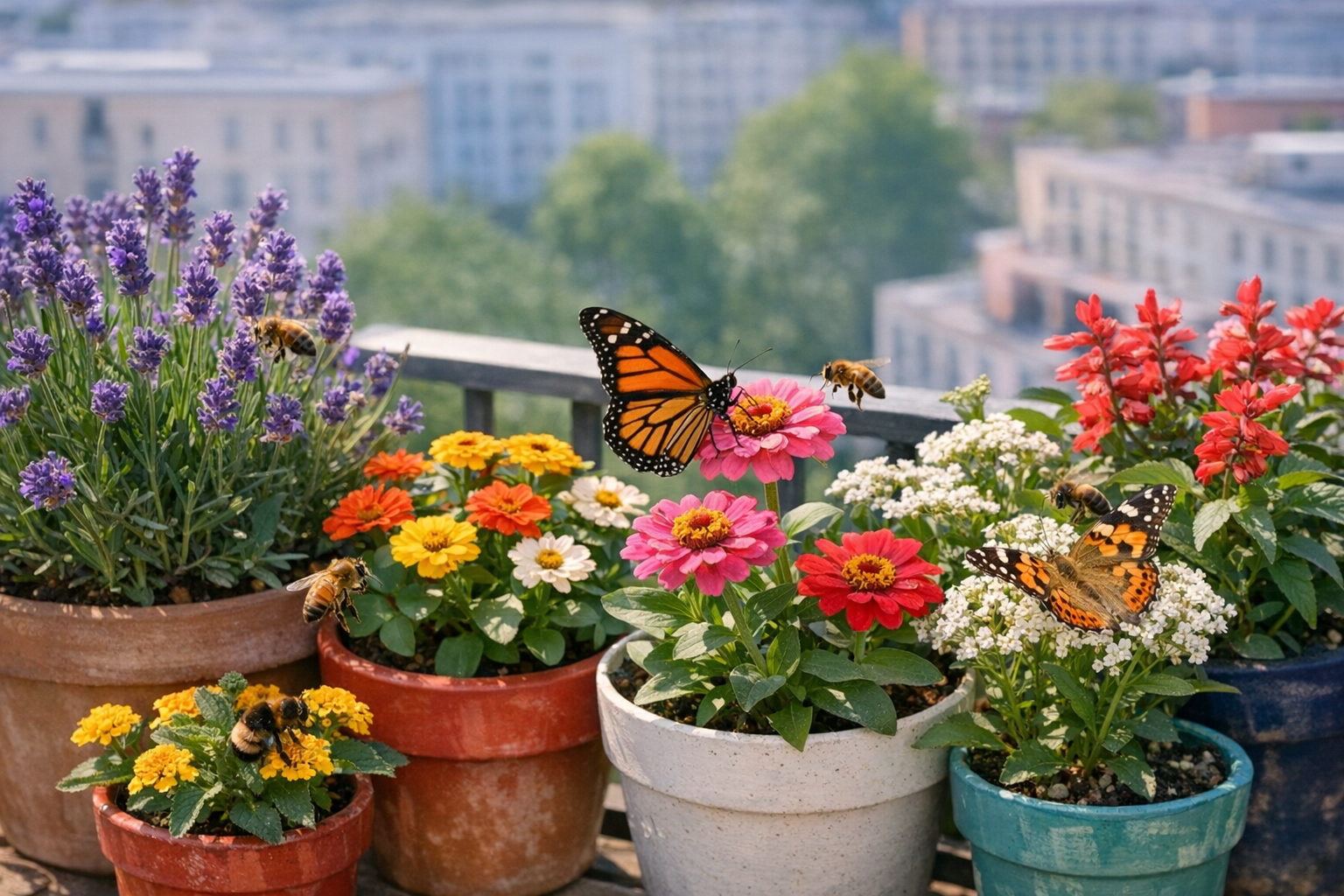
“Pollinator-Friendly Balcony Gardens …” from cultivatedelight.com and used with no modifications.
Plant selection is where your pollen-free garden strategy is either won or lost. The goal is to fill your vertical system with plants that either produce no airborne pollen at all, produce pollen that’s too heavy and sticky to become airborne, or are specifically cultivated sterile varieties that don’t produce viable pollen. The good news is that this list includes some of the most productive, beautiful, and easy-to-grow plants available for balcony conditions.
Vegetables and Herbs That Produce Almost No Airborne Pollen
The majority of vegetables grown for their leaves, roots, or fruits are insect-pollinated, meaning their pollen is heavy, sticky, and designed to attach to a bee rather than float through the air. This makes them essentially non-issues from an allergy standpoint. Leafy greens are among the safest plants you can grow — lettuce, spinach, Swiss chard, kale, and arugula are all harvested before they flower, which means they never even reach the pollen-producing stage in a well-managed vertical garden.
Herbs are equally allergy-friendly in most cases. Basil, parsley, cilantro, chives, mint, thyme, and rosemary are all harvested from their foliage, and regular harvesting prevents them from bolting and flowering. When herbs do flower, their pollen is typically insect-carried rather than wind-carried. The one exception to watch is fennel, which produces fine, wind-dispersed pollen when it goes to seed — keep it trimmed if you include it in your system. For more ideas on maintaining an urban garden, explore these low-pollen plants for urban gardens.
Female-Only or Sterile Flowering Plants for Color Without Pollen
You don’t have to sacrifice color and visual interest to keep your balcony garden pollen-free. A growing number of cultivated flowering plants are bred as sterile varieties or selected specifically because they produce minimal or non-viable pollen. Impatiens are one of the best examples — a reliable, shade-tolerant flowering plant with almost zero airborne pollen that works beautifully in vertical pocket planters on partially shaded balconies.
Other excellent low-pollen flowering options include tuberous begonias (double-flowered varieties produce virtually no pollen), female holly plants (which don’t produce pollen at all), Knock Out roses (bred for disease resistance and known for minimal pollen release compared to traditional roses), and double-flowered petunias like the Surfinia Double series. The rule of thumb: double-flowered varieties almost always produce less pollen than single-flowered ones because the extra petals replace the pollen-bearing stamens.
Plants to Avoid If You Have Pollen Allergies
Some popular balcony plants are genuinely poor choices for allergy-sensitive gardeners, even though they’re commonly sold and widely recommended for container growing. The biggest offenders release fine, lightweight, wind-dispersed pollen in high quantities.
Plant to Avoid Pollen Type Why It’s Problematic Low-Pollen Substitute Chamomile Airborne, fine Member of the Asteraceae family — high allergen index Lemon balm or mint Sunflowers (standard) Heavy but abundant Produces large volumes of pollen; wind and insect dispersed Infrared or Joker sterile sunflower cultivars Chrysanthemums Airborne High cross-reactivity with other Asteraceae allergens Double-flowered begonias Fennel (flowering) Fine, wind-dispersed Releases pollen when bolting — hard to stop once started Flat-leaf parsley Ornamental grasses Wind-dispersed Grass pollen is one of the top allergy triggers globally Soft rush or decorative sedge
The Asteraceae family — which includes chamomile, chrysanthemums, dahlias, and zinnias — is one of the most common sources of allergic reactions in gardeners. If you know you’re sensitive to ragweed (also in this family), approach any Asteraceae plant with caution regardless of how low-pollen it’s marketed.
The good news is that every plant on the avoid list has a compelling substitute that gives you a similar visual or culinary effect without the pollen load. Swapping standard sunflowers for the Infrared Mix or Joker pollen-free cultivars, for example, gives you the same dramatic vertical height and bold color with essentially zero airborne pollen — a perfect trade-off for a balcony vertical system.
How to Set Up Your Vertical Garden Step by Step
Once you’ve assessed your space and chosen your plants, setup is surprisingly straightforward. The key is working through these steps in order — skipping straight to planting without handling drainage, soil mix, and positioning first is the most common mistake balcony gardeners make, and it creates avoidable problems that are harder to fix once plants are established.
1. Choose the Right Vertical System for Your Space
Go back to your balcony assessment notes and match your system to your actual constraints. If you have a 6-foot-by-4-foot balcony with a 60 lbs/sq ft weight rating and 5 hours of direct sun, a freestanding tower like the Garden Tower 2 placed near the back wall is your best option — it gives you the highest plant count within a responsible footprint and keeps the center of your balcony open for seating. If your floor space is under 10 square feet or you’re not allowed to place freestanding structures, wall-mounted pocket panels are your path forward. Match the system to the space, not the other way around.
2. Fill Containers with Lightweight Allergy-Safe Potting Mix
Standard garden soil is not appropriate for vertical systems — it compacts, drains poorly, and adds unnecessary weight. Use a lightweight potting mix specifically formulated for containers, and modify it further to suit a vertical garden environment where water dynamics are different from a flat pot.
Potting Mix Component Recommended Ratio Purpose High-quality peat-free potting mix 60% Base nutrient structure and water retention Perlite 25% Improves drainage, significantly reduces overall weight Worm castings or compost 15% Slow-release nutrients without chemical fertilizer dependency
Avoid potting mixes that contain cheap fillers like heavy pine bark or unaged compost — these materials break down quickly in vertical systems, causing soil compaction around plant roots and reducing drainage within a single growing season. Look for mixes that list perlite or vermiculite as a primary component.
From an allergy perspective, choose a peat-free potting mix where possible. Peat-based mixes, when dry, can release fine particulate matter when disturbed during planting — not pollen, but a respiratory irritant worth avoiding. Coco coir-based mixes are an excellent alternative that’s lighter, more sustainable, and less irritating to handle.
3. Position Plants by Sun Exposure and Height
In a vertical tower system, the top planting ports receive the most direct sun exposure, while lower ports — especially those closest to the ground or in the shadow of upper plants — receive progressively less. Match your sun-hungry plants to the top positions and your shade-tolerant plants to the lower positions. Tomatoes, peppers, and herbs like basil belong at the top of the tower; lettuce, spinach, mint, and ferns thrive in lower, shadier positions.
On wall-mounted pocket systems, the light distribution dynamic is horizontal rather than vertical. Pockets at the outer edges of the panel tend to receive more side light, while center pockets can be shaded by neighboring plants as they grow. Place taller or faster-growing plants at the edges and compact, lower-growing plants at the center to prevent shading issues as the season progresses.
For climbing plants on a trellis system, position the base of the trellis where it will receive consistent morning sun — morning light is gentler and reduces the fungal moisture issues that can develop when plants stay wet from overnight dew. Train your vines toward the sun rather than fighting their natural growth direction, and they’ll reward you with faster establishment and stronger structure.
4. Install Windbreaks to Reduce Pollen Drift
A simple windbreak transforms a hostile, allergy-aggravating balcony into a sheltered microclimate where your plants — and your sinuses — can thrive. The most effective balcony windbreak is a bamboo or reed screen attached to the balcony railing or wall on the windward side of your garden. These screens reduce wind speed by 50–70% immediately behind them without completely blocking airflow, which keeps your plants healthy while dramatically lowering the amount of ambient pollen that blows in from outside your balcony. Look for screens rated for outdoor UV exposure — cheap indoor screens deteriorate quickly in full sun and wind conditions.
5. Set Up an Efficient Watering System
Consistent moisture is one of the most powerful tools you have for keeping pollen levels manageable in a vertical garden. Water-stressed plants flower earlier and more aggressively as a survival mechanism — which means more pollen, more frequently. A drip irrigation system or self-watering reservoir eliminates the feast-or-famine moisture cycle that stress-triggers early flowering, and it also means you’re spending less time hand-watering and more time actually enjoying your balcony.
For tower systems like the Garden Tower 2, a simple gravity-fed drip line connected to a small elevated reservoir can water all 50 plant positions with minimal daily involvement. For wall-mounted pocket systems, look for drip tape designed for vertical panels — brands like Raindrip and DripWorks make flexible kits that adapt easily to pocket planter configurations. Aim to keep your vertical system’s soil consistently moist but never waterlogged — in practical terms, this means the top inch of soil should feel slightly damp to the touch at all times during the growing season, never bone dry and never soggy.
Maintenance Tips to Keep Your Pollen Levels Low All Season
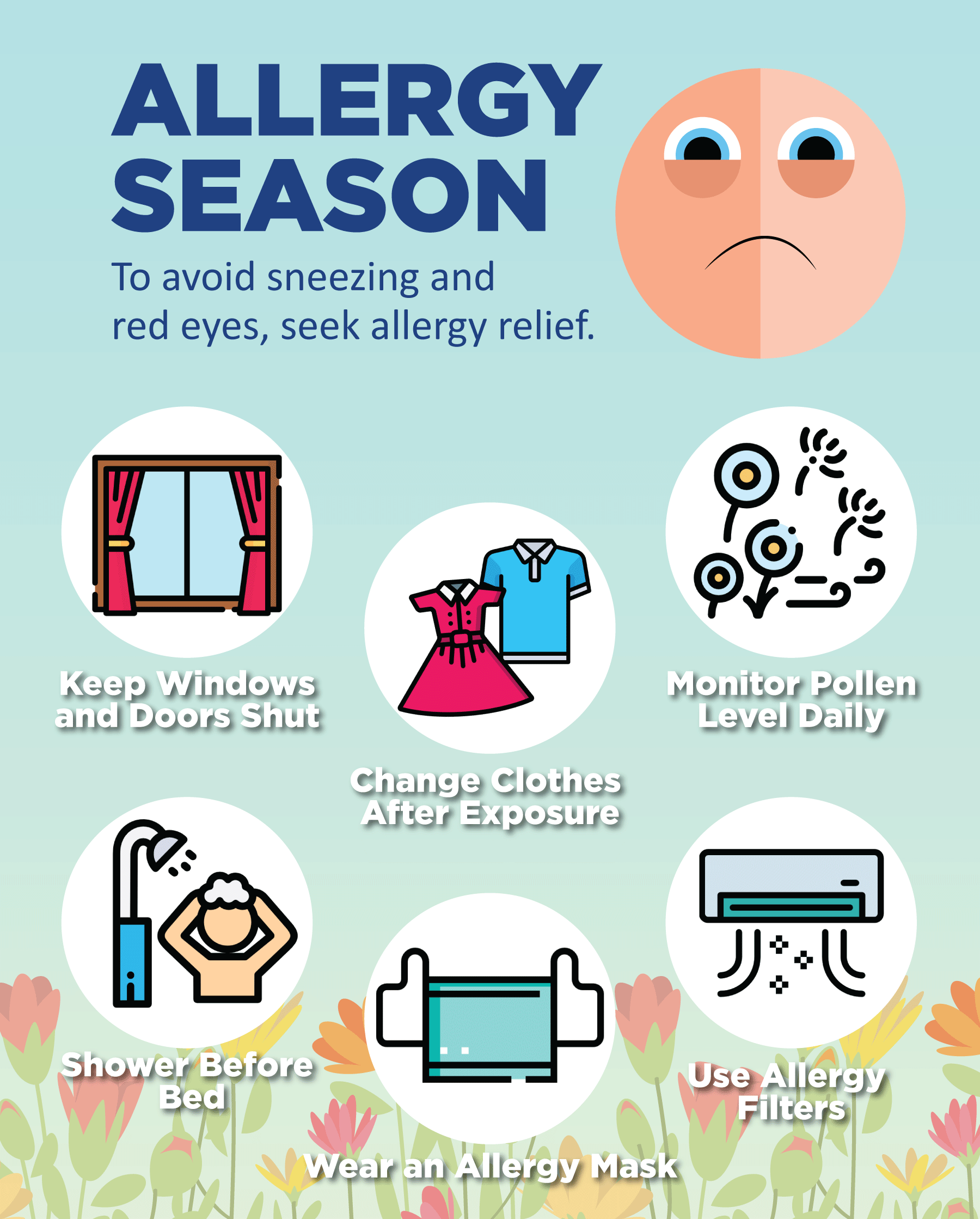
“Seasonal Allergies When the Pollen Rises” from mdmedicalgroup.us and used with no modifications.
Setting up your vertical garden correctly is only half the equation. What you do — or don’t do — throughout the season determines whether your pollen-free garden stays that way or gradually becomes an allergy problem as plants mature, bolt, and flower. The good news is that maintaining a vertical system is far less physically demanding than maintaining an in-ground garden, and most of these habits take only a few minutes a week once they become routine.
Think of seasonal maintenance as three overlapping priorities: controlling what flowers, controlling when it flowers, and controlling the conditions around the garden that affect ambient pollen levels. Get all three working together and your balcony stays comfortable from first planting through the last harvest of the season. For more ideas, explore top low-pollen plants that can make your urban garden more enjoyable.
- Harvest herbs and leafy greens regularly — cutting back growth consistently prevents bolting, which is when plants shift from leaf production to flowering and pollen production.
- Inspect your vertical system twice a week during peak growing season for any flower buds forming on plants you want to keep vegetative.
- Remove spent flowers immediately from any ornamental plants in your system — don’t let them dry on the plant and release pollen passively.
- Replace bolted plants promptly rather than letting them continue to flower and seed in your planting system.
- Water in the morning — morning watering settles any residual pollen that may have drifted onto plant surfaces overnight, and the moisture evaporates cleanly through the day without creating the fungal conditions that evening watering can encourage.
- Wear a lightweight N95 mask and gloves during any major replanting or soil disturbance sessions, particularly on high-pollen days in spring and early summer.
One habit that makes an outsized difference is keeping a simple garden journal — even just a few notes on your phone — tracking which plants bolted, when they started flowering, and what triggered it. Over one or two seasons, you’ll identify your specific balcony’s patterns: maybe your basil consistently bolts in late July when temperatures spike, or your pansies start releasing pollen earlier than expected in a warm spring. That pattern awareness lets you get ahead of pollen production rather than reacting to it after the fact. For more tips, check out our guide on low-pollen plants for urban gardens.
Don’t underestimate the value of keeping your balcony floor clean throughout the season. Sweeping or rinsing the floor weekly removes pollen that has settled from ambient air — pollen that would otherwise get kicked back up every time you walk through your garden space. A quick rinse with a low-pressure hose or a damp mop takes five minutes and meaningfully reduces the total pollen load in your immediate outdoor living area.
When and How to Deadhead Flowers Before Pollen Is Released
Deadheading — removing flowers before or just as they fully open — is your single most effective hands-on tool for pollen management in a vertical garden. The key is timing: you want to remove the flower when the petals are just beginning to open but before the stamens inside have extended fully and dusted pollen. At this stage, the flower typically looks slightly puffy or loosely closed, with color showing but petals not yet fully spread. Use clean, sharp scissors or pruning snips rather than pinching with fingers — cleaner cuts reduce plant stress and minimize the risk of accidentally releasing pollen into the air during removal. Drop removed flowers directly into a small bag or bucket rather than letting them fall onto your balcony floor where they’ll continue to release pollen as they dry.
Watering Techniques That Settle Pollen Without Spreading It
How you water is almost as important as when you water when it comes to pollen management. Overhead watering — spraying plants from above with a strong jet — is the worst approach for allergy-sensitive gardeners because it physically dislodges pollen from flowers and stamen, sends it airborne temporarily, and splashes it across neighboring plants and surfaces. Use a gentle, low-pressure watering wand directed at the soil rather than the foliage, and apply water slowly enough that it absorbs rather than runs off immediately.
A deliberate, gentle misting of plant foliage and surrounding balcony surfaces early in the morning actually helps settle and capture ambient pollen that has drifted in overnight. This isn’t about watering the plants — it’s about using moisture as a pollen trap. Fine water droplets bond with pollen grains and pull them down to surfaces where they can be rinsed away, rather than leaving them floating at face height. This technique is particularly effective during peak pollen season in spring when ambient pollen counts are highest.
A Pollen-Free Balcony Garden Is Closer Than You Think
Everything you need to grow a lush, productive, genuinely allergy-friendly vertical garden already exists — the right systems, the right plants, and the right habits are all within reach regardless of how small your balcony is or how sensitive your allergies are. Start with one vertical system, fill it with low-pollen herbs and leafy greens, and build your confidence from there. Within a single season, you’ll have living proof that a beautiful balcony garden and comfortable, sneeze-free outdoor living are not just compatible — they’re completely achievable together.
Frequently Asked Questions
Getting started with a pollen-free vertical garden raises a lot of practical questions, especially when you’re balancing allergy management with the realities of a small outdoor space. Here are the most common questions balcony gardeners ask when building their first vertical system.
Whether you’re dealing with a north-facing balcony that barely gets three hours of sun or a windy rooftop terrace that dries out containers in a day, there’s a workable solution for almost every scenario. For more ideas on transforming small spaces, check out these urban balcony garden kits. The answers below are based on real balcony gardening conditions, not idealized growing environments.
What vertical garden system is best for a small apartment balcony?
Balcony Size Recommended System Why It Works Under 20 sq ft Wall-mounted pocket planter (e.g. Woolly Pocket Wally) Zero floor space, holds 12–20 plants on a single wall panel 20–40 sq ft Freestanding tower (e.g. Garden Tower 2) 50 plants in a 2 sq ft footprint, no wall mounting required 40+ sq ft Combined tower + railing planters Maximizes every surface — floor, wall, and railing — for volume growing
For most apartment balconies in the 20–40 square foot range, a freestanding tower planter is the most practical and highest-yield choice. It requires no drilling, no landlord permission, and can be moved or relocated if you change apartments — a meaningful advantage for renters. The Garden Tower 2 is the most feature-complete option in this category, with its integrated composting system feeding plant roots directly and reducing the need for supplemental liquid fertilizers throughout the season.
If your balcony is genuinely tiny — think a single-file corridor style with barely enough room to stand — wall-mounted pocket panels are the clear winner. The Woolly Pocket Wally One measures just 12 by 12 inches per module and can be stacked vertically to create a living wall of herbs and flowers without using any floor space at all.
The best system is always the one that fits your specific constraints without making your balcony feel cluttered or inaccessible. If adding a vertical garden makes your outdoor space feel cramped and unusable as a living area, you’ve oversized your setup — scale back and prioritize enjoying the space as much as growing in it. Consider exploring urban balcony garden kits for a more tailored approach to small space transformation.
Which plants produce the least pollen for balcony gardens?
The lowest-pollen plants for balcony vertical gardens fall into two clear categories: edible plants harvested before they flower, and ornamental plants specifically bred as sterile or double-flowered varieties. In the edible category, the safest choices are lettuce, spinach, kale, Swiss chard, basil, parsley, chives, mint, thyme, and strawberries. All of these are either harvested from their leaves before any flowering occurs, or in the case of strawberries, are insect-pollinated with heavy pollen that never becomes airborne.
In the ornamental category, stick to double-flowered impatiens, tuberous begonias (double variety), pollen-free sunflower cultivars like Infrared Mix or Double Dandy, and Surfinia Double petunias. These varieties give you genuine color and visual impact across the entire growing season without meaningful airborne pollen production. The OPAL (Ogren Plant Allergy Scale) rates plants from 1 to 10 for allergenicity — aim for plants rated 3 or below when choosing ornamentals for a pollen-sensitive balcony garden.
Can I have a flowering vertical garden without triggering allergies?
Yes — absolutely, and with a wider range of beautiful plants than most allergy-sensitive gardeners expect. The critical distinction is between insect-pollinated flowers and wind-pollinated flowers. Insect-pollinated plants like fuchsias, tuberous begonias, impatiens, and most ornamental herbs produce pollen that is specifically designed to stick to insects rather than float through air. This pollen is heavy, waxy, and essentially non-airborne under normal balcony conditions. You can grow a vertical wall of these flowering plants and stand right next to them without triggering allergy symptoms in most cases.
The additional strategy is deadheading before flowers fully open on any plants where you’re uncertain about pollen type. This gives you the visual beauty of plants in bud and early flower — often the most attractive stage anyway — while preventing the pollen-releasing final stage of bloom. Combined with low-pollen plant selection, this approach lets you maintain a genuinely colorful, flowering balcony garden throughout the entire season.
How do I stop wind from spreading pollen across my balcony?
Install a bamboo, reed, or woven polypropylene windbreak screen along the windward railing of your balcony — the side that faces your prevailing wind direction. A screen that reduces wind speed by even 50% dramatically cuts the volume of ambient pollen carried into your outdoor space from neighboring trees, grasses, and gardens. For added protection during peak pollen season in spring, time your balcony use for later in the day — ambient pollen counts are typically highest between 5am and 10am and drop significantly by early afternoon. Checking a local pollen forecast app like Pollen.com or BreezoMeter before spending extended time on your balcony gives you real-time guidance on when conditions are most favorable. For more ideas on transforming small spaces, explore urban balcony garden kits.
Do vertical gardens attract fewer pests than ground-level container gardens?
Yes, in most cases — and the reasons are both physical and biological. Many common garden pests, including slugs, snails, and soil-dwelling insects like fungus gnats and cutworms, are strongly ground-oriented. They travel along soil surfaces and establish themselves most readily in containers that sit directly on the ground. A vertical tower system that keeps plant roots elevated and contained in a structured system creates a significantly less accessible environment for these ground-level pests.
The improved air circulation that vertical systems provide also reduces fungal diseases like powdery mildew and botrytis, which thrive in the still, humid air pockets that form between tightly packed ground-level containers. Better airflow means drier foliage surfaces, and drier foliage means fewer fungal outbreaks — which in turn means less need for fungicide treatments that can themselves be respiratory irritants for allergy-sensitive gardeners. For more ideas on creating a healthier garden environment, consider incorporating low-pollen plants in your urban garden.
That said, vertical gardens on balconies are not entirely pest-free. Aphids, spider mites, and whiteflies can still establish on elevated plants, particularly during hot, dry periods when plant stress makes foliage more attractive to sap-sucking insects. The advantage of a vertical system here is visibility — every plant position is accessible and at eye level, making it far easier to spot an early aphid colony and address it before it spreads. A strong blast of water directed at affected foliage from a handheld sprayer is usually sufficient for minor infestations, and it requires no chemicals that could aggravate respiratory sensitivities.
Transforming your balcony into a green oasis is easier than you might think. By selecting the right plants and arrangements, you can create a serene escape right outside your door. For those living in urban areas, it’s important to choose plants that not only thrive in small spaces but also minimize allergens. Consider exploring low-pollen plants to ensure your balcony remains a comfortable and inviting space.