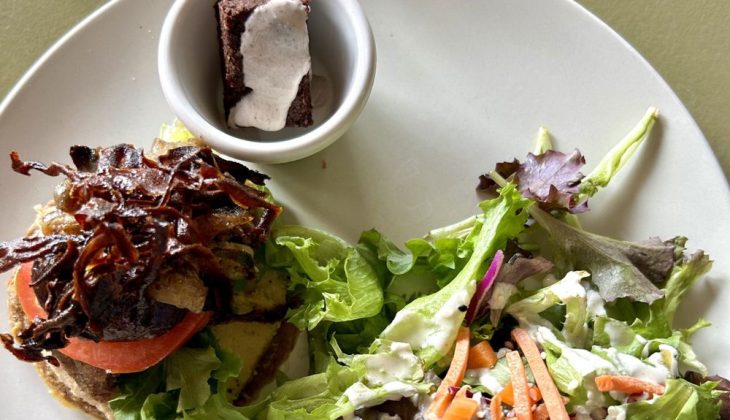
- Joliet, IL sits in one of the most produce-rich regions of the Midwest, giving plant-based cooks access to exceptional seasonal ingredients from spring ramps to winter root vegetables.
- Building deep, satisfying flavor without meat or dairy is entirely possible using techniques like caramelizing, roasting, and layering umami-rich ingredients like miso, nutritional yeast, and tamari.
- Joliet’s food scene includes plant-based dining experiences like the Plant-Based Supper Club at Topsoil, which showcases creative seasonal menus built entirely from local produce.
- Getting enough protein on a plant-based diet is simpler than most people think — lentils, tempeh, edamame, and black beans are all powerhouse options covered in detail below.
- Whether you’re a beginner or a seasoned home cook, there are local cooking classes, virtual consultations, and hands-on culinary experiences near Joliet to sharpen your plant-based skills.
Plant-based cooking in Joliet, IL is not just a trend — it’s a full, flavorful lifestyle with more resources and inspiration than most people realize.
Joliet sits in Will County, right at the heart of Illinois farm country, which means the seasonal produce available here is genuinely exceptional. From community-supported agriculture (CSA) boxes to local farmers’ markets, the ingredients for incredible plant-based meals are practically at your doorstep. If you’re looking to explore this world further, local plant-based culinary resources in the Joliet area can help you connect with the right classes, events, and guides to get started.
Plant-Based Cooking in Joliet IL Is More Exciting Than You Think
Most people picture bland salads or sad veggie burgers when they hear “plant-based.” Joliet’s culinary community is actively dismantling that stereotype. Events like the Plant-Based Supper Club at Topsoil are turning heads with dishes that rival anything on a traditional menu. creativity and depth of flavor.
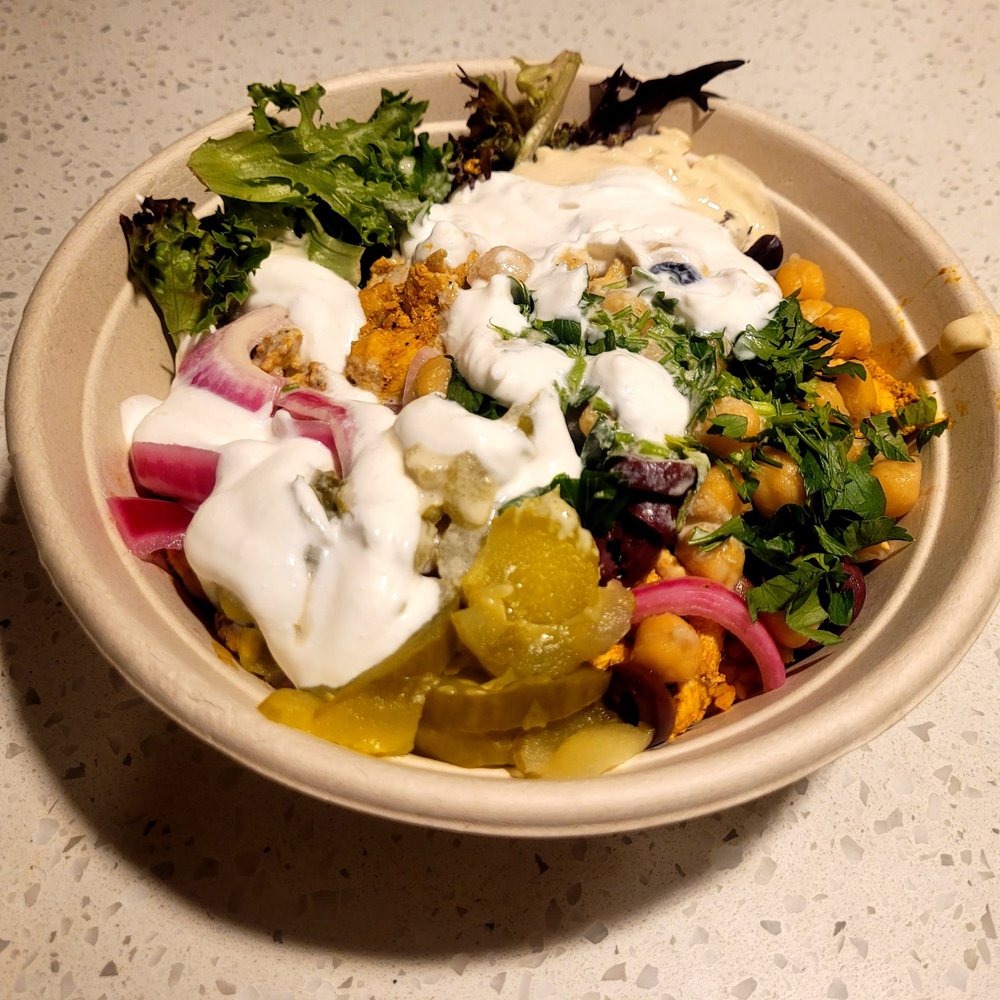
The Joliet area also has a growing network of cooking schools, kids’ culinary programs, and virtual class options that make plant-based cooking approachable for everyone. Whether you’re cooking for one, feeding a family, or hosting a dinner party, the tools and community support here make the learning curve much shorter than you’d expect.
Seasonal Plant-Based Ingredients to Cook With in Joliet IL
Cooking with the seasons is the single fastest way to level up your plant-based meals. Seasonal produce is harvested at peak ripeness, which means more natural sugar, more complex flavor, and better texture — no amount of seasoning can replicate that. Illinois has four distinct seasons, and each one brings a completely different pantry to work with. For those interested in enhancing their gardening skills, consider exploring eco-friendly urban garden kits to grow your own seasonal ingredients.
Spring Ingredients: Asparagus, Peas, and Ramps
Spring in Joliet signals the return of delicate, bright flavors after a long winter. Asparagus comes in first, usually by late April, and it’s best treated simply — roasted at 425°F with olive oil, lemon zest, and flaky salt until the tips just start to crisp. Fresh English peas arrive shortly after and are sweet enough to eat raw straight from the pod. Ramps, a wild leek native to the Midwest, are the real prize of the Illinois spring season — they have a bold garlic-onion flavor and both the bulb and the leaves are edible, making them incredibly versatile in pestos, sautés, and grain bowls.
Summer Ingredients: Tomatoes, Zucchini, and Sweet Corn
Illinois summers are warm and humid, which is exactly what tomatoes and sweet corn need to thrive. By July, heirloom tomatoes in shades of deep red, orange, and purple are showing up at Joliet-area markets with a complexity that grocery store tomatoes simply cannot match. Zucchini grows so prolifically in the Midwest that most gardeners end up with more than they can use — which is actually a good problem to have when you’re making zucchini noodles, stuffed zucchini boats, or grilled zucchini with chimichurri. Sweet corn at this time of year is so naturally sweet that grilling it directly in the husk for 15 to 20 minutes over medium-high heat is genuinely all it needs.
Fall Ingredients: Butternut Squash, Apples, and Brussels Sprouts
Fall is arguably the most exciting season for plant-based cooking in the Midwest. Butternut squash becomes the workhorse of the autumn kitchen — it roasts beautifully, blends into silky soups, and pairs well with warming spices like cumin, cinnamon, and smoked paprika. Illinois apple varieties like Honeycrisp and Fuji hit their peak in September and October, adding natural sweetness to grain salads and savory dishes alike. Brussels sprouts, often misunderstood, transform completely when roasted at high heat until the outer leaves turn deeply caramelized and crispy — a technique that converts even the most reluctant eaters.
This season also brings in hearty greens like lacinato kale and Swiss chard, which hold up well in braises and stews — cooking methods that are perfect for the cooling temperatures. For those interested in exploring new culinary experiences, consider joining a plant-based supper club to enjoy seasonal dishes.
Winter Ingredients: Root Vegetables, Kale, and Citrus
Winter plant-based cooking is about building warmth and depth. Root vegetables — parsnips, turnips, celeriac, and carrots — become the foundation of the cold-weather kitchen. They store well, roast beautifully, and develop a natural sweetness when caramelized. Kale is one of the few leafy greens that actually improves after a frost, becoming less bitter and more tender, which makes it ideal for hearty winter salads massaged with lemon and tahini. Citrus, while not locally grown, peaks in flavor during winter months and provides the brightness that winter dishes desperately need — a squeeze of blood orange over roasted beets, for example, completely transforms the dish. For those interested in exploring plant-based culinary experiences, consider visiting Topsoil Restaurant.
Essential Plant-Based Cooking Tips for Every Skill Level
Knowing what to cook with is only half the equation. The techniques and swaps you use will determine whether your plant-based meals feel exciting or forgettable. These are the principles that experienced plant-based cooks rely on daily.
How to Build Deep Flavor Without Meat or Dairy
The secret to deeply flavorful plant-based cooking is layering umami. Umami is the fifth taste — savory, rich, and satisfying — and it’s abundant in the plant world once you know where to look. Miso paste, soy sauce, tamari, nutritional yeast, sun-dried tomatoes, mushrooms (especially dried shiitake), and fermented black bean paste are all powerful umami sources that belong in a plant-based pantry.
Technique matters just as much as ingredients. Caramelization and the Maillard reaction — what happens when food browns under high heat — create hundreds of new flavor compounds. Roasting vegetables at 400°F to 425°F instead of steaming them produces an entirely different result. A roasted cauliflower steak with a dark, caramelized crust has more flavor complexity than almost anything you can achieve through gentler cooking methods.
Acid is the other underused tool. A splash of apple cider vinegar, a squeeze of fresh lemon, or a spoonful of capers added at the end of cooking can make every other flavor in the dish snap into focus. Salt is important, but acid is what makes food taste alive.
The Best Protein Swaps That Actually Satisfy
Protein is the most common concern people raise about plant-based eating, and it’s largely based on outdated thinking. The plant world is full of complete and near-complete protein sources that are both affordable and genuinely satisfying to eat. Here are the most effective options:
- Tempeh — fermented soybean cake with 31g of protein per cup; its dense, nutty texture holds up to grilling, pan-searing, and crumbling into taco meat
- Edamame — young soybeans with 18g of protein per cup, and one of the few plant foods that is a complete protein on its own
- Black lentils (beluga lentils) — 18g of protein per cooked cup, hold their shape after cooking, and work beautifully as a base for grain bowls
- Seitan — made from vital wheat gluten with up to 25g of protein per 3.5oz serving; its chewy, meaty texture makes it ideal for stir-fries and sandwiches
- Hemp seeds — 10g of complete protein per 3 tablespoons; blend seamlessly into smoothies, dressings, and oatmeal without changing the flavor
- Black beans — 15g of protein per cup and one of the most versatile legumes in plant-based cooking, from soups to brownies
How to Make Plant-Based Meals Kid-Friendly
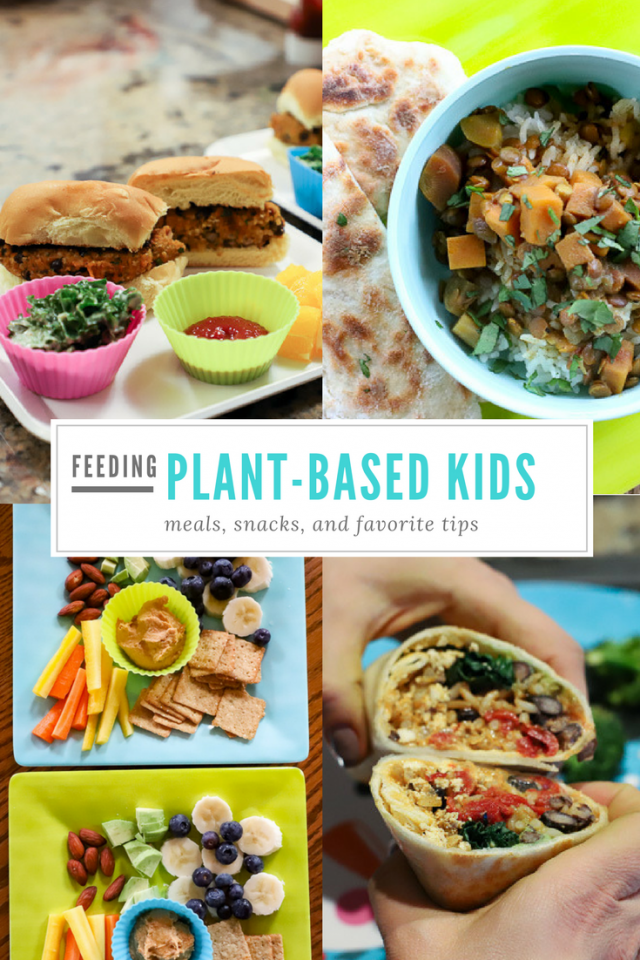
The biggest mistake parents make with plant-based cooking for kids is introducing too many unfamiliar flavors at once. A better approach is to start with foods that already look and feel familiar — tacos filled with seasoned black beans and corn, pasta tossed with a hidden-vegetable tomato sauce, or homemade veggie nuggets made from mashed chickpeas and breadcrumbs. Kids respond to texture, color, and fun presentation long before they care about nutrition labels.
Involving kids in the actual cooking process is one of the most effective strategies plant-based parents swear by. When a child helps wash the kale, stir the batter, or arrange toppings on a grain bowl, they develop a sense of ownership over the meal — and they are far more likely to eat it. Even simple tasks like tearing herbs, mashing avocado, or squeezing lemon build both cooking confidence and genuine curiosity about plant-based ingredients.
Plant-Based Culinary Experiences Near Joliet IL
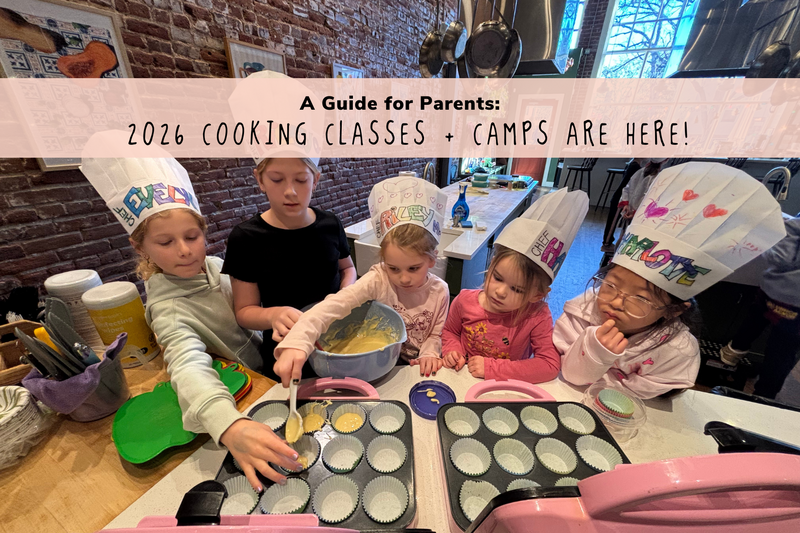
Joliet’s plant-based food scene has been quietly growing, and there are now real, tangible experiences available for people who want to go deeper than cooking alone at home. From immersive supper club dinners to hands-on cooking classes for children, the options in and around the Joliet area reflect a community that takes plant-based cuisine seriously.
These experiences are valuable not just for the skills they teach, but for the community they build. Cooking alongside others who share your approach to food accelerates learning in a way that no cookbook or online tutorial can fully replicate. You pick up knife techniques, flavor instincts, and plating ideas just by being in the same kitchen with people who are passionate about what they’re making.
What to Expect at a Plant-Based Supper Club
The Plant-Based Supper Club at Topsoil is one of the most distinctive dining experiences available near Joliet. Held monthly, it’s a multi-course celebration of fresh, local, and seasonal produce transformed by talented chefs into dishes that challenge every assumption about what plant-based food can be. Each menu is built around what is peak and available that month, so no two dinners are ever the same. For both committed vegans and curious omnivores, it is an eye-opening experience that demonstrates just how much range and sophistication plant-based cuisine can achieve when it’s treated as a serious culinary art form.
Kids Cooking Classes That Include Nutritious Plant-Based Meals
Several cooking schools in the Joliet, IL area offer dedicated kids cooking classes that incorporate plant-based and nutritious meal preparation into the curriculum. These classes are designed to be hands-on and engaging, teaching children basic knife safety, how to read a recipe, and how to combine flavors — all while working with whole, real ingredients. Virtual consultation options are also available through some providers, making it easy to get personalized guidance for young cooks without leaving home.
Virtual Plant-Based Cooking Classes and Consultations
Virtual plant-based cooking classes have become a genuinely strong option for Joliet-area residents, particularly for people with unpredictable schedules or those who prefer learning at their own pace. Many local culinary instructors now offer one-on-one virtual consultations where you can work through specific challenges — like meal prepping for a full week, cooking for mixed households with different dietary needs, or mastering a particular technique like making homemade seitan or fermenting your own tempeh.
Group virtual classes are also worth exploring. They tend to be more affordable than in-person sessions and often include downloadable recipe cards, ingredient sourcing guides, and follow-up Q&A access. For busy Joliet families trying to shift toward a more plant-based lifestyle without overhauling everything at once, a structured virtual class can provide exactly the right framework to make the transition feel manageable rather than overwhelming.
How to Shop Seasonally for Plant-Based Cooking in Joliet IL
| Season | Key Produce Available | Best Cooking Methods |
|---|---|---|
| Spring | Asparagus, ramps, English peas, spinach, radishes | Quick sauté, raw, light roasting |
| Summer | Heirloom tomatoes, sweet corn, zucchini, peppers, blueberries | Grilling, raw, cold salads |
| Fall | Butternut squash, Brussels sprouts, apples, kale, beets | High-heat roasting, braising, soups |
| Winter | Parsnips, celeriac, turnips, carrots, lacinato kale | Slow roasting, stews, mashing |
Shopping seasonally is one of the most impactful decisions a plant-based cook can make, both for flavor and for budget. Seasonal produce in Illinois is typically priced lower than out-of-season imports because it doesn’t carry the cost of long-distance shipping or extended cold storage. A butternut squash purchased at a Will County farm stand in October will cost significantly less and taste dramatically better than one shipped from another region in February.
The Joliet area has several access points for seasonal shopping. The Joliet Farmers Market runs seasonally and features local vendors selling fresh vegetables, herbs, and fruit alongside artisan plant-based food products. Will County also has a number of CSA programs through local farms that deliver weekly boxes of whatever is at peak harvest — a great way to push your creativity since you’re cooking with what’s available rather than defaulting to the same ingredients every week.
Planning your weekly meals around a seasonal haul rather than building a list and then shopping for it is a mindset shift that experienced plant-based cooks make early on. It keeps your cooking fresh, cuts food waste significantly, and forces you to develop real flexibility and instinct in the kitchen — skills that ultimately make you a better cook across the board.
How to Read a Seasonal Produce Calendar
A seasonal produce calendar is simply a month-by-month guide to what grows in your region and when. For Illinois, the University of Illinois Extension publishes a reliable seasonal availability guide that breaks produce down by harvest window. The key is learning to read it not just as a list, but as a meal planning tool — when you see that ramps are only available for three to four weeks in April, you plan to cook with them aggressively during that window rather than waiting until they’re gone.
The practical habit is to check the calendar at the start of each month and identify two or three hero ingredients that are at peak availability. Build the bulk of your weekly meals around those, then fill in supporting ingredients from your pantry staples. This approach eliminates decision fatigue, reduces waste, and consistently produces the best-tasting results because you’re always starting with the highest-quality raw ingredients available.
Tips for Buying Local Produce in the Joliet Area
Arriving early at the Joliet Farmers Market gives you access to the best selection before popular items sell out — vendors with heirloom tomatoes or specialty mushrooms often sell through their stock within the first hour. Building a relationship with a specific vendor is also worth doing. When farmers know you’re a regular, they’ll often set aside unusual varieties, let you know what’s coming next week, and give you honest guidance on how to store and prepare what you’re buying. That kind of direct knowledge from the source is something no grocery store can offer. If you’re interested in expanding your culinary skills, consider checking out cooking classes in Joliet for more hands-on learning experiences.
Simple Seasonal Plant-Based Recipes to Try Right Now
The best plant-based recipes are not the most complicated ones — they are the ones that let a single exceptional seasonal ingredient do most of the work. Each of the recipes below is built around that principle: minimal steps, maximum flavor, and a clear connection to what’s actually growing in the Illinois region right now.
These are not restaurant-level productions. They are practical weeknight meals and weekend breakfast ideas that use the seasonal produce covered in this guide. Once you make them a few times, you’ll naturally start riffing — swapping one seasonal green for another, adjusting spice levels, or adding a protein from your pantry to make the dish more substantial.
Start with one recipe, make it twice, and then move to the next. Repetition builds the kind of intuitive cooking confidence that no single class or cookbook can fully teach on its own.
Green Smoothie Bowl With Fresh Spring Produce
Blend one frozen banana, half a cup of frozen mango chunks, a large handful of fresh spinach, and three tablespoons of hemp seeds with just enough plant-based milk — oat milk works particularly well here — to get the blender moving. The consistency should be thick enough that a spoon stands up in it. Pour into a wide bowl and top with sliced fresh strawberries, a sprinkle of granola, a few fresh mint leaves, and a drizzle of raw local honey or agave. The hemp seeds add 10 grams of complete protein per serving without changing the flavor, and the spinach disappears entirely into the bright green base. This is a five-minute breakfast that genuinely tastes like something from a café. For more unique ways to incorporate fresh produce, check out these uncommon vegetable crops.
Cauliflower Mash Shepherd’s Pie for Fall and Winter
This dish is the definition of cold-weather comfort food, and it proves that plant-based cooking can be just as hearty and satisfying as anything from a traditional kitchen. Start by roasting a full head of cauliflower florets at 425°F for 25 minutes until deeply golden, then blend them with two tablespoons of vegan butter, three tablespoons of nutritional yeast, a pinch of garlic powder, and enough unsweetened oat milk to reach a smooth, creamy consistency. The nutritional yeast is critical here — it adds a sharp, cheesy depth that makes the mash taste far more indulgent than it actually is.
For the filling, sauté one diced yellow onion, two diced carrots, two stalks of celery, and three cloves of garlic in olive oil until softened. Add one cup of green lentils, two cups of vegetable broth, a tablespoon of tomato paste, a teaspoon of smoked paprika, fresh thyme, and a splash of tamari. Simmer uncovered for 25 minutes until the lentils are tender and the liquid has mostly absorbed. Transfer the filling to a baking dish, spread the cauliflower mash evenly across the top, and broil for five to seven minutes until the surface develops golden, slightly crispy peaks. Serve with a simple green salad dressed with apple cider vinegar and Dijon mustard.
Summer Veggie Stir-Fry With Sweet Corn and Zucchini
Cut two medium zucchini into half-moons, slice one red bell pepper into thin strips, and shave the kernels from two ears of peak-season Illinois sweet corn. Heat a wok or large cast iron skillet over high heat until it just starts to smoke — this is the key step that most home cooks skip, and it’s the difference between a proper stir-fry and a steamed vegetable situation. Add a tablespoon of sesame oil, then the vegetables in a single layer, and leave them completely alone for 90 seconds before tossing. The goal is caramelized edges and a slight char, not soft, uniform pieces.
While the vegetables cook, whisk together two tablespoons of tamari, one tablespoon of rice vinegar, a teaspoon of toasted sesame oil, a teaspoon of fresh grated ginger, and a half teaspoon of chili garlic sauce. Pour the sauce over the vegetables in the final minute of cooking and toss to coat. Serve immediately over steamed jasmine rice or soba noodles, topped with sliced scallions and a handful of toasted sesame seeds. The whole dish takes under 20 minutes and is one of the most satisfying ways to use peak-summer Illinois produce.
Plant-Based Eating in Joliet IL, Is a Year-Round Lifestyle
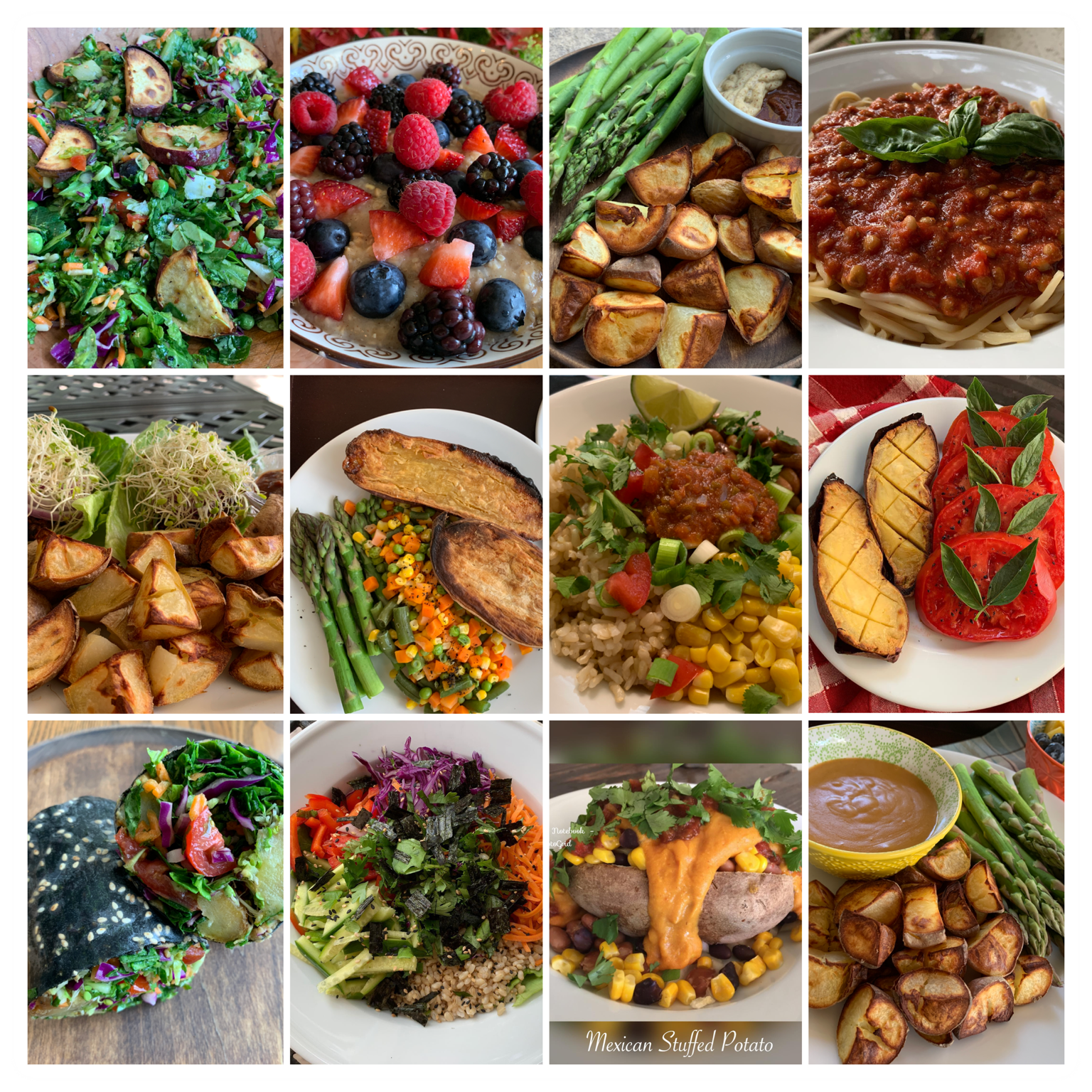
Plant-based cooking in Joliet is not a phase or a January resolution — it’s a sustainable, exciting way to eat that gets richer and more rewarding the longer you commit to it. Illinois gives you a genuinely different pantry every three months, which means you’re never really cooking the same meal twice. The seasonal rhythm keeps things interesting in a way that meal kit subscriptions and trending recipes simply cannot replicate. When you’re tied to what’s actually growing in your region, your cooking develops a sense of place and intention that makes every meal feel more connected and more satisfying.
Frequently Asked Questions
Plant-based cooking raises a lot of practical questions, especially for people who are newer to cooking without meat or dairy as the anchor of every meal. The answers below address the most common questions from home cooks in the Joliet area who are navigating this shift.
These are questions worth revisiting at different stages of your plant-based journey — what feels complicated in month one often becomes second nature by month three, and new questions tend to emerge as your skills and palate develop. For those interested in expanding their plant knowledge, consider exploring an Illinois plant ID guide for seasonal maintenance tips.
What Are the Best Seasonal Vegetables for Plant-Based Cooking in Illinois?
The best seasonal vegetables for plant-based cooking in Illinois depend on the time of year. In spring, asparagus, ramps, and fresh English peas are at their peak. Summer brings heirloom tomatoes, sweet corn, and zucchini. Fall is the season for butternut squash, Brussels sprouts, and apples. Winter is best for root vegetables like parsnips, celeriac, and turnips, along with hardy greens like lacinato kale.
Sticking to what’s in season in Illinois rather than buying produce shipped from other regions will give you dramatically better flavor and significantly lower grocery costs. The University of Illinois Extension seasonal produce calendar is a reliable free resource for tracking exactly what’s available each month in the state.
Are There Plant-Based Cooking Classes Available Near Joliet IL?
Yes, there are plant-based cooking class options available in and around the Joliet, IL area. Local cooking schools offer group and private sessions that incorporate plant-based techniques and seasonal ingredients. Virtual cooking classes and one-on-one consultations are also widely available for those who prefer learning from home. The Plant-Based Supper Club at Topsoil is another immersive option for people who want to experience high-level plant-based cuisine prepared by professional chefs using fresh, local, seasonal produce.
How Do I Get Enough Protein on a Plant-Based Diet?
Getting enough protein on a plant-based diet is straightforward once you know which foods to prioritize. Tempeh, seitan, edamame, black lentils, black beans, and hemp seeds are all high-protein options that work across a wide range of cooking styles and cuisines.
The key is to include a protein-dense ingredient in every meal rather than treating protein as a side consideration. A grain bowl built on beluga lentils, topped with roasted vegetables and a tahini dressing, hits a strong protein target without requiring any supplementation or complex planning.
Variety also matters. Rotating between different plant-based proteins throughout the week ensures you’re getting a full amino acid profile across your meals, even if no single plant food provides all nine essential amino acids on its own — though edamame, hemp seeds, and soy-based foods like tempeh and tofu are notable exceptions as complete proteins.
What Is a Plant-Based Supper Club and How Do I Join One Near Joliet?
A plant-based supper club is a recurring dining event where chefs create multi-course menus built entirely from plant-based ingredients, typically sourced locally and seasonally. The Plant-Based Supper Club at Topsoil near Joliet is a monthly event that celebrates the full depth of what plant-based cuisine can achieve when treated with the same seriousness as any fine dining format. Each dinner features a different menu tied to what is fresh and available that month.
To join or get information about upcoming events, checking Topsoil’s website or social media channels directly is the most reliable approach. These events tend to fill quickly because the guest list is intentionally kept intimate, so early registration is strongly recommended.
Can Kids Enjoy Plant-Based Meals Without Feeling Like They Are Missing Out?
Absolutely — and the key is in the framing and the texture. Kids respond to food that is visually fun, easy to eat, and familiar in format, not food that is labeled as healthy or different. Plant-based tacos, homemade veggie nuggets, pasta with hidden-vegetable sauces, and colorful grain bowls with customizable toppings are all formats that children engage with enthusiastically. For parents interested in growing their own ingredients, eco-friendly urban garden kits can be a great resource.
Involving kids directly in the cooking process is one of the most effective strategies available. When children help prepare a meal — even in a small way like stirring, tearing herbs, or arranging toppings — they develop a personal investment in eating it. Cooking schools in the Joliet area that offer kids cooking classes use this principle as the foundation of their curriculum.
Over time, children raised with exposure to diverse plant-based ingredients develop broader, more adventurous palates than kids fed a narrow range of processed foods. Starting early and keeping the experience positive and hands-on is the single most effective approach a plant-based parent can take — and it pays off in ways that go well beyond the dinner table.
Explore plant-based culinary resources in the Joliet area to find classes, seasonal guides, and community experiences that make cooking this way genuinely enjoyable every step of the way. For those interested in expanding their knowledge, consider learning about seasonal maintenance tips to enhance your plant-based cooking journey.