- Chicago has three distinct pollen seasons — tree pollen peaks in spring, grass pollen hits in early summer, and ragweed dominates fall — meaning allergy management for cyclists is a near year-round challenge.
- The right face mask filtration rating matters more than most cyclists realize — a mask rated below N95 may let fine pollen particles through during heavy breathing on climbs and sprints.
- Synthetic fabrics like polyester can trap and hold pollen on the surface of your jersey for hours after a ride, meaning your post-ride routine is just as important as what you wear.
- Riding time of day is one of the most powerful (and free) tools for reducing pollen exposure — pollen counts in Chicago typically peak between 5 AM and 10 AM.
- Wraparound cycling glasses alone may not cut it on high-pollen days near the Lakefront Trail — find out which eye protection upgrade makes a real difference.
Riding with allergies in Chicago is not just uncomfortable — without the right gear, it can sideline you entirely during the seasons when the city’s cycling conditions are at their best.
Chicago cycling specialists know that the gear choices allergy-prone riders make go far beyond picking the lightest jersey or the most aerodynamic helmet. Every piece of equipment you wear becomes either a barrier or a carrier for the allergens you’re pedaling through. Understanding that distinction is what separates a miserable ride from a great one.
Chicago Cyclists With Allergies Need a Different Gear Strategy
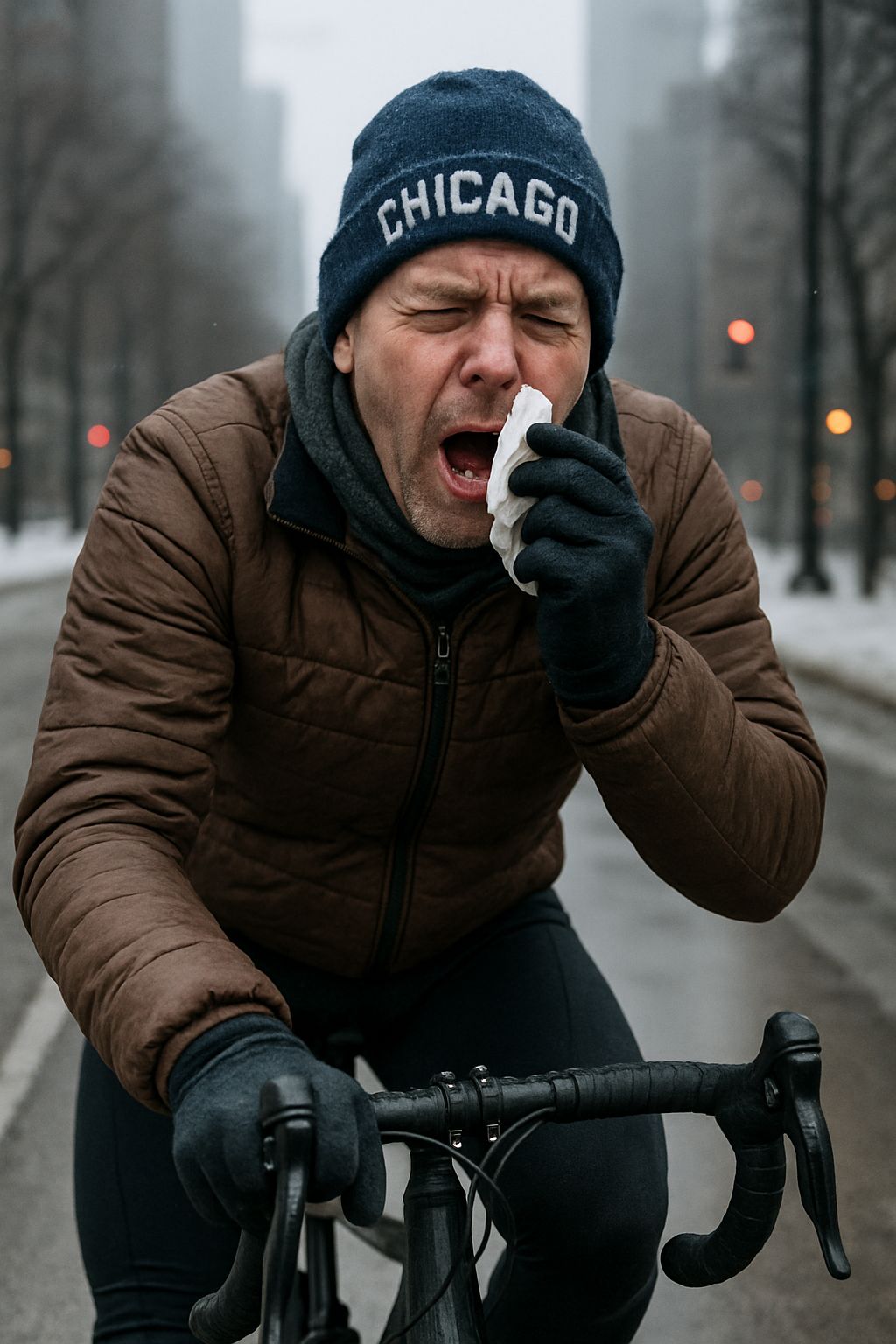
Most cycling gear guides focus on speed, comfort, and weather protection. For Chicago cyclists managing allergies, there is an entirely different set of priorities layered on top of those basics. The city’s dense urban environment, lakefront winds, and surrounding forest preserves create a uniquely high-allergen riding environment that demands a more deliberate approach to every piece of kit you put on.
Standard cycling jerseys, gloves, and eyewear are designed with airflow and performance in mind — not allergen filtration. That means riders with seasonal allergies, skin sensitivities, or asthma-related triggers need to actively audit their gear and make targeted upgrades. The good news is that the right combination of equipment makes year-round Chicago riding not just possible, but genuinely enjoyable. For those dealing with allergies, exploring pollen allergy relief methods can enhance your cycling experience.
The Biggest Allergy Triggers Chicago Cyclists Face
- Tree pollen — peaks March through May, especially oak, birch, and elm
- Grass pollen — dominates June and early July across Chicago’s parks and lakefront green spaces
- Ragweed pollen — the most aggressive trigger, running August through October
- Mold spores — elevated near the lakefront, forest preserves, and after rainfall year-round
- Vehicle exhaust and particulate matter — a constant factor on arterial routes like Milwaukee Avenue and Clark Street
Chicago sits in a geographic pocket that concentrates airborne allergens particularly well. Lake Michigan’s shoreline generates consistent wind patterns that push pollen from Indiana and Wisconsin directly into the city’s riding corridors. The Lakefront Trail, one of the most popular cycling routes in the country, runs directly through some of the highest mold and pollen exposure zones in the metro area.
Urban riding adds a second layer of complexity. Vehicle exhaust and fine particulate matter don’t just irritate airways independently — they act as carriers that bond with pollen particles, making combined exposure significantly more inflammatory than either trigger alone. Cyclists breathing hard at threshold effort on a busy Chicago street are pulling in far more of these combined irritants than a casual walker on the same block. For those looking for pollen allergy relief methods, exploring effective solutions can be crucial for urban cyclists.
Tree, Grass, and Weed Pollen Seasons in Chicago
Chicago’s pollen calendar runs in three recognizable waves. Tree pollen arrives first, typically building through March and peaking hard in April and May. Oak, birch, maple, and elm are the primary culprits, and their pollen is fine enough to penetrate standard fabric layers. Grass pollen follows closely behind, overlapping with the tail end of tree season and running through late June. Then comes ragweed — Chicago’s most notorious allergen — which launches in mid-August and can persist well into October depending on the first frost date.
What makes this calendar particularly challenging for cyclists is that each wave coincides with ideal riding conditions. Spring and fall offer the best temperatures and the longest daylight hours for Chicago riders. Sitting those seasons out is not a realistic option for anyone who rides regularly.
Air Pollution and Vehicle Exhaust on City Routes
Chicago’s most popular cycling corridors — Milwaukee Avenue, Dearborn Street, the 606 Trail entrances, and sections of the Lakefront Trail near the Museum Campus — all involve some degree of vehicle exhaust exposure. Fine particulate matter (PM2.5) from diesel engines and older gasoline vehicles is small enough to bypass the nose and throat entirely and reach deep into the lungs.
For cyclists with allergic asthma or exercise-induced bronchoconstriction, exhaust exposure on a high-intensity ride can trigger reactions that feel identical to a pollen response. Choosing routes that avoid heavy traffic corridors during rush hour is one strategy, but pairing that with an appropriately rated face mask addresses the problem directly when route alternatives are limited.
Mold Spores Near the Lakefront and Forest Preserves
Mold is the allergy trigger that Chicago cyclists most commonly underestimate. The city’s lakefront creates persistently humid microclimates that support mold growth in soil, leaf litter, and standing water along trail margins. After rain — a frequent occurrence during Chicago’s spring and fall riding seasons — mold spore counts can spike dramatically within hours.
The Forest Preserve District of Cook County, which borders many popular suburban cycling routes accessible from the city, presents similar conditions. Shaded trails with heavy leaf cover and poor drainage are mold spore hotspots that many riders pass through without realizing they’re in an elevated exposure zone.
The Lakefront Trail itself sits in a unique position: beautiful, wind-exposed, and heavily used, but also directly adjacent to stretches of shoreline vegetation and harbor areas where mold conditions are consistently elevated from late spring through early fall.
Best Allergy-Blocking Face Masks for Cycling
A quality allergy-blocking face mask is the single most impactful piece of gear a Chicago cyclist with allergies can invest in. It addresses pollen, particulate matter, exhaust, and mold spores simultaneously — and it does the job at the exact moment of peak exposure, when you’re breathing hardest.
What Filtration Rating to Look For in a Cycling Mask
Filtration ratings are where most cyclists make their first mistake. A standard fabric cycling buff or neck gaiter provides almost no meaningful allergen filtration — it reduces large particle splash and wind chill, but fine pollen particles pass through the weave without resistance.
For genuine allergy protection while cycling, you need a mask with a minimum N95 filtration rating, which means it filters at least 95% of airborne particles at 0.3 microns. Tree and grass pollen particles range from 10 to 100 microns, making them relatively catchable, but fine particulate matter and some mold spores fall well below that threshold — closer to the 0.3-micron range where the filtration rating becomes critical.
Cycling-specific masks that meet or exceed N95 standards include the Respro Techno Mask, the Cambridge Mask Pro, and the Totobobo Mask. Each is designed with varying degrees of exhalation valve engineering to manage the elevated breathing rates of active cyclists. The Respro Techno, in particular, uses a HEPA-grade filter insert that can be replaced independently of the mask body — a practical feature for Chicago riders who cycle through multiple pollen seasons.
The Airinum Urban Air Mask 2.0 is worth mentioning as a crossover option. It carries an N99 rating, filters PM2.5 and PM10 particles, and uses a dual-valve exhalation system that handles the breath volume demands of moderate-intensity cycling reasonably well.
Mask Filtration Rating Exhalation Valve Best For Respro Techno Mask HEPA-grade (~N95+) Yes Urban + high-effort riding Cambridge Mask Pro N99 / FFP3 No Pollen + pollution combo days Totobobo Mask N95 / N99 (swappable filters) Yes Customizable protection levels Airinum Urban Air Mask 2.0 N99 Dual valve Moderate-intensity commuting
How to Balance Breathability and Protection While Riding Hard
- Choose masks with active exhalation valves — they dramatically reduce CO2 buildup and heat inside the mask during hard efforts
- Size the mask for a sealed facial fit — gaps at the nose bridge and jaw undercut filtration efficiency more than filter quality does
- Carry a backup buff or neck gaiter for easy-effort sections where you can drop filtration briefly to cool down
- Replace filter inserts on schedule — a saturated or compressed filter performs worse than no filter at all
Breathability during high-intensity riding is the legitimate tension in allergy mask selection. A mask that fits perfectly at rest will generate real respiratory resistance at threshold heart rate. The solution is not to choose a lower-filtration mask — it’s to choose a mask with an effective exhalation valve and match your filtration level to the day’s pollen count rather than wearing maximum filtration on every ride.
On moderate-pollen days, the Respro Sportsta Mask — a lighter-weight version of the Techno — offers enough filtration for grass and tree pollen while generating less breathing resistance than a full N99 option. Save the Cambridge Mask Pro for ragweed season and high-pollution corridor riding.
Allergy-Free Cycling Clothing Fabrics That Won’t Irritate Skin
The fabric your cycling kit is made from determines two separate but equally important outcomes: how much pollen it captures and holds during a ride, and how much it irritates your skin directly. For riders with contact allergies or sensitive skin, these are not trivial concerns — a jersey that causes hives or traps pollen against your forearms for two hours is a genuine problem.
The cycling apparel industry defaults heavily toward synthetic fabrics — polyester, nylon, and elastane blends — because they wick moisture efficiently and hold their shape under compression. Those performance advantages are real, but synthetics come with a specific allergen-trapping downside that natural and treated fabrics avoid.
Why Synthetic Fabrics Like Polyester Can Trap Allergens
Polyester’s moisture-wicking performance comes from its fiber structure — a tight, hydrophobic weave that pushes liquid away from the skin surface. That same structure creates a microscopic surface texture that pollen particles adhere to on contact. Unlike a smooth, tightly woven natural fiber surface where pollen sits loosely and shakes free, polyester’s texture gives pollen mechanical purchase to cling.
Natural and Hypoallergenic Fabric Options for Jerseys and Base Layers
Merino wool is the standout choice for allergy-prone cyclists who need a fabric that resists pollen adhesion, manages moisture, and doesn’t irritate sensitive skin. Unlike synthetic fibers, merino’s smooth, scaled fiber structure gives pollen and mold spores far less surface area to grip. Brands like Icebreaker and Smartwool produce merino cycling base layers that match synthetic fabrics for moisture management while eliminating the allergen-trapping problem.
Bamboo-derived fabrics are a second strong option, particularly for riders whose skin reacts to wool’s fine-scale texture. Bamboo viscose has a naturally smooth fiber structure, inherent antimicrobial properties, and a softer hand feel than even fine merino. Shredly and Terry Bicycles both produce bamboo-blend cycling jerseys that work well for skin-sensitive Chicago riders. The trade-off is slightly less durability than merino or synthetic blends over many wash cycles.
For riders who prefer a synthetic option but need to minimize allergen retention, look for jerseys constructed from tightly woven microfiber polyester with a smooth face finish rather than a brushed or textured surface. Castelli’s Gabba RS Jersey uses a smooth-faced Gore-Tex Infinium fabric that resists pollen adhesion better than standard open-weave cycling jerseys while maintaining the waterproofing that Chicago’s unpredictable spring rides demand. For those seeking pollen allergy relief, this jersey is an excellent choice.
- Merino wool — best all-around for pollen resistance and skin comfort; Icebreaker and Smartwool lead here
- Bamboo viscose blends — ideal for skin-sensitive riders; softer than merino with natural antimicrobial properties
- Smooth-faced microfiber polyester — best synthetic option; look for tightly woven face finish, not brushed texture
- Avoid open-weave jerseys and fleece-lined layers — both trap and hold pollen far longer than smooth-surface alternatives
- Tencel (lyocell) — an emerging option in cycling apparel; smooth fiber surface and high moisture absorption make it a solid allergen-resistant choice
Whatever fabric you choose, fit matters from an allergen perspective, too. Looser-fitting jerseys flap and collect more airborne pollen than close-fitting alternatives. A race-fit or sport-fit jersey that sits close to the body without bunching reduces the effective surface area exposed to pollen in the wind while you ride. For more on effective allergy relief, check out these pollen allergy relief methods.
How to Wash Cycling Gear to Remove Pollen and Allergens
Washing cycling gear correctly after every ride during pollen season is non-negotiable. Pollen that remains on a jersey through drying and folding embeds further into the fabric structure and becomes significantly harder to remove. Shake garments out before bringing them indoors, rinse them immediately in cold water before the full wash cycle, and use a fragrance-free, dye-free detergent — Seventh Generation Free & Clear or All Free Clear are widely available in Chicago and effective for allergen removal. A second rinse cycle adds meaningful allergen clearance without damaging fabric. Never air-dry cycling gear outdoors during pollen season — you will re-contaminate a clean kit the moment it goes on the drying rack.
Eye Protection Against Chicago Pollen and Wind
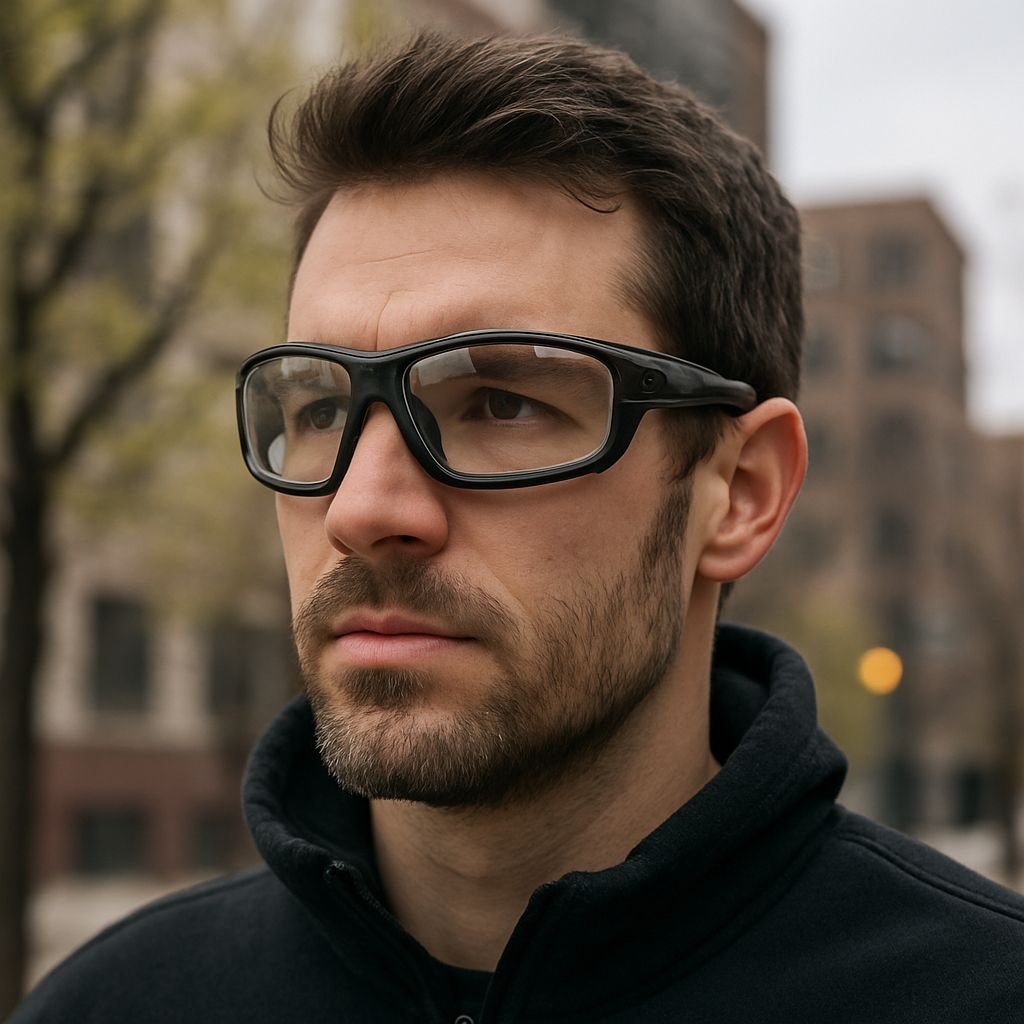
Eyes are the most exposed surface on a cyclist’s body and the fastest route for allergens to trigger a reaction. Wind speed created by cycling — even at a modest 15 mph — significantly increases the rate at which airborne pollen makes direct contact with the eye surface. Chicago’s lakefront winds compound this, regularly adding 10 to 20 mph of ambient wind on top of riding speed. The right eyewear is not optional gear for allergy-prone riders — it’s primary protection.
Wraparound Cycling Glasses vs. Ski-Style Goggles for Allergy Protection
Standard cycling sunglasses with a wraparound frame design — like the Oakley Jawbreaker or Smith Pivlock Arena MAX — offer meaningful wind and pollen deflection during normal riding conditions. Their wide lens coverage and close-fitting temple arms reduce lateral pollen entry effectively. For most rides on moderate to high pollen days, a quality wraparound cycling glass is the right tool.
Ski-style cycling goggles become the better choice during peak ragweed season, high-wind lakefront riding, or any day where the Chicago pollen count exceeds 500 grains per cubic meter. The 100% Barstow and Tifosi Veloce offer goggle-adjacent coverage without the bulk of actual ski goggles, creating a full perimeter seal around the eye socket that standard glasses cannot match. This seal matters most when you’re descending at speed or riding directly into a headwind off the lake.
True ski-style goggles like the Smith Squad MAG — adapted for cycling use — provide maximum protection but generate significant fogging at lower riding intensities. Reserve them for genuinely severe allergy days or rides where speed and airflow are consistent enough to keep the lens clear. The sealed perimeter these goggles create is the closest thing to complete eye allergen isolation available to a cyclist.
Anti-Fog and UV-Rated Lens Features Worth Prioritizing
Anti-fog coating on cycling lenses is especially important for allergy season because the combination of a close-fitting frame, elevated breathing rate, and facial moisture from sweat creates persistent fogging conditions. Look for lenses with a hydrophilic inner coating — this pulls moisture into a thin uniform layer rather than allowing discrete droplets to form and scatter light. Oakley’s Prizm lens technology and Smith’s ChromaPop both include inner anti-fog treatment alongside their optical enhancement properties.
UV rating is a separate but equally relevant specification. High-UV days correlate strongly with high pollen production — plants release more pollen during bright, dry, low-wind conditions that also produce peak UV exposure. A lens rated UV400 (blocking 100% of UVA and UVB radiation up to 400 nanometers) is the minimum standard worth accepting for Chicago cycling. Clear or lightly tinted lenses for low-light rides should still carry a UV400 rating — UV transmission is independent of visible light tint level.
Layering Gear for Chicago’s Seasonal Allergy Windows
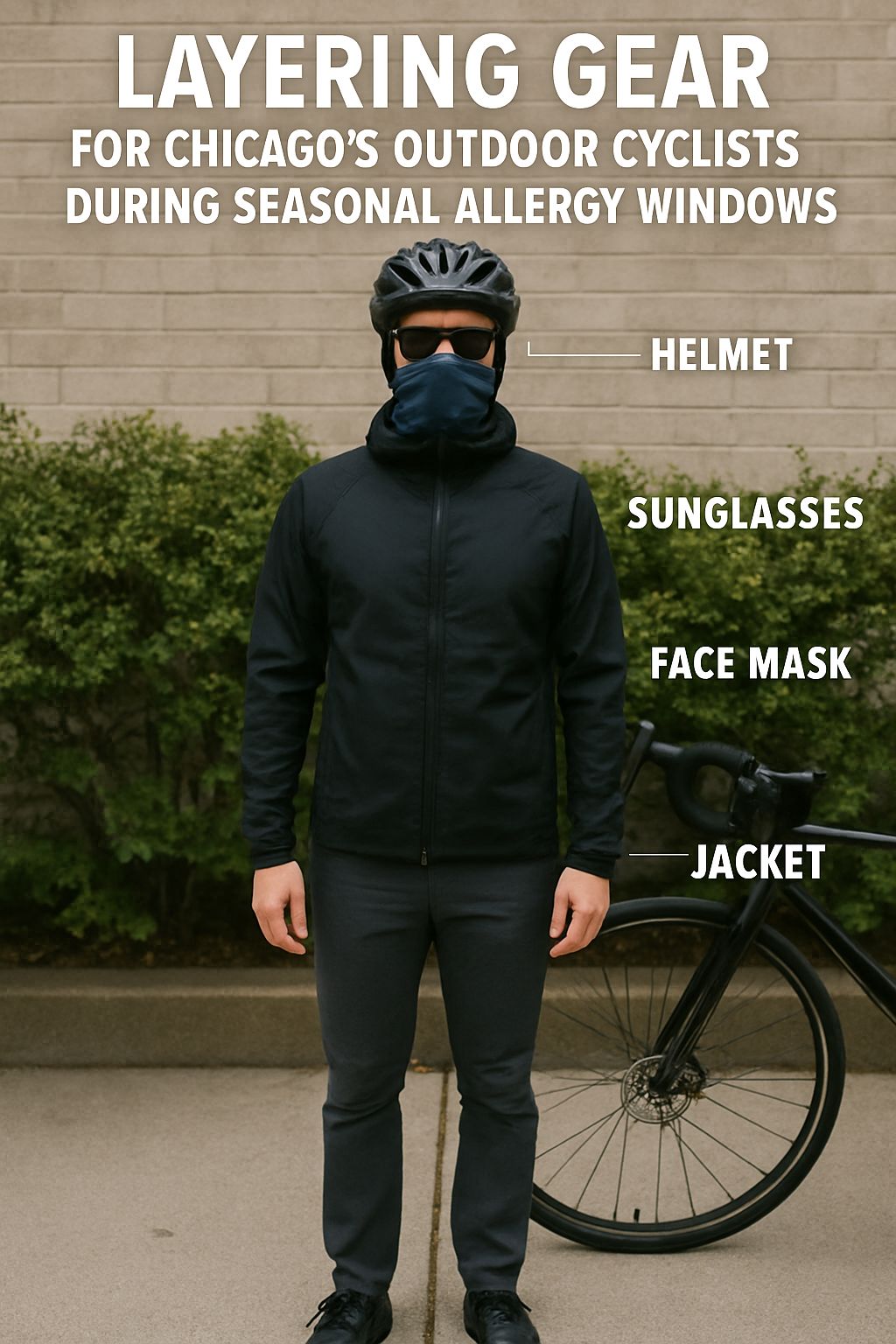
Chicago’s three distinct allergy seasons each demand a different layering strategy — not just for temperature management, but for allergen defense. The gear combination that works for a 45°F April morning ride through Lincoln Park is entirely different from what you need on a humid August evening on the Lakefront Trail. Building a seasonal layering system with allergen exposure in mind means you’re never caught under-protected when the count spikes.
Spring Layering: High Pollen Plus Unpredictable Cold
Spring in Chicago means tree pollen peaks colliding with temperatures that can swing 30°F within a single day. The core layering approach for spring allergy riding is a merino base layer for skin contact, a smooth-faced midlayer for insulation without allergen trapping, and a windproof outer shell that blocks both cold air and pollen transport. The Castelli Perfetto RoS 2 Jacket functions as an excellent spring outer layer — its smooth Nano Flex Pro Race fabric repels pollen adhesion, blocks wind, and handles light rain without adding significant weight. Pair it with a Smartwool Merino 150 base layer and you have a spring stack that covers both temperature swings and allergen defense in a single outfit.
Summer Riding: Heat, Humidity, and Mold Spore Peaks
Summer allergy riding in Chicago is primarily a mold and grass pollen management challenge. Heat forces you into minimal layering, but that does not mean abandoning allergen protection — it means choosing the right single layer more carefully. A lightweight, smooth-faced merino jersey or a tightly woven bamboo blend jersey worn alone provides better allergen resistance than a standard performance polyester option at equivalent breathability.
Humidity management becomes critical in summer because sweat-saturated fabric sticks directly to skin, creating prolonged contact between allergen-contaminated clothing and sensitive skin surfaces. Icebreaker’s Cool-Lite jerseys — a merino and Tencel blend — handle this better than most, maintaining breathability and pollen resistance simultaneously. Add a lightweight buff around the neck that can be pulled up over the nose on high mold count days without significantly increasing heat load.
Fall Cycling: Weed Pollen and Dropping Temperatures
Ragweed is Chicago’s most potent allergen, and it dominates fall riding season from mid-August through the first frost. Fall layering needs to account for the morning cold that burns off by afternoon while maintaining maximum pollen defense at the skin level. A merino or bamboo base layer worn against the skin remains essential — ragweed pollen is fine enough to penetrate open-weave fabrics and reach skin directly.
The outer layer in fall should prioritize wind resistance over insulation weight, as Chicago’s October winds accelerate pollen transport significantly on open sections of the Lakefront Trail and the 606. A Rapha Pro Team Lightweight Wind Jacket in a smooth ripstop nylon construction works as a ragweed-season wind barrier that packs small enough to stow when temperatures climb mid-ride. Paired with a cycling-rated N95 mask during peak ragweed weeks, this combination gives fall riders in Chicago a strong, complete allergen defense system.
Allergy-Friendly Cycling Gloves and Helmet Padding
Gloves are a frequently overlooked allergen contact point. Your hands touch your face constantly during a ride — adjusting eyewear, wiping sweat, repositioning a mask — and gloves that have been collecting pollen since the first mile of your ride become a direct transfer vector every time you touch your eyes or nose. Choosing the right glove material reduces that transfer risk significantly.
Leather palm cycling gloves — like those from Giro and Castelli — have a naturally smooth surface that sheds pollen more readily than synthetic palm materials such as Clarino or silicone-printed fabric. Full-finger gloves offer additional protection by preventing direct skin-to-pollen contact on the back of the hand, which matters on high-pollen days when airborne particle density is high enough to settle visibly on exposed surfaces. The Giro Xnetic Trail Glove uses a leather palm with a smooth stretch-knit back panel that minimizes allergen accumulation across the full glove surface.
Helmet padding is a less obvious but genuinely relevant consideration. Standard helmet foam padding is open-cell in structure — it absorbs sweat efficiently but also captures and holds pollen within its cell structure across a ride. Helmets with removable, washable padding allow you to clean allergen buildup between rides rather than accumulating a pollen reservoir directly against your scalp. Look for helmets with machine-washable padding specifically, such as the Giro Syntax MIPS or Specialized Propero 4 — both use removable interior padding designed for regular washing.
Gear Item Allergy-Friendly Feature Recommended Product Cycling Gloves Smooth leather palm, full-finger coverage Giro Xnetic Trail Glove Helmet Padding Removable, machine-washable inserts Giro Syntax MIPS, Specialized Propero 4 Base Layer Merino wool, smooth fiber surface Smartwool Merino 150, Icebreaker Cool-Lite Outer Shell Smooth-faced wind/pollen barrier Castelli Perfetto RoS 2, Rapha Pro Team Wind Jacket Face Mask N95+ filtration with exhalation valve Respro Techno, Cambridge Mask Pro Eyewear Full wraparound or goggle-style seal Oakley Jawbreaker, 100% Barstow
Pre-Ride and Post-Ride Habits That Cut Allergen Exposure
The gear you wear handles allergen exposure during your ride, but your pre-ride and post-ride habits determine how much of that exposure actually translates into a reaction. Chicago cyclists who build a consistent allergen management routine around their rides consistently report better symptom control than those who rely on gear choices alone — the two approaches work together, and neither fully substitutes for the other.
Check the Chicago Pollen Count Before Every Ride
The Illinois Department of Public Health publishes daily pollen counts during allergy season, and the Chicago Botanic Garden runs one of the most detailed regional monitoring stations in the Midwest. Checking these counts before every ride takes less than 60 seconds and directly informs which combination of mask, eyewear, and fabric choices to deploy that day. A count below 90 grains per cubic meter is considered low; standard wraparound glasses and a lightweight buff are sufficient. Between 90 and 500, step up to an N95-rated mask and sealed cycling glasses. Above 500, full goggle-style eye protection and a minimum N99 mask are the right call.
The Right Time of Day to Ride During High Pollen Season
Pollen counts in Chicago follow a consistent daily pattern during peak season. Tree, grass, and ragweed pollen release accelerates after sunrise and typically reaches its highest concentration between 5 AM and 10 AM on dry, warm mornings with low wind. By late afternoon — after 4 PM — counts drop measurably as pollen settles and temperature-driven updrafts calm. Evening rides between 5 PM and dusk are consistently the lowest-exposure window available to Chicago cyclists during allergy season. Rain temporarily suppresses pollen counts dramatically, making the first few hours after a rain shower one of the best low-allergen riding windows of any given day — though mold spore counts will spike within 24 hours of rain, so the trade-off is real.
Post-Ride Rinse and Gear Cleaning Routine
Every piece of kit that went out on the ride came back carrying pollen — and so did your hair, skin, and face. The post-ride routine is where you prevent that accumulated exposure from continuing to trigger a reaction long after the ride ends. For effective methods, consider exploring pollen allergy relief methods to enhance your routine.
Strip your cycling kit immediately upon returning indoors and place it directly into a sealed bag or straight into the washing machine. Do not sit on upholstered furniture or touch your face before showering. Rinse your cycling glasses and mask under running water to dislodge pollen from lens surfaces and filter media before they dry and embed further. Your helmet’s removable padding should be pulled out and added to the wash load. For more tips on cycling gear, check out this guide on winter cycling gear.
Shower within 20 minutes of finishing your ride, paying particular attention to hair — which accumulates airborne pollen more efficiently than almost any other surface on your body. Nasal irrigation with a saline rinse immediately post-ride clears pollen from nasal passages before it triggers a prolonged inflammatory response. This single habit, consistently applied, reduces post-ride allergy symptoms more reliably than most over-the-counter antihistamines taken after exposure has already occurred.
Well-Equipped Cyclists Ride Chicago Year-Round Without Suffering
Chicago’s allergy seasons are aggressive, but they are also predictable. Tree pollen, grass pollen, ragweed, and mold each follow a calendar that experienced riders can plan around — and that gear selection can directly defend against. The cyclists who struggle most are the ones who treat allergy management as an afterthought rather than a built-in component of their kit strategy.
The framework is straightforward once it is in place. An N95 or N99 cycling mask handles airborne pollen and particulate simultaneously. Merino or bamboo fabrics at the skin layer eliminate both pollen adhesion and contact irritation. Wraparound or goggle-style eyewear with anti-fog and UV400 lenses seals the most direct allergen entry point on your face. Leather-palm gloves and washable helmet padding prevent accumulation at the contact points you touch most. And a consistent pre-ride and post-ride habit loop turns each individual gear decision into a complete, integrated defense system.
None of these upgrades require abandoning performance. The Castelli Perfetto RoS 2, Oakley Jawbreaker, Respro Techno Mask, and Icebreaker merino layers are legitimate high-performance cycling products that happen to also address allergen exposure with precision. The best allergy gear for Chicago cycling is not a compromise — it is a smarter version of gear you would want to own anyway.
- Check the Illinois Department of Public Health or Chicago Botanic Garden pollen tracker before every ride during allergy season
- Ride after 4 PM or in the first hours after rainfall for the lowest daily pollen exposure windows
- Choose merino wool, bamboo viscose, or smooth-faced microfiber polyester for all skin-contact layers
- Pair an N95+ cycling mask with wraparound or goggle-style UV400 eyewear on moderate to high pollen count days
- Strip, bag, and wash all kit immediately after every ride — never bring pollen-contaminated gear indoors and leave it unwashed
- Shower within 20 minutes post-ride and include nasal saline irrigation to clear residual pollen from airways
The Lakefront Trail, the 606, and Chicago’s expanding protected bike lane network are genuinely world-class cycling infrastructure — too good to abandon for four to six months every year because of airborne allergens. With the right gear stack and a consistent management routine, allergy season becomes a logistics challenge rather than a reason to park the bike.
Frequently Asked Questions
Chicago cyclists with allergies tend to run into the same practical questions when building out their gear strategy. The answers below address the most common points of confusion directly, with specific product references where relevant.
What is the best face mask for cycling with allergies in Chicago?
The best cycling mask for Chicago allergy conditions depends on the severity of your symptoms and the intensity of your riding. For most riders on moderate pollen days, the Respro Techno Mask with its replaceable HEPA-grade filter insert offers the best balance of filtration and breathability at higher effort levels. Its exhalation valve reduces CO2 buildup during climbs and sprint efforts, which is the primary complaint cyclists have with high-filtration masks at threshold intensity.
For peak ragweed season or high-pollution corridor riding, the Cambridge Mask Pro at N99 / FFP3 rating provides a higher filtration ceiling that catches fine mold spores and PM2.5 particulate more effectively. It lacks an exhalation valve, which makes it better suited to moderate-pace commuting than hard training rides. The Airinum Urban Air Mask 2.0 splits the difference with a dual-valve N99 design that handles higher breathing rates better than the Cambridge, making it a strong all-around choice for Chicago cyclists who ride across a wide range of intensities. For more on effective allergy relief, check out these pollen allergy relief methods.
Can pollen stick to cycling clothing and cause a reaction later?
Yes — and this is one of the most underappreciated allergy risks for cyclists. Pollen adheres to fabric surfaces during a ride and remains biologically active for hours after you have stopped riding. Polyester and open-weave synthetic fabrics are the worst offenders, holding pollen in their fiber structure even after casual shaking or brushing. If you sit on upholstered furniture or handle food while still wearing a ride-contaminated kit, you extend your exposure window well beyond the ride itself. Strip and bag kit immediately upon returning indoors, and wash with a fragrance-free detergent like All Free Clear using a double-rinse cycle to ensure full pollen removal.
When is allergy season worst for Chicago cyclists?
Ragweed season — mid-August through October — is consistently the most severe allergy period for Chicago cyclists, both in terms of pollen concentration and the length of daily exposure windows. Ragweed pollen is exceptionally fine, travels hundreds of miles on wind currents, and is produced in enormous quantities by plants throughout the greater Chicago metro area. Tree pollen in April and May runs a close second, particularly for oak and birch-sensitive riders. The most challenging overlap period occurs in late May when tree pollen season tails off while grass pollen season is building — combined counts during this window regularly exceed 600 grains per cubic meter on dry, warm days.
Are there hypoallergenic cycling gloves available for sensitive skin?
Yes, though the category is not always labeled explicitly as hypoallergenic. The key material distinction is leather versus synthetic palm construction. Genuine leather palms — as used in the Giro Xnetic Trail Glove and Castelli Spettacolo RoS Glove — are naturally hypoallergenic at the palm contact surface and shed pollen more readily than silicone-printed synthetic alternatives. For riders with latex sensitivity, confirm that any glove’s elastic wrist band and stretch panels are latex-free — most major cycling glove manufacturers now use synthetic elastane rather than natural latex in their construction, but it is worth verifying on the product specification sheet.
- Giro Xnetic Trail Glove — leather palm, smooth stretch-knit back, full-finger option available
- Castelli Spettacolo RoS Glove — leather palm with minimal synthetic backing, excellent for skin-sensitive riders
- Showers Pass Crosspoint Knit Waterproof Glove — merino-lined interior for riders with synthetic fabric skin sensitivity
- Sealskinz Ultra Grip Road Glove — waterproof membrane interior that prevents pollen-contaminated sweat from remaining in direct skin contact
For riders with confirmed nickel contact allergy — a common sensitivity that manifests as a reaction to metal hardware on gloves and jerseys — check that zipper pulls, snaps, and velcro backing components are either nickel-free or fully covered by fabric. Many cycling gloves use small metal closure components at the wrist that sit in continuous contact with skin during a ride.
Full-finger gloves provide a meaningful secondary benefit beyond material choice — they physically prevent pollen-contaminated glove surfaces from making direct skin contact with the back of the hand, which is a high-sensitivity area for riders with environmental contact allergies. On peak pollen days, a full-finger glove in leather or merino construction is the most complete hand protection available without moving into waterproof glove territory. For more information on managing allergies, you can explore the best pollen allergy relief methods.
Does cycling near Lake Michigan make allergies worse?
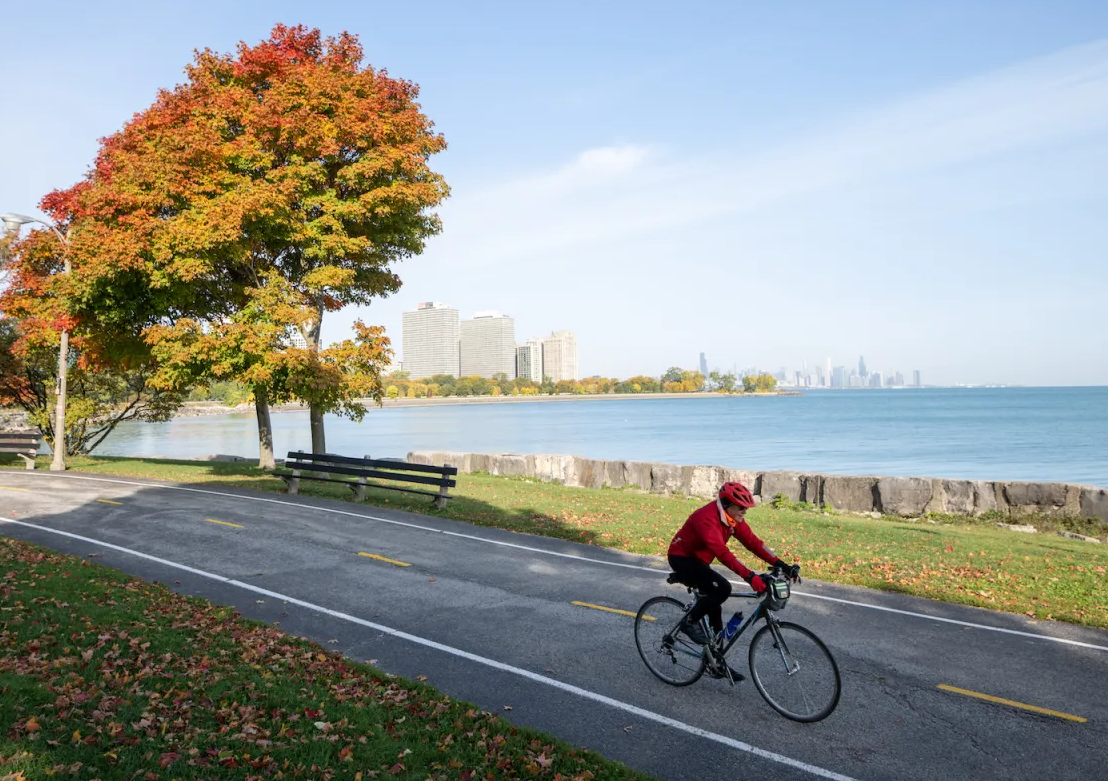
It depends on the allergen and the wind direction. The Lakefront Trail presents a genuinely mixed allergy picture that varies significantly by season and daily conditions. During the tree and grass pollen season, lake breezes blowing onshore from the east can actually provide temporary relief on the lakefront itself by displacing the city’s pollen-dense air toward the west side. In this scenario, the lakefront is one of the better places in Chicago to ride during high tree pollen days.
The equation reverses during mold season and after rainfall. The lakefront’s persistent humidity, shoreline vegetation, harbor standing water, and low drainage areas create elevated mold spore concentrations that are consistently higher than those in inland Chicago neighborhoods during summer and early fall. Cyclists with mold sensitivity riding the Lakefront Trail on humid August mornings are in one of the highest mold exposure environments available in the metro area. For those looking to mitigate mold exposure, exploring pollen allergy relief methods may offer some helpful solutions.
Ragweed complicates the picture further. Ragweed plants grow prolifically in the disturbed soil margins along sections of the lakefront between Montrose Harbor and the northern trail terminus. Wind patterns that track south along the shoreline during afternoon hours push ragweed pollen directly through the trail corridor at concentrations that can exceed inland readings. Checking wind direction in addition to pollen count before lakefront rides during ragweed season is a meaningful tactical upgrade for sensitive riders.
The practical takeaway is that the Lakefront Trail is not uniformly better or worse for allergy-prone cyclists — it depends on which allergen is active, which direction the wind is coming from, and what time of day you are riding. Use the full gear system regardless of route, and check both the pollen count and the Chicago wind forecast before deciding whether the lakefront is the right choice for that day’s ride.
For expert guidance on cycling gear suited to Chicago’s unique riding conditions and allergy challenges, visit Chicago’s trusted cycling specialists who can help you build the right kit for every season.