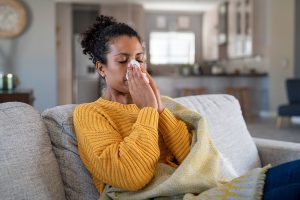
- Saline nasal rinses are one of the most evidence-backed homemade sneezing remedies — simple to make and highly effective at flushing allergens from nasal passages.
- Knowing whether your sneezing is triggered by allergens, irritants, or a cold changes which remedy works best for you.
- Indoor air quality plays a massive role in sneezing frequency — and most people are unknowingly living with hidden triggers in their own homes.
- There are natural supplements like quercetin and stinging nettle that may act as gentle antihistamines, but there’s a right and wrong way to use them.
- Some home remedies can actually make sneezing worse if used incorrectly — including humidifiers and certain essential oils.
Sneezing seems simple — something tickles your nose and your body fires it out at up to 100 miles per hour. But when it won’t stop, it disrupts sleep, focus, and daily life in ways that are genuinely exhausting. The good news is that most sneezing has identifiable causes, and there are real, effective homemade sneezing remedies that go far beyond just grabbing a tissue.
Whether your sneezing is triggered by pollen, dust mites, pet dander, or something chemical in your environment, the approach to relief starts at home. Healthline notes that strategies like saline irrigation, allergen reduction, and lifestyle adjustments can meaningfully reduce sneezing when applied correctly. This guide walks you through each one — step by step, room by room.
Sneezing Won’t Stop? Here’s What’s Actually Causing It
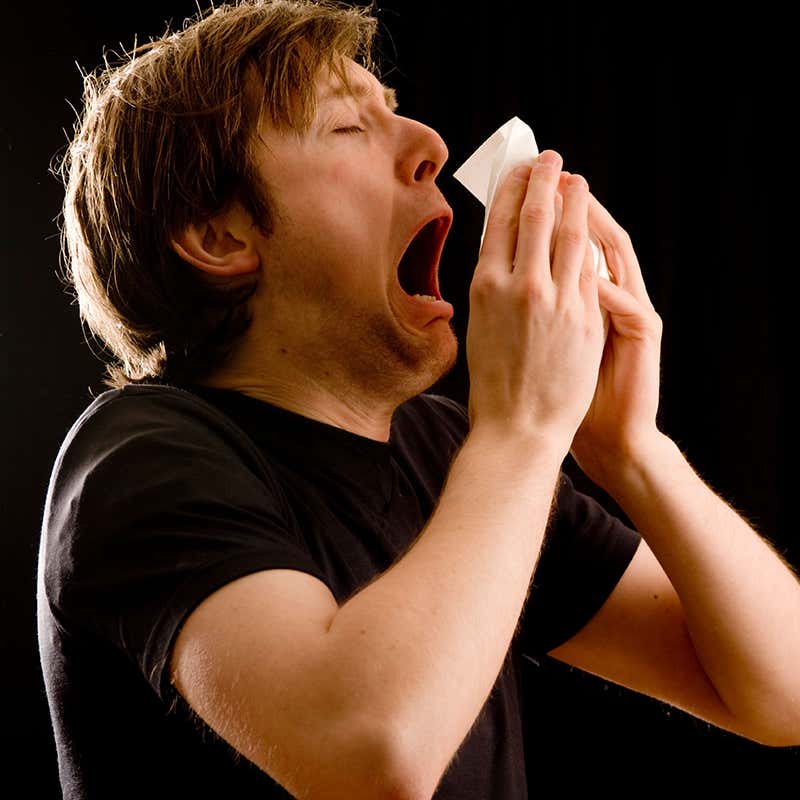
“ACHOO: Why do some people sneeze so …” from www.newscientist.com and used with no modifications.
Your nose is one of the body’s most sensitive filters. It’s lined with tiny hairs and nerve endings designed to detect and eject anything that shouldn’t be there. When an irritant lands on the nasal lining, your nervous system triggers a reflex that builds pressure and then — sneeze. The problem starts when that cycle repeats constantly because the trigger never goes away.
Allergens vs. Irritants: Why the Difference Matters
Not all sneezing has the same root cause, and knowing the difference between allergens and irritants is the first step to picking the right remedy. Allergens — like pollen, pet dander, mold spores, and dust mite waste — cause the immune system to overreact, releasing histamine that inflames nasal tissue and triggers repeated sneezing. Irritants — like smoke, strong perfumes, cleaning chemicals, and cold air — don’t involve the immune system at all. They simply aggravate the nasal lining directly. Remedies that help with allergic sneezing (like antihistamine-rich foods or HEPA filtration) may do little for irritant-driven sneezing, where avoidance and air quality improvements are more effective.
How to Tell If It’s Allergies or a Cold
This is one of the most common points of confusion. Both allergies and colds cause sneezing, runny nose, and congestion — but they respond to completely different treatments. A cold typically comes with body aches, fever, and thick, discolored mucus, and it usually resolves within 7–10 days. Allergic sneezing, on the other hand, tends to produce clear, watery mucus, comes with itchy eyes or throat, and can last for weeks or months — especially during peak pollen seasons. If your sneezing follows a seasonal pattern or spikes when you’re around certain animals or environments, allergies are almost certainly the cause.
Common Indoor Triggers Most People Miss
Most people associate allergies with the outdoors, but indoor air is often more concentrated with allergens than outside air. The National Health Service identifies several key indoor culprits that trigger sneezing:
- Dust mite waste — found in mattresses, pillows, carpets, and upholstered furniture
- Mold spores — common in bathrooms, basements, and around windowsills
- Pet dander — microscopic skin flakes that linger in the air and on surfaces long after a pet leaves the room
- Volatile organic compounds (VOCs) — released from paints, air fresheners, and cleaning products
- Pollen tracked indoors — carried in on clothing, shoes, and pet fur
Identifying which of these is driving your symptoms makes every other remedy in this guide significantly more targeted and effective.
Saline Nasal Rinses: The Most Evidence-Backed Home Remedy

“How Does Nasal Rinsing Work and Is It …” from healthcare.utah.edu and used with no modifications.
If there’s one homemade sneezing remedy with consistent, real-world support behind it, it’s saline nasal irrigation. It’s low-cost, drug-free, and works by physically removing what’s causing the problem rather than just masking the symptom.
How Saline Irrigation Flushes Out Allergens and Mucus
When you flush your nasal passages with a saline solution, you’re doing several things at once. The saltwater rinse physically washes allergens, bacteria, dust, and irritants from the mucous membrane before they can trigger further sneezing. It also thins mucus, which reduces congestion and post-nasal drip. According to Healthline, saline nasal irrigation can help reduce nasal inflammation and congestion by clearing irritants directly from the sinuses — making it one of the most direct interventions available without a prescription. For those interested in reducing allergens in their environment, consider exploring low-allergen herb garden setups to complement your nasal care routine.
The mechanism is straightforward: allergens and irritants bind to mucus in your nasal lining. Rinsing with saline displaces and removes them before your immune system has time to mount a full histamine response. Used consistently — especially after coming in from outdoors — it can dramatically reduce how often sneezing starts in the first place.
How to Do a Saline Rinse Correctly at Home
Making a saline rinse at home requires only two ingredients: non-iodized salt and distilled or previously boiled water. Never use tap water directly — it can contain microorganisms that are dangerous when introduced to the nasal passages. Mix 1 teaspoon of non-iodized salt with 2 cups (500ml) of distilled water. Use a neti pot, squeeze bottle, or bulb syringe to gently flush one nostril at a time while leaning over a sink. Let the solution drain out the other nostril or through the mouth. Rinse your equipment thoroughly after each use and allow it to air dry completely.
Steam and Humidity: Simple Comfort With Real Results
Steam therapy is one of the oldest and most instinctive responses to nasal congestion — and it works. Inhaling warm, moist air hydrates and soothes inflamed nasal passages, loosens mucus, and temporarily reduces the irritation that drives sneezing fits.
The Right Indoor Humidity Range to Aim For
Humidity levels in your home directly affect how comfortable your nasal passages feel and how many airborne allergens are circulating. The ideal indoor humidity sits between 30% and 50%. Below 30%, nasal passages dry out and become more reactive to irritants. Above 50%, you’re creating perfect conditions for dust mites and mold — two of the most common sneezing triggers there are. For those interested in creating a more allergen-friendly environment, consider exploring a low allergen herb garden as part of your indoor space.
A basic digital hygrometer (available for under $15) gives you real-time humidity readings so you can adjust accordingly. If your home runs dry in winter due to central heating, a cool-mist humidifier can bring levels back into range — but monitoring is essential. For more tips on maintaining an optimal indoor environment, check out our indoor gardening and lighting kits guide.
Safe Ways to Use Steam Without Equipment
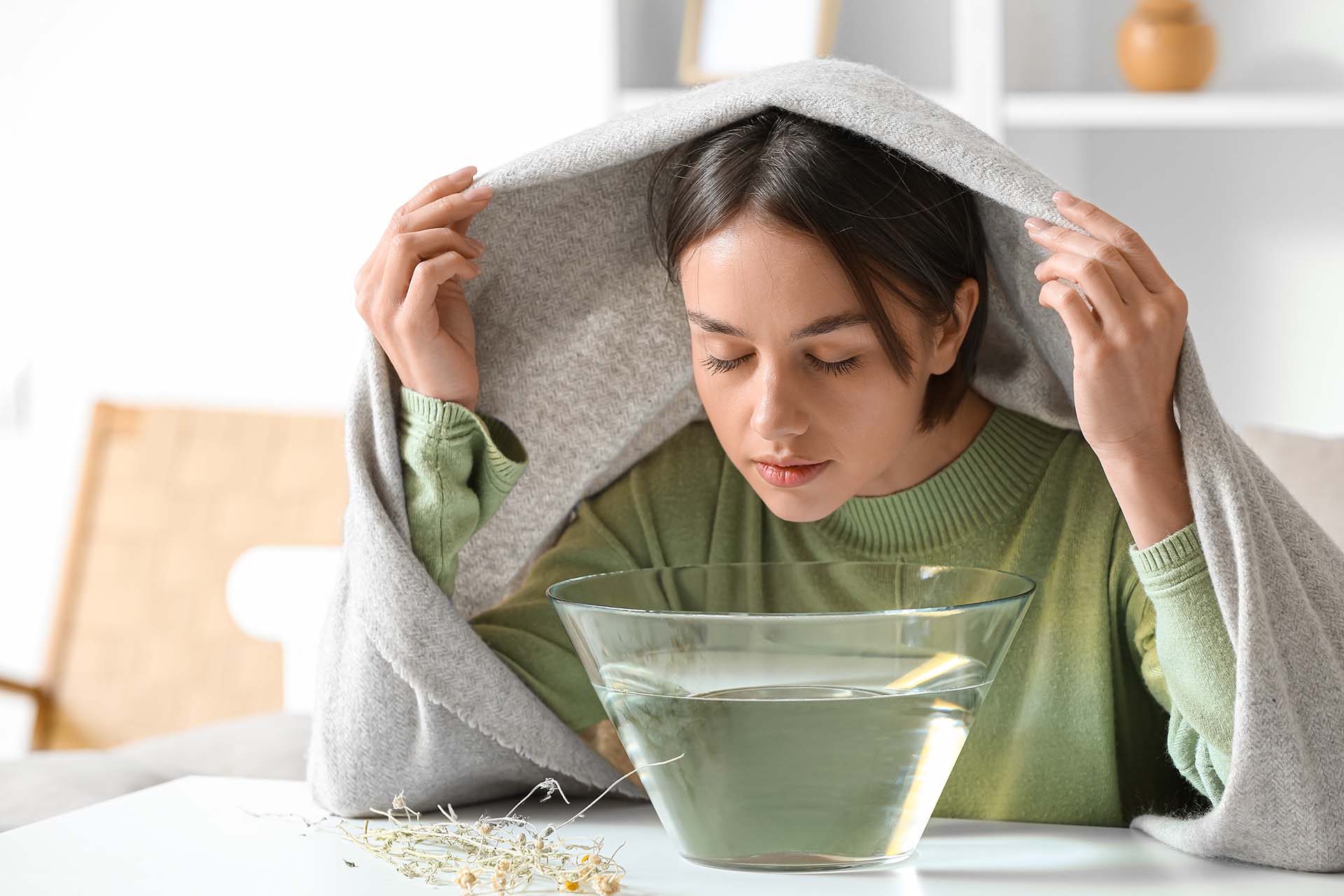
You don’t need a dedicated steam inhaler to get relief. The simplest approach is the hot bowl method: boil water, pour it into a large bowl, drape a towel over your head to trap the steam, and breathe slowly through your nose for 5–10 minutes. A hot shower with the bathroom door closed achieves a similar effect. Some people add a drop of eucalyptus oil to the water for added soothing — though this should be used cautiously if you’re sensitive to strong scents, as it can sometimes worsen irritation in reactive individuals.
Steam inhalation works best as a short-term comfort measure during active sneezing episodes rather than a long-term preventive solution. It reduces the immediate urge to sneeze by calming inflamed tissue, but it doesn’t remove the underlying trigger.
Why Over-Humidifying Can Make Allergies Worse
This is one of the most important cautions in allergy management that often gets overlooked. Running a humidifier too high — or failing to clean it regularly — can actually intensify sneezing. Dust mites thrive and reproduce fastest at humidity levels above 50%. Mold spores, another major allergen, grow rapidly on any surface that retains moisture. A dirty humidifier tank can also aerosolize bacteria and mold directly into the air you’re breathing.
To avoid making things worse, follow these rules with any humidifier:
- Clean the tank with white vinegar or a manufacturer-approved solution every 3 days
- Change the water daily — never let it sit stagnant
- Keep indoor humidity at or below 50% using a hygrometer
- Use distilled water in ultrasonic humidifiers to prevent mineral dust dispersion
- Replace filters on evaporative models according to the manufacturer’s schedule
Getting this balance right means steam and humidity work for your nasal health — not against it.
Air Purification at Home: What Actually Works
Improving indoor air quality is one of the most effective long-term strategies for reducing allergy-related sneezing. But not all air purification methods are created equal — some work exceptionally well, and others are largely marketing.
- HEPA air purifiers — True HEPA filters capture 99.97% of particles as small as 0.3 microns, including pollen, dust mite waste, pet dander, and mold spores. This is the gold standard.
- Activated carbon filters — Effective at absorbing VOCs, smoke, and chemical odors that irritate the nasal lining. Best used in combination with HEPA.
- Ionizers — Mixed evidence. Some models release ozone as a byproduct, which can worsen respiratory irritation.
- UV-C purifiers — May help neutralize some airborne bacteria and viruses, but are less effective against particulate allergens compared to HEPA filtration.
- HVAC filters — Upgrading to a MERV 11 or higher filter in your central heating and cooling system can reduce whole-home allergen circulation significantly.
The core message is this: for sneezing driven by airborne allergens, a true HEPA air purifier paired with regular cleaning provides more consistent relief than any single supplement or spray. For those interested in maintaining an allergen-free environment, exploring allergy-free fertilizers can also be beneficial.
Why HEPA Filters Are the Gold Standard for Allergen Removal
HEPA stands for High-Efficiency Particulate Air, and a true HEPA filter must meet a specific standard: capturing at least 99.97% of airborne particles at 0.3 microns in size. That size matters because it covers the full range of the most common sneezing triggers — pollen grains, dust mite fecal particles, pet dander, and mold spores all fall within or above that threshold. No other consumer-grade filtration technology comes close to that capture rate for biological allergens.
When shopping for an air purifier, look specifically for the label “True HEPA” rather than “HEPA-type” or “HEPA-like” — those terms are unregulated and the filters they describe can perform significantly worse. Models like the Winix 5500-2 and the Levoit Core 300 are widely used options that meet true HEPA standards and are appropriately sized for bedroom and living room use respectively.
Best Rooms to Place an Air Purifier for Maximum Impact
Placement matters as much as the purifier itself. Your bedroom is the single highest-priority location — you spend roughly a third of your life there, and nighttime allergen exposure directly impacts sleep quality and morning sneezing episodes. The living room is the second priority, especially if you have pets that spend time on furniture. Place the unit away from walls and corners so air can circulate freely into the intake. Avoid placing it behind furniture or curtains, which block airflow and reduce effectiveness by up to 50%. For more tips on creating an allergen-friendly environment, check out our allergen-friendly herb planting guide.
Dust Mite Reduction: Bedding, Vacuuming, and Surface Cleaning
Dust mites are invisible to the naked eye but responsible for a significant share of year-round sneezing. They live in warm, humid environments and feed on dead skin cells — which means your mattress, pillows, and upholstered furniture are their primary habitat. Encasing your mattress and pillows in allergen-proof, zippered covers creates a physical barrier between you and the mite colonies living inside. Wash all bedding — sheets, pillowcases, and duvet covers — in hot water at or above 130°F (54°C) weekly to kill both mites and their eggs.
When vacuuming, use a vacuum fitted with a HEPA filter — standard vacuums without one can actually redistribute allergens back into the air rather than capturing them. Hard flooring is preferable to carpet in high-allergen households, but if carpet removal isn’t practical, vacuuming twice weekly and using a HEPA-filter vacuum makes a measurable difference in mite allergen levels.
How Often to Clean and Replace Filters
Even the best air purifier becomes a liability when its filters are neglected. A clogged or overloaded HEPA filter stops capturing particles efficiently and can begin releasing trapped allergens back into the room. Most manufacturers recommend replacing true HEPA filters every 6 to 12 months, depending on usage and the level of allergen load in your home.
Pre-filters — the outer layer that catches larger particles like pet hair and dust — should be cleaned every 2 to 4 weeks by gently vacuuming or rinsing (if washable). Activated carbon filters typically need replacement every 3 to 6 months since carbon saturation is invisible and hard to detect without replacement schedules.
Quick Filter Maintenance Reference:
Filter Type Cleaning Frequency Replacement Frequency True HEPA Filter Not washable (most models) Every 6–12 months Pre-Filter Every 2–4 weeks Every 3–6 months Activated Carbon Filter Not applicable Every 3–6 months HVAC/Furnace Filter (MERV 11+) Check monthly Every 60–90 days
Outdoor Trigger Control for High-Pollen Days
No matter how clean your indoor air is, pollen from outside will find its way in — through open windows, on your clothes, in your hair, and on pets. On high-pollen days, outdoor exposure can undo a week’s worth of indoor air management in a single afternoon. The key is reducing what comes in and acting quickly when it does.
How to Use Pollen Forecasts to Plan Your Day
- Check daily pollen counts through services like Weather.com or the American Academy of Allergy, Asthma & Immunology (AAAAI) Pollen Count network before heading outside
- Pollen counts are typically highest between 5 AM and 10 AM — plan outdoor activities for the afternoon or evening on high-count days
- Warm, dry, and windy days send pollen counts soaring; cool, rainy days significantly suppress airborne pollen
- Tree pollen peaks in spring, grass pollen in late spring and summer, and weed pollen (including ragweed) in late summer through fall
- Set a pollen alert on your phone so high-count days don’t catch you off guard
Understanding which type of pollen is currently elevated also helps narrow down your specific trigger. Someone who sneezes heavily in March through May but feels fine in July is almost certainly reacting to tree pollen rather than grass — and that distinction changes which plants to avoid and what seasons to prepare for.
On days when the pollen count is rated high or very high, consider keeping windows closed and running your HEPA air purifier on its highest setting indoors. The short-term trade-off in ventilation is well worth the reduction in allergen load, especially for those with moderate to severe allergic rhinitis.
What to Do After Coming Inside to Stop Pollen Spreading Indoors
The moment you walk in from outside on a high-pollen day, you’re carrying the outdoors with you. Pollen clings to hair, skin, clothing, and shoes, and it will continue to trigger sneezing for hours if you don’t take immediate steps. Remove shoes at the door, change out of outdoor clothing promptly, and place worn items directly into a closed hamper. Washing your face and rinsing your eyes with clean water removes surface pollen quickly. If possible, shower before getting into bed — pollen transferred to your pillow means eight hours of direct allergen exposure while you sleep.
Pets that go outside also bring pollen in on their fur. Wiping them down with a damp cloth or pet-safe wipe after outdoor time — particularly around the paws, belly, and face — reduces how much pollen they deposit on furniture and flooring when they come back inside. For more tips on minimizing allergens, check out our low-allergen herb garden guide.
Hydration and Nasal Comfort Between Sneezing Episodes
“How to Unstuff Your Nose Instantly …” from www.allermi.com and used with no modifications.
Hydration is one of the simplest and most overlooked tools in managing sneezing. When your body is well-hydrated, mucus stays thinner and flows more freely — meaning irritants don’t get stuck and accumulate in your nasal passages as easily. Dehydration, on the other hand, thickens mucus, makes it stickier, and creates an environment where allergens and bacteria linger longer and trigger more symptoms.
Beyond just drinking water, what you eat and drink throughout the day affects nasal tissue health. Alcohol and caffeine are both mildly dehydrating, and both can worsen nasal congestion. Warm liquids like herbal teas and broths are particularly helpful during sneezing episodes — they hydrate while the steam provides simultaneous nasal relief.
How Staying Hydrated Thins Mucus and Reduces Irritation
Aim for at least 8 cups (2 liters) of water per day as a baseline, and increase this during allergy season, illness, or dry weather when nasal passages are under additional stress. Herbal teas made with ginger or peppermint offer mild anti-inflammatory properties alongside the hydration benefit. The goal is to keep the mucosal lining of your nasal passages moist and functional — a well-hydrated nasal lining traps and moves allergens more efficiently toward the throat where they’re swallowed and neutralized.
Gentle Nasal Skin Care After Frequent Wiping
Repeated wiping during a sneezing episode breaks down the delicate skin under and around the nose, causing rawness, redness, and cracking that itself becomes an irritant. Use soft tissues — ideally those with added lotion — and apply a thin layer of fragrance-free petroleum jelly or a gentle barrier balm like Aquaphor Healing Ointment to the irritated area. This protects the skin between wipes and prevents the secondary discomfort that often accompanies heavy sneezing days from turning into its own problem.
Natural Supplements With Allergy-Relief Potential
Several natural compounds have genuine research behind them for allergy symptom support. None of them replace medical treatment for severe allergic rhinitis, but when used correctly, they can meaningfully reduce sneezing frequency and intensity as part of a broader strategy. The three with the strongest evidence base are quercetin, stinging nettle, and vitamin C — and each works through a distinct mechanism.
Quercetin: A Natural Antihistamine Found in Food
Quercetin is a flavonoid — a plant pigment — found naturally in foods like red onions, capers, apples, kale, and broccoli. It works by stabilizing mast cells, which are the immune cells responsible for releasing histamine during an allergic reaction. By reducing histamine release before it starts, quercetin can reduce the sneezing, itching, and nasal inflammation that follow allergen exposure. It’s not an antihistamine in the pharmaceutical sense — it doesn’t block histamine receptors — but it acts earlier in the cascade by reducing how much histamine gets released in the first place.
For supplemental use, quercetin is typically taken at doses of 500mg twice daily, ideally with bromelain (an enzyme from pineapple) which enhances its absorption. It’s best started 4–6 weeks before allergy season begins rather than during peak symptoms, as its mechanism works more preventively than reactively. As with all supplements, check with a healthcare provider before starting — particularly if you’re taking blood thinners or antibiotics, as quercetin can interact with both.
Stinging Nettle and Spirulina for Immune Regulation
Stinging nettle (Urtica dioica) has been used for centuries as a natural remedy for hay fever and allergic rhinitis. Modern research supports what traditional herbalists long observed — freeze-dried stinging nettle extract appears to inhibit several key inflammatory pathways involved in allergic reactions, including the production of prostaglandins and the activity of histamine receptors. Unlike quercetin, which works best preventively, stinging nettle can provide relatively fast relief during active sneezing episodes, with some studies noting symptom improvement within 1 hour of intake.
- Stinging nettle capsules — Look for freeze-dried preparations standardized to at least 1% plant silica; typical doses range from 300–600mg taken up to three times daily during allergy season
- Nettle leaf tea — A gentler option; steep 1–2 teaspoons of dried nettle leaf in hot water for 10–15 minutes and drink up to three cups daily
- Spirulina — This blue-green algae has shown promise in small clinical studies for reducing nasal discharge, sneezing, congestion, and itching in people with allergic rhinitis at doses of 2 grams per day
- Combined use — Some practitioners combine spirulina with quercetin for a broader-spectrum natural approach to immune regulation during peak allergy season
Spirulina’s mechanism is distinct from nettle’s — it appears to suppress the release of interleukin-4, a signaling molecule that drives the immune system toward allergic responses. While the research is still developing, the existing evidence is promising enough that spirulina is worth considering as a complementary addition to a natural allergy management plan. Both supplements are generally well-tolerated, though anyone with autoimmune conditions should consult a doctor before using immune-modulating compounds.
Neither stinging nettle nor spirulina is a replacement for identifying and eliminating your actual triggers. Think of them as support tools — useful for reducing the severity of the immune response while you do the harder work of cleaning up your environment and minimizing exposure.
Vitamin C as an Antioxidant Allergy Support
Vitamin C has a direct relationship with histamine metabolism — it acts as a natural antihistamine by helping the body break down histamine more efficiently. Research has shown that higher blood levels of vitamin C correlate with lower histamine levels, and that intravenous high-dose vitamin C significantly reduces allergy symptoms in clinical settings. For practical home use, increasing dietary vitamin C through foods like kiwi fruit, red bell peppers, strawberries, and broccoli is a smart baseline move. Supplementing with 500–1000mg of vitamin C daily during allergy season provides additional antioxidant support that helps buffer the inflammatory cascade triggered by allergens — without the drowsiness that antihistamine medications often cause.
Everyday Habits That Reduce Sneezing Long-Term
“Sneezing and How to Stop Sneezing Fits …” from yourdoctors.online and used with no modifications.
Beyond specific remedies, the daily habits you build around your home environment ultimately determine how often sneezing disrupts your life. Small, consistent changes compound into significant relief over time — especially when they address multiple triggers simultaneously rather than just one.
- Remove shoes at the door every time — outdoor footwear carries pollen, mold spores, and chemical residues directly onto your floors
- Wash hands immediately after handling pets or coming in from outside before touching your face
- Change and wash pillowcases at least twice per week during peak allergy season
- Keep indoor plants minimal — overwatered soil is a significant mold source
- Dry laundry indoors during high-pollen days rather than on an outdoor line where fabrics collect airborne allergens
- Store seasonal items like blankets and cushions in sealed bins rather than open shelving where dust accumulates
These habits work because they reduce the cumulative allergen load your immune system has to deal with every day. No single habit eliminates sneezing on its own — but stacking five or six of them consistently creates a noticeably cleaner environment that your nasal passages can actually recover in.
Consistency matters far more than perfection here. Missing one pillowcase change or forgetting to wipe down the dog once won’t undo your progress. What matters is that these behaviors become default rather than deliberate — built into your routine the same way brushing your teeth is.
Fragrance, Smoke, and Chemical Irritants to Cut From Your Home
Synthetic fragrances are one of the most underappreciated triggers of non-allergic sneezing. Air fresheners, scented candles, fabric softeners, and heavily fragranced cleaning products all release volatile organic compounds (VOCs) that directly irritate the nasal lining — no immune response required. Switching to fragrance-free laundry detergent (such as All Free & Clear or Seventh Generation Free & Clear), unscented cleaning products, and beeswax or soy candles rather than synthetic paraffin varieties removes a significant irritant load from your daily environment. Tobacco smoke — whether firsthand or secondhand — is one of the most potent nasal irritants known, and even residual smoke on clothing and surfaces (thirdhand smoke) can provoke sneezing in sensitive individuals.
How Ventilation and Window Timing Affect Indoor Air Quality
Ventilation is a double-edged tool. Fresh air exchange is genuinely important for reducing indoor pollutants like VOCs, CO₂, and cooking byproducts — but opening windows during high-pollen periods floods your home with the very allergens you’re trying to escape. The optimal strategy is time-specific ventilation: open windows in the early morning before 5 AM or in the evening after 7 PM when pollen counts have dropped significantly, and keep them closed during mid-morning peak pollen hours. Running bathroom and kitchen exhaust fans during and after cooking reduces humidity and VOC buildup without introducing outdoor allergens. In homes with central HVAC, running the fan on “on” rather than “auto” provides continuous air circulation through the system filter even when heating or cooling isn’t active.
When Home Remedies Are Not Enough
Home remedies work well for mild to moderate allergy-related sneezing — but they have real limits. If your sneezing is severe, year-round, disrupting sleep consistently, or accompanied by symptoms like facial pain, loss of smell, or thick discolored mucus, it’s time to see a healthcare provider. Prescription-strength nasal corticosteroids like fluticasone (Flonase) or mometasone (Nasonex), allergy immunotherapy, and allergy testing to pinpoint your exact triggers are all tools that go well beyond what home management can achieve — and for many people, they’re the missing piece that makes everything else work better. The goal of home remedies is to reduce symptom burden and improve daily quality of life, not to delay necessary medical care.
Frequently Asked Questions
Here are answers to the most common questions people have about homemade sneezing remedies, air purification, and managing allergy symptoms at home.
Can a Homemade Saline Rinse Be as Effective as a Store-Bought One?
Yes — a properly made homemade saline rinse is just as effective as a commercial product, and in some cases more so because you control the concentration and freshness. The critical factor is using distilled or previously boiled water that has cooled to body temperature. Tap water carries the risk of introducing Naegleria fowleri and other microorganisms into the nasal cavity, which is a serious and avoidable danger. The standard recipe — 1 teaspoon of non-iodized salt per 2 cups of distilled water — produces an isotonic solution that matches the body’s natural salt concentration and won’t sting or burn healthy nasal tissue.
Store-bought saline sprays and neti pot packets offer convenience and consistent pre-measured ratios, but there’s no active ingredient in them that you can’t replicate at home with salt and water. The rinse vessel (neti pot, squeeze bottle, or bulb syringe) matters more than whether you bought the solution premixed. Clean your equipment after every single use — a contaminated rinse device can introduce bacteria directly into your sinuses and make symptoms significantly worse.
Do HEPA Air Purifiers Help With Pet Dander as Well as Pollen?
Absolutely. HEPA air purifiers are highly effective against pet dander because dander particles — which are microscopic flakes of dried skin protein — fall directly within the size range that true HEPA filters capture. The major cat allergen Fel d 1 and the primary dog allergen Can f 1 are both small enough to remain airborne for extended periods, which means a continuously running HEPA purifier in rooms where pets spend time can meaningfully reduce airborne dander concentrations.
Allergen Particle Size Reference — What HEPA Captures:
Allergen Type Particle Size (Microns) Captured by True HEPA? Pet Dander (Fel d 1, Can f 1) 0.1 – 10 microns ✓ Yes Pollen Grains 10 – 100 microns ✓ Yes Dust Mite Allergen 0.5 – 50 microns ✓ Yes Mold Spores 1 – 30 microns ✓ Yes VOCs and Chemical Gases < 0.1 microns ✗ Requires Activated Carbon
One important limitation: HEPA purifiers capture airborne dander, but they do nothing about the dander already embedded in your carpet, sofa, or bedding. For pet-allergic households, air purification needs to work alongside regular vacuuming with a HEPA-filter vacuum, washing pet bedding weekly, and keeping pets out of the bedroom entirely for maximum relief.
The Winix 5500-2 and Coway AP-1512HH Mighty are two of the most well-regarded true HEPA purifiers for pet dander control in medium-sized rooms. Both include activated carbon pre-filters that also address pet odors — a practical bonus for multi-pet households.
Can Wearing a Mask Outdoors Reduce Allergy-Related Sneezing?
Yes, and more effectively than most people expect. A well-fitted N95 respirator mask filters at least 95% of airborne particles — including pollen grains, which are large enough to be captured quite efficiently at that filtration level. Standard surgical masks offer less protection due to gaps around the sides, but even a basic mask provides meaningful reduction in inhaled pollen during high-count days or activities like gardening and lawn mowing that stir up concentrated allergens at ground level.
For people with severe seasonal allergies, wearing an N95 mask during high-pollen outdoor activities — particularly in the morning hours when pollen concentrations peak — can reduce allergen inhalation enough to prevent the sneezing cascade entirely. Wrap-around sunglasses worn at the same time protect the eyes from airborne pollen, which can trigger nasal symptoms reflexively through the naso-lacrimal connection between eyes and sinuses. It’s a simple combination that makes a real difference on days when staying indoors isn’t practical. For more tips, explore our allergen-friendly herb planting guide.
Is It Safe to Use a Steam Inhaler Every Day for Sneezing Relief?
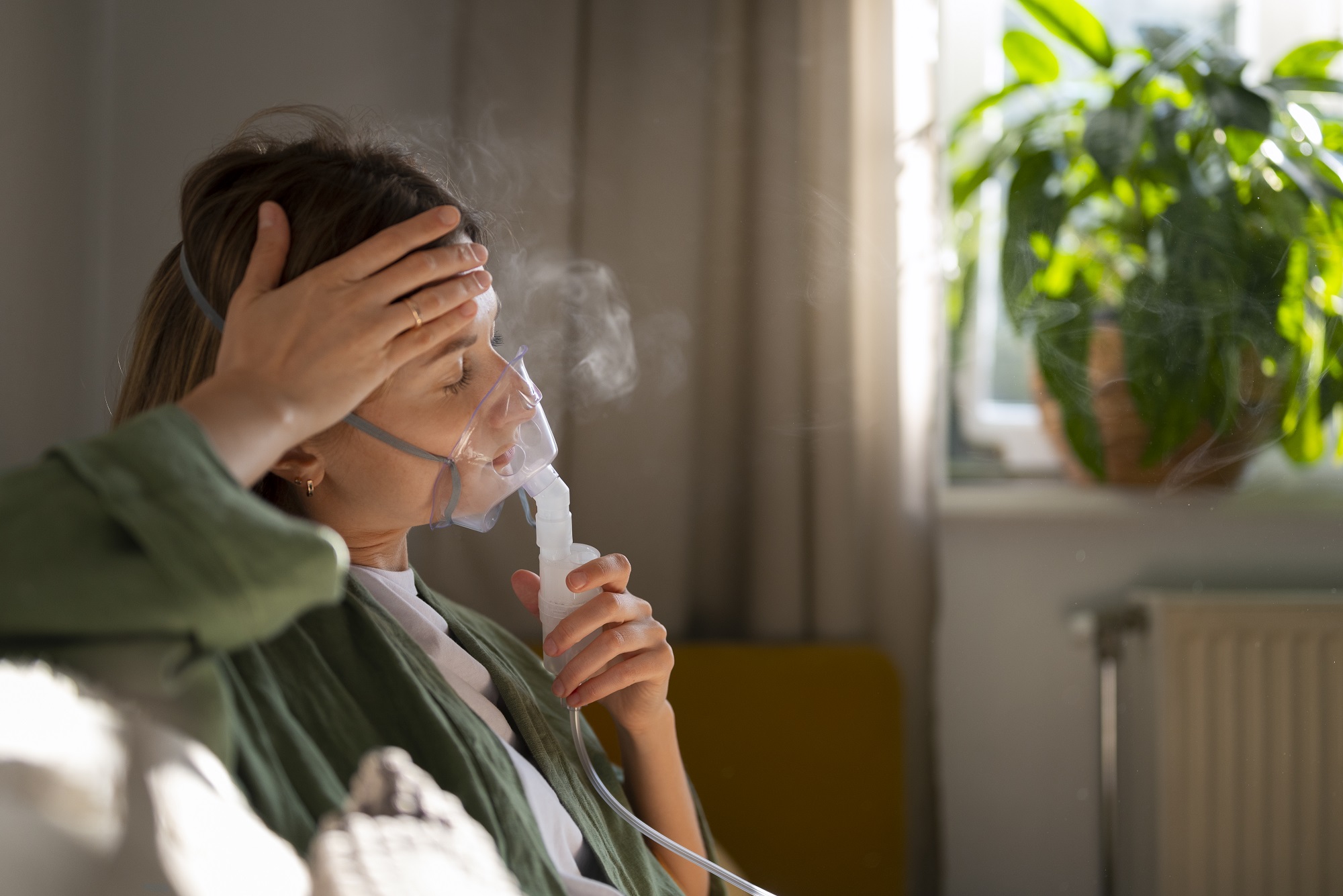
“Does Inhaling Steam Cause Injury and/or …” from mypurmist.com.au and used with no modifications.
Daily steam inhalation is generally safe for most adults when done correctly, but a few precautions apply. Sessions should be kept to 10–15 minutes maximum and the steam should never be hot enough to cause discomfort — scalding nasal tissue is counterproductive and can worsen irritation. Dedicated steam inhalers like the Vicks Personal Steam Inhaler V1200 are designed to deliver a safe, controlled steam temperature, which is a significant advantage over DIY bowl-and-towel methods where the steam can be unpredictably hot.
The one scenario where daily steam use warrants caution is if you’re prone to nosebleeds — steam increases blood flow to the nasal mucosa, which can trigger bleeding in people with fragile nasal vessels or very dry nasal passages. In that case, alternating steam sessions with saline rinses every other day is a gentler approach. Children under 12 should not use steam inhalers unsupervised due to burn risk from the heated water reservoir.
How Long Does It Take for Air Purification Changes to Reduce Symptoms?
Most people notice a meaningful improvement in sneezing frequency within 48 to 72 hours of running a true HEPA purifier continuously in their bedroom and primary living space. The speed of improvement depends on the baseline allergen load in the home — heavily contaminated spaces with years of accumulated dust mite waste, mold, and pet dander take longer to clear than cleaner environments where a single new trigger (like a seasonal pollen spike) is the main issue.
For dust mite allergen reduction specifically, research indicates that using allergen-proof mattress and pillow covers combined with weekly hot-water washing of bedding produces measurable reductions in detectable allergen levels within 2 to 4 weeks. Air purification alone cannot fully address settled allergens in fabric and flooring — it needs to work in combination with regular surface cleaning to have its full effect. For those interested in reducing allergens in their garden space, consider exploring the low allergen herb garden guide.
The most important thing to understand is that air purification is a continuous process, not a one-time fix. An air purifier only cleans the air while it’s running. Turning it off overnight, closing it off in an unused room, or neglecting filter changes gradually reverses the gains you’ve made. Running your purifier 24 hours a day on a medium setting uses less energy than most people expect — typically comparable to a single LED light bulb — and delivers the consistent allergen-load reduction that translates into fewer sneezing episodes day after day.
For comprehensive natural allergy relief and expert-backed guidance on managing sneezing at home, explore the full range of resources and remedies available through Healthline’s allergy and wellness hub — a trusted destination for evidence-based natural health information.