- Your garden tools and harvest containers can harbor dangerous pathogens like E. coli, Salmonella, and Listeria — even in organic gardens.
- Rain splash, soil contact, and animal activity are the most overlooked sources of cross-contamination for home gardeners.
- Disinfecting containers with a simple bleach solution (1 tablespoon of 5.25% bleach per gallon of water) is one of the most effective steps you can take.
- Good Agricultural Practices (GAPs) aren’t just for commercial farms — every backyard gardener can and should apply them.
- Keep reading to find out which common harvesting habit unknowingly spreads bacteria from the soil directly onto your food.
Most home gardeners never think twice about tossing harvested tomatoes into the same basket they used last week — but that single habit could be silently contaminating everything they grow.
Cross-contamination in the garden is a real and underestimated risk. Pathogens like Salmonella, E. coli, and Listeria occur naturally in soil, water, and animal waste — and they don’t care whether you garden organically or conventionally. For those looking to build better habits from the ground up, resources like this guide on safe home gardening practices can help set a solid foundation before contamination becomes a problem.
Your Garden Kit Is Dirtier Than You Think
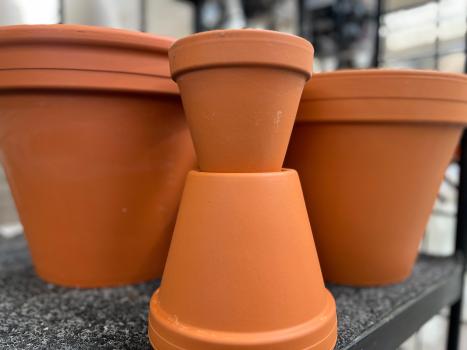
“Plastic garden gear can add …” from www.paradisepost.com and used with no modifications.
That well-worn trowel, the reused plastic bucket, the gloves you tossed in the shed after last Saturday’s harvest — all of these can carry microbial hitchhikers between uses. Bacteria don’t need much: a bit of moisture, organic material, and time. Your garden kit provides all three in abundance.
Research has confirmed that pathogens can survive on surfaces and in soil for extended periods. Salmonella, for instance, has been detected in samples from onions, tomatoes, cantaloupes, and watermelons — produce that many home gardeners grow themselves. The gap between “homegrown” and “safe” isn’t automatic. It’s built through deliberate practice.
How Cross-Contamination Spreads in Home Gardens
Contamination rarely announces itself. It moves quietly — through a pair of dirty gloves, a splash of rain, or a bird perched on a tomato cage. Understanding the pathways makes them easier to block.
Soil Pathogens: Salmonella, E. coli, and Listeria in Your Backyard
The soil your vegetables grow in is a living ecosystem, and not everything living in it is benign. E. coli, Salmonella, and Listeria are naturally present in the environment and can enter garden soil through animal manure, contaminated compost, or infected irrigation water. What makes this particularly concerning is that these pathogens don’t just sit on the surface of produce — under the right conditions, they can move inside it. Research has shown that lettuce leaves can absorb pathogenic E. coli through stomata and cut surfaces, and that Salmonella in soil can infiltrate stem tissue in tomatoes that contact the ground. To learn more about safe gardening practices, you can explore preventing foodborne illness.
How Rain Splash and Ground Contact Move Bacteria to Edible Plants
Every raindrop hitting bare soil near your plants is a potential delivery system for bacteria. The impact kicks up fine particles of dirt — and whatever pathogens are in that dirt — and deposits them directly onto edible plant parts. Low-growing crops like lettuce, spinach, and strawberries are especially vulnerable because of how close they sit to the soil surface. To learn more about safe gardening practices, explore safe gardening methods.
Ground contact during harvest is equally risky. Setting a basket of freshly picked beans on the soil, or resting harvested cucumbers on the ground while you move down a row, reintroduces the very contamination you’re trying to avoid. Even brief contact matters.
Wildlife, Rodents, and Birds as Contamination Vectors
A bird landing on a tomato isn’t just a nuisance — it’s a contamination event. Bird droppings are a known source of Salmonella, and rodents can carry a wide range of pathogens directly into the growing area. Inspect your garden regularly for signs of animal activity, and screen storage areas to prevent access. Any produce that shows evidence of animal contact should be treated as suspect.
Safe Harvesting Habits That Reduce Contamination Risk
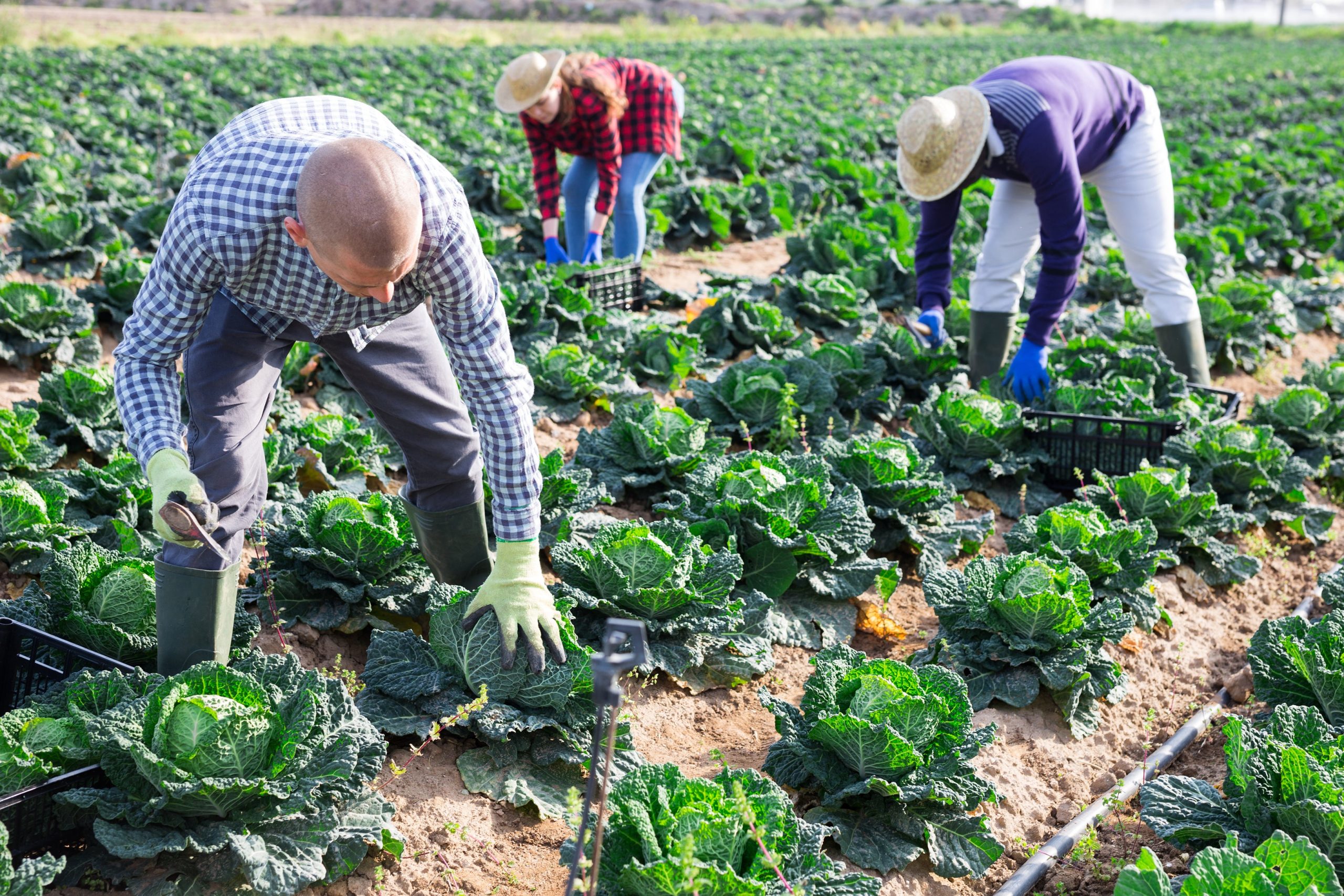
How you harvest matters just as much as how you grow. The harvesting stage is where many contamination events actually occur — through hand contact, tool use, and the simple act of moving produce from plant to container.
Building a short pre-harvest routine eliminates most of these risks before they start. Think of it the same way a professional kitchen operates: clean hands, clean tools, clean surfaces — every single time, not just when you remember.
The good news is that none of these habits require special equipment or significant time. They just require consistency.
Always Wash Hands Before Touching Produce
Hands are the most direct contamination route from soil to food. Wash thoroughly with soap and water before harvesting, and again after handling soil, tools, or animal waste. If you’re working in the garden without access to running water, a hand sanitizer with at least 60% alcohol is a temporary measure — but it doesn’t replace proper washing. For more tips on maintaining a clean gardening environment, explore our allergen-free herb kit checklist.
Use Clean, Disinfected Knives for Cutting Crops
A knife used to cut through soil or diseased plant material and then used to harvest cucumbers or zucchini is a direct cross-contamination event. Designate specific cutting tools for harvest only, and disinfect them between uses with a bleach solution — 1 tablespoon of 5.25% bleach per gallon of water is the standard ratio. Rinse and air dry before storage.
Never Set Harvested Produce Directly on the Ground
This is one of the most common and easily corrected mistakes in home garden harvesting. Always have a clean container elevated off the ground — even resting a basket on a garden cart or overturned crate is significantly safer than soil contact. Once produce touches the ground, assume it has been exposed to whatever pathogens are present in that soil. For more tips on creating an efficient gardening space, explore urban balcony garden kits to transform small spaces effectively.
Choosing and Cleaning the Right Harvest Containers
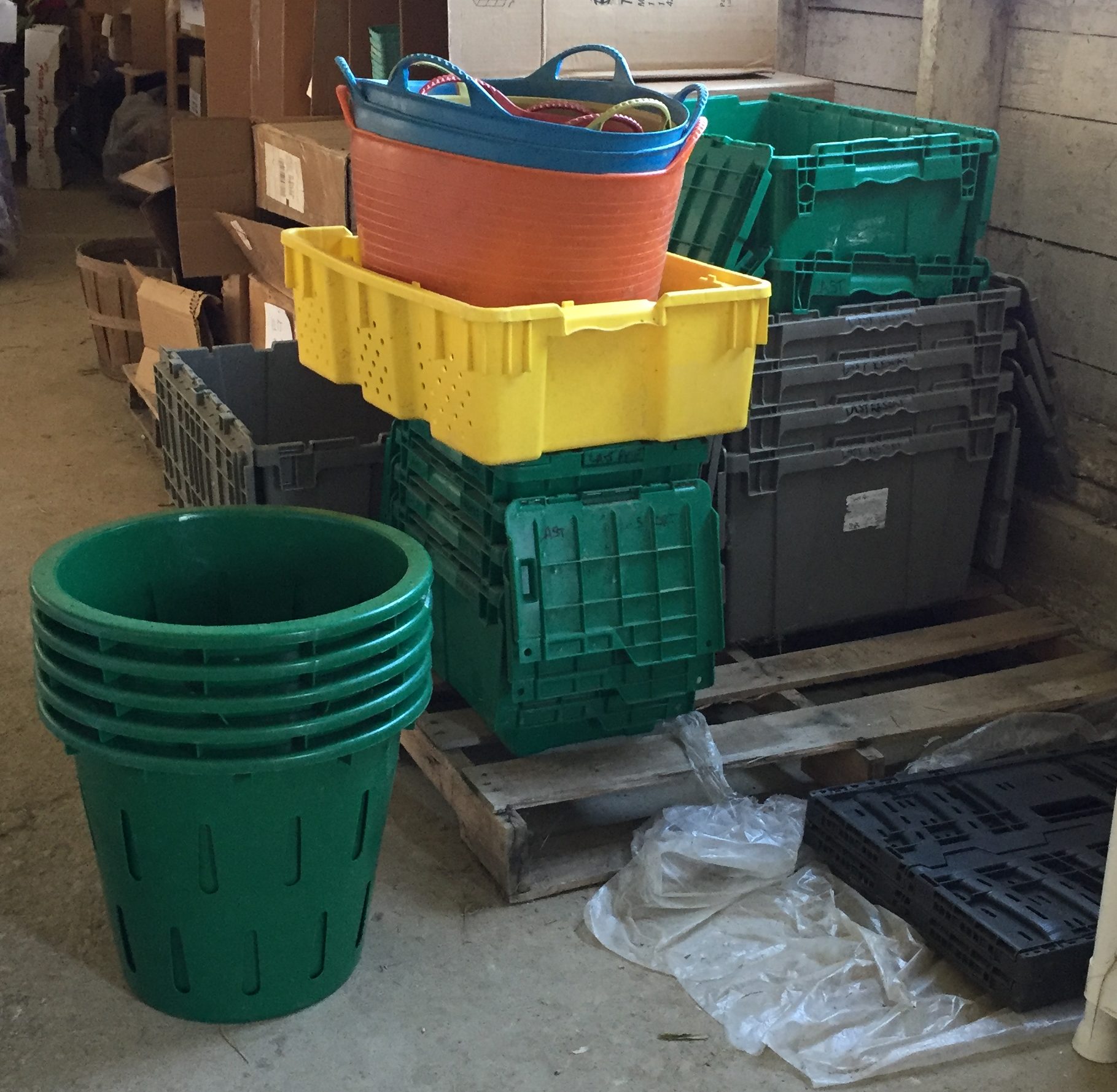
“Bins, Buckets, Baskets & Totes – UVM …” from blog.uvm.edu and used with no modifications.
Not all harvest containers are created equal, and the wrong choice can undermine every other safe practice you follow.
Best Container Materials: Plastic Buckets vs. Wire Mesh vs. Wooden Crates
Plastic buckets and food-grade plastic bins are the gold standard for harvest containers. They have smooth, non-porous surfaces that can be fully disinfected with a bleach solution, they don’t absorb moisture, and they’re easy to inspect for cracks or residue buildup. Hard plastic doesn’t give bacteria anywhere to hide. For those looking to optimize small spaces, consider exploring urban balcony garden kits to transform your gardening experience.
Wire mesh baskets allow good airflow and are easy to rinse, but the intersections of the wire can trap soil and organic material — scrub those joints thoroughly. Wooden crates are the most problematic option. Wood is porous by nature, which means it absorbs moisture and organic residue, creating ideal conditions for bacterial growth that a surface wipe simply won’t reach. If you’re using wooden crates, line them with a clean cloth or food-safe plastic bag, and retire them the moment they show signs of cracking or staining. For additional tips on maintaining a healthy garden environment, consider exploring our allergen-free herb kit checklist guide.
How to Disinfect Containers With a Bleach Solution
The disinfection process is straightforward but needs to be done correctly to be effective. First, wash the container with soap and water to remove all visible dirt and organic material — bleach does not work properly on dirty surfaces. Then mix 1 tablespoon of 5.25% unscented household bleach into 1 gallon of water, apply it to the container surface, let it sit for at least 1 minute, then rinse thoroughly with clean water and allow to air dry before use. This same solution works for knives, cutting boards, and any other equipment that contacts harvested produce. For more tips on maintaining a clean gardening environment, check out this eco-friendly garden guide.
Why Dedicated Containers Per Vegetable Type Matter
Using the same container for onions one day and tomatoes the next is an easy way to transfer surface bacteria between crop types. Onions and root vegetables carry significantly more soil contact than above-ground crops, which means residual contamination in a shared container is a real risk — even after a rinse.
Container Designation Best Practice:
Container Type Recommended Use Disinfection Frequency Plastic Bucket (food-grade) Root vegetables (carrots, beets, onions) After every use Wire Mesh Basket Above-ground crops (beans, cucumbers) After every use Plastic Bin with lid Leafy greens (lettuce, spinach, kale) After every use Wooden Crate (lined) Dry crops only (garlic, squash, pumpkins) Weekly minimum
Label your containers clearly and stick to the system. Once a container is designated for root vegetables, keep it that way. The few minutes it takes to grab the right container are well worth it compared to the risk of a contamination event working its way through your harvest. For more tips on sustainable gardening, check out this eco-friendly garden guide.
If your container inventory is limited, prioritize separating high-soil-contact crops like root vegetables and brassicas from ready-to-eat crops like lettuce, tomatoes, and strawberries. That single separation makes the biggest difference in reducing cross-contamination risk.
Vertical Growing and Mulching Cuts Soil Contact
Two of the most effective contamination prevention strategies don’t involve disinfectants at all — they involve changing how and where your plants grow. Keeping produce off the ground and creating a physical barrier between soil and edible parts are structural solutions that work around the clock, even when you’re not in the garden.
The combination of vertical growing structures and mulched pathways can dramatically reduce the number of contamination entry points in your garden, particularly for crops that sprawl or fruit close to the soil surface.
Stake Tomatoes and Trellis Cucumbers, Squash, and Beans
Tomatoes left to sprawl on the ground are in constant contact with soil, which means they’re in constant contact with whatever pathogens live there. Research has confirmed that Salmonella in soil can infiltrate tomato stem tissue at the point of ground contact — a risk that virtually disappears when plants are properly staked. Use sturdy wooden or metal stakes for indeterminate tomato varieties, and install them at planting time to avoid root disturbance later.
Cucumbers, squash, and pole beans benefit equally from trellis systems. A simple A-frame trellis or cattle panel arch keeps fruit suspended, reduces moisture buildup around foliage, and makes harvesting cleaner and faster. Trellised crops also tend to produce more uniformly and are easier to inspect for pest or disease damage — a bonus that goes well beyond food safety.
Use Straw Mulch and Newspaper Layers to Block Splash Contamination
Laying 3 to 4 inches of straw mulch around your plants — over a base of four layers of newspaper — creates a physical buffer that absorbs raindrop impact before it can splash soil particles onto edible plant parts. This is particularly effective for low-growing crops like strawberries, lettuce, and bush beans. The newspaper layer underneath suppresses weeds while the straw above keeps the soil surface stable during heavy rain events. Replace mulch that becomes compacted or visibly soiled with manure from animal visitors.
Manure and Compost Safety in the Home Garden
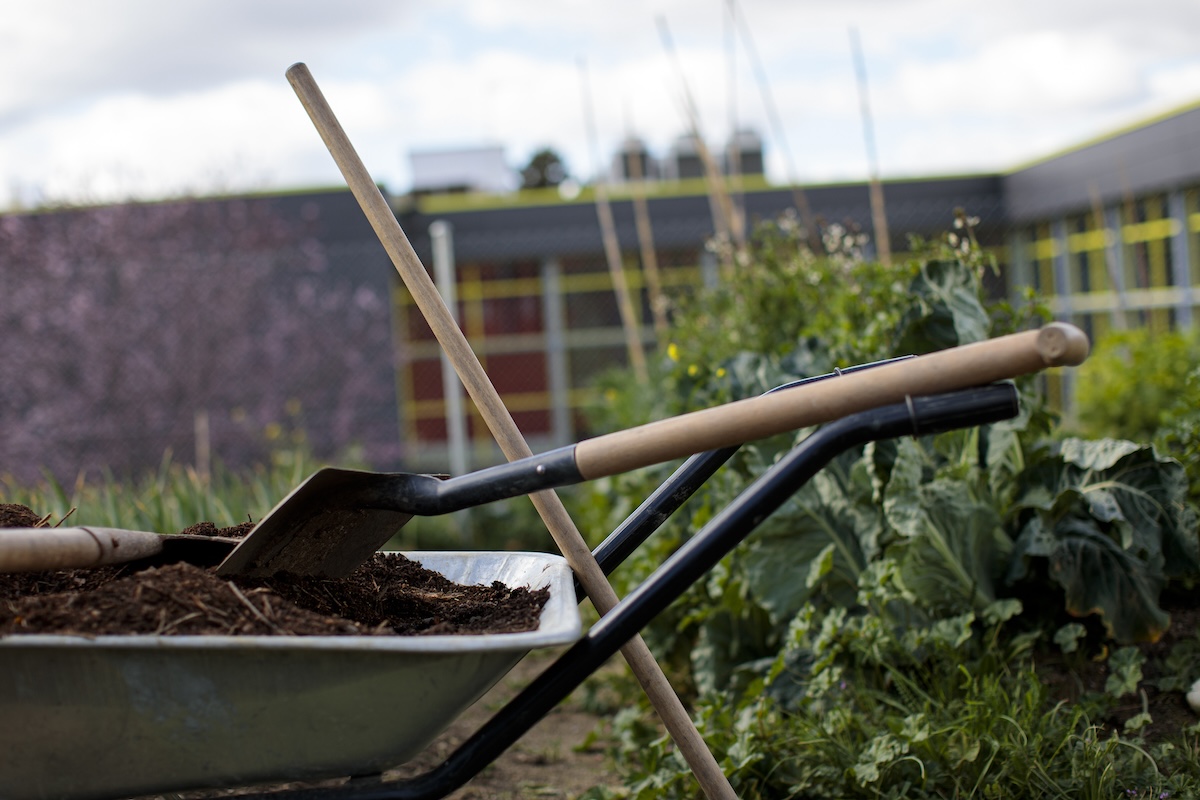
“Manure to Vegetable Gardens …” from www.bobvila.com and used with no modifications.
Manure is one of the most valuable soil amendments available to home gardeners — and one of the most significant contamination risks if handled incorrectly. Raw or incompletely composted manure can contain high concentrations of E. coli, Salmonella, and other pathogens that survive in soil long after application. The standard guidance for home gardens is to apply raw manure no less than 120 days before the harvest of crops whose edible parts contact the soil, and no less than 90 days for crops whose edible parts do not contact the soil. Fully hot-composted manure — where the pile has reached and maintained a temperature of 131°F to 170°F for several days — significantly reduces pathogen load and is considerably safer to use closer to the growing season. Avoid using livestock water bucket runoff on edible crops within 30 days of harvest, as stray manure particles in the water are a direct contamination vector.
Safe Storage and Transport of Garden Produce
Getting produce safely from the garden to the kitchen requires the same level of attention as the harvest itself. Bacteria don’t stop multiplying once the vegetable leaves the ground — warm temperatures, moisture, and organic residue in storage containers create ideal conditions for rapid growth.
How to Store Fruits and Vegetables to Slow Bacterial Growth
Refrigerate harvested produce promptly, particularly leafy greens, cut vegetables, and anything that has been washed. Most harmful bacteria multiply rapidly between 40°F and 140°F — keeping produce at or below 40°F slows this process significantly. Gently brush surface dirt from root crops before storage rather than washing them, since excess moisture accelerates decay and bacterial growth in storage conditions.
Inspect storage areas — pantries, root cellars, and basement shelves — regularly for signs of rodent or insect activity. Close any gaps or openings larger than ¼ inch, as mice can fit through surprisingly small spaces and are a significant source of Salmonella contamination in stored produce. Clean storage shelves with the same bleach solution used for harvest containers at least once per season.
Sanitize Transport Containers Between Every Use
Any container used to move produce from garden to kitchen — whether it’s a canvas tote, a plastic bin, or a wooden crate — should be cleaned and disinfected between every single use. Canvas and fabric bags are particularly problematic because they absorb soil and moisture and cannot be effectively disinfected; reserve these for already-washed produce only, and wash the bags themselves regularly in hot water. For more information on safe practices, you can refer to safe gardening methods.
Good Agricultural Practices (GAPs) Every Home Gardener Should Follow
“Good Agricultural Practices (GAP …” from plantcelltechnology.com and used with no modifications.
Good Agricultural Practices aren’t a checklist reserved for commercial farms. They’re a framework for thinking about food safety at every stage of growing, harvesting, and storing produce — and every principle applies just as directly to a backyard raised bed as it does to a 50-acre operation.
What GAPs Are and Why They Apply to Backyard Gardeners
GAPs are science-based guidelines developed to reduce the risk of microbial contamination in fresh produce. They cover everything from water quality and soil amendment safety to worker hygiene and equipment sanitation. The logic behind them is straightforward: contamination can enter the food supply at any point along the growing process, and every point of entry is a point that can be controlled.
Home gardeners often assume these principles don’t apply to them because they’re growing for personal use rather than commercial sale. But the pathogens don’t make that distinction. E. coli, Salmonella, and Listeria behave the same way in a backyard garden as they do on a commercial farm — and the people eating your homegrown produce deserve the same level of care as any grocery store customer.
Adopting a GAP mindset means asking one consistent question at every stage: where could contamination enter here, and what can I do to prevent it? Apply that question to your water source, your compost, your tools, your hands, and your storage area, and you’ve already built a safer garden.
FDA and USDA Guidelines Adapted for Household Garden Kits
The FDA’s produce safety framework and USDA guidance on safe food handling both emphasize four core principles that translate directly to home garden practice: use clean water for irrigation and washing, apply only fully composted or properly aged manure, maintain clean tools and containers, and practice consistent personal hygiene during harvest. For household garden kits specifically, this means keeping a dedicated disinfecting solution on hand, establishing container assignments by crop type, and treating the harvest process with the same hygiene standards you’d bring into a kitchen. Consider exploring urban balcony garden kits for small space transformations that align with these safety practices.
Consistent Hygiene Habits Are Your Best Defense Against Garden Contamination
Every strategy in this guide comes back to one thing: consistency. A bleach solution only works if you actually use it. Container assignments only prevent cross-contamination if you follow them every time. Mulch only blocks splash contamination if it’s properly maintained. The gardeners who avoid foodborne illness aren’t the ones with the most expensive tools — they’re the ones who’ve made safe practices automatic. Build the habit, repeat it every harvest, and your garden becomes one of the safest food sources you have access to.
Frequently Asked Questions
Here are the most common questions home gardeners ask about preventing cross-contamination in garden kits, answered directly with practical guidance.
What is cross-contamination in a garden kit, and why does it matter?
Cross-contamination in a garden kit happens when harmful bacteria or pathogens transfer from one surface, tool, or crop to another — typically through shared containers, unwashed hands, dirty tools, or soil contact. It matters because pathogens like Salmonella, E. coli, and Listeria can cause serious foodborne illness, and produce contaminated in the garden often shows no visible signs of being unsafe to eat. To minimize risks, consider using allergen-free herb kits to ensure a safer gardening environment.
How do you disinfect garden tools and containers at home?
Mix 1 tablespoon of 5.25% unscented household bleach into 1 gallon of clean water. First, wash the tool or container thoroughly with soap and water to remove all visible dirt and organic material — bleach is ineffective on soiled surfaces. Apply the bleach solution, allow it to contact the surface for a minimum of one minute, then rinse with clean water and allow to air dry completely before storing or reusing. This solution works for knives, trowels, plastic harvest containers, and cutting boards.
Is it safe to use the same container for different vegetables?
It is not recommended to use the same container interchangeably between different vegetable types without disinfecting between uses. Root vegetables like carrots, beets, and onions carry significantly more soil residue than above-ground crops, meaning a shared container transfers that soil — and any pathogens in it — directly to your next harvest.
The safest approach is to designate specific containers for specific crop categories and label them clearly. If your container inventory is limited, prioritize separating high-soil-contact crops from ready-to-eat crops like leafy greens, tomatoes, and strawberries, and disinfect with a bleach solution between every use. For more ideas on optimizing small spaces, explore urban balcony garden kits.
Can you get sick from homegrown vegetables?
Yes. Homegrown vegetables can carry the same foodborne pathogens as commercially grown produce if safe gardening and harvesting practices aren’t followed. Salmonella has been detected in homegrown tomatoes, onions, cantaloupes, and watermelons. Organic gardening does not eliminate this risk — in fact, the use of raw or incompletely composted manure in organic gardens can increase pathogen load in the soil if not handled correctly. The key is not how you grow, but how carefully you manage contamination risks at every stage. For more information on how to prevent foodborne illness with safe gardening methods, check out this guide.
How does mulching help prevent cross-contamination in the garden?
Mulching creates a physical barrier between bare soil and edible plant parts by absorbing the impact of rain before it can splash soil particles — and the pathogens living in them — onto your crops. Without mulch, every rainfall event is a potential contamination delivery mechanism, particularly for low-growing crops like lettuce, strawberries, and spinach. For those dealing with limited space, consider exploring urban balcony garden kits to maximize your gardening potential while maintaining safety from cross-contamination.
The most effective mulching system for food safety uses four layers of newspaper laid directly on the soil surface, topped with 3 to 4 inches of straw. The newspaper blocks weed growth and provides an additional splash buffer, while the straw layer above it stabilizes the soil surface and keeps edible plant parts clean and dry. Grass clippings can be used in place of straw, though they should be applied in thin layers to prevent matting and anaerobic decomposition.
Quick-Reference: Cross-Contamination Prevention at a Glance
Risk Area Contamination Source Prevention Method Soil contact E. coli, Salmonella, Listeria Mulch, trellis, stake — keep produce off the ground Harvest containers Residual soil, organic matter Dedicate containers by crop type; bleach solution after every use Cutting tools Cross-crop bacterial transfer Disinfect with bleach solution between each crop harvested Irrigation water Manure runoff, animal waste Use potable water; avoid overhead watering near harvest Manure/compost Raw pathogen load Apply raw manure 120 days before harvest; use hot-composted only Wildlife and birds Salmonella from droppings Screen storage areas; inspect produce after animal contact Hand contact Soil-to-food transfer Wash hands with soap and water before and during harvest Storage areas Rodents, insects, moisture Seal gaps, clean shelves with bleach solution seasonally
Print this table and keep it in your garden shed or tool storage area as a seasonal reminder. The risks don’t change year to year, but it’s easy to let habits slip — especially mid-season when harvests are heavy and time feels short. A quick scan of this reference before you head out to harvest takes seconds and keeps every risk area front of mind. For additional tips on maintaining a safe and productive garden, consider exploring custom raised garden beds to optimize your space.
Safe gardening isn’t complicated — it’s just deliberate. For hands-on guidance, tools, and resources to help you build these habits into every growing season, explore what’s available to support safer home gardening practices and keep your harvest as clean as the effort you put into growing it.