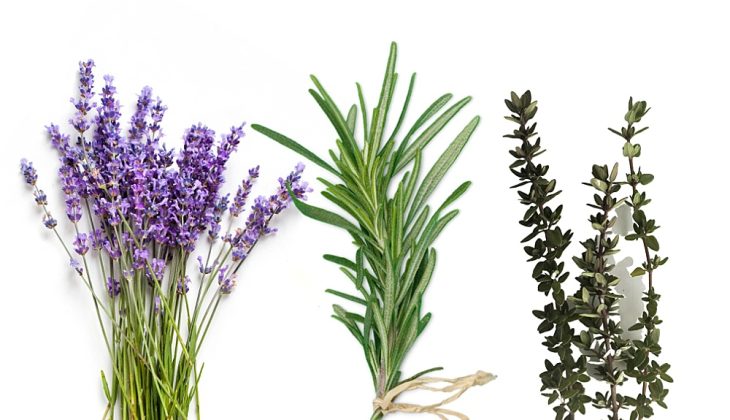
Pollen-Free Gardening: What You Need to Know Before You Plant
- No garden plant is completely pollen-free, but insect-pollinated plants like lavender and thyme release far less airborne pollen than wind-pollinated plants like grasses and oak trees.
- Lavender ranks lower on the allergy risk scale than many common garden herbs, making it one of the safest fragrant plants for allergy-prone gardeners.
- Thyme has over 50 varieties, and some — like woolly thyme (Thymus pseudolanuginosus) — may be better tolerated than others depending on your sensitivity level.
- Timing and placement matter just as much as plant selection — there are specific gardening habits that dramatically cut your pollen exposure, covered later in this guide.
- If you are gardening with allergies in mind, the difference between lavender and thyme comes down to more than just pollen — fragrance, soil needs, and how each plant is used can all affect your experience outdoors.
You can absolutely love gardening and still dread allergy season — but the plants you choose make a bigger difference than most people realize.
This guide breaks down two of the most popular low-pollen herb garden choices — lavender and thyme — and gives you a clear, honest comparison so you can build a garden that works with your body, not against it. Gardeners looking for trusted, practical growing advice will find resources like this helpful for navigating plant choices with allergies in mind.
Which Plant Wins for Allergy Sufferers?
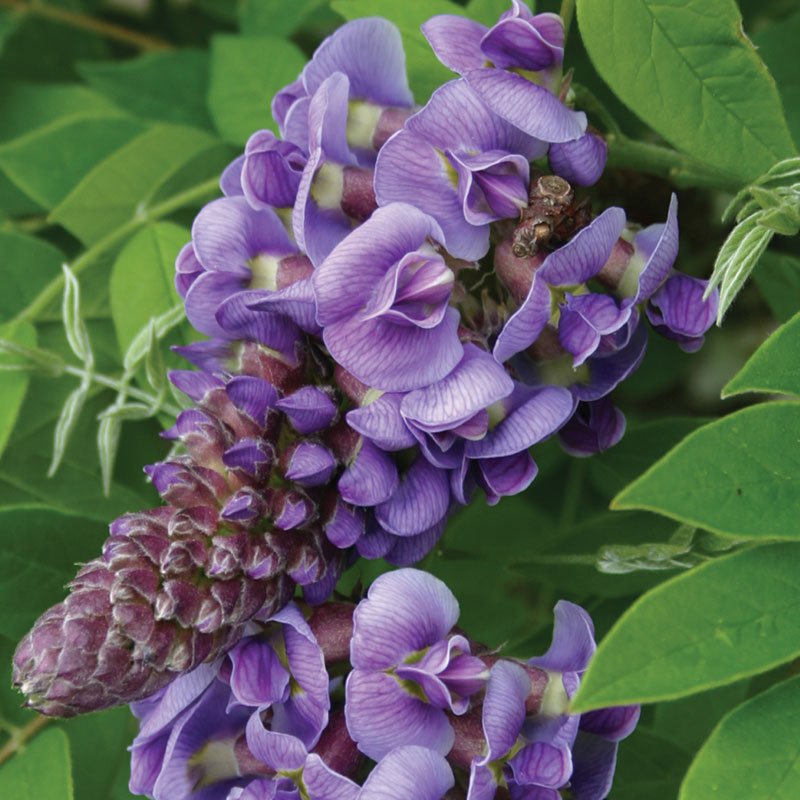
“Allergy Friendly Plants & Gardening – Blog” from blog.greatgardenplants.com and used with no modifications.
The short answer: lavender generally edges out thyme for allergy-prone gardeners, but the full picture is more nuanced. Both plants are insect-pollinated, which already puts them in a much safer category than wind-pollinated culprits like ryegrass or birch trees. However, lavender’s pollen is heavier, stickier, and far less likely to become airborne — meaning it stays on the plant and on pollinators rather than floating into your nose.
Thyme is still considered a low-allergy herb, but it does flower prolifically and attracts a high volume of pollinators during peak bloom. More bee activity means more plant disturbance, and more disturbance can mean more incidental pollen movement. For most gardeners with mild sensitivities, both plants are manageable. For those with moderate-to-severe allergies, lavender is the safer bet.
What “Pollen-Free” Actually Means in the Garden
The term “pollen-free” gets used loosely in gardening circles, and it’s worth setting the record straight before you plan your beds around a misconception.
Why No Plant Is Truly 100% Pollen-Free
Every flowering plant produces pollen — it’s a biological requirement for reproduction. What varies dramatically between species is how that pollen travels. Wind-pollinated plants release enormous quantities of lightweight, microscopic pollen grains designed to drift through the air and reach other plants. These are the real allergy offenders. Insect-pollinated plants, by contrast, produce pollen that is heavier, clumpier, and coated in a sticky substance that clings to bees and butterflies rather than floating freely through the air. For those looking to create a more allergy-friendly environment, consider exploring natural barriers in your garden to minimize pollen exposure.
When gardeners talk about “pollen-free” plants, what they really mean is low-airborne-pollen plants. This distinction is critical. A garden full of insect-pollinated herbs and flowers can still look and smell spectacular while producing a fraction of the airborne pollen of a single ornamental grass planting.
How Insect-Pollinated Plants Differ From Wind-Pollinated Plants
Wind-pollinated plants like Kentucky bluegrass, oak (Quercus spp.), and ragweed (Ambrosia artemisiifolia) are the primary drivers of seasonal hay fever symptoms. They produce pollen in counts that can exceed 1,000 grains per cubic meter of air on high-season days. Insect-pollinated plants rarely contribute meaningfully to outdoor pollen counts at all.
The practical takeaway for gardeners is straightforward: replacing wind-pollinated ornamental grasses or certain trees near your home with insect-pollinated herbs like lavender or thyme can meaningfully reduce your immediate outdoor pollen environment — even if regional pollen counts remain high.
Where Lavender and Thyme Fall on the Allergy Scale
Both lavender and thyme are insect-pollinated and are widely recommended by horticultural organizations for allergy-conscious garden design. Lavender (Lavandula angustifolia) is consistently listed among the lowest-risk fragrant plants for allergy sufferers. Thyme (Thymus vulgaris) is also considered low-risk, though its dense flowering habit and strong pollinator attraction place it slightly higher on the sensitivity scale for reactive individuals. For more information on suitable plant varieties, check out our list of top low-pollen plants for urban gardens.
Lavender: Beauty With Low Allergy Risk
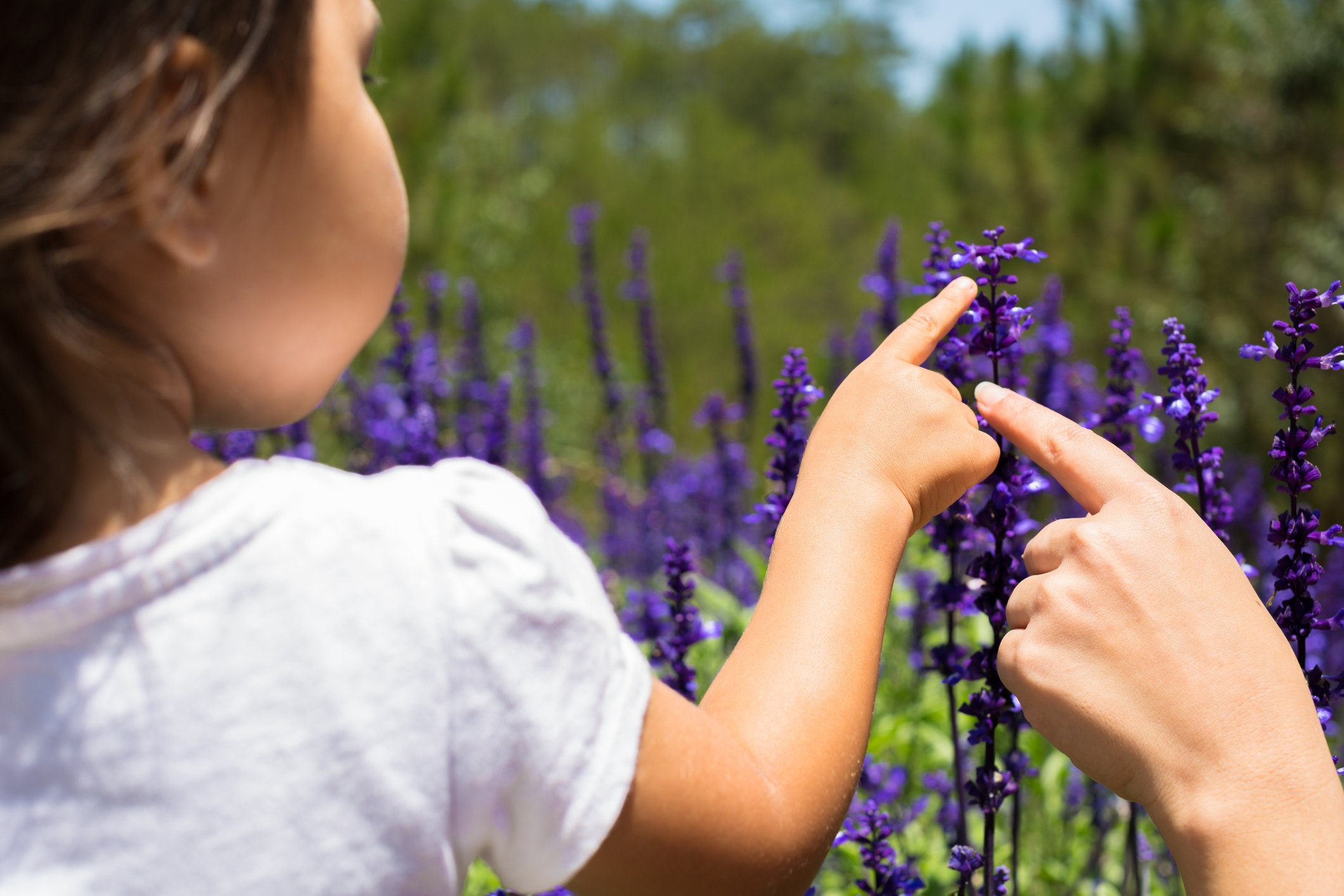
“Allergic to Lavender …” from healingharvesthomestead.com and used with no modifications.
Few plants deliver the visual and aromatic impact of lavender while asking so little of allergy-sensitive gardeners. Its silvery foliage, upright flower spikes, and legendary scent make it a garden staple — and its pollen behavior makes it one of the friendliest choices you can plant.
English lavender (Lavandula angustifolia) grows 2 to 3 feet tall and is the most widely cultivated form for both ornamental and culinary use. French lavender (Lavandula dentata) is another commonly grown species, recognizable by its toothed leaves and longer bloom period. For those interested in pollen-free gardening, consider exploring top low pollen plants for urban gardens.
Why Lavender Is Considered Low-Pollen
Lavender’s pollen grains are relatively large and heavy compared to wind-pollinated species, and they are encased in a sticky outer coating that binds them to the bodies of visiting bees. This means the pollen physically cannot travel far from the plant without a pollinator carrying it. Even on windy days, lavender pollen rarely becomes airborne in meaningful concentrations.
There is an additional factor that most gardening guides overlook: lavender’s essential oils — linalool and linalyl acetate being the dominant compounds — actually have mild anti-inflammatory properties. While the fragrance can occasionally trigger sensitivity in people with scent-related reactions (separate from pollen allergies), many allergy sufferers find lavender’s scent neutral or even soothing rather than irritating.
Gardener’s Note: If you react to lavender’s fragrance rather than its pollen, you may have a contact or scent sensitivity rather than a true pollen allergy. These are different conditions with different triggers — worth discussing with an allergist before writing lavender off entirely.
Best Lavender Varieties for Allergy-Friendly Gardens
Not all lavender varieties behave the same in the garden, and some are better suited to allergy-conscious planting than others. Varieties with dense, tightly packed flower spikes tend to keep their pollen more contained than loose, open-bloomed types.
| Variety | Species | Height | Allergy Notes |
|---|---|---|---|
| Hidcote | Lavandula angustifolia | 12–18 inches | Dense spikes, very low airborne pollen |
| Munstead | Lavandula angustifolia | 12–18 inches | Compact, early bloomer, well-tolerated |
| Vera | Lavandula angustifolia | 24–36 inches | Traditional English type, low pollen dispersal |
| Grosso | Lavandula x intermedia | 24–30 inches | High oil content, strong scent — test tolerance first |
For most allergy-sensitive gardeners, the compact English lavender varieties — particularly Hidcote and Munstead — are the safest and most reliable starting point.
How and When Lavender Releases Pollen
Peak Pollen Window: Lavender typically blooms from early June through August, depending on variety and climate. Pollen release is highest during midday when temperatures peak and flowers are fully open. Early morning and evening gardening sessions near lavender carry significantly lower exposure risk.
Lavender releases pollen gradually over its bloom period rather than in a concentrated burst. Each individual floret on the spike opens sequentially from the bottom up, spreading pollen activity across several weeks rather than concentrating it in one high-intensity period. This staggered release pattern is actually beneficial for allergy sufferers — your body never faces a sudden large dose.
Deadheading — removing spent flower spikes before the upper florets fully mature — is one of the most effective ways to further reduce lavender’s already low pollen output. Cut spikes back to just above the foliage once the lower two-thirds of the spike have finished blooming.
On dry, warm afternoons with light breeze, even lavender’s minimal pollen can become more active. Scheduling garden time for after 6 PM during peak bloom gives you the best of both worlds: beautiful plants and minimal pollen contact.
Growing Conditions Lavender Needs to Thrive
Lavender is Mediterranean by nature, which tells you almost everything you need to know about its needs. It demands full sun — a minimum of 6 to 8 hours of direct sunlight daily — and absolutely will not tolerate waterlogged soil. Well-drained, slightly alkaline soil with a pH between 6.5 and 7.5 is ideal. If your soil is heavy clay, amend it generously with coarse sand or fine gravel before planting, or build raised beds to ensure drainage. For more information on selecting the right plants, check out our guide on top low-pollen plants for urban gardens.
Thyme: The Ground-Hugging Allergy Contender
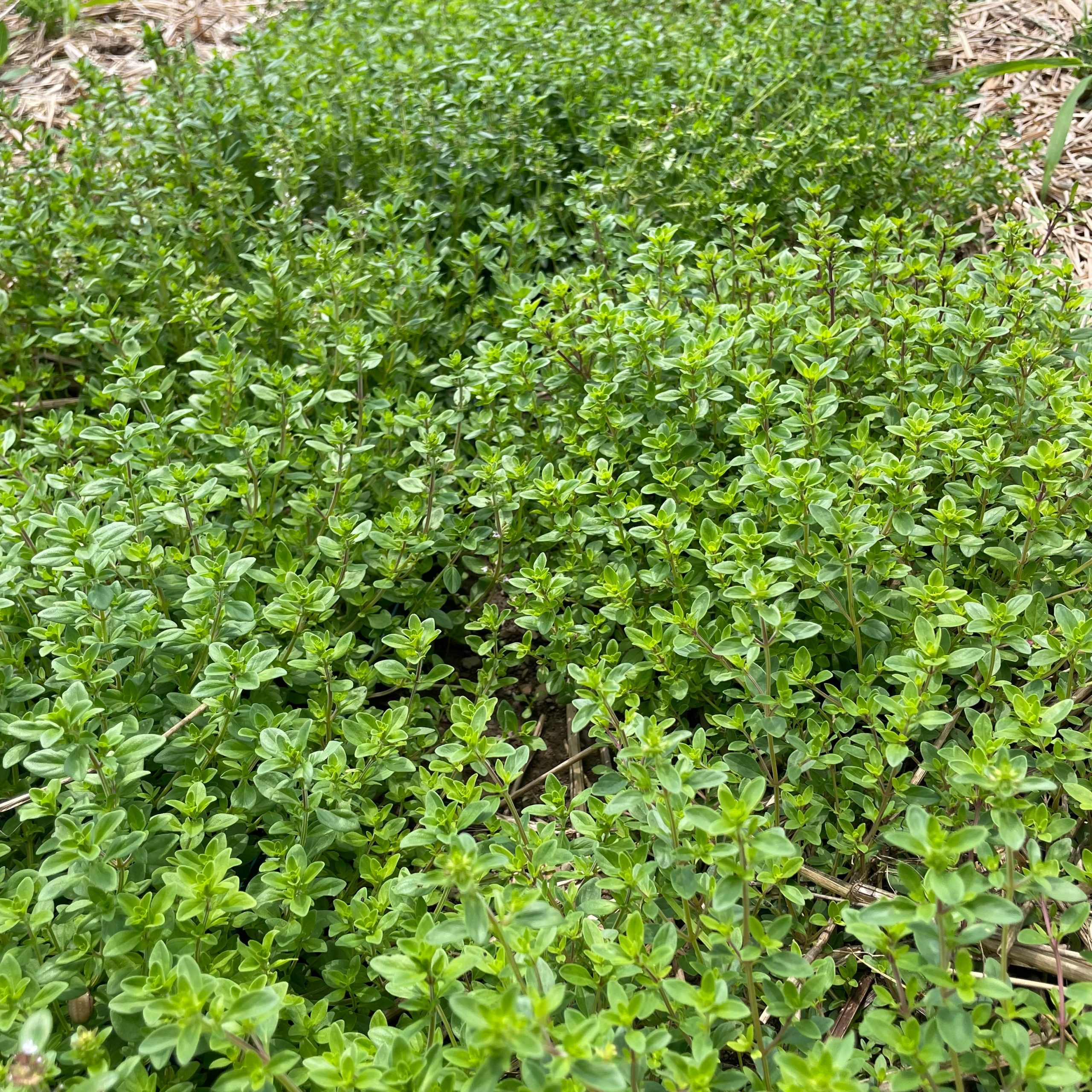
“Creeping Thyme | Hudson Valley Seed Company” from hudsonvalleyseed.com and used with no modifications.
Thyme punches well above its weight in the garden — it’s tough, aromatic, wildly useful in the kitchen, and surprisingly manageable for allergy-sensitive gardeners when you understand how it behaves during bloom.
How Thyme Pollinates and What That Means for Allergy Sufferers
Like lavender, thyme is insect-pollinated, which immediately puts it in the lower-risk category for airborne pollen exposure. Its small, tubular flowers — ranging from white to pale purple depending on variety — are designed to attract bees and other pollinators, not to broadcast pollen through the wind. The pollen grains are sticky and relatively heavy, meaning they transfer to visiting insects rather than drifting through the air toward your sinuses.
The catch with thyme is volume. A single thyme plant in full bloom is essentially a pollinator magnet, and heavy bee traffic means constant agitation of the plant. Every landing and takeoff dislodges small amounts of pollen into the immediate environment. For gardeners with mild allergies, this is rarely a problem. For those with stronger sensitivities, working close to heavily flowering thyme during peak bloom — typically late spring through early summer — is worth approaching with care.
Woolly Thyme vs. Common Thyme: Which Is Safer for Sensitive Gardeners?
This is where thyme gets interesting. Woolly thyme (Thymus pseudolanuginosus) is a low-growing, mat-forming variety with soft, fuzzy leaves and a prostrate habit that makes it beautiful between stepping stones or spilling over garden edges. Critically, it produces far fewer flowers than common thyme (Thymus vulgaris), which means significantly less pollen activity overall. If you love thyme but worry about allergies, woolly thyme is your best starting point — you get the texture, the ground cover appeal, and dramatically reduced bloom volume compared to culinary varieties like French thyme (Thymus vulgaris) or lemon thyme (Thymus citriodorus).
Growing Conditions Thyme Needs to Thrive
Thyme is one of the most forgiving herbs you can grow, which is part of its enduring appeal. It thrives in full sun, needing at least 6 hours of direct light per day, and actually performs better in lean, well-drained soil than in rich, fertile beds. Over-fertilizing thyme dilutes its essential oils and weakens its natural drought resistance — less is genuinely more with this plant.
Soil drainage is non-negotiable for thyme. It shares lavender’s deep intolerance for wet feet, and root rot sets in quickly in heavy or compacted soils. A sandy loam with a pH between 6.0 and 8.0 gives thyme exactly the conditions it evolved for in the rocky hillsides of the Mediterranean. In wetter climates, planting thyme in raised beds or sloped ground dramatically improves its long-term survival.
Once established, thyme is exceptionally drought-tolerant and requires very little supplemental watering. During the first growing season, water regularly to help roots establish — after that, natural rainfall handles most of thyme’s needs in temperate climates. Trim plants back by one-third after flowering to keep growth compact, prevent woodiness at the base, and — importantly for allergy management — reduce the volume of seed heads that follow bloom.
Lavender vs. Thyme: Head-to-Head Comparison
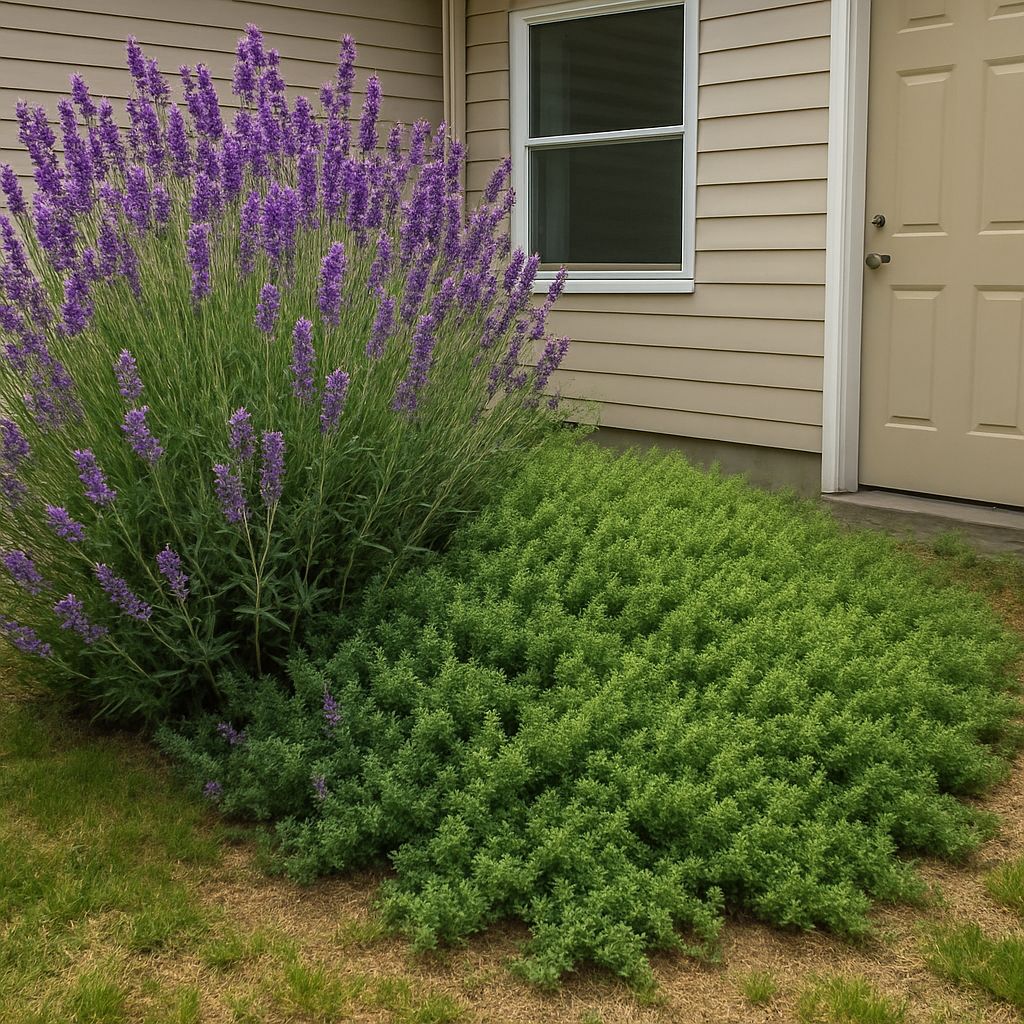
Both plants earn their place in an allergy-conscious garden, but they are not interchangeable. Here is how they stack up across the factors that matter most to gardeners making a deliberate choice.
Pollen Output and Allergy Risk
Lavender holds a clear advantage in raw pollen risk. Its larger, heavier pollen grains and the structure of its flower spikes mean that pollen stays close to the plant and is almost entirely transferred by pollinators rather than air movement. Even on windy days during peak bloom, lavender contributes minimally to ambient pollen counts.
Thyme’s risk profile is slightly higher — not because its pollen is more dangerous, but because its dense, prolific flowering and intense pollinator attraction create more opportunities for incidental pollen disturbance. The sheer number of blooms on a mature thyme plant during May and June means more total pollen is present, even if individual grains are no more airborne than lavender’s.
For gardeners managing moderate-to-severe pollen sensitivities, the practical hierarchy looks like this: woolly thyme is safest among thyme varieties, followed by common thyme trimmed before full bloom, with culinary varieties like lemon thyme and French thyme requiring the most management during flowering season.
Fragrance and Sensory Impact
Lavender’s scent is dominated by linalool — a compound widely studied for its calming properties — and most people find it pleasant even at high concentrations. The fragrance intensifies in warm afternoon sun and can carry several feet from the plant, which is worth noting if you place it near outdoor seating. For those with scent sensitivities rather than pollen allergies, the intensity of lavender’s fragrance is a more relevant consideration than its pollen output.
Thyme’s aroma is sharper, more herbal, and far more localized — you typically need to brush or crush the leaves to release its full fragrance. This makes thyme a gentler choice for scent-sensitive individuals, even if they garden in close proximity to it. French thyme (Thymus vulgaris) carries the strongest culinary scent, while lemon thyme (Thymus citriodorus) delivers a brighter, citrus-forward fragrance that many people find lighter and less intense.
Drought Tolerance and Watering Needs
Both plants are genuinely drought-tolerant once established, but thyme edges ahead in its ability to handle prolonged dry spells without any intervention. Lavender needs occasional deep watering during extended droughts — particularly in sandy soils — while established thyme can survive on remarkably little water and still maintain vigorous growth. In water-restricted gardens or regions with dry summers, thyme gives you slightly more resilience with less management.
Soil and Sunlight Requirements
The soil requirements for both plants overlap significantly, which is actually great news — it means you can grow them together in the same bed without fighting conflicting needs. Both demand excellent drainage, full sun, and soil that leans toward alkaline rather than acidic. Neither tolerates consistently wet or clay-heavy soil without amendment.
Where they diverge slightly is in soil fertility. Lavender benefits from moderately fertile soil and responds well to a light dressing of balanced fertilizer in early spring. Thyme actively prefers low-fertility conditions — rich soil encourages lush, floppy growth with reduced essential oil production and a more open flowering habit that can actually increase pollen exposure by attracting even more pollinators. For those interested in creating a garden with low-pollen plants, consider exploring top low-pollen plants for urban gardens.
In terms of sunlight, both plants are non-negotiable: 6 to 8 hours of direct sun daily is the minimum for healthy growth and natural disease resistance. Shade increases humidity around the foliage, raises the risk of fungal problems like botrytis in lavender, and causes thyme to become leggy and less aromatic. For those interested in selecting the best plants, consider these low-pollen plant varieties that thrive in sunny conditions.
| Factor | Lavender | Thyme |
|---|---|---|
| Pollen Type | Insect-pollinated, heavy, sticky | Insect-pollinated, heavy, sticky |
| Allergy Risk | Very low | Low to moderate (variety dependent) |
| Fragrance Intensity | Strong, carries on air | Mild unless crushed |
| Drought Tolerance | High | Very high |
| Soil Preference | Moderately fertile, alkaline, well-drained | Low fertility, alkaline, well-drained |
| Sunlight Needed | 6–8 hours direct sun | 6–8 hours direct sun |
| Peak Bloom | June–August | May–July |
| Best Low-Pollen Variety | Hidcote, Munstead | Woolly Thyme |
| Culinary Use | Moderate (flowers, stems) | Extensive (leaves, stems) |
| Garden Role | Statement plant, border, hedging | Ground cover, edging, container |
Reading this table side by side, the most striking takeaway is how compatible these two plants actually are — their growing needs align closely enough that a combined planting of lavender and thyme is not just possible, it’s a genuinely smart allergy-aware garden design strategy.
Practical Uses Beyond the Garden
Lavender extends naturally into the home — dried bundles, sachets, linen sprays, and culinary applications in baked goods and herbal teas all make use of the harvest. Thyme’s utility is even broader in the kitchen: it is a foundational herb in French, Mediterranean, and Middle Eastern cooking, used fresh or dried in soups, roasted meats, and vegetables. Both plants attract beneficial pollinators that improve yields across the rest of your garden, making them doubly valuable even in beds that prioritize food production over ornamental display.
How to Reduce Pollen Exposure When Growing Either Plant
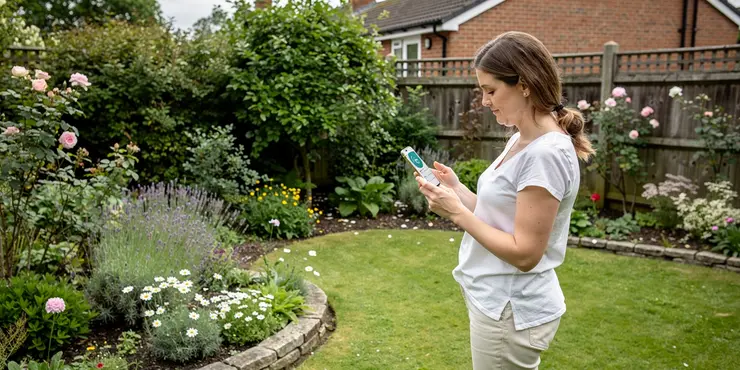
“How can I reduce my exposure to pollen …” from ergsy.com and used with no modifications.
Choosing low-pollen plants is step one — but how you manage those plants through the season determines how comfortable your garden actually is to spend time in. These four habits make a measurable difference, regardless of whether you’re growing lavender, thyme, or both.
1. Deadhead Flowers Before They Fully Open
Removing flower spikes before they reach full maturity is the single most effective pollen-reduction technique for both lavender and thyme. For lavender, cut the spike back once the bottom two-thirds of florets have bloomed but before the top third fully opens — this is when pollen production peaks. For thyme, a light shear across the top of the plant as soon as you see heavy flowering begin keeps bloom volume controlled without sacrificing the plant’s health or regrowth potential.
2. Choose Sterile or Double-Flower Cultivars Where Available
Some cultivated varieties of garden plants are bred to produce modified or sterile flowers that generate significantly less viable pollen. While true sterile lavender cultivars are not widely available commercially, certain hybrid lavandins like Lavandula x intermedia ‘Grosso’ produce pollen with reduced viability. In thyme, ornamental varieties selected for foliage rather than flower performance tend to bloom less aggressively than culinary types. For more information on suitable plant choices, consider exploring low pollen plants for urban gardens.
When shopping at a nursery, look for plants labeled as ornamental, non-seeding, or low-bloom. These descriptors are reliable indicators of reduced pollen output, even if the plant is not technically sterile. The trade-off is sometimes reduced fragrance or culinary potency — a reasonable exchange for allergy-prone gardeners prioritizing comfort over harvest volume.
3. Wear Gloves and Garden in the Evening
Both lavender and thyme release the highest concentrations of pollen during warm midday hours when flowers are fully open and pollinators are most active. Shifting your gardening sessions to after 6 PM — when temperatures drop, flowers partially close, and bee activity slows significantly — reduces your direct pollen contact without requiring any changes to your planting choices. Lightweight nitrile gloves prevent contact transfer from hands to face, which is one of the most common routes for pollen to reach mucous membranes during garden work.
4. Position Plants Away From Windows and Seating Areas
Even low-pollen plants benefit from thoughtful placement. Plant lavender and thyme at least 6 to 10 feet from open windows, doors, and outdoor seating areas. This simple spatial decision dramatically limits the amount of incidental pollen that drifts into living spaces or accumulates where you spend extended time outdoors.
Prevailing wind direction in your garden is worth factoring in as well. Placing aromatic, pollinator-heavy plants on the downwind side of your primary seating area means that any pollen disturbed by bee activity moves away from where you sit rather than toward it. In most Northern Hemisphere gardens, westerly winds are the dominant direction — plant accordingly.
The Better Choice Depends on Your Garden Goals
- You want a low-maintenance statement plant with very low allergy risk: Choose lavender, specifically Lavandula angustifolia ‘Hidcote’ or ‘Munstead’
- You want a tough ground cover with minimal watering and cooking utility: Choose woolly thyme for allergy safety, or French thyme if culinary use is the priority and you can manage it before full bloom
- You want both aesthetics and kitchen function in one bed: Grow them together — their soil and sun needs are virtually identical, and the combination creates a visually striking, pollinator-friendly, and allergy-conscious planting
- You have strong fragrance sensitivities separate from pollen allergies: Thyme is the safer scent choice since its aroma stays localized unless the leaves are disturbed
- You are gardening in a hot, dry climate: Thyme’s superior drought tolerance gives it a practical edge, though both plants are well-suited to Mediterranean-style conditions
The honest answer is that for most allergy-aware gardeners, these two plants are complementary rather than competing. Lavender handles the height, the visual drama, and the fragrance. Thyme handles the ground, the edges, and the kitchen. Together, they create a layered garden that is genuinely low in airborne pollen, full of life, and practical in ways most ornamental plantings simply are not.
The key distinction remains consistent throughout every comparison: lavender is the lower-risk choice for pollen specifically, while thyme is the lower-risk choice for fragrance intensity. Knowing which sensitivity you are actually managing makes the decision straightforward rather than complicated.
Whatever direction you choose, the act of selecting plants deliberately — with your body’s needs and your garden’s conditions both in mind — is what separates a garden that frustrates you from one you actually want to spend time in. For example, planting lavender and thyme can be a great choice for herb lovers looking to enhance their garden. That shift in approach is worth more than any single plant choice.
Frequently Asked Questions
These are the questions allergy-conscious gardeners ask most often when weighing lavender and thyme as planting options.
Is lavender safe for people with pollen allergies?
Lavender is generally considered safe for people with pollen allergies. It is an insect-pollinated plant, which means its pollen is heavy, sticky, and transferred by bees rather than dispersed through the air. It contributes minimally to outdoor pollen counts and is regularly recommended by horticultural organizations as a low-allergy garden plant. The caveat is fragrance: people with scent-triggered sensitivities rather than true pollen allergies may still react to lavender’s essential oils, particularly linalool, in concentrated amounts.
Does thyme cause hay fever symptoms?
Thyme is unlikely to cause hay fever symptoms in most people because it is insect-pollinated and does not release significant quantities of airborne pollen. That said, gardeners with strong sensitivities who spend extended time working directly among heavily flowering thyme plants during peak bloom in May and June may experience mild irritation from incidental pollen disturbance. Choosing woolly thyme (Thymus pseudolanuginosus) over culinary varieties significantly reduces this already-low risk. For more ideas on creating a low-pollen garden, check out these top low-pollen plants.
Can I grow both lavender and thyme in a small garden?
Yes — and this combination is genuinely one of the best choices for a small allergy-conscious garden. Both plants share almost identical growing requirements: full sun, excellent drainage, slightly alkaline soil, and minimal fertilization. They layer well visually, with lavender providing vertical height and thyme forming a low, spreading mat beneath or alongside it.
In a raised bed or small border, a single lavender plant flanked by a ground-covering drift of woolly thyme creates a practical, beautiful, and allergy-friendly planting that requires very little maintenance after the first growing season. Container growing works well for both, too — a large terracotta pot with a central lavender plant and thyme trailing over the edges is a classic combination that works on patios, balconies, and small courtyard gardens.
What is the most pollen-free herb for a garden bed?
No herb is completely pollen-free, but among commonly grown culinary and ornamental herbs, basil (Ocimum basilicum), chives (Allium schoenoprasum), and mint (Mentha spp.) are widely cited as very low-allergy options alongside lavender and thyme. Of the two plants compared in this guide, lavender — particularly compact English varieties like Hidcote — comes closest to a genuinely pollen-minimal herb garden plant while still delivering strong ornamental and aromatic value.
When do lavender and thyme release the most pollen?
Lavender peaks in pollen release between June and August, with activity highest during warm, dry afternoons when flower spikes are fully open. Thyme blooms slightly earlier, with peak pollen activity typically running from late May through early July depending on your climate and the variety grown. For those interested in minimizing pollen exposure in their garden, consider exploring low-pollen plant varieties.
Within any given day, both plants are most active between approximately 10 AM and 3 PM — the warmest part of the day when pollinator activity is at its peak and flowers are fully open. Pollen levels are lowest in the early morning before temperatures rise, and in the evening after 6 PM when flowers begin to partially close and bee traffic drops off significantly. For those interested in minimizing pollen exposure, consider exploring low pollen plants for urban gardens.
Deadheading both plants regularly throughout their bloom periods — removing spent and maturing flower spikes every one to two weeks — is the most reliable way to shorten and reduce overall pollen output across the entire season without sacrificing the plants’ health or regrowth. A consistent deadheading routine, combined with evening gardening sessions, gives you practical control over your pollen environment even when regional counts outside your garden remain high.