Article-At-A-Glance: Grow Fresh Food in Naperville Without a Big Backyard
- Eco-friendly urban garden kits combine recycled materials, organic soil, and non-GMO seeds into ready-to-go growing systems — perfect for balconies, patios, and small yards in Naperville.
- Naperville sits in USDA Hardiness Zone 5b, which means you can grow cool-season crops like kale and lettuce in spring and fall, and warm-season crops like tomatoes and peppers all summer long.
- Kits like the AKER GrowSquare are designed with no tools required, making them one of the easiest ways to start growing food in tight urban spaces.
- The Growing Place Garden Center in Naperville is one of the best local resources for garden supplies, soil, and expert plant advice tailored to the area.
- Keep reading to find out which kit is best for beginners, how to DIY your own sustainable setup, and what to plant first for the fastest results.
You don’t need a farm — or even a full backyard — to grow your own food in Naperville.
Urban gardening has exploded in popularity across Chicago’s suburbs, and Naperville residents are leading the charge with creative container setups, rooftop raised beds, and eco-friendly kits that turn even the smallest outdoor space into a productive garden. Whether you’re working with a 6-foot balcony or a narrow side yard, there’s a sustainable solution that fits. For gardeners who want curated guidance on sustainable growing methods and kit recommendations, resources built around eco-conscious urban gardening can make the learning curve much shorter.
The shift toward eco-friendly kits isn’t just a trend — it’s a smarter way to garden. These systems are designed to reduce waste, skip the synthetic chemicals, and give you food you actually trust.
Naperville Gardeners Are Growing More Food in Less Space
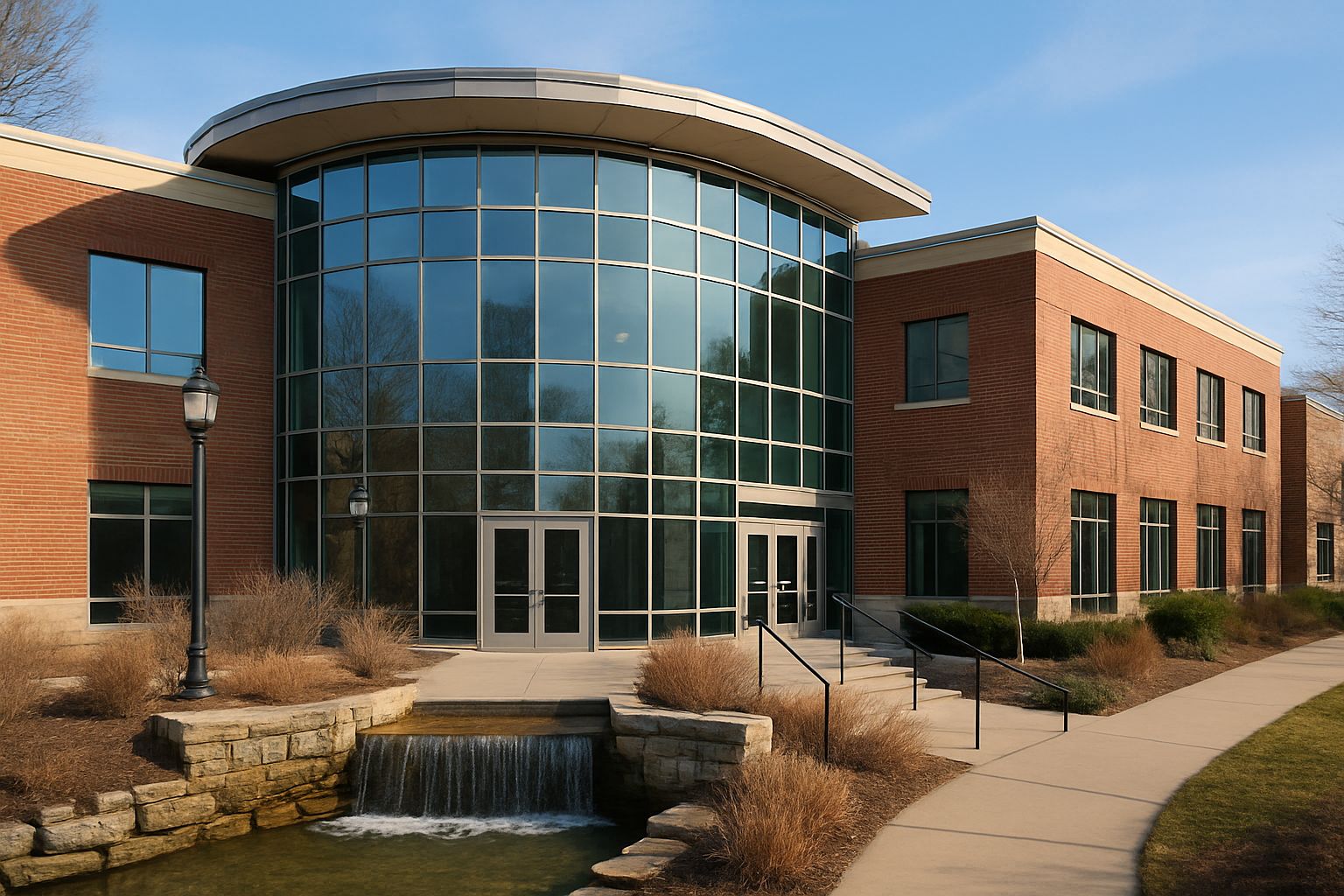
Naperville’s mix of townhomes, condos, and suburban lots with limited green space has pushed gardeners to think vertically and modularly. Instead of traditional in-ground plots, many residents are turning to stackable planters, compact raised beds, and self-contained growing kits that can sit on a deck or driveway pad. The city’s active gardening community — supported by local spots like The Growing Place Garden Center — has embraced this shift enthusiastically.
The real driver here is practicality. A well-designed urban garden kit eliminates the guesswork. You get the container, the soil, and often the seeds — all matched to work together. For eco-conscious gardeners, the bonus is that most quality kits use sustainably sourced wood, recycled plastics, or biodegradable components that don’t add unnecessary waste to the equation.
What Eco-Friendly Urban Garden Kits Actually Include
Not all garden kits are created equal. A genuinely eco-friendly kit goes beyond just tossing some seeds in a box — it’s a complete, thoughtfully assembled growing system where every component has been chosen with sustainability in mind. For those interested in more sustainable gardening practices, exploring gardening benefits and nature connection tips can be a great start.
Raised Bed and Modular Container Systems
What to look for in an eco-friendly container or raised bed kit:
Feature Eco-Friendly Option Why It Matters Frame Material FSC-certified cedar or recycled composite Sustainably harvested, naturally rot-resistant Fasteners Stainless steel or no-tool snap design No chemical-coated hardware leaching into soil Liner BPA-free or no liner required Keeps toxins out of your food Size Options Modular and stackable Scales to any space, from balcony to backyard End-of-life plan Biodegradable or fully recyclable Reduces landfill contribution
Raised beds give roots more room than standard pots, which matters for vegetables like tomatoes, carrots, and peppers. A depth of at least 12 inches is the minimum for most vegetables, while root crops like carrots need closer to 18 inches. Modular systems — like those designed by AKER — let you start with one unit and expand as your confidence (and appetite for homegrown food) grows.
Cedar is the gold standard for raised bed frames in Naperville’s climate. It naturally resists rot and insects without chemical treatment, and a quality cedar bed can last 10 to 20 years. Avoid kits that use pressure-treated lumber, which may contain copper azole or other preservatives that can leach into the surrounding soil over time. For more insights on sustainable gardening, explore our gardening benefits and nature connection tips.
Organic Soil Mixes and Compost Starters
The soil that comes with a kit — or that you add yourself — is arguably the most important component. Premium kits include a pre-blended organic mix, typically a combination of coconut coir (a sustainable peat moss alternative), compost, and perlite for drainage. This trio gives roots the air, moisture, and nutrients they need without synthetic fertilizers.
Some kits also include a compost starter or worm casting amendment. These microbial boosters help break down organic matter faster and establish healthy soil biology from day one — a huge advantage over plain potting mix straight from a bag.
Non-GMO and Heirloom Seed Selections
Eco-friendly kits worth their price include non-GMO or certified organic seeds, and the best ones feature open-pollinated heirloom varieties. Heirloom seeds can be saved at the end of the season and replanted the following year, which reduces your ongoing cost and keeps your garden truly self-sustaining over time.
Biodegradable and Recycled Material Components
Look for kits that include biodegradable seedling pots made from peat, coconut coir, or newspaper pulp — these go directly into the ground without disturbing roots at transplant time. Seed trays made from recycled plastic, plant markers made from bamboo, and packaging made from recycled cardboard are all signs that a brand takes its eco-claims seriously rather than using them as marketing language.
The full picture of an eco-friendly kit isn’t just what’s inside — it’s how everything was made, packaged, and what happens to it after the season ends. Learn more about urban gardens and their impact on the environment.
Best Eco-Friendly Urban Garden Kits Available in 2024
There are dozens of garden kits on the market, but only a handful genuinely deliver on sustainability, usability, and value for urban spaces. These three stand out for Naperville gardeners specifically.
Each has a different strength — one excels in modularity, one in water efficiency, and one in herb growing convenience — so the right choice depends on what you want to grow and how much space you’re working with.
AKER GrowSquare Open Source Garden Kit
Developed by a globally distributed open-source team, the AKER GrowSquare is a “no tools required” modular raised garden bed system designed specifically for urban agriculture. The flat-pack design snaps together without hardware, making it ideal for renters or anyone who needs a portable setup. It’s built for rooftop gardens, balconies, and community plots — and because the design is open source, AKER has made the plans freely available to anyone who wants to build their own version from sustainably sourced materials.
Back to the Roots Water Garden Self-Cleaning Fish Tank Kit
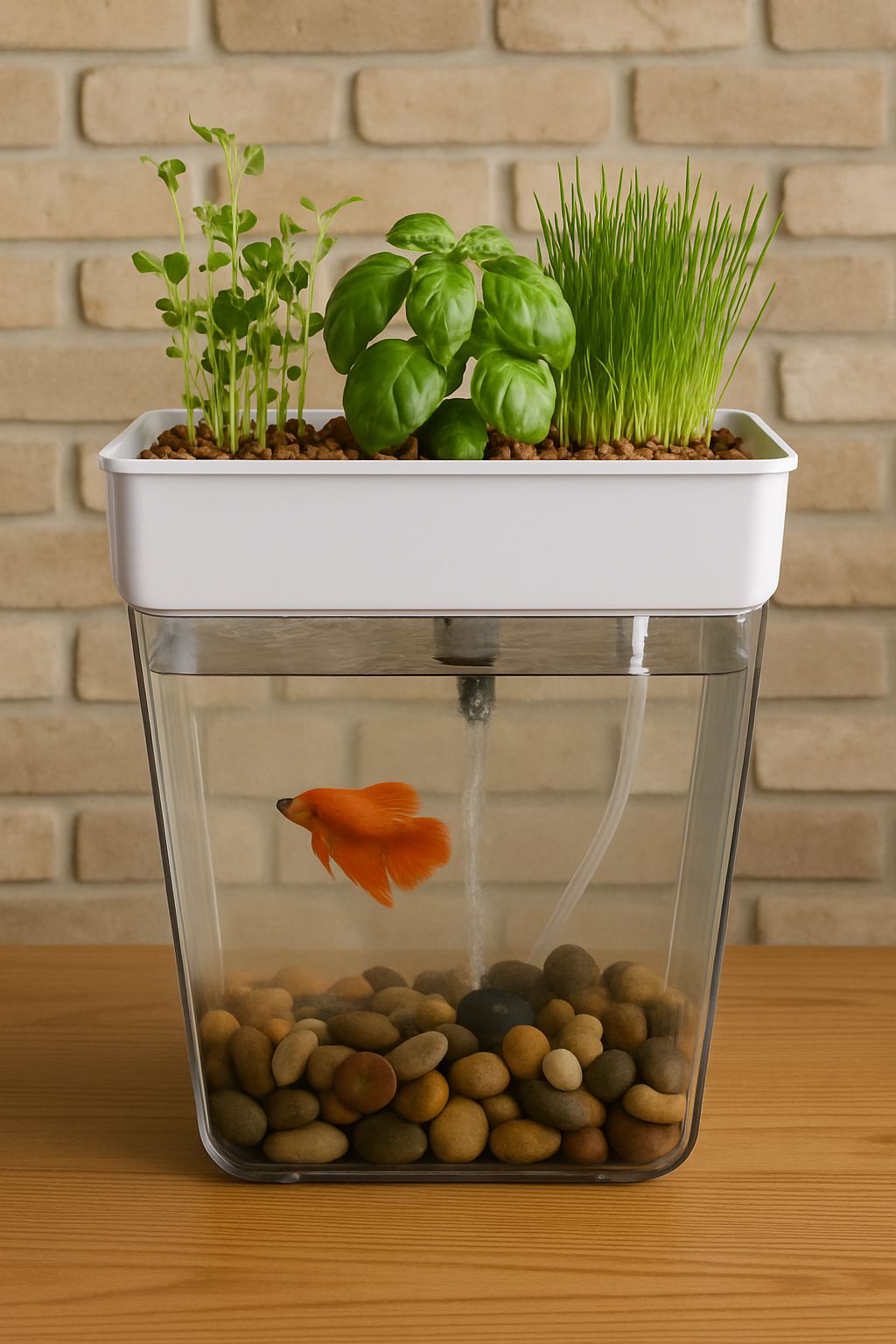
The Back to the Roots Water Garden is a closed-loop aquaponic system where fish waste fertilizes herbs growing above the tank, and the plant roots naturally filter the water for the fish. It’s a compact, self-sustaining ecosystem that fits on a countertop or small outdoor table. The kit includes organic seeds, a small fish tank, and a grow tray — and requires no synthetic fertilizers because the fish do the feeding.
Gardenuity Garden in a Box Herb Kit
Gardenuity’s Garden in a Box Herb Kit is built around personalization — you enter your zip code and growing conditions, and they curate the specific plants and soil blend for your local climate. For Naperville’s Zone 5b conditions, that means herbs like basil, parsley, and chives selected for their ability to thrive in the region’s temperature swings. The kit ships with a proprietary GardenPlanner app that sends watering reminders and growing tips throughout the season. For more inspiration, explore open-source kits to kickstart your urban gardening.
Where to Buy Urban Garden Kits Near Naperville IL
You have solid options both locally and online — and mixing both often gives you the best results. Buy your kit or containers locally when you want to see the quality in person, and order specialty seeds or amendments online when local stock runs short.
Local purchasing also means you’re getting advice from people who garden in the same Zone 5b climate you do, which is genuinely valuable when you’re choosing what to grow and when to plant it.
Source What They Offer Best For The Growing Place Garden Center, Naperville Soil, containers, local plant varieties, expert staff In-person advice and zone-specific plants AKER (aker.me) Open-source modular raised bed kits No-tool assembly, rooftop and balcony setups Back to the Roots (backtotheroots.com) Aquaponic and soil-based grow kits Indoor herbs and countertop gardens Gardenuity (gardenuity.com) Climate-personalized herb and veggie kits Beginners who want guided growing Amazon / Local Hardware Stores Cedar boards, perlite, organic soil, drip irrigation DIY raised bed builds on a budget
The Growing Place Garden Center in Naperville
The Growing Place Garden Center on Route 53 in Naperville is one of the most well-regarded local resources for urban gardeners in the western suburbs. With a 4.5-star rating across 68 reviews on Yelp, the staff here is known for being genuinely knowledgeable — not just sales-focused. They carry a rotating selection of organic soil amendments, container systems, and zone-appropriate transplants that take the guesswork out of what will actually survive a Naperville spring or summer.
If you’re building a DIY kit from scratch, this is your first stop. Pick up FSC-certified cedar boards, a quality organic potting mix, and ask the staff about their current selection of heirloom transplants. They can tell you exactly what’s performing well in the area right now, which is the kind of local intelligence you simply can’t get from an online retailer.
Online Retailers That Ship to Naperville
For specialty items — like aquaponic kits, open-source raised bed systems, or climate-matched herb kits — online retailers fill the gap where local stores leave off. Back to the Roots, AKER, and Gardenuity all ship directly to the Naperville zip codes with reasonable lead times. Amazon is also a reliable source for bulk perlite, coconut coir bricks, organic compost, and drip irrigation components when you’re building your own setup and need supplies fast.
DIY Urban Garden Kit Guide for Naperville Residents
Building your own eco-friendly urban garden kit from scratch is more affordable than buying pre-packaged, and it gives you full control over every material that touches your food. The five steps below walk you through the entire process — from picking your container to setting up water — using sustainable materials available locally or online.
Step 1: Choose the Right Container Size for Your Space
Start by measuring your available space precisely before buying anything. A 4×4-foot raised bed is the classic starting point — it’s large enough to grow a meaningful amount of food but small enough that you can reach the center from either side without stepping in. For balcony or patio setups, a 2×4-foot bed or a series of 12-inch deep rectangular planters works well. The key rule: match the container depth to what you want to grow. Lettuce and herbs are happy in 6 to 8 inches of soil, while tomatoes and peppers need at least 12 inches, and root vegetables like carrots demand 18 inches minimum. For more inspiration on urban gardening, check out these open-source kits.
Step 2: Build or Source a Raised Bed Frame Using Recycled Wood
Western red cedar is the go-to choice for eco-friendly raised beds in Naperville’s climate. It’s naturally rot-resistant, untreated, and will last 10 to 15 years without any chemical preservatives. A standard 4x4x12-inch raised bed requires four cedar 2×6 boards cut to length and joined at the corners with stainless steel screws or galvanized corner brackets. If you want to avoid new lumber entirely, check Naperville’s Facebook Marketplace or local Habitat for Humanity ReStore locations for reclaimed wood — just make sure it’s not pressure-treated (look for a green tint or “ACQ” stamps as warning signs).
Step 3: Mix Your Own Organic Soil With Compost and Perlite
The Mel’s Mix Formula — A proven DIY organic soil blend:
Ingredient Ratio Purpose Coarse Vermiculite or Perlite 1/3 by volume Aeration and drainage, prevents compaction Blended Compost (5+ sources) 1/3 by volume Nutrients, microbial life, water retention Coconut Coir (in place of peat moss) 1/3 by volume Sustainable moisture retention, pH neutral
This blend — a variation of the classic Mel’s Mix formula developed by Mel Bartholomew for square foot gardening — is one of the most widely validated DIY soil recipes for raised beds. Using coconut coir instead of peat moss makes it significantly more sustainable, since coir is a byproduct of coconut processing, while peat takes thousands of years to form in bogs.
For a standard 4x4x12-inch raised bed, you’ll need approximately 16 cubic feet of total mix. That works out to roughly 5.3 cubic feet of each component. At The Growing Place or a local hardware store, buy perlite in 8-quart bags (you’ll need several) or a large cubic foot bag if available. For compost, blending multiple sources — worm castings, mushroom compost, chicken manure compost — gives you a broader spectrum of nutrients and microbial diversity than any single bag can provide.
Avoid bagged garden soil or topsoil for containers and raised beds. These compact heavily when wet, restrict root growth, and often contain weed seeds. Your custom blend will cost a bit more upfront, but will outperform bagged soil significantly through the entire growing season. For more tips on maintaining your garden, check out our seasonal maintenance guide.
Step 4: Select Plants That Thrive in Naperville’s Climate Zone 5b
Naperville sits firmly in USDA Hardiness Zone 5b, where average minimum winter temperatures range from -15°F to -10°F. More practically for urban gardeners, this means your last frost date in spring falls around April 15 to May 1, and your first fall frost arrives around October 1 to October 15. That gives you a solid 150 to 165-day growing window — plenty of time for two full rounds of cool-season crops and one complete warm-season cycle.
Start cool-season transplants indoors 6 to 8 weeks before your last frost (late February to early March) and warm-season crops like tomatoes and peppers 8 to 10 weeks before the last frost. Direct sow cold-hardy seeds like spinach, kale, and radishes outdoors as soon as the soil is workable in early spring — these crops can handle a light frost and actually taste sweeter after one.
Step 5: Set Up a Simple Drip Irrigation or Self-Watering System
Consistent moisture is the single biggest factor separating productive urban gardens from struggling ones. For raised beds, a basic drip irrigation kit — like the Rain Bird GDDRIPKIT or a similar soaker hose system — delivers water directly to the root zone, reduces evaporation, and keeps foliage dry to minimize fungal disease. These systems connect directly to a standard outdoor hose bib and can be set up in under an hour. For container gardens on a balcony, self-watering planters with built-in reservoirs eliminate the daily watering requirement entirely, which is a game-changer for busy Naperville residents who travel for work. For more tips on maintaining your urban garden, check out our seasonal maintenance tips.
Best Vegetables and Herbs to Grow in Naperville Urban Gardens
Zone 5b gives Naperville gardeners a surprisingly diverse growing palette. The key is aligning your plant choices with the season — trying to grow basil in April or lettuce in July will frustrate even experienced growers. Match the crop to the conditions, and your urban garden practically runs itself. For more inspiration, explore open-source kits to kickstart your urban gardening.
Cool-Season Crops for Spring and Fall Planting
Cool-season crops are your workhorses for the shoulder seasons — they go in early when warm-season plants would freeze, and they come back strong in late summer for a fall harvest. In Naperville, direct sow or transplant these into your raised bed starting in late March or early April:
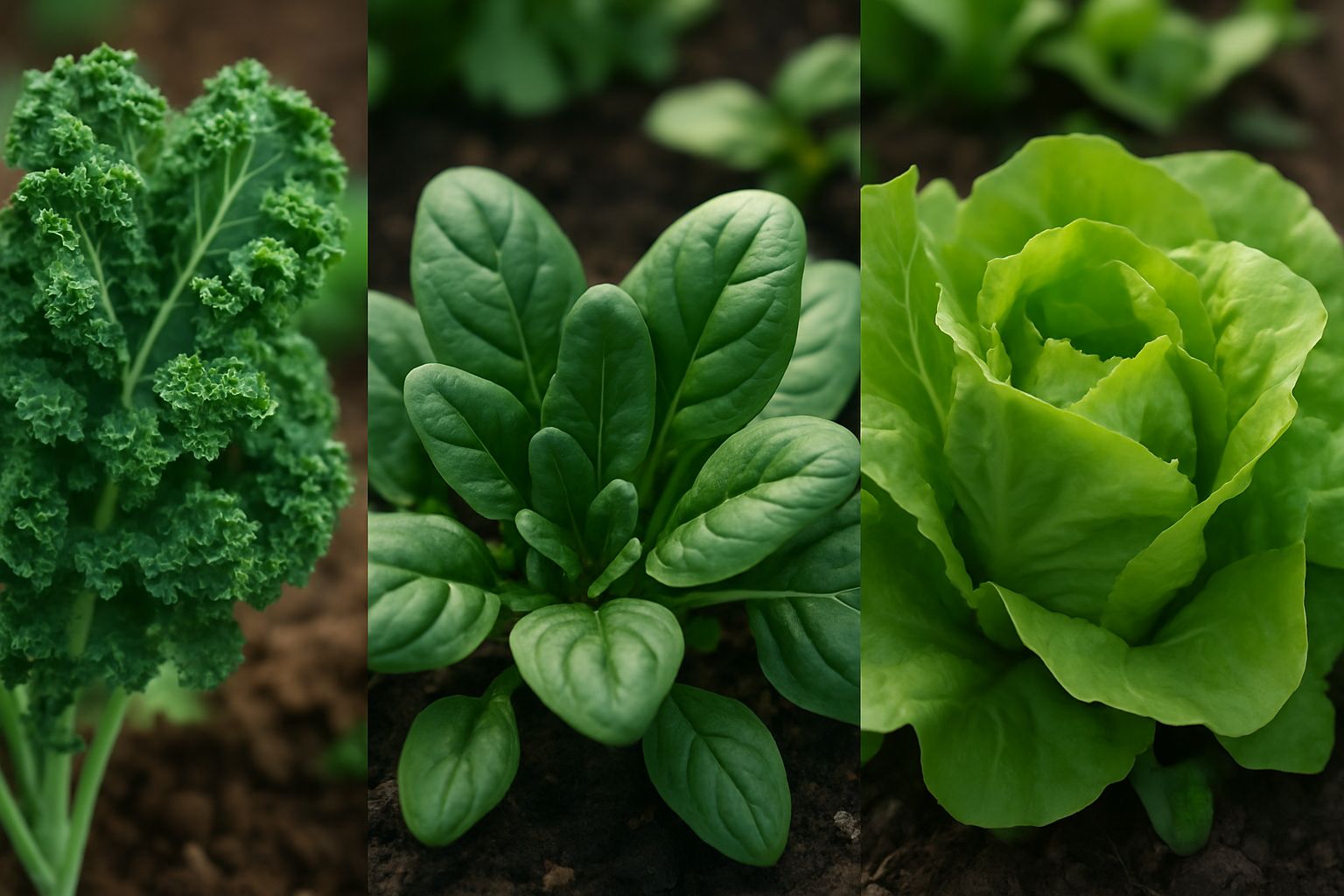
- Kale — Hardy down to 10°F, productive all season, and one of the most nutritionally dense crops you can grow
- Spinach — Fast-growing (ready in 40 to 45 days), bolts in heat, so plant early and again in August for fall
- Lettuce — Butterhead and loose-leaf varieties perform best in containers; direct sow every two weeks for continuous harvest
- Radishes — Fastest crop in the garden at 22 to 28 days to harvest; great for filling gaps between slower plants
- Broccoli and Cabbage — Start indoors in late February; transplant out 3 to 4 weeks before the last frost for a late spring harvest
- Peas — Direct sow as soon as the ground is workable; use a small trellis in your raised bed to maximize vertical space
Warm-Season Crops for Naperville Summers
Once nighttime temperatures consistently stay above 50°F — typically by mid-May in Naperville — it’s time to transition to warm-season crops. These plants need heat to thrive and will stall or die if planted too early, no matter how warm a single day gets.
Tomatoes are the most popular choice for good reason — a single indeterminate plant in a 15-gallon container or raised bed can yield 10 to 15 pounds of fruit over a full season. Varieties like Sungold (a cherry tomato with exceptional sweetness) and Brandywine (a classic heirloom with complex flavor) are both well-suited to Naperville’s growing window. Plant them deep — burying two-thirds of the stem encourages additional root development along the buried stem, producing a stronger, more drought-resistant plant.
Peppers, zucchini, cucumbers, and herbs like basil, oregano, and cilantro round out the warm-season lineup beautifully. Basil in particular is a natural companion to tomatoes — it repels aphids and whiteflies while improving the flavor of nearby fruits according to long-standing companion planting tradition. For the smallest spaces, bush-type cucumber varieties like Spacemaster 80 and compact zucchini like Patio Star are bred specifically for container and raised bed growing without the sprawl of traditional vine varieties. For more ideas, explore specialty herb gardens to enhance your urban gardening experience.
Eco-Friendly Practices That Make Urban Gardens More Sustainable
Growing food in a city is already a step in the right direction — but the way you manage your garden day-to-day determines how truly sustainable it actually is. The best urban gardens operate more like small ecosystems than isolated plant containers, cycling nutrients, conserving water, and managing pests through natural relationships rather than chemical interventions.
Three practices make the biggest difference for Naperville urban gardeners: composting kitchen waste back into the garden, capturing rainwater for irrigation, and using companion planting to reduce pest pressure naturally. None of these requires expensive equipment or advanced skills — just a shift in how you think about your garden’s inputs and outputs.
When you stack these practices together, you dramatically reduce the external inputs your garden needs. Less purchased fertilizer, less tap water used, fewer pest problems to solve — and a garden that gets more productive each season as the soil biology builds and matures.
Sustainable Practice What It Replaces Estimated Annual Savings Composting kitchen scraps Synthetic fertilizers and bagged amendments $30 to $80 per season in soil inputs Rainwater harvesting Municipal tap water for irrigation Up to 1,300 gallons per year per rain barrel Companion planting Pesticide sprays and insect control products Reduced crop loss + zero chemical cost
Composting Kitchen Scraps to Feed Your Garden
A countertop compost bin — like the OXO Good Grips Easy-Clean Compost Bin — makes it simple to collect vegetable peels, coffee grounds, eggshells, and fruit scraps throughout the week. Once full, transfer them to an outdoor compost tumbler or a simple wire bin. In 6 to 12 weeks, depending on temperature and turning frequency, those scraps transform into rich, dark compost that can be top-dressed directly onto your raised beds. Coffee grounds alone are worth collecting — they add nitrogen and slightly acidify soil, which benefits blueberries, tomatoes, and herbs like rosemary. For Naperville residents with limited outdoor space, vermicomposting (using red wiggler worms in a contained bin) produces finished compost in as little as 4 to 6 weeks and generates almost no odor, making it ideal for balcony or garage setups.
Rainwater Harvesting for Container Gardens
A single standard rain barrel — typically 50 to 80 gallons — connected to a downspout can capture enough water from one moderate rainfall to irrigate a 4×8-foot raised bed for several days. Rainwater is also naturally soft and slightly acidic, which most vegetables prefer over chlorinated municipal tap water. The RTS Home Accents 50-Gallon Rain Barrel is a practical, widely available option that connects directly to standard downspouts and includes a spigot for easy hose attachment. For more on sustainable gardening practices, explore the cooling benefits of urban gardens in Chicago.
In Illinois, rainwater harvesting for personal use is legal and encouraged. Naperville’s average annual rainfall is approximately 38 inches, spread relatively evenly through the growing season — meaning a properly positioned rain barrel will refill regularly without requiring you to haul water manually. If you have multiple containers on a balcony, a small gravity-fed drip system connected to an elevated rain barrel can automate the entire watering process without any electricity required. For more ideas on sustainable gardening, check out these open-source kits to kickstart your urban gardening.
Companion Planting to Reduce Pest Problems Naturally
Companion planting is the practice of growing specific plants together because they benefit each other — either by repelling pests, attracting beneficial insects, or improving soil conditions. In a Naperville urban garden, a few key pairings do most of the heavy lifting: plant basil alongside tomatoes to deter aphids and thrips, grow nasturtiums as a trap crop near squash and cucumbers to draw aphids away from your food plants, and tuck marigolds (Tagetes patula) around the perimeter of any raised bed to repel nematodes and whiteflies. French marigolds in particular produce a root exudate that suppresses soil-dwelling nematodes — a peer-reviewed benefit that goes well beyond garden folklore. These aren’t just filler plants — they’re active, working members of your garden ecosystem.
Start Small, Grow Big: Your First Urban Garden in Naperville
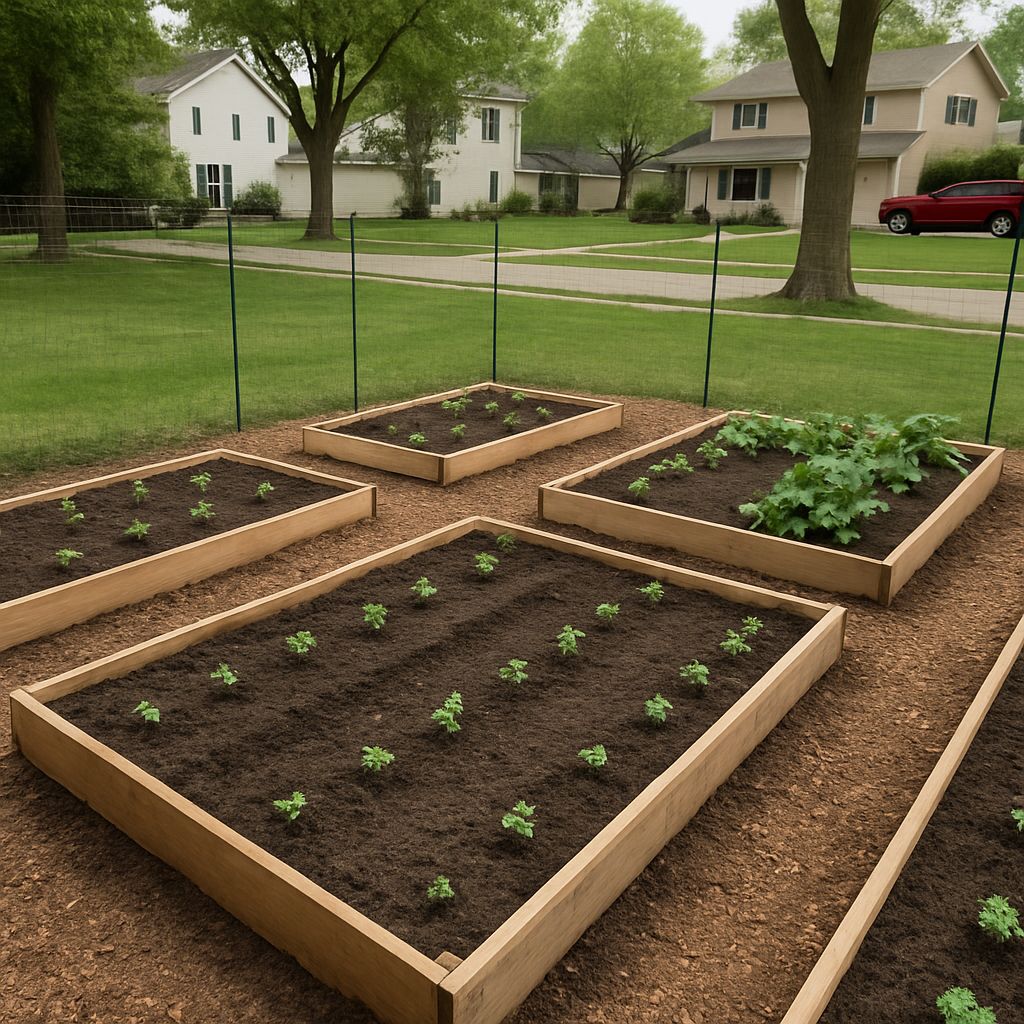
The single biggest mistake new urban gardeners make is starting too large. A 4×4-foot raised bed, one self-watering container, or even a single Back to the Roots Water Garden on your patio is a completely legitimate first step — and it’s far more likely to succeed than an ambitious multi-bed setup that overwhelms you by June. Pick three to five crops you actually eat, plant them well, and focus on learning your space: how much sun it gets at different times of day, how quickly your containers dry out in Naperville’s summer heat, and which plants genuinely thrive with minimal intervention in your specific microclimate.
Once you’ve had one successful season, expanding feels natural rather than intimidating. Add a second bed, try a new crop, experiment with vertical growing on a trellis or fence panel. The gardeners who stick with urban growing long-term are almost always the ones who started small, got a few wins early, and built from there — not the ones who bought every kit and planted every seed at once. For more ideas, check out these open-source kits for urban gardening.
Frequently Asked Questions
Here are the most common questions Naperville urban gardeners ask when starting with eco-friendly kits and sustainable growing methods.
What is the best eco-friendly urban garden kit for beginners in Naperville, IL?
For true beginners, the Gardenuity Garden in a Box Herb Kit is the easiest entry point. You enter your zip code, they match the plants to your local climate conditions, and the kit arrives with everything pre-selected and sized for your growing zone. There’s no guesswork about what will survive Naperville’s Zone 5b conditions — it’s already been handled for you.
If you want something more hands-on and scalable, the AKER GrowSquare is the better choice. It snaps together without any tools, works on balconies or patio surfaces, and can be expanded by adding additional units as your skills and confidence grow. It’s also open-source, meaning the design plans are publicly available if you’d rather build your own version from FSC-certified cedar.
For the most unique beginner experience, the Back to the Roots Water Garden aquaponic kit is genuinely fascinating — you grow herbs above a fish tank in a closed-loop system where the fish feed the plants, and the plants filter the water. It requires no synthetic fertilizer, fits on a small outdoor table, and teaches you the basics of ecosystem-based growing in a very compact, low-maintenance format.
Can I grow vegetables year-round in an urban garden in Naperville?
Outdoor year-round growing in Naperville is not realistic without season extension tools — Zone 5b winters are simply too cold for most edible plants to survive unprotected. However, with a cold frame (essentially a bottomless box with a clear lid placed over your raised bed) or a low tunnel made from wire hoops and row cover fabric, you can extend your outdoor growing season by 4 to 6 weeks on each end, pushing usable growing time from late March through early December. Hardy greens like kale, spinach, and arugula can survive under row cover even when temperatures dip into the mid-20s°F. For true winter growing, an indoor setup under full-spectrum LED grow lights — like the Spider Farmer SF-1000 — allows you to grow microgreens, lettuce, and herbs continuously on a countertop or in a basement space regardless of outdoor temperatures.
What materials make an urban garden kit truly eco-friendly?
A genuinely eco-friendly urban garden kit should use FSC-certified or reclaimed wood for any frames, BPA-free or food-safe recycled plastics for containers, and organic or sustainably sourced soil components like coconut coir instead of peat moss. Seeds should be non-GMO and ideally open-pollinated heirloom varieties that can be saved and replanted each year. For more tips on maintaining your garden, check out this plant ID guide and seasonal maintenance tips.
Beyond the physical materials, look at the brand’s packaging and shipping practices. Kits that arrive in recycled cardboard with minimal plastic wrap, and brands that use carbon-neutral shipping options, demonstrate that their eco-credentials extend beyond the product itself. Greenwashing is real in the garden industry — if a kit’s only eco claim is “natural” seeds in a plastic-wrapped box with styrofoam packing peanuts, it doesn’t earn the label.
How much space do I need to start an urban garden in Naperville?
Genuinely, as little as 4 square feet of outdoor space with direct sun exposure is enough to start a productive urban garden. A 2×2-foot self-watering planter in full sun can grow enough lettuce, herbs, or radishes to meaningfully supplement your kitchen throughout the growing season. The non-negotiable requirement isn’t space — it’s sunlight. Most vegetables need a minimum of 6 hours of direct sun per day, with 8 hours producing significantly better yields. Before buying any kit or building any bed, spend a full day observing exactly how many hours of direct sun your intended growing space receives at different times of year.
Are there local Naperville resources or garden centers that support urban gardening?
The Growing Place Garden Center in Naperville is the strongest local resource for urban gardeners in the area. Their staff have deep, practical knowledge of Zone 5b growing conditions and can recommend soil mixes, container types, and plant varieties that are specifically appropriate for Naperville’s climate. With a 4.5-star rating and consistent reviews praising staff knowledge, it’s a genuinely useful first stop before you start building or planting.
Beyond The Growing Place, Naperville’s Park District periodically runs community gardening programs and educational workshops on sustainable growing techniques. Checking the Naperville Park District’s events calendar at the start of each growing season is worth the five minutes — these programs sometimes include access to shared garden plots, composting resources, and free plant starts that aren’t widely advertised.
For online community support, local Facebook groups like “Naperville Gardeners” and “Illinois Urban Gardening” are active communities where experienced Zone 5b growers share planting schedules, pest alerts, seed swaps, and real-time advice throughout the season — the kind of hyper-local knowledge that no national gardening website can replicate. Tap into these communities early, and you’ll shortcut years of trial-and-error growing in Naperville’s specific climate.
If you’re ready to take the next step in sustainable urban growing, explore curated eco-friendly gardening resources and kits designed to help urban gardeners in any space grow smarter, greener, and more productively every season. For more inspiration, check out these open-source kits to kickstart your urban gardening.